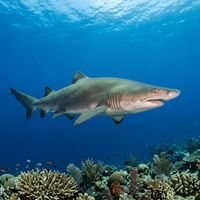
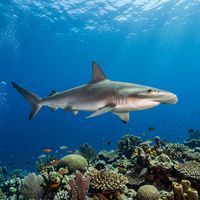
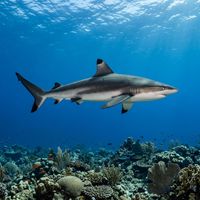
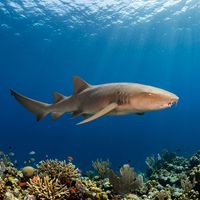
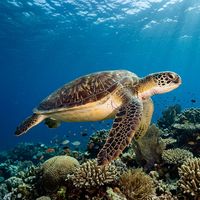
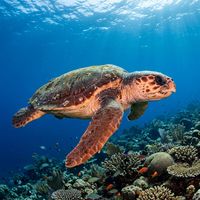
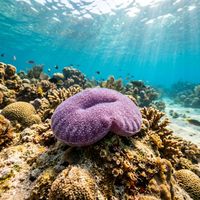
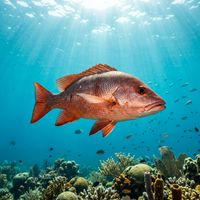
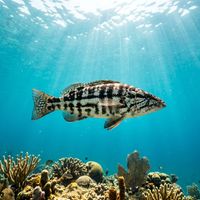
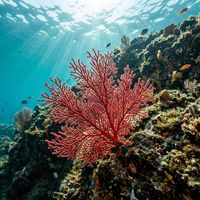
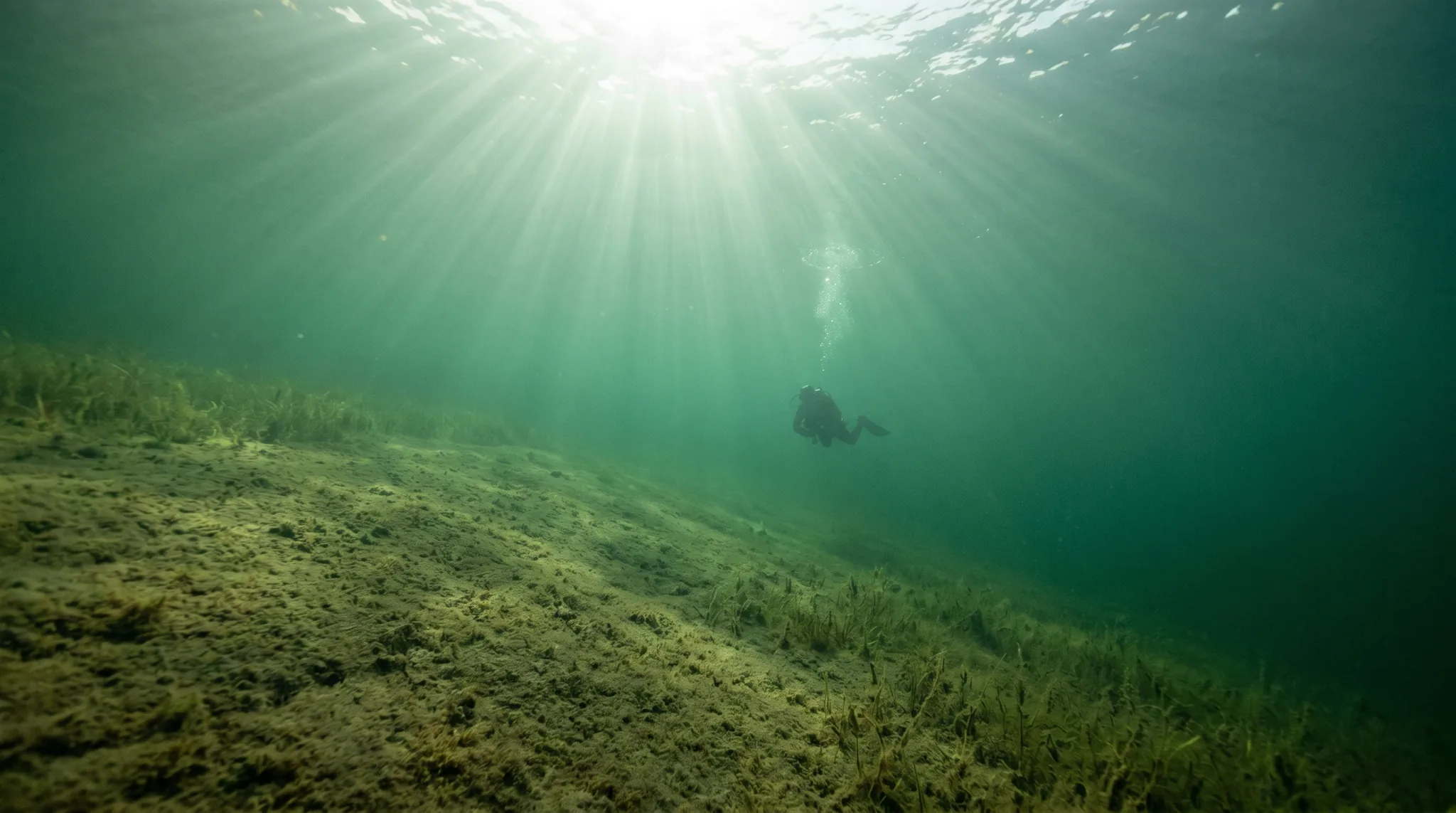
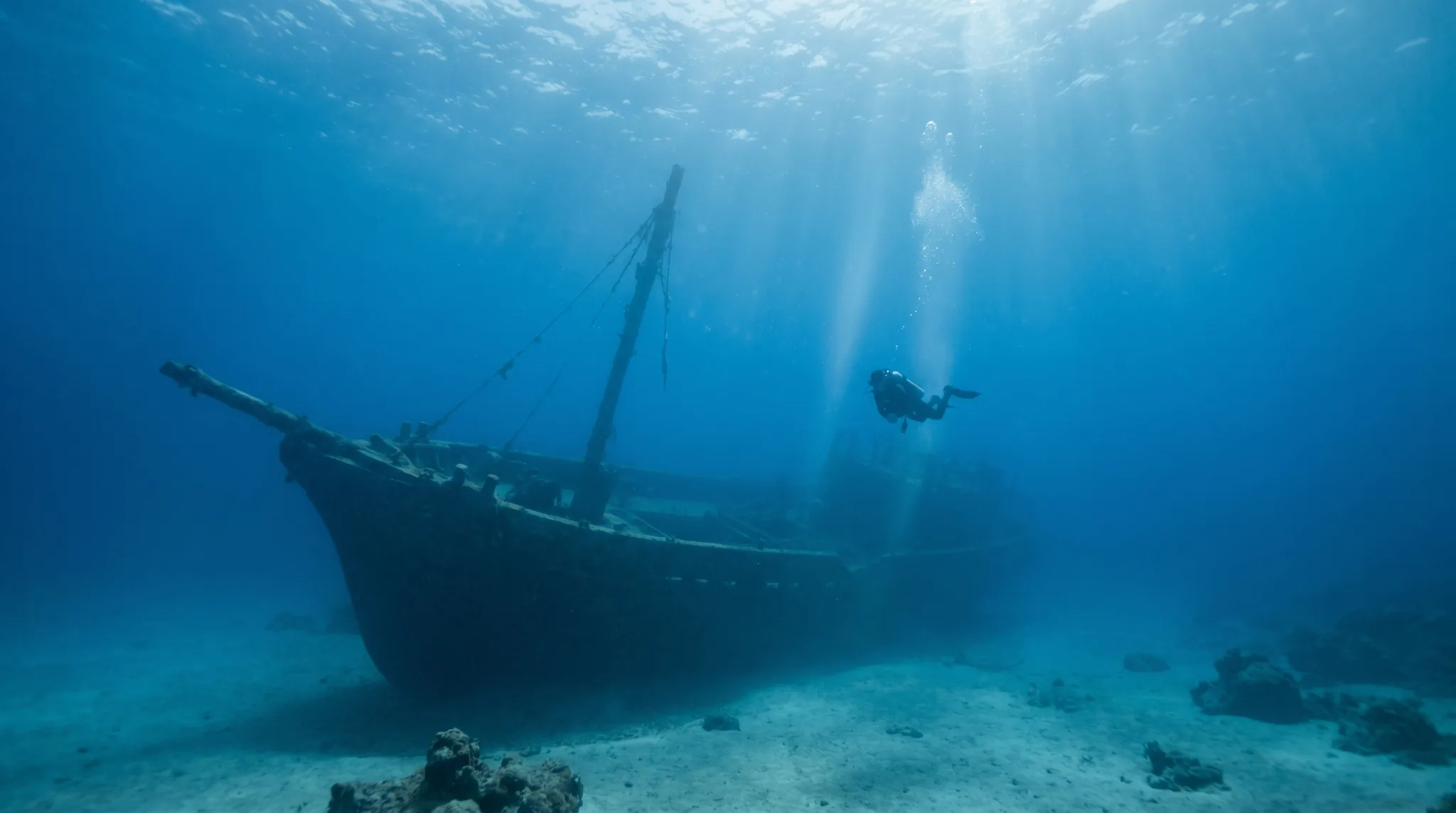
Savannah Artificial Reefs is defined by an extensive collection of sunken wrecks and purpose-built artificial structures, ranging from shallow barges and Liberty Ships accessible to beginners through to deeper tugboats and offshore reefs that suit intermediate divers. Nearly all sites require a boat. The shark life is a clear draw, with Grey Nurse Shark, Bonnethead, Common Blacktip Shark, and Nurse Shark all observed very commonly. Red Snapper, Sea Bass, and Red Gorgonian colonise the structures, while Green Sea Turtle and Loggerhead Sea Turtle appear regularly.
Monthly water temperature across Savannah Artificial Reefs's sites, from satellite sea-surface data corrected for depth. The band shows the site-to-site spread.
Water is at its coldest through winter, making a drysuit or thicker exposure suit advisable from January through February. Conditions improve markedly from late spring, with the warmest water running through summer and into early autumn, when diver activity peaks from May through October. The sites are exposed offshore structures, so surface conditions and boat access should be checked before heading out.
21 operators
Saint Simons Island, United States
Montgomery, United States
65 more sites to explore
Water temperature around Savannah Artificial Reefs ranges from about 14°C in January to 28°C in July, based on satellite sea-temperature data for its dive sites.
In the warm season (about 28°C) a rash guard or 3mm shorty is comfortable in Savannah Artificial Reefs; in the coldest months (about 14°C) step up to a 7mm or semi-dry suit.
Fin maps 77 sites in Savannah Artificial Reefs (74 scuba diving sites and 8 snorkelling spots, with some suited to both).
Across Savannah Artificial Reefs's dive sites, May, June, July, August, September and October are most often reported as the best months to visit.
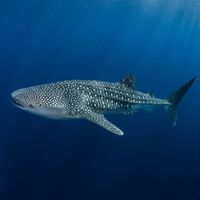
Shark encounters are a highlight here. Grey Nurse Shark, Bonnethead, Common Blacktip Shark, and Nurse Shark are all observed very commonly across the sites. Sandbar Shark and Grey Reef Shark have also been recorded, and Whale Shark makes occasional appearances.
Almost all sites require boat access, as the wrecks and artificial structures sit offshore. A small number of freshwater sites such as Lake Hollywood and Lake Scooba offer shore entry for divers who prefer to avoid a boat trip. Operators Carolina Dive Locker and Scooba Shack both serve the area.
A good portion of the sites are rated beginner level, including shallow wrecks like the Edwin S. Nettleton and the Dredge Henry Bacon, as well as the freshwater muck site at Lake Scooba. Intermediate divers have a wide choice of deeper offshore wrecks such as Reef J (Tug Elmira) and the Esparta, which offer greater depth and more complex overhead environments.
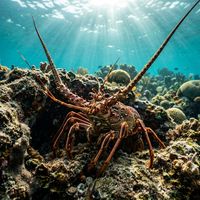
The artificial structures support a diverse community beyond the sharks. Red Gorgonian grows extensively across many sites, while Red Snapper, Sea Bass, Spadefish, and Groupers are observed regularly. Spiny Lobster is very commonly encountered, and Sea Pansy is a notable find across the reef network.