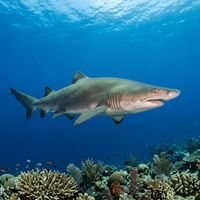
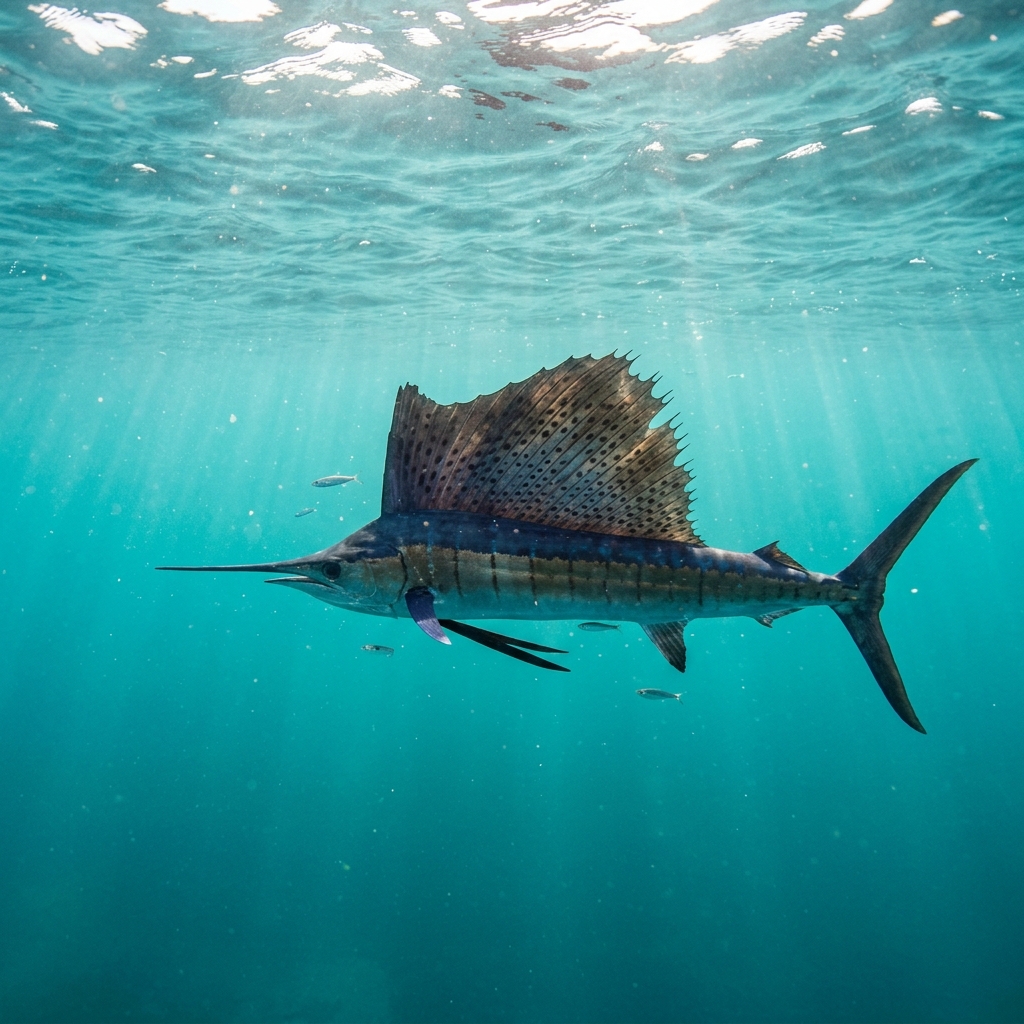
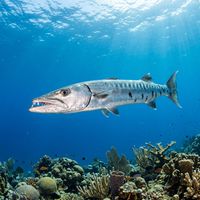
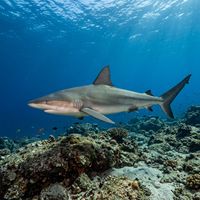
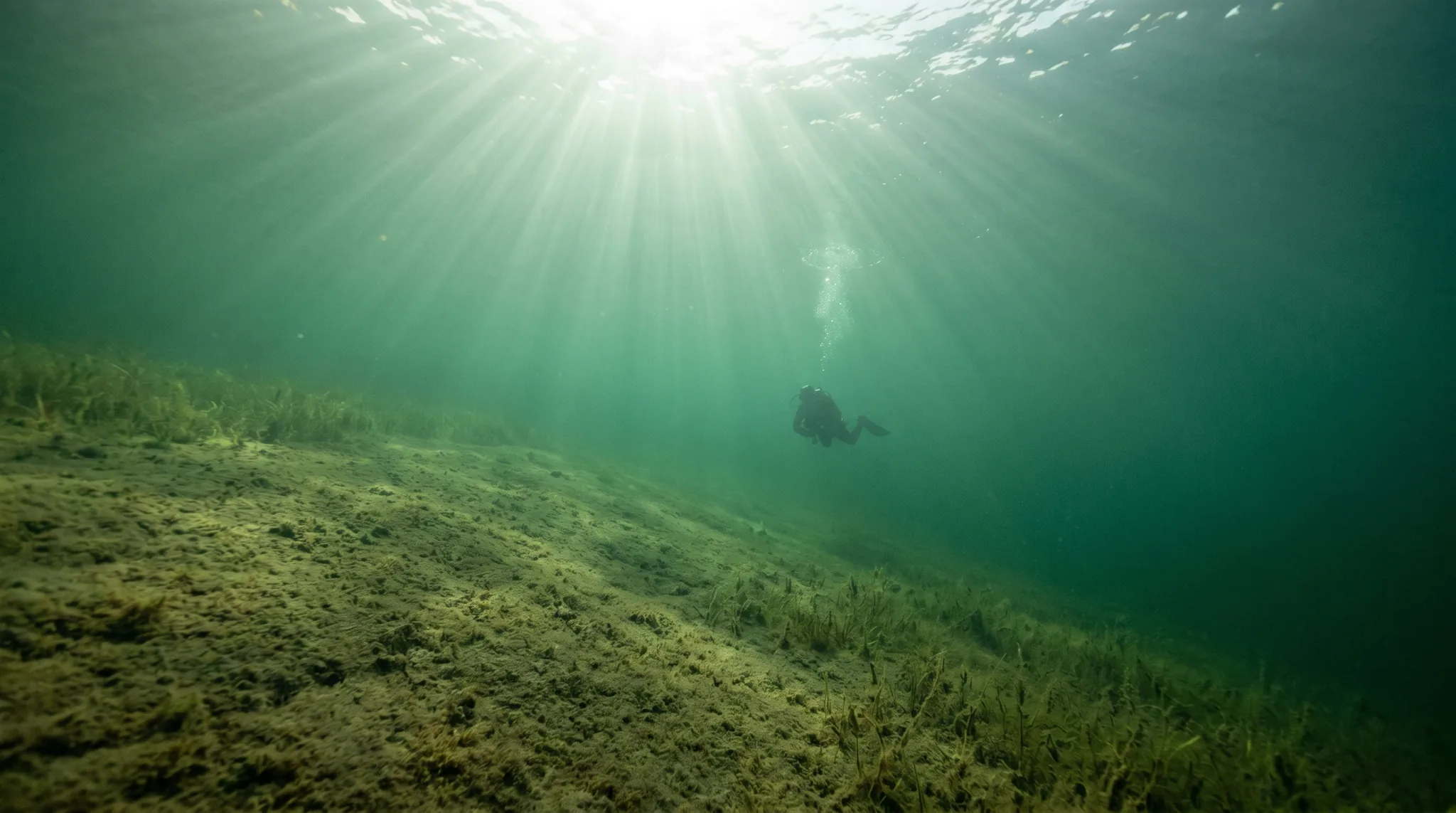
Grand Strand Reefs is a boat-access dive destination built almost entirely on wrecks and artificial structures, with a depth range spanning shallow rubble to serious technical territory. Grey Nurse Shark and Sea Bass are observed consistently across the sites, while Sandbar Shark, Great Barracuda, and the occasional Sailfish add variety. Sites suit all levels, from approachable artificial reefs to the deep wreck of St Cathan and the current-driven drift of Cooper River.
Monthly water temperature across Grand Strand Reefs's sites, from satellite sea-surface data corrected for depth. The band shows the site-to-site spread.
Water temperatures climb through spring into warm summer peaks, with the most favourable conditions running from late spring through early autumn. Winter months bring noticeably cooler water, which thins diver numbers and can reduce visibility. The warmer months favour lighter exposure protection and tend to coincide with the best shark and pelagic sightings.
11 operators
29 more sites to explore
Water temperature around Grand Strand Reefs ranges from about 13°C in February to 26°C in July, based on satellite sea-temperature data for its dive sites.
In the warm season (about 26°C) a 3mm full suit is comfortable in Grand Strand Reefs; in the coldest months (about 13°C) step up to a 7mm or semi-dry suit.
Fin maps 41 sites in Grand Strand Reefs (41 scuba diving sites and 2 snorkelling spots, with some suited to both).
Across Grand Strand Reefs's dive sites, May, June, July, August, September and October are most often reported as the best months to visit.
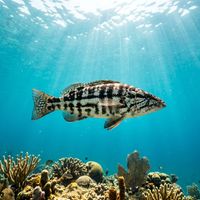
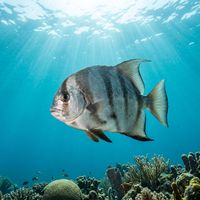
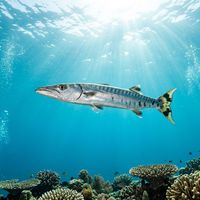
Grey Nurse Shark and Sea Bass are observed very commonly across the sites, making them near-reliable encounters. Sandbar Shark, Great Barracuda, and Spadefish are seen occasionally, and the Cooper River site is known for fossil finds including megalodon teeth. Star Coral provides the dominant invertebrate backdrop on the artificial structures.
Several sites are rated beginner level, including City of Richmond, Little River Reef, C J Davidson Jr Reef, and Charleston 60 Reef. These are all boat-access dives, so some comfort with boat diving is helpful. Intermediate and advanced sites are also well represented, making the region useful for divers at multiple stages.
Every site across Grand Strand Reefs requires boat access. Coastal Scuba is the locally listed operator serving the area. Most sites sit offshore, and distances vary from a short run to considerably further out for sites like the Hebe Wreck and the deep St Cathan.
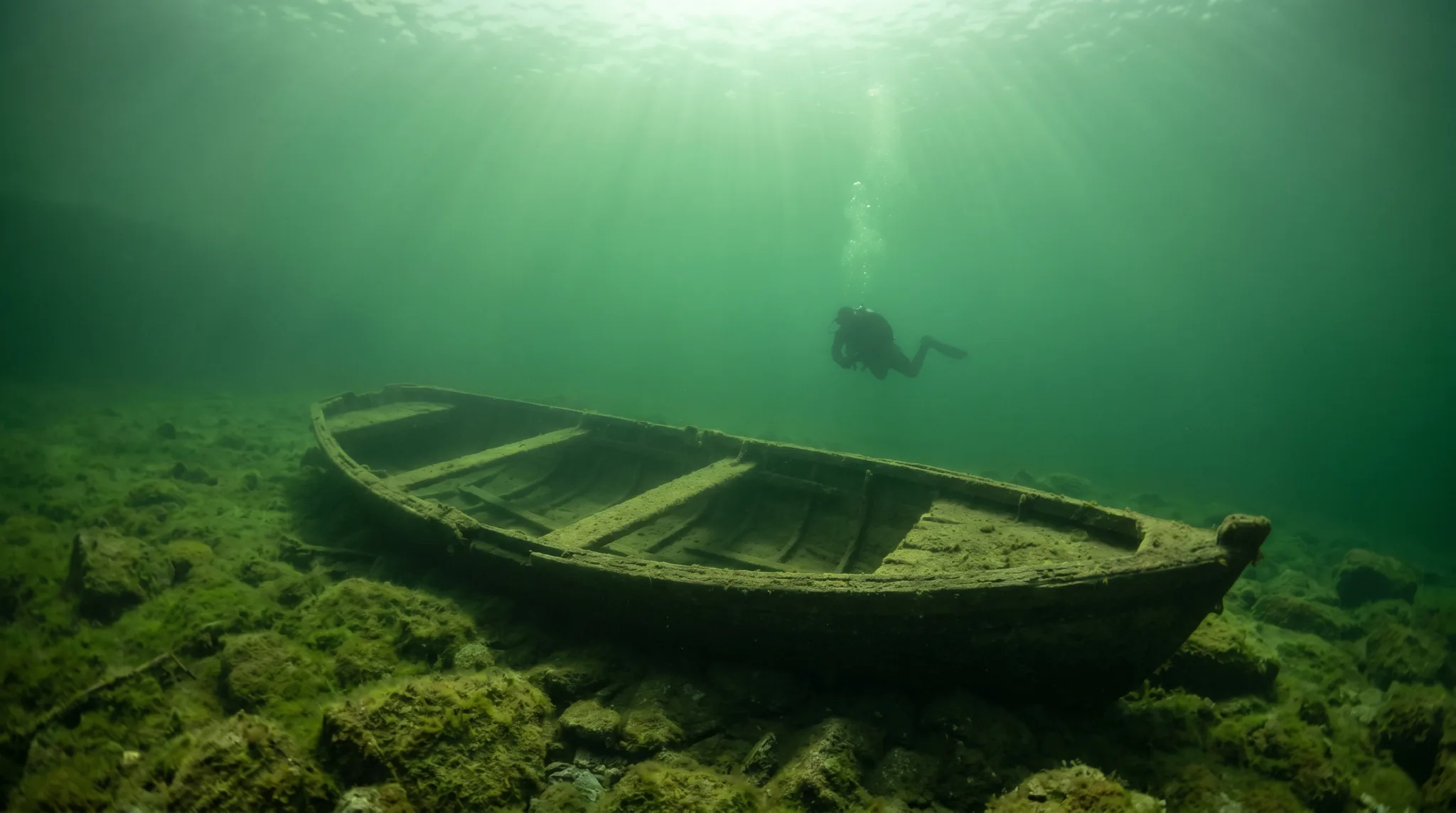
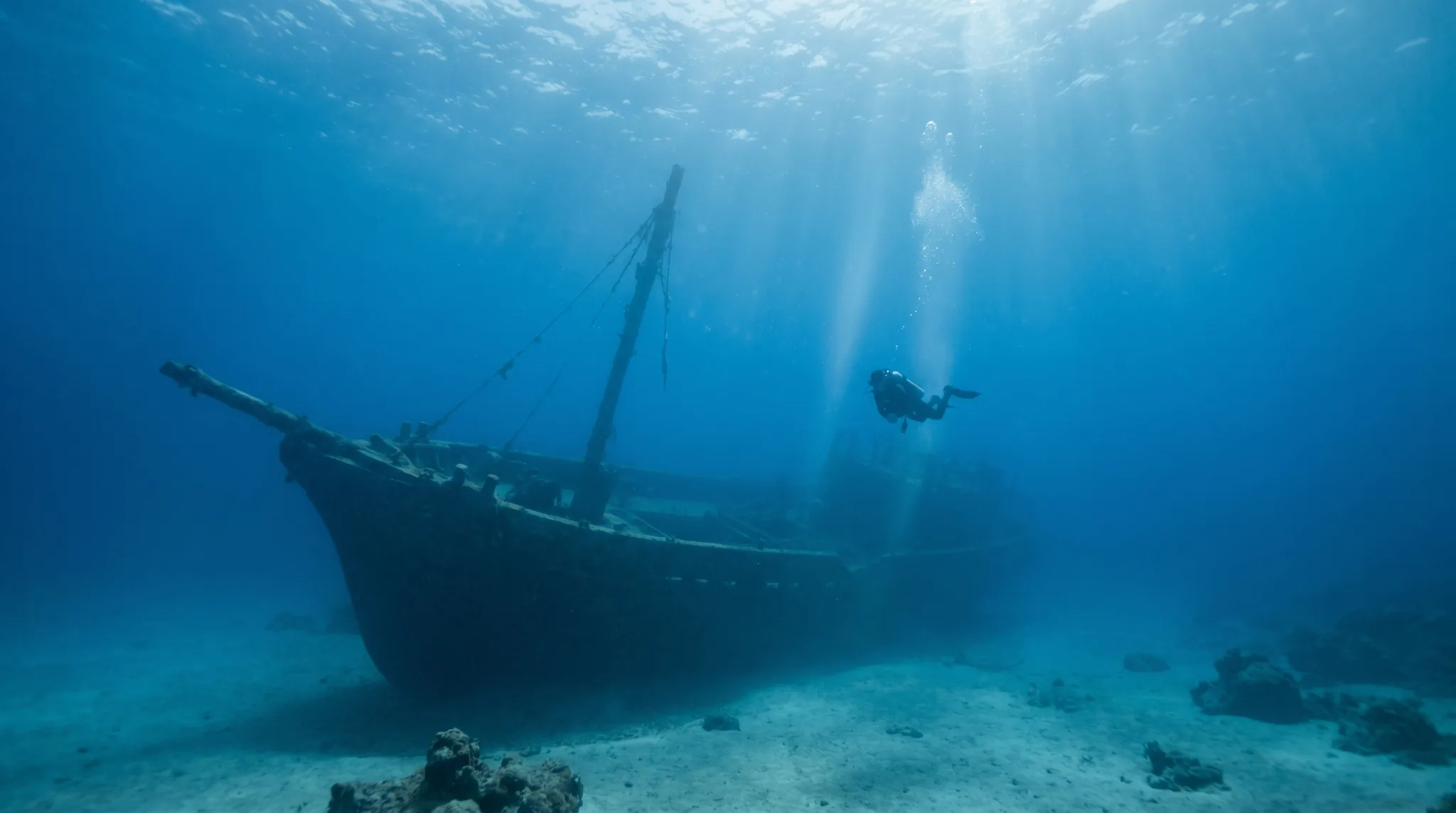
The majority of sites are wrecks or artificial reefs, often combined, covering a broad range of depths and skill levels. Cooper River is the notable exception, a freshwater drift site with strong current and a reputation for fossil discovery. Vermilion Reef adds a natural reef element alongside its artificial structures, offering more varied terrain than the dedicated wreck sites.