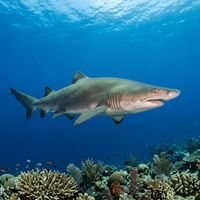
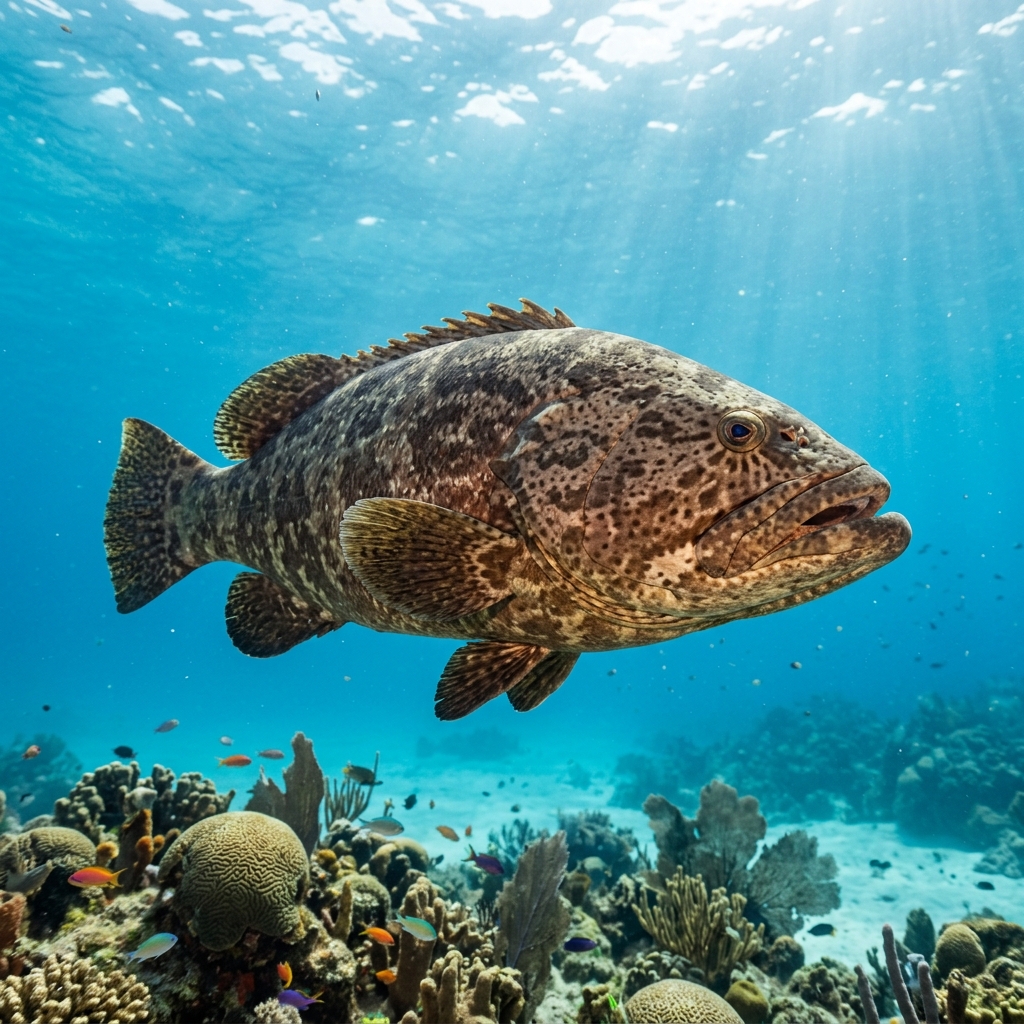
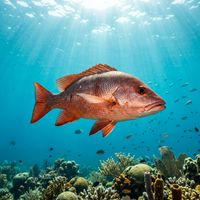
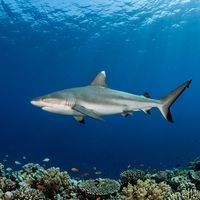
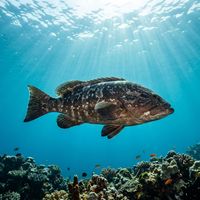
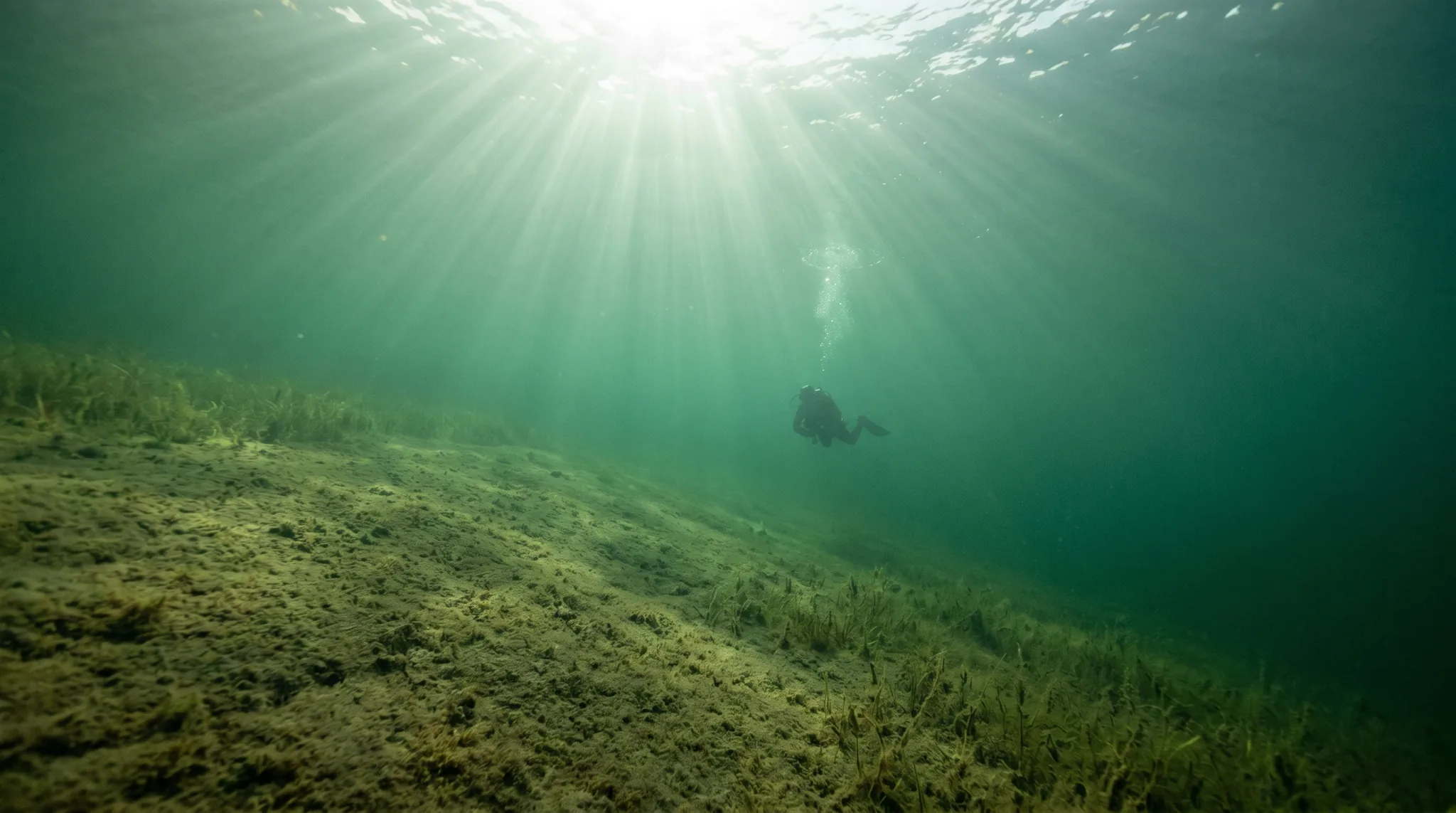
The Outer Banks is defined by wrecks. Nearly every site is a sunken vessel or purpose-built artificial reef, ranging from shallow aircraft and buoy structures accessible to beginners through to deep wartime tankers and advanced-only hulls. Cape Hatteras and Morehead City serve as the main departure points, and all diving is by boat. Grey Nurse Shark and Atlantic Goliath Grouper are the signature encounters, joined by Red Snapper on most dives.
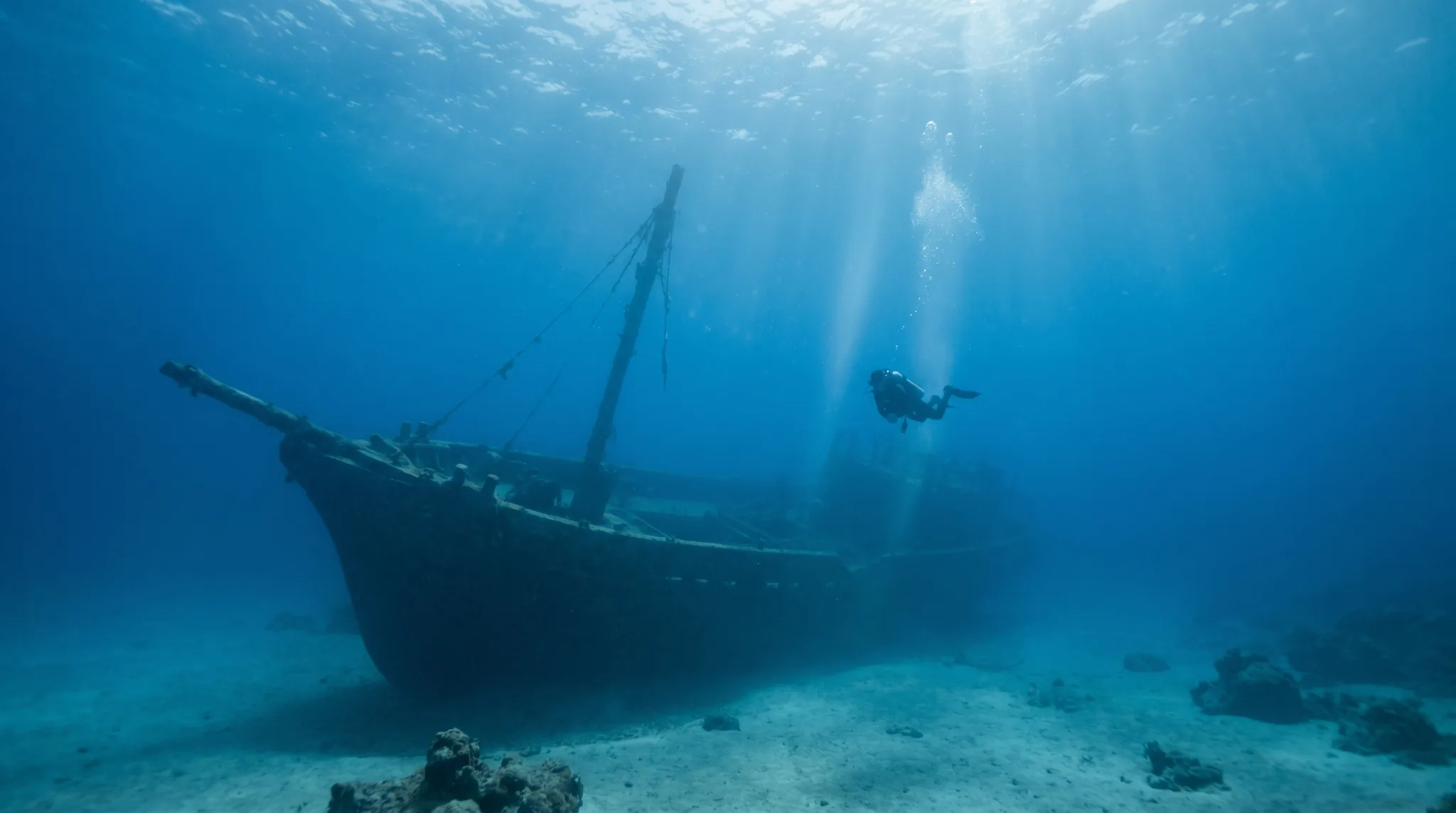
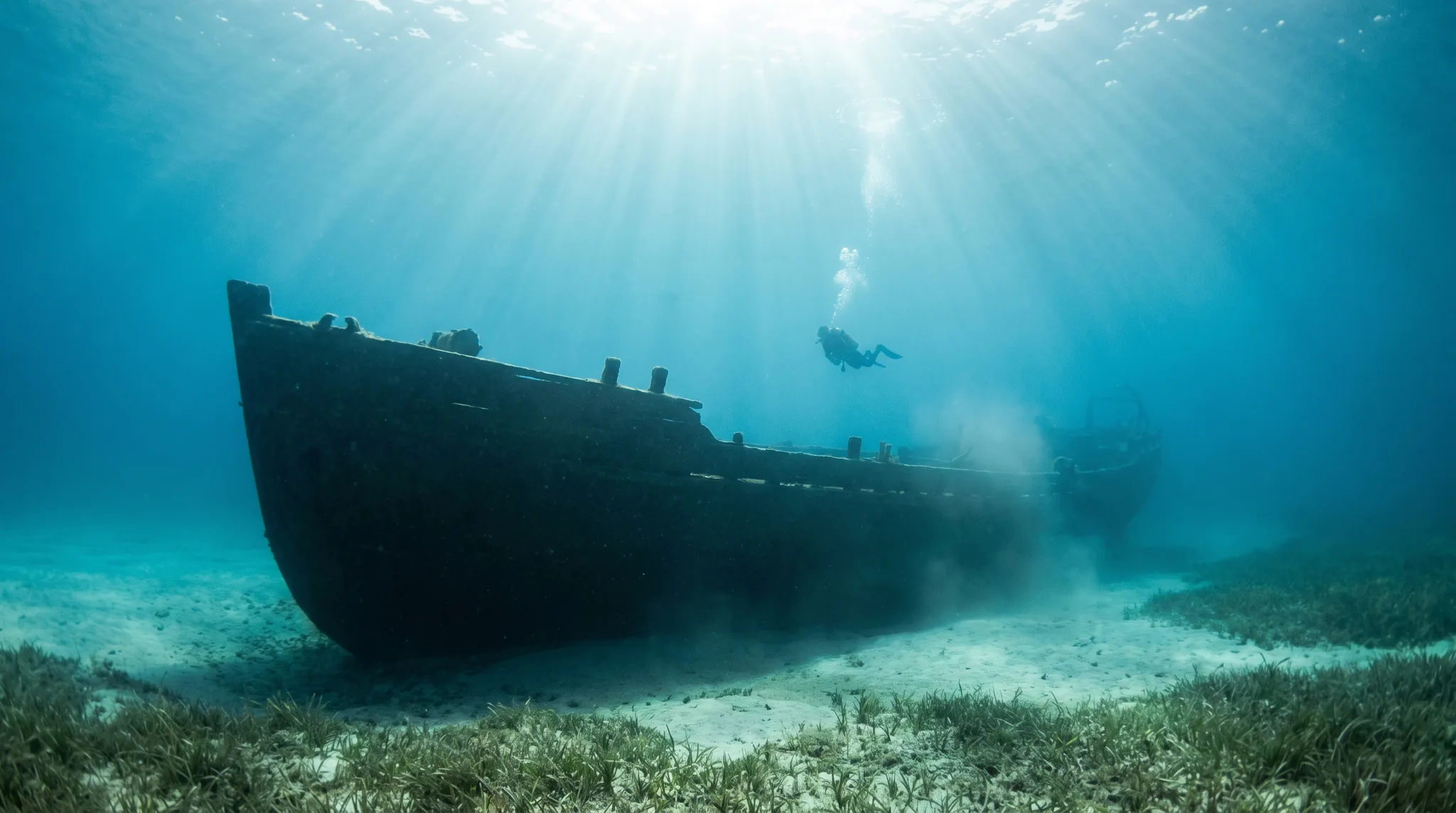
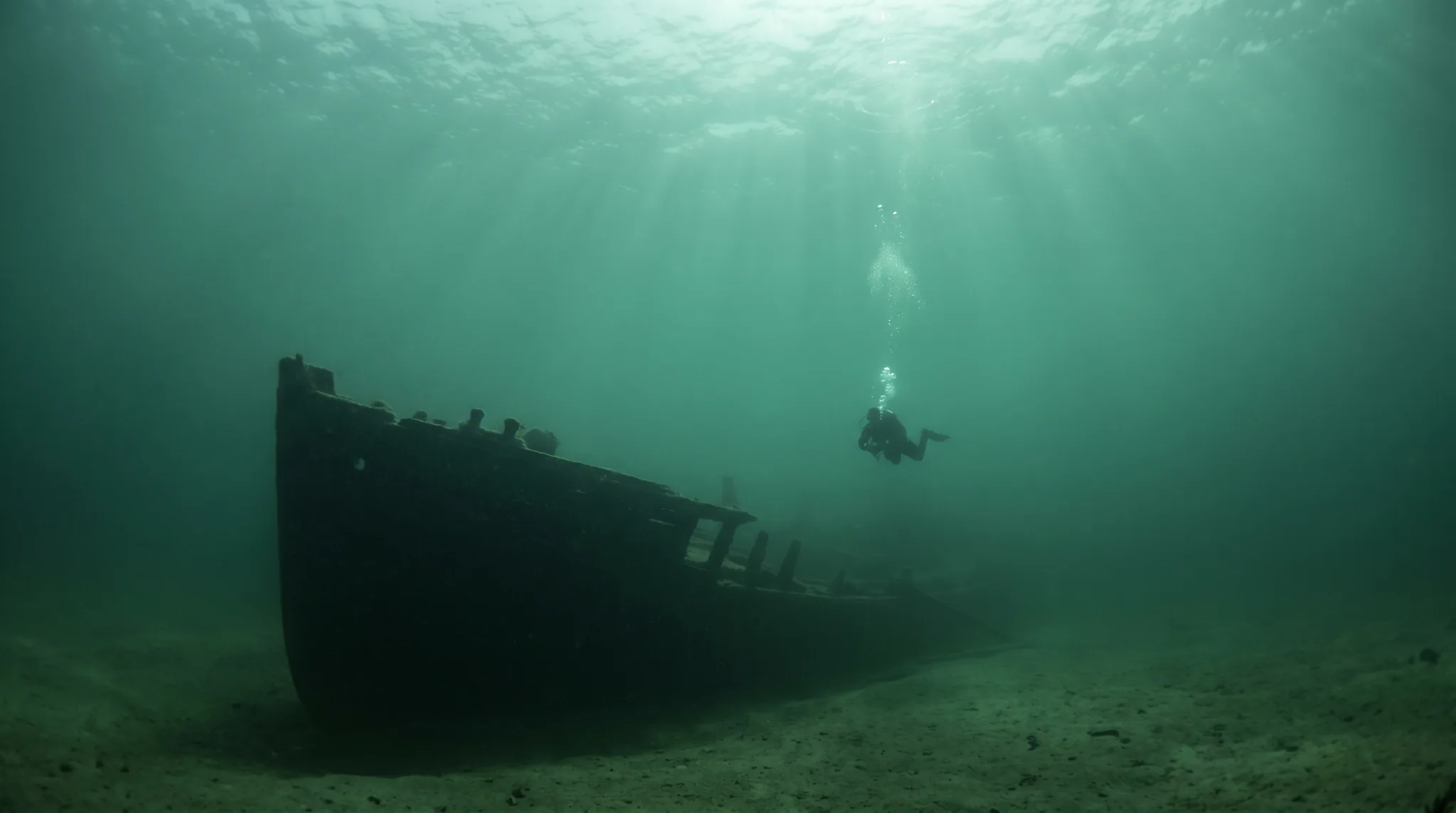
Monthly water temperature across Outer Banks's sites, from satellite sea-surface data corrected for depth. The band shows the site-to-site spread.
Water temperatures rise through late spring and peak in summer, when conditions are warmest and the best-months data clusters most strongly. From late spring through autumn offers the most comfortable diving window. Winter months bring cooler water and fewer optimal days, so most divers plan their trips between late spring and early autumn.
9 operators
United States
United States
United States
United States
Water temperature around Outer Banks ranges from about 16°C in February to 24°C in August, based on satellite sea-temperature data for its dive sites.
15 more sites to explore
In the warm season (about 24°C) a 3mm full suit is comfortable in Outer Banks; in the coldest months (about 16°C) step up to a 7mm or semi-dry suit.
Fin maps 27 sites in Outer Banks (27 scuba diving sites and 1 snorkelling spots, with some suited to both).
Across Outer Banks's dive sites, May, June, July, August, September and October are most often reported as the best months to visit.
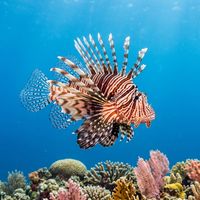
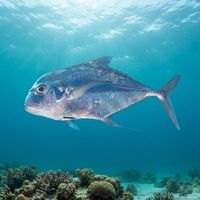
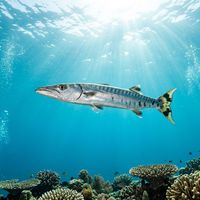
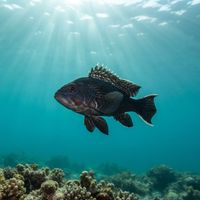
Grey Nurse Shark is the standout species and is observed very commonly across the sites. Atlantic Goliath Grouper is also a frequent presence on the wrecks. Red Snapper turns up on the majority of dives, and you may also encounter Spadefish, Cobia, Barracuda, Lionfish, and Whiptail Stingray among others.
Most sites are rated intermediate and require solid buoyancy control, particularly those with depth or current. A small number of shallow artificial reef buoy sites are rated as beginner-friendly, offering a gentler introduction. Divers new to wreck environments should work up through those shallower structured sites before attempting the deeper hulls.
All diving in the Outer Banks is by boat. Sites are scattered offshore from Cape Hatteras and Morehead City, and there are no shore-entry dive sites listed. Divers should arrange charter access before visiting, as no operators are currently listed in the Fin directory for this region.