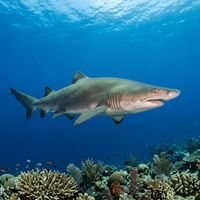
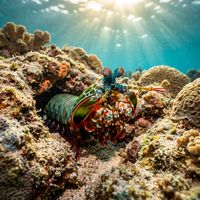
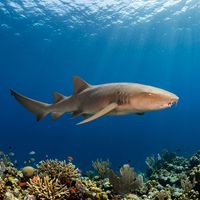
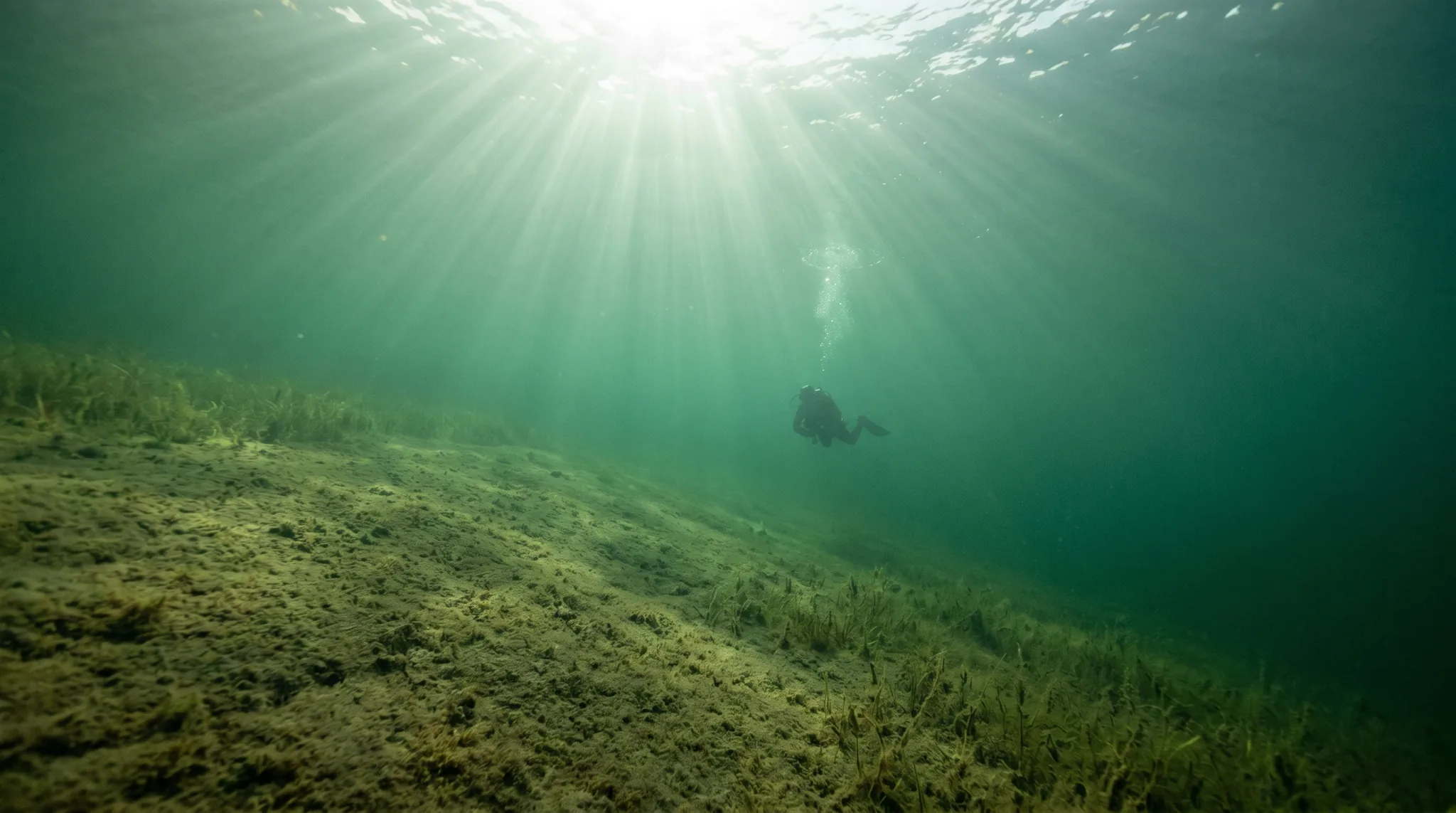
Wilmington's diving is defined by its dense network of artificial reefs and wrecks, all reached by boat. Sites range from shallow structures suited to beginners through to deeper wrecks demanding intermediate experience. The Grey Nurse Shark is the signature species, joined by a rich cast of reef fish including Cardinalfish, Goatfish, Lizardfish, and Pigfish. Scorpionfish and Mantis Shrimp are consistently observed across the reef structures. Warmer months bring the most comfortable conditions and the highest diver activity.
Monthly water temperature across Wilmington's sites, from satellite sea-surface data corrected for depth. The band shows the site-to-site spread.
Water temperatures follow a clear seasonal curve, running cool through winter and rising to warm summer peaks, making late spring through autumn the most comfortable window. Summer months draw the most diver traffic, with visibility at its most reliable. Winter diving is possible but requires appropriate exposure protection for the noticeably cooler water.
12 operators
Wrightsville Beach, United States
Southport, United States
Southport, United States
Wrightsville Beach, United States
17 more sites to explore
Water temperature around Wilmington ranges from about 13°C in January to 26°C in July, based on satellite sea-temperature data for its dive sites.
In the warm season (about 26°C) a 3mm full suit is comfortable in Wilmington; in the coldest months (about 13°C) step up to a 7mm or semi-dry suit.
Fin maps 29 sites in Wilmington (28 scuba diving sites and 2 snorkelling spots, with some suited to both).
Across Wilmington's dive sites, June, July, August, September and October are most often reported as the best months to visit.
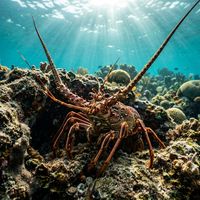
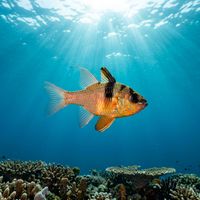
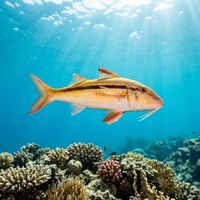
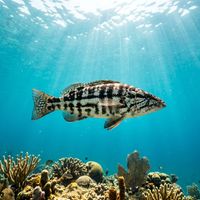
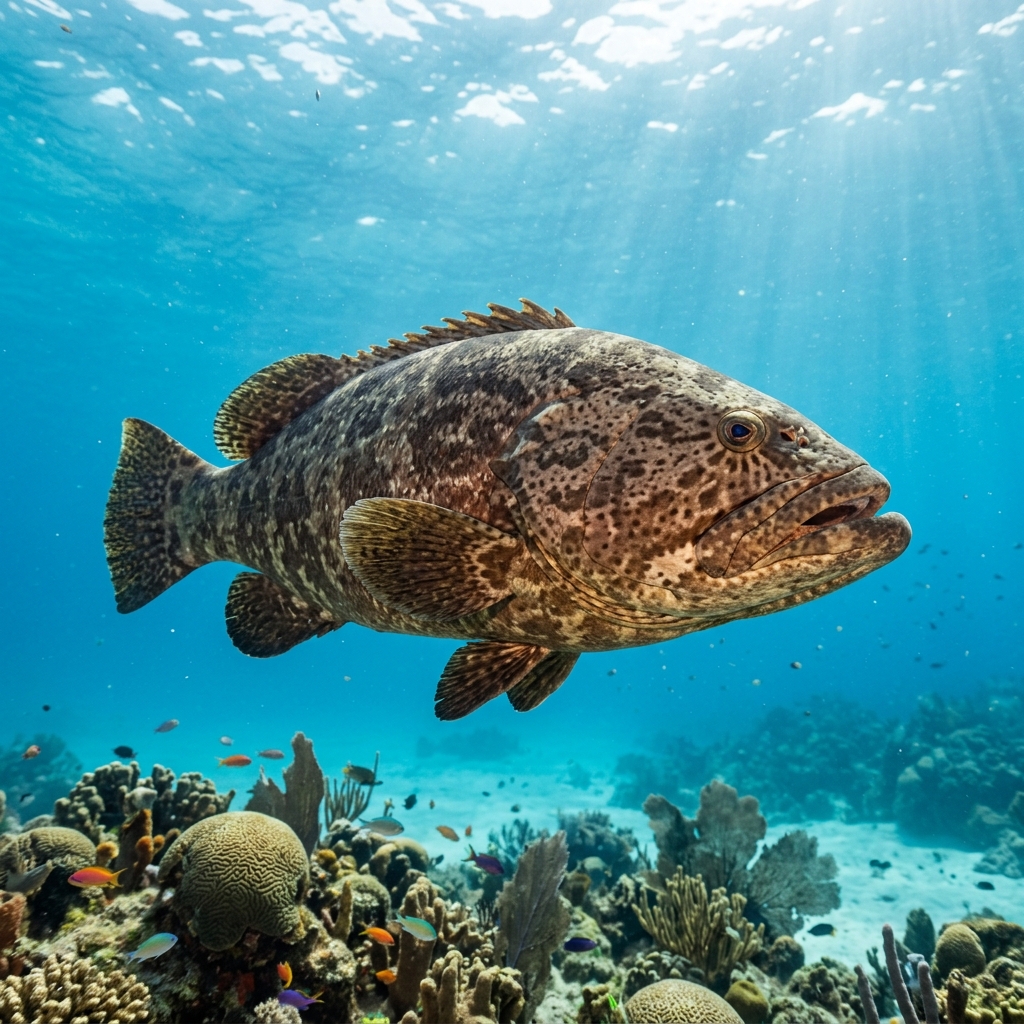
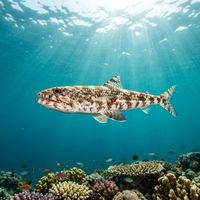
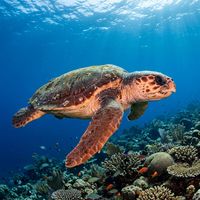
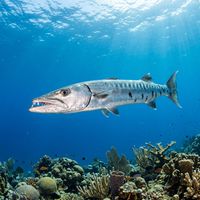
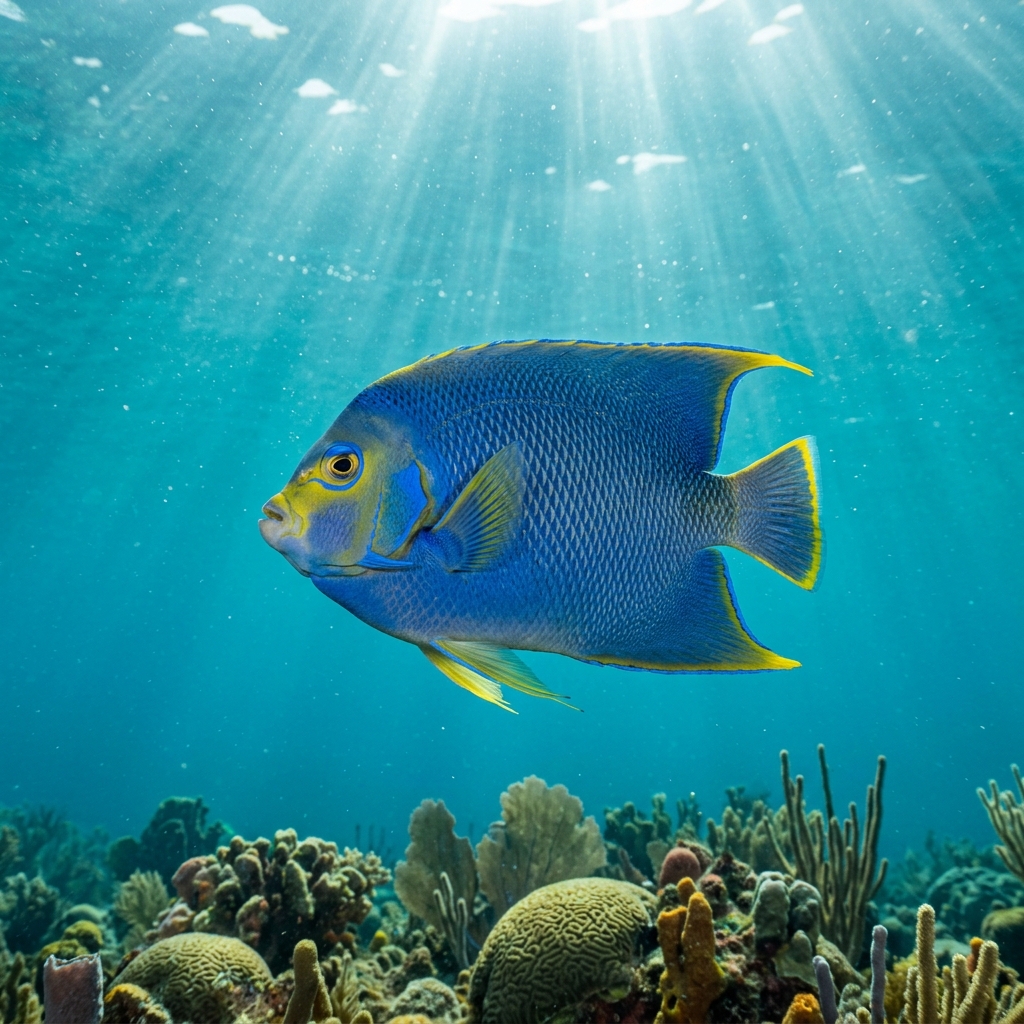
Grey Nurse Shark is the signature species and is very commonly observed across the region's sites. Cardinalfish, Goatfish, Lizardfish, and Sea Bass are seen on the vast majority of dives, while Scorpionfish and Mantis Shrimp are also very frequently encountered. Spiny Lobster, Angelfish, and Sand Perch add variety, and sightings of Atlantic Goliath Grouper and Loggerhead Sea Turtle have been recorded.
Yes, several sites are rated beginner-friendly, including Billy Murrell Reef, Phillip Wolfe Reef, and Meares Harris Reef, all of which sit at accessible depths. The majority of sites are rated intermediate, so divers looking to progress will find plenty of options without needing to travel far. All sites require boat access, so comfort on a dive boat is useful regardless of experience level.
Every site in Wilmington is reached by boat; there is no shore diving in the region's site listing. Multiple local operators serve the area, including Carolina Beach Scuba, Wrightsville Beach Diving, Aquatic Safaris SCUBA Center, and Blackbeard Scuba, among others. Booking through an established operator is the standard approach for reaching both the shallower artificial reefs close to shore and the deeper offshore wrecks.
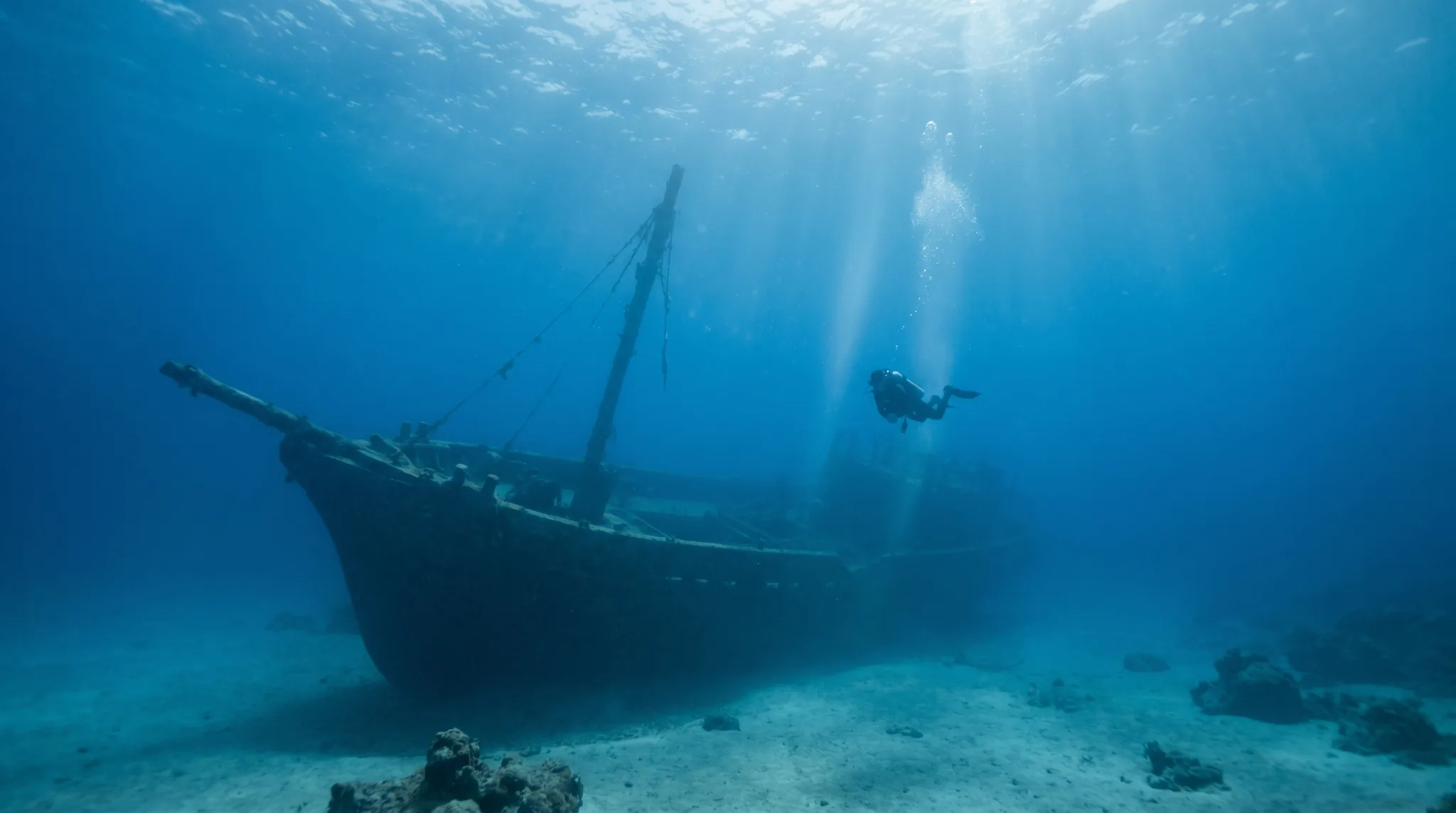
Artificial reefs and wrecks make up almost the entire site inventory in Wilmington, often combined at a single location. Named wrecks such as the Cassimer Wreck, Normannia, Porta Allegra, and Stone Brothers Tug provide varied structure across a range of depths. Sites like Lennon-Hyde Reef and Billy Murrell Reef mix natural reef elements with artificial materials, offering a richer habitat on shallower dives.