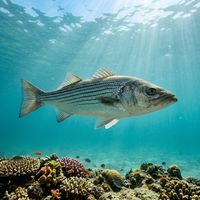
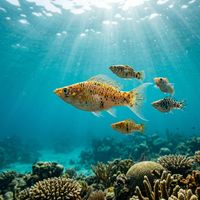
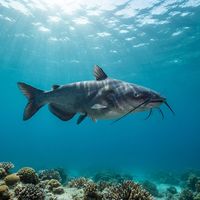
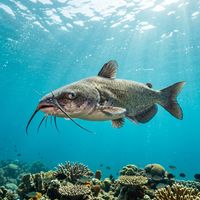
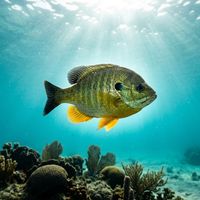
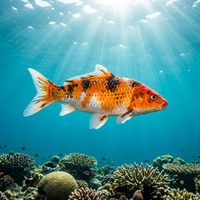
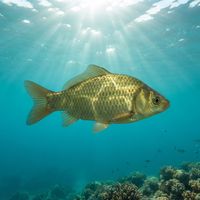
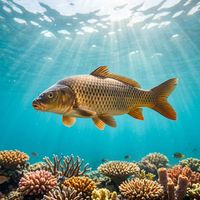
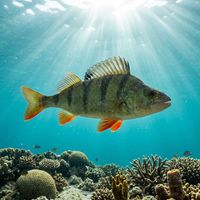
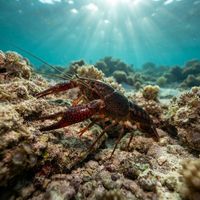
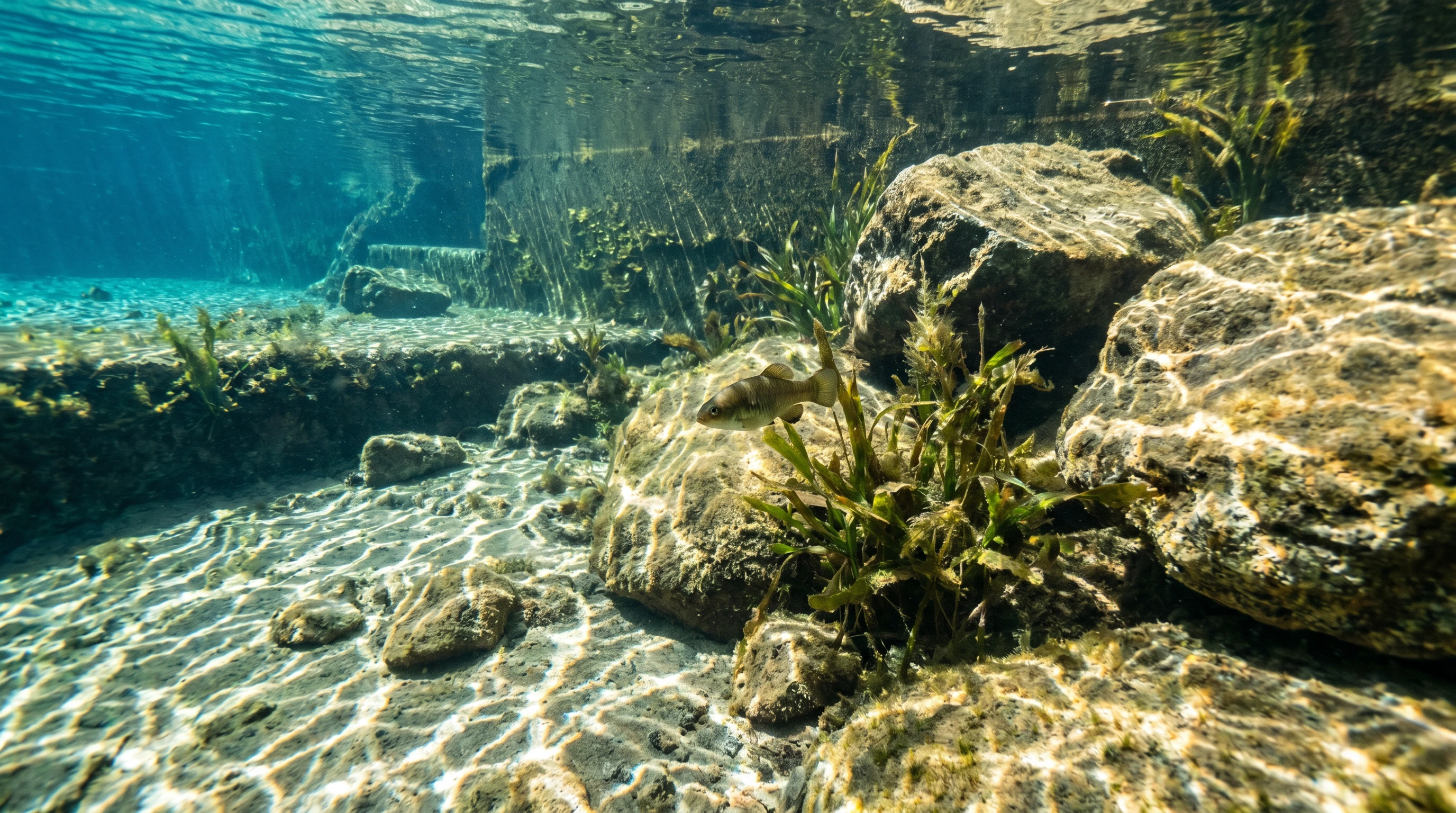
Inland Texas offers freshwater diving and snorkelling across reservoirs, spring-fed rivers, quarries and artificial reefs. Lake Travis and Lake Texoma together account for the majority of sites, ranging from shallow shore entries to deeper boat dives with drop-offs and wrecks. The Houston Area Quarries provide controlled conditions ideal for training. Balmorhea's spring-fed pool and the Comal River's gentle drift add variety. Observed species include Channel Catfish, Livebearer, Blue Gill, Common Carp and Perch across most sites.
6 areas
24 operators

Athens, United States
53 more sites to explore
Freshwater diving in a Texas reservoir, with artificial reefs, wrecks, and a decommissioned missile silo open to all skill levels.
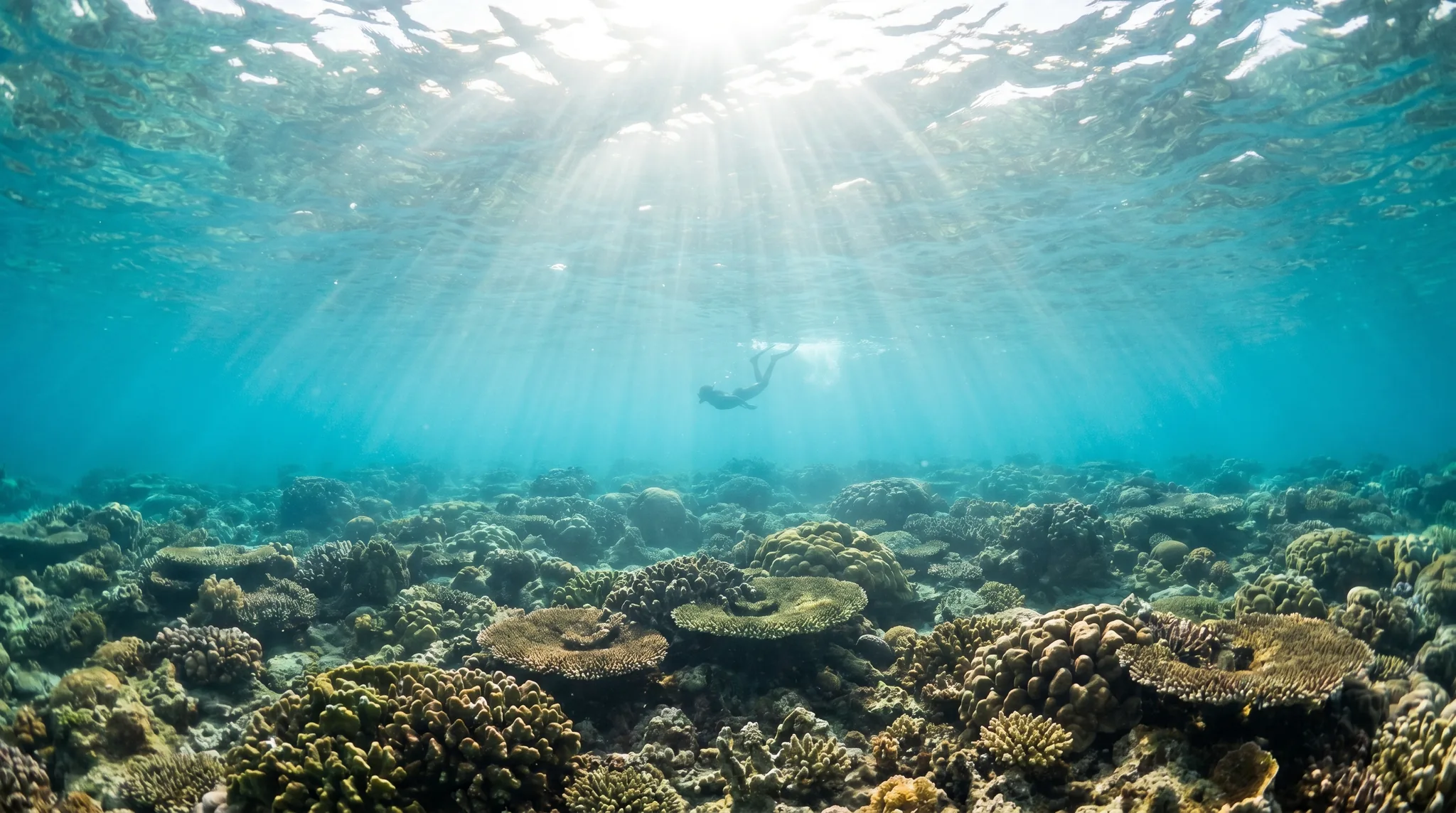
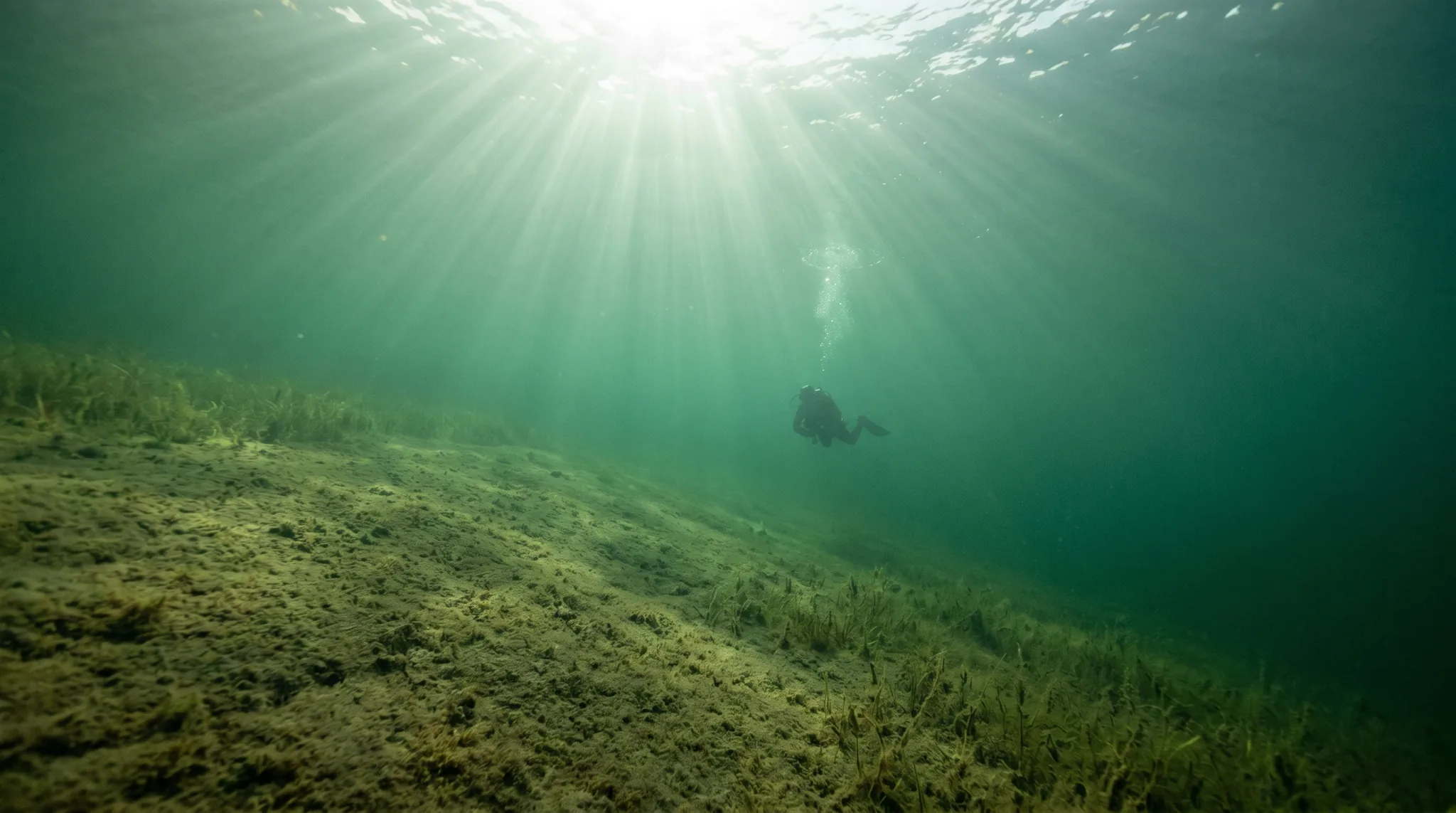
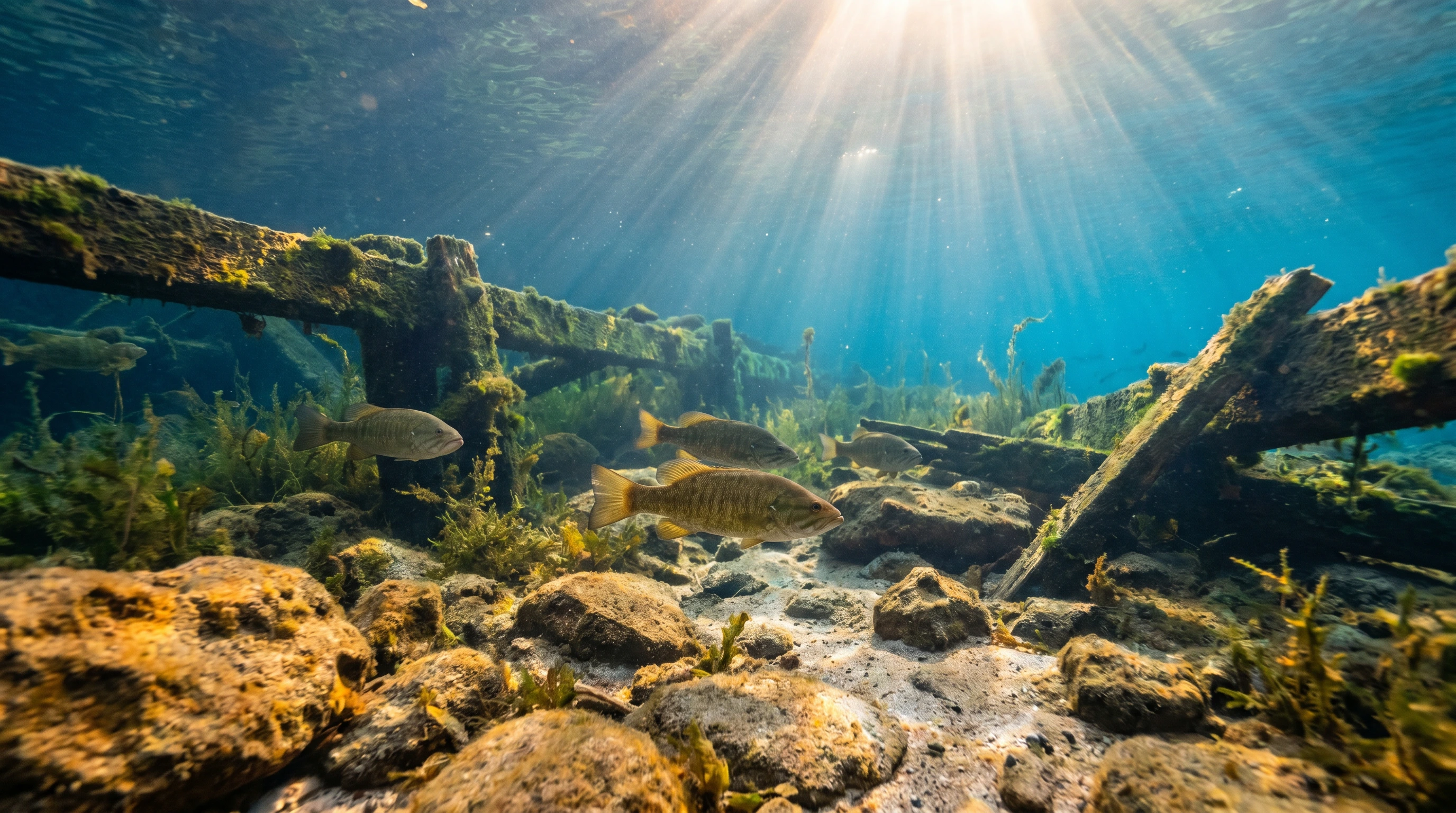
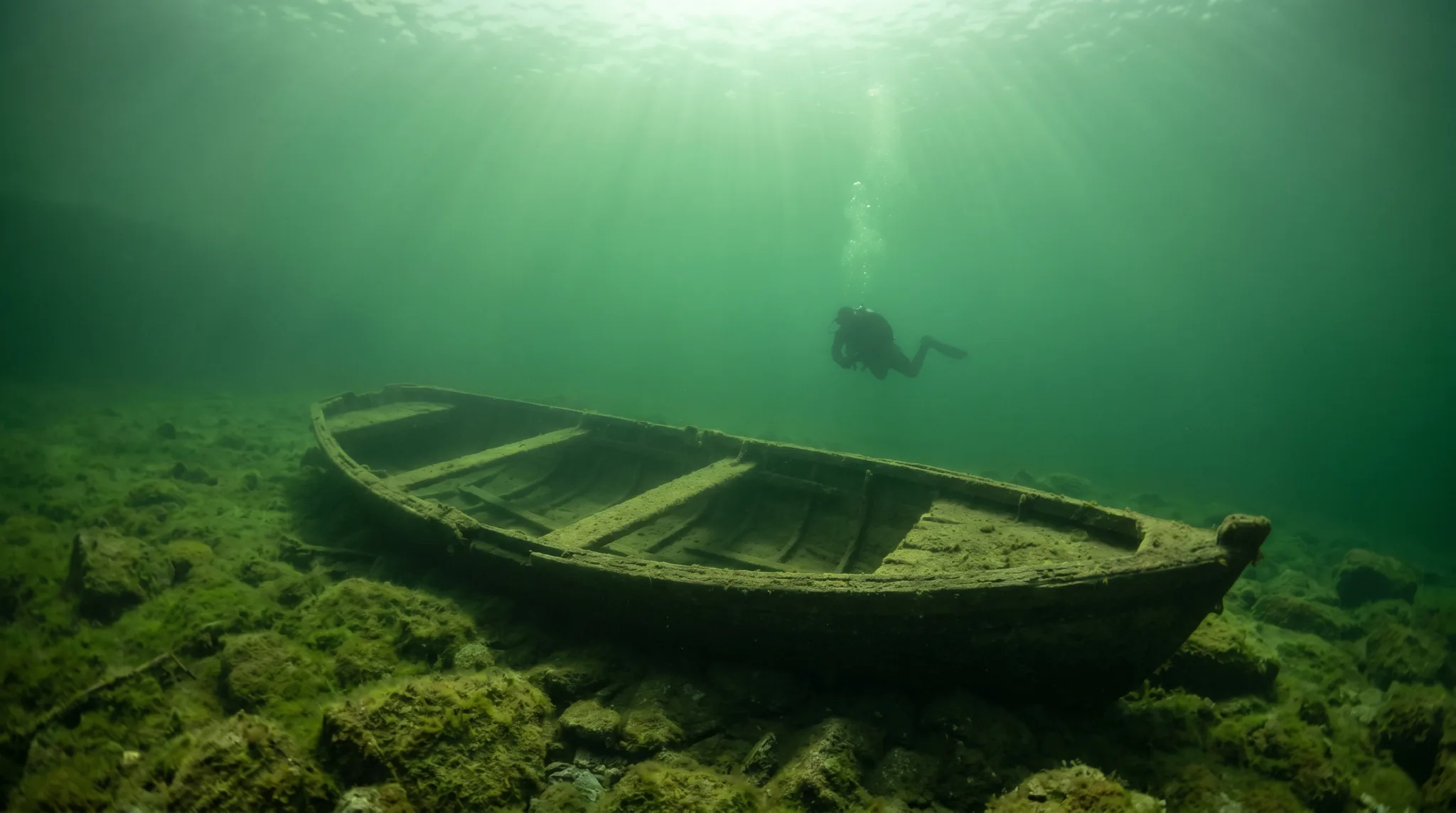
Fin maps 65 sites in Inland Texas (54 scuba diving sites and 20 snorkelling spots, with some suited to both), organised into 6 areas.
Across Inland Texas's dive sites, April, May, June, September, October and November are most often reported as the best months to visit.
The most commonly observed species across Inland Texas sites are Livebearer, Channel Catfish, Blue Gill, Common Carp and Perch. Temperate Bass and Tilapia are seen occasionally, while less frequent encounters include Longnose Gar, Freshwater Jellyfish and a range of sunfish species such as Redbreast Sunfish and Green Sunfish.
The majority of sites in Inland Texas are rated for beginners, including most locations across Lake Travis, the Houston Area Quarries and Balmorhea. Shallow shore entries and controlled quarry environments make early-certification diving straightforward. A smaller number of sites, such as Stillhouse Hollow Lake, are pitched at intermediate level for those seeking more challenge.
Lake Travis offers the widest variety, with reefs, wrecks, drop-offs and artificial structures accessible by both shore and boat. Lake Texoma has a large number of sites and is well-represented across operator itineraries. The Houston Area Quarries provide calm, controlled conditions popular for training dives. Balmorhea stands apart as a spring-fed pool with consistently clear water and a very different character from the reservoirs.
Shore entry is available at a large proportion of sites across Inland Texas, including Balmorhea State Park, Canyon Lake, the Comal River and several Houston Area Quarries locations. Some sites at Lake Travis and Lake Alan Henry require boat access. A handful of sites, including Lake Travis itself, offer both options depending on the specific entry point chosen.