Ictalurus punctatus
Whiskered and cold-water tolerant, channel catfish turn up in Ontario quarries and Great Lakes wrecks year-round, best in 9 to 20C water.
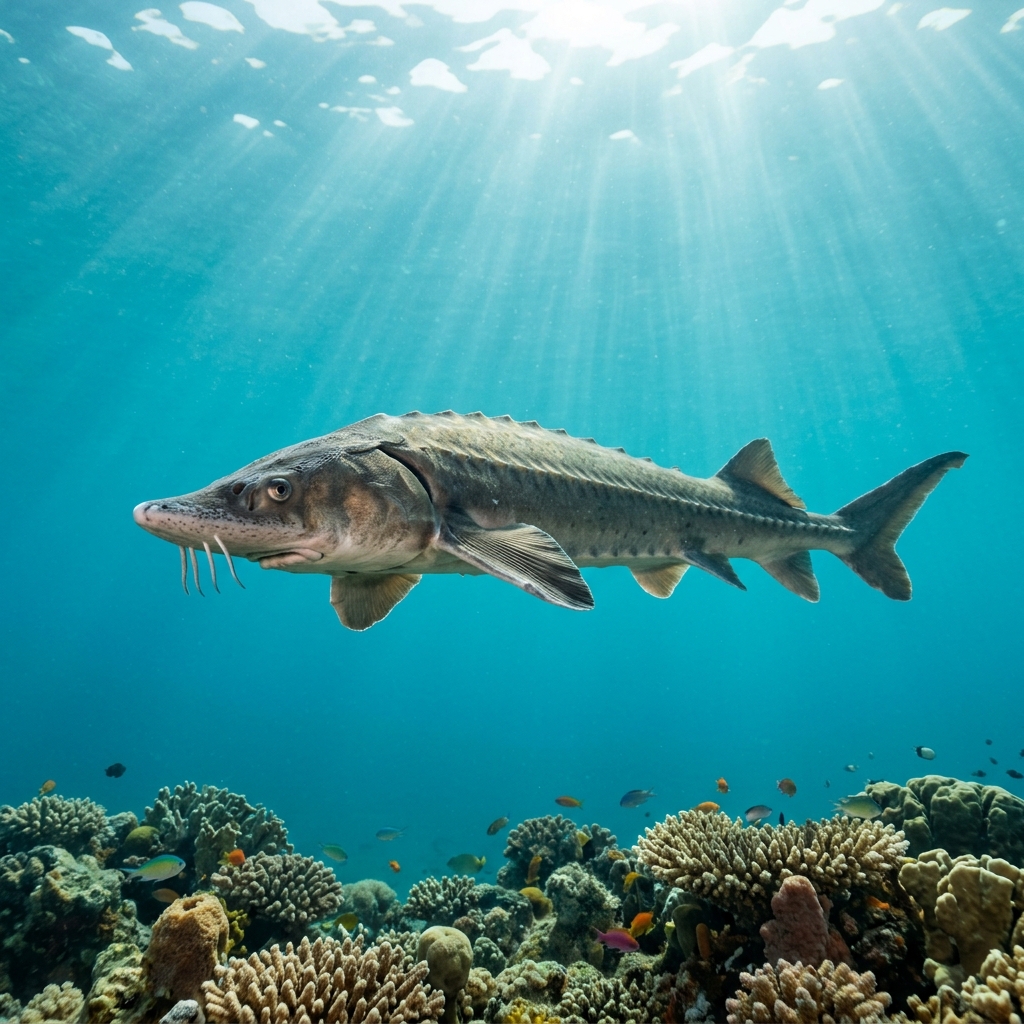
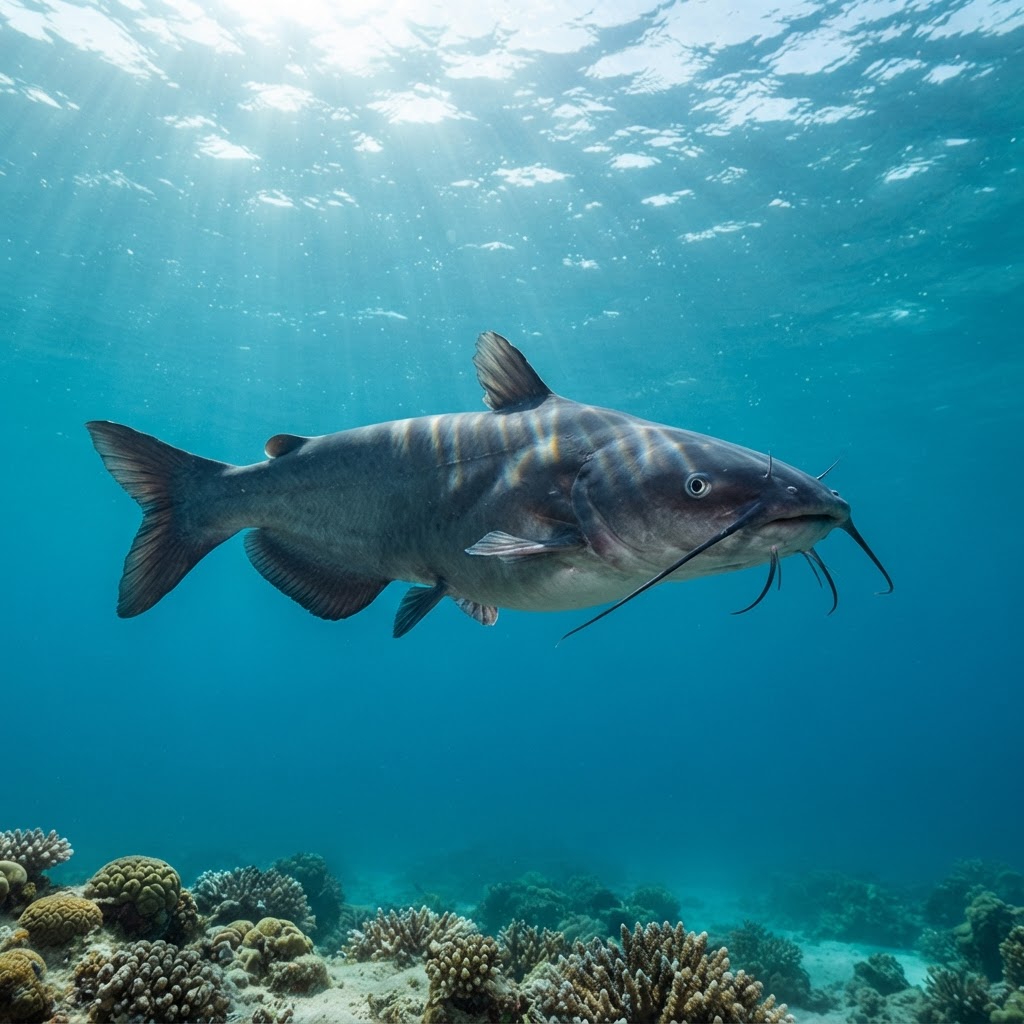
Look for a torpedo-shaped body with a deeply forked tail, unusual among catfish, and a row of dark spots scattered along silvery-grey flanks that can fade in older, larger fish. Four pairs of long barbels (whiskers) frame the mouth, used to feel around the bottom in low light. Adults can reach close to a metre, though most divers encounter smaller fish holding near cover.
Expect to find channel catfish tucked against rocks, wrecks, sunken logs or drop-offs, using their barbels to probe the bottom for food rather than swimming out in the open. They are generally unbothered by divers and will often hold still or ease away slowly rather than bolt, and most activity picks up around dusk and at night when they feed. Sightings logged so far skew uncommon, so patience around structure pays off more than searching open water.
Those barbels are not just for show: they carry taste buds, and combined with taste receptors covering much of the skin, a channel catfish can effectively taste its surroundings before it sees or touches anything.
Sightings show no clear seasonal pattern, and with a comfortable range of roughly 9 to 20C, this species can be found across most of the diving season rather than in one narrow window. Cooler, temperate freshwater sites simply suit it better than warm tropical water.
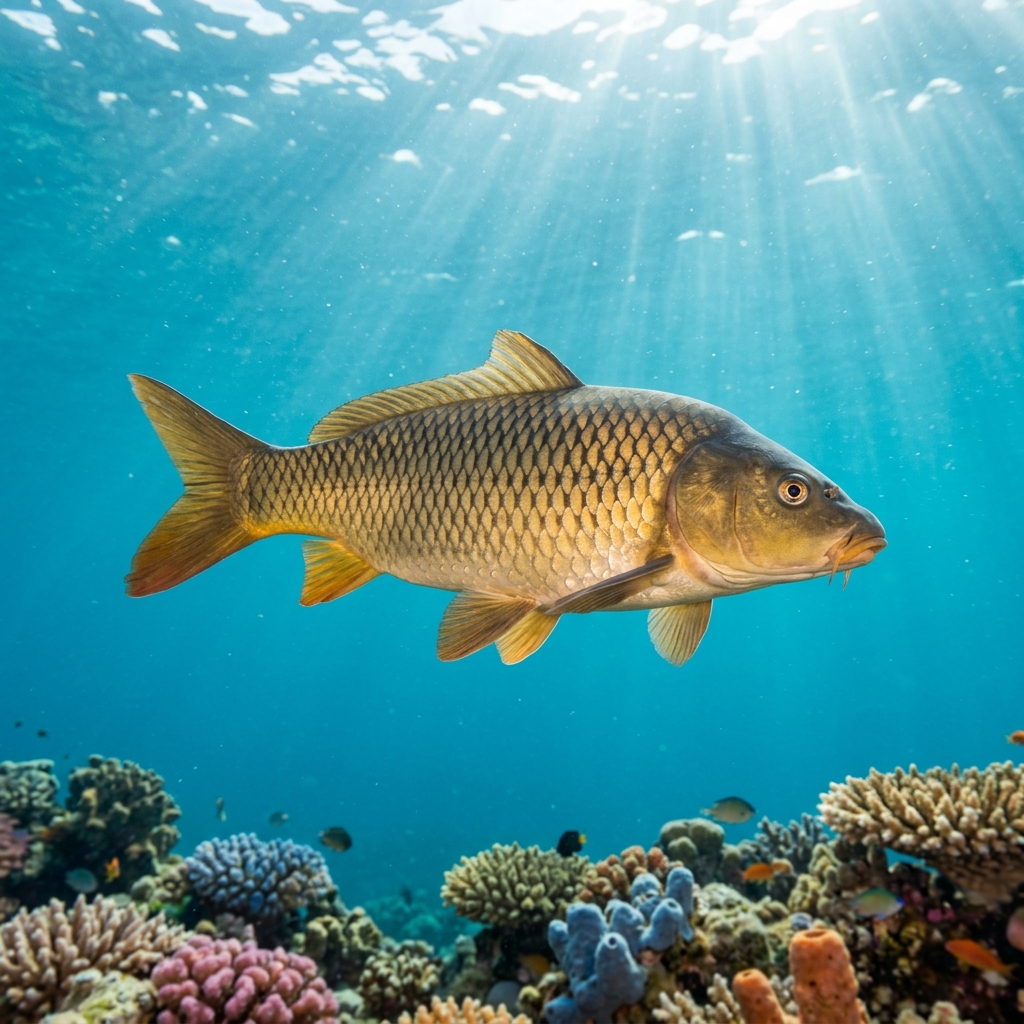
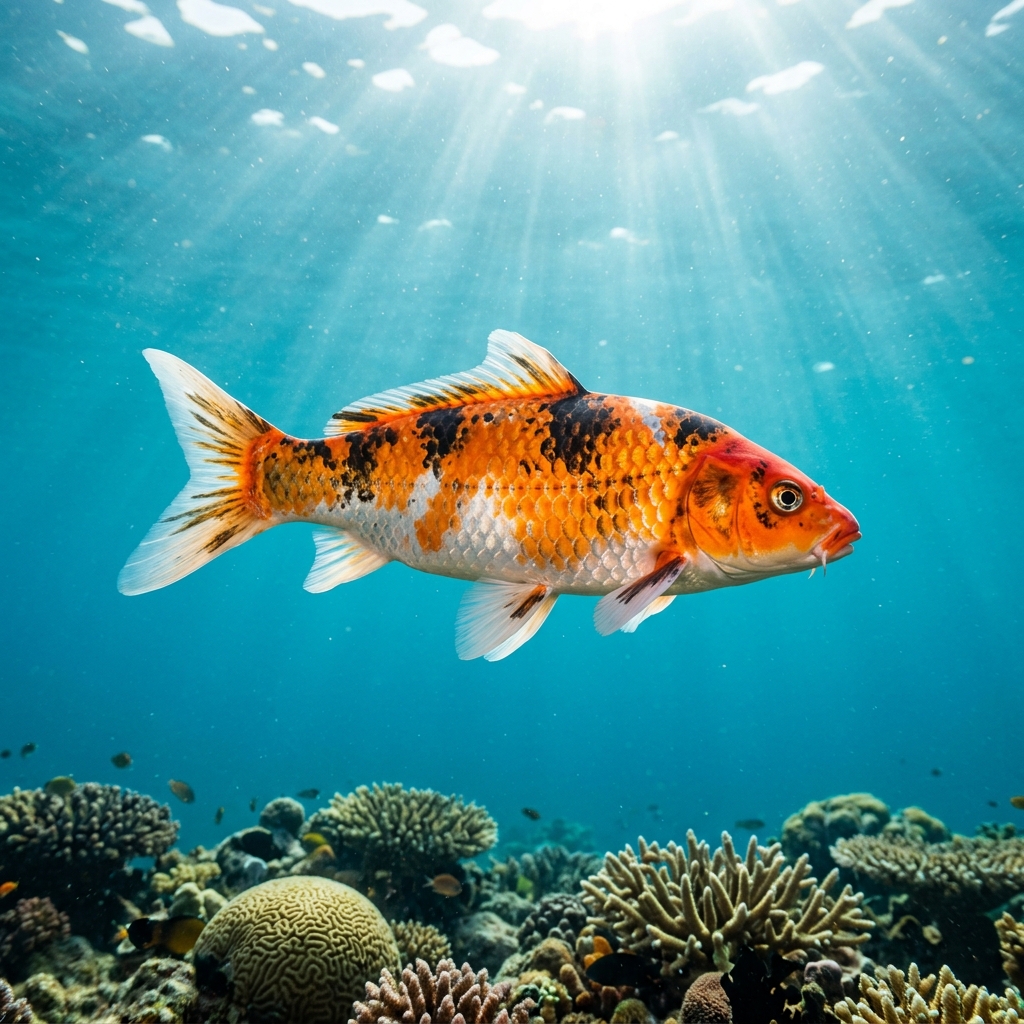
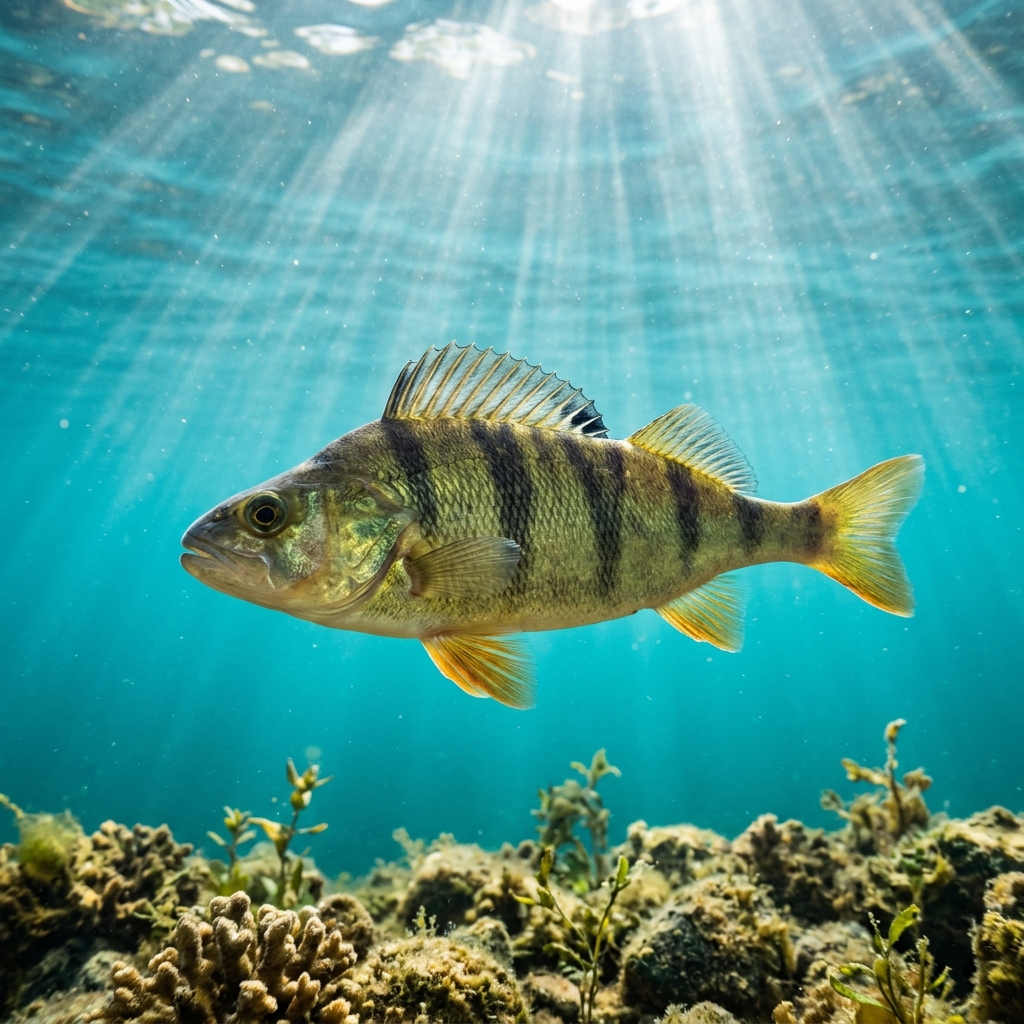
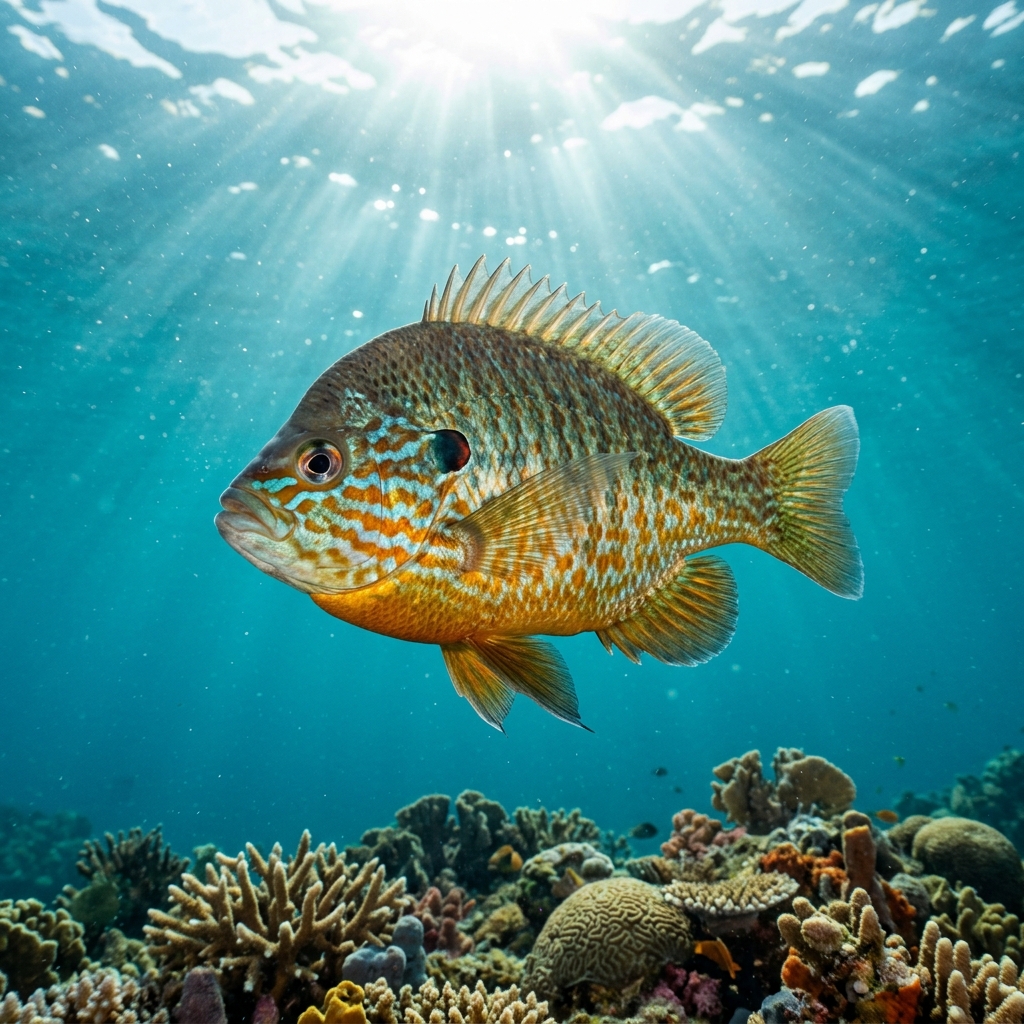
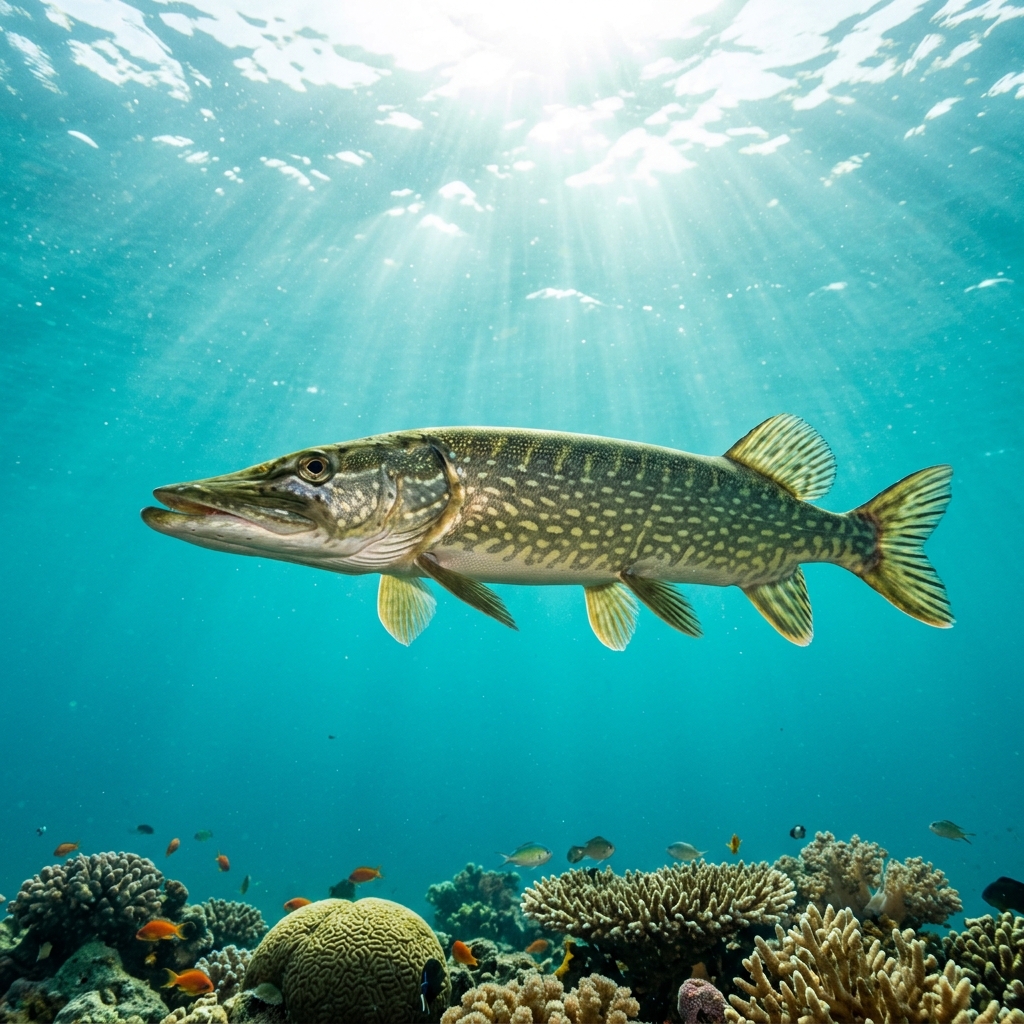
Reef neighbours a diver could mistake it for. Use the identification notes above to tell them apart.
Most divers log channel catfish in Ontario, Canada, along with Texas, the Great Lakes region, and Florida in the United States. Sites tend to be freshwater lakes, quarries and river systems rather than reef dives, with Ontario currently the strongest area for sightings.
Mapping where Channel Catfish is logged…
Ontario in Canada currently has the strongest logged sightings, with additional records from Texas, the Great Lakes and Florida in the United States. These are freshwater lake, quarry and river sites rather than reef dives.
There is no strong seasonal pattern in the data, so they are logged across the year. They favour cooler water in roughly the 9 to 20C range, which fits typical temperate lake and river conditions for much of the diving season.
Check for a forked tail, unusual for a catfish, a slate-grey to silvery body with scattered dark spots, and four pairs of long whiskers around the mouth. Larger adults may lose the spotting and look more uniformly grey.
They can reach close to a metre in length, though most fish divers actually encounter underwater are considerably smaller and holding near cover.
Their barbels and skin are covered in taste receptors, letting them taste the water and bottom around them, which is a major reason they feed effectively at night and in murky conditions.
Site and sighting data is aggregated from diver logs, iNaturalist and GBIF. For taxonomy and conservation status:
Sun Perch
2,182 sites