Cyprinus carpio
Spot koi carp in Central Switzerland and Bavaria in August, in cool water down to 2°C. Here's where divers log them and how to recognise them.
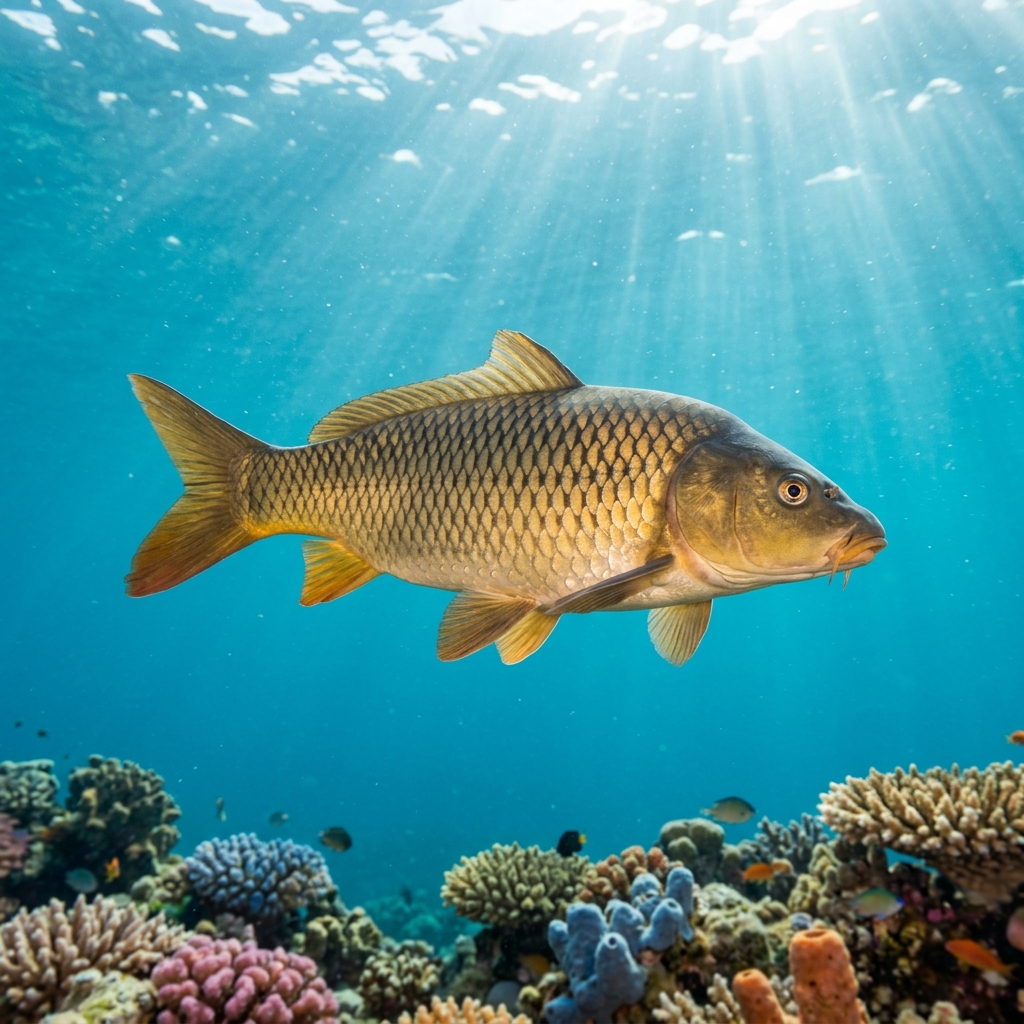
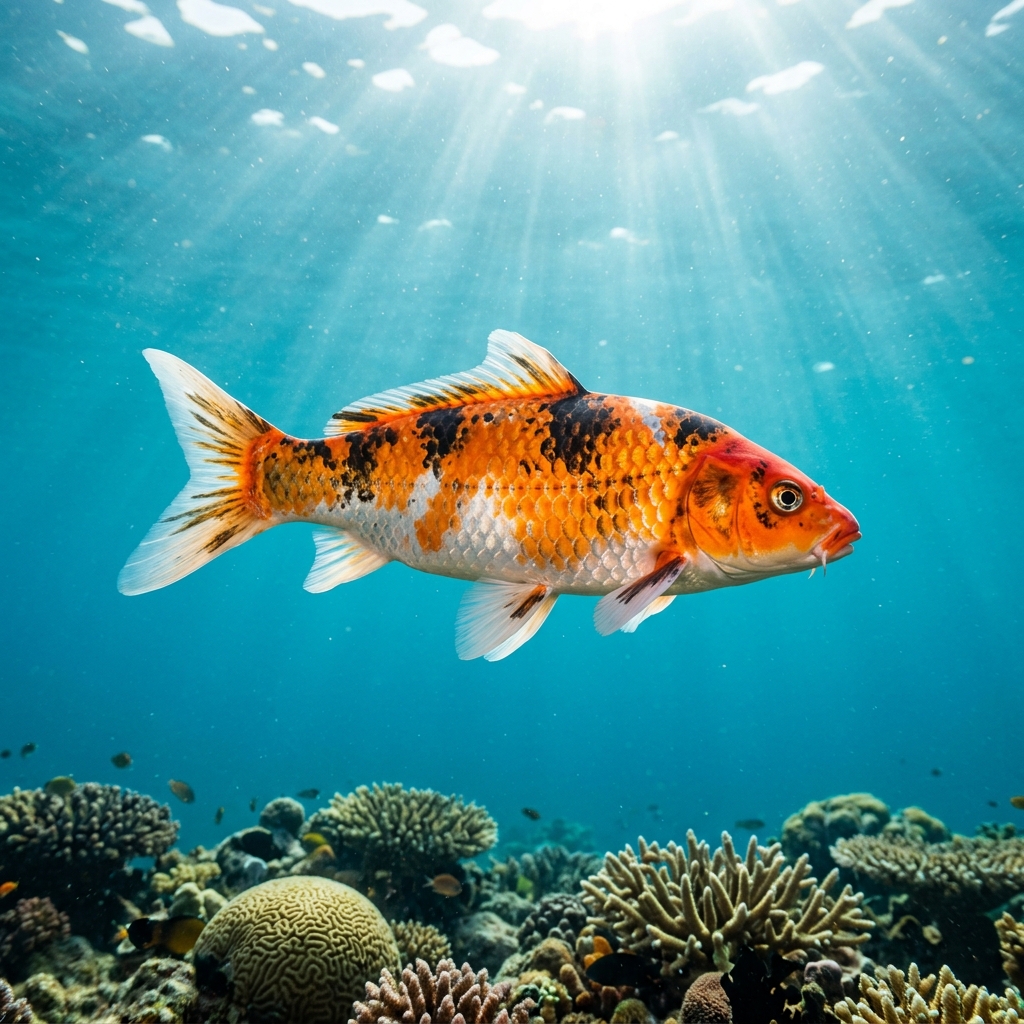
Hard to miss at close range: koi carp are large, deep-bodied fish reaching around 84 cm, with a blunt snout, two pairs of barbels (whisker-like sensory organs) at the corners of the mouth, and a long dorsal fin running most of the back. Colour is the real giveaway underwater, as ornamental koi typically display bold patches of orange, red, white, or black, unlike their drab wild-type relatives. They cruise slowly just above the bottom, often stirring up silt as they graze.
Koi carp spend most of their time close to the bottom, rooting through sediment and organic debris with their barbels to locate food. They tend to be unbothered by divers and will often continue feeding or drifting slowly nearby rather than fleeing. In ponds and calm lakes they can be remarkably approachable, sometimes swimming directly towards a diver, especially where they associate people with feeding.
Despite their ornamental appearance, koi carp are a domesticated colour variant of the common carp and can live for several decades, with some individuals exceeding 30 years in the right conditions.
Northern Hemisphere sightings concentrate in August, which aligns with warmer surface temperatures in the lakes and ponds where koi are typically found.
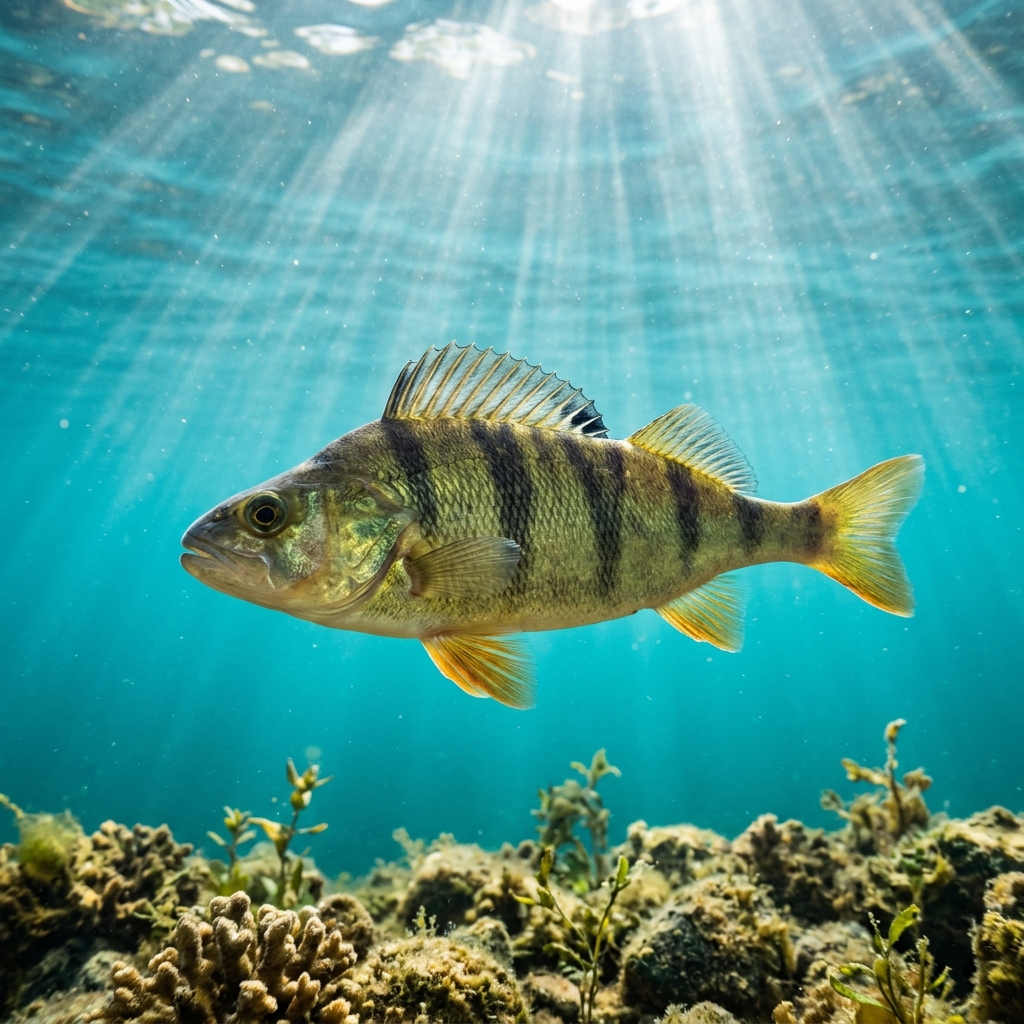
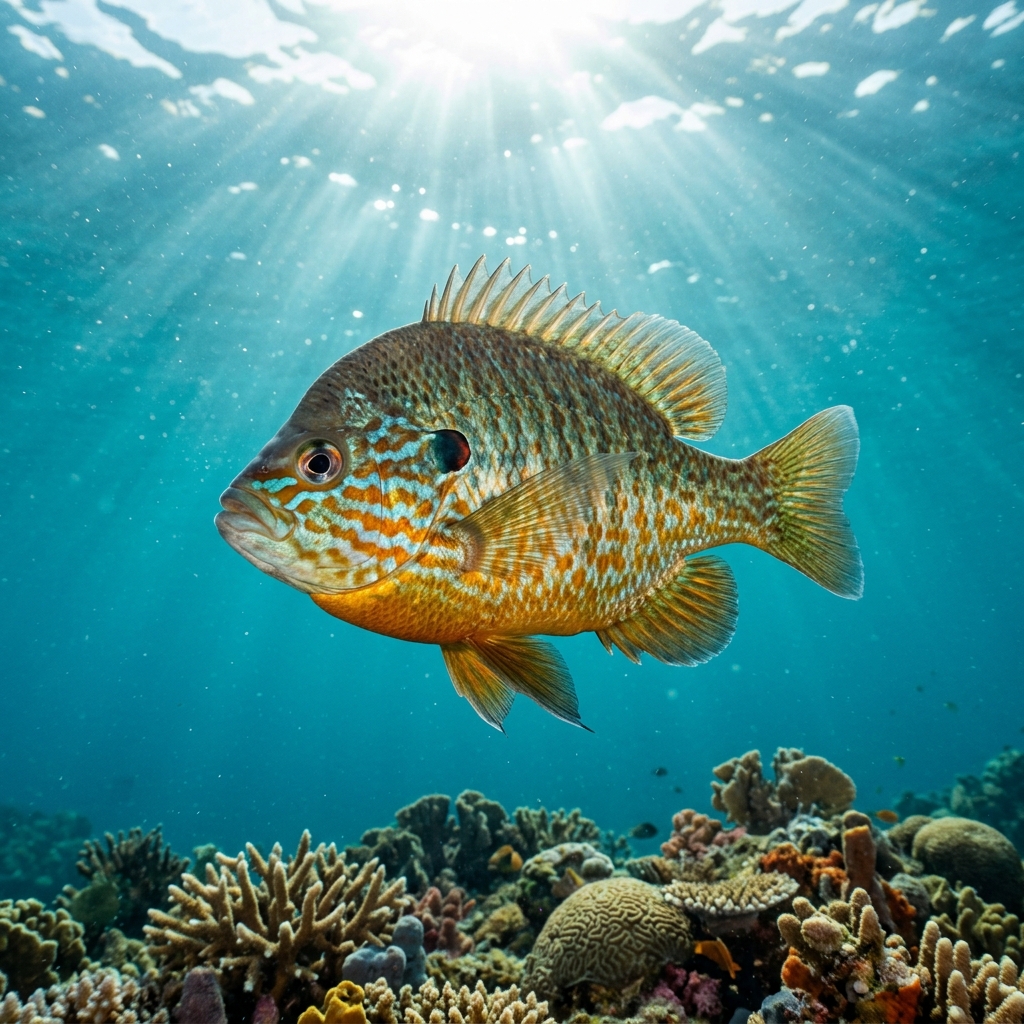
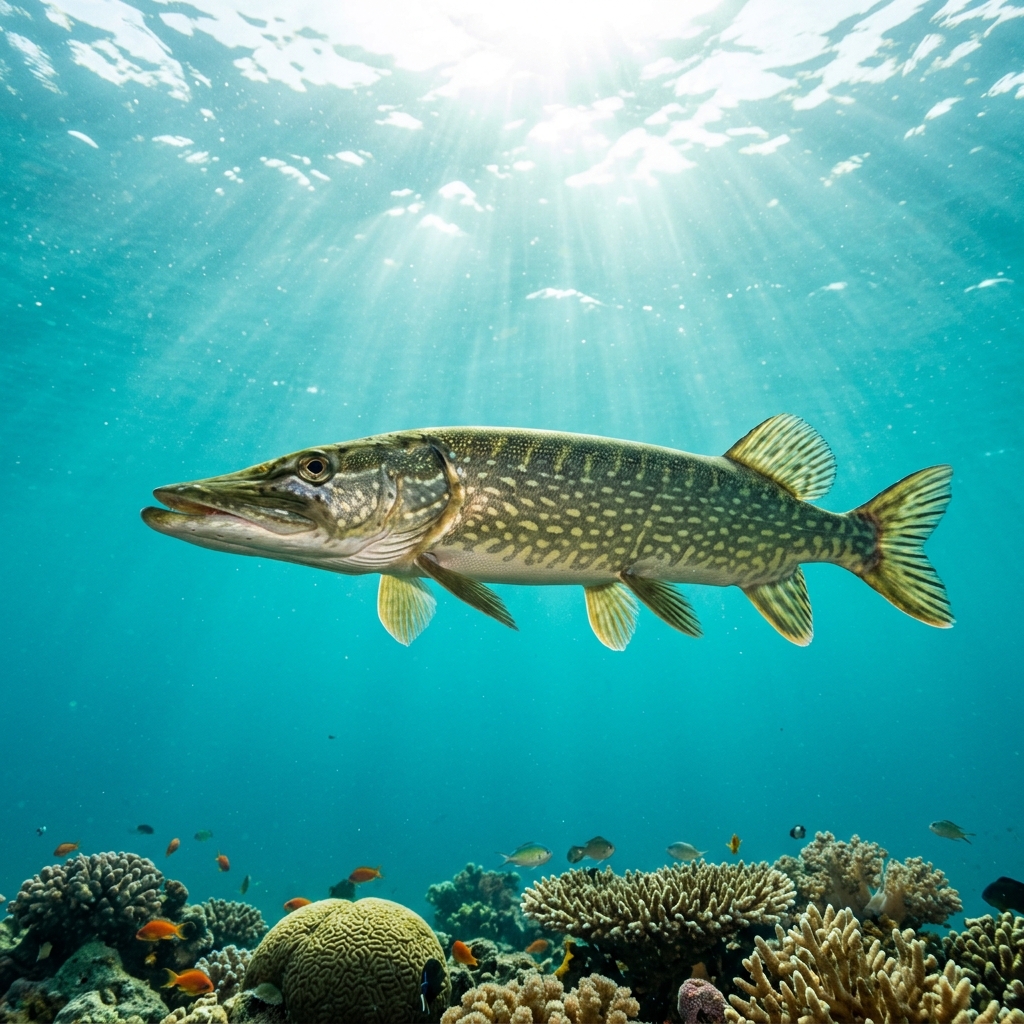
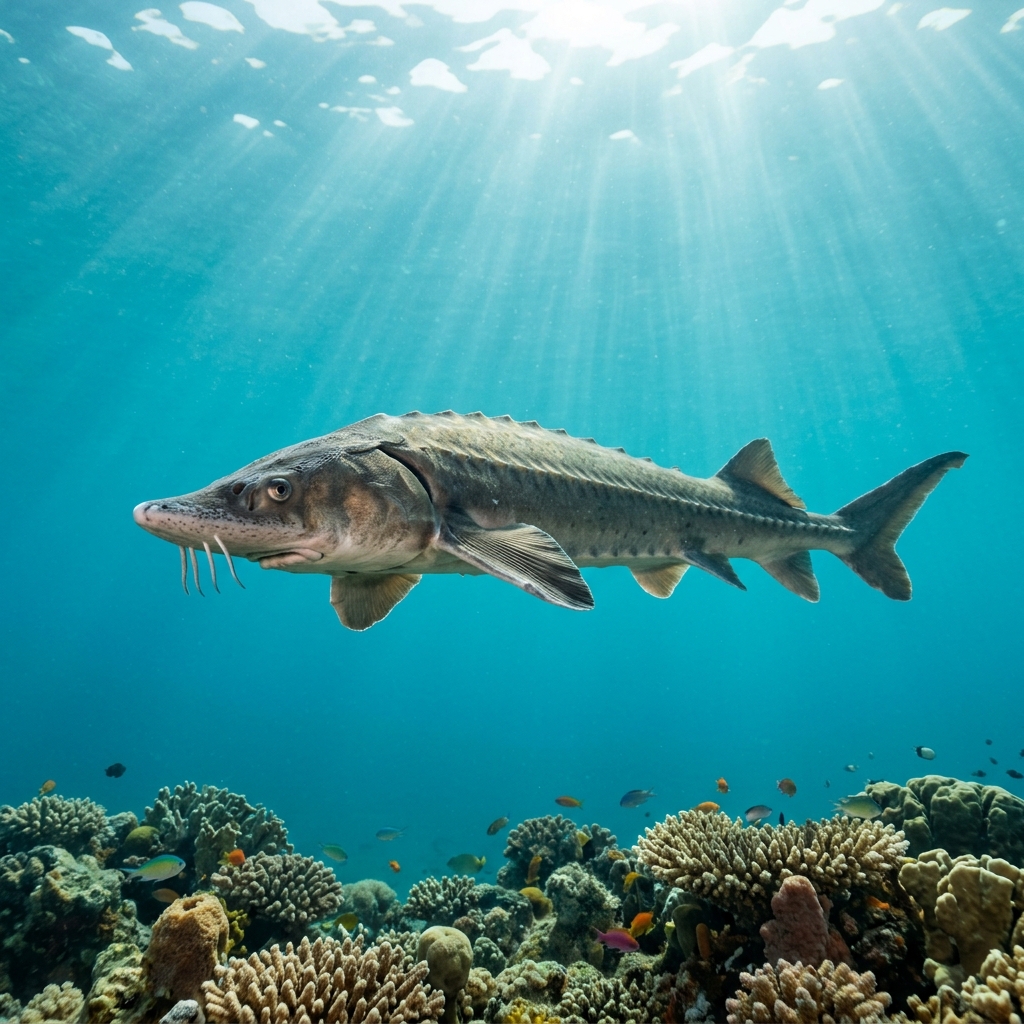
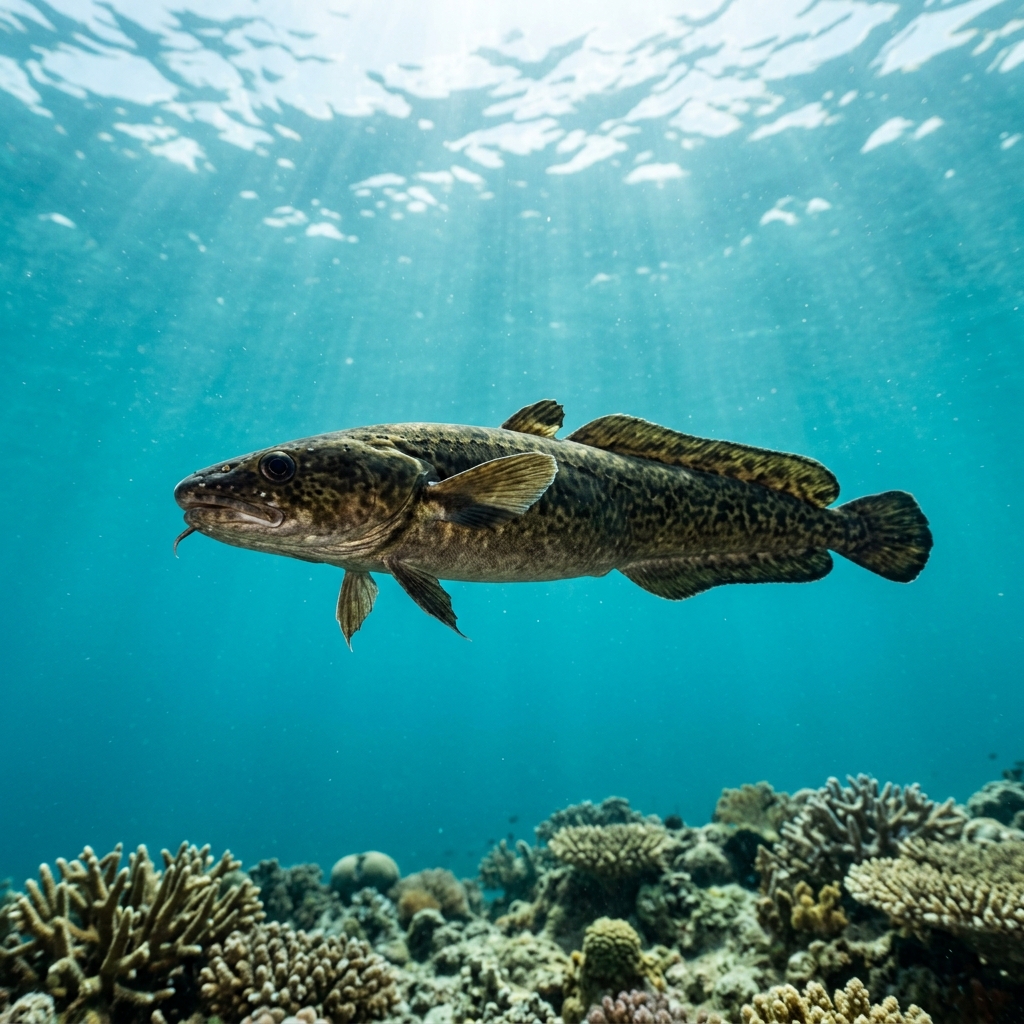
Reef neighbours a diver could mistake it for. Use the identification notes above to tell them apart.
Koi carp are most commonly logged across central Europe, with Germany and Switzerland leading, particularly in Central Switzerland and the Bavarian Alps region. Canada's Great Lakes and Ontario region and several US regions, including Florida and the Southeast, also show strong records. The species turns up across a wide range of freshwater lakes, ponds, and slow rivers in these areas.
Mapping where Common Carp is logged…
Koi carp are most reliably logged in Central Switzerland, the Bavarian Alps, and Central Germany. Divers in Canada's Great Lakes region and the southeastern United States also report them. They tend to be found in ponds, ornamental lakes, and slow freshwater bodies rather than rivers.
Diver sightings in the Northern Hemisphere cluster in August. This is likely when warmer conditions push koi carp into shallower, more visible water in the lakes and ponds where they live.
Look for a large, deep-bodied fish with two pairs of barbels at the snout and a long dorsal fin. Ornamental koi are distinguished by vivid patches of orange, white, red, or black. Wild-coloured common carp lack this patterning and are far more uniform in colour.
Koi carp typically reach around 84 cm in length. Large individuals in well-maintained ponds or lakes can feel quite imposing underwater, though they pose no threat to divers.
No. Koi carp are not dangerous to divers. They are slow-moving, non-aggressive, and will typically ignore or cautiously approach a diver. No precautions are necessary beyond standard freshwater diving practice.
Koi carp are remarkably long-lived for fish. Under good conditions they can survive for several decades, and some individuals are documented living beyond 30 years. This longevity, combined with their hardy tolerance of cold water down to around 2°C, makes them resilient in temperate freshwater environments.
Site and sighting data is aggregated from diver logs, iNaturalist and GBIF. For taxonomy and conservation status:
Pike
2,172 sites