Ictaluridae spp.
Spot channel catfish in freshwater sites across the US and Canada, from Florida to the Great Lakes. Here's where divers find them and how to ID them.
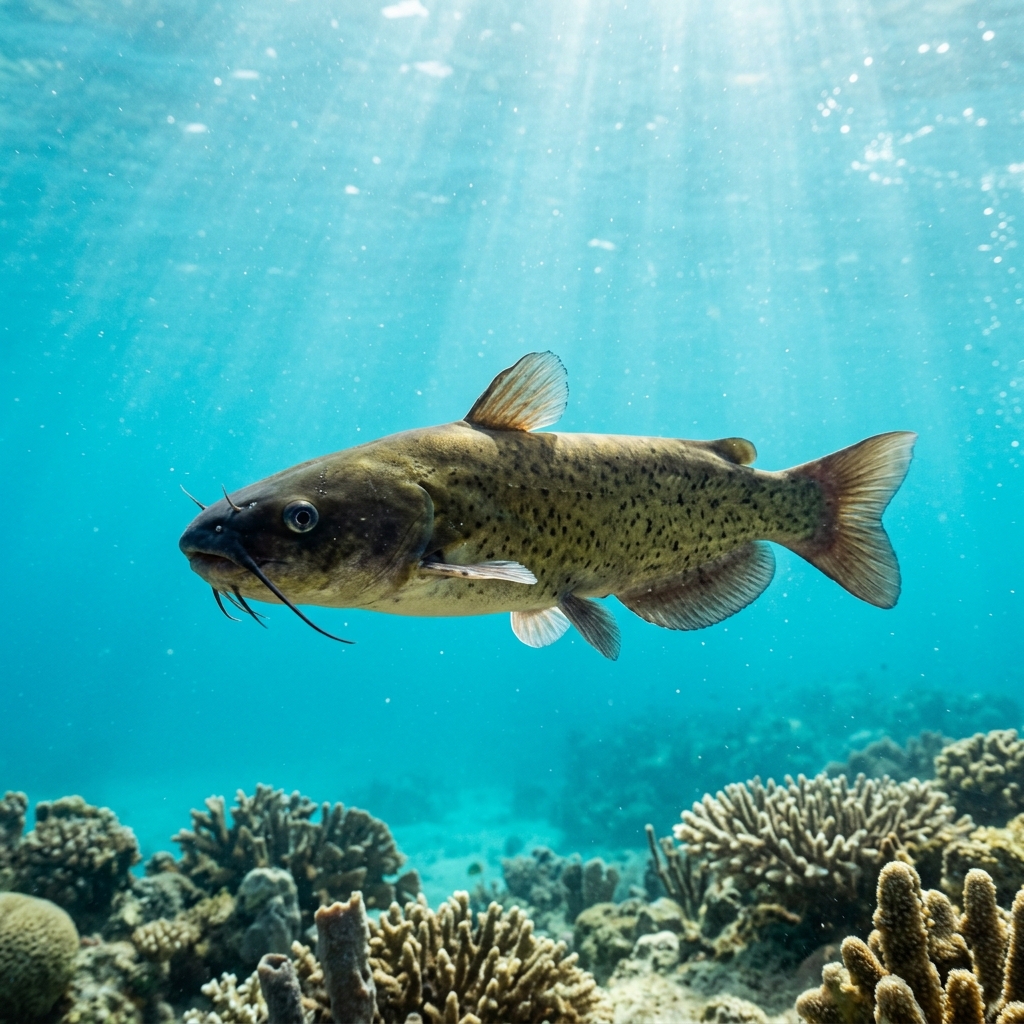
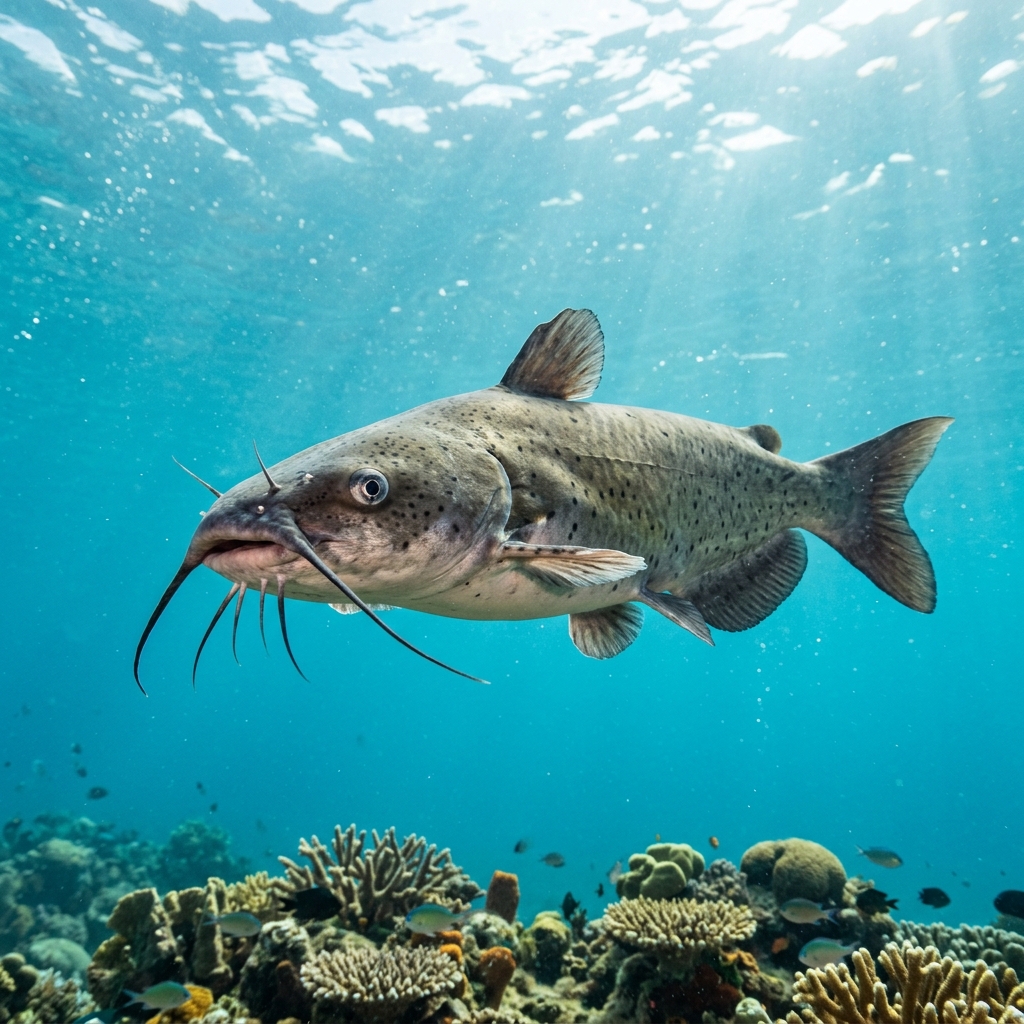
Ictaluridae catfish are immediately recognisable by the ring of long, whisker-like barbels (sensory organs around the mouth) that give the family its name. Most members show a scaleless, grey to blue-grey or olive-brown body, a forked or slightly notched tail, and a stout, slightly flattened head. The body is often lightly spotted, particularly on younger fish. Look out for the sharp, rigid spines at the front of the dorsal and pectoral fins, which are a reliable field mark shared across the family.
Ictaluridae catfish are bottom dwellers, most often spotted hugging the substrate of rivers, lakes, and reservoirs, sometimes tucked under submerged logs or rocky ledges. They rely heavily on their barbels to sense food in low-visibility water, so divers often encounter them slowly cruising the bottom rather than fleeing. They tend to be tolerant of divers at close range, particularly in calmer, murky conditions where they are less easily spooked.
All members of this family are entirely scaleless, which is unusual among North American freshwater fish and makes them feel noticeably smooth if you brush past one in the water.
There is no clear seasonal peak in the dive data, so these fish can be encountered year-round. Their observed water-temperature range of roughly 16 to 29°C suggests they are most active and accessible during warmer months at northern sites, while southern US locations may offer encounters across all seasons.
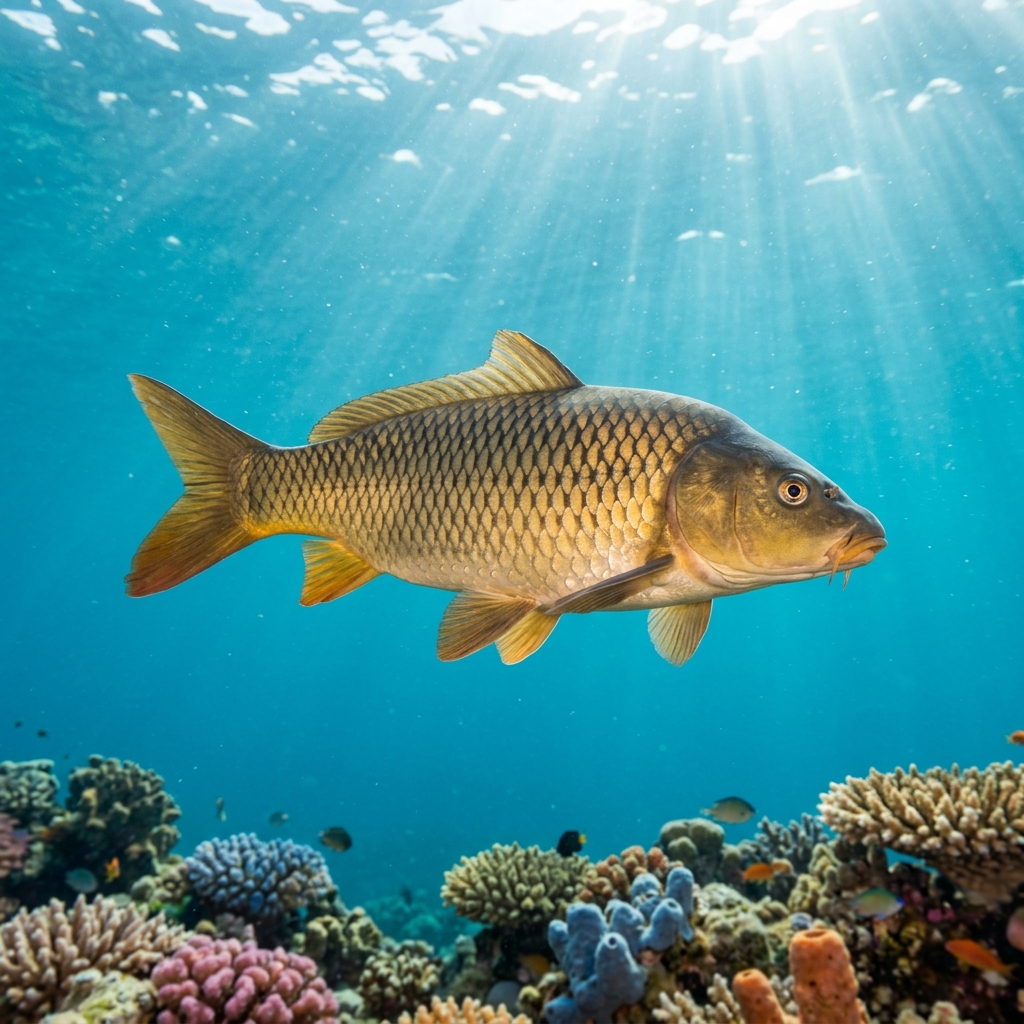
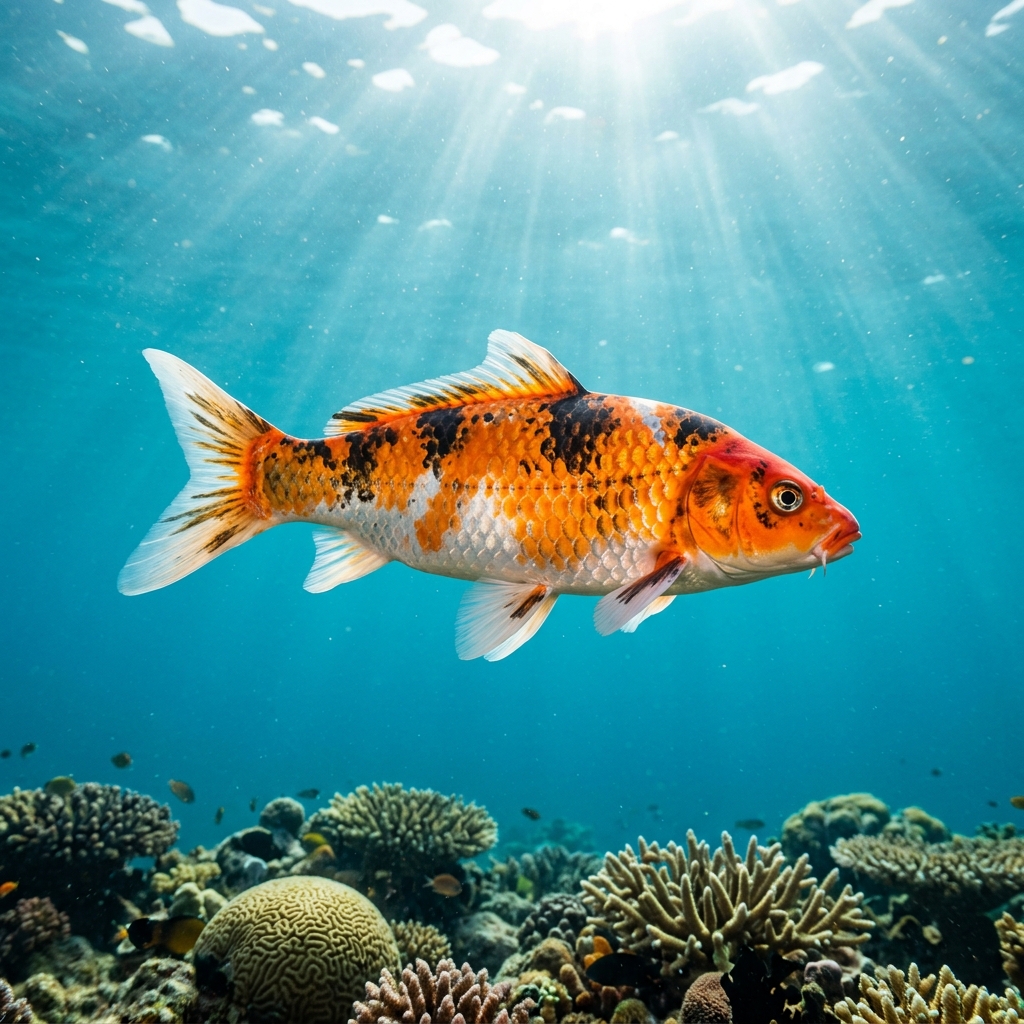
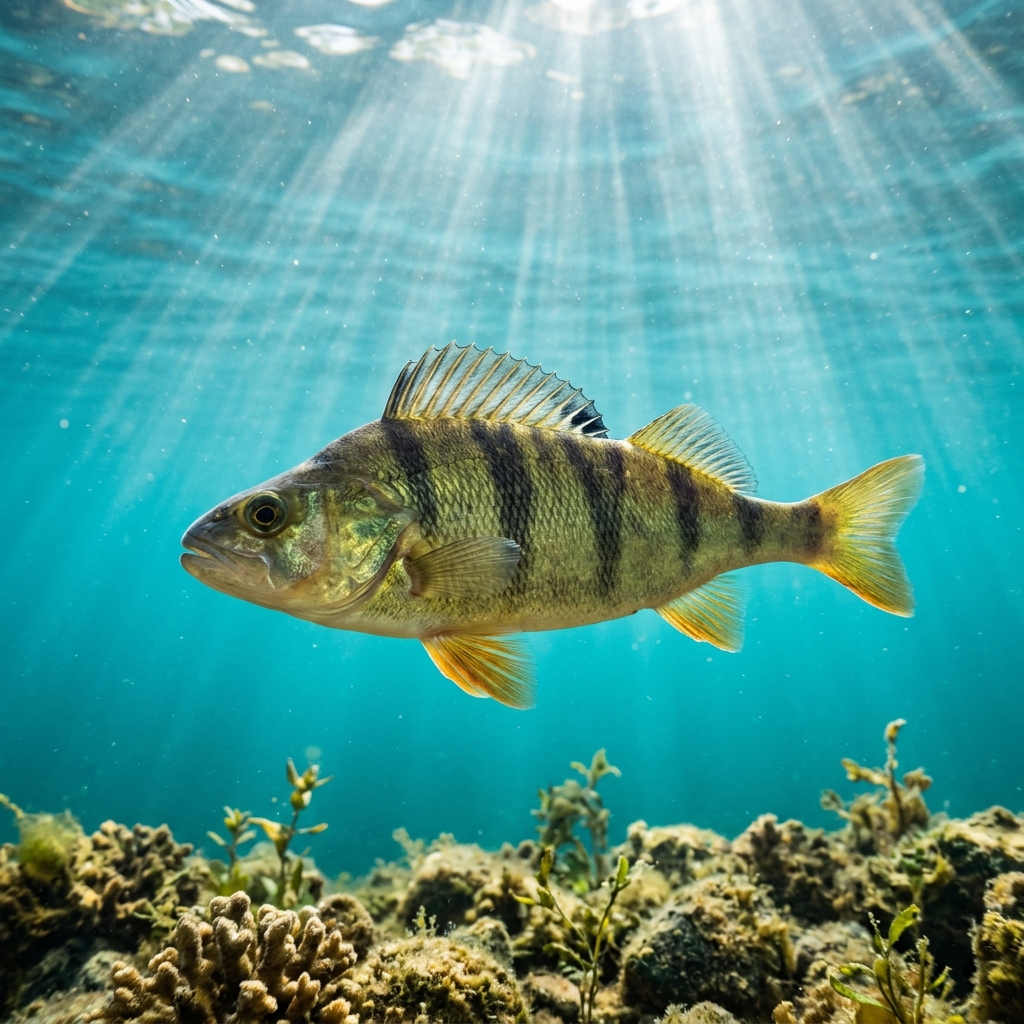
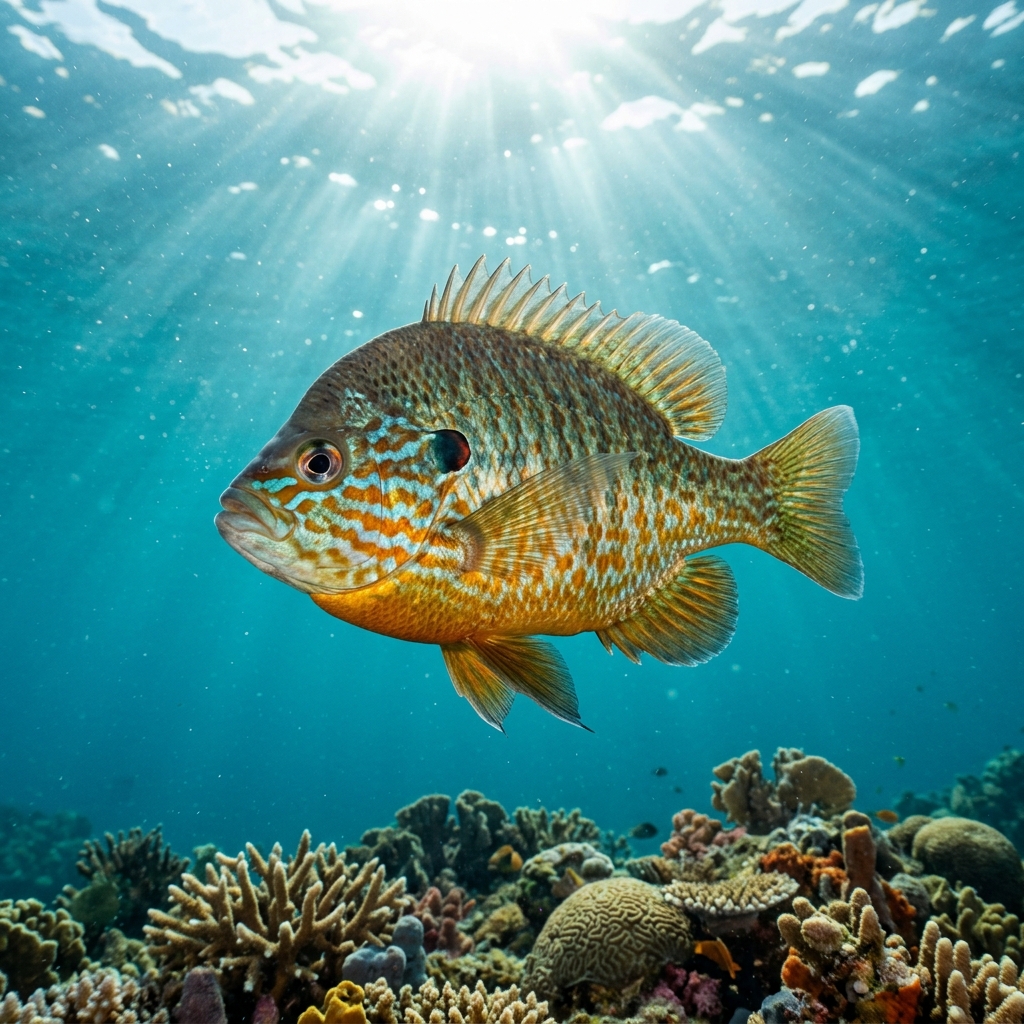
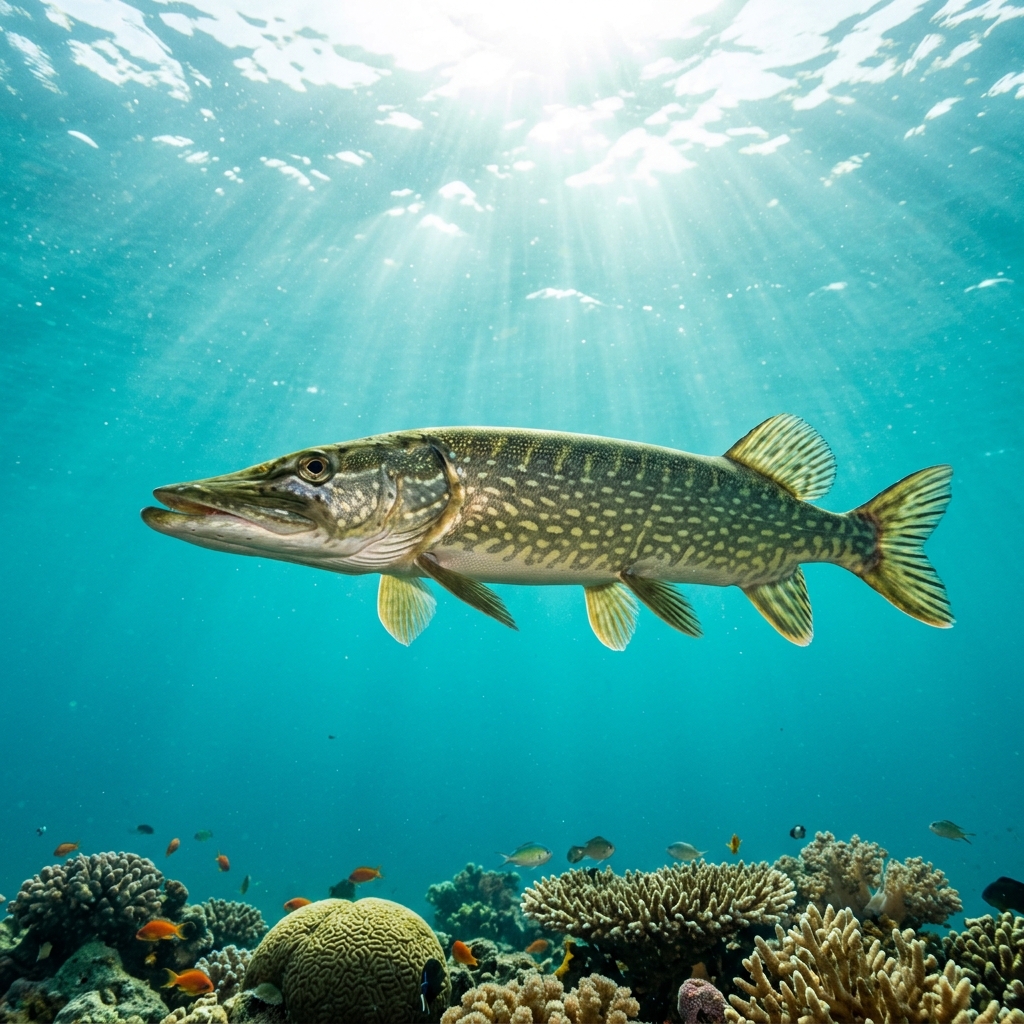
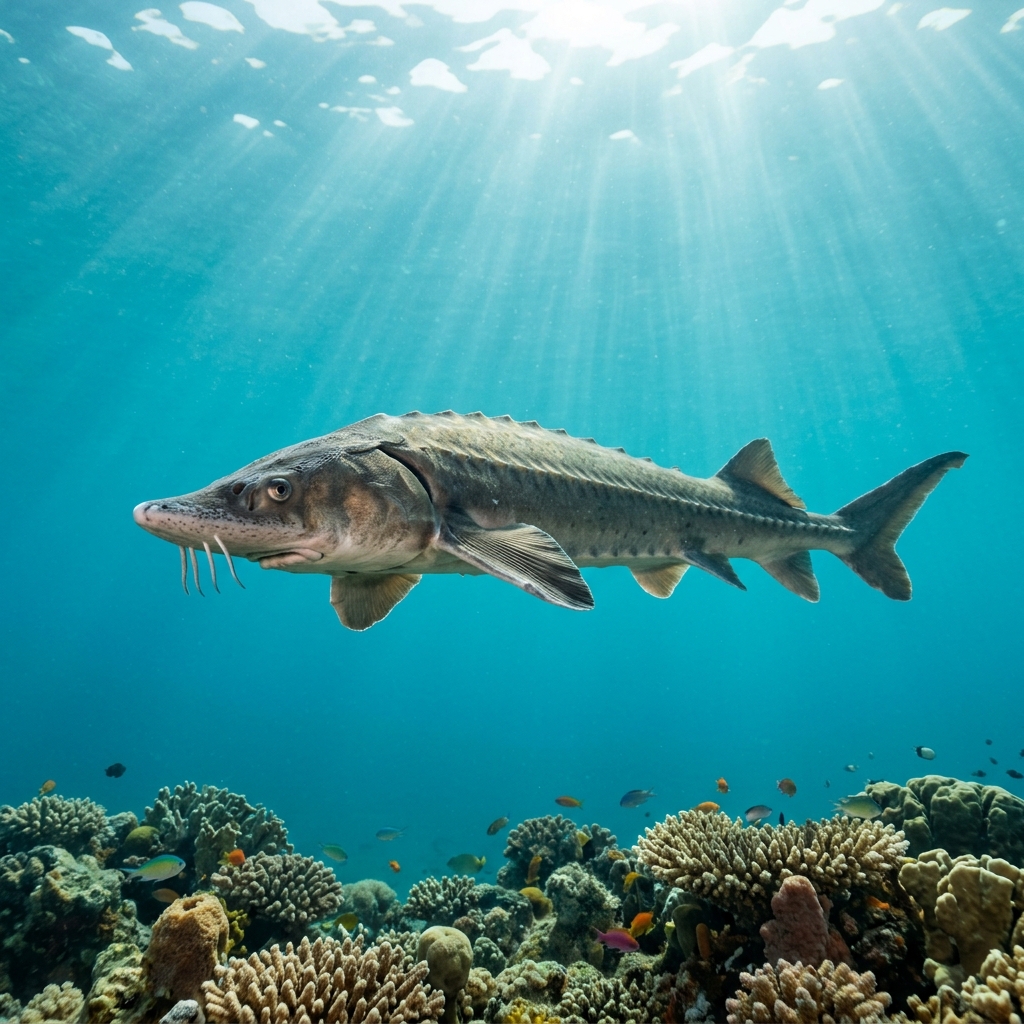
Reef neighbours a diver could mistake it for. Use the identification notes above to tell them apart.
Sightings are concentrated across the United States, with the strongest representation in Florida and the Southeast, the Central and Mountain West, and the Great Lakes and Northeast regions. Canada also features, particularly in St. Lawrence and Quebec waters and along the Vancouver Island coast. If you want the highest chance of an encounter, the inland freshwater sites of the southeastern and central US are your best bet.
Mapping where North American Catfish is logged…
Divers log this family most commonly across the United States, particularly in Florida and the Southeast, the Central and Mountain West, and around the Great Lakes and Northeast. Canadian sites in Quebec and along the Vancouver Island coast also feature in the data. These are all freshwater environments: rivers, lakes, and reservoirs.
Dive data does not point to a single peak season, so encounters are possible year-round. Water temperatures between roughly 16 and 29°C appear to suit them best, which in northern US and Canadian sites broadly means late spring through early autumn.
Look for a scaleless, grey-blue or olive body with a ring of long barbels around the mouth and prominent spines at the front of the dorsal and pectoral fins. Spotted flanks are common, especially on younger fish. The forked tail distinguishes channel catfish from bullheads, which have a rounded or squared tail.
They are not considered dangerous to divers. The sharp spines on the dorsal and pectoral fins can puncture skin if a fish is handled carelessly, but a catfish encountered in the water will not actively threaten you. Simply avoid grabbing them.
Ictaluridae catfish have taste buds distributed across the entire surface of their body, not just inside their mouths. This means they can effectively taste the water around them as they swim, making their barbels and skin a remarkable chemical-sensing system for locating food in murky water.
Site and sighting data is aggregated from diver logs, iNaturalist and GBIF. For taxonomy and conservation status:
Sun Perch
2,182 sites