Moronidae spp.
Spot European Seabass in Brittany & Normandy or the UK from May to September in cool 17 °C waters. Here's where divers see them most.
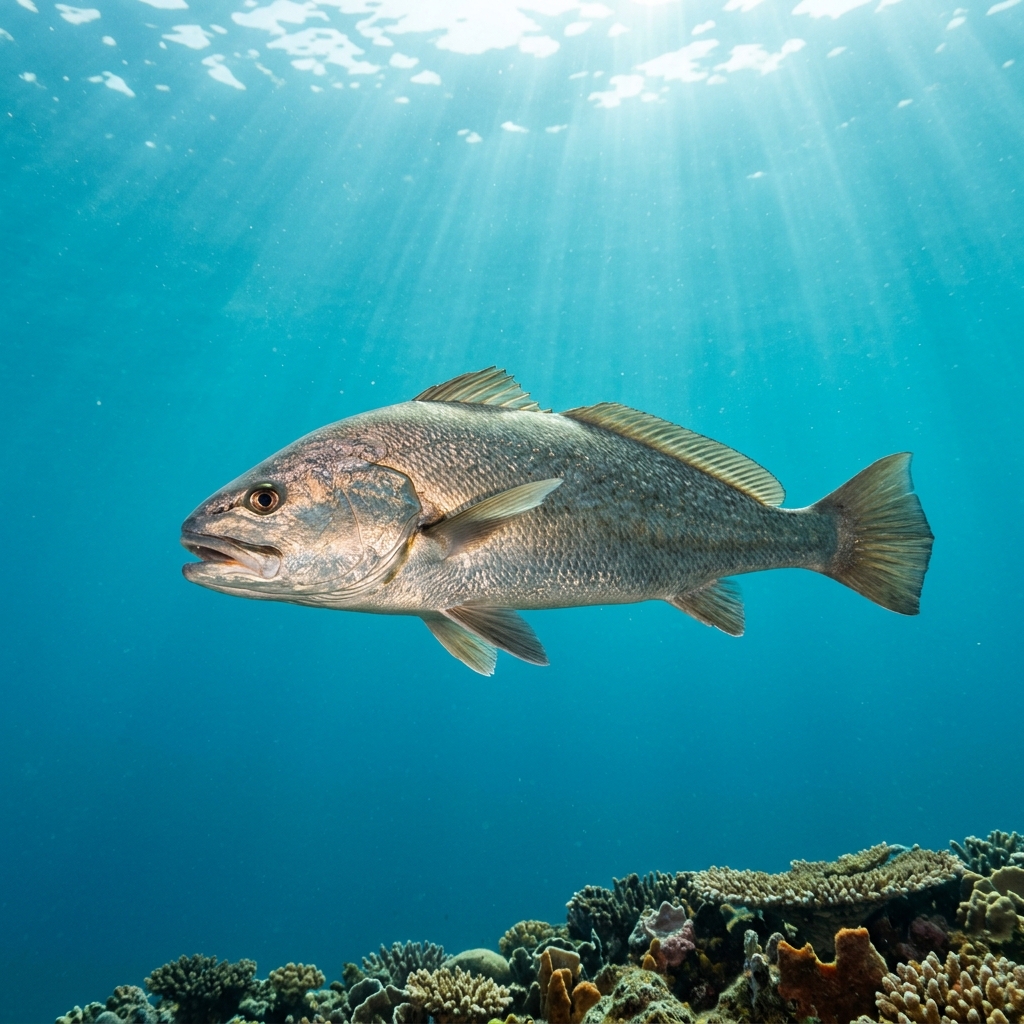
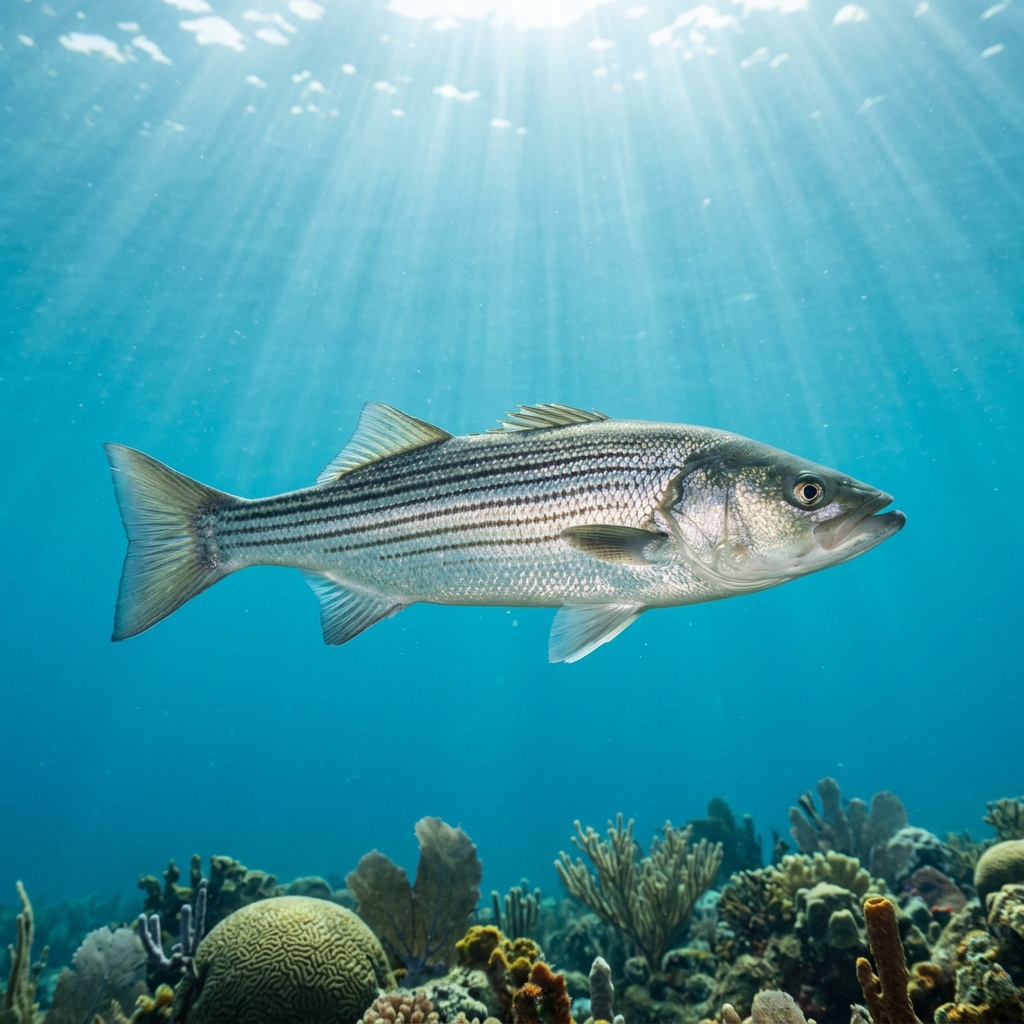
Sleek, torpedo-shaped fish with bright silver flanks and a pale belly, these bass carry two distinct dorsal fins, the first spiny, the second soft-rayed, which help separate them from similarly shaped species at a glance. Coloration runs from grey-blue on the back to clean silver on the sides, with no bold stripes or spots on adults. They move with calm, deliberate sweeps of the tail rather than darting, and often hold station facing into mild currents over rocky or mixed-substrate reefs.
You will typically find them holding position near rocky outcrops, kelp edges, or current-swept points, often in loose groups rather than tight schools. They tend to be curious but cautious around divers, approaching briefly before veering off, and are most active and visible in mid-water column during daylight hours. Keep movements slow and avoid sudden kicks; individuals that feel pressured will retreat quickly into deeper structure.
Members of the Moronidae family are euryhaline (capable of tolerating a wide range of salinity), which is why divers log them not only in the open sea but also in brackish estuaries and, for North American relatives, entirely freshwater lake systems.
In the Northern Hemisphere, sightings concentrate firmly between May and September, which lines up with the warmer end of this family's cold-water niche, observed temperatures run up to around 17 °C. Plan trips to Atlantic European or North American temperate sites during late spring through early autumn for the best chance of an encounter.
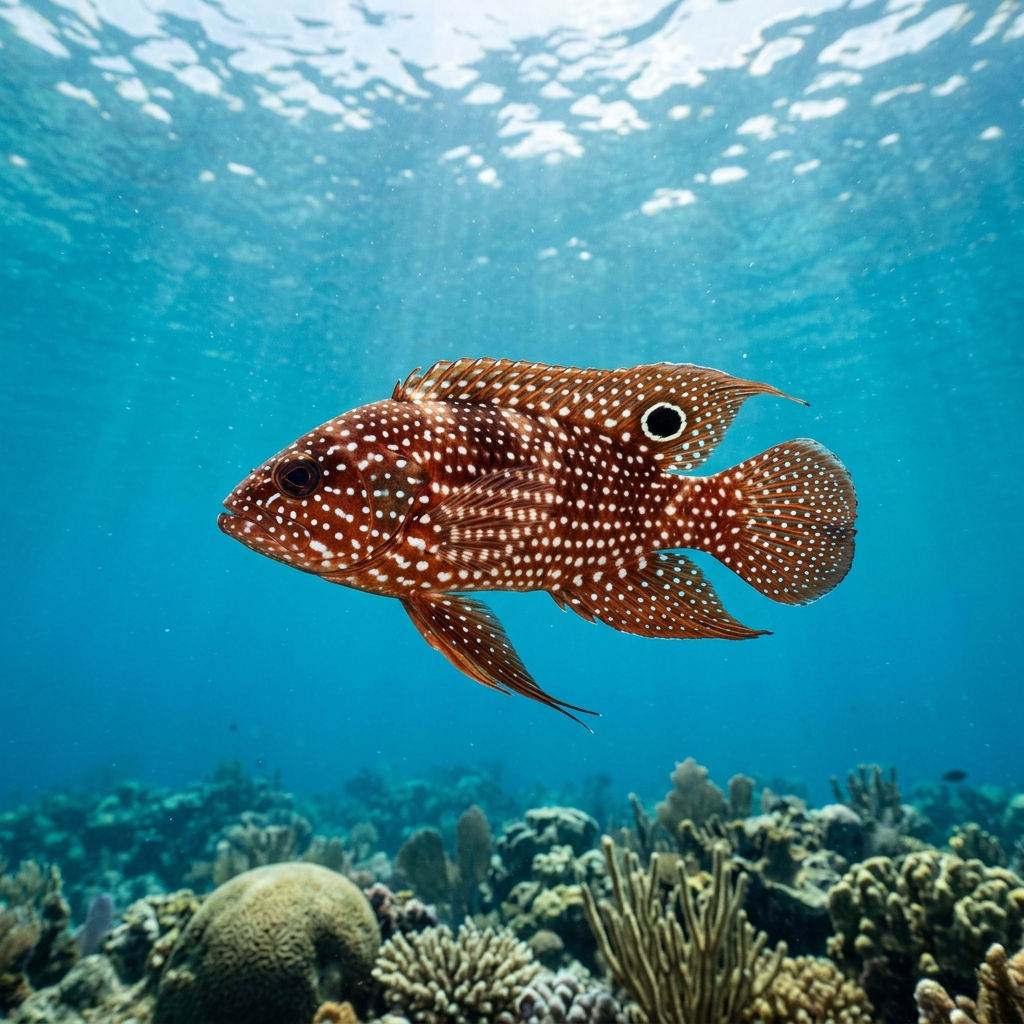
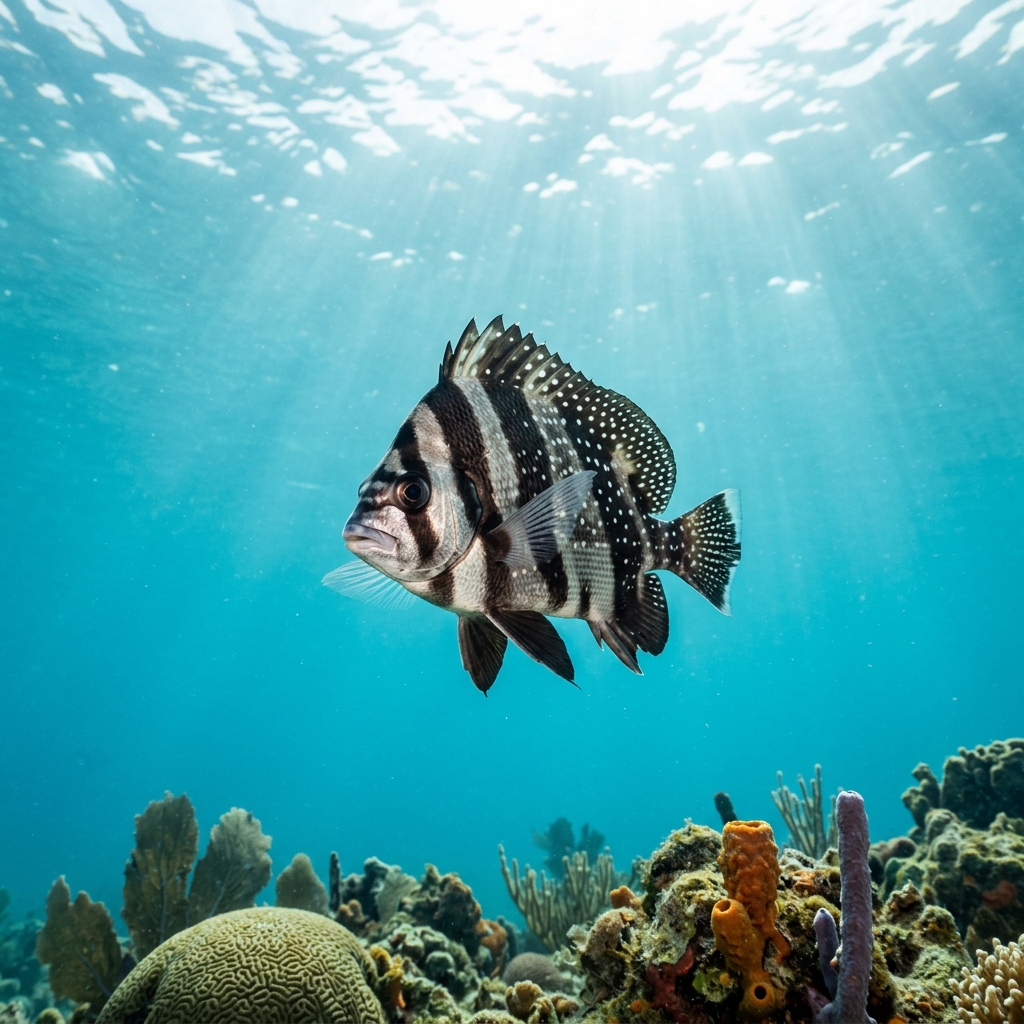
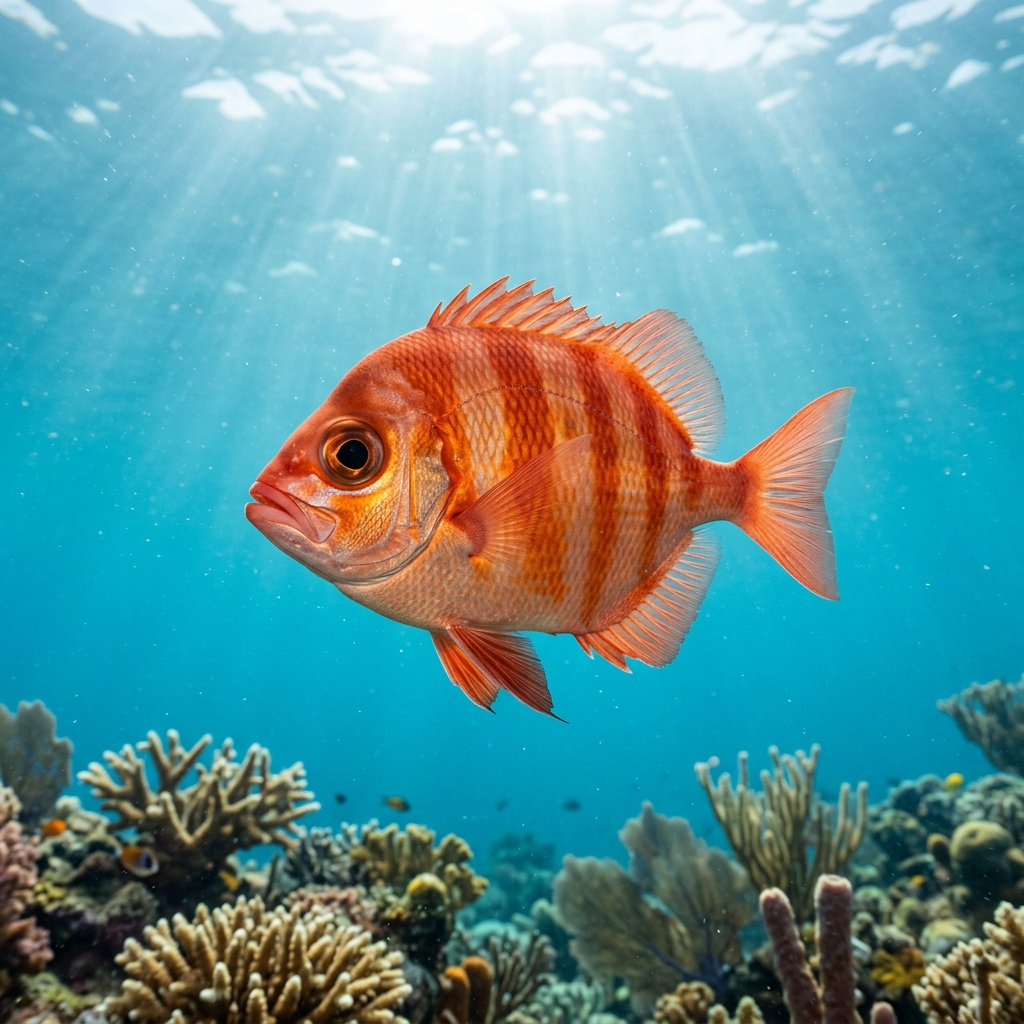
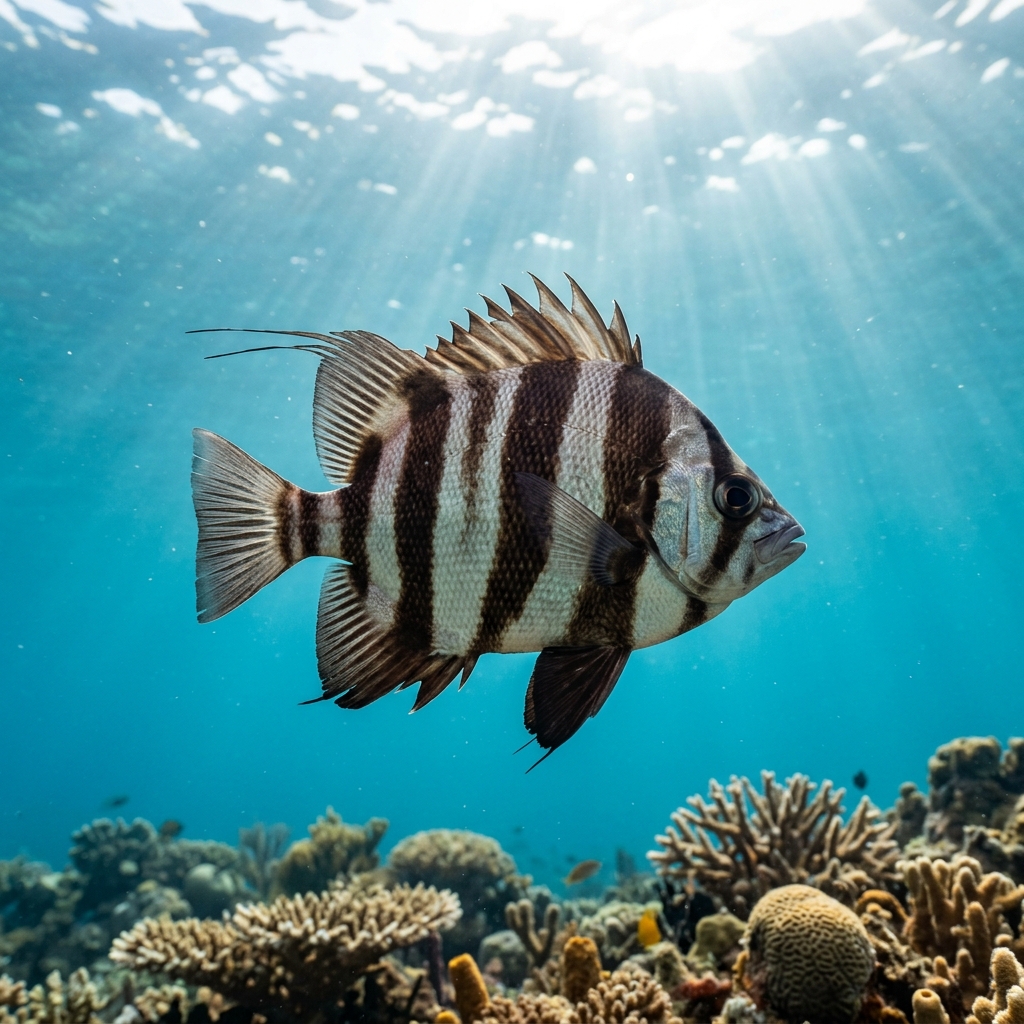
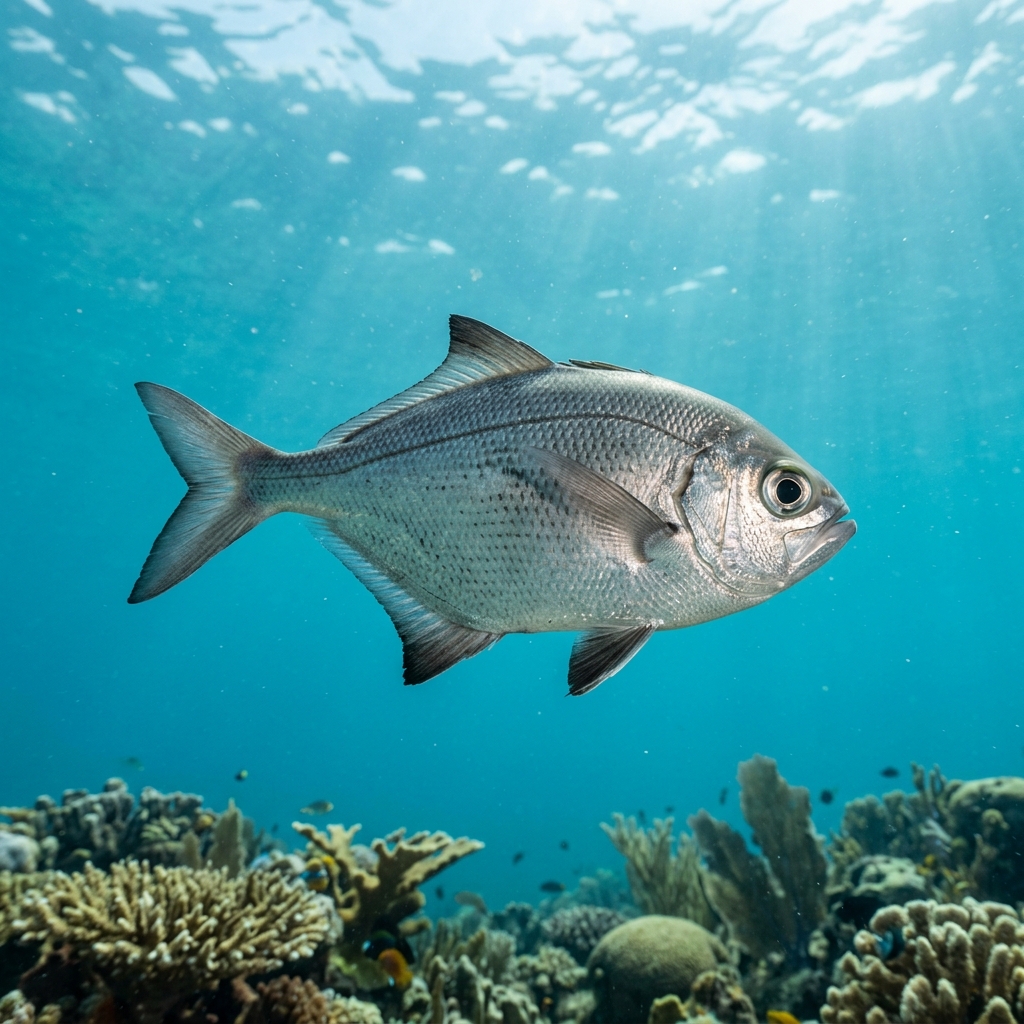
Reef neighbours a diver could mistake it for. Use the identification notes above to tell them apart.
Most sightings come from the northeastern Atlantic and adjacent inland and coastal waters, with the strongest concentrations logged in Germany, the United States, Canada, and France. In Europe, Brittany & Normandy and the United Kingdom are the standout regions, while North American divers encounter the family most across the Great Lakes & Northeast and Florida & the Southeast. Switzerland and the Bavarian Alps also appear prominently in the data, reflecting related freshwater temperate bass species within the family.
Mapping where Temperate Bass is logged…
The family is most reliably logged in temperate North Atlantic and North American waters. In Europe, Brittany & Normandy and the United Kingdom are top regions, while in North America the Great Lakes & Northeast and Florida & the Southeast account for strong numbers of recorded sites. Germany and Switzerland also feature heavily for freshwater relatives within the family.
Sightings in the Northern Hemisphere peak from May through September. This warm-season window corresponds with water temperatures reaching the upper end of the family's observed range, around 15 to 17 °C, when fish move into shallower coastal and reef habitats more accessible to divers.
Look for a streamlined silver fish with a noticeably forked tail, two separate dorsal fins (the front one spiny), and clean grey-blue colouring on the back fading to bright silver sides. The smooth, unfussy colour pattern and calm, deliberate swimming style distinguish them from more boldly patterned reef fish. The Meagre is the most likely mix-up; it grows considerably larger and has a more golden-bronze cast to the body.
European Seabass commonly reach 50 to 70 cm in length, with larger individuals exceeding 1 metre, though divers most frequently encounter fish in the 40 to 60 cm range. Other members of the Moronidae family vary in size, but all share a similar robust, elongated build.
One standout trait of the Moronidae family is euryhalinity, the ability to move freely between saltwater, brackish, and freshwater environments. This explains why divers encounter them not just on coastal reefs but in estuaries and even freshwater lakes, an unusual degree of flexibility for a fish that looks so classically marine.
Site and sighting data is aggregated from diver logs, iNaturalist and GBIF. For taxonomy and conservation status:
Boarfish
936 sites