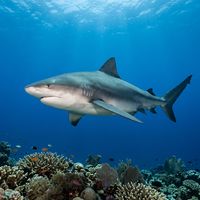
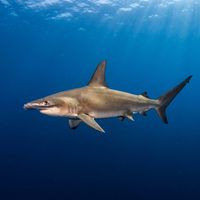
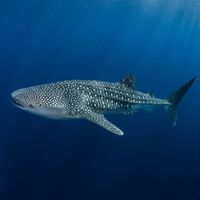
The Texas Gulf Coast draws divers with an unusually diverse mix of natural reefs, deliberately sunk wrecks, and offshore oil-rig platforms that function as large-scale artificial reefs. Three distinct sub-areas shape the experience: the accessible, varied sites around South Padre Island; the remote, advanced reef and pinnacle systems of Flower Garden Banks; and the jetty and offshore sites near Corpus Christi. Shark encounters are a real draw, with Bull Shark, Bonnethead, Scalloped Hammerhead, and occasional Whale Shark all observed across the region.
3 areas
 7
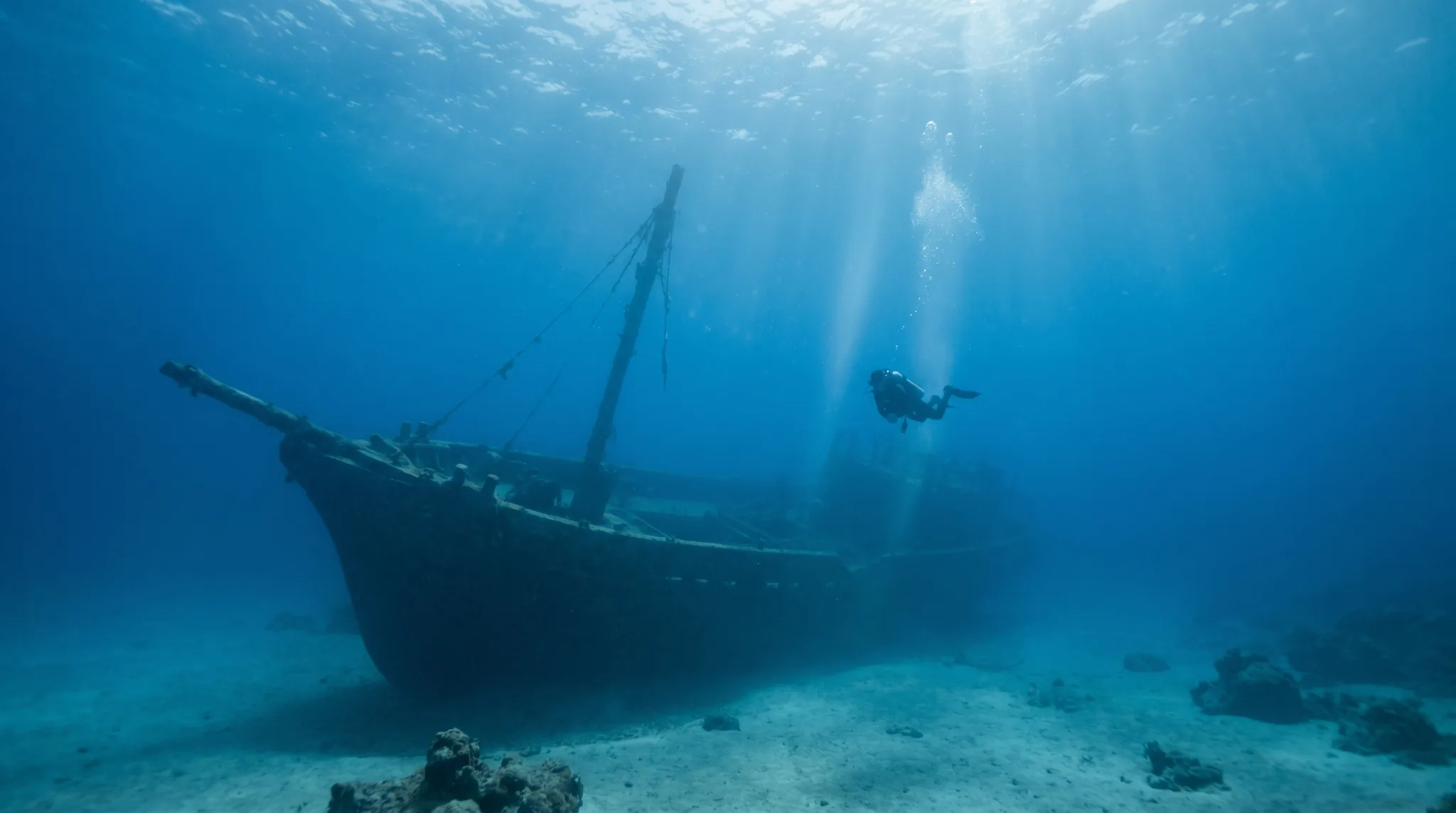
7Gulf of Mexico wreck and artificial reef diving off South Padre Island, anchored by the sunken Texas Clipper.
6Offshore Gulf of Mexico salt-dome reefs, the northernmost coral reefs on the North American continental shelf, reached by liveaboard from Galveston or Freeport.
 4
4Gulf of Mexico diving from Corpus Christi, shore-entry jetties and offshore oil platforms acting as artificial reefs, best visited from spring through autumn.
Monthly water temperature across Texas Gulf Coast's sites, from satellite sea-surface data corrected for depth. The band shows the site-to-site spread.
Water stays warm through summer, peaking between July and September when conditions draw the most divers. Spring brings rising temperatures and marks the start of the productive season, while winter months cool noticeably and see far less activity. The offshore sites at Flower Garden Banks and Stetson Bank are exposed to open-water conditions year-round and demand attention to weather windows.
19 operators
United States
United States
5 more sites to explore
Water temperature around Texas Gulf Coast ranges from about 18°C in February to 28°C in July, based on satellite sea-temperature data for its dive sites.
In the warm season (about 28°C) a rash guard or 3mm shorty is comfortable in Texas Gulf Coast; in the coldest months (about 18°C) step up to a 5mm suit.
Fin maps 17 sites in Texas Gulf Coast (16 scuba diving sites and 3 snorkelling spots, with some suited to both), organised into 3 areas.
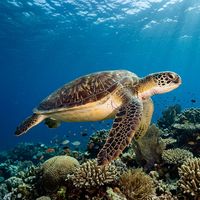
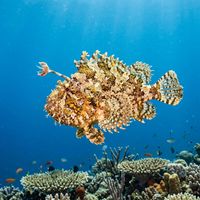
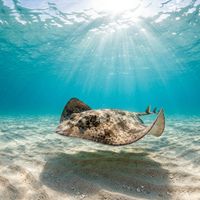
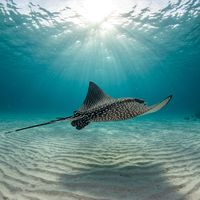
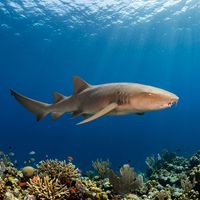
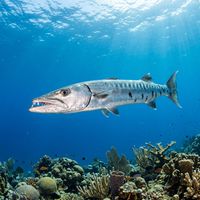
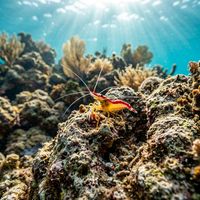
The region has a strong shark presence, with Bull Shark, Bonnethead, Nurse Shark, and Scalloped Hammerhead all recorded as common or occasional observations. Green Sea Turtle and Spotted Eagle Ray are frequently encountered, and Whale Shark has been observed across multiple sites. Reef fish such as Mutton Snapper, Grey Triggerfish, Great Barracuda, and Honeycomb Cowfish are common, while Spotted Scorpionfish and Hermit Crab round out the benthic life.
There are real entry points for less experienced divers, including the shallow Offshore Oil-Rig Platforms, Sponge Gardens off South Padre Island, and Port Aransas South Jetty, which offers shore access. However, the most celebrated sites, particularly East Flower Garden Banks and the Kraken Freighter, are rated advanced and require solid open-water experience. Intermediate divers have the widest choice, covering wrecks like the Texas Clipper and the reef systems at West Flower Garden Bank.
South Padre Island offers the most variety in a single area, mixing natural reefs, wrecks, and artificial reef structures with both shore and boat access across a range of depths. Flower Garden Banks is the most remote sub-area, reached entirely by boat and home to advanced reef and pinnacle diving well offshore. Corpus Christi provides a smaller selection of sites, including the accessible shore entry at Port Aransas South Jetty.
Most sites require boat access, particularly everything in the Flower Garden Banks sub-area and the major wrecks such as the Texas Clipper and Kraken Freighter. Shore diving is available at Port Aransas South Jetty in Corpus Christi, and South Padre Island offers sites reachable by both boat and shore. Operators Black Water Diving and Cross Diving Services, LLC are listed for the region and can advise on logistics.