Lepisosteidae spp.
Long torpedo bodies and duck-bill snouts drifting near the surface in Texas rivers and Southern springs, spotted year-round.
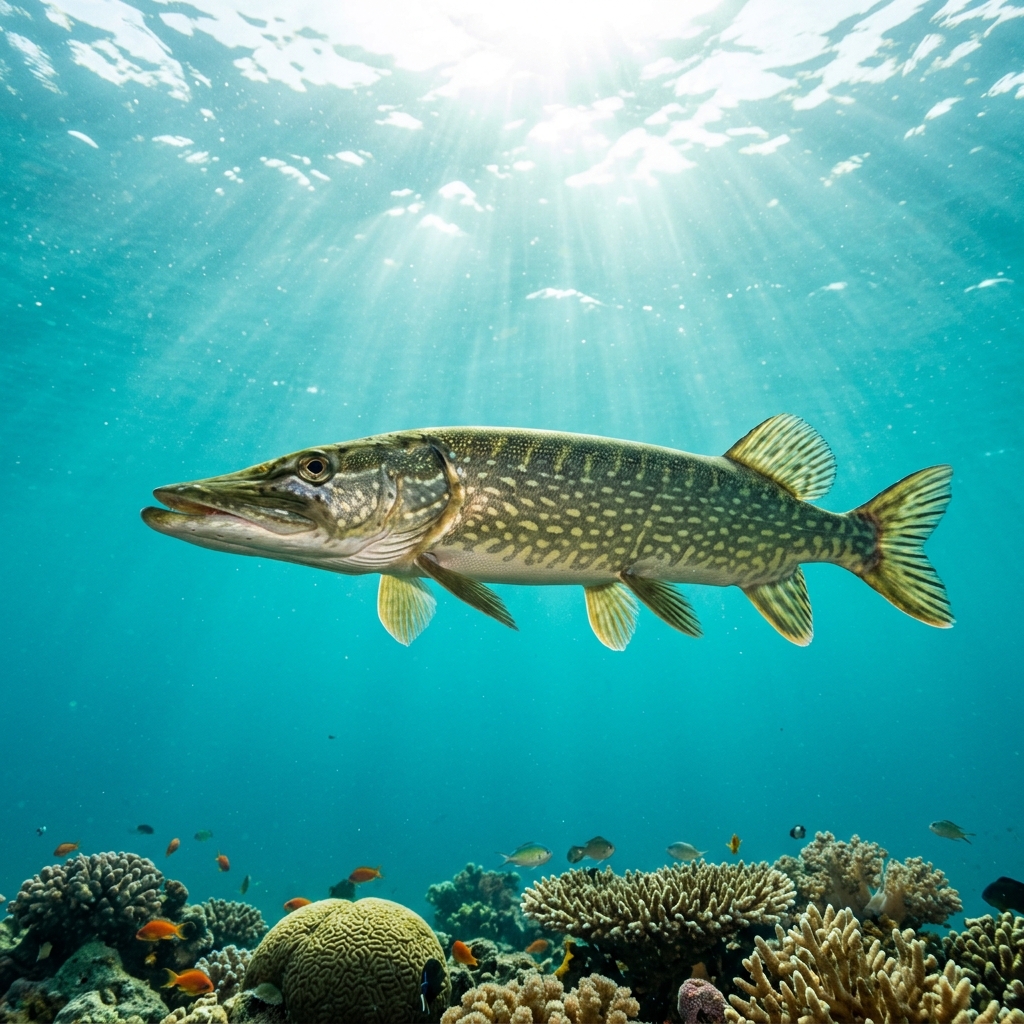
Look for an unmistakably elongated, almost cylindrical body ending in a long, narrow, tooth-filled snout that gives the whole family its duck-bill profile. Colouration runs olive to brown above with a pale belly, often with dark blotches scattered along the flanks and tail, and the dorsal and anal fins sit far back near the tail. They tend to hang motionless just under the surface at an angle, which combined with the snout is the fastest way to clock one before you see anything else.
Expect to find gar loitering near the surface at a slight head-up angle, barely moving, using that ambush posture to pick off small fish without expending much energy. They are generally unbothered by snorkellers and divers in clear spring water, holding position rather than bolting, though a sudden approach will send them off with a quick lateral flick. Most sightings come from calm, clear freshwater sites rather than murky rivers, where visibility lets you actually pick out that long snout from a distance.
Gar can gulp air directly at the surface thanks to a highly vascularised swim bladder that works like a lung, letting them survive in warm, low-oxygen water where most fish would struggle.
There is not enough seasonal data to call out a specific window, so treat sightings as available year-round in the rivers, springs and lakes where the family is established.
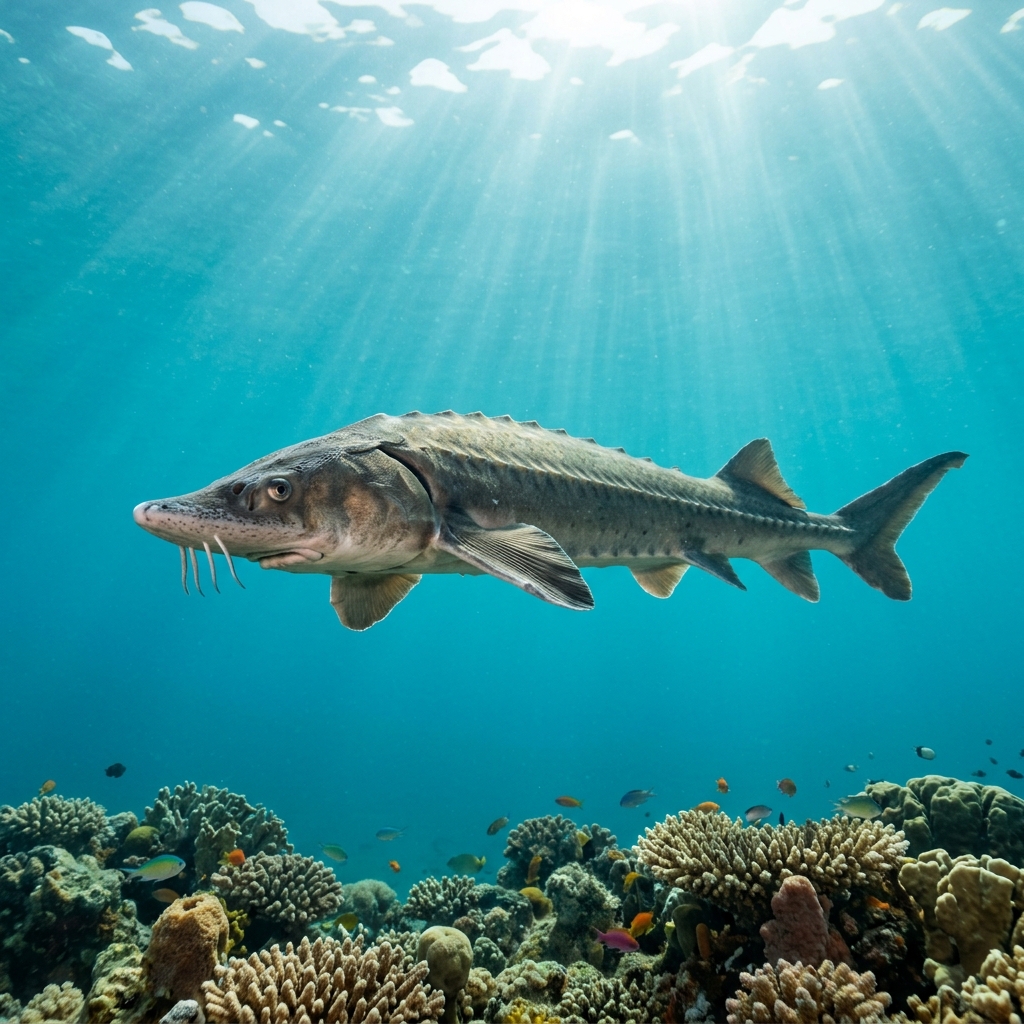
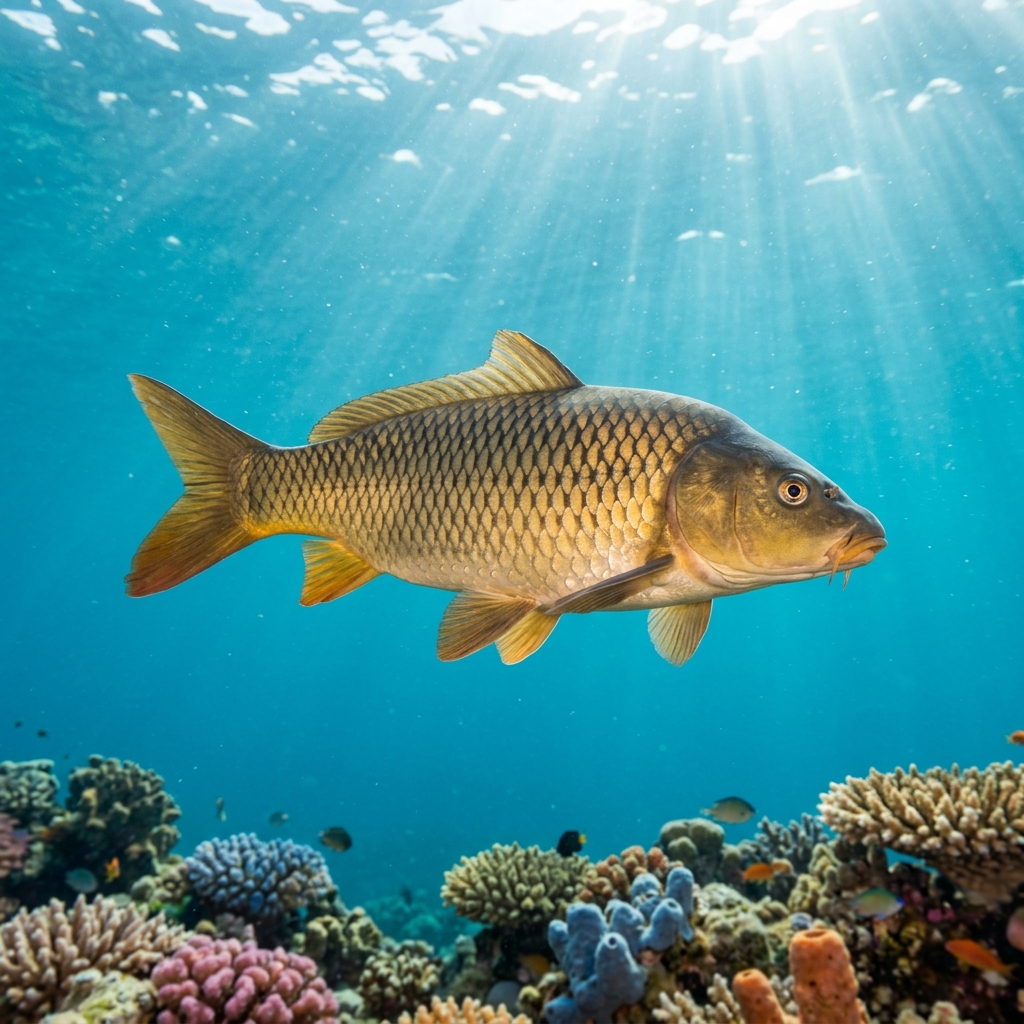
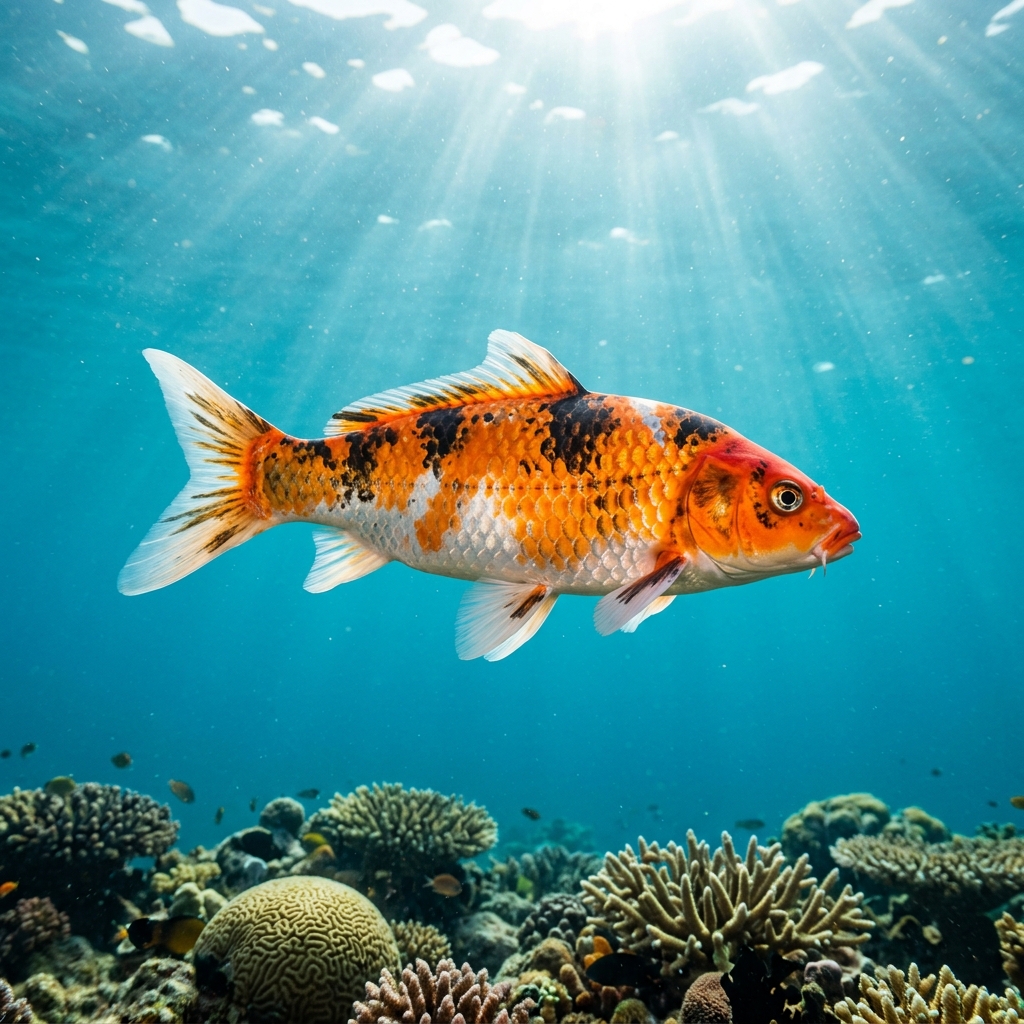
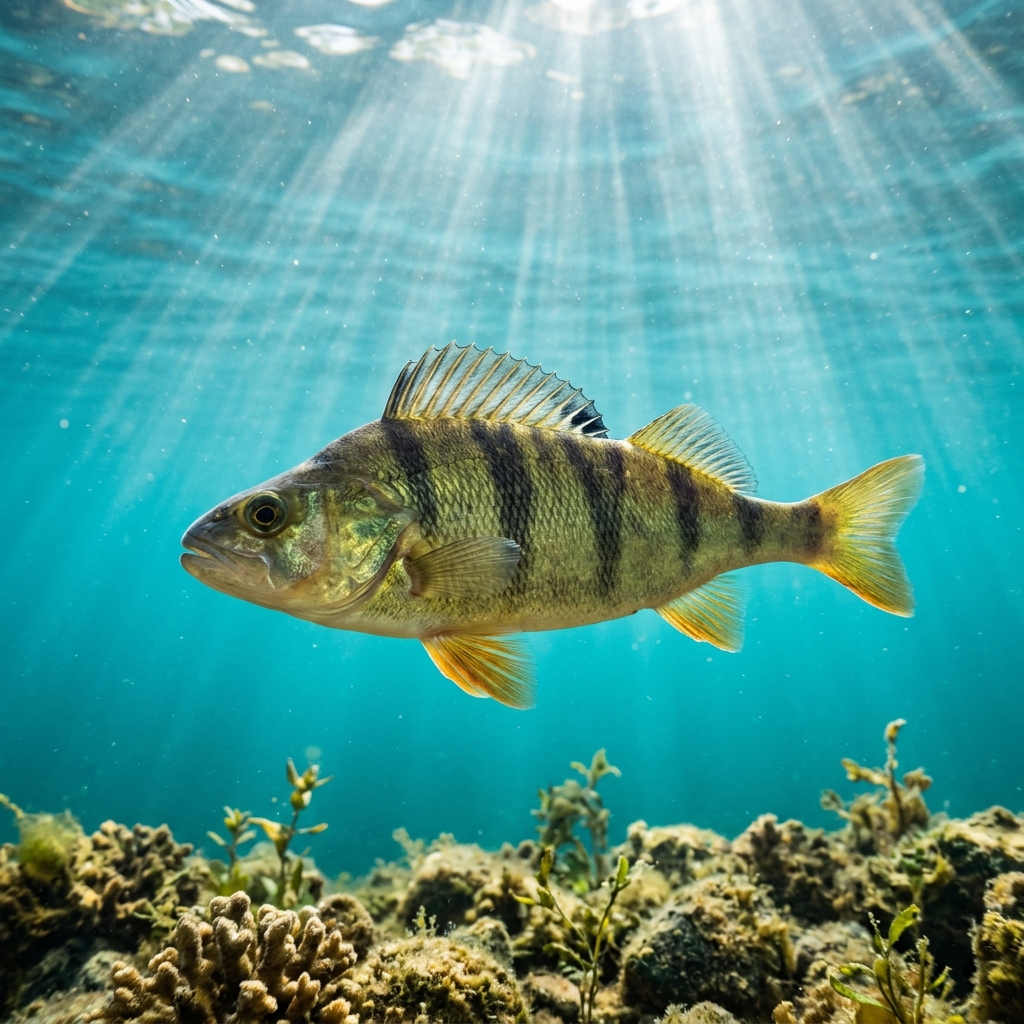
Reef neighbours a diver could mistake it for. Use the identification notes above to tell them apart.
Freshwater sightings cluster hard in the United States, with The South and Texas among the strongest regions logged, plus a solid presence in the Northeast and the Carolinas. Outside the US, sites turn up in Quebec, the Yucatán Peninsula in Mexico, and scattered spots across Colombia, El Salvador, Guatemala and Nicaragua, so this is a springs-and-rivers animal rather than a reef one.
Mapping where Gar is logged…
Freshwater sightings are strongest in the United States, especially The South, Texas, the Northeast and the Carolinas, with additional populations in Quebec and Mexico's Yucatán Peninsula.
There isn't a clear seasonal pattern in the sighting data, so gar are considered a year-round find in the rivers, springs and lakes they inhabit.
Look for a long, cylindrical body, a narrow duck-bill snout lined with teeth, and dark blotches over an olive-brown back. They typically hover near the surface at a slight upward angle rather than swimming actively.
No, they are not considered dangerous to divers. Gar tend to hold still or drift away calmly rather than react aggressively to people in the water.
Gar can breathe air at the surface using a swim bladder that functions like a primitive lung, an adaptation that lets them tolerate warm, oxygen-poor water most other fish avoid.
Size varies a lot across the family, from smaller species under a metre to much larger ones, but all share the same elongated, torpedo-like body plan.
Site and sighting data is aggregated from diver logs, iNaturalist and GBIF. For taxonomy and conservation status:
Sun Perch
2,182 sites