Cyprinidae spp.
Carp turn up in cool freshwater sites across Central Europe and North America. Here's where divers spot them and what to look for underwater.
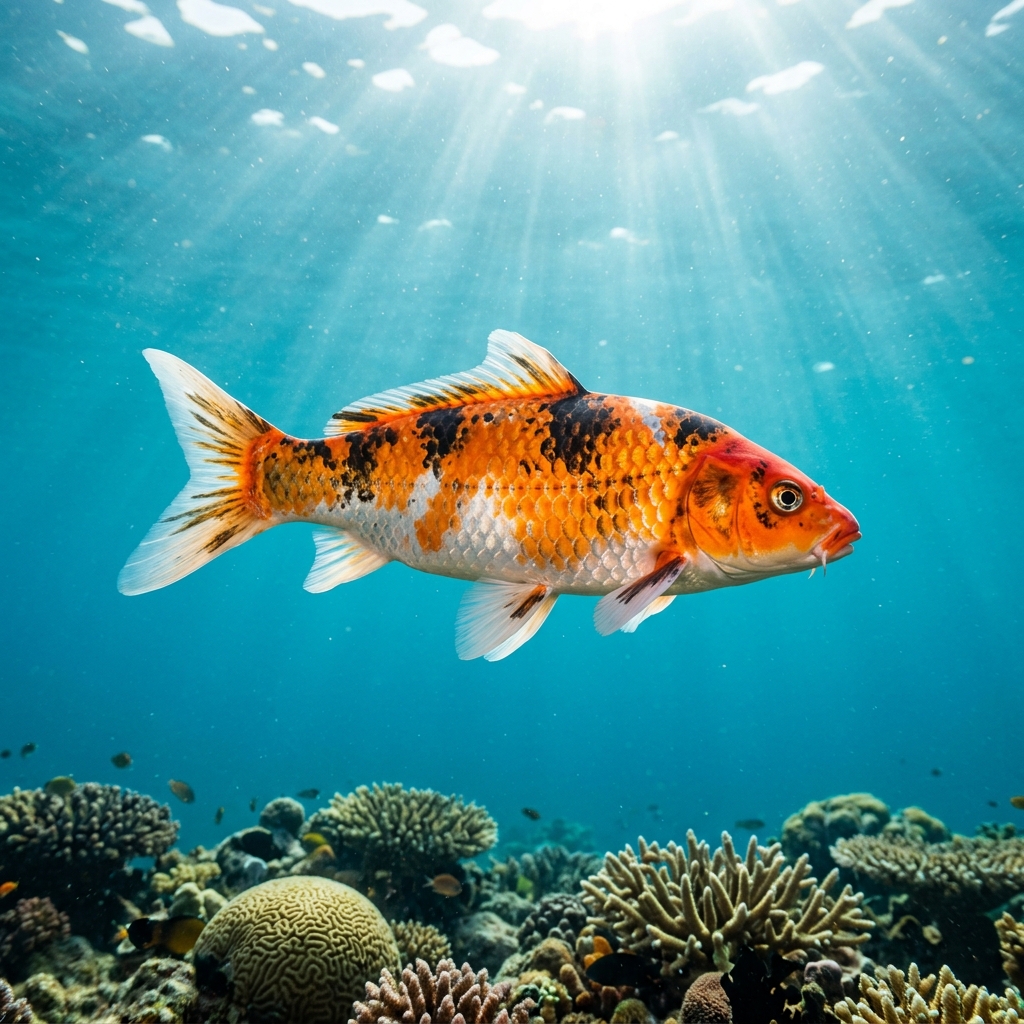
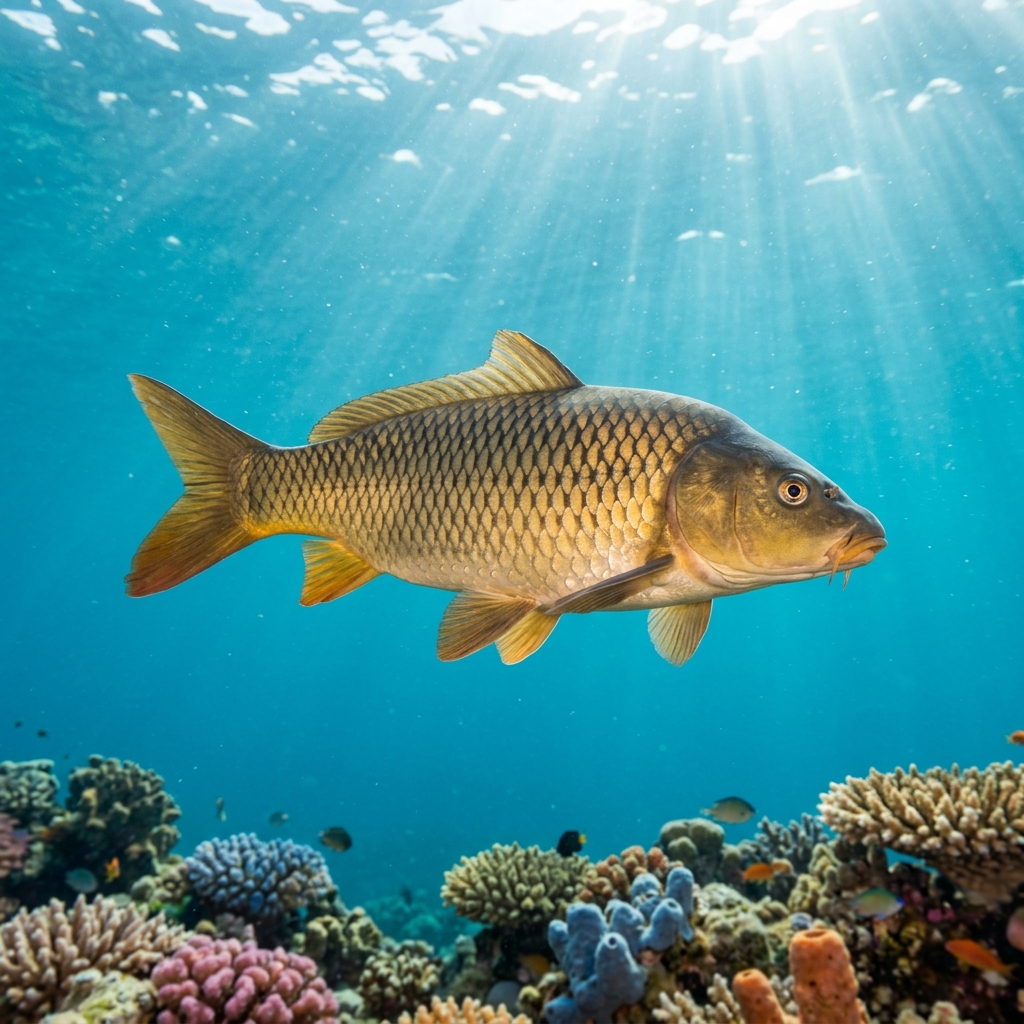
Most members of the carp family share a deep, laterally compressed body with large, prominent scales that catch the light in a bronze, olive, or golden tone. Look for a rounded, down-turned mouth adapted for rooting along the bottom, and a single long dorsal fin running most of the back. In murky freshwater they tend to look darker, appearing as a big, slow-moving shadow near the substrate. Size varies widely across the family, but most individuals a diver encounters are substantial, often 40 to 80 cm in length.
Carp are bottom-oriented foragers, and you will usually spot them nosing along the lakebed or riverbed, stirring up silt as they root for invertebrates and plant matter. They are generally unhurried around divers, sometimes holding position and watching before slowly moving off, which makes for relaxed observation. Large individuals occasionally gather in loose groups in deeper water, particularly in the cooler months when they become less active and easier to approach.
The carp family, Cyprinidae, is the largest family of freshwater fish in the world. What divers encounter under this one label could be dozens of different species depending on the country, from the common carp to various bream, roach, and chub species that share the same lakes and rivers.
There is no concentrated season in the sighting data, so carp can be encountered year-round wherever they occur. Their observed temperature range runs from just above freezing to around 21 °C, meaning they remain active through cold European winters and cool mountain lakes that put off less determined divers.
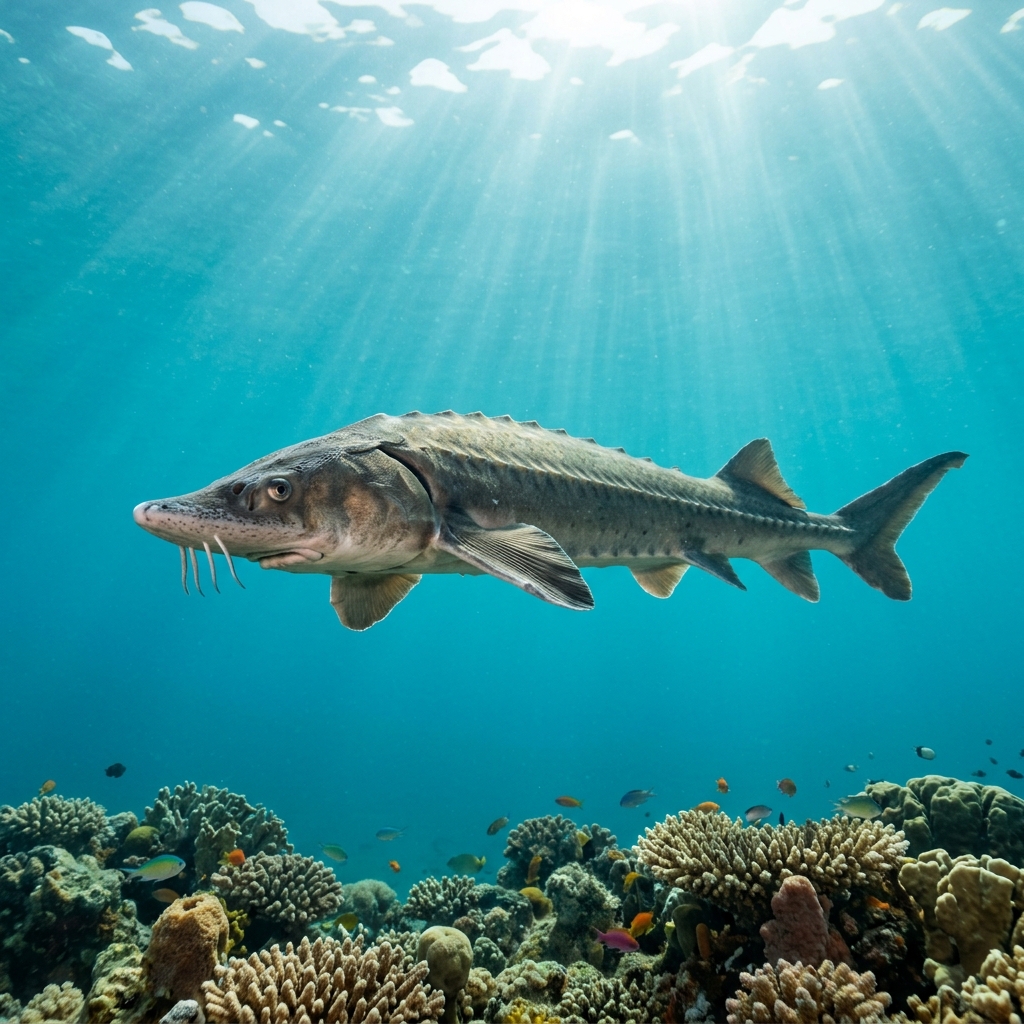
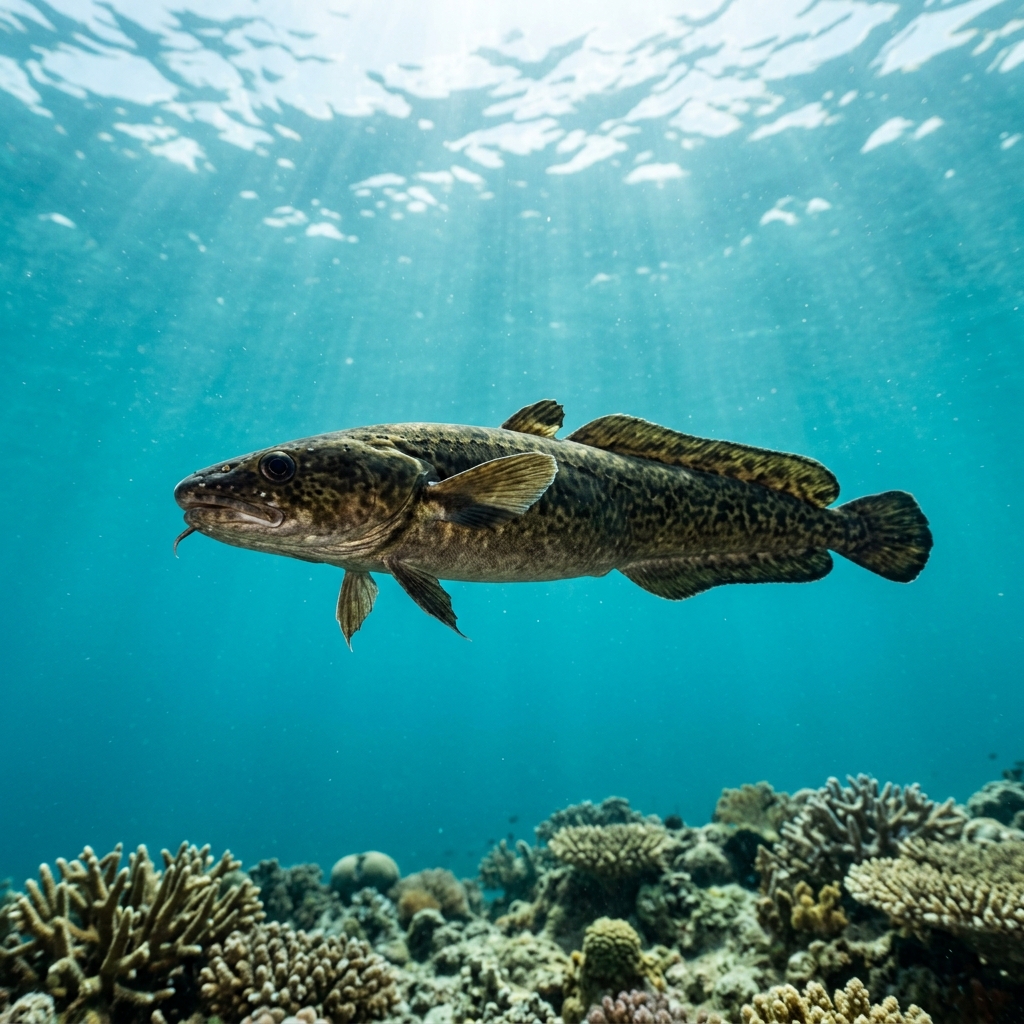
Reef neighbours a diver could mistake it for. Use the identification notes above to tell them apart.
Carp are most commonly logged by freshwater divers in Germany, Switzerland, and the United States, with particularly strong representation in Central Switzerland, Central Germany, and the Bavarian Alps. North American sightings cluster around the Florida and Southeast region and the Great Lakes corridor, making those areas good targets for lake and river dives. The Netherlands, Austria, Poland, and Canada also feature regularly in diver reports, reflecting the family's broad range across temperate Europe and North America.
Mapping where Carp is logged…
The best freshwater dive spots for carp are in Central Europe and North America. Germany, Switzerland, and Austria lead in Europe, with the Central Switzerland lakes and Bavarian Alpine lakes being popular sites. In North America, the Great Lakes region and the Southeast United States are the most frequently logged areas.
Carp can be encountered at any time of year. They tolerate water temperatures from just above 1 °C up to around 21 °C, so they remain present through cold-water winters in European lakes. There is no single peak season in the dive data.
Look for a large, deep-bodied fish with a bronze or olive-gold colour and noticeably large scales. The mouth is thick-lipped and points slightly downward, and the long dorsal fin is a useful feature. They are almost always seen close to the bottom, moving slowly through silt or weed.
Common carp, the largest member divers typically encounter, can exceed a metre in length and weigh over 30 kg, though most lake and river fish are considerably smaller. Across the broader carp family the range is enormous, from small minnow-like species to the large, impressive fish that freshwater divers most often report.
No. Carp pose no threat to divers. They are non-aggressive bottom feeders and typically move away or ignore divers completely. The biggest nuisance is the silt cloud a startled large carp can kick up, which reduces visibility temporarily.
Site and sighting data is aggregated from diver logs, iNaturalist and GBIF. For taxonomy and conservation status:
Pike
2,172 sites