Lepomis spp.
Common in quarries and lakes across Bavaria, Ontario and the US Northeast, sunfish show up year-round to divers who look close to shore.
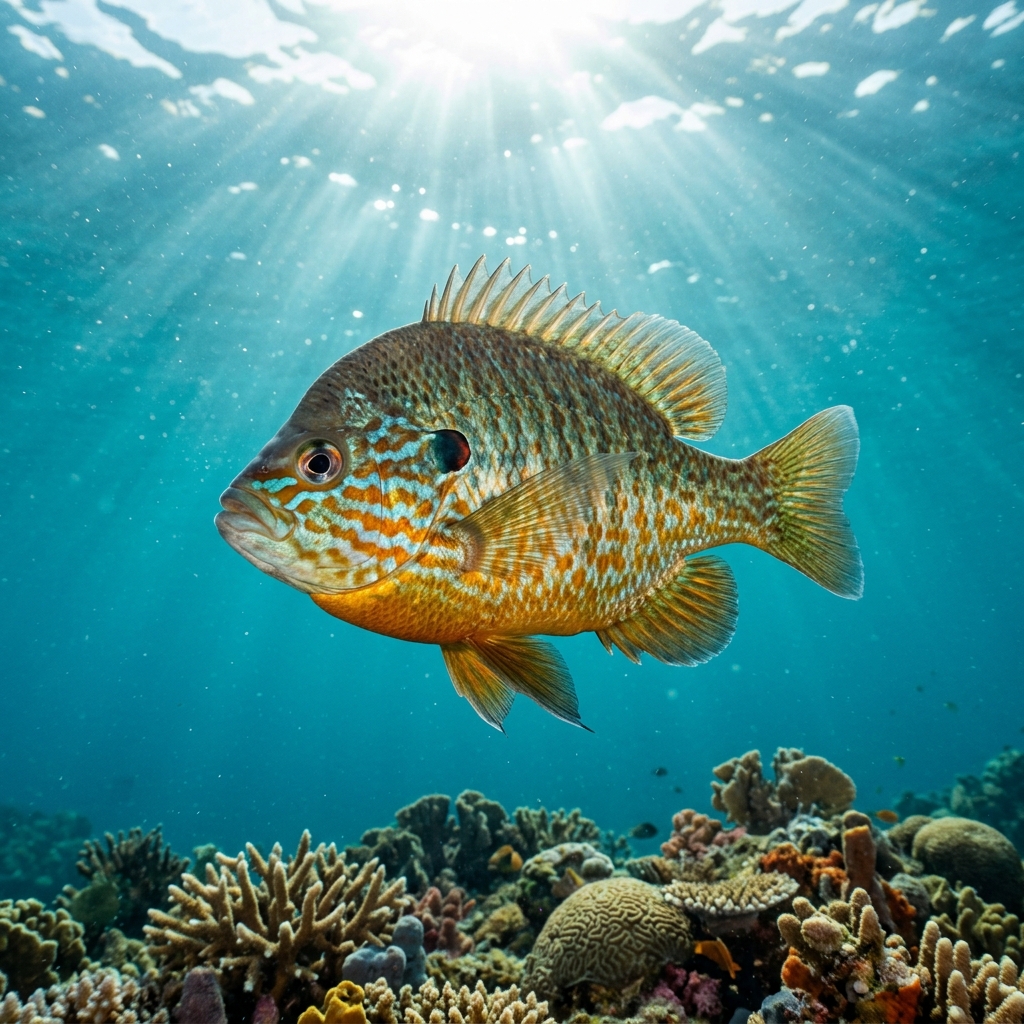
Look for a deep, laterally flattened, almost coin-shaped body rather than a torpedo shape. Most species show mottled green, gold or bronze flanks, a dark blotch (the operculum spot) near the back of the gill cover, and a spiny front dorsal fin joined to a soft rear dorsal fin. Colours shift by species and season, with breeding males often flushing brighter orange or blue around the face.
Expect to find small groups hanging near submerged wood, weed beds or dock pilings rather than out in open water, often hovering with slow, deliberate fin movements. They are generally unbothered by divers and will hold position or drift closer out of curiosity rather than bolt, making them an easy, relaxed subject for a slow pass with a torch or camera.
Males dig and guard a shallow nest scrape on the bottom and will fan and defend the eggs, so a sunfish that seems oddly bold and stationary near a sandy or gravel patch is likely on nest duty rather than just being friendly.
No clear seasonal pattern shows up in the sightings, so treat sunfish as a year-round find in the lakes and quarries where divers already log them. They tolerate a wide temperature range, which is likely why sightings do not cluster into a single season.
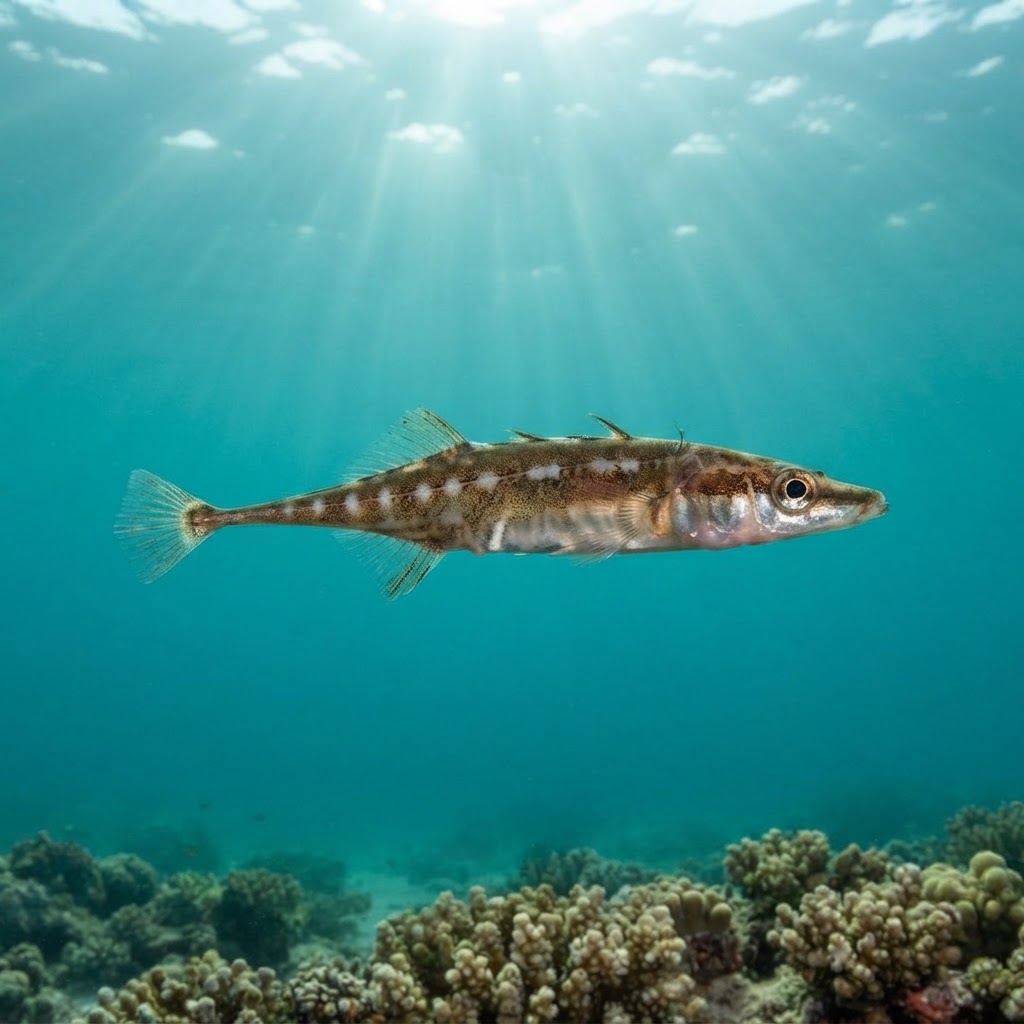
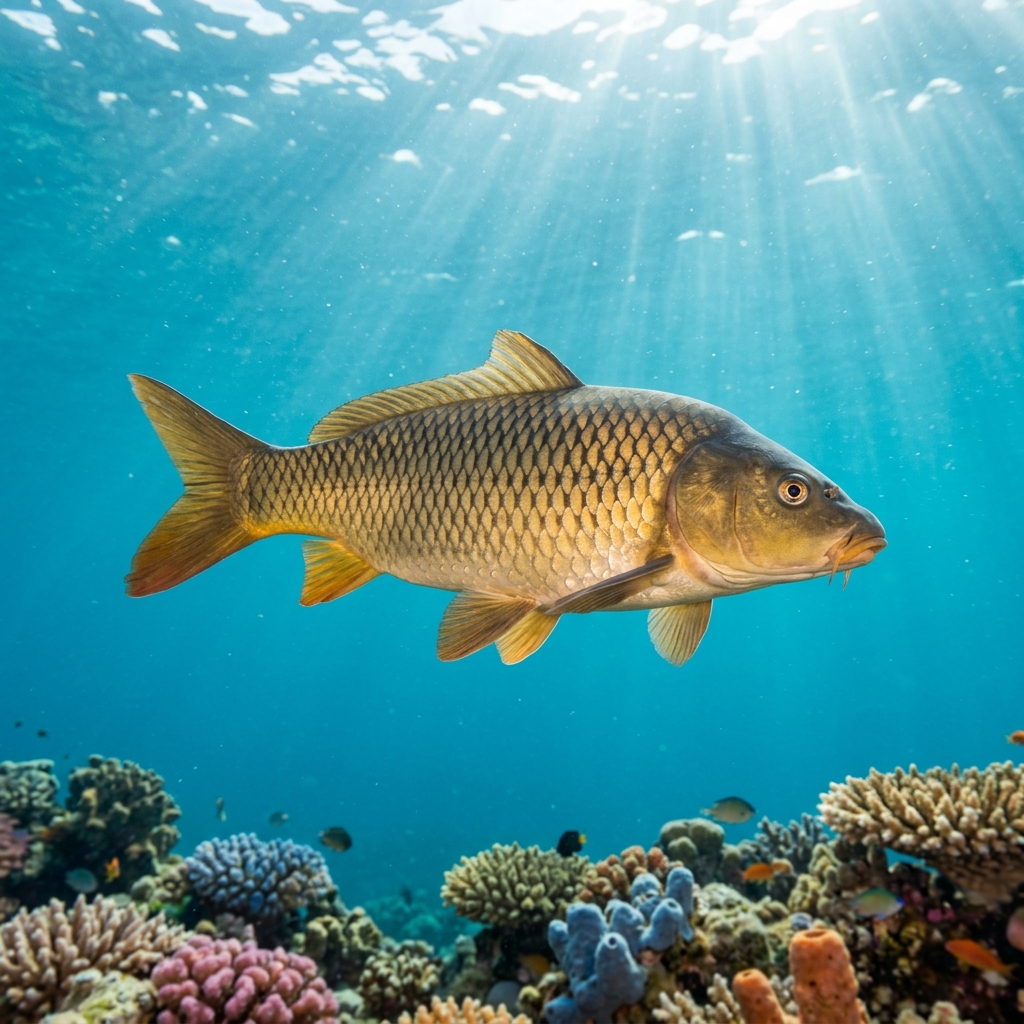
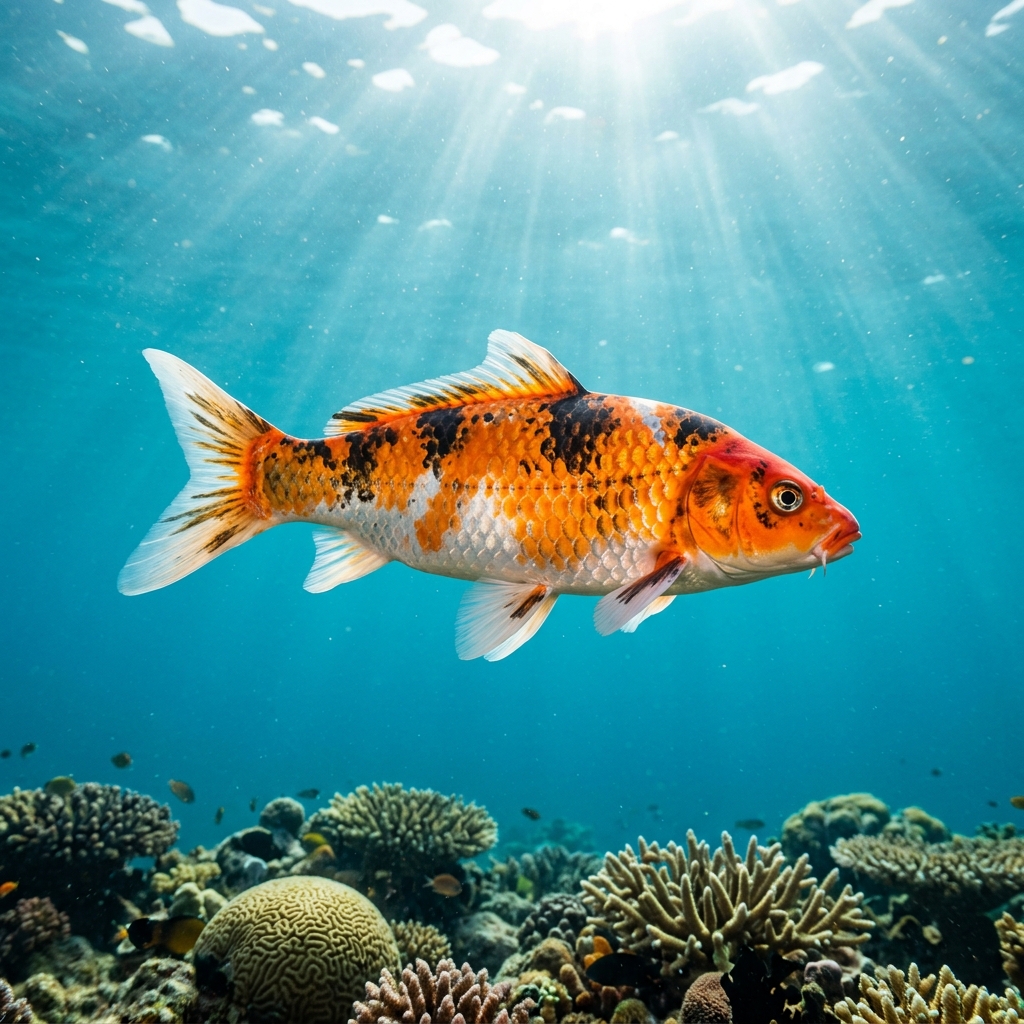
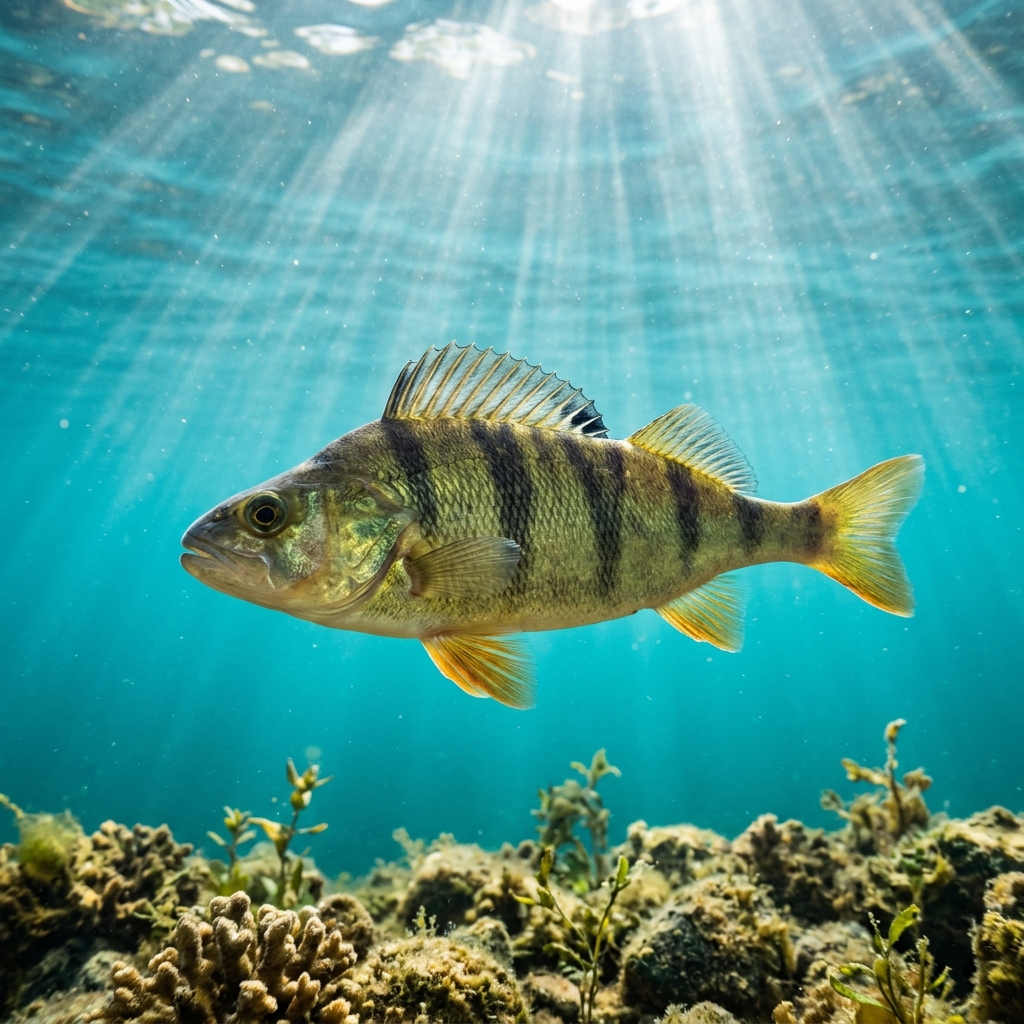
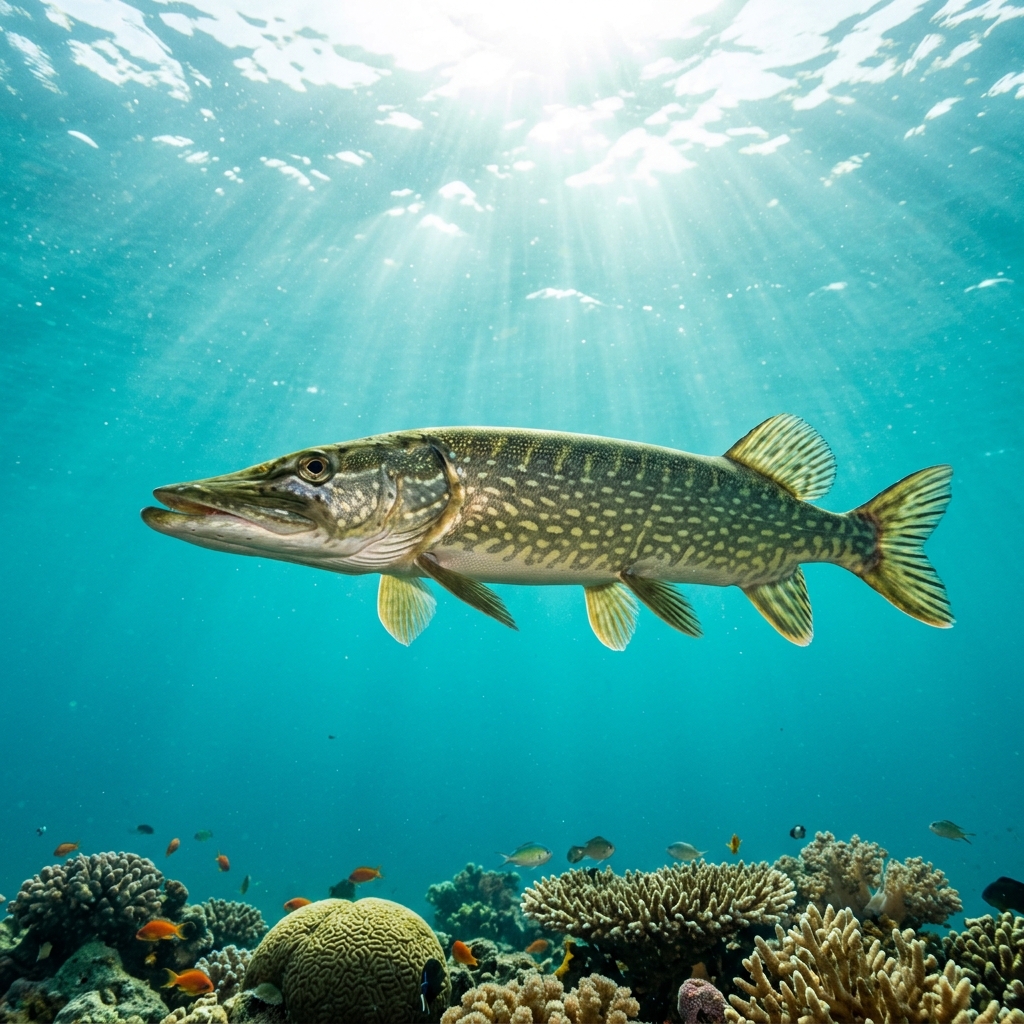
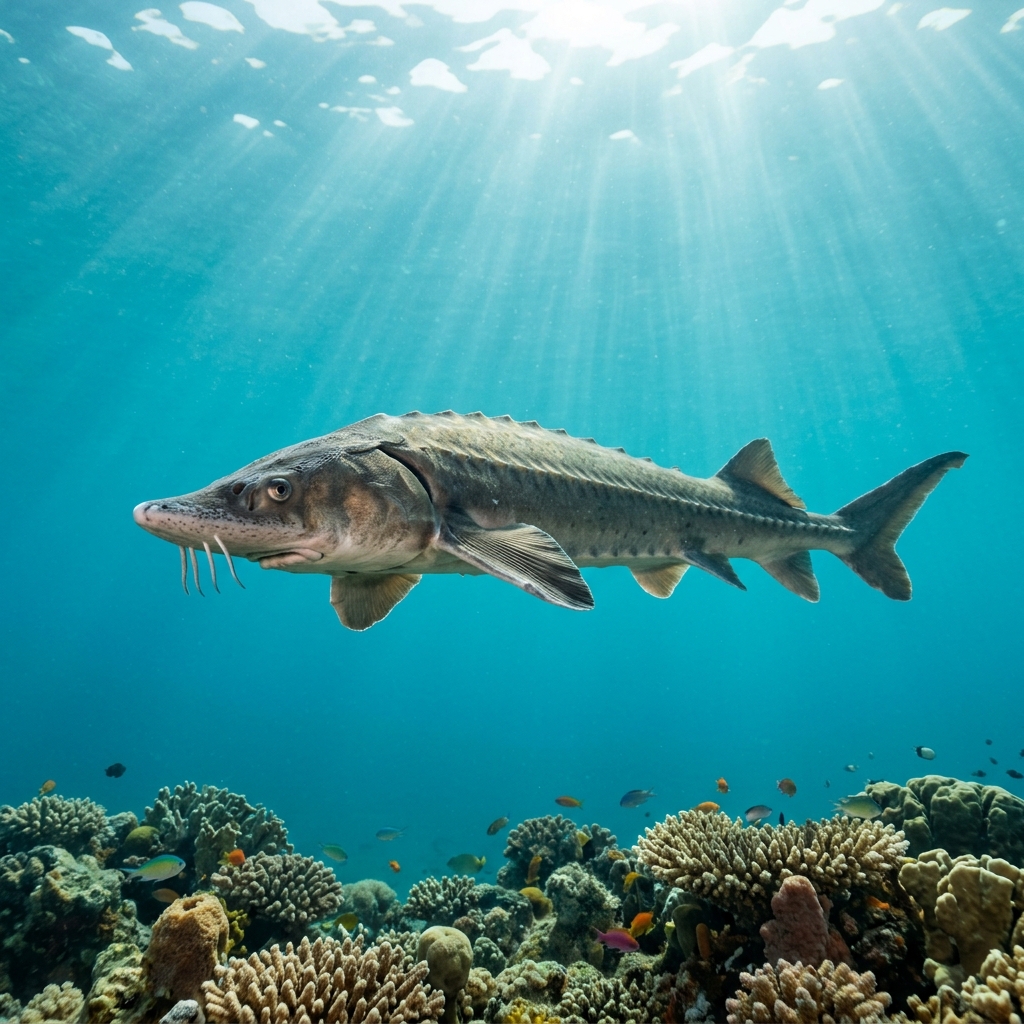
Reef neighbours a diver could mistake it for. Use the identification notes above to tell them apart.
Most reliably logged in freshwater lakes and quarries across Germany, especially Bavaria, Thuringia and North Rhine-Westphalia, with strong numbers also reported from the Three Lakes region and Lake Lucerne in Switzerland. In North America they turn up widely across The South and Northeast regions of the United States and around Ontario in Canada, usually in calm lakes, gravel pits and slow rivers rather than open water.
Mapping where Freshwater Sunfish is logged…
They are most commonly logged in German lakes and quarries across Bavaria, Thuringia and North Rhine-Westphalia, in Swiss sites around the Three Lakes region and Lake Lucerne, and in freshwater sites across the US South, US Northeast and Ontario, Canada.
There is no strong seasonal pattern in the sightings, so they are considered a year-round find at the lakes and quarries where divers already see them regularly.
Look for a deep, flattened, disc-like body, mottled green-gold colouring, and a dark spot near the back edge of the gill cover. The dorsal fin runs spiny-to-soft in one continuous line along the back.
Size varies by species within the genus and exact figures are not confirmed here, but divers typically encounter hand-sized individuals in the lakes and quarries where they are logged.
No, they are not considered a risk to divers. They are generally curious and calm around people rather than defensive, aside from briefly guarding a nest site.
Males scrape out a nest on the lake bed and stay close to guard and fan the eggs, so a sunfish holding its ground near a clean patch of sand or gravel is often on parental duty.
Site and sighting data is aggregated from diver logs, iNaturalist and GBIF. For taxonomy and conservation status:
Sun Perch
2,182 sites