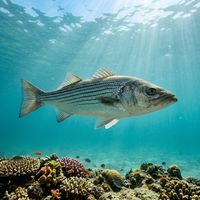
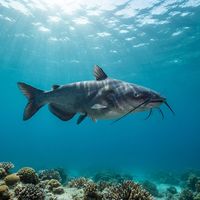
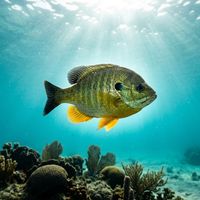
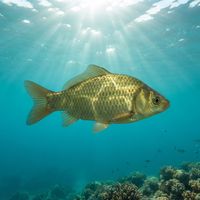
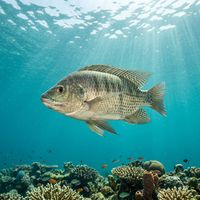
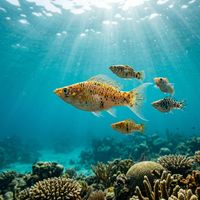
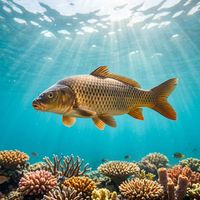
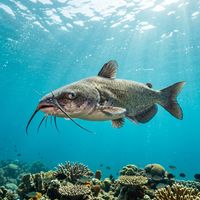
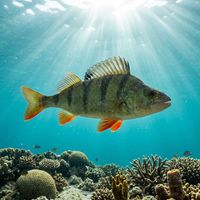
Lake Travis offers freshwater diving across a varied mix of artificial reefs, wrecks, drop-offs, walls, and drift sites. The majority of sites suit beginners, with shore entry common throughout, though intermediate and advanced divers will find deeper challenges at Stillhouse Hollow Reservoir, Stillhouse Hallow Lake, and the remarkable Valhalla Missile Silo. Blue Gill, Tilapia, Carp, and Channel Catfish are regularly observed, alongside Longnose Gar and Red Swamp Crayfish. Several operators are based in the area, making gear and guided access straightforward.
4 operators
Fin maps 28 sites in Lake Travis (24 scuba diving sites and 7 snorkelling spots, with some suited to both).
16 more sites to explore
Across Lake Travis's dive sites, April, May, June, July, August and September are most often reported as the best months to visit.
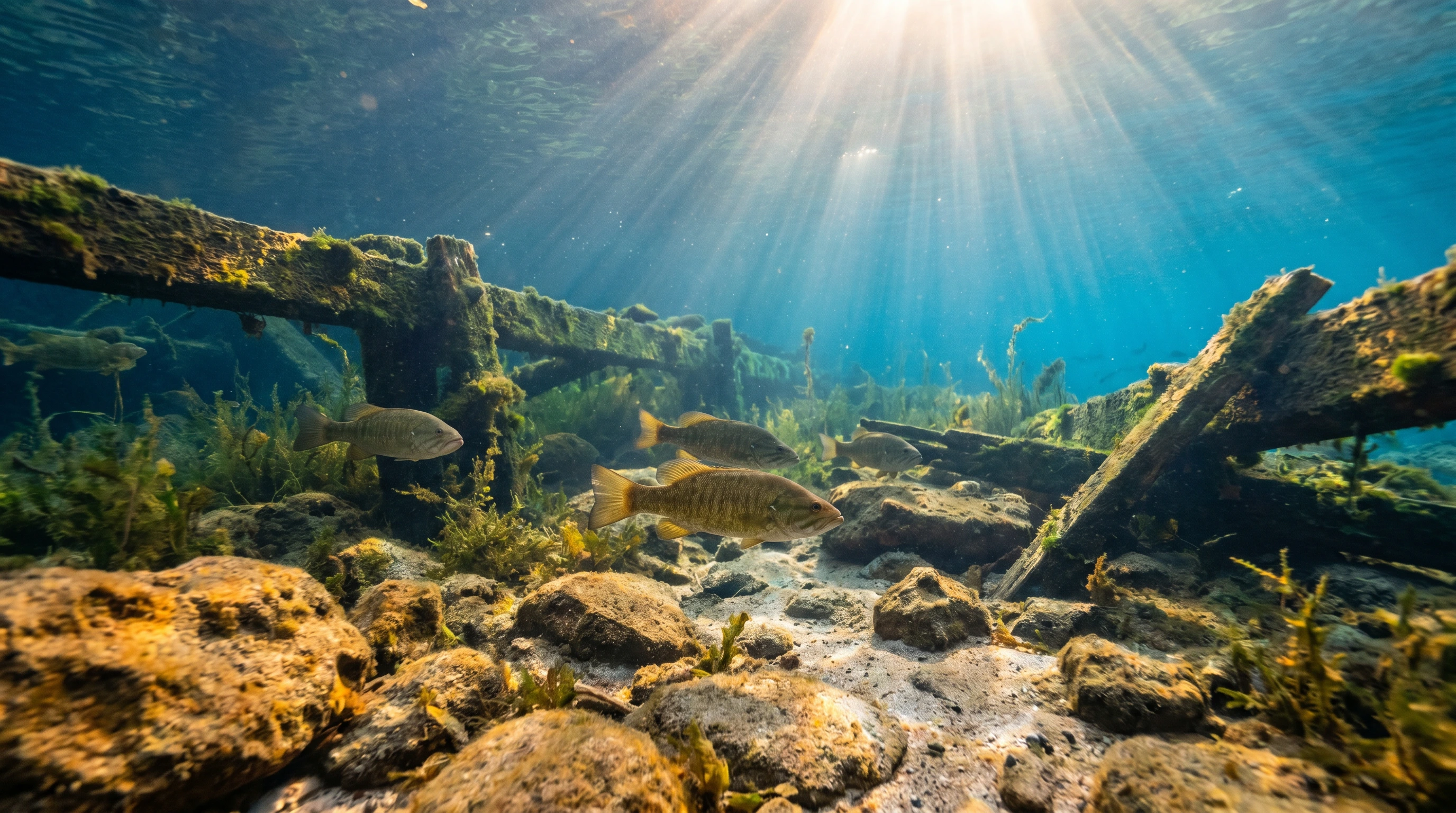
Blue Gill and Tilapia are among the most commonly observed species across the region. Carp, Common Carp, Channel Catfish, Livebearer, and Perch are also frequently sighted. Less common but recorded encounters include Longnose Gar, Red Swamp Crayfish, Small Mouth Bass, and Redbreast Sunfish.
The majority of sites in Lake Travis are rated for beginners, with gentle conditions and shore entry at many locations. Sites such as Aquarena Springs, Canyon Lake, North Park, and Overlook Park offer shallow to moderate depths with mild currents. Intermediate and advanced sites, including Stillhouse Hollow Reservoir and Valhalla Missile Silo, are available when divers are ready to progress.
Shore entry is the most common access method in the region, available at sites including Aquarena Springs, Canyon Lake, Comal River, Overlook Park, and Valhalla Missile Silo. Some sites such as Stillhouse Hollow Reservoir and Gnome Boat require boat access, while others like Stillhouse Graveyard and the main Lake Travis site offer both options.
Valhalla Missile Silo is a freshwater dive set within a decommissioned missile facility, combining a wreck and artificial reef experience in a setting unlike any other site in the region. It is rated for advanced divers and reaches considerable depth. Shore entry is available, though the site demands solid buoyancy control and experience with confined or overhead environments.