Siluriformes spp.
Spot catfish on freshwater dives across Central Switzerland, Bavaria, and Florida. Present year-round in water from 16 to 29 °C.
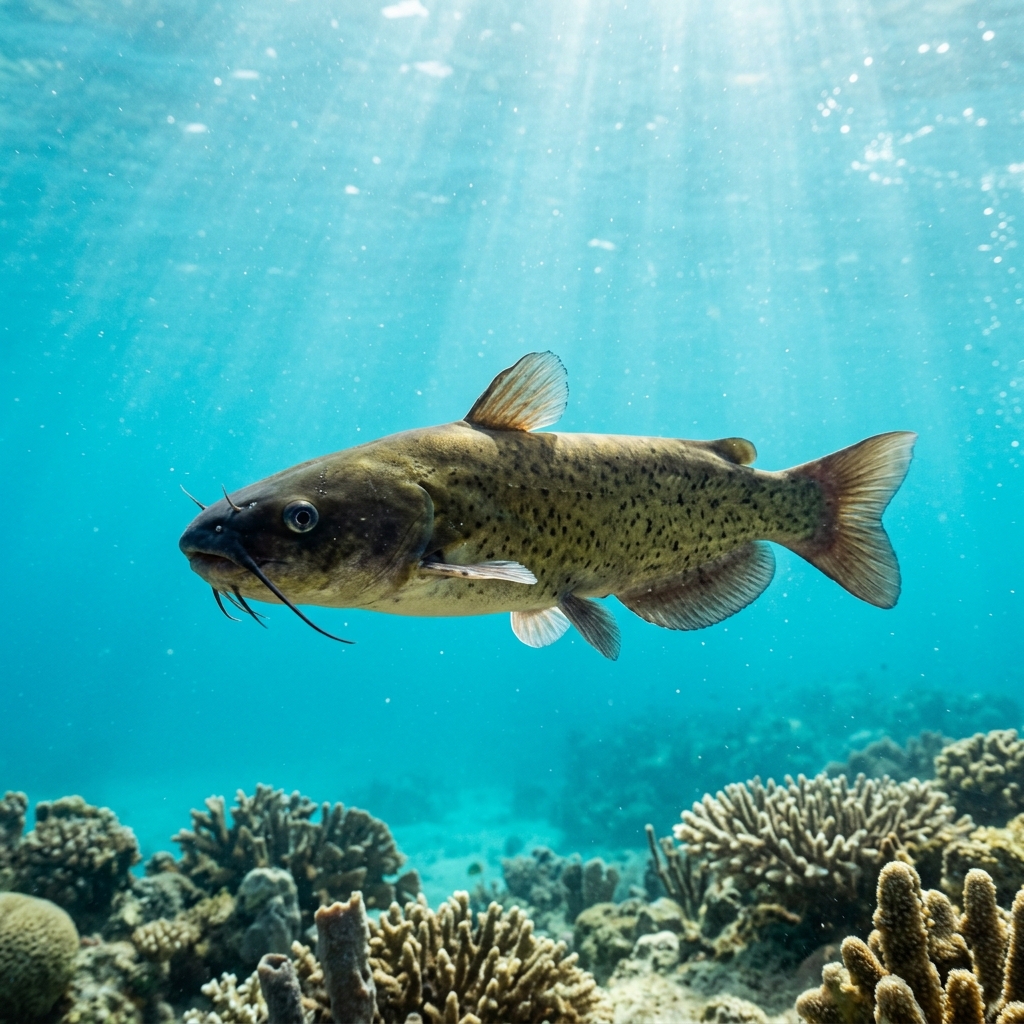
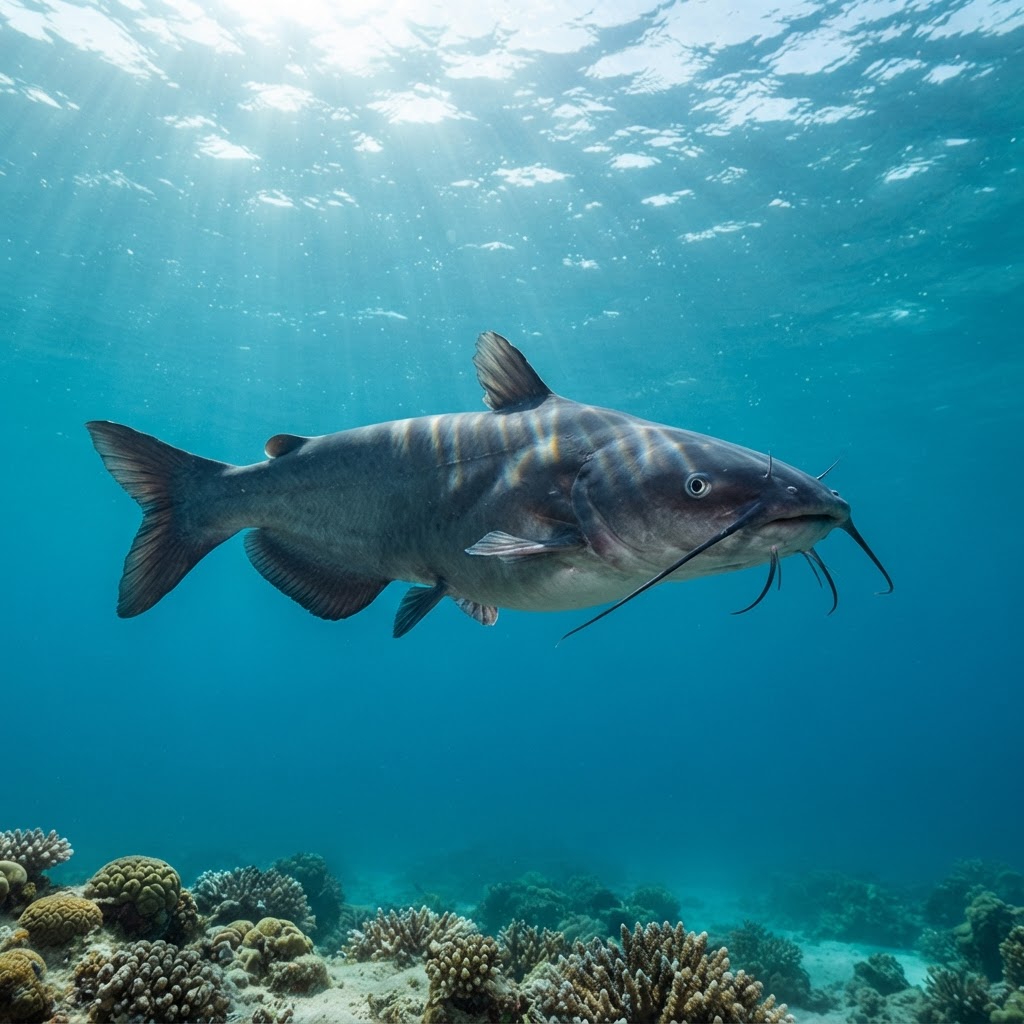
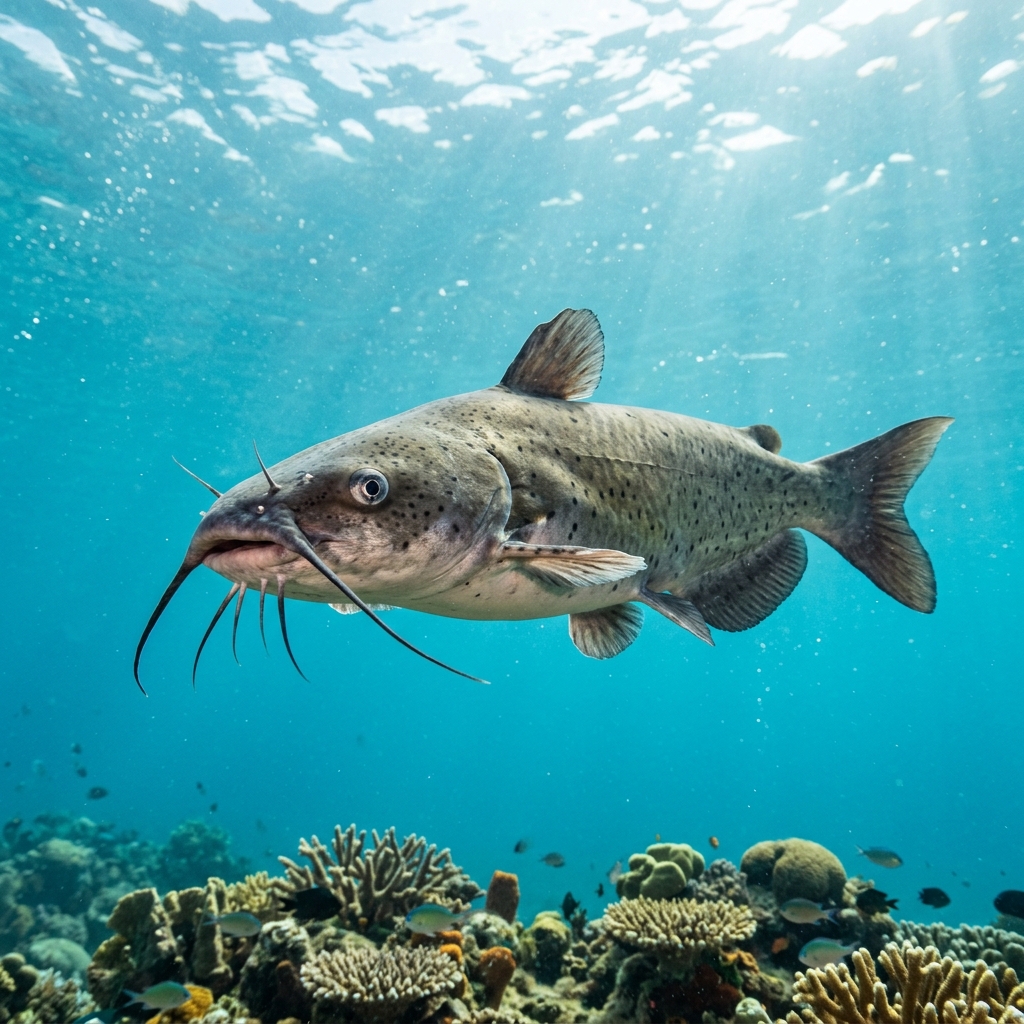
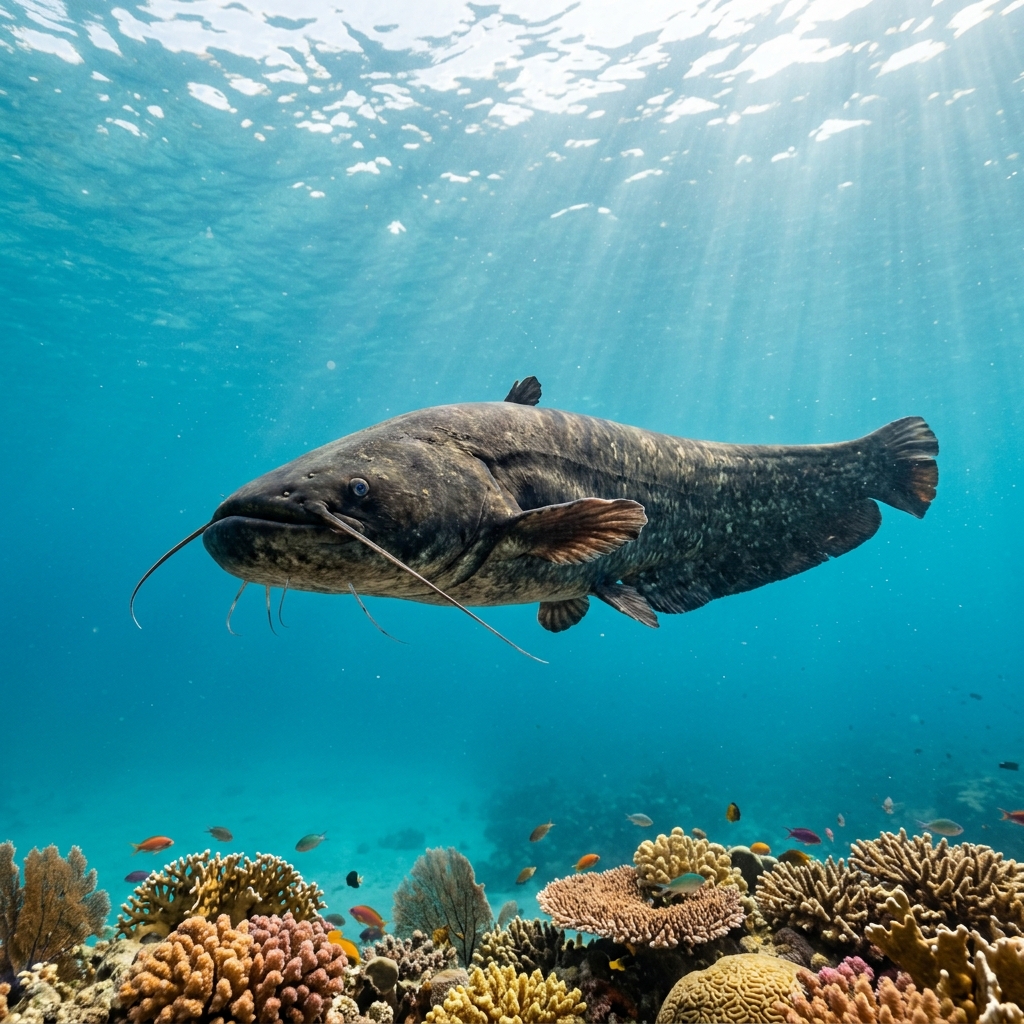
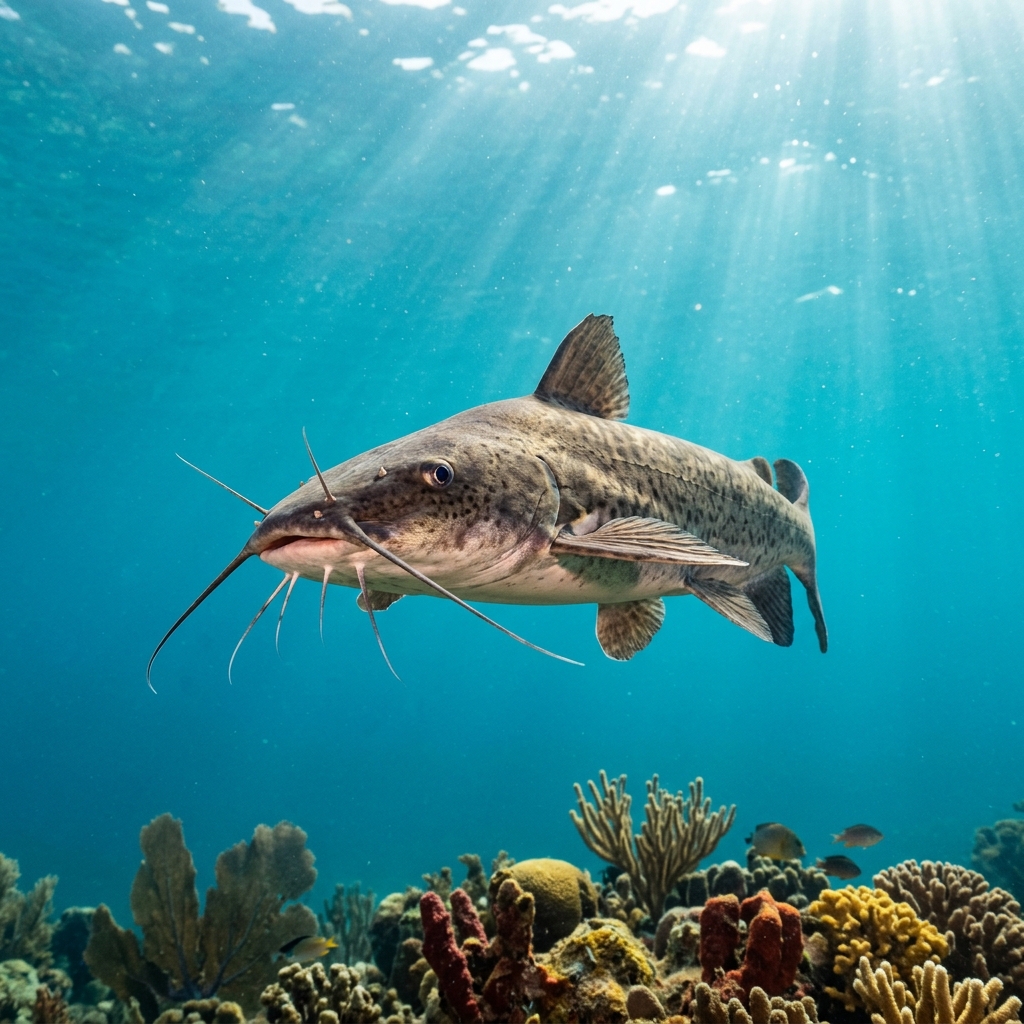
Catfish are unmistakable underwater once you know what to look for: the broad, flattened head and the long, whisker-like barbels (sensory feelers around the mouth) set them apart from virtually every other freshwater fish. Body shape ranges from torpedo-slim to heavily built, and colouration runs from pale grey and olive-brown to near-black, often with mottled or blotchy patterning that blends with a muddy or sandy bottom. Most lack scales entirely, giving the skin a smooth, sometimes slightly slimy appearance. You will typically see them holding position close to the substrate rather than swimming in open water.
Catfish are bottom-dwellers, and most encounters happen on sandy, silty, or rocky substrates where they rest or forage slowly in low light. They are generally unfazed by divers approaching steadily and at depth, though sudden movements may prompt a lazy retreat under a ledge or into vegetation. Nocturnal or crepuscular (active around dawn and dusk) species are often more active on night dives, when the barbels are clearly working as they probe the bottom for food.
The barbels are not just decorative, they are packed with taste receptors, effectively making a catfish's face one large tongue. Some species can detect chemical traces in the water from considerable distances, which is why they find food in near-zero visibility conditions that would leave most other fish hunting blind.
Available data does not point to a defined season, so catfish appear to be present year-round at their known sites. Their observed temperature range of roughly 16 to 29 °C fits the seasonal conditions of Central European lakes and North American freshwater systems across most of the calendar year.
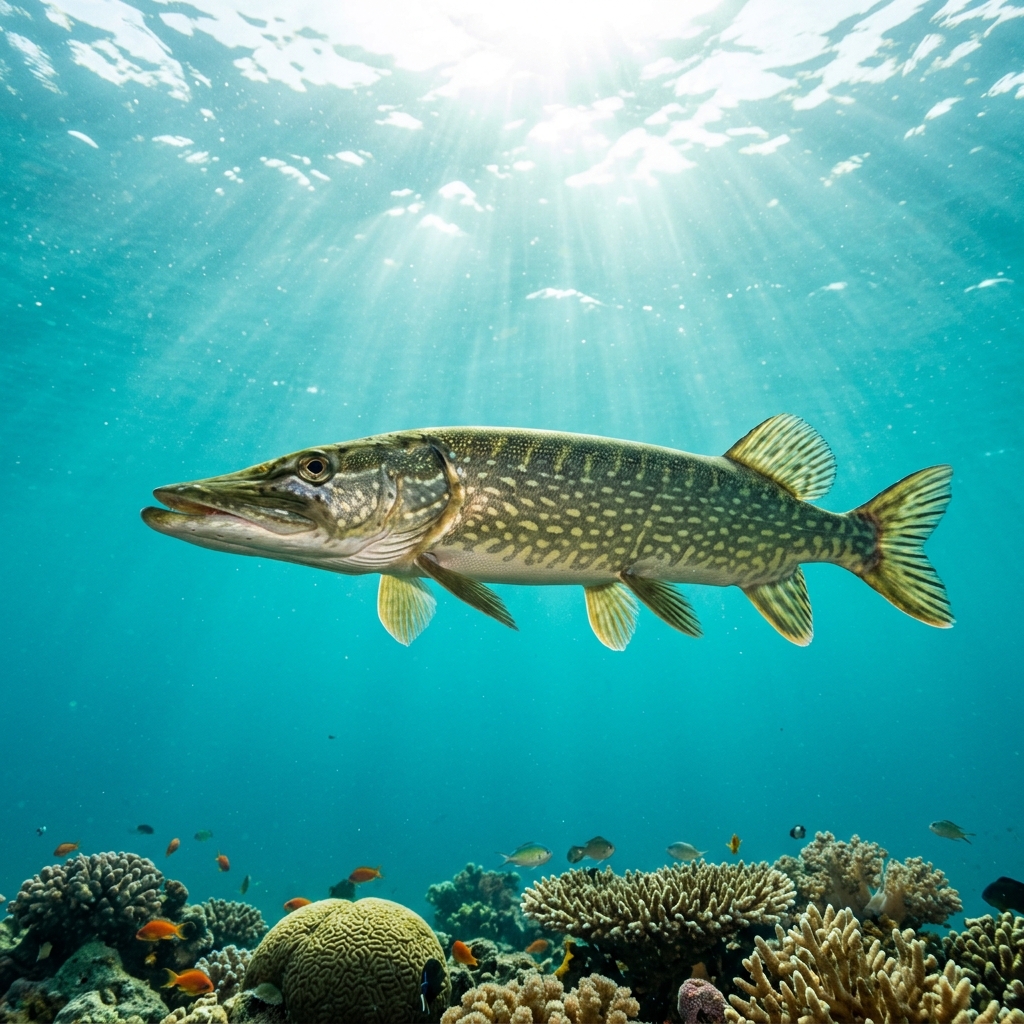
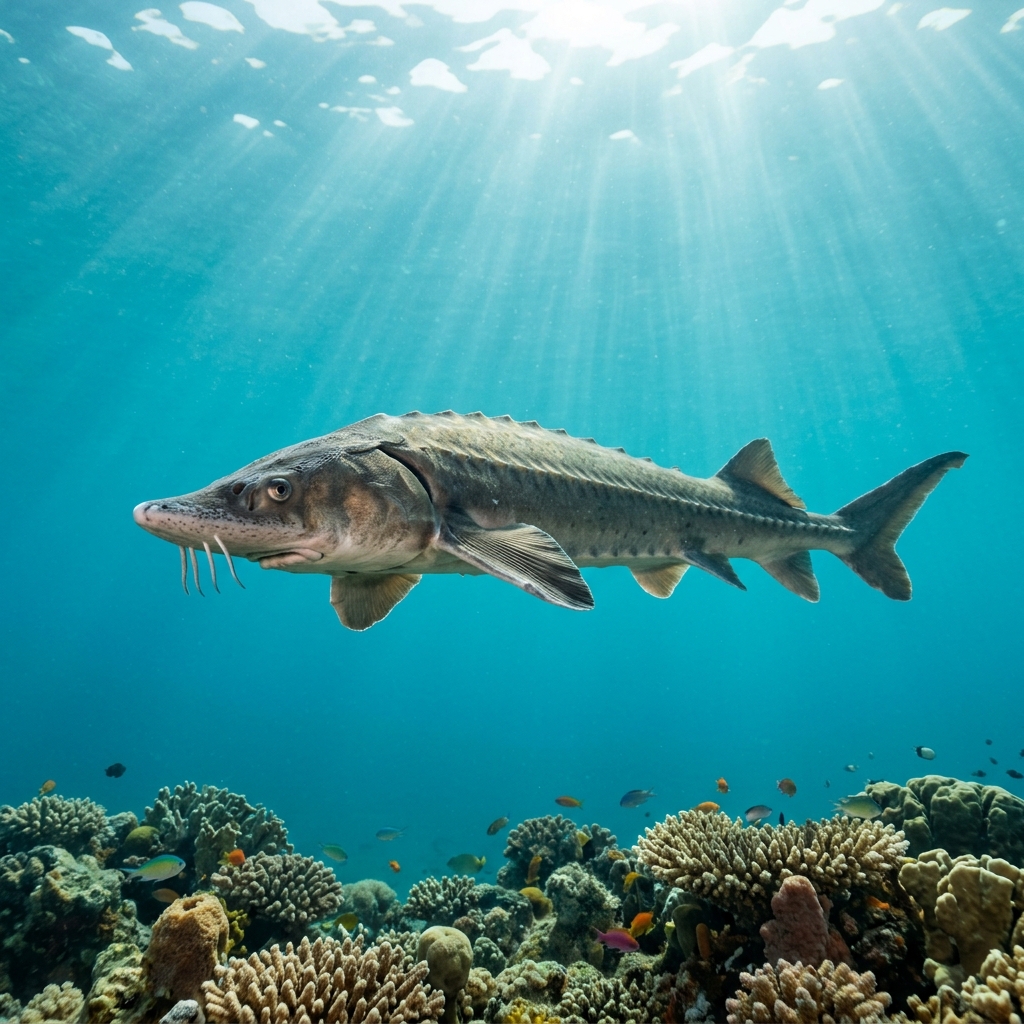
Reef neighbours a diver could mistake it for. Use the identification notes above to tell them apart.
Catfish are most strongly represented in the lakes and rivers of Central Europe, with the highest concentrations of sites in Germany and Switzerland, particularly the Bavarian Alps, Central Germany, and Central Switzerland, including the Ticino and Lake Geneva regions. North America also offers reliable encounters, especially across Florida and the broader Southeast United States, as well as the Central and Mountain West.
Mapping where Catfish is logged…
Freshwater diving in Central Europe is your best bet, with strong representation across Germany, Switzerland, and Austria, the Bavarian Alps, Central Switzerland, and the Ticino lakes region are particularly well-documented sites. In North America, Florida and the broader Southeast United States offer reliable encounters, as does the Central and Mountain West.
No strong seasonal pattern emerges from available sighting data, so catfish can be encountered year-round at their known sites. Their observed water-temperature range of 16 to 29 °C means they remain active across the typical seasonal conditions of European and North American freshwater lakes and rivers.
Look for the combination of a broad, flat head, prominent barbels around the mouth, and a scaleless body held close to the bottom. Colouration is usually earthy, grey, olive, or brown with mottled patterning. If you see a large, smooth-skinned fish resting on the substrate with whisker-like feelers, it is almost certainly a catfish.
Catfish pose no real threat to divers. Many species have sharp spines on the dorsal and pectoral fins that can cause a painful puncture if you handle one carelessly, but in open water they are passive and will move away rather than approach. Give them space and there is nothing to worry about.
Catfish use their barbels as highly sensitive chemical detectors, effectively tasting the water around them to locate food in murky, low-visibility conditions. Some species also produce sounds by grinding bones or vibrating a swim bladder, which researchers believe plays a role in communication and territorial behaviour.
Site and sighting data is aggregated from diver logs, iNaturalist and GBIF. For taxonomy and conservation status:
Silurus glanis
Sun Perch
2,182 sites