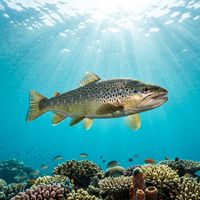
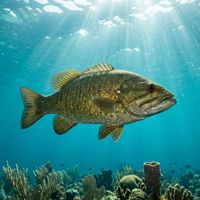
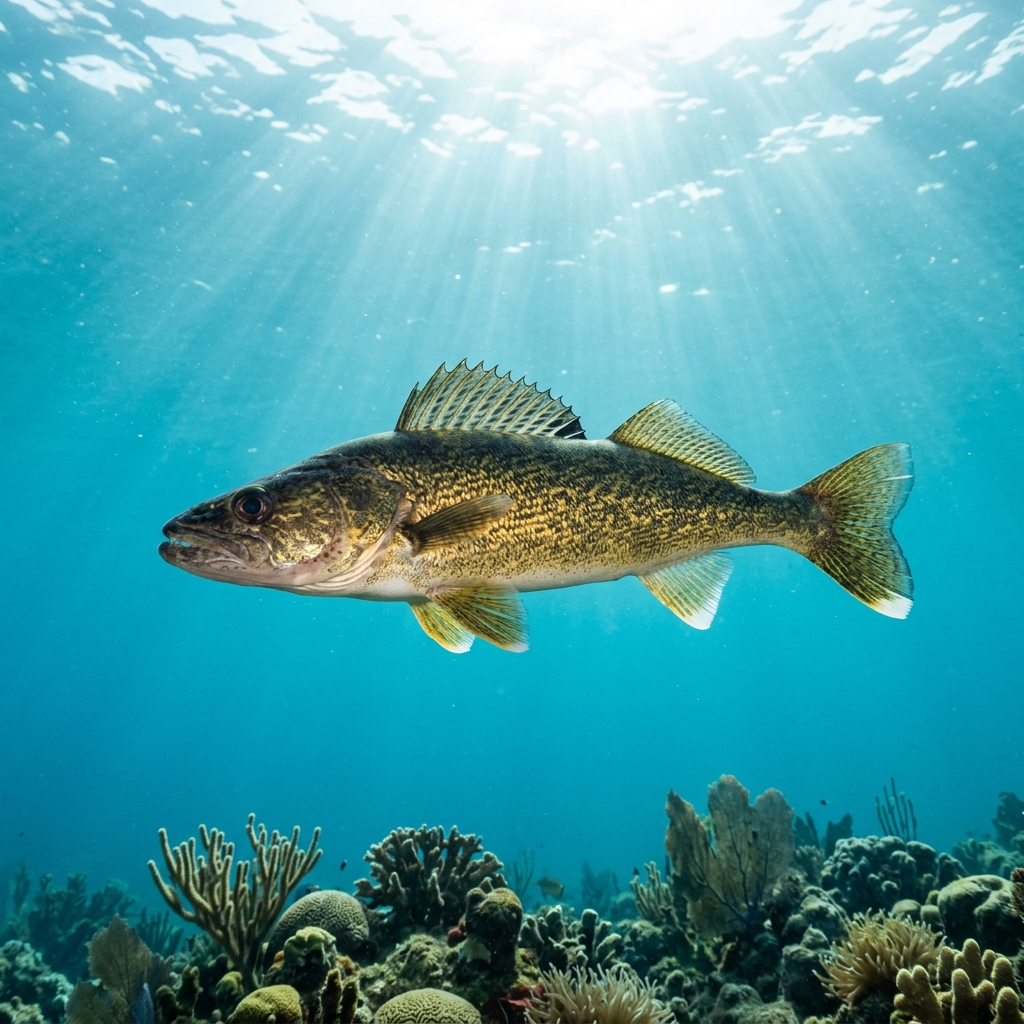
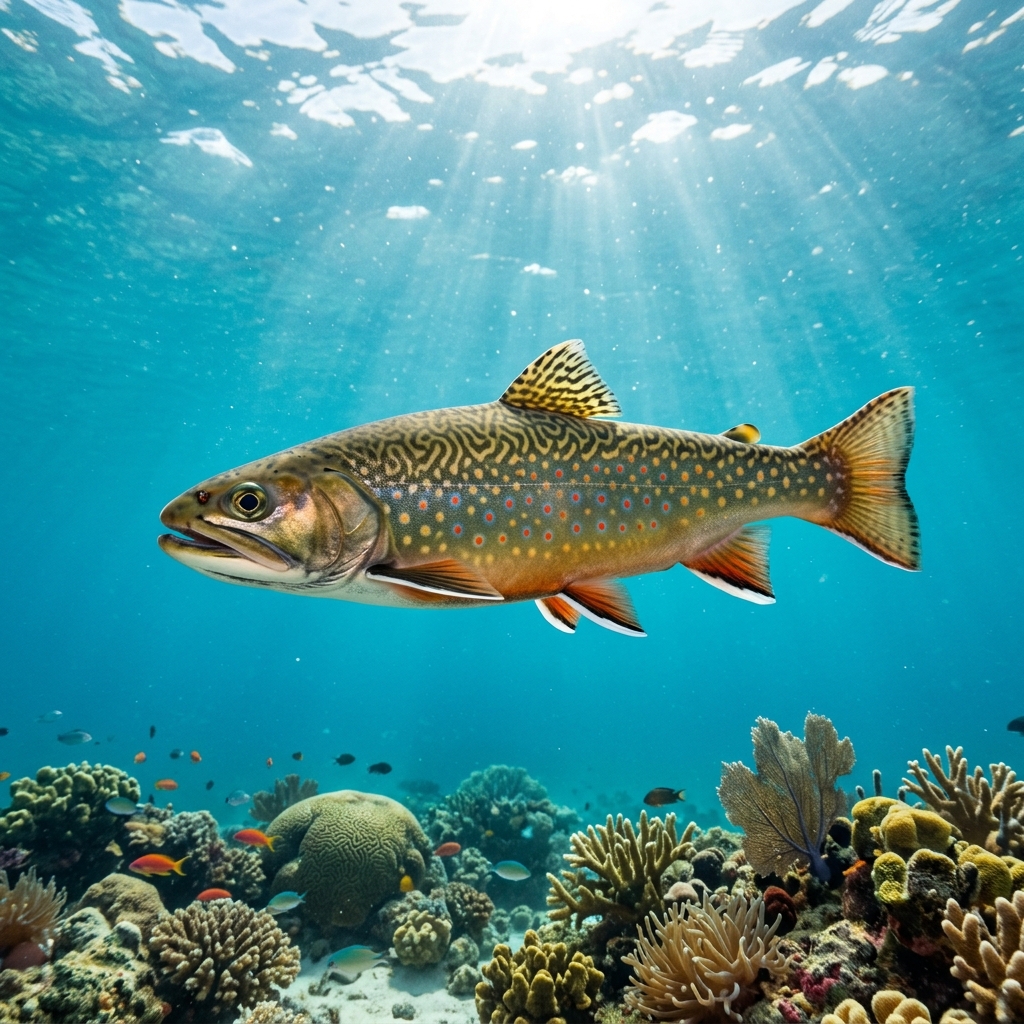
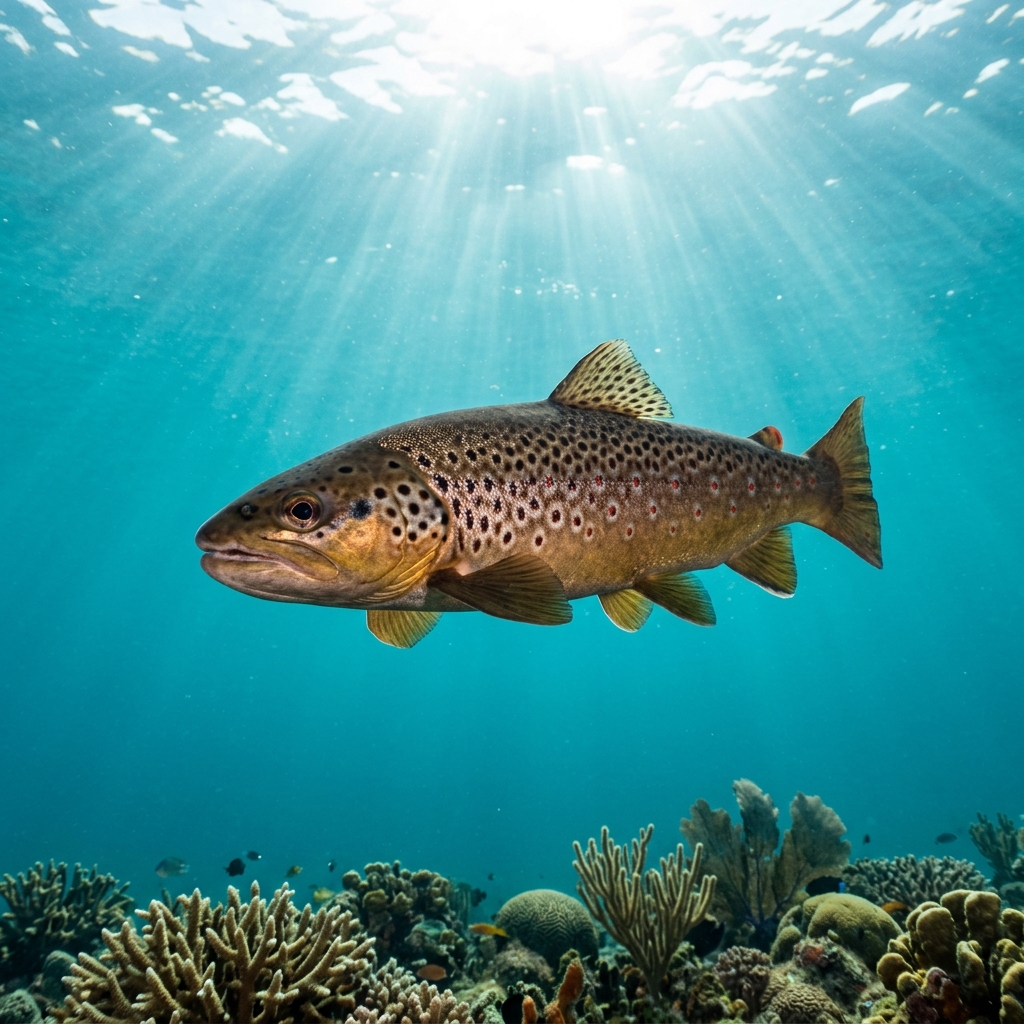
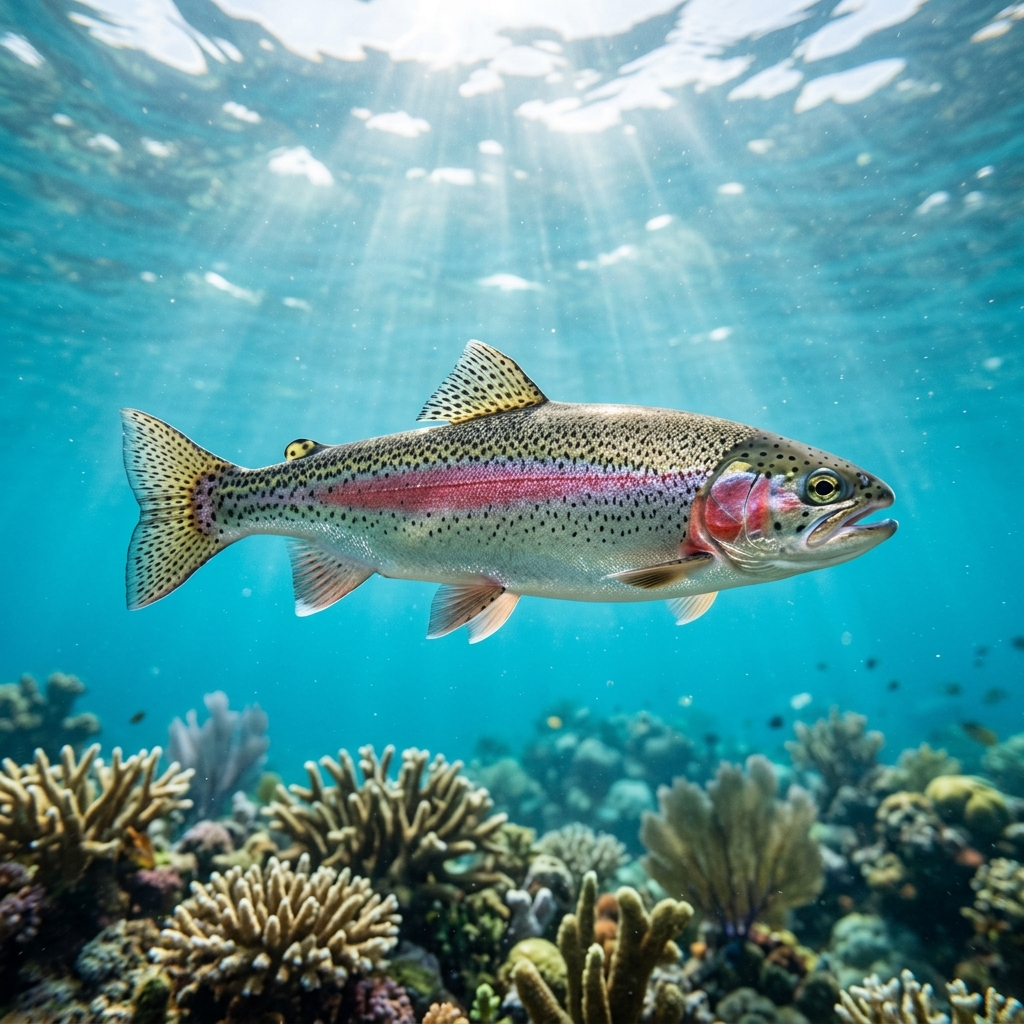
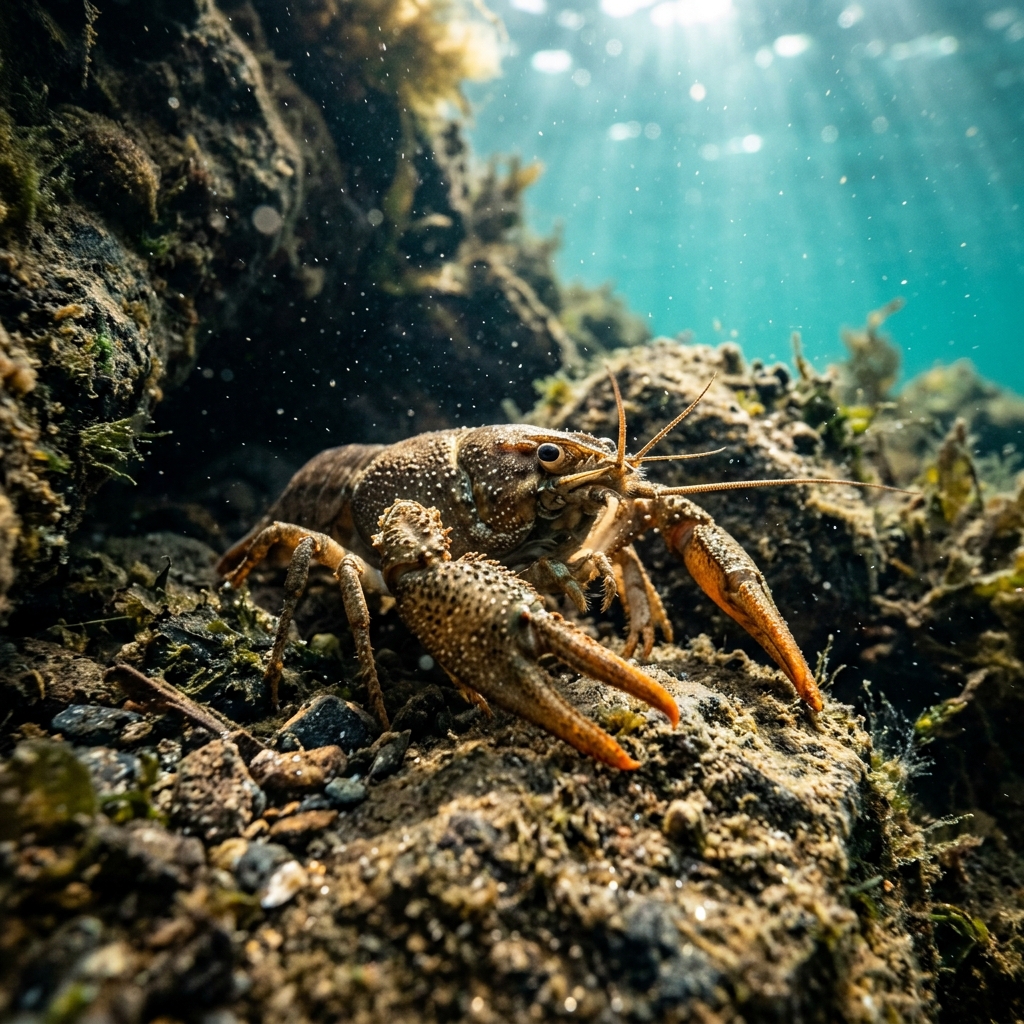
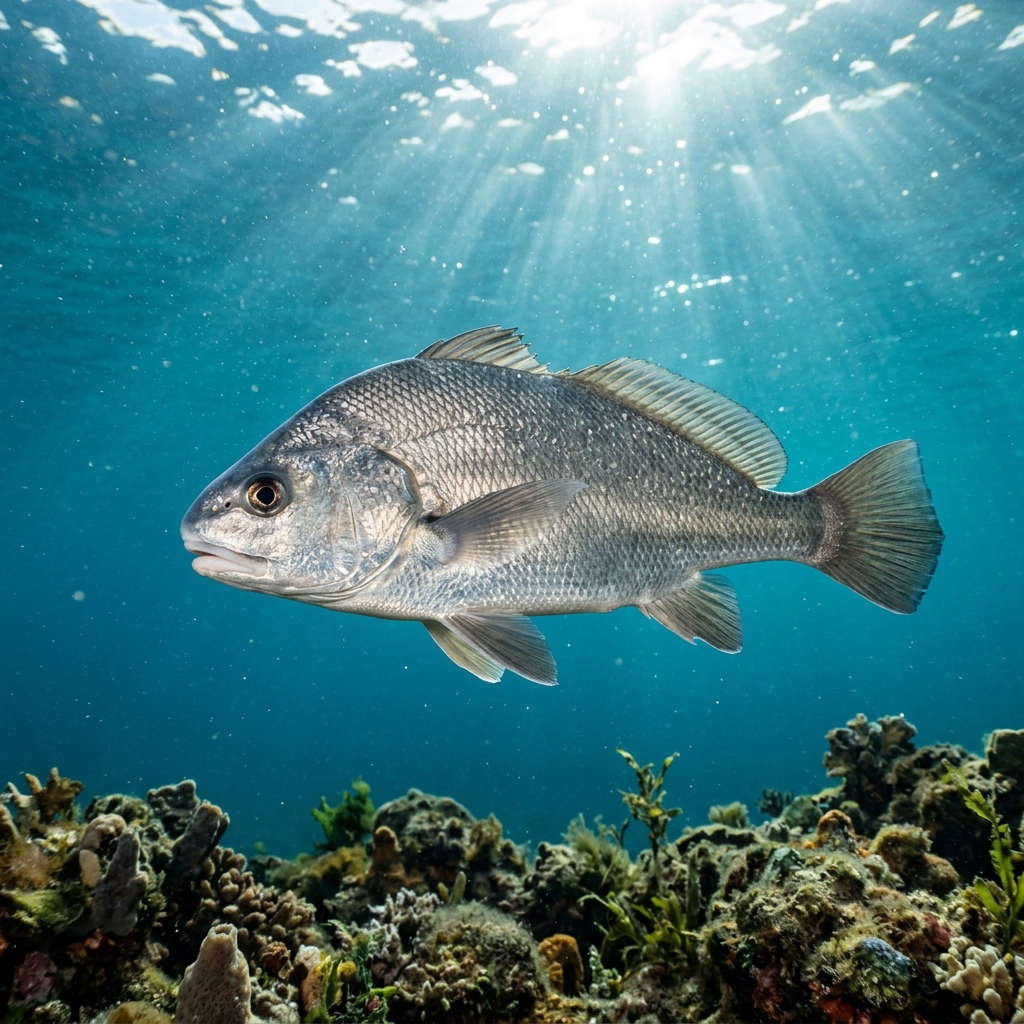
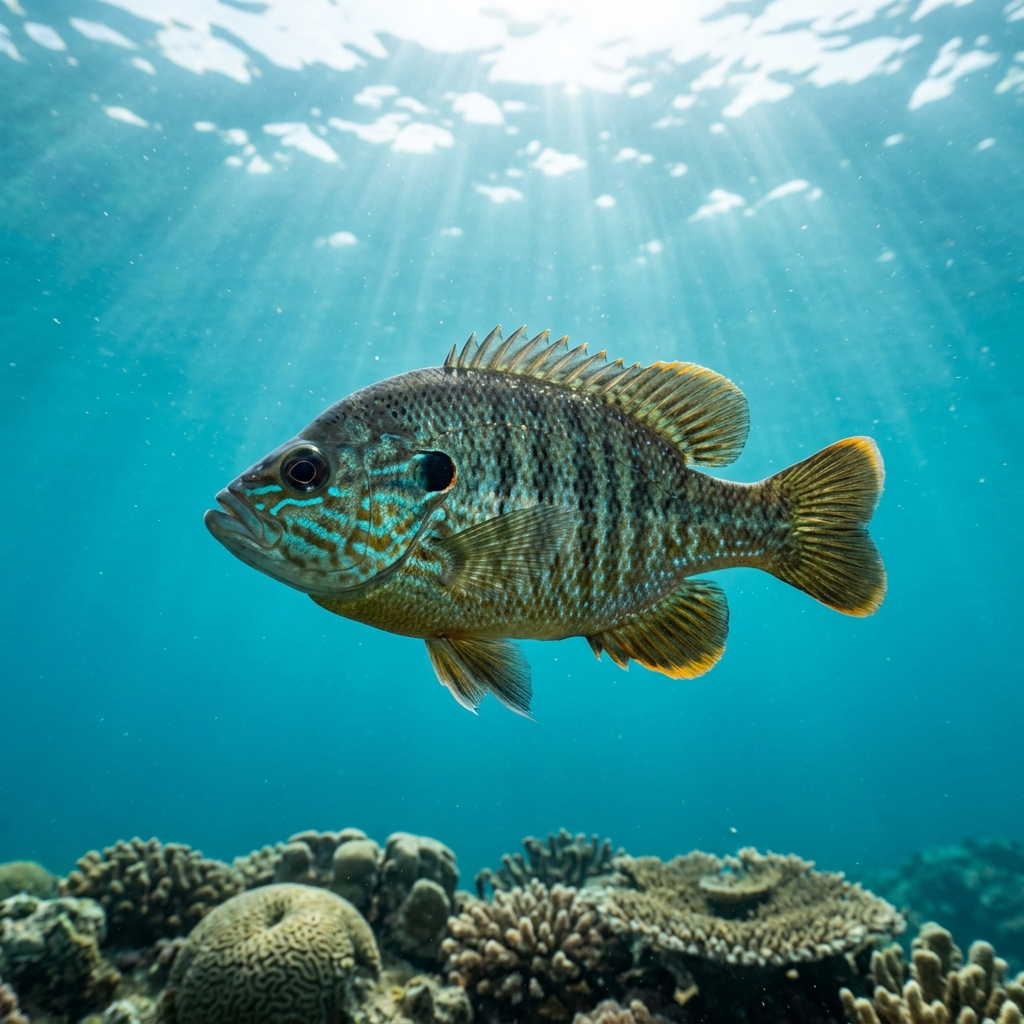
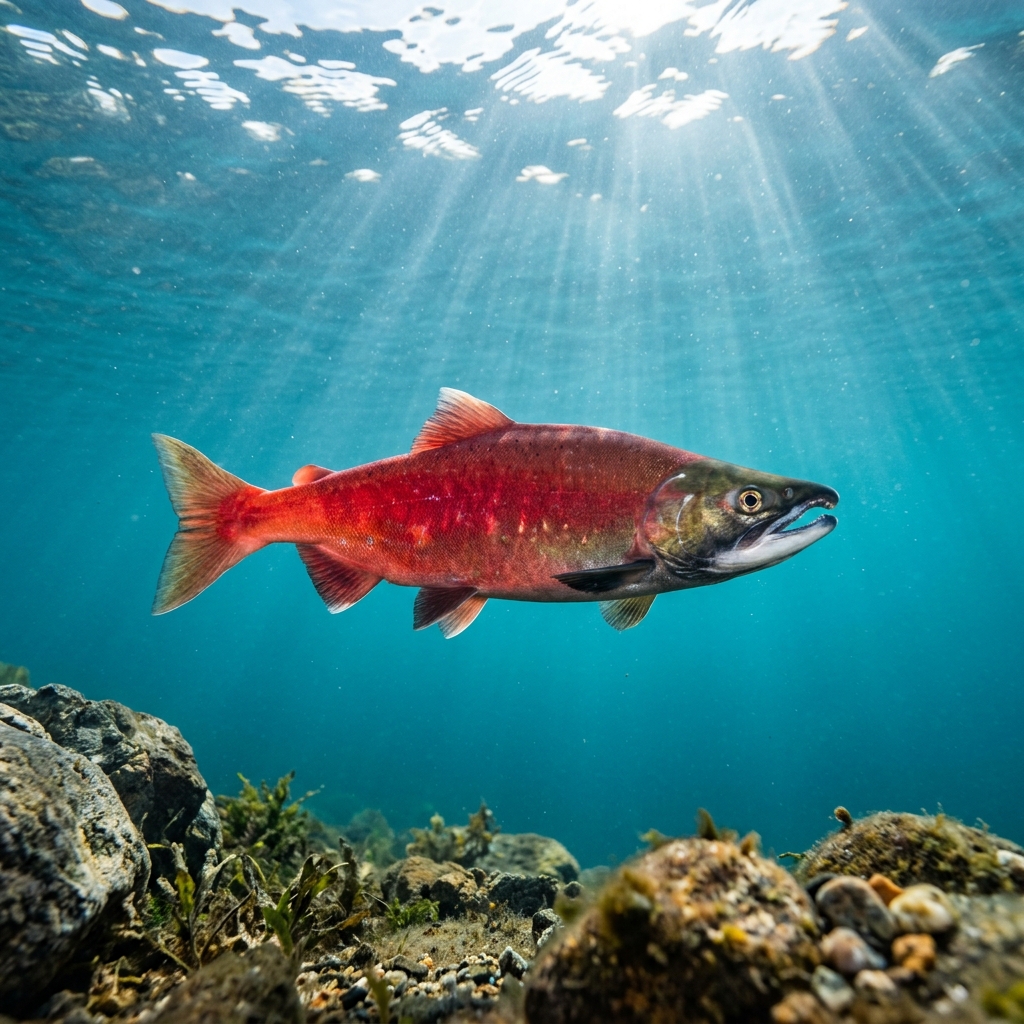
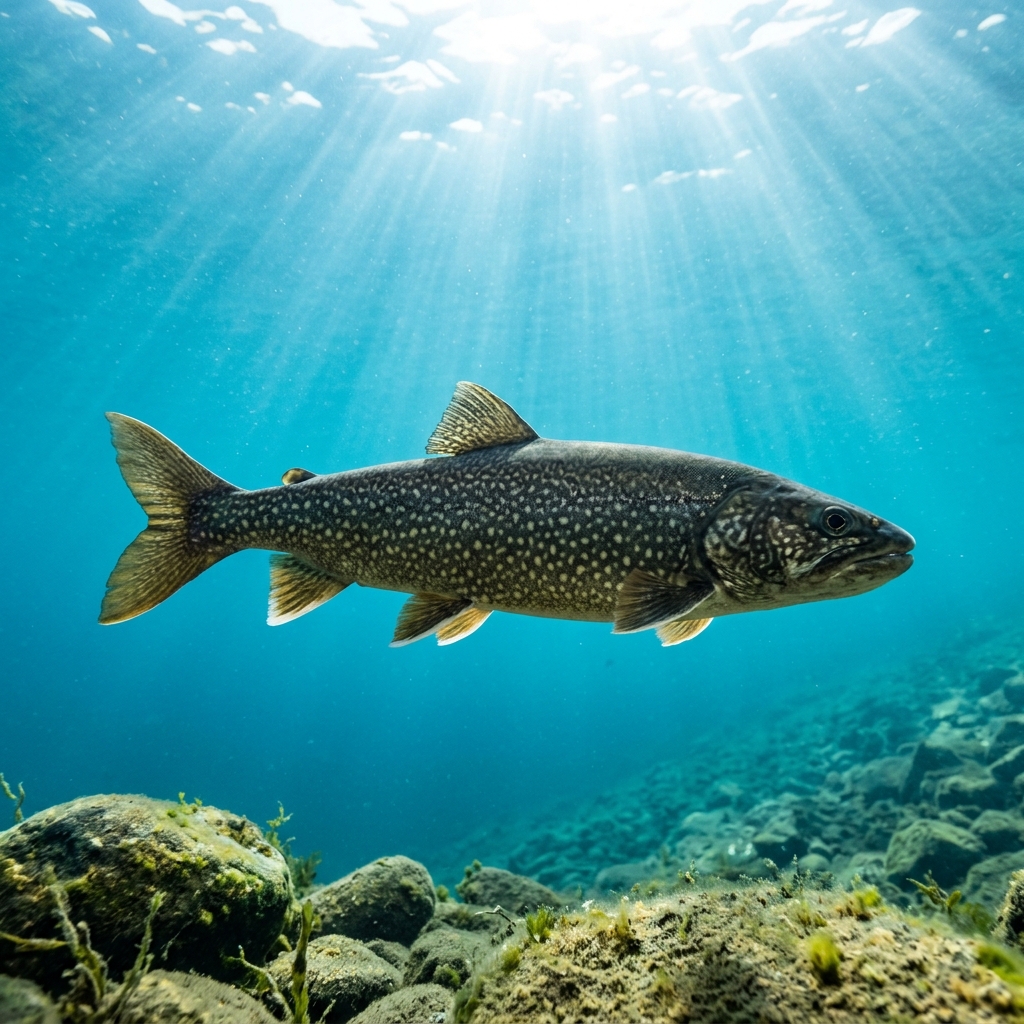
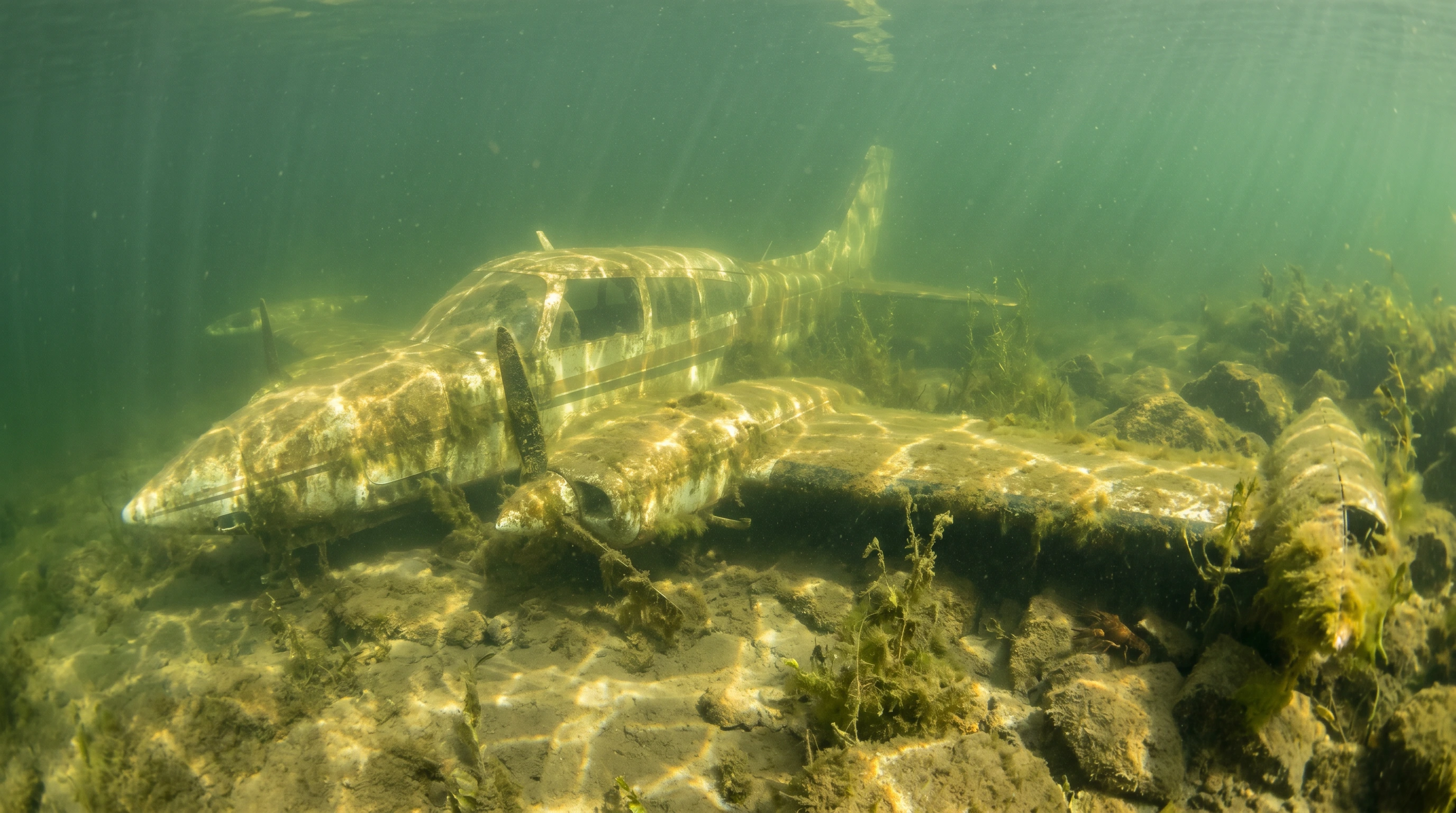
Denver Metro Reservoirs offer a freshwater diving scene built around shore-entry reservoirs, purpose-sunk wrecks, and artificial reef structures. Aurora Reservoir draws beginners with its dedicated scuba beach and a sunken Cessna aircraft, while Horsetooth Reservoir extends into deep water suitable for intermediate divers. The fish life is notably varied: Trout, Small Mouth Bass, Walleye, Brook Charr, Rainbow Trout, and American Crayfish have all been observed here. Most sites are calm and easy to access, making this a strong training and progression region.
19 operators



10 more sites to explore
Fin maps 16 sites in Denver Metro Reservoirs (16 scuba diving sites and 6 snorkelling spots, with some suited to both).
Across Denver Metro Reservoirs's dive sites, June and July are most often reported as the best months to visit.
Divers have observed a wide range of freshwater species across the reservoirs. Trout and Small Mouth Bass appear most regularly across sites, with Walleye, Brook Charr, Rainbow Trout, and Brown Trout also recorded. American Crayfish, Blue Gill, Green Sunfish, Perch, Pike, and Kokanee have all been seen too.
The majority of sites in the Denver Metro Reservoirs are rated for beginner skill levels, with calm shore entries and shallow to moderate depths. Aurora Reservoir is a particularly popular training ground, featuring a dedicated scuba beach and a roped dive area. Operators such as Colorado Scuba Diving Academy and Diventures are active in the region and support new divers.
The sites vary considerably in depth and character. Aurora Reservoir is known for its purpose-sunk Cessna aircraft and structured beginner setup, while Horsetooth Reservoir descends to significant depth and suits intermediate divers. The Downtown Aquarium provides a unique artificial reef experience in a controlled setting, and King Fisher Ponds and Sunrise Beach offer natural and artificial reef topography from shallow to moderate depths.
All of the top sites listed in the region are shore-entry sites, so no boat is required to access the water. Dedicated dive beaches, such as the one at Aurora Reservoir, make entry straightforward. This setup is convenient for independent divers and for training groups working with local operators.