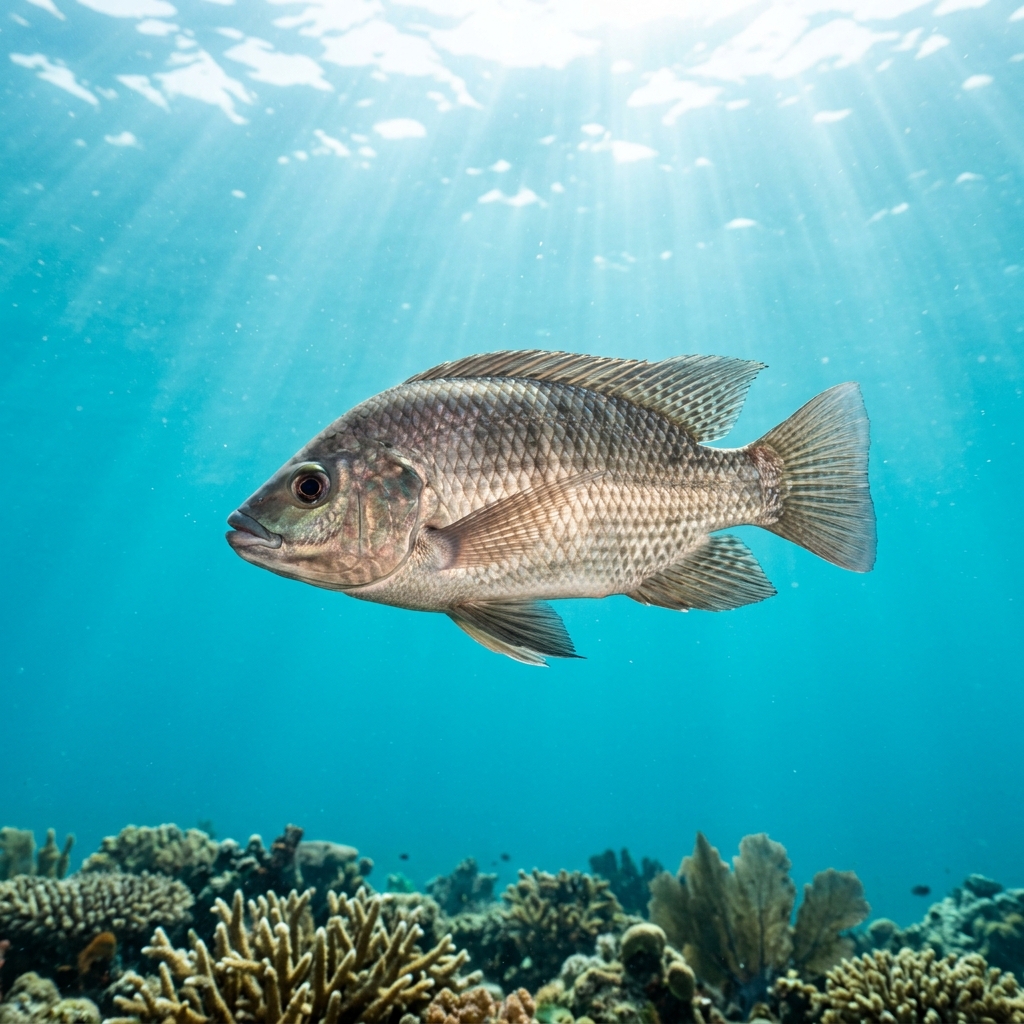
Cichlidae spp.
Spot tilapia in the warm freshwater lakes of Central Switzerland, Florida and Bavaria. Present year-round in water from 19 to 28 °C.
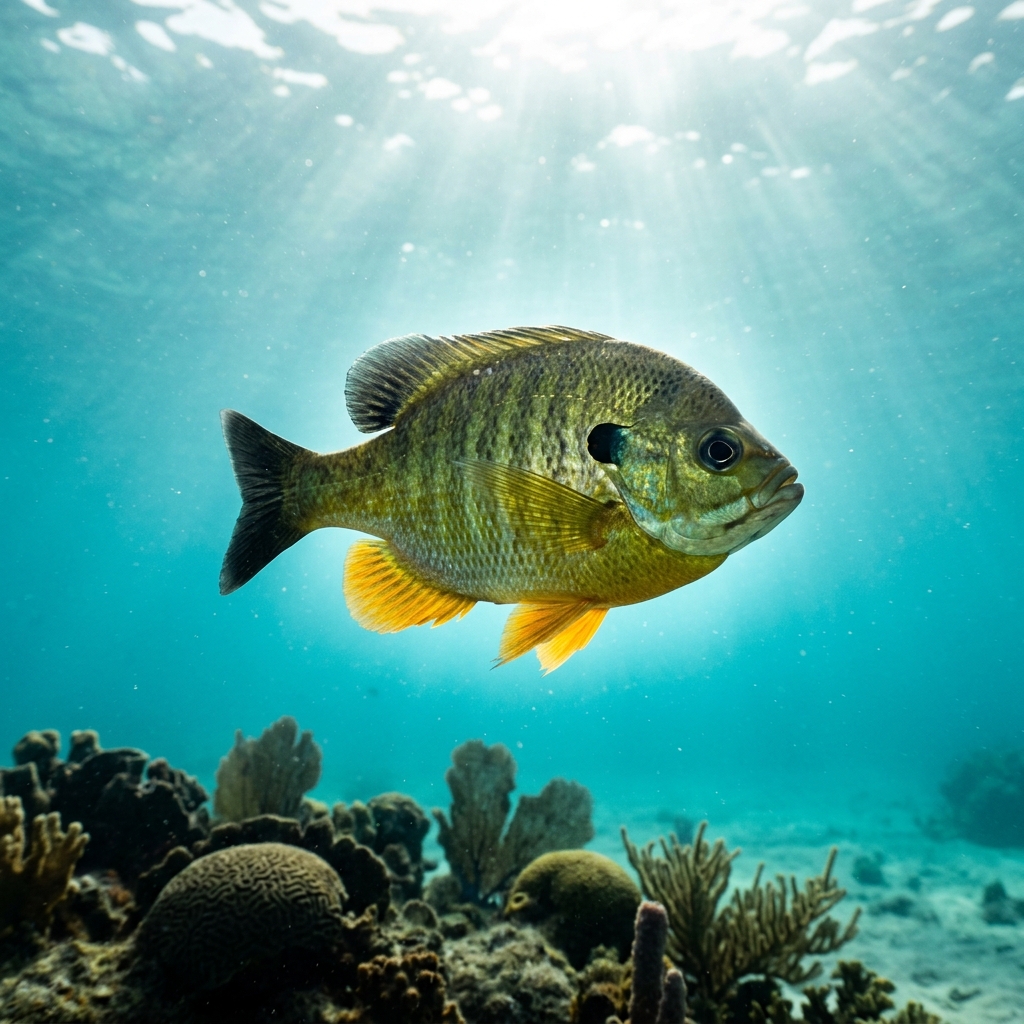
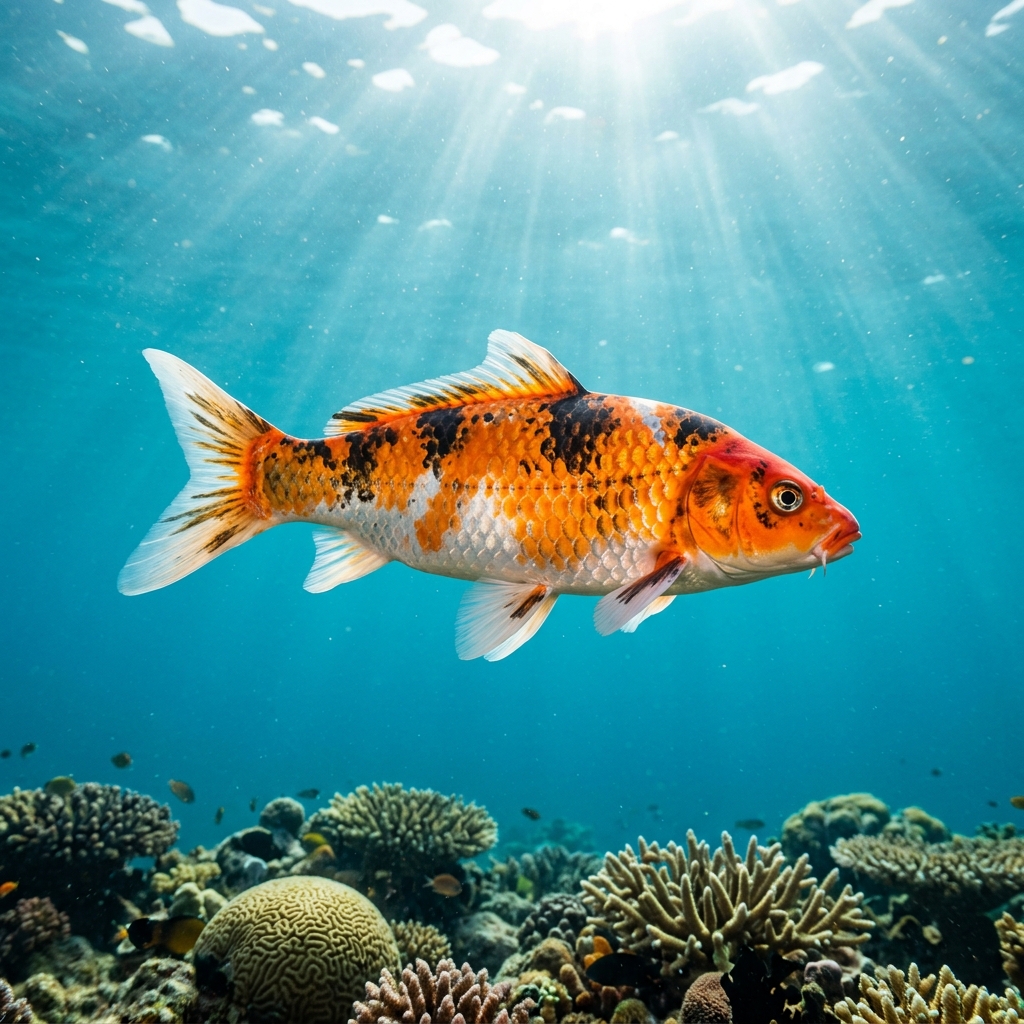
Tilapia are deep-bodied, laterally compressed cichlids with a rounded profile that sets them apart from slender perch or pike in the same lakes. Colouration varies by species but most show silvery-grey to olive flanks with faint vertical barring, a single continuous dorsal fin with a spiny front section, and a blunt, slightly downturned mouth adapted for grazing. They tend to be mid-sized fish in the water column, somewhere between a large bluegill and a carp in apparent bulk. Because this is a family grouping, colours can range from silver-grey to brassy yellow depending on the exact species present at a site.
You will typically find tilapia moving slowly through the mid-water or close to the substrate in lakes, quarries and slow-moving rivers, often in loose groups browsing algae or detritus from hard surfaces. They tend to be curious rather than skittish, holding their position and allowing a slow approach before drifting away. In warmer, shallower sites they can be seen in quite dense aggregations around structure or vegetation.
Many tilapia species are mouth-brooders, meaning a parent carries the fertilised eggs and newly hatched fry inside its mouth for protection, a behaviour occasionally observed by freshwater divers when a fish is seen with a visibly distended throat pouch and refuses to feed.
Sighting data does not point to a narrow season, so tilapia can be treated as a year-round target wherever they are established. Their observed water-temperature range of roughly 19 to 28 °C aligns well with European lake summer conditions and the warm freshwater springs and lakes of Florida and Mexico.
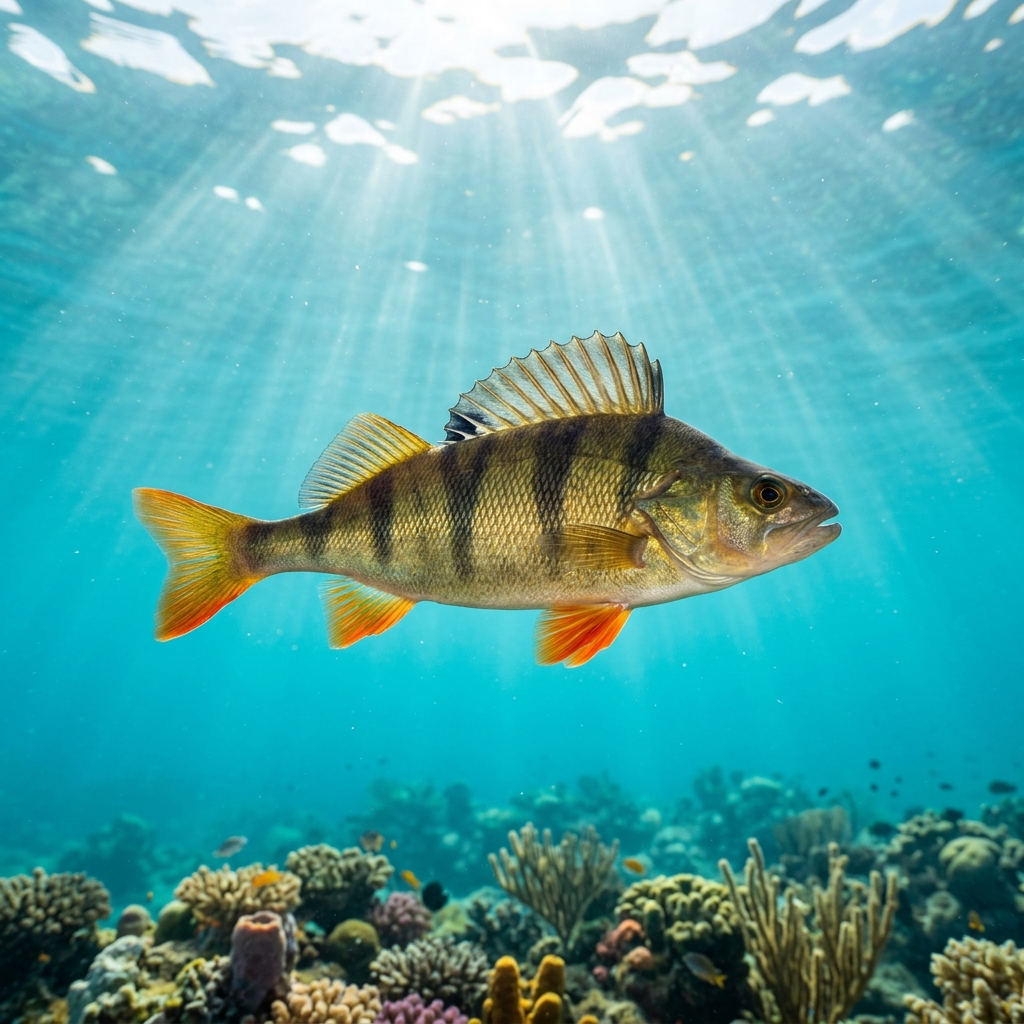
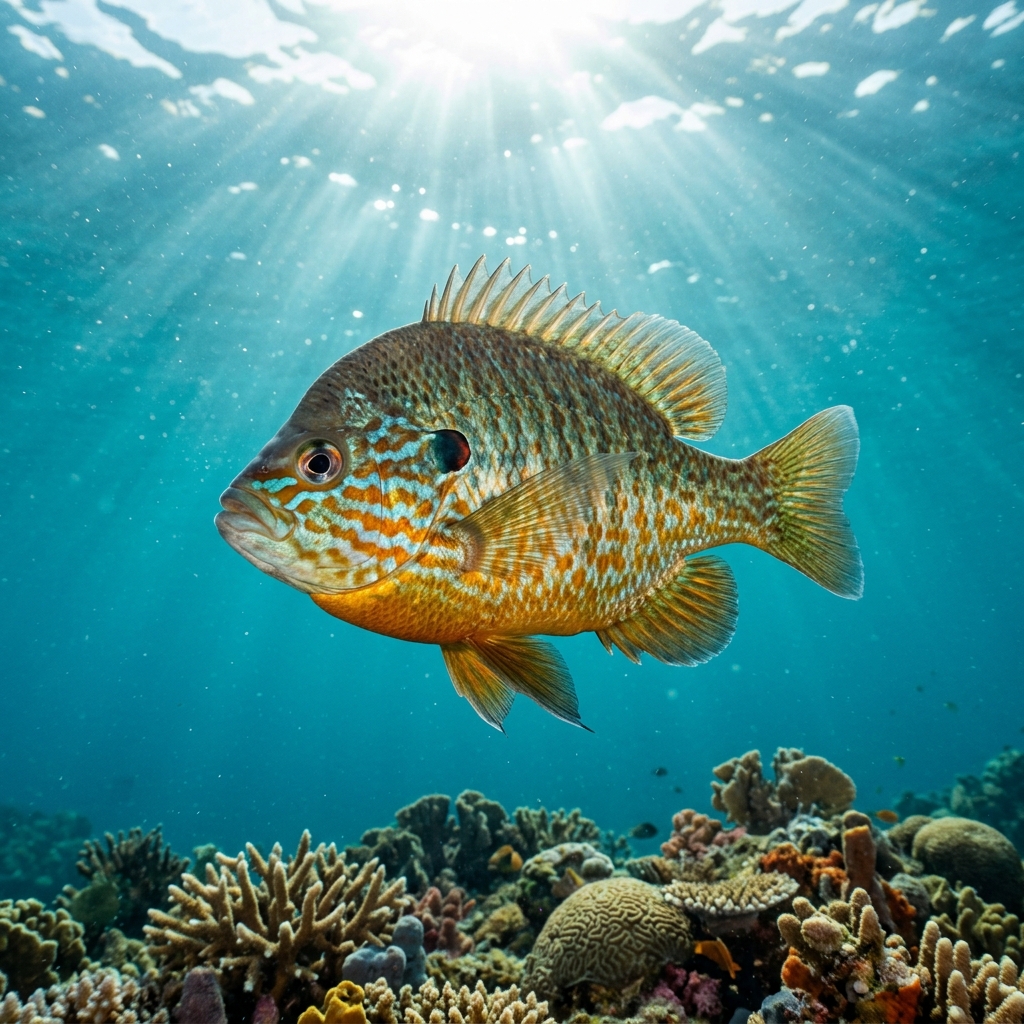
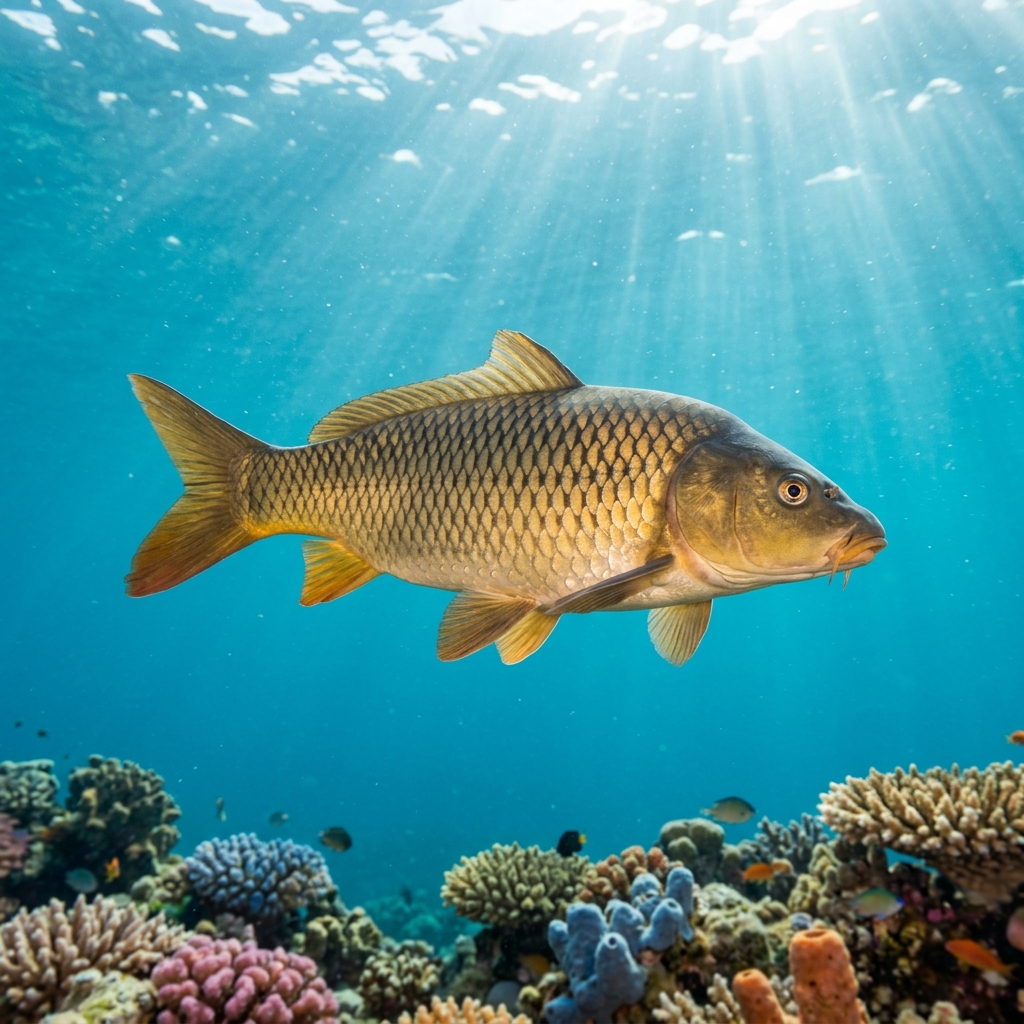
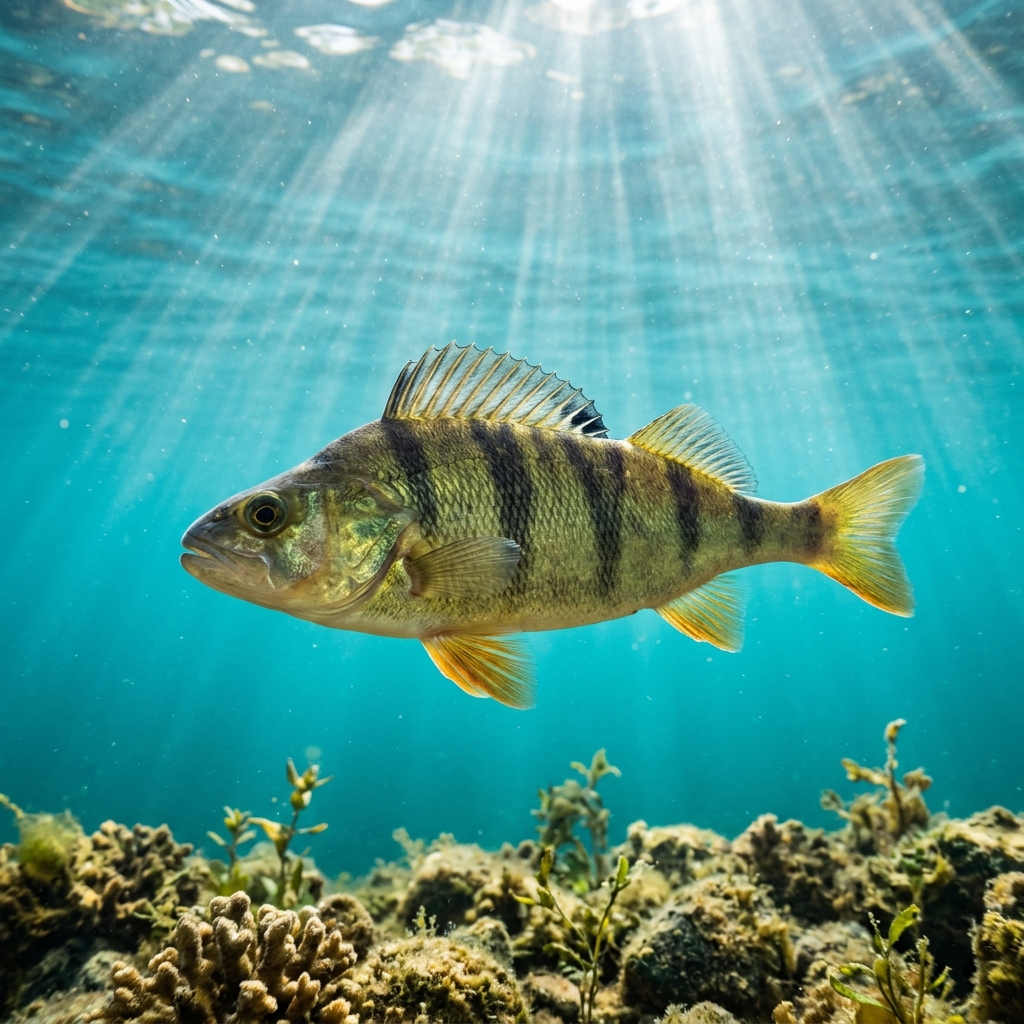
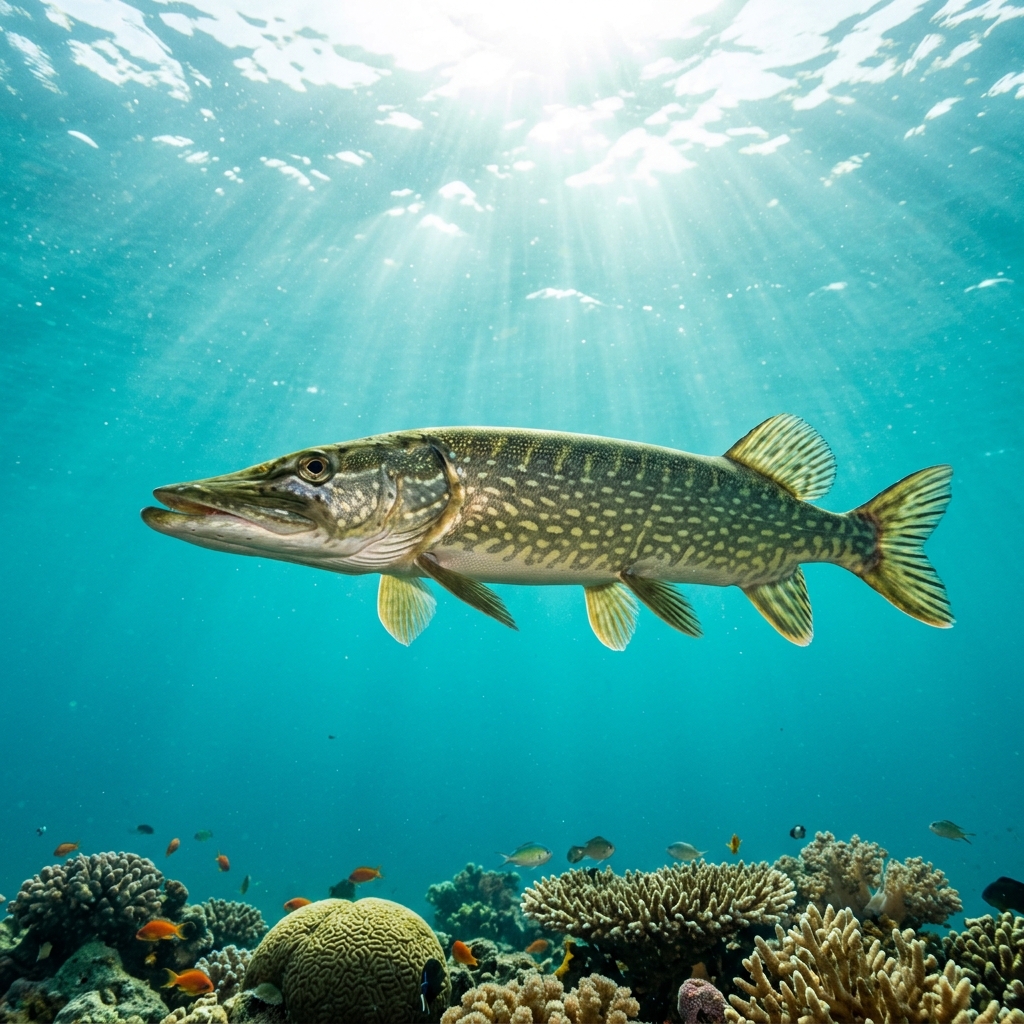
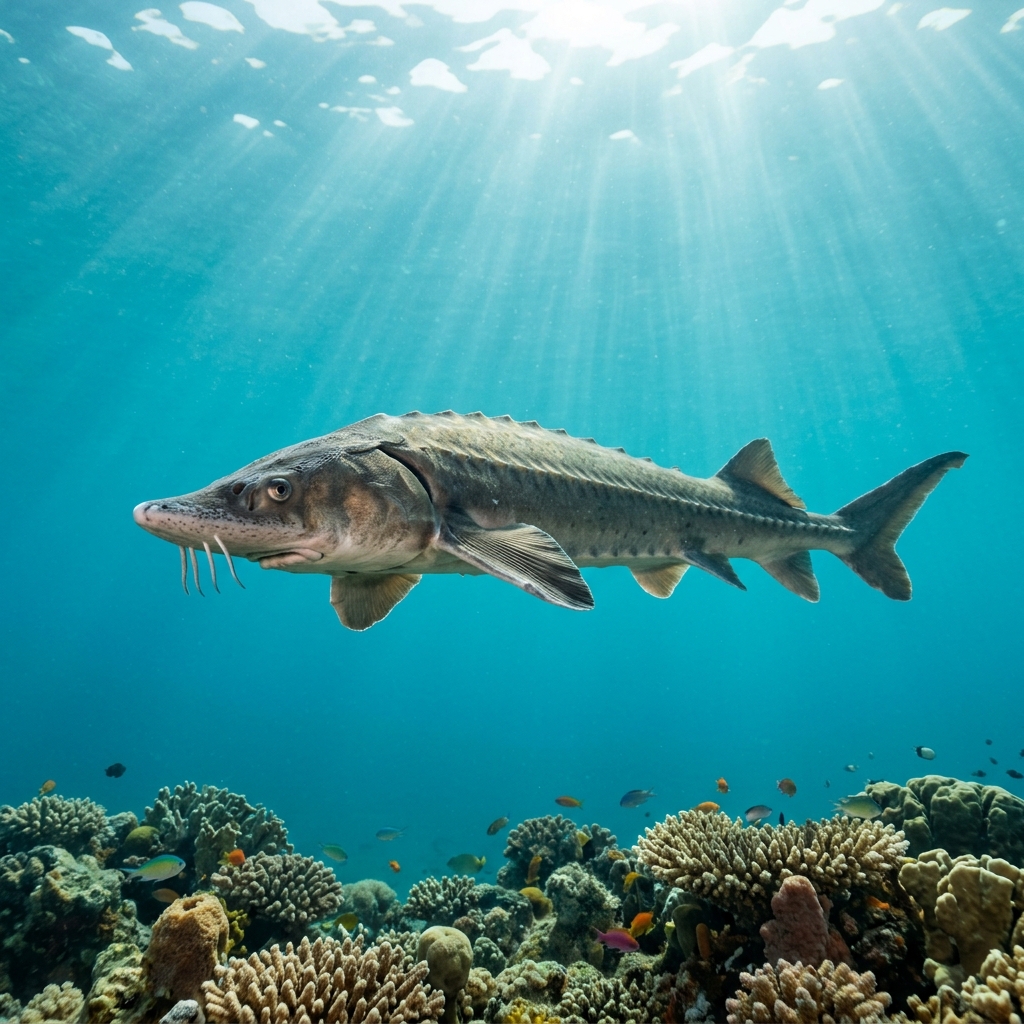
Reef neighbours a diver could mistake it for. Use the identification notes above to tell them apart.
Tilapia are most commonly logged in Central Europe and North America, with the strongest sighting records from Central Switzerland, the Lake Geneva Region, and Ticino in southern Switzerland, as well as Bavaria and central Germany. Florida and the broader south-eastern United States also show reliable sightings. Outside Europe and North America, Mexico rounds out the hotspots where divers regularly encounter them.
Mapping where Tilapia is logged…
Tilapia are most reliably encountered in freshwater sites across Central Switzerland, Bavaria, central Germany and the Lake Geneva Region. In North America, Florida and the broader south-east are strong areas, and Mexico also has well-documented sightings. They are established across a wide range of lakes, flooded quarries and warm springs.
There is no single peak season in the sighting data, so tilapia can be considered a year-round target. Their preferred water temperature of around 19 to 28 °C means European lake sites are most productive in late spring through early autumn, while Florida and Mexican spring-fed sites offer consistent encounters throughout the year.
Look for a deep, oval body with a continuous dorsal fin that has a distinct spiny front section, silvery-grey to olive colouration with faint vertical bars, and a blunt, slightly downturned mouth. That combination of body shape and mouth position separates them from perch and bluegill at a glance.
No. Tilapia pose no threat to divers. They are peaceful fish that may approach out of curiosity but will not bite or behave aggressively unless a diver corners them near a nest during breeding season.
Several tilapia species are mouth-brooders: after spawning, one parent scoops the eggs into its mouth and carries the developing fry there for protection. Freshwater divers occasionally spot this behaviour by noticing a fish with a swollen throat that refuses to feed and makes short, protective darts at passing fish.
Site and sighting data is aggregated from diver logs, iNaturalist and GBIF. For taxonomy and conservation status:
Sun Perch
2,182 sites