Catostomidae spp.
Bottom-hugging suckerfish turn up across the Great Lakes, Ontario and the Mountain West, mostly as a rare, close-to-the-substrate find.
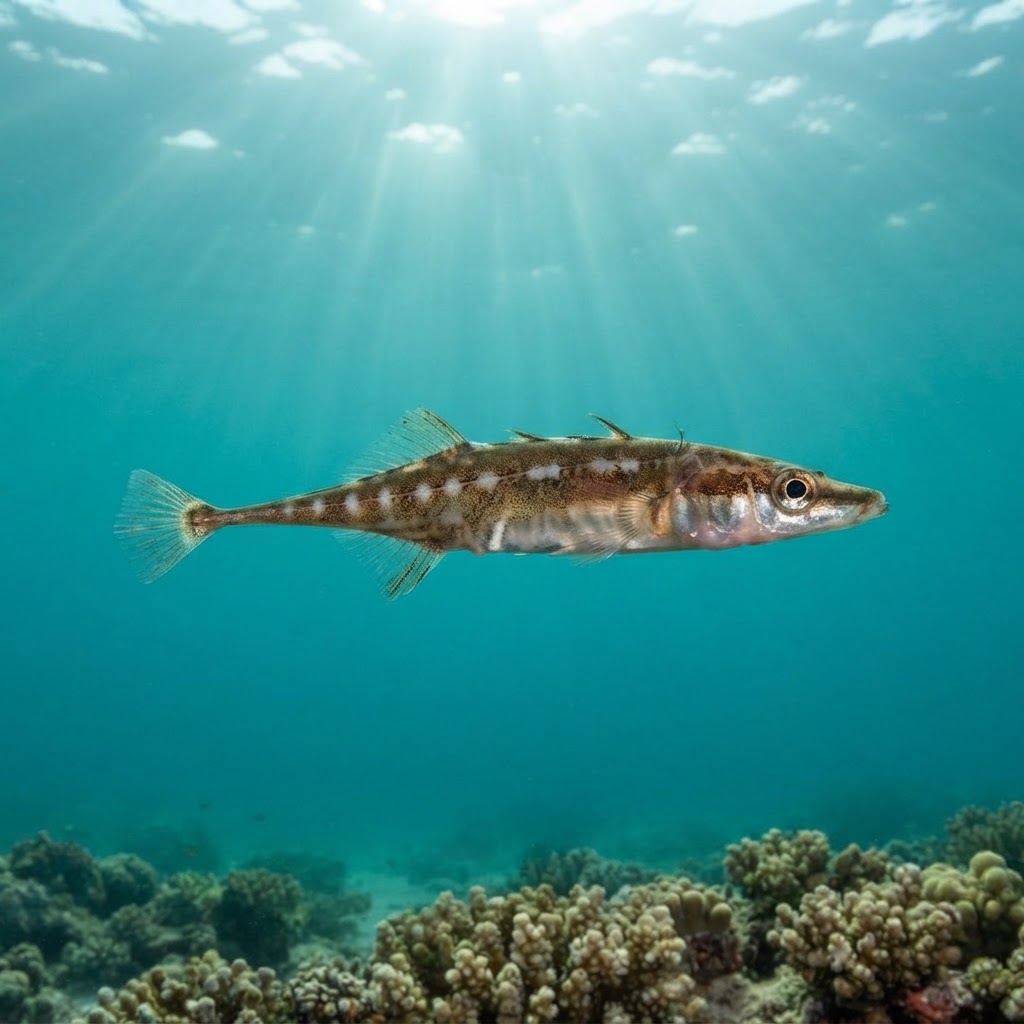
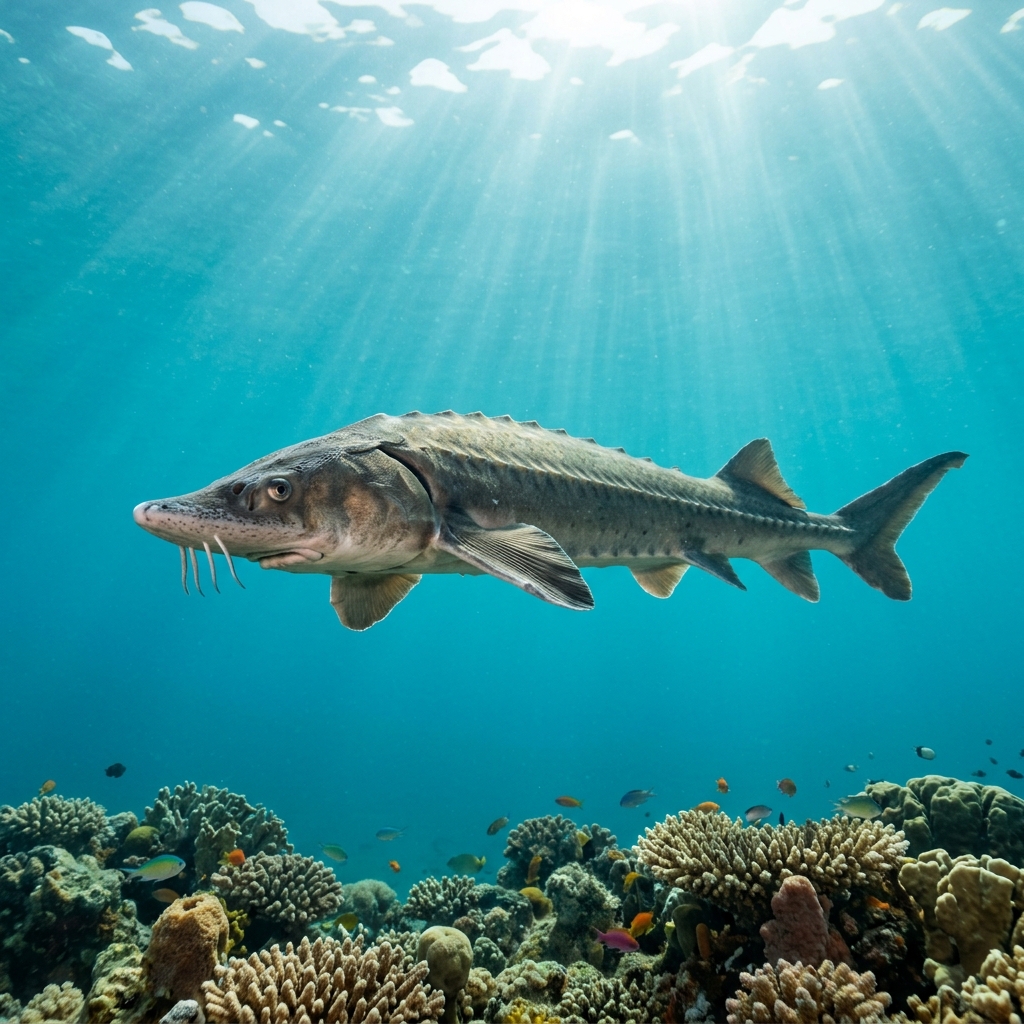
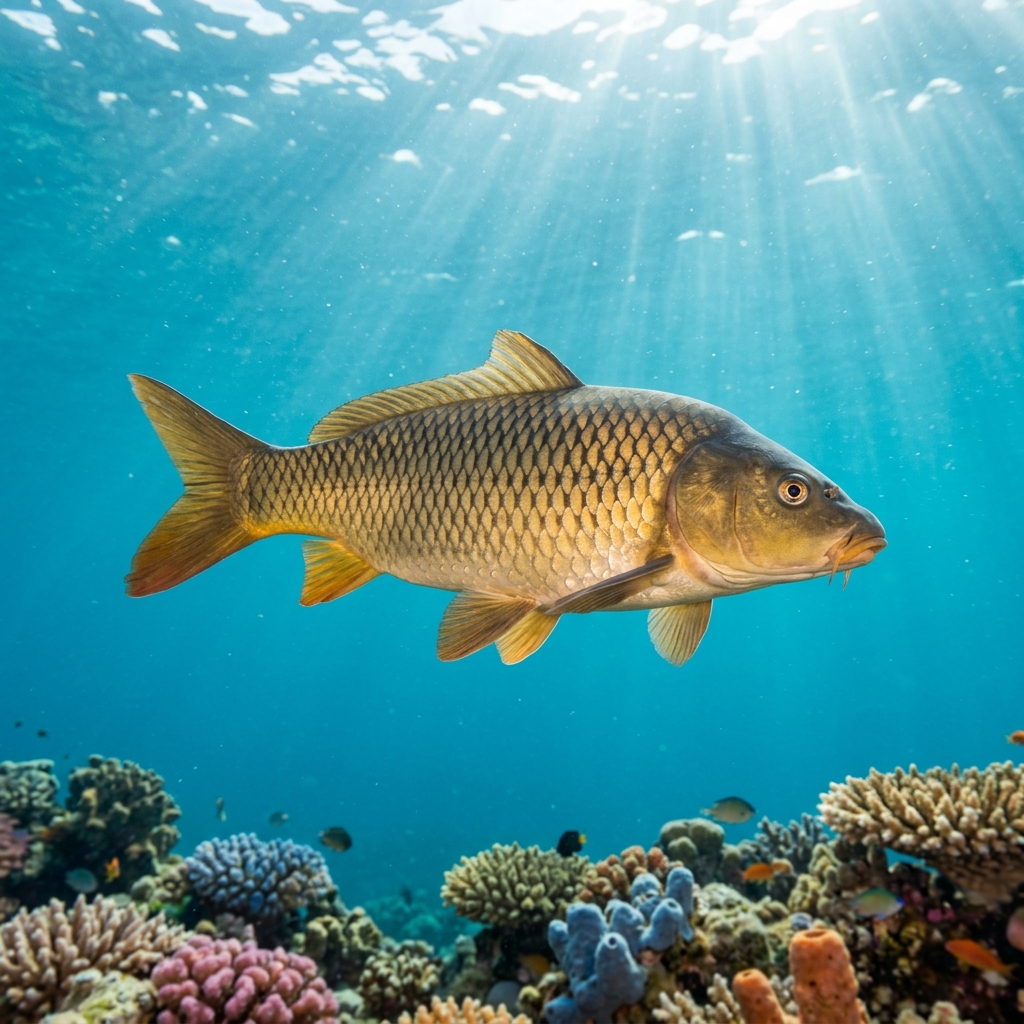
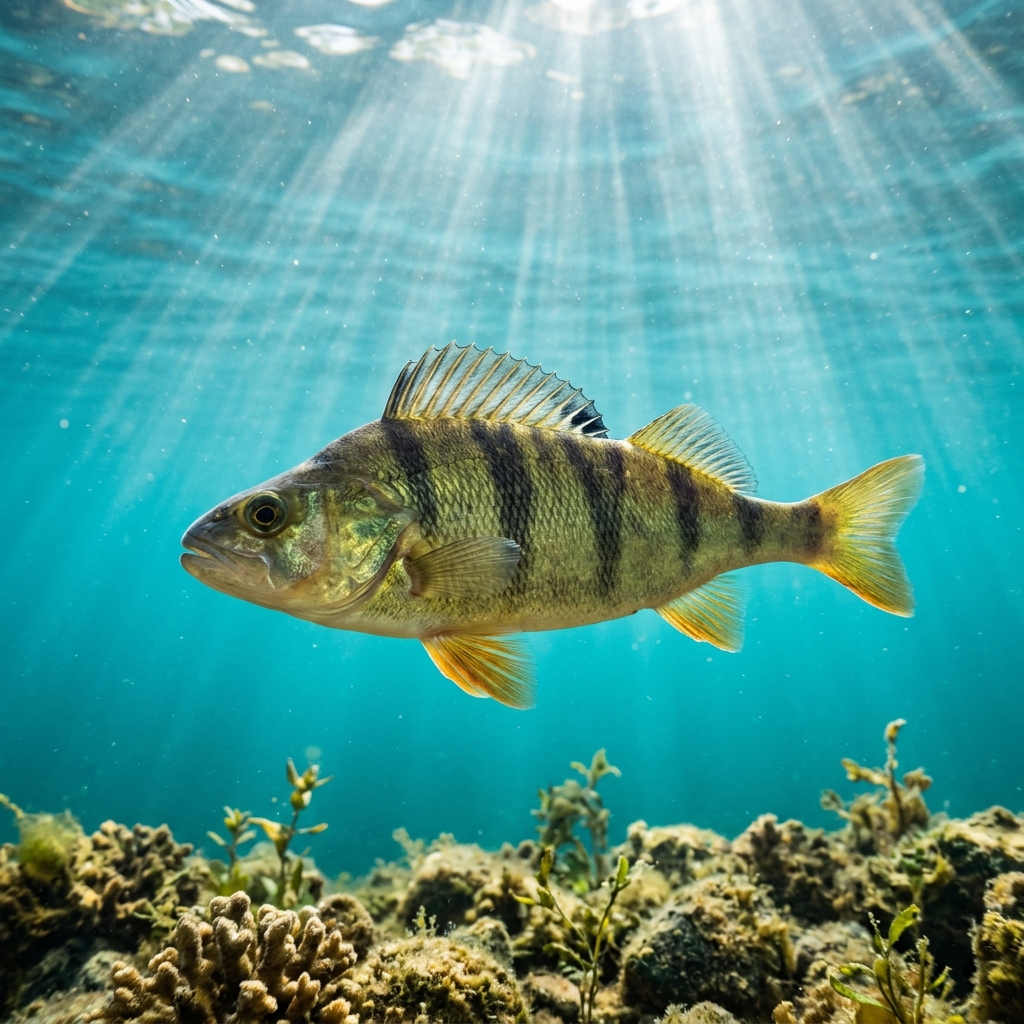
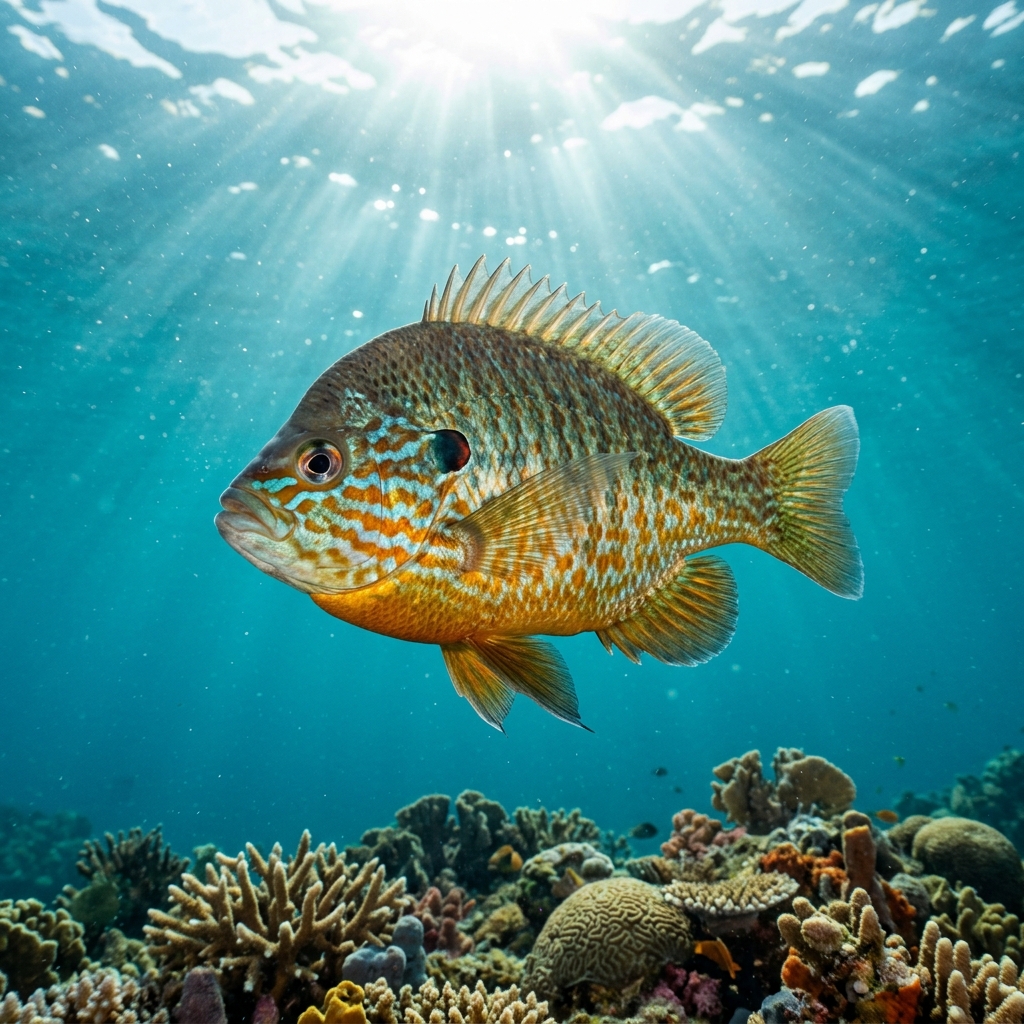
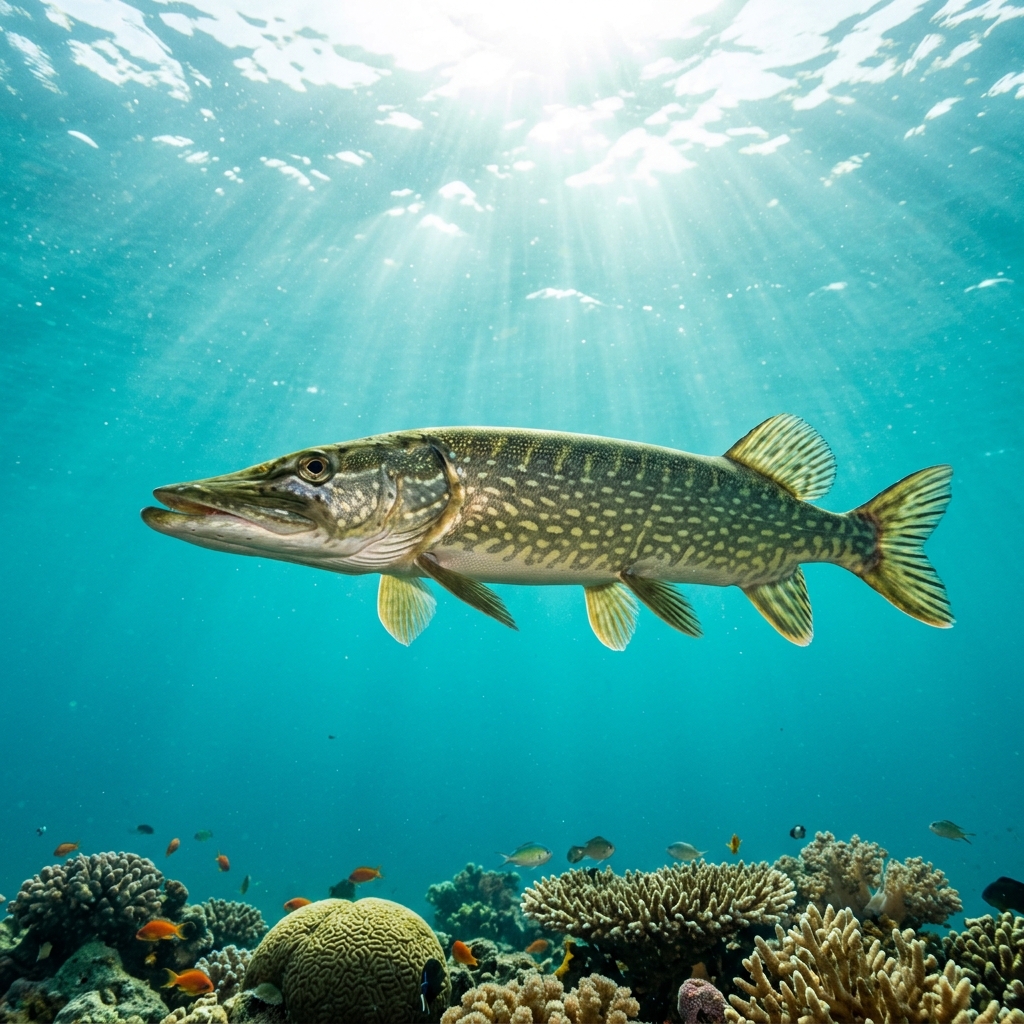
Look for a torpedo-shaped body hovering just off the bottom, greyish to olive or bronze along the back and paler underneath, with no obvious bright markings. The giveaway is the head: a blunt, rounded snout with a downward-facing, fleshy mouth built for sucking up bottom sediment rather than a normal forward-facing jaw. Most species you will find in open water sit still or drift slowly over gravel, sand or rock, often in small loose groups rather than tight schools.
Divers most often find suckers cruising slowly just above the bottom or parked motionless over gravel and silt, using that downturned mouth to work the substrate for food. They tend to be unhurried around divers, easing away rather than bolting, and are logged more as a rare or uncommon sighting than a guaranteed one even in their core lakes and rivers. Look for them in the calmer, lower-visibility stretches of a lake or river rather than in fast current.
That distinctive downturned, sucker-shaped mouth is a specialised bottom-feeding tool, used to vacuum up algae, insect larvae and organic debris from silt and gravel rather than to grip or attach to surfaces.
There is no detectable seasonal pattern in the sightings, so treat this as a year-round encounter in lakes and rivers where the group is present. Most sites logging suckers are freshwater systems that hold a stable, cool to temperate water column rather than a strongly seasonal warm-water niche.
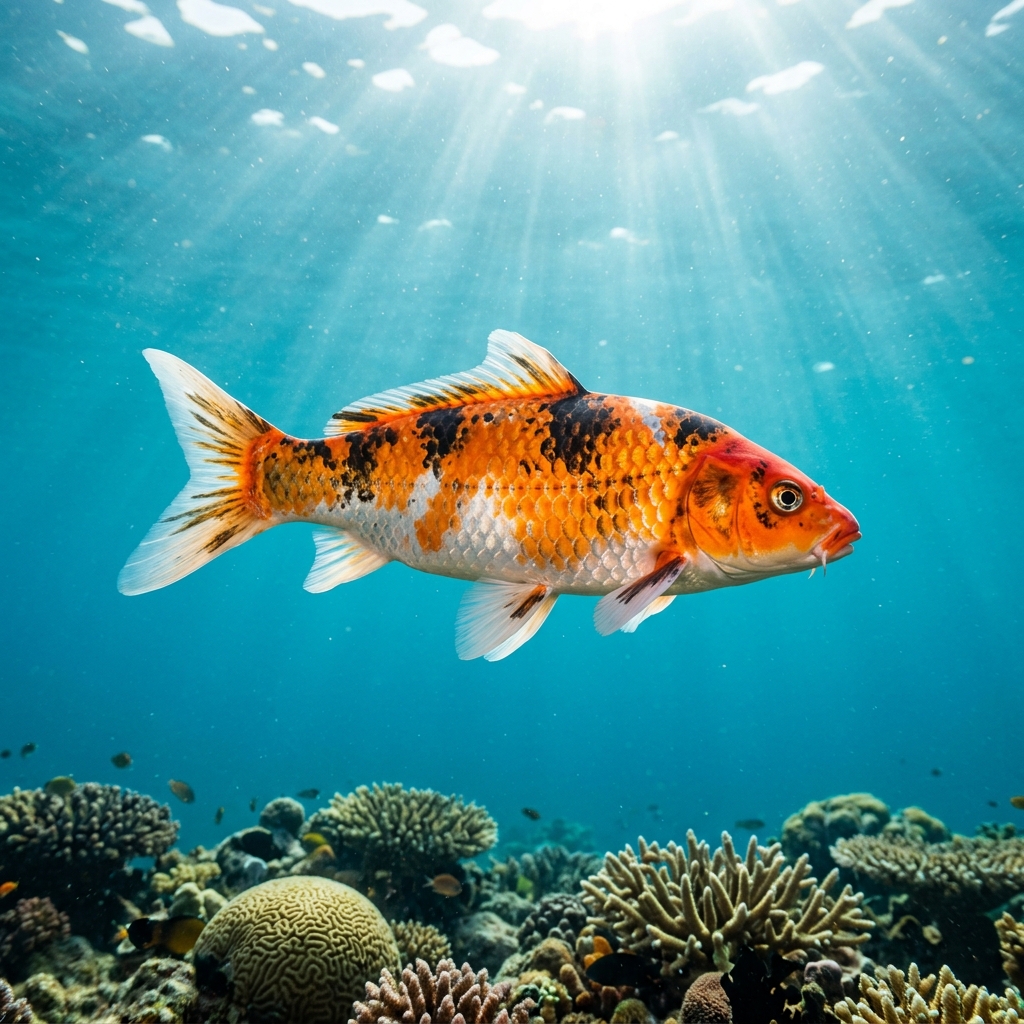
Reef neighbours a diver could mistake it for. Use the identification notes above to tell them apart.
Most records come from the United States, especially the Mountain West, Great Plains and Great Lakes regions, with Ontario in Canada also a reliable spot. Smaller numbers turn up in the Ural Mountains of Russia and in Alberta, Canada, with the odd site logged in Mexico.
Mapping where Sucker is logged…
They show up most in freshwater sites across the United States, particularly the Mountain West, Great Plains and Great Lakes regions, plus Ontario in Canada. Smaller numbers are logged in Alberta, the Ural Mountains of Russia, and a handful of Mexican sites.
There is no strong season in the sighting data, so they are logged year-round wherever they occur. Cooler, temperate lakes and rivers hold stable populations rather than seasonal visitors.
Check the head first: a blunt snout with a fleshy, downward-facing mouth is the key feature, paired with a plain olive, grey or bronze body and no bold markings. They are usually seen hovering or drifting close to sand, gravel or rock rather than swimming in open water.
No. They are harmless, slow-moving bottom feeders that ease away from divers rather than react defensively.
Their whole feeding style is built around that downturned mouth, which works like a vacuum over sediment, drawing in algae, insect larvae and detritus rather than chasing prey. It is one of the clearest freshwater examples of a fish adapted purely for bottom grazing.
Site and sighting data is aggregated from diver logs, iNaturalist and GBIF. For taxonomy and conservation status:
Sun Perch
2,182 sites