Salmonidae spp.
Spot trout in cold Alpine and Central European lakes, Central Switzerland and the Bavarian Alps are top regions, with September and October the peak season.
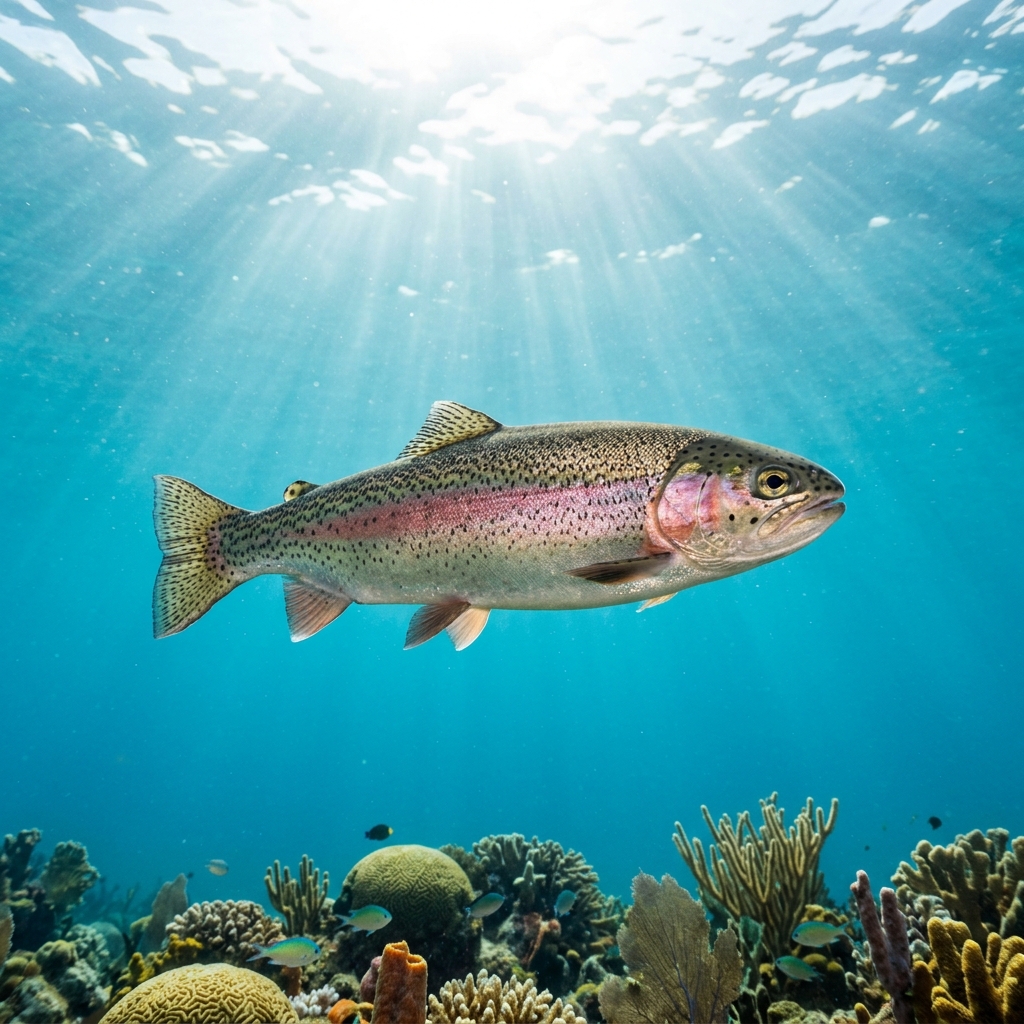
Trout are streamlined, torpedo-shaped fish with a forked tail and a small adipose fin (a fleshy, rayless fin between the dorsal fin and tail) that distinguishes them from most other freshwater species. Colouration varies across the family but typically runs from silver to olive-brown on the back, fading to pale silver or white on the belly, with dark spots often scattered across the flanks and dorsal surface. In spawning condition, males develop a pronounced hook on the lower jaw called a kype and show intensified reds and oranges along the sides, making them look quite different from the more uniformly silver or brown females.
Trout are typically encountered holding position in the water column or close to the substrate, using currents to their advantage with minimal effort. They tend to be wary of divers and will often drift away slowly rather than flee; approaching slowly and staying low in the water increases your chances of a close encounter. During the autumn spawning season, fish in shallower gravelly areas can be surprisingly tolerant of observers as they focus on breeding activity.
The small adipose fin shared across the Salmonidae family has long puzzled biologists, but recent research suggests it contains sensory nerve tissue that may help fish detect flow and vibrations, making it far more than the vestigial structure it was once assumed to be.
Based on diver sightings, September and October are the peak months to encounter trout, likely coinciding with pre-spawning activity when fish move into shallower water and become more visible. Their observed temperature niche of 4.5 to 14 °C means they are active in cold water year-round but are easiest to spot during this autumn window.
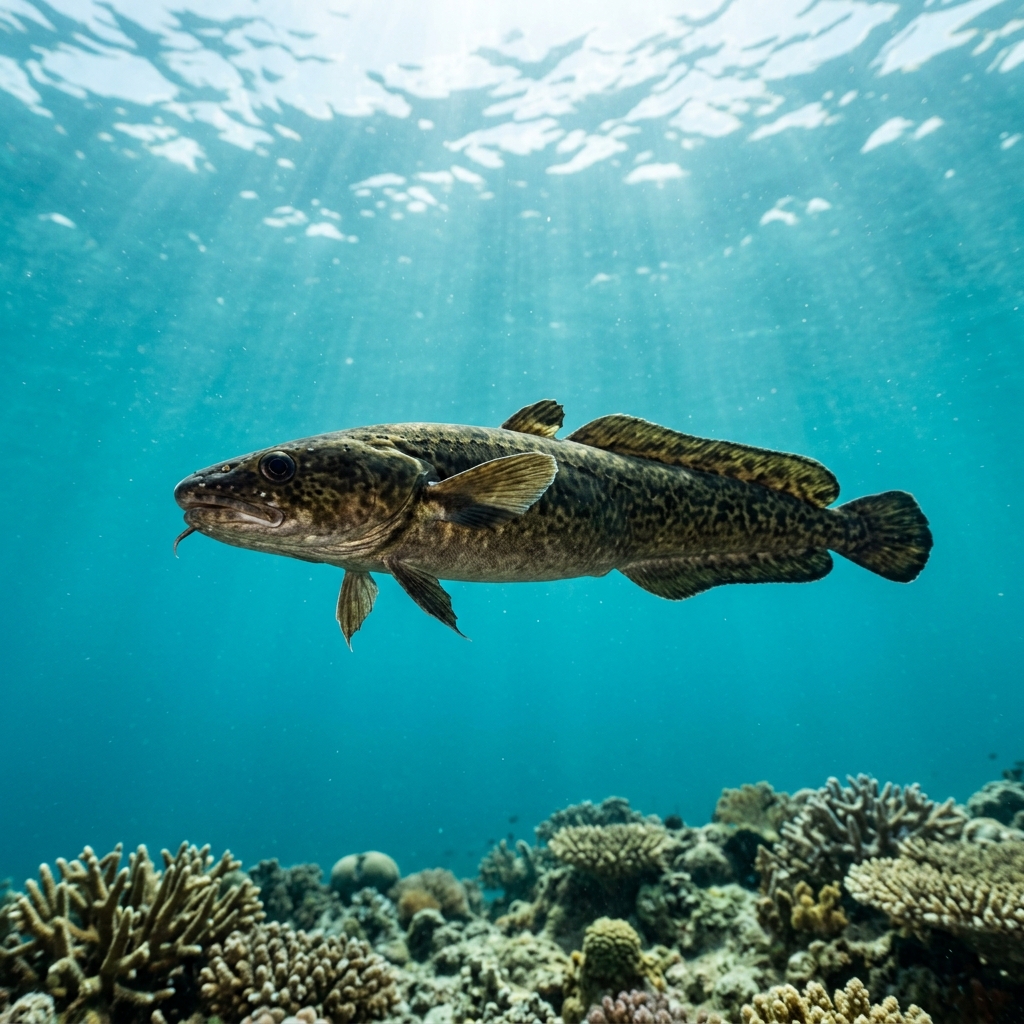
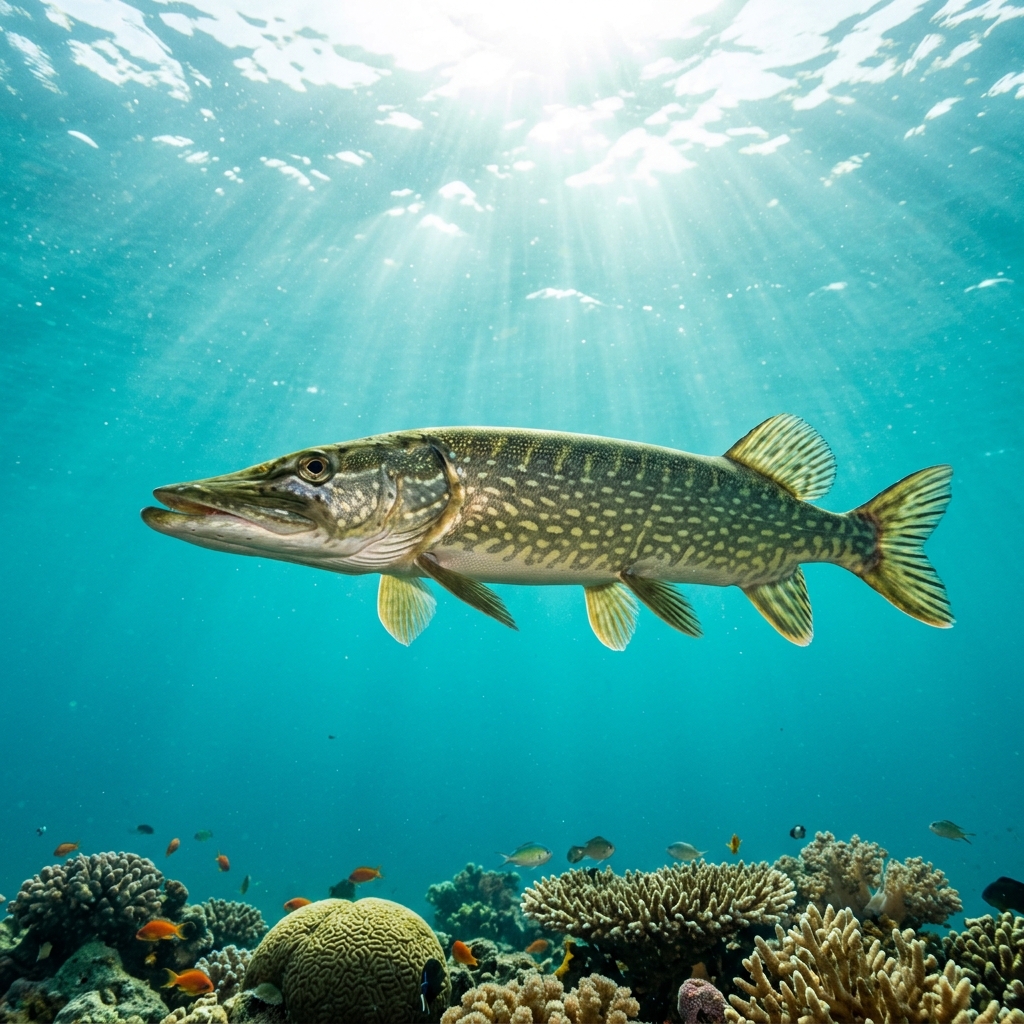
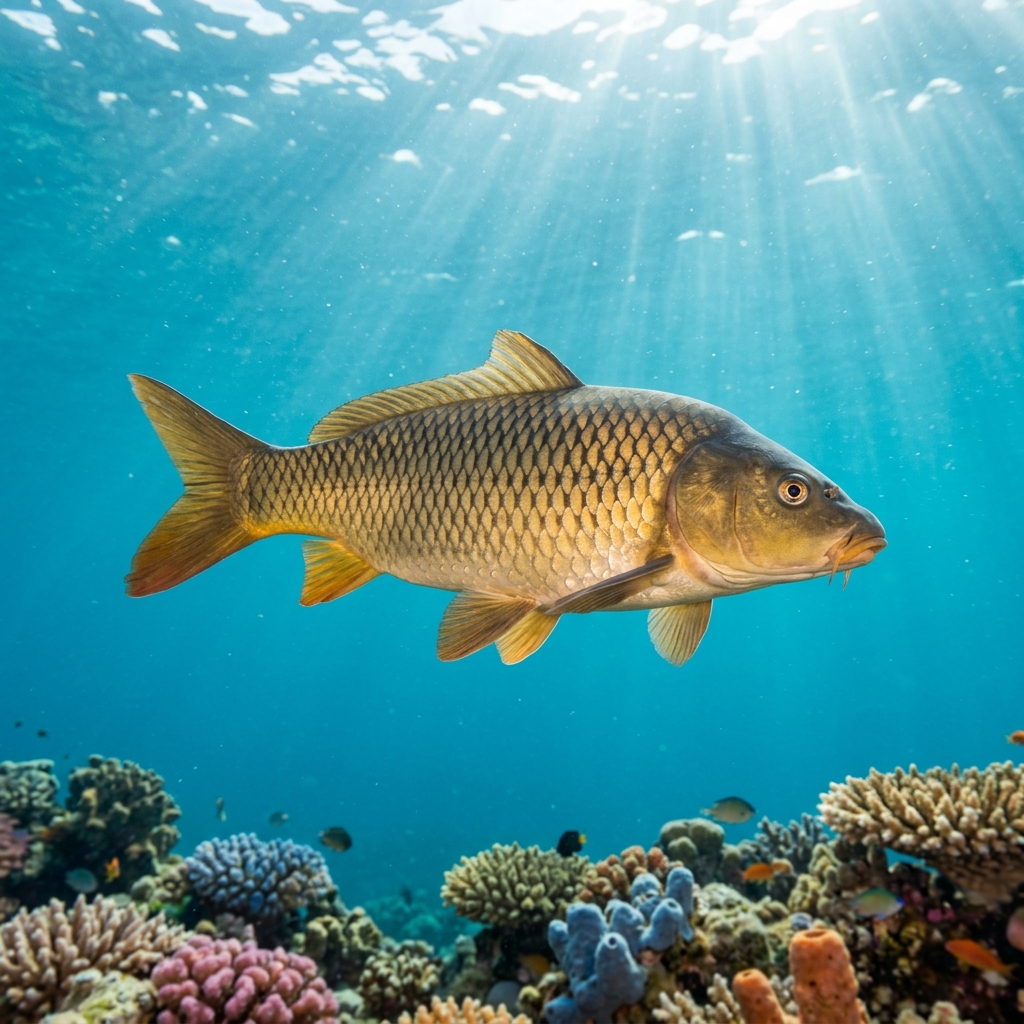
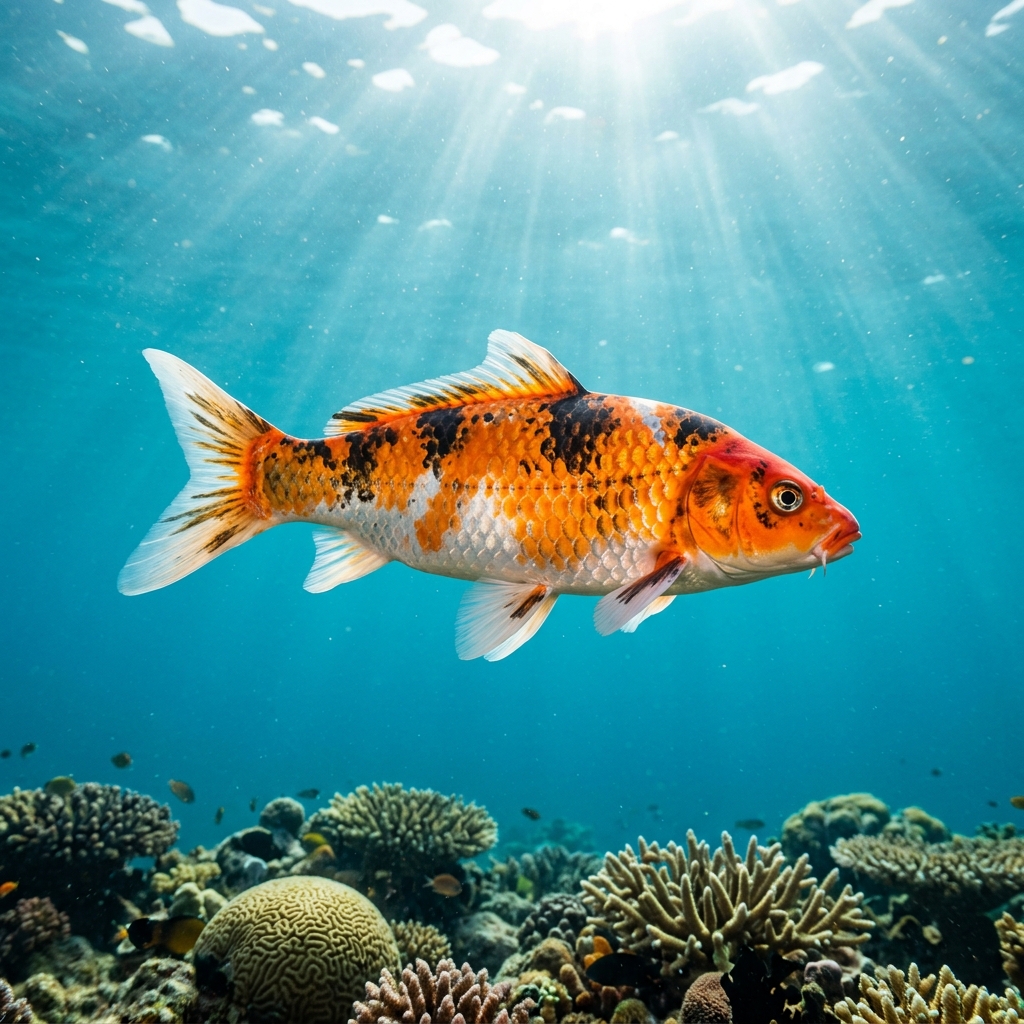
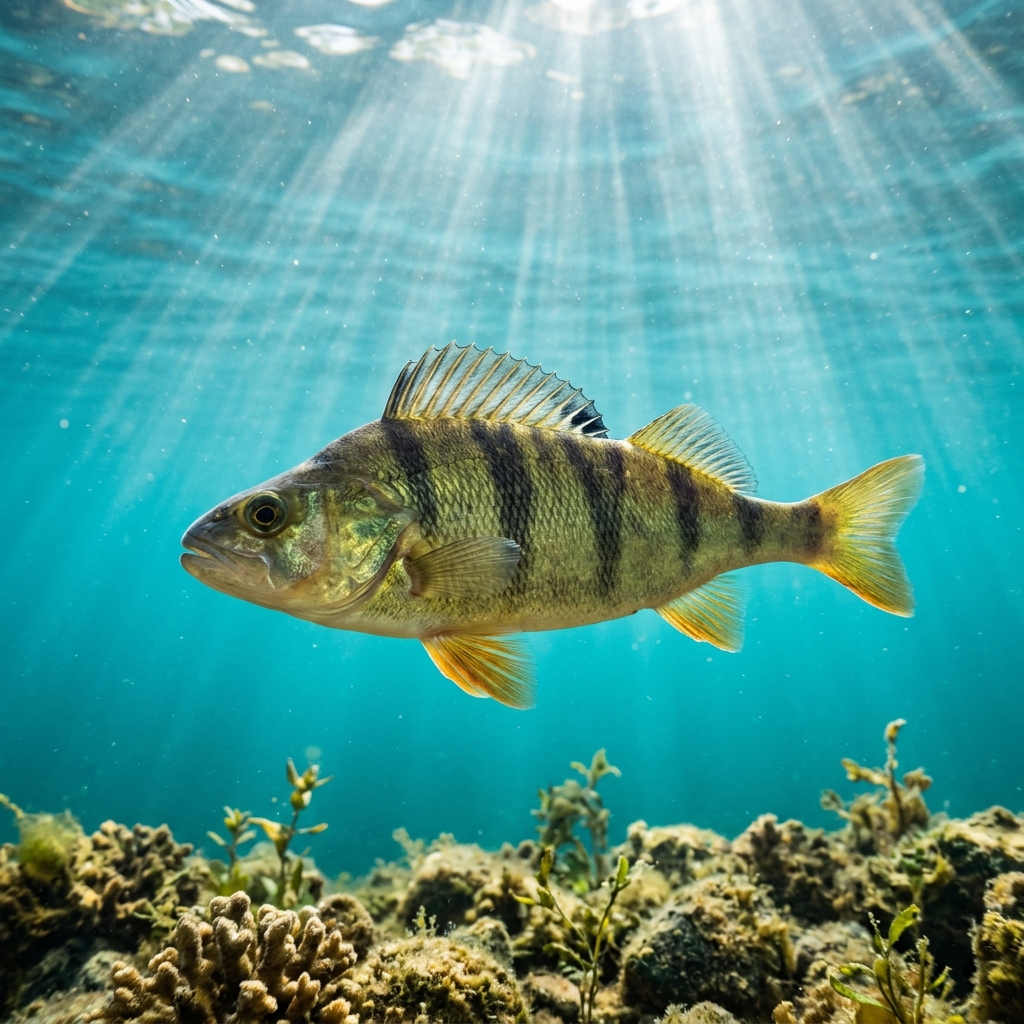
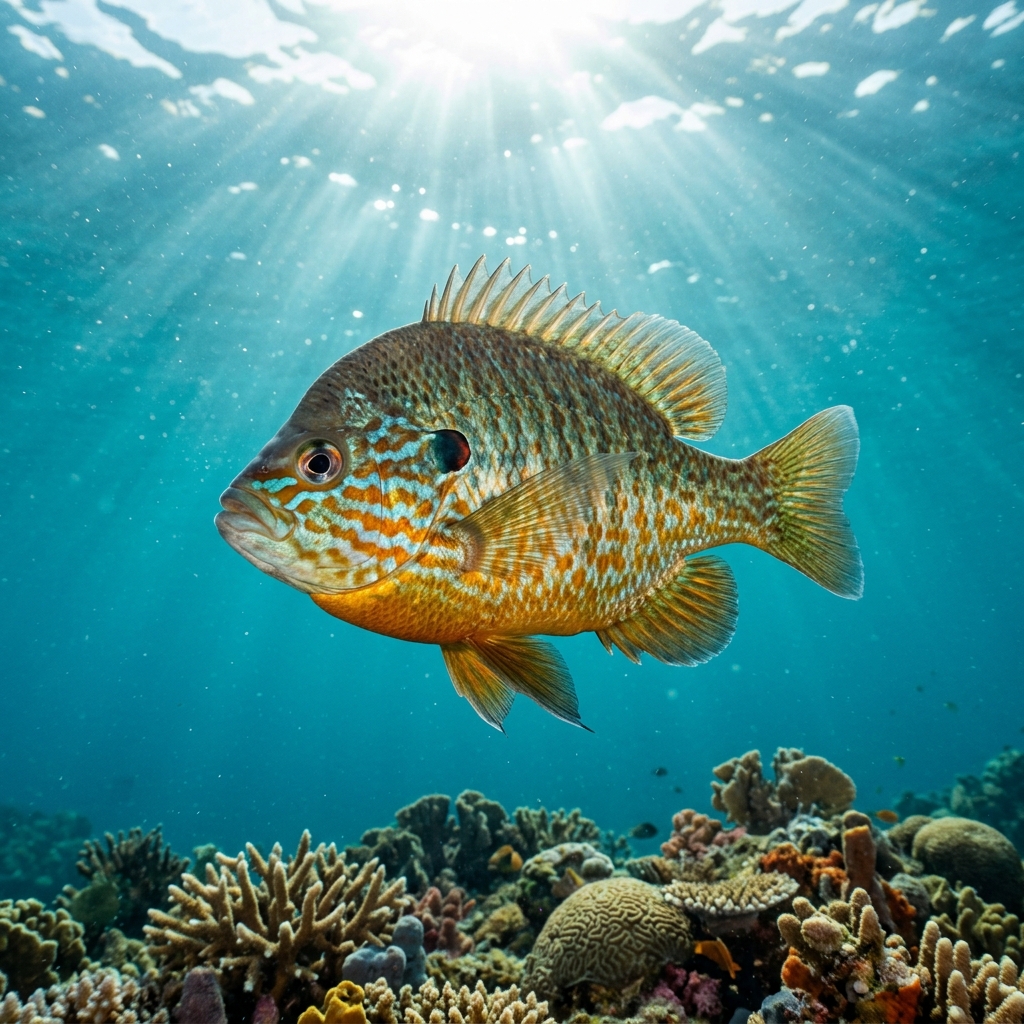
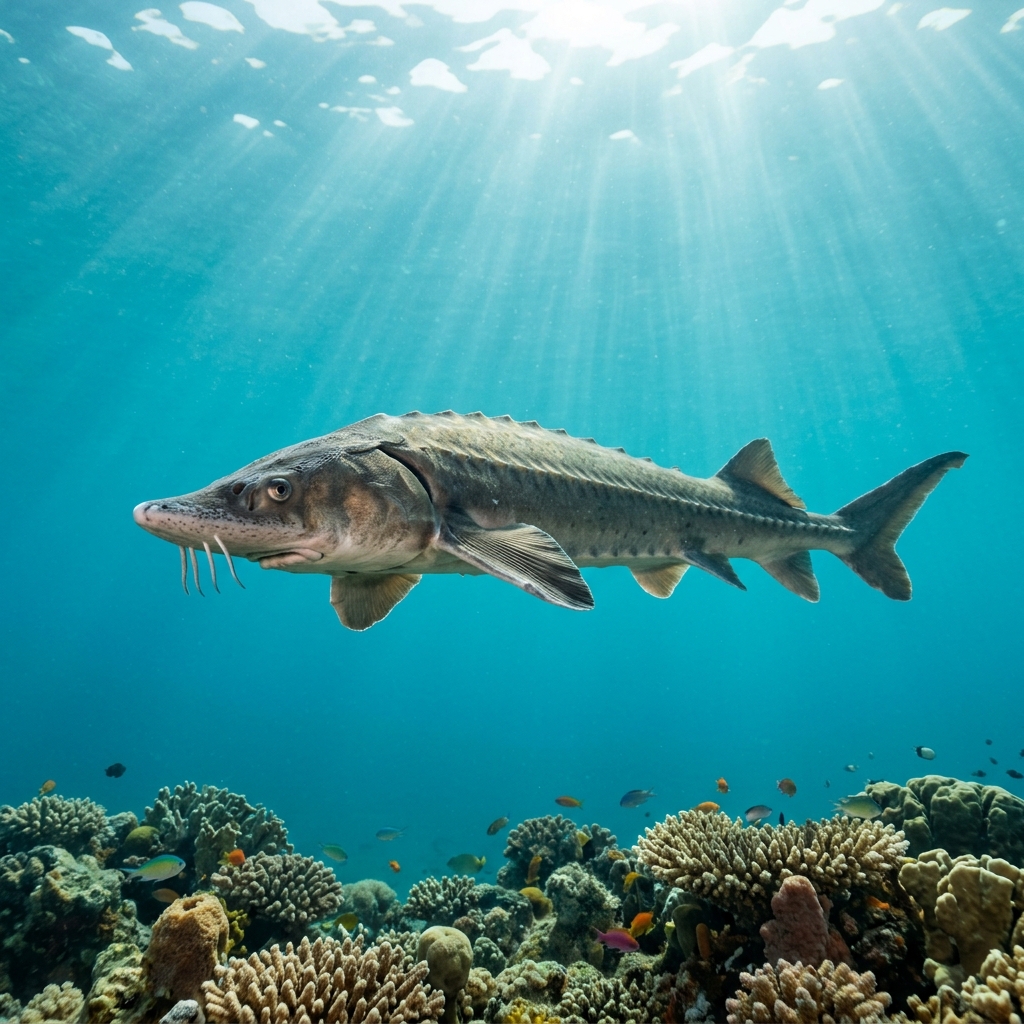
Reef neighbours a diver could mistake it for. Use the identification notes above to tell them apart.
Trout are most consistently logged across Central Switzerland, particularly around the lakes of the Central Switzerland and Lake Geneva regions, and in Central Germany and the Bavarian Alps. Strong populations are also recorded across Canada's Great Lakes region and across the United States, making this a freshwater family that rewards lake and river dives in temperate zones across both Europe and North America.
Mapping where Trout is logged…
Central Switzerland is the top region for diving with trout, with the Ticino and Southern Lakes and the Lake Geneva area also producing regular sightings. The Bavarian Alps in Germany, the Great Lakes region of Canada, and various sites across the United States round out the best destinations for freshwater dives with this family.
September and October stand out as the peak months based on diver observations. This aligns with pre-spawning movements when trout shift into shallower water, making them more accessible to divers in lake margins and river stretches.
Look for a streamlined, silvery to olive-brown fish with scattered dark spots and a distinctive small adipose fin just in front of the tail, no other common European or North American freshwater fish has this feature. In autumn, males with a hooked lower jaw and reddish flanks are especially recognisable.
Trout favour cold water, with observed dive sightings clustered between roughly 4.5 and 14 °C. This means they thrive in Alpine lakes, cold northern rivers, and deep temperate lakes, environments where a drysuit or thick wetsuit is strongly recommended.
No. Trout pose no threat to divers. They are shy fish that will typically move away when approached. The main consideration is the cold water they inhabit, appropriate thermal protection matters far more than any concern about the fish themselves.
Site and sighting data is aggregated from diver logs, iNaturalist and GBIF. For taxonomy and conservation status:
Sun Perch
2,182 sites