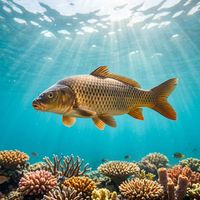
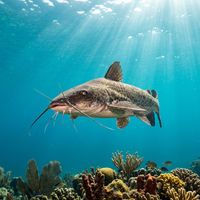
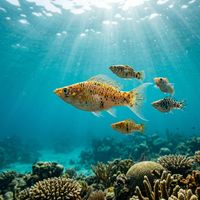
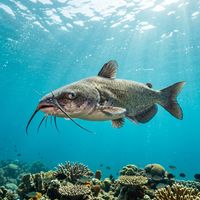
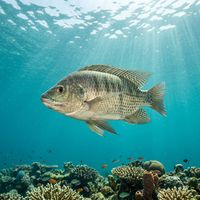
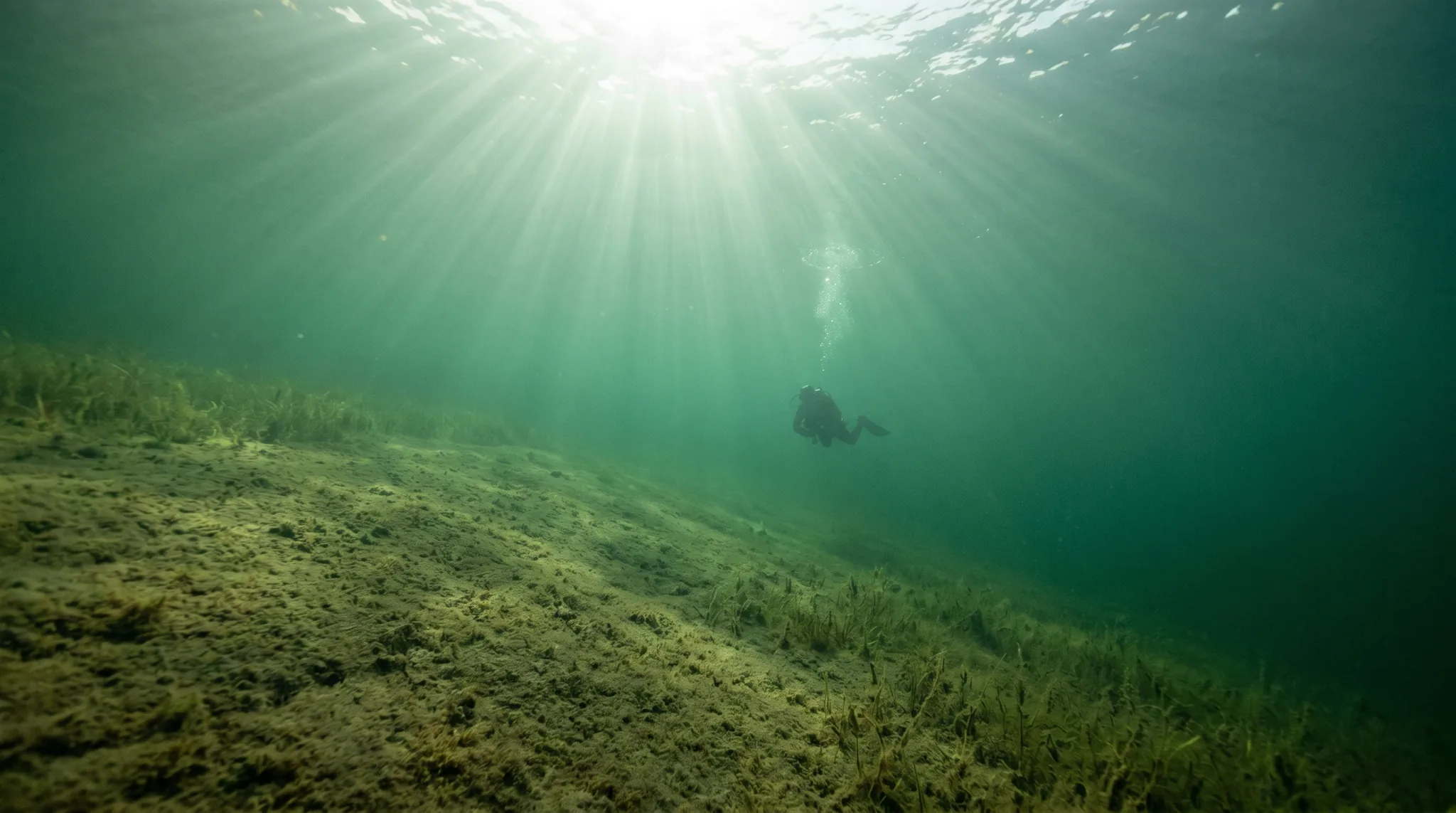
Flaming Gorge Reservoir offers a freshwater diving and snorkelling experience defined by canyon-carved terrain and clear inland water. Sites split between dive-only and snorkel-accessible spots, giving the area range for different skill levels. Small Mouth Bass and Trout are the species divers most reliably encounter, with Brown Trout and Rainbow Trout also observed across a handful of sites. September draws the strongest local interest, though summer months are well represented in logged visits.
5 operators

Rock Springs, United States
Green River, United States
Fin maps 14 sites in Flaming Gorge Reservoir (7 scuba diving sites and 10 snorkelling spots, with some suited to both).
14 more sites to explore
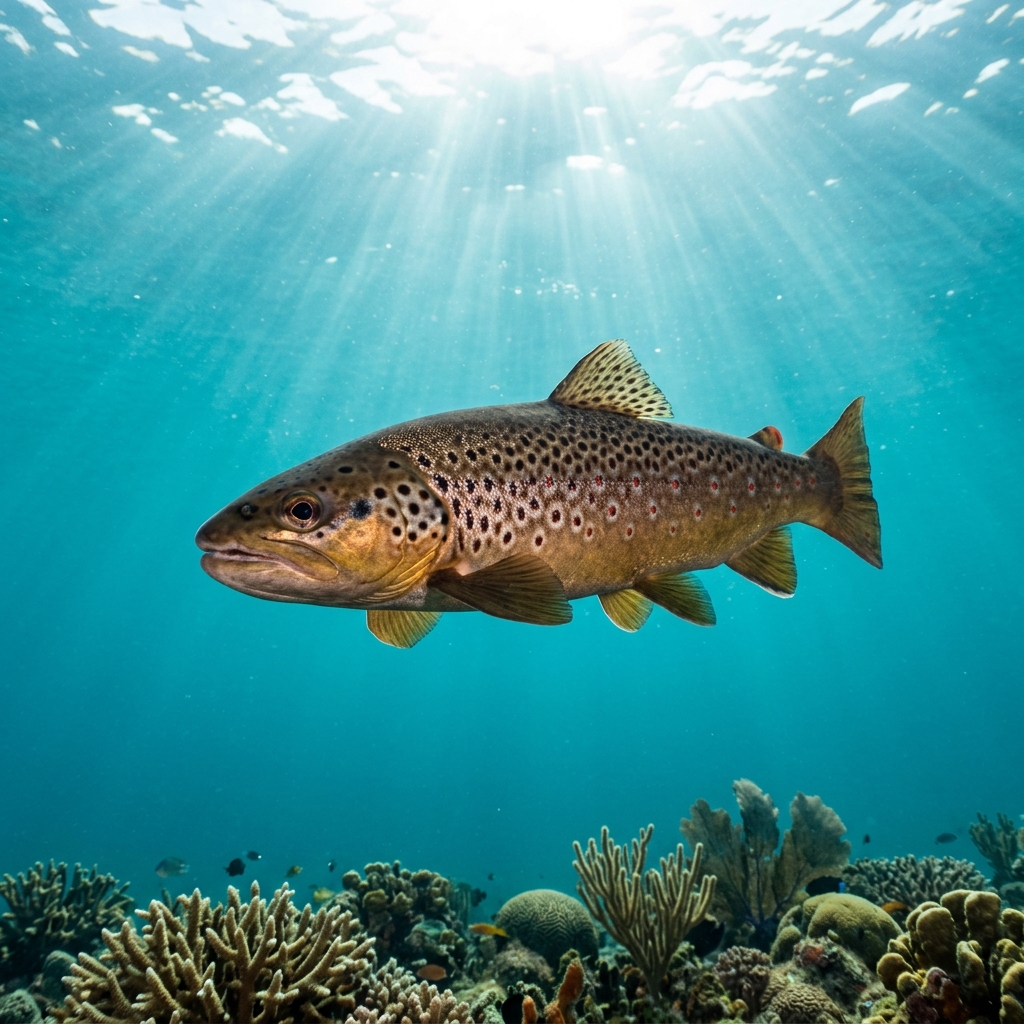
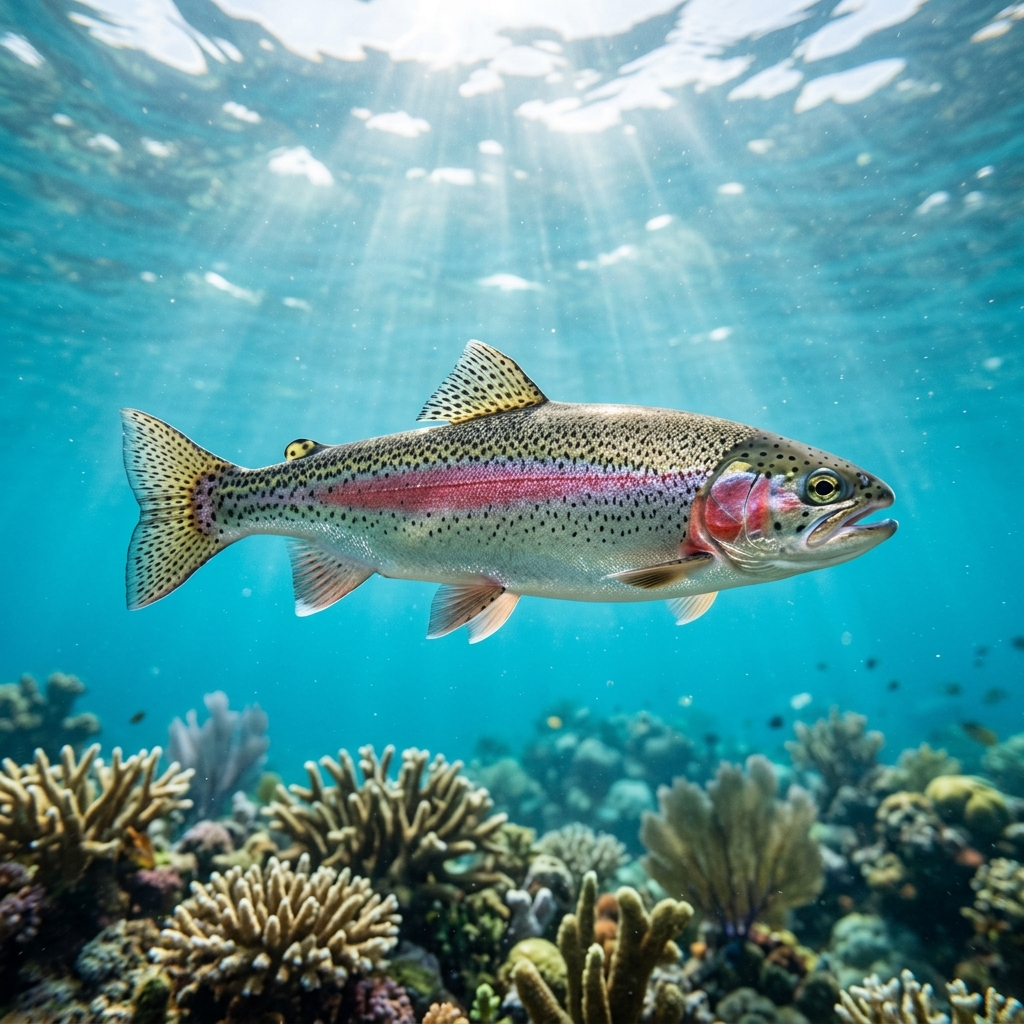
Observation-backed sightings include Small Mouth Bass, Trout, Brown Trout, and Rainbow Trout. Small Mouth Bass appear across the broadest range of sites, making them the species you are most likely to encounter on a typical dive. Trout sightings are somewhat less frequent but still well documented across multiple sites.
The site mix includes a good number of snorkel-accessible sites alongside dedicated dive spots, suggesting the area caters to a range of experience levels. Several operators, including Western Colorado Scuba Training Center and Desert Divers Scuba Center, are active in the region and can support new divers with training and guided entries. Conditions in an enclosed reservoir tend to be calmer than open-water coastal sites.
The site data does not specify boat-only access for any particular site, and the mix of snorkel and dive entries suggests shore access is common across the reservoir. Multiple operators are based in or around the area, some of whom likely facilitate both shore and boat-assisted entries. Checking directly with an operator such as SCUBAVENTURES or Mountain Bay Scuba before your visit is a sensible step.
Logged activity is spread across the warmer months from May through September, with September showing the strongest concentration of visits. This late-summer peak likely reflects a combination of settled conditions and post-summer interest in the reservoir. Visits are recorded across all five of those months, so the site is active throughout the season rather than focused on a single window.