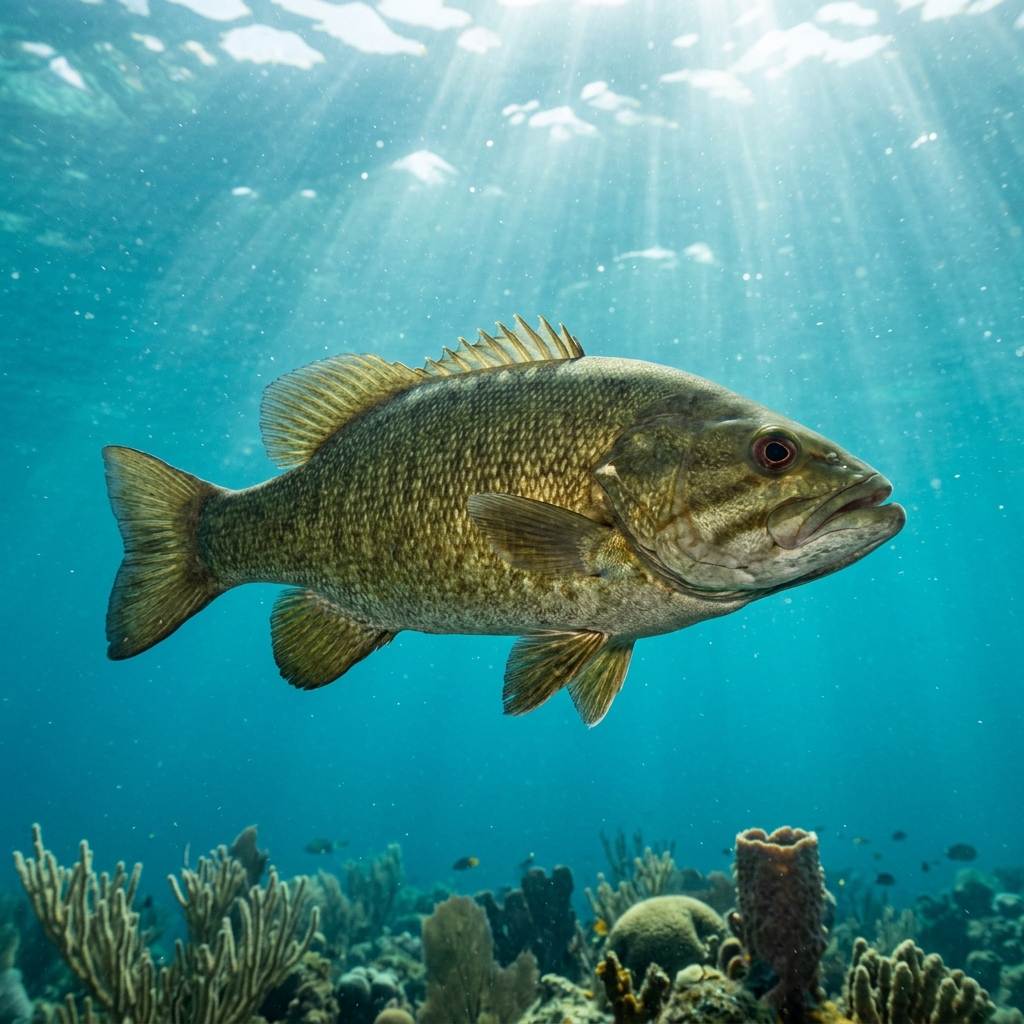
Micropterus dolomieu
Spot smallmouth bass in the Great Lakes, Austrian Carinthia lakes, and beyond. Most sightings run April, August in cool, clear freshwater down to 7 m.
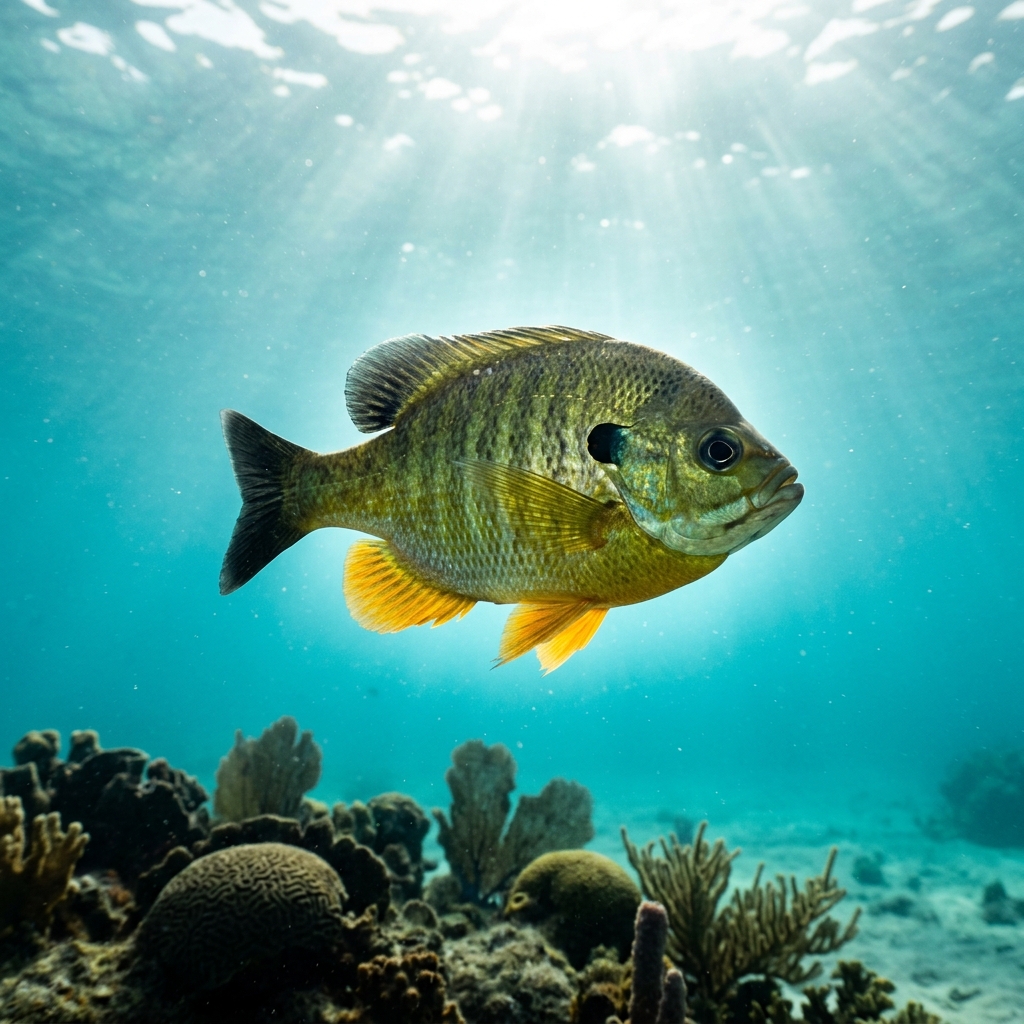
A chunky, torpedo-shaped fish around 48 cm long with an olive to brownish-green body broken by dark vertical bars along the sides. The signature field mark is the red or reddish-orange eye, which stands out clearly underwater. The upper jaw stops roughly beneath that eye, shorter than you'd expect for such a stocky predator, and the dorsal fin (the fin running along the back) is continuous, with a shallow notch between the spiny and soft-rayed sections. Juveniles show stronger, more contrasted barring on a paler background.
Smallmouth bass are ambush predators that favour rocky or gravelly lake and river floors in 1-7 m of water, often hovering just above the substrate or tucked beside submerged boulders waiting for prey to pass. They tend to hold their ground when a diver approaches slowly but will ease away if you close in too quickly, a patient, low-profile approach usually rewards you with a longer look. During the spring spawning season males are particularly territorial and may investigate a diver that strays near a nest.
Male smallmouth bass are devoted nest guarders: after the female spawns, the male fans the eggs with his fins, chases off intruders, and continues to shepherd the fry for several weeks, making nesting sites one of the most reliable places to find them lingering in plain view.
Sightings in the Northern Hemisphere concentrate from April through August, when fish are active in the shallows, along with some records during November to February. Water temperatures in the 10-22 °C range suit them well, so late spring through summer is the most productive window to look.
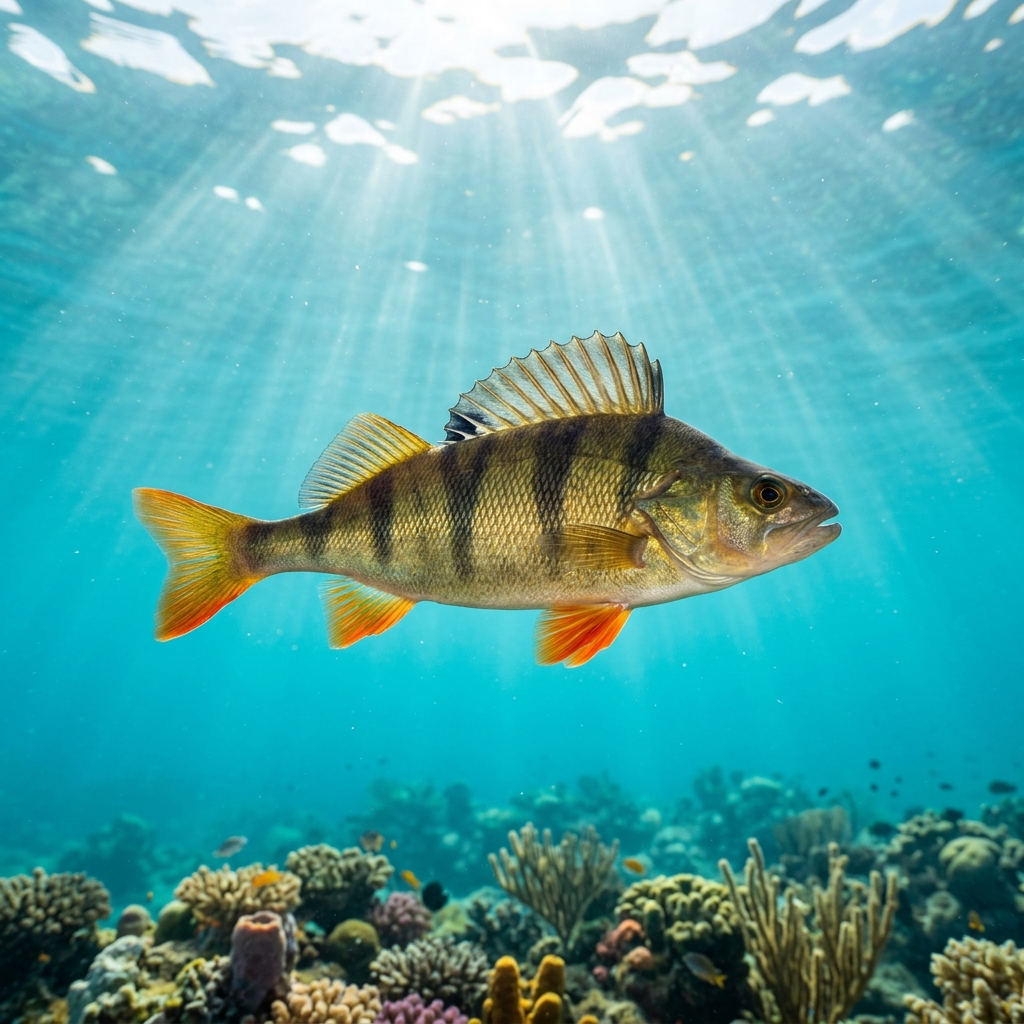
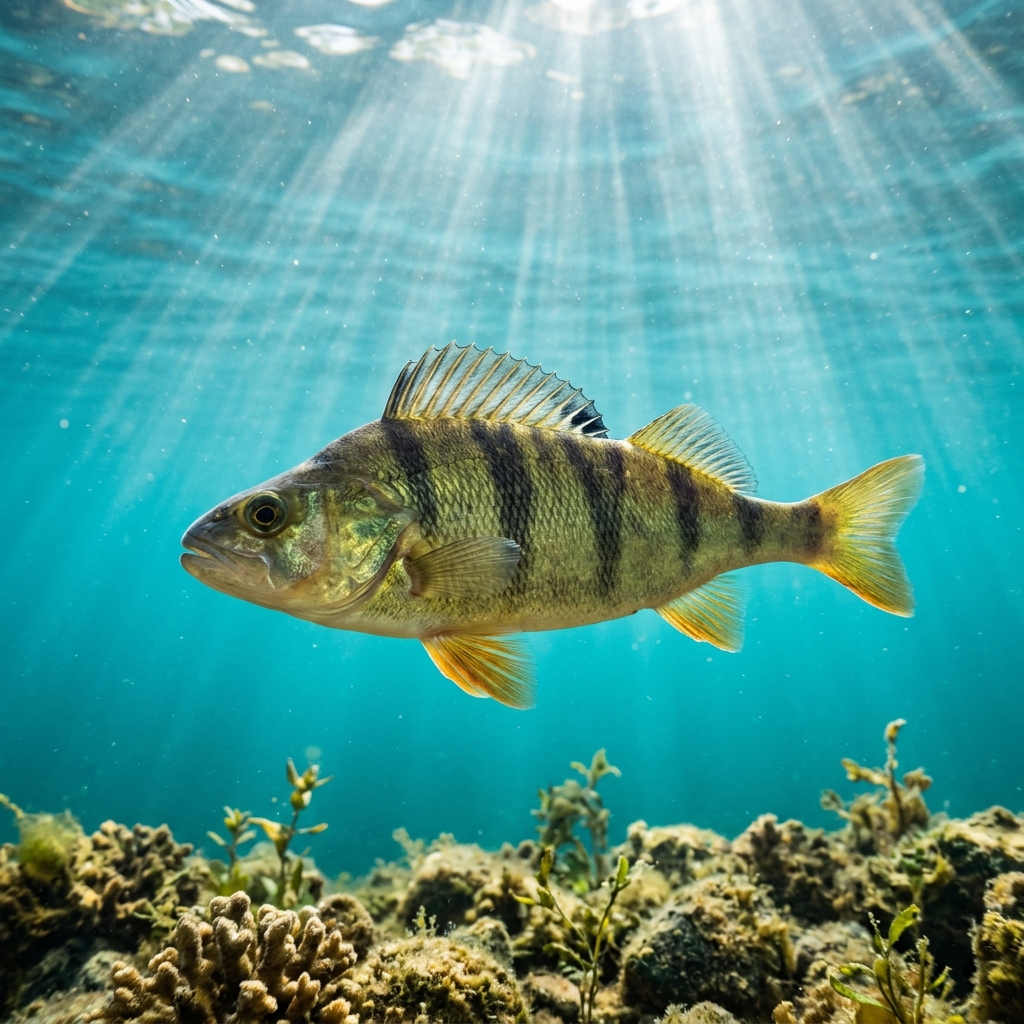
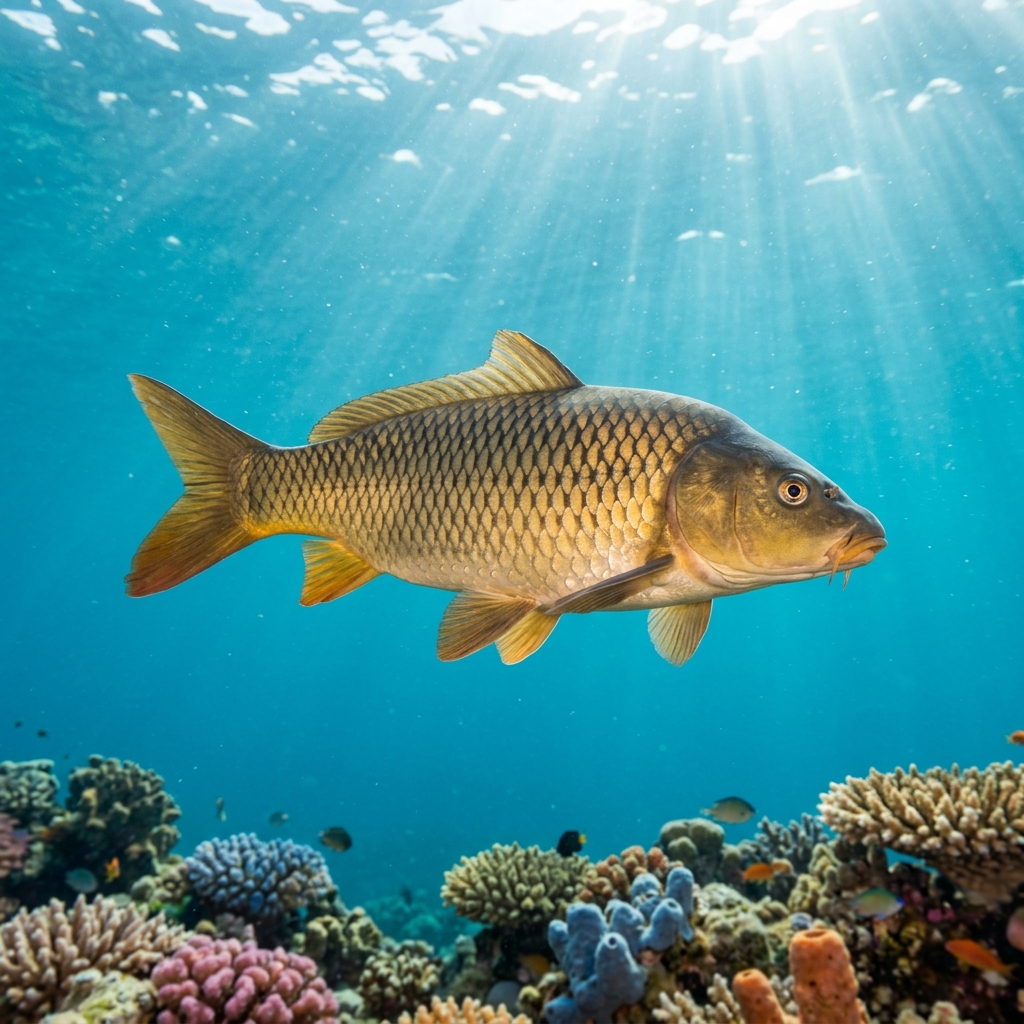
Reef neighbours a diver could mistake it for. Use the identification notes above to tell them apart.
The species is most consistently logged across the Great Lakes and Ontario region of Canada, which accounts for the largest share of recorded dive sites by a wide margin. The Great Lakes and Northeast region of the United States adds solid coverage, and a notable freshwater diving scene around Carinthia's lakes in Austria rounds out the top three. Smaller clusters of sightings exist on Mexico's Yucatán Peninsula and Pacific Coast, where it has been introduced outside its native range.
Mapping where Small Mouth Bass is logged…
The strongest diving presence is in the Great Lakes and Ontario region of Canada and the Great Lakes and Northeast United States. Carinthia's freshwater lakes in Austria offer another well-documented spot, and introduced populations have been recorded as far afield as Mexico's Yucatán Peninsula.
April through August is the prime window in the Northern Hemisphere, coinciding with warmer shallow-water activity and the spawning season, when males guard nests in plain sight. Some divers log them in winter months too, though encounters are less frequent then.
Look for a stout, olive-green fish around 48 cm long with dark vertical bars on the flanks and a striking red eye. The upper jaw ends below that eye rather than extending past it, which separates it from larger-mouthed relatives. The continuous dorsal fin with a shallow mid-notch is another reliable marker.
Most individuals divers encounter are around 48 cm in length. Exceptionally large fish can exceed 60 cm, though anything above 50 cm is considered a notable specimen in most lakes.
Yes, males build shallow, gravel-cleared nests, then guard the eggs and newly hatched fry for several weeks after spawning. A nest-guarding male will hold his position even when a diver approaches, making spring one of the best times to observe them at close range.
Site and sighting data is aggregated from diver logs, iNaturalist and GBIF. For taxonomy and conservation status:
Sun Perch
2,182 sites