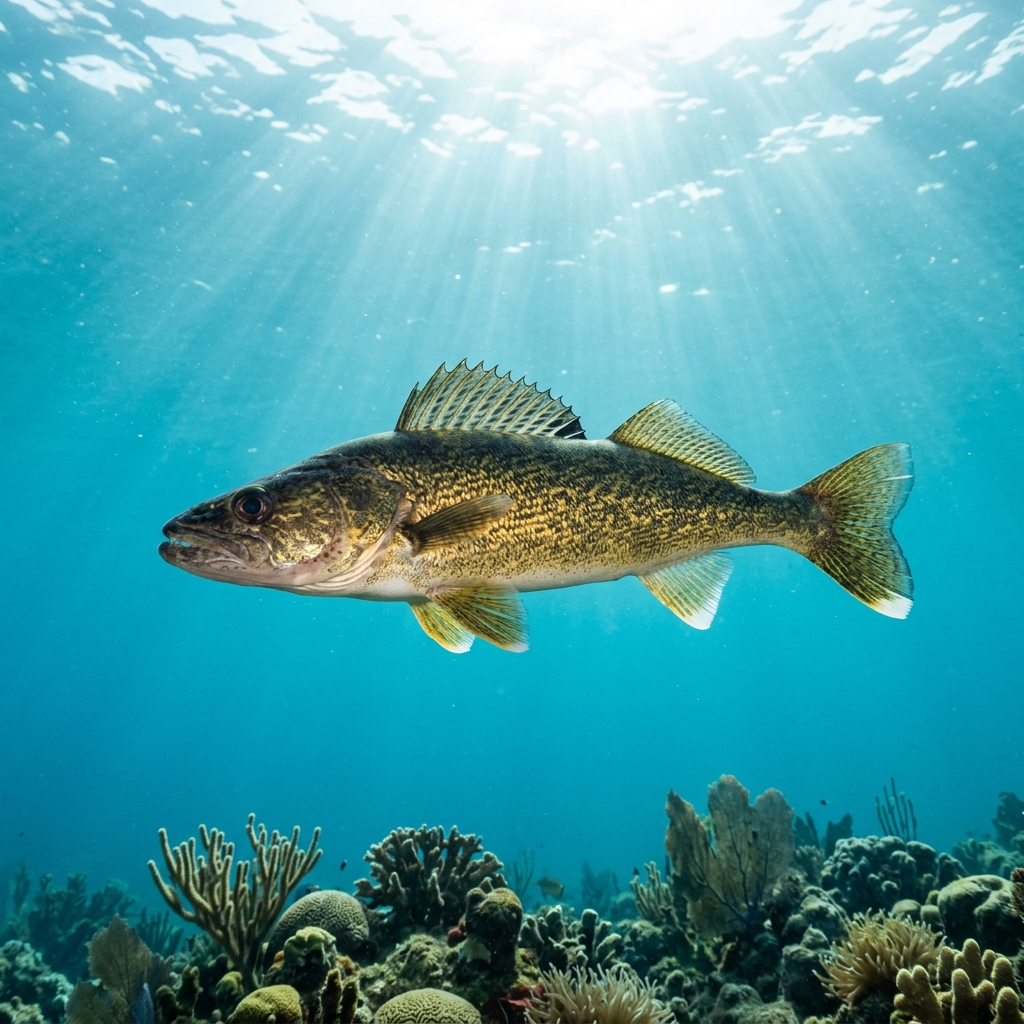
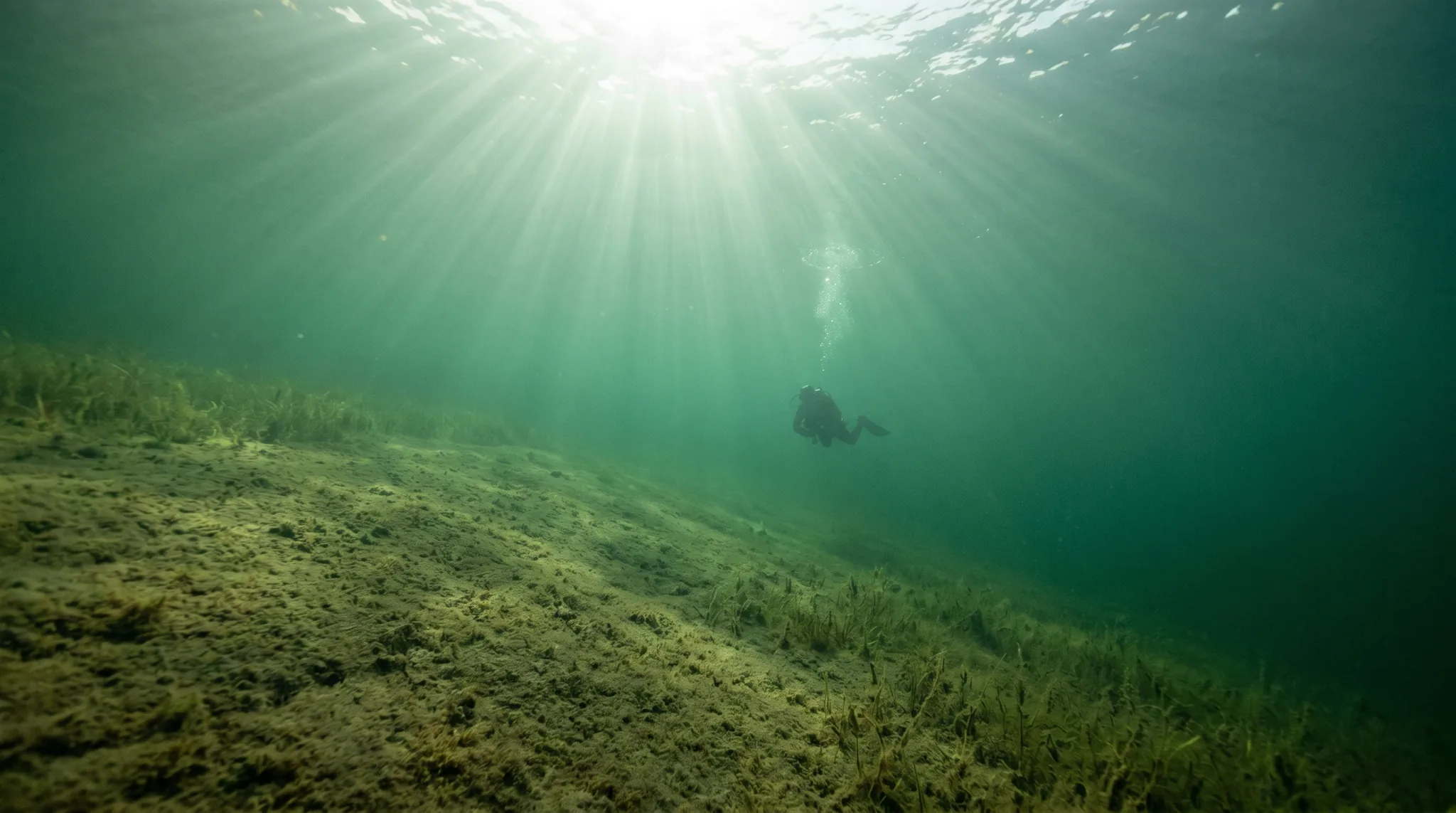
Grand Teton National Park offers a rare freshwater diving and snorkelling experience shaped by mountain lakes, rivers, and geologically active environments. Sites range from calm, shallow artificial reefs suited to beginners to fast-moving drift sites demanding advanced skills. Sucker and Carp are the most consistently observed species, with Trout, Lake Trout, and Brook Charr also recorded. Visibility varies considerably across sites. Summer months carry the strongest concentration of diver activity, aligning with the most accessible conditions across the park's diverse site mix.
17 operators
16 more sites to explore
Fin maps 22 sites in Grand Teton National Park (15 scuba diving sites and 8 snorkelling spots, with some suited to both).
Across Grand Teton National Park's dive sites, July, August and September are most often reported as the best months to visit.
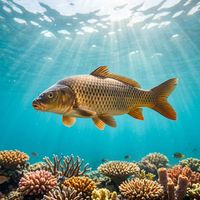
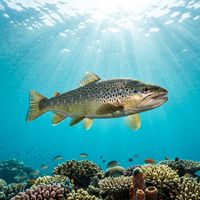
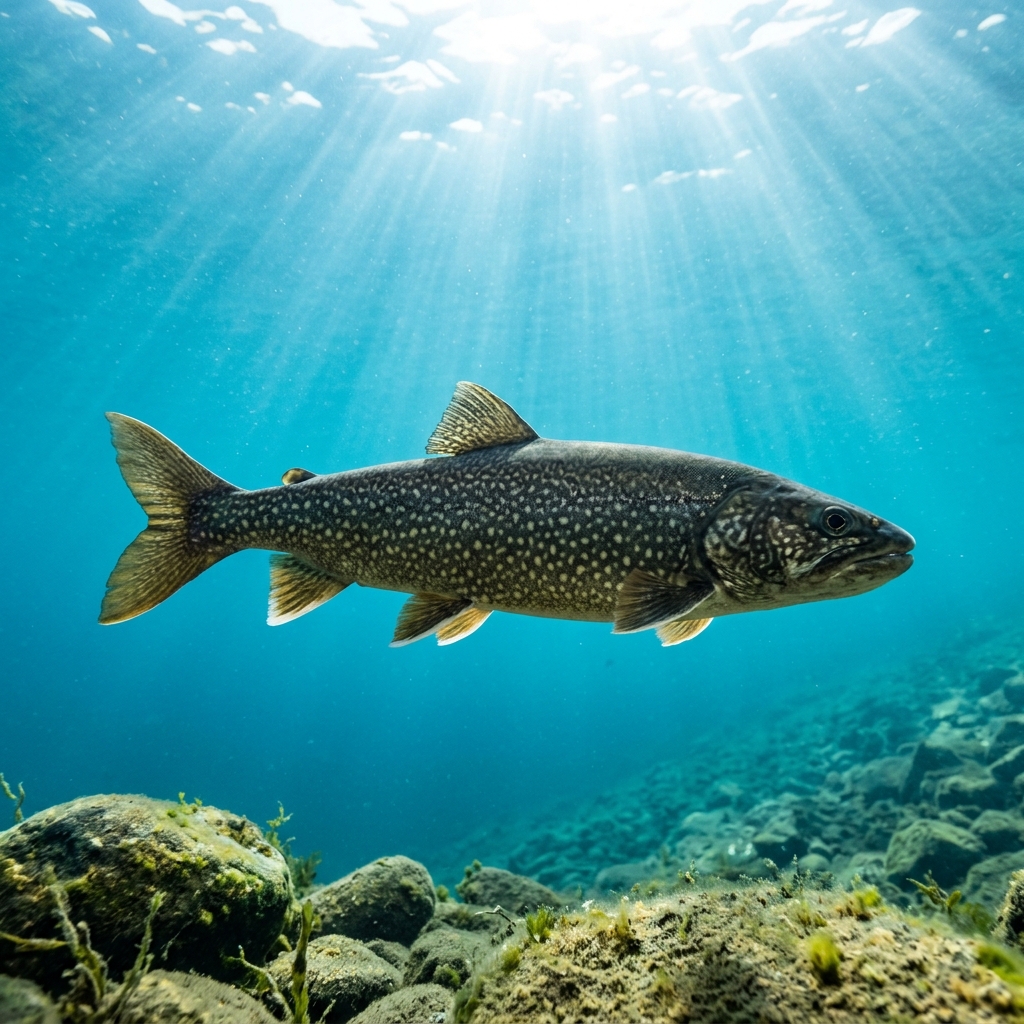
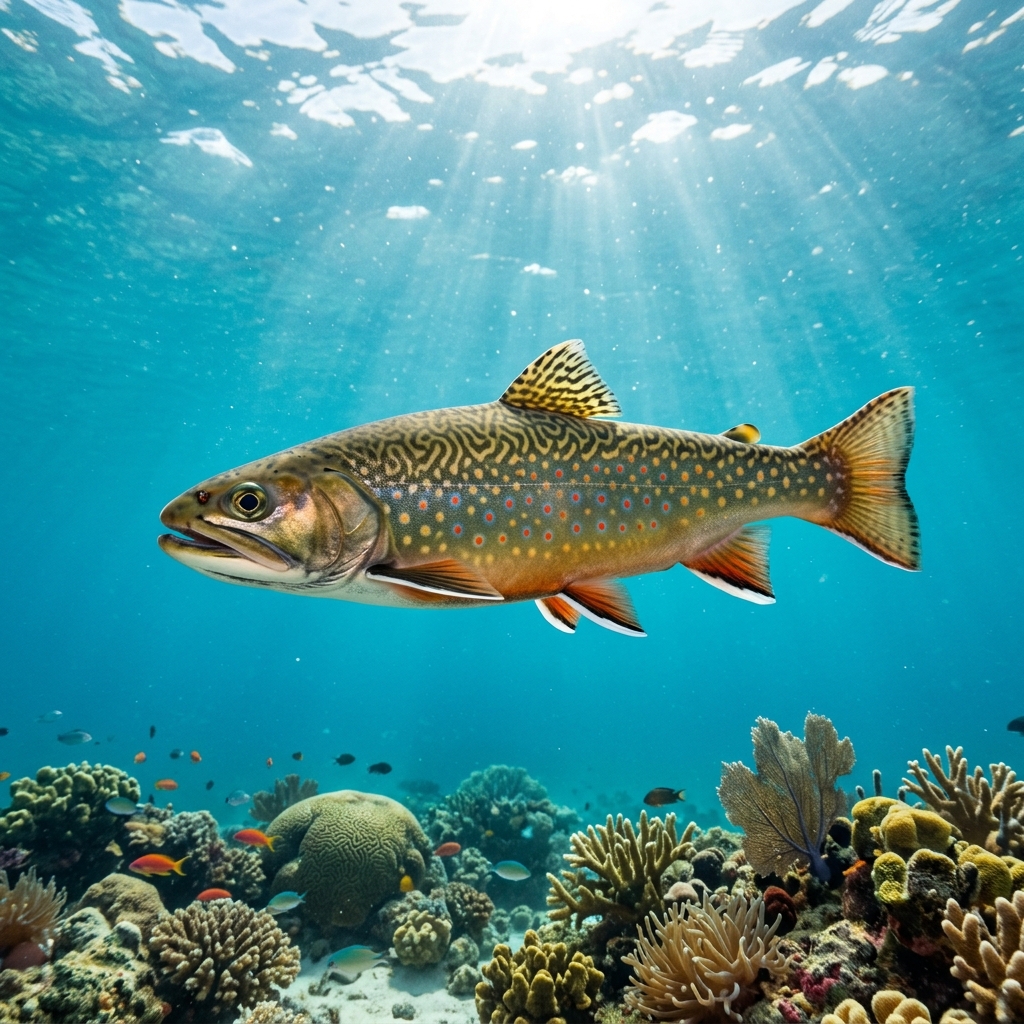
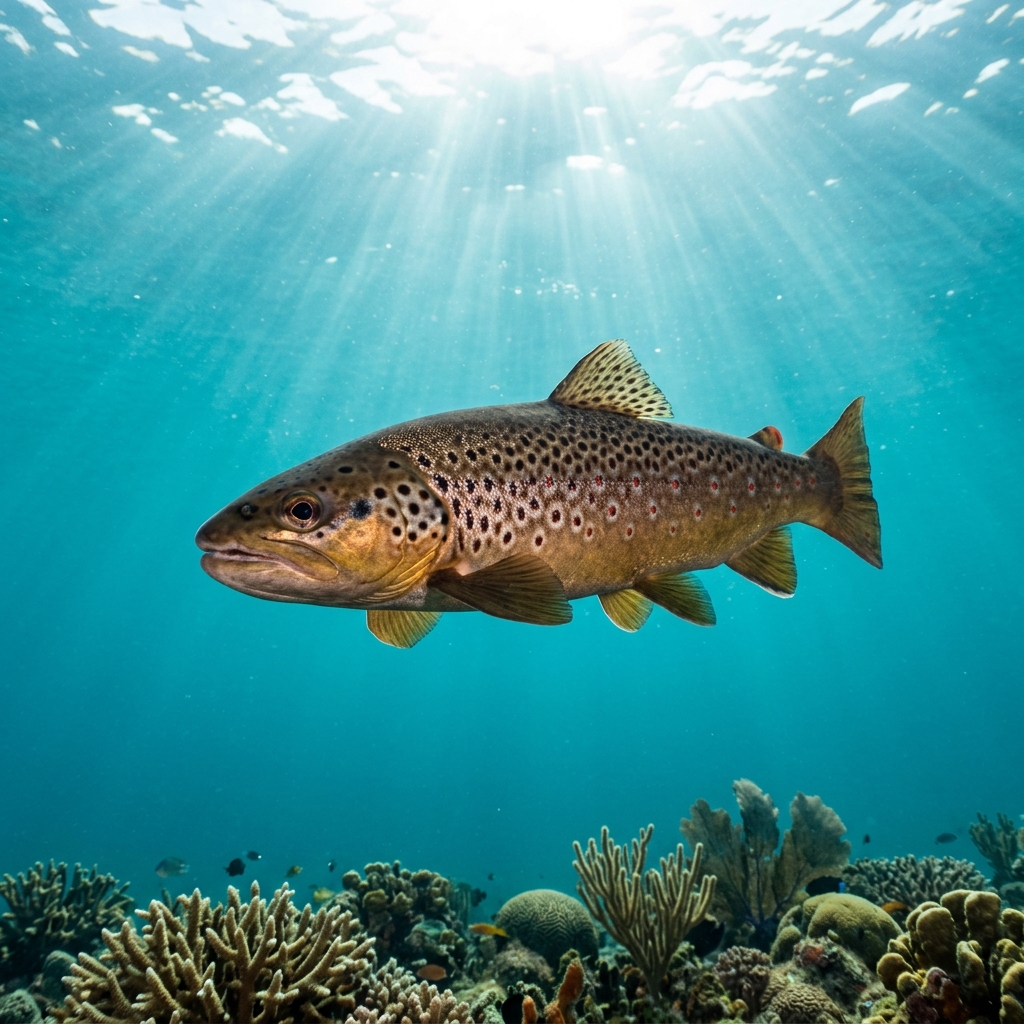
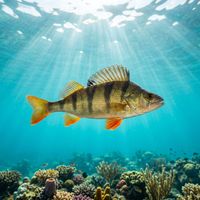
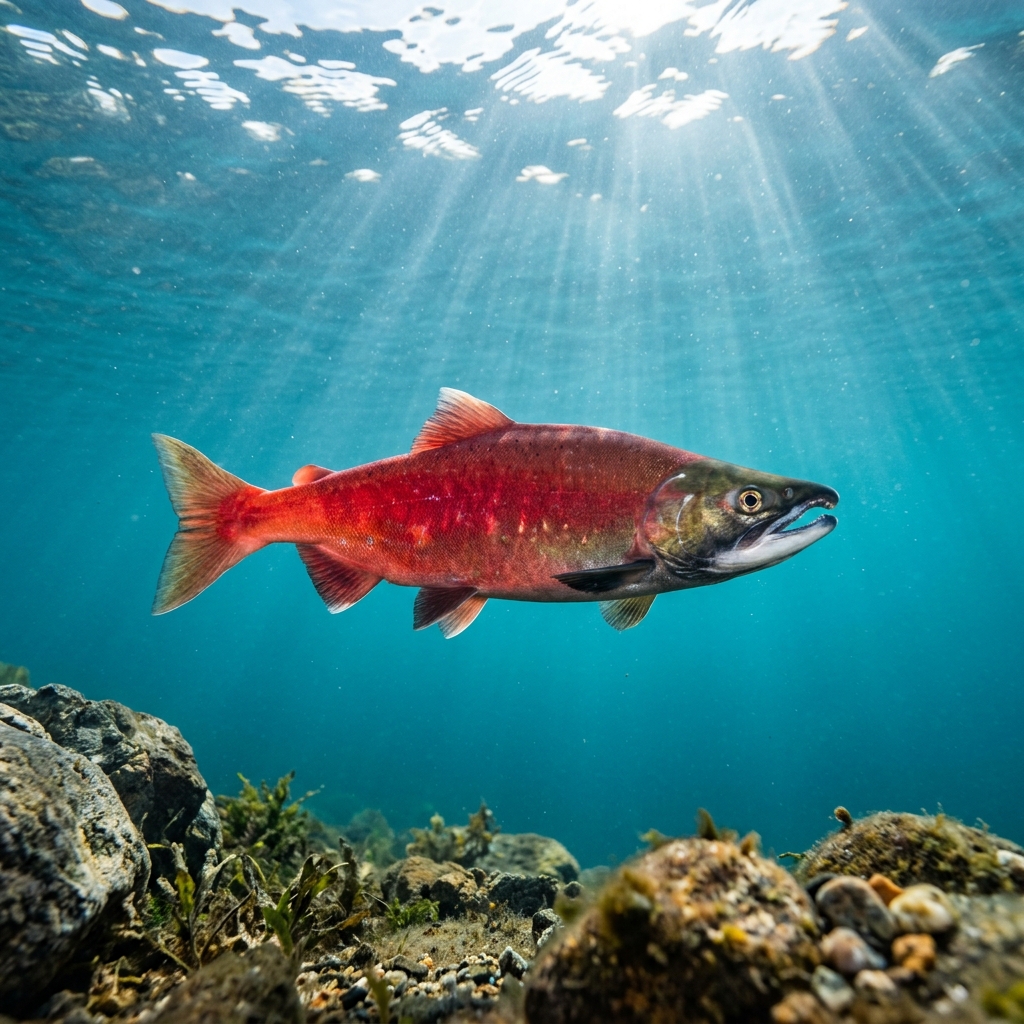
Observation-backed records include Sucker, Carp, Trout, Lake Trout, Brook Charr, Brown Trout, Common Perch, Kokanee, Walleye, and Freshwater Sponge. Sucker and Carp appear across the majority of sites and are the most reliably encountered species. Trout sightings are occasional, while Lake Trout and Brook Charr are recorded less frequently.
Some sites are well suited to newer divers. Juniper Boat Dock is rated beginner-level, offering very shallow, calm freshwater conditions ideal for building confidence. Jenny Lake Boatramp is also listed as beginner-friendly, though it reaches deeper water. Sites like Snake River Below Falls and Firehole require advanced or experienced handling of strong currents.
Most sites in the park offer shore entry, including Yellowstone Lake Lodge, Firehole, and Snake River Below Falls. The Spires is a boat-access site, positioned well offshore. Juniper Boat Dock accommodates both shore and boat entry, making it one of the most flexible options in the park.
The park mixes artificial reefs, drift sites, and a wreck site across its dive locations. Artificial reefs such as The Spires and Juniper Boat Dock offer structured environments to explore. The drift at Snake River Below Falls is a very different experience, with fast current and shallow water requiring active navigation. Yellowstone Lake Lodge adds a geologically active freshwater setting to the mix.