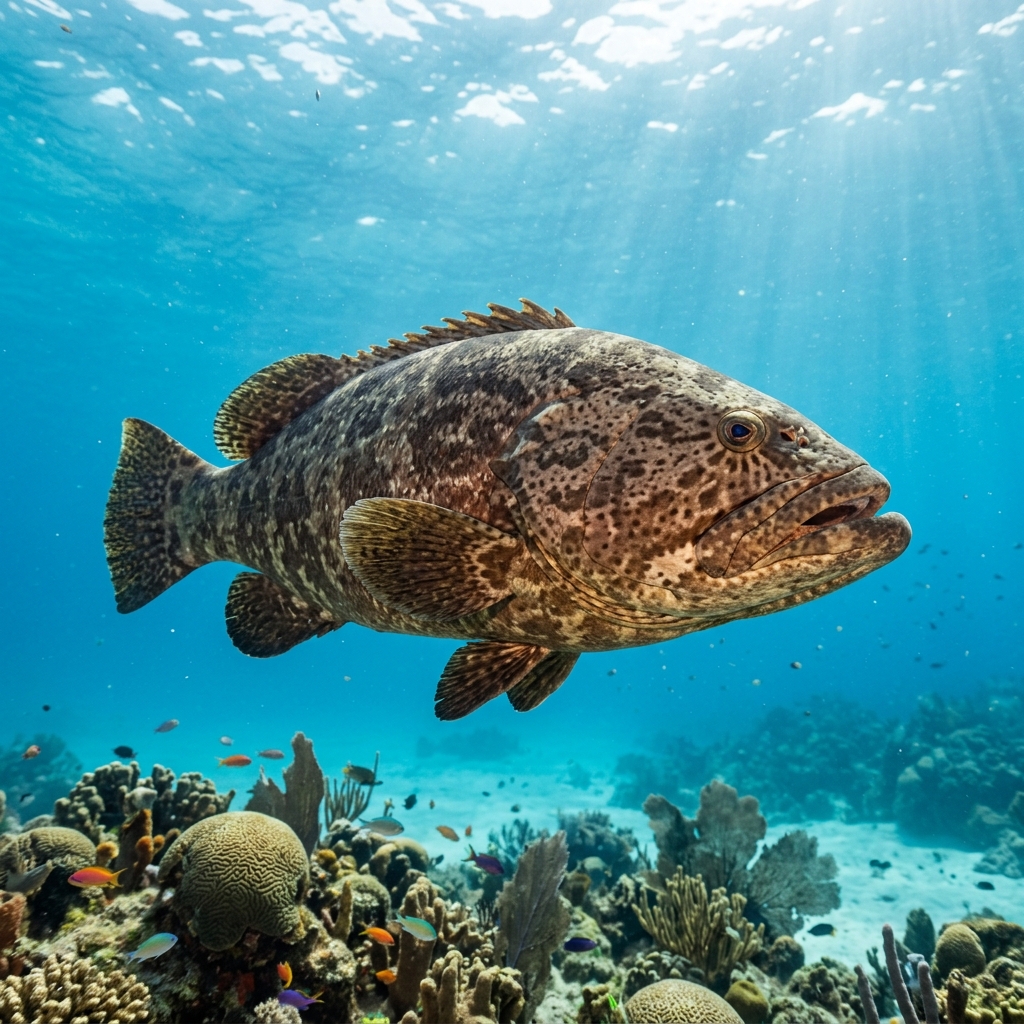
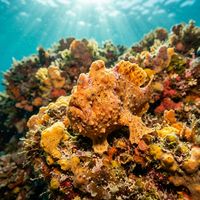
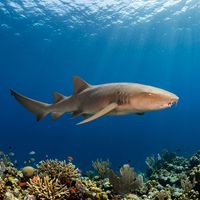
Palm Beach delivers drift diving across a varied mix of natural reefs, artificial reefs, wrecks, caverns and cave systems, spread across three distinct sub-areas: Palm Beach Island, Jupiter and Boynton Beach. Currents are a defining feature, carrying divers along ledges and through tunnel systems. The marine life list is broad, with Atlantic Goliath Grouper, Nurse Shark and Frogfish regularly encountered. Sites range from shallow beginner reefs to technical cave dives, meaning there is truly something across all certification levels.
3 areas
Monthly water temperature across Palm Beach's sites, from satellite sea-surface data corrected for depth. The band shows the site-to-site spread.
Water stays warm year-round, dipping slightly in late winter before climbing through summer to its peak between July and September. The warmest months also draw the strongest diver activity, and conditions tend to be most settled from late spring through early autumn. Currents are present at most sites regardless of season, so drift diving readiness matters more than timing.
29 operators
61 more sites to explore

Drift reefs, purpose-sunk wrecks, and a legendary shore muck dive, with Nurse Shark and Atlantic Goliath Grouper as regulars.
Water temperature around Palm Beach ranges from about 24°C in February to 28°C in July, based on satellite sea-temperature data for its dive sites.
In the warm season (about 28°C) a rash guard or 3mm shorty is comfortable in Palm Beach; in the coldest months (about 24°C) step up to a 3mm full suit.
Fin maps 73 sites in Palm Beach (71 scuba diving sites and 8 snorkelling spots, with some suited to both), organised into 3 areas.
Across Palm Beach's dive sites, May, June, July, August and September are most often reported as the best months to visit.
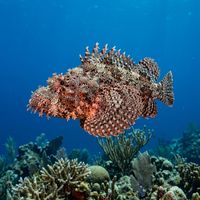
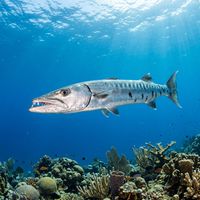
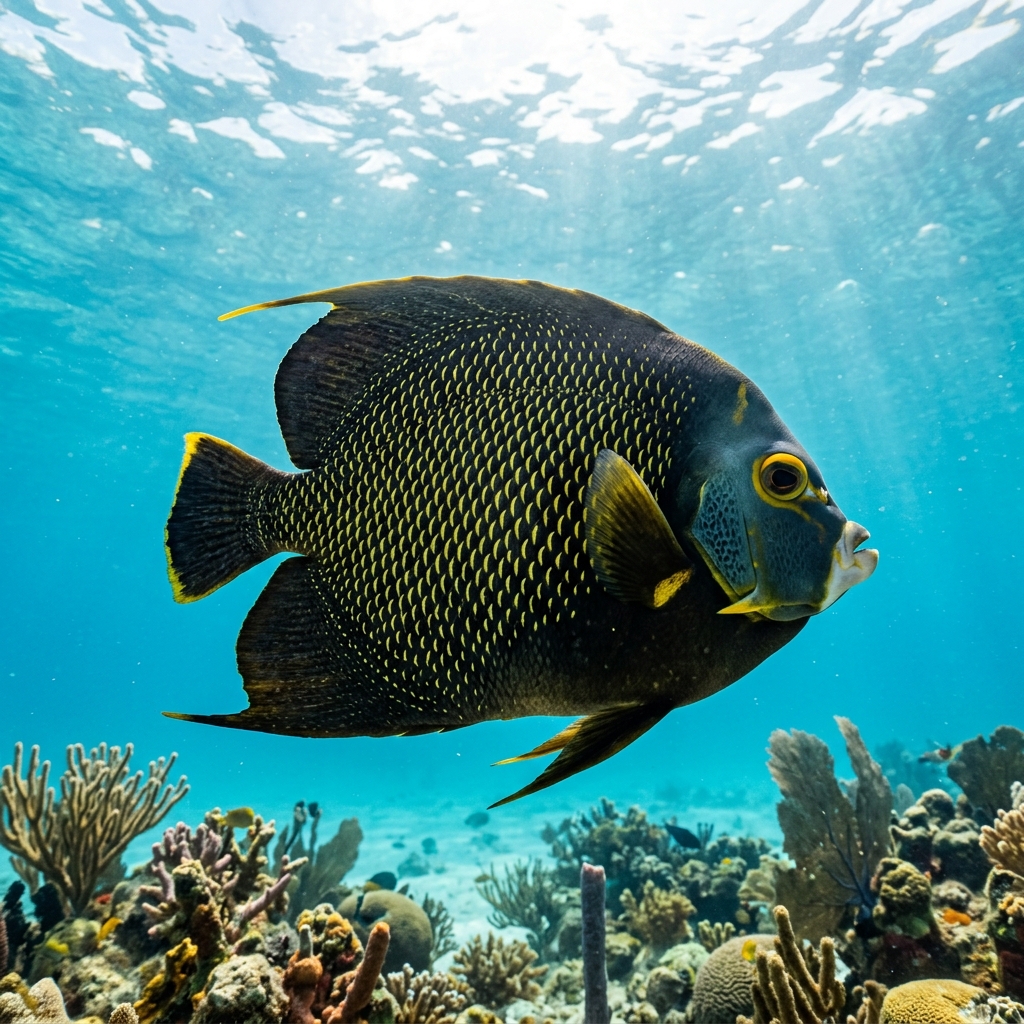
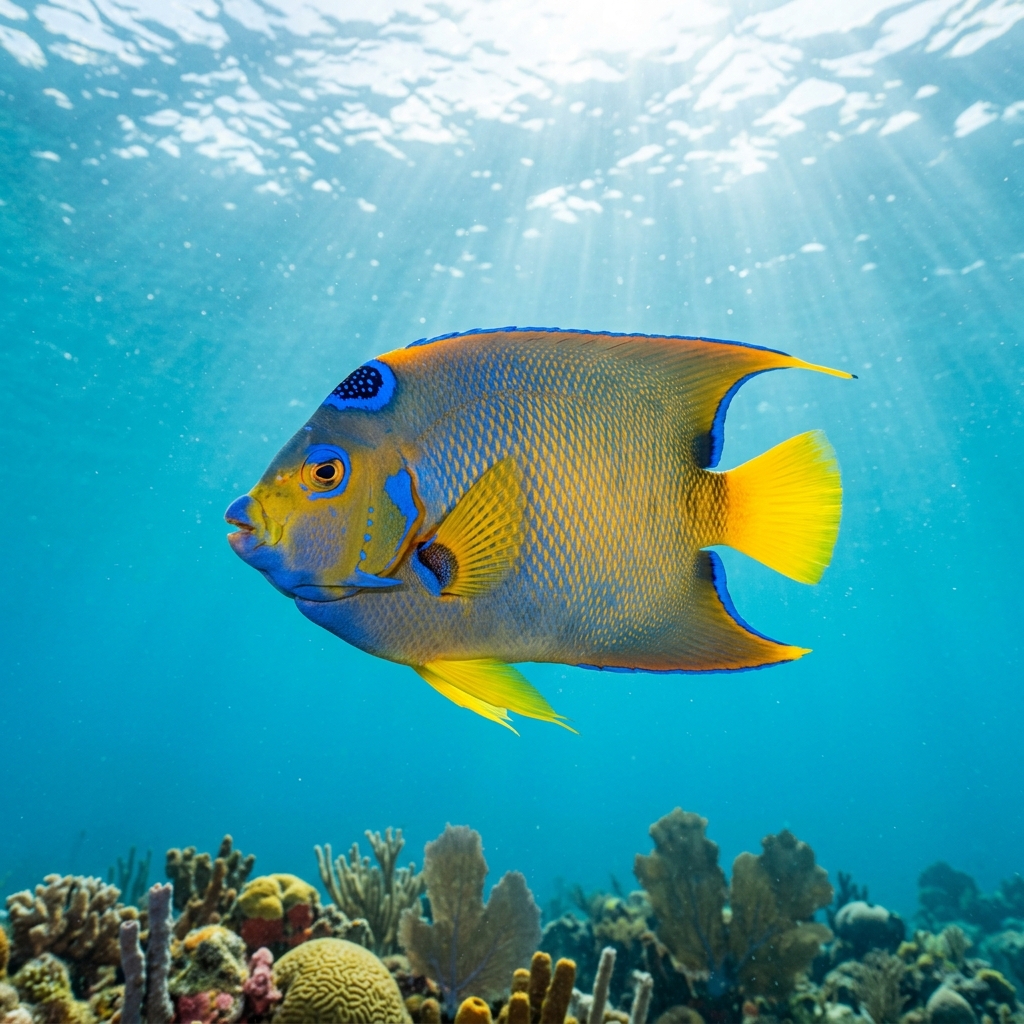
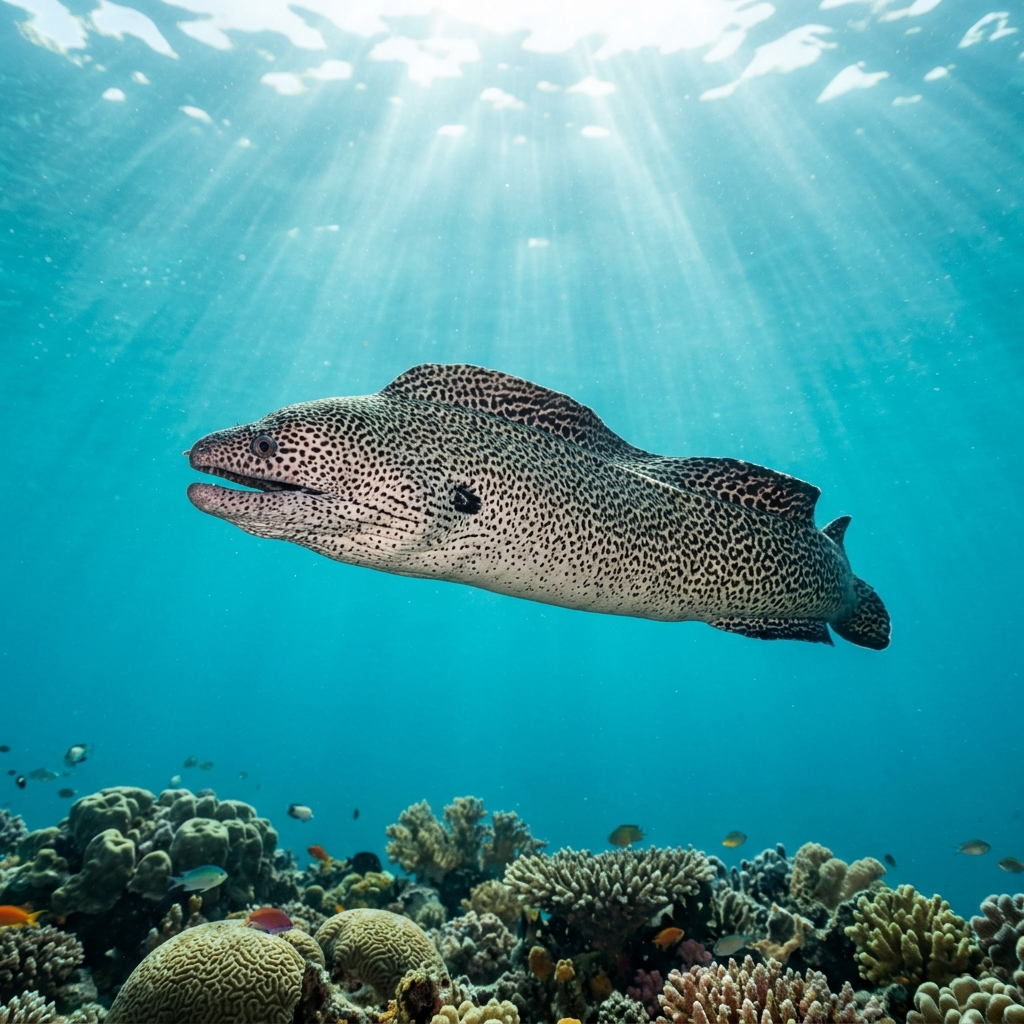
Palm Beach has a rich species list built on consistent reef habitats. Atlantic Goliath Grouper, Nurse Shark and Great Barracuda are regularly encountered across many sites. Spotted Scorpionfish and Frogfish reward divers who look carefully at the reef structure, while French Angelfish, Queen Angelfish and Honeycomb Cowfish are common on shallower sections. Green Sea Turtle and Loggerhead Sea Turtle appear occasionally.
Palm Beach caters to a wide range of experience levels. Sites such as Ballantine Reef, Paul's Reef and Drifting Spot are rated for beginners and offer manageable depths and mild conditions. Intermediate drift dives like Tunnels and Beach House step things up with stronger currents, while Captain Mike's and Hole in the Wall are reserved for advanced and technical divers respectively. Most beginners will find plenty of suitable options.
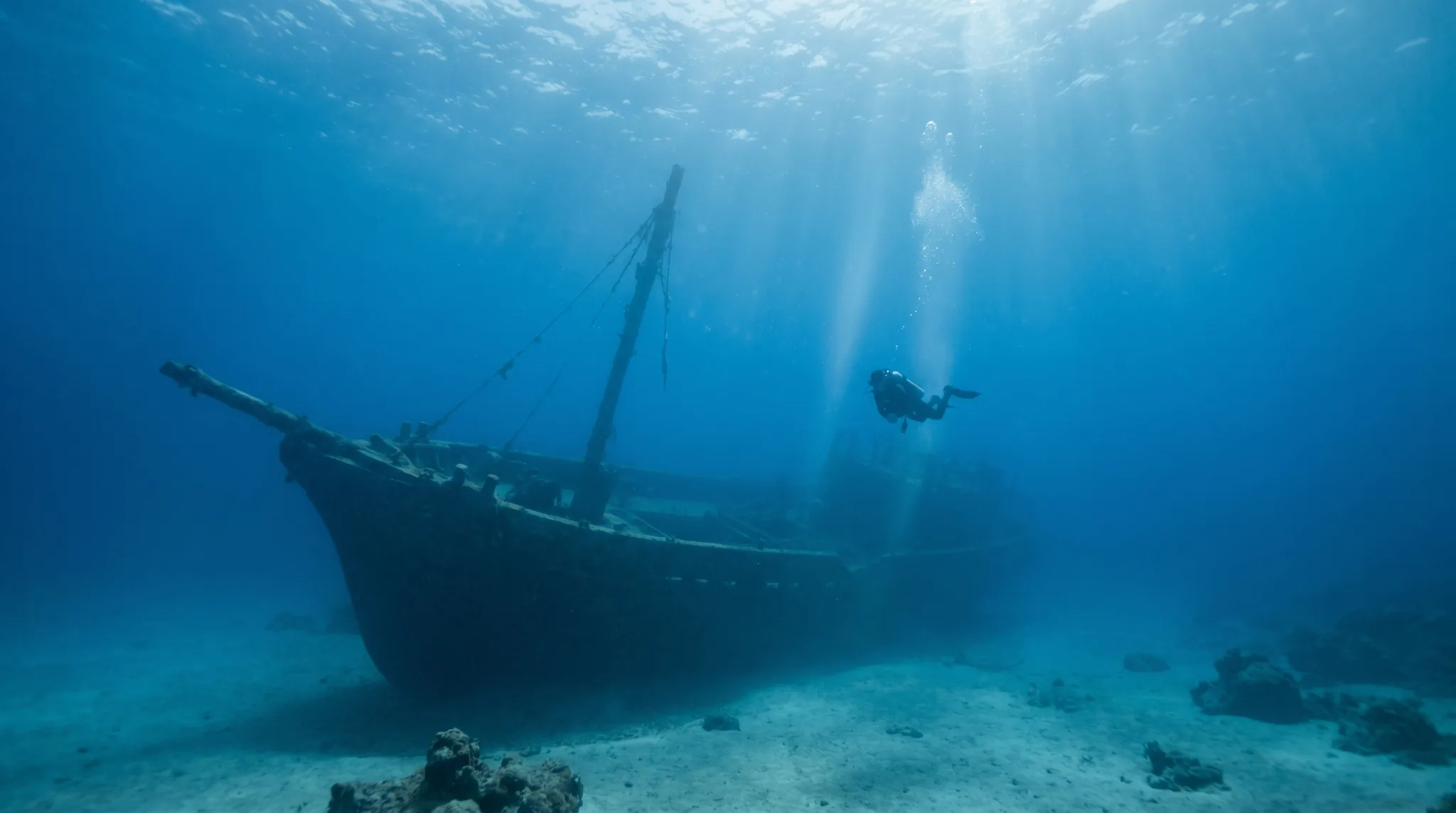
Palm Beach Island holds the largest concentration of sites and includes a mix of shallow reef dives and purpose-sunk wrecks such as the Ana Cecilia. Jupiter is home to stand-out drift and cavern dives like Tunnels and the deeper wall of Captain Mike's. Boynton Beach offers its own reef and drift options, including the Castor Wreck, alongside ledge topography at Boynton Ledges.
Virtually all dive sites in Palm Beach are accessed by boat. Operators such as Pura Vida Divers, Jupiter Scuba Diving, Florida Shark Diving and Brownie's Palm Beach Divers run regular charters across the three sub-areas. With more than thirty operators active in the region, booking a boat dive is straightforward regardless of which part of Palm Beach you are basing yourself in.