
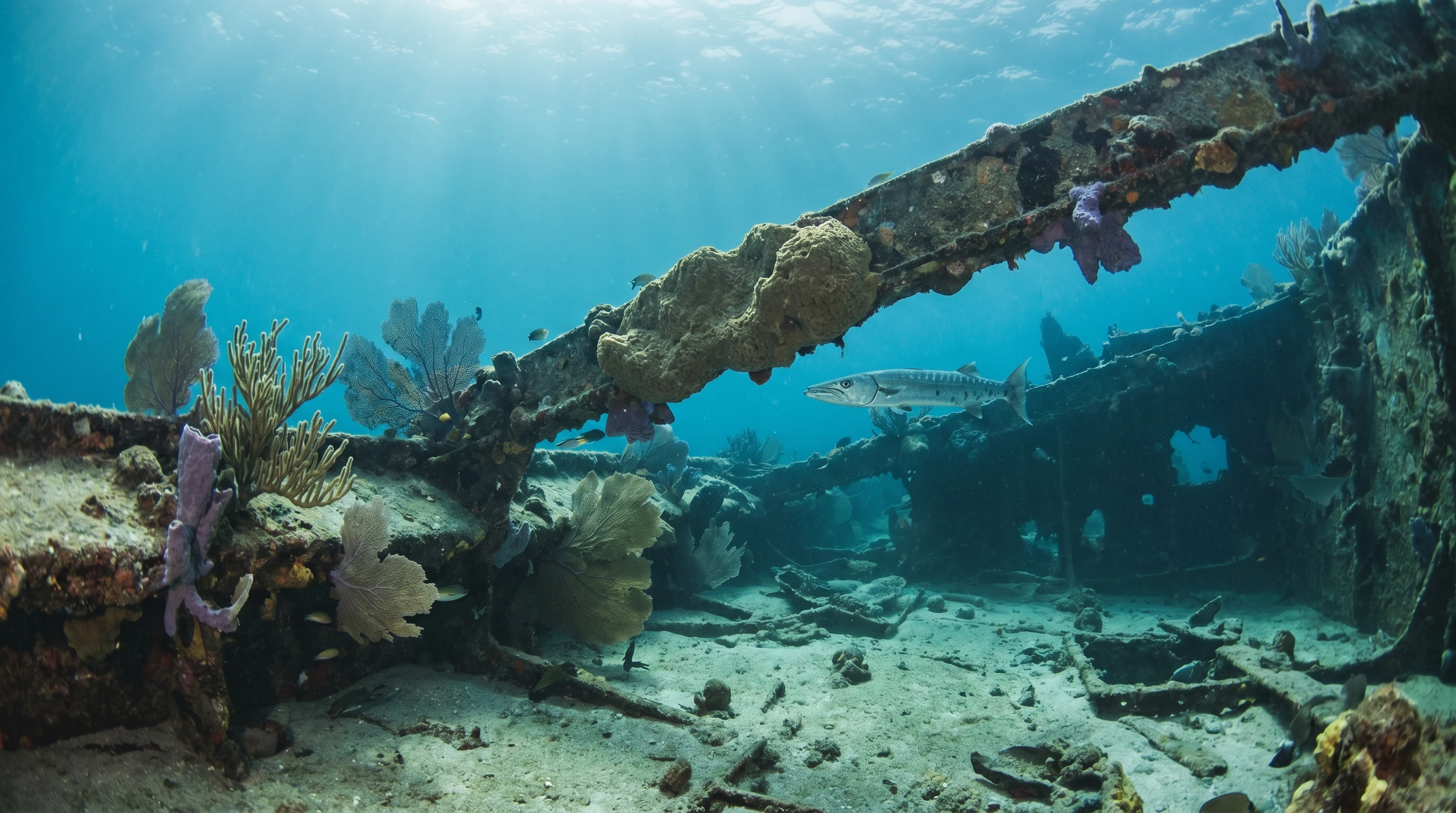
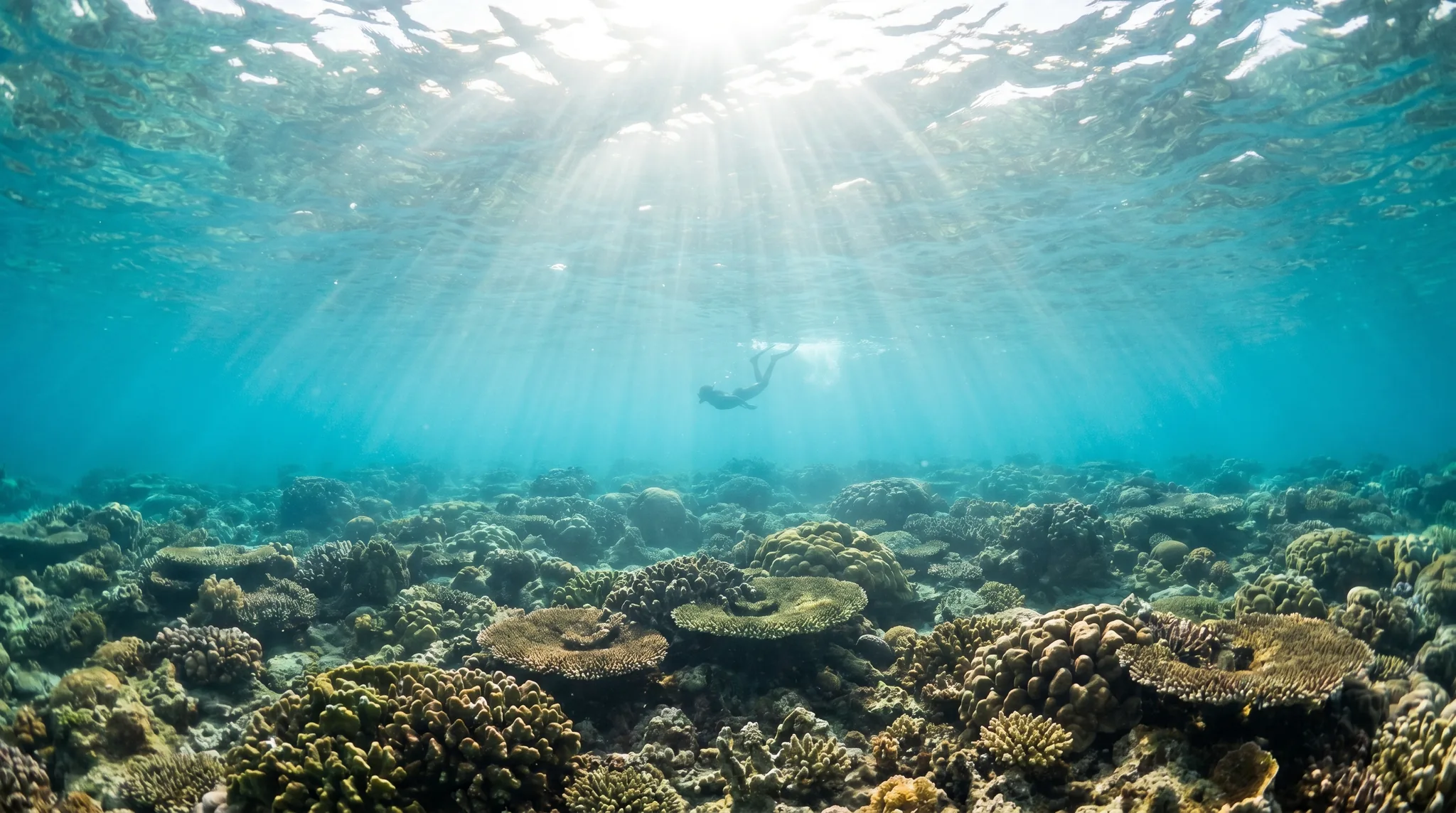
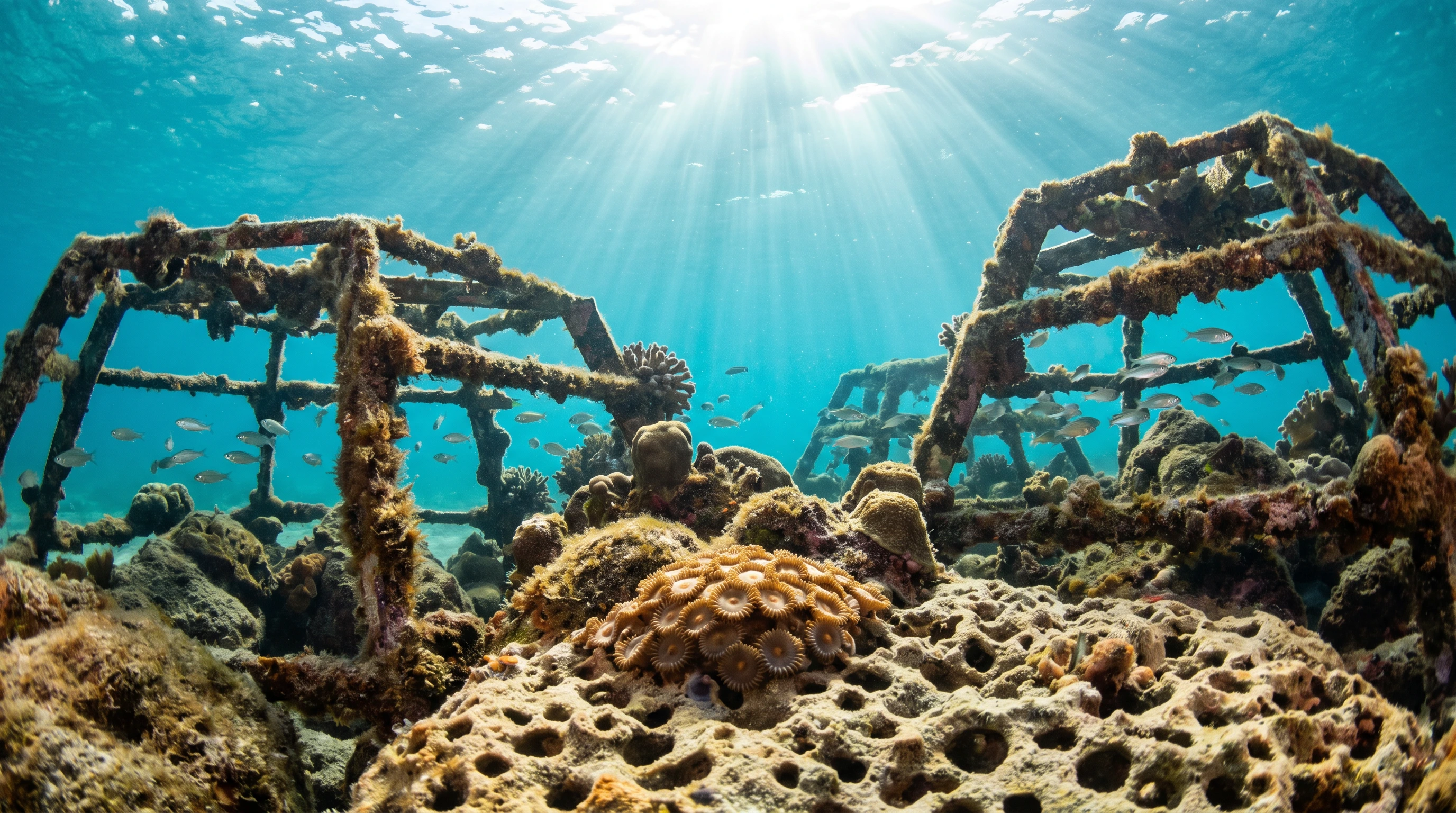
Fort Lauderdale's underwater character is defined by a dense network of artificial reef wrecks sitting alongside natural and biorock reefs, spread across three distinct sub-areas: Hollywood Beach, Lauderdale-by-the-Sea, and Fort Lauderdale Beach. Wrecks dominate at every skill level, from shallow beginner dives to technical-depth hulks. Angelfish, Blue Tang, and Nurse Shark are reliably encountered across sites, while the occasional West Indian Manatee appearance sets the region apart. Currents across many sites favour drift diving.
3 areas
Monthly water temperature across Fort Lauderdale's sites, from satellite sea-surface data corrected for depth. The band shows the site-to-site spread.
Water stays warm throughout the year, rising to its peak through the summer months and cooling only slightly in winter, making year-round diving comfortable. The busiest dive period runs from late spring through early autumn, when conditions and diver activity peak together. Many sites are drift dives, so currents are a constant consideration regardless of season.
63 operators
Terra Mar, United States
Deerfield Beach, United States
88 more sites to explore
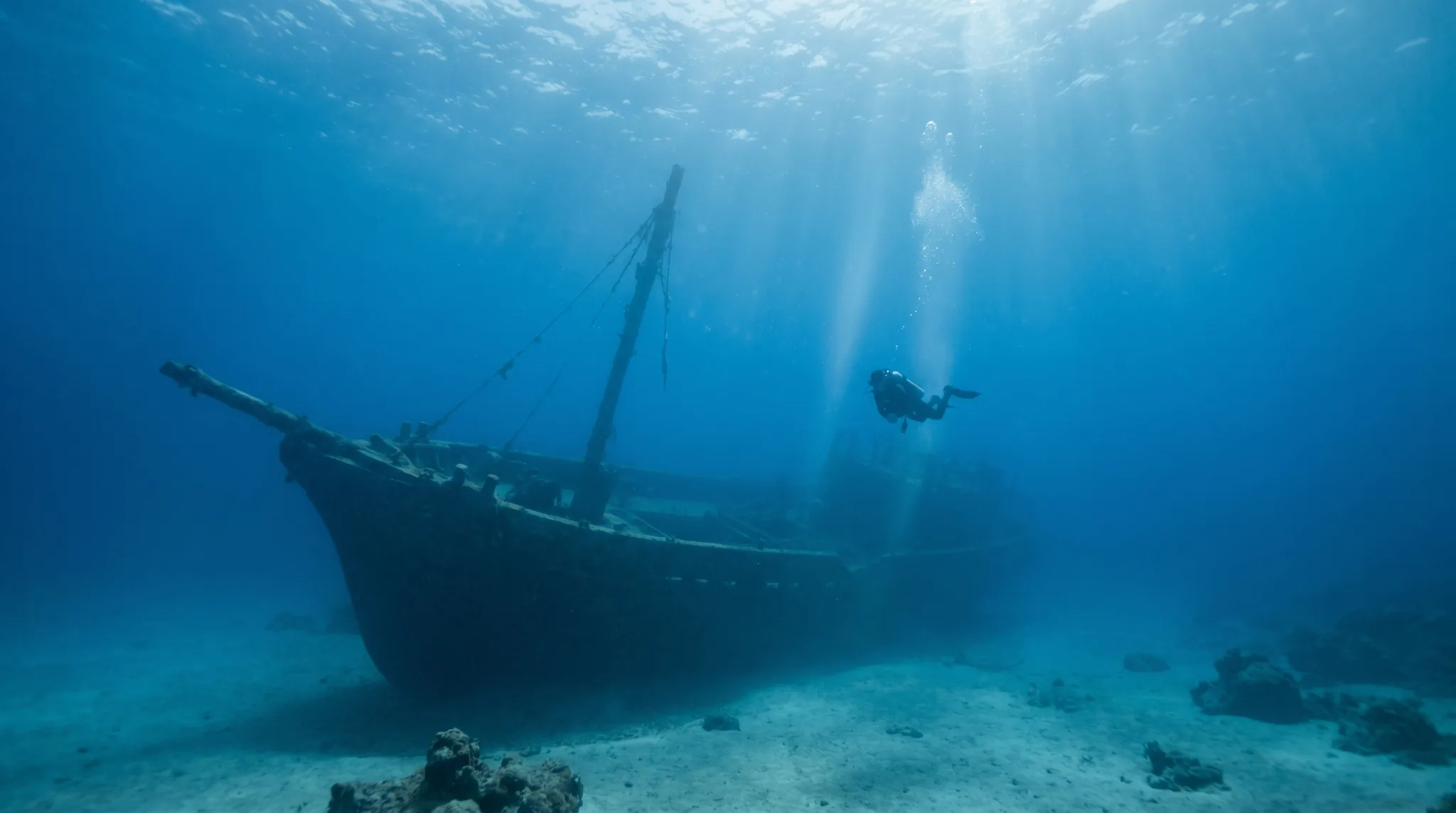
A wreck-heavy reef system off Southeast Florida, where artificial reefs attract manatees, eagle rays, and barracuda across all skill levels.
Water temperature around Fort Lauderdale ranges from about 25°C in January to 29°C in July, based on satellite sea-temperature data for its dive sites.
In the warm season (about 29°C) a rash guard or 3mm shorty is comfortable in Fort Lauderdale; in the coldest months (about 25°C) step up to a 3mm full suit.
Fin maps 100 sites in Fort Lauderdale (99 scuba diving sites and 19 snorkelling spots, with some suited to both), organised into 3 areas.
Across Fort Lauderdale's dive sites, May, June, July, August and September are most often reported as the best months to visit.
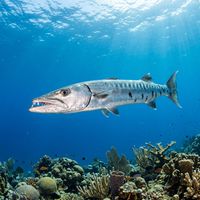
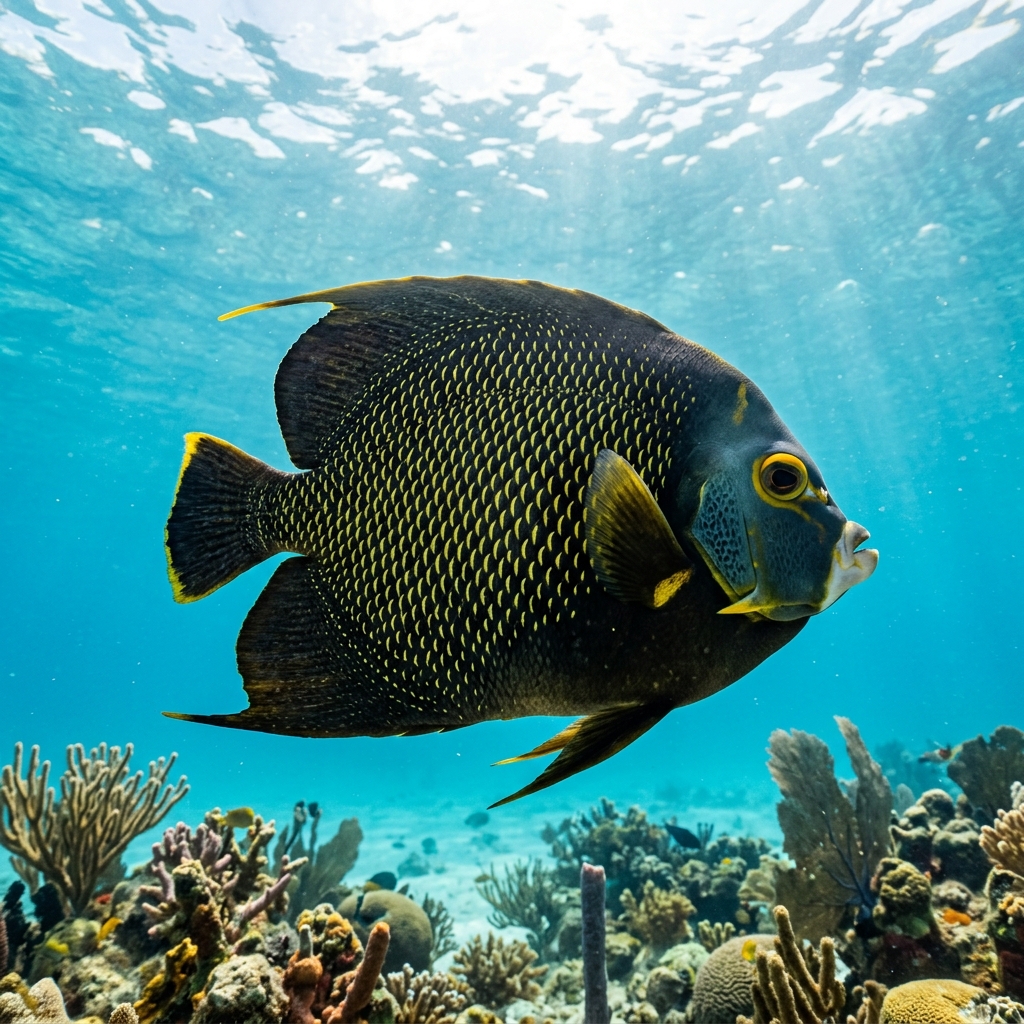
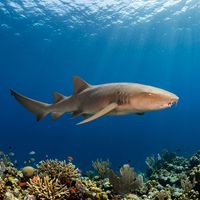
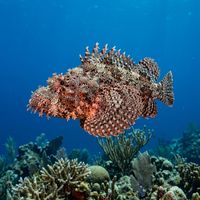
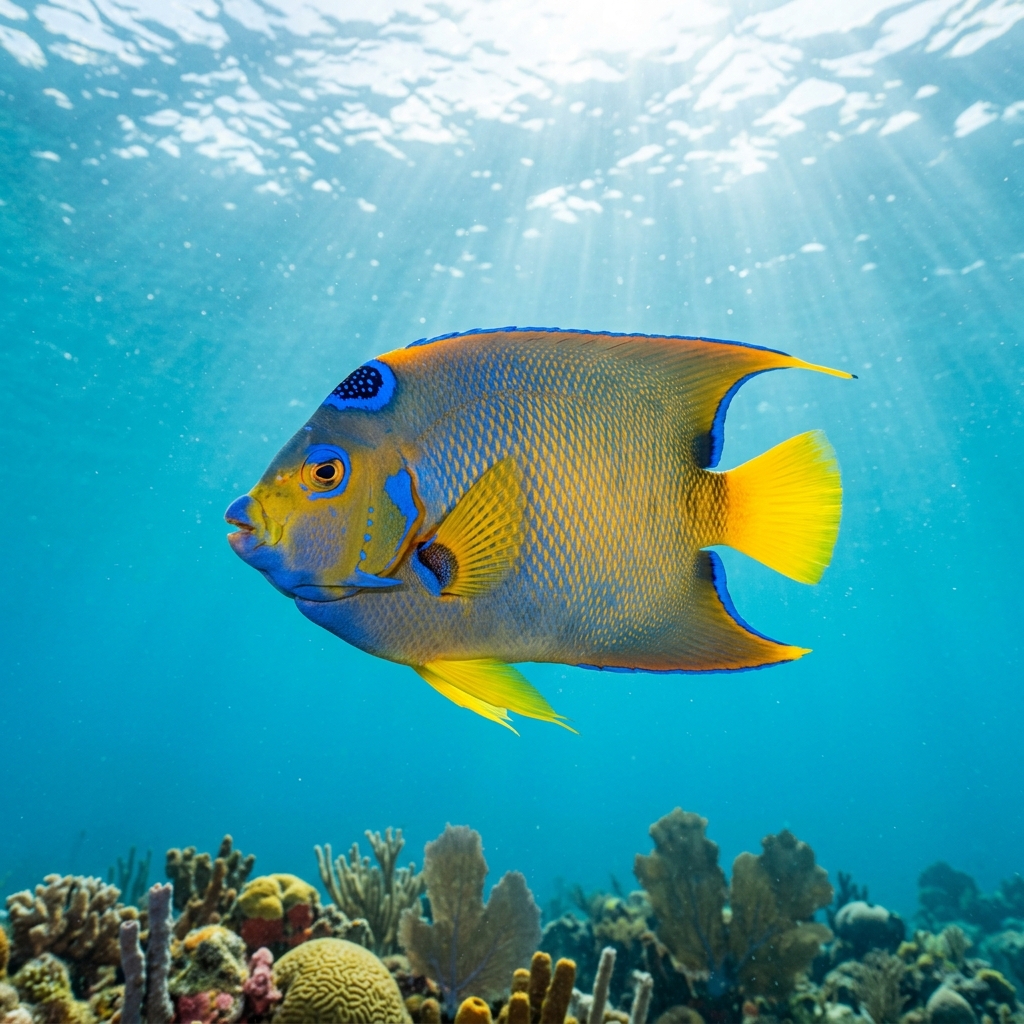
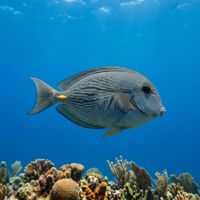
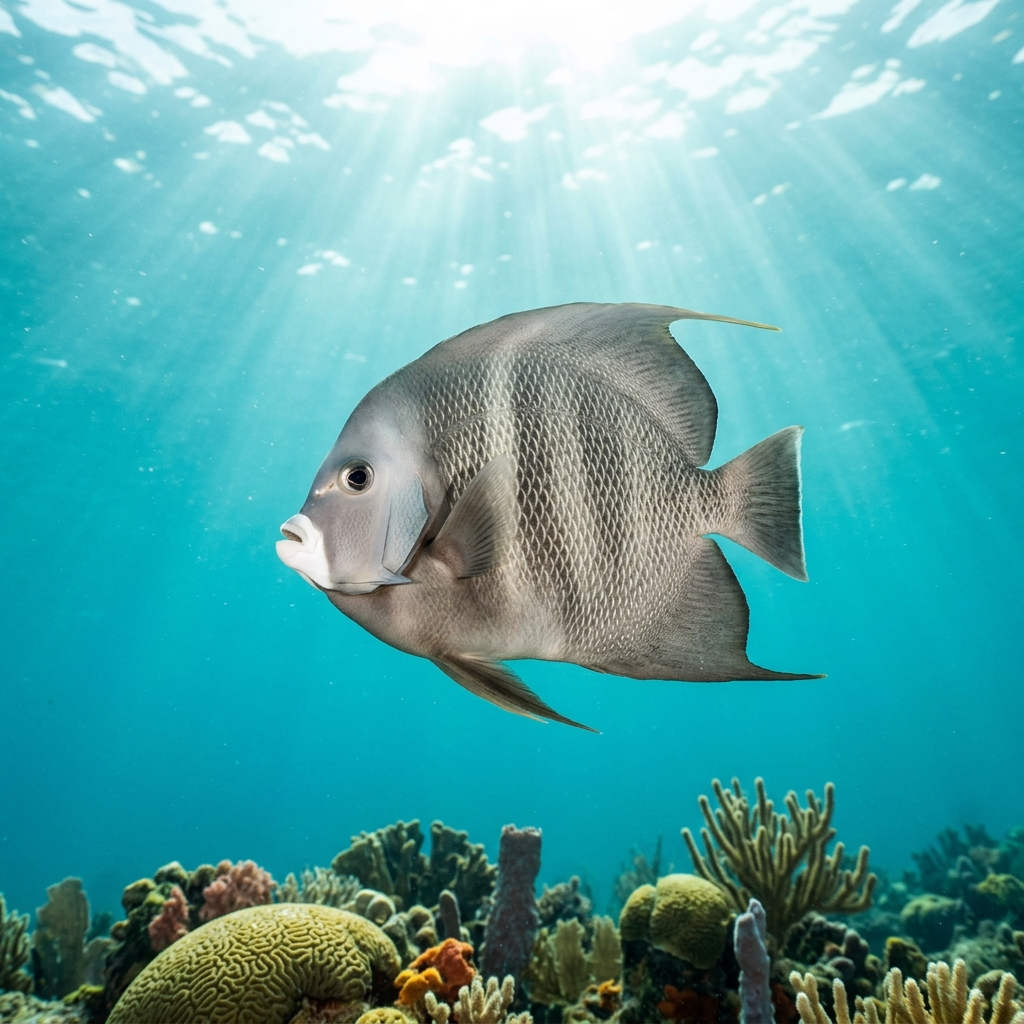
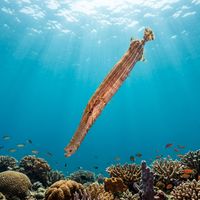
The reefs and wrecks host a rich variety of species observed across the region. Blue Tang, Gray Angelfish, French Angelfish, and Queen Angelfish are very commonly encountered, along with Great Barracuda, Nurse Shark, and Spotted Scorpionfish. Caribbean Spiny Lobster and Honeycomb Cowfish turn up regularly, and West Indian Manatee makes occasional appearances.
Yes, there are sites specifically suited to beginners, including Neptune Memorial Reef and the LBTS Biorock Reef, both of which sit at shallow depths and offer gentle conditions. Several purpose-sunk wrecks at intermediate depths broaden the range for those progressing. Advanced and technical sites such as the Hydro Atlantic and Narwall are reserved for experienced divers with appropriate certifications.
Hollywood Beach holds the largest concentration of sites and is home to several deep artificial reef wrecks, including Ultra Freeze and Orion Wreck, suited to advanced divers. Lauderdale-by-the-Sea offers a broad mix from the very shallow LBTS Biorock Reef to the technical-depth Hydro Atlantic, with the widest range of skill levels catered for. Fort Lauderdale Beach includes notable sites such as the Mercedes I drift wreck and the Southern Broward County Reefs, a series of natural and drift dive locations.
The majority of sites in Fort Lauderdale require boat access, as most wrecks and reefs sit well offshore. A small number of sites, including the LBTS Biorock Reef and Pompano Beach, can be reached from shore or by either method. Operators such as Squalo Divers, Gold Coast Scuba, and Force-E Scuba Centers run regular boat charters to the main sites.