
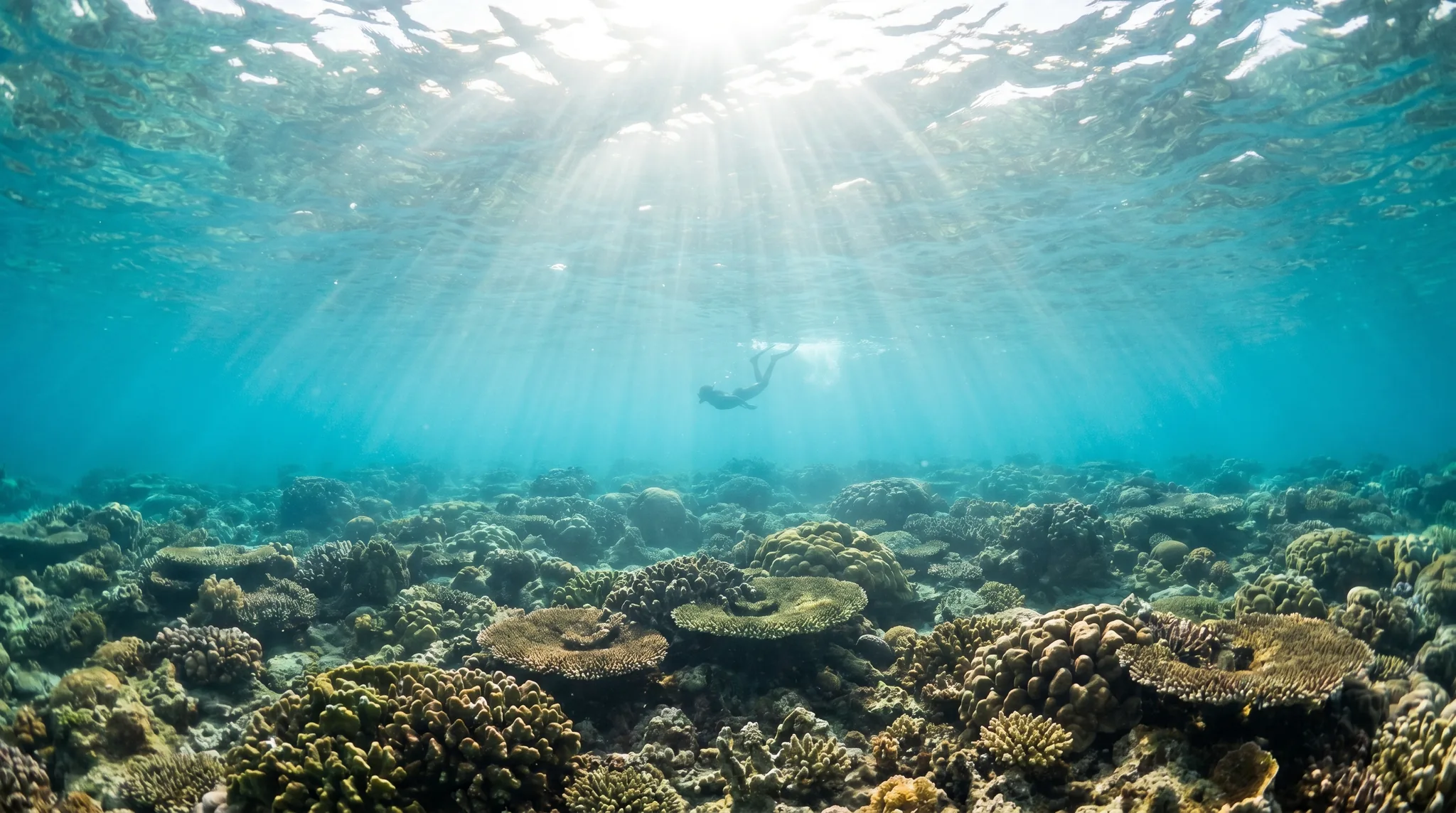
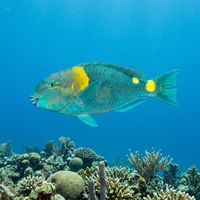
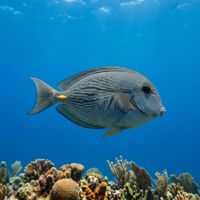
John Pennekamp Coral Reef State Park offers a concentrated mix of natural coral reefs, historic wrecks and artificial structures, all reached by boat from Key Largo. The majority of sites suit beginners, with shallow coral heads, gently sloping reefs and a distinctive bronze statue at Dry Rocks drawing most visitors. Deeper wrecks such as Doc de Milly extend the range for advanced divers. Parrotfish, Nurse Shark and Blue Tang are reliably present across the reef system.
Monthly water temperature across John Pennekamp Coral Reef State Park's sites, from satellite sea-surface data corrected for depth. The band shows the site-to-site spread.
Water stays warm throughout the year, rising to its peak through summer and easing back gradually through autumn. Spring through early autumn draws the most dive activity, when conditions are typically settled and visibility at its best. Winter diving remains viable, though cooler water and variable conditions make it quieter.
1 operator
United States
13 more sites to explore
Water temperature around John Pennekamp Coral Reef State Park ranges from about 24°C in January to 29°C in July, based on satellite sea-temperature data for its dive sites.
In the warm season (about 29°C) a rash guard or 3mm shorty is comfortable in John Pennekamp Coral Reef State Park; in the coldest months (about 24°C) step up to a 3mm full suit.
Fin maps 25 sites in John Pennekamp Coral Reef State Park (24 scuba diving sites and 4 snorkelling spots, with some suited to both).
Across John Pennekamp Coral Reef State Park's dive sites, May, June, July, August and September are most often reported as the best months to visit.
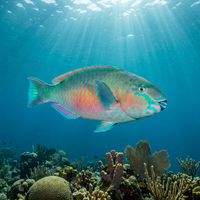
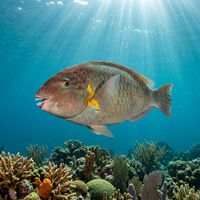
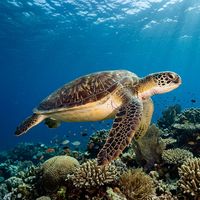
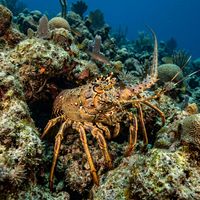
The reef system supports a wide range of species. Blue Tang, Queen Parrotfish, Redband Parrotfish and Stoplight Parrotfish are very commonly observed, as is the Nurse Shark. You may also encounter Great Barracuda, Caribbean Spiny Lobster, Flamingo Tongue and, occasionally, Green Sea Turtle, Atlantic Goliath Grouper and West Indian Manatee.
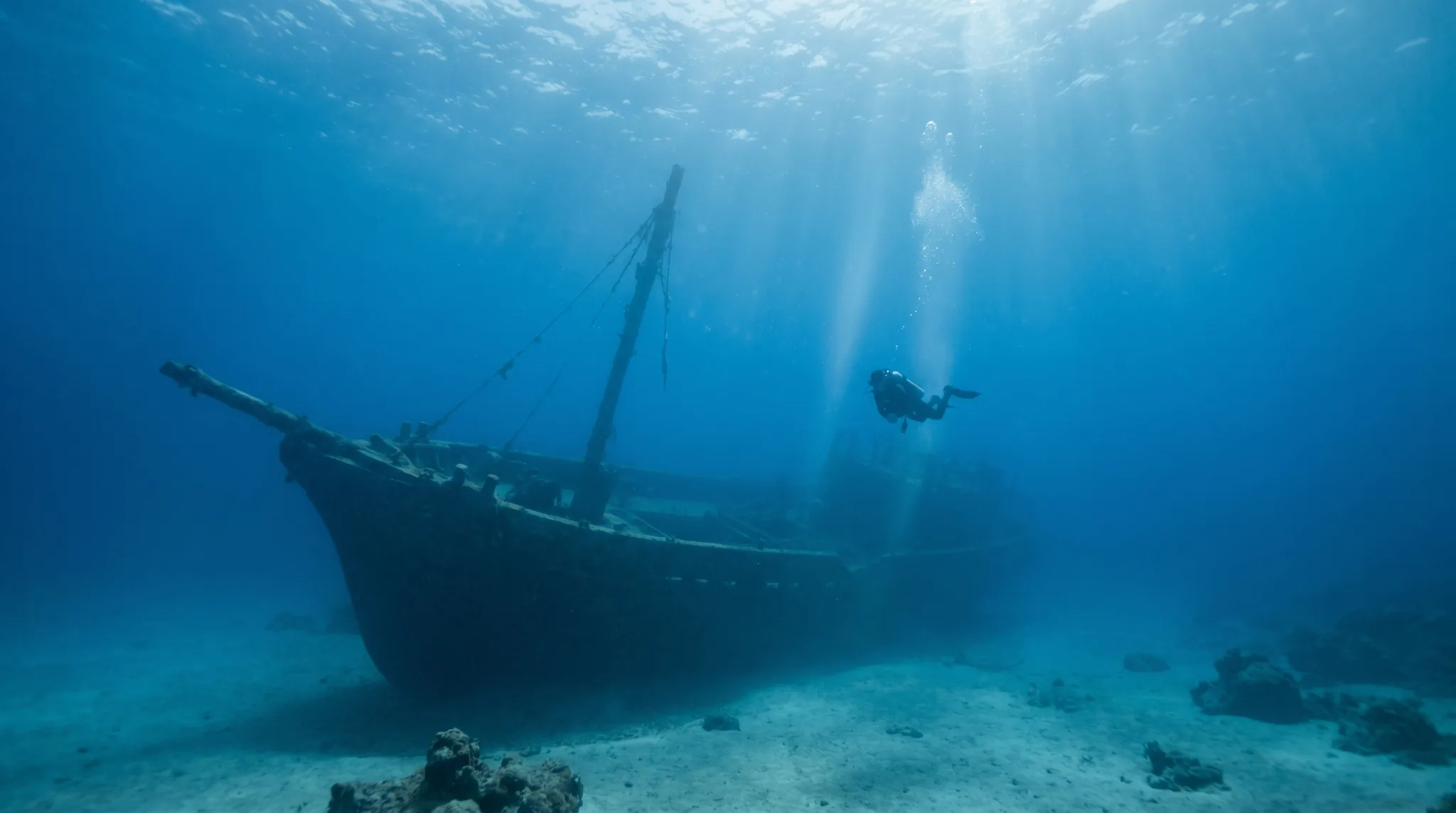
The majority of sites here are rated beginner level, including popular shallow reefs such as Dry Rocks, Grecian Rocks, Banana Patch Reef and the Lugano wreck. Most of these are shallow boat dives requiring no previous experience beyond an entry-level certification. Advanced divers have options too, most notably the deep wreck Doc de Milly.
All sites in the park require boat access. Operators such as Key Largo Scuba Diving run guided trips out to the reef. There are no shore-entry dive sites listed within the park.
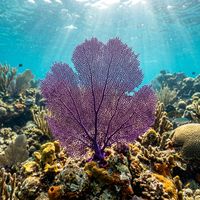
The park combines natural coral reefs, historic shipwrecks and purpose-sunk artificial reefs. Several sites blend all three, such as The Elbow, where natural reef meets wreck structure. The Christ of the Abyss statue at Dry Rocks adds a distinctive artificial feature to an otherwise natural reef setting. This variety means divers can shift between reef ecology and wreck exploration within the same trip.