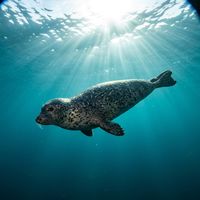
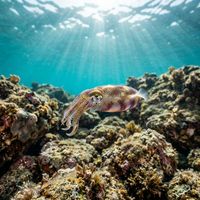
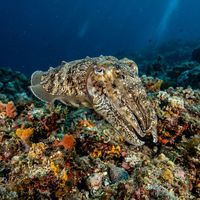
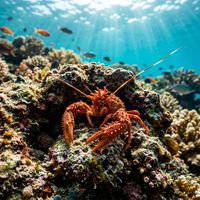
Scotland's underwater landscape is defined by wreck diving of rare historical depth, dramatic reef and wall topography, and cold-water species found nowhere warmer. Scapa Flow anchors the east with battleships and light cruisers of the German High Seas Fleet, while the West Highlands and Sound of Mull offer walls, kelp forests, and shore-accessible reefs. The Firth of Forth and Borders cluster around the St Abbs reserve, where caves, drift sites, and wrecks suit a range of skill levels. Across all areas, the Harbor Seal, Squat Lobster, European Common Cuttlefish, and Bobtail Squid are regularly encountered. Sub-areas from Clyde and Arran to the Outer Hebrides extend the variety considerably.
7 areas
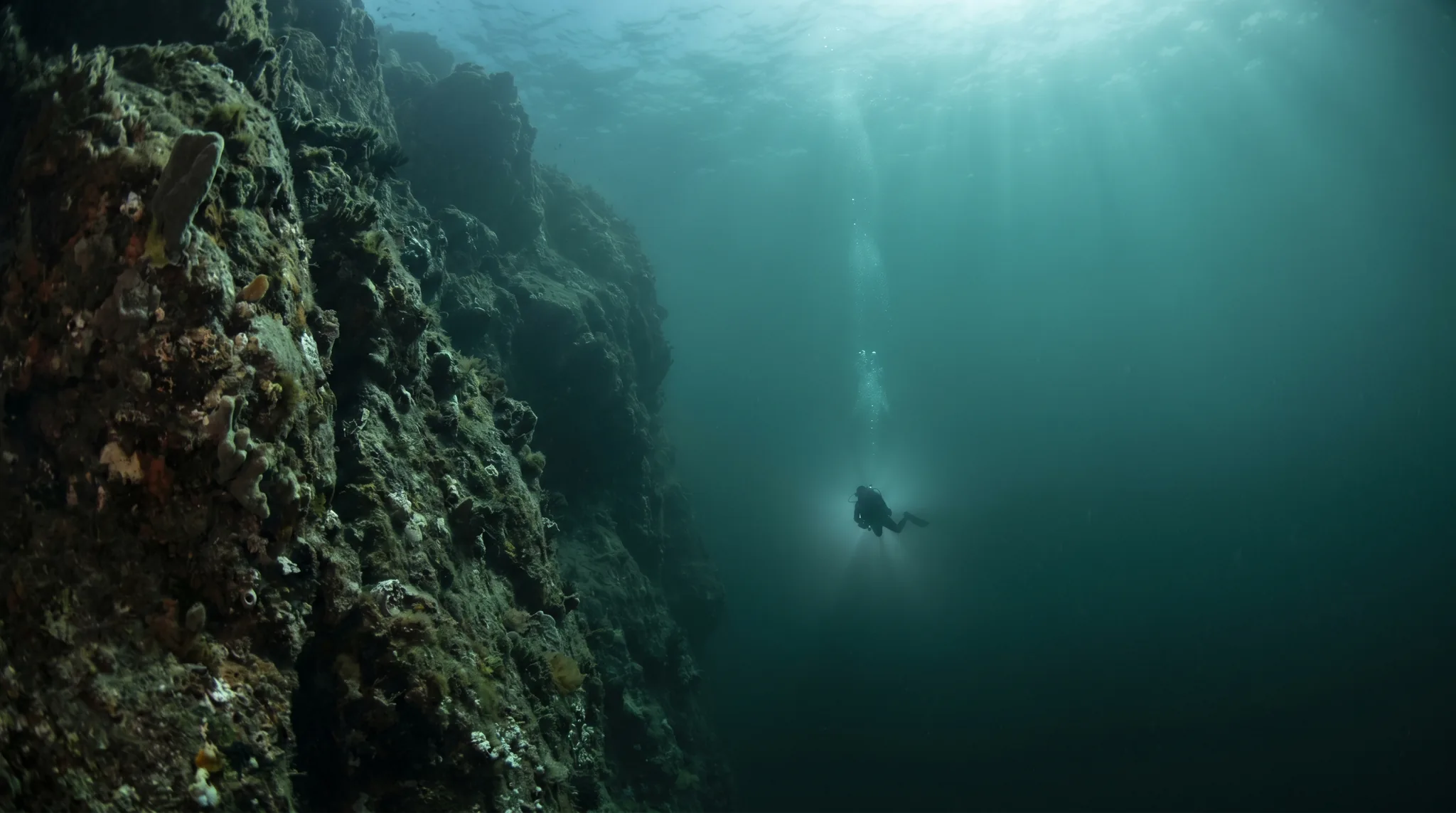 46
46Scotland's loch and coastal diving at its most varied: walls, wrecks, and abundant cold-water life including Catshark, Conger Eel, and Harbor Seal.
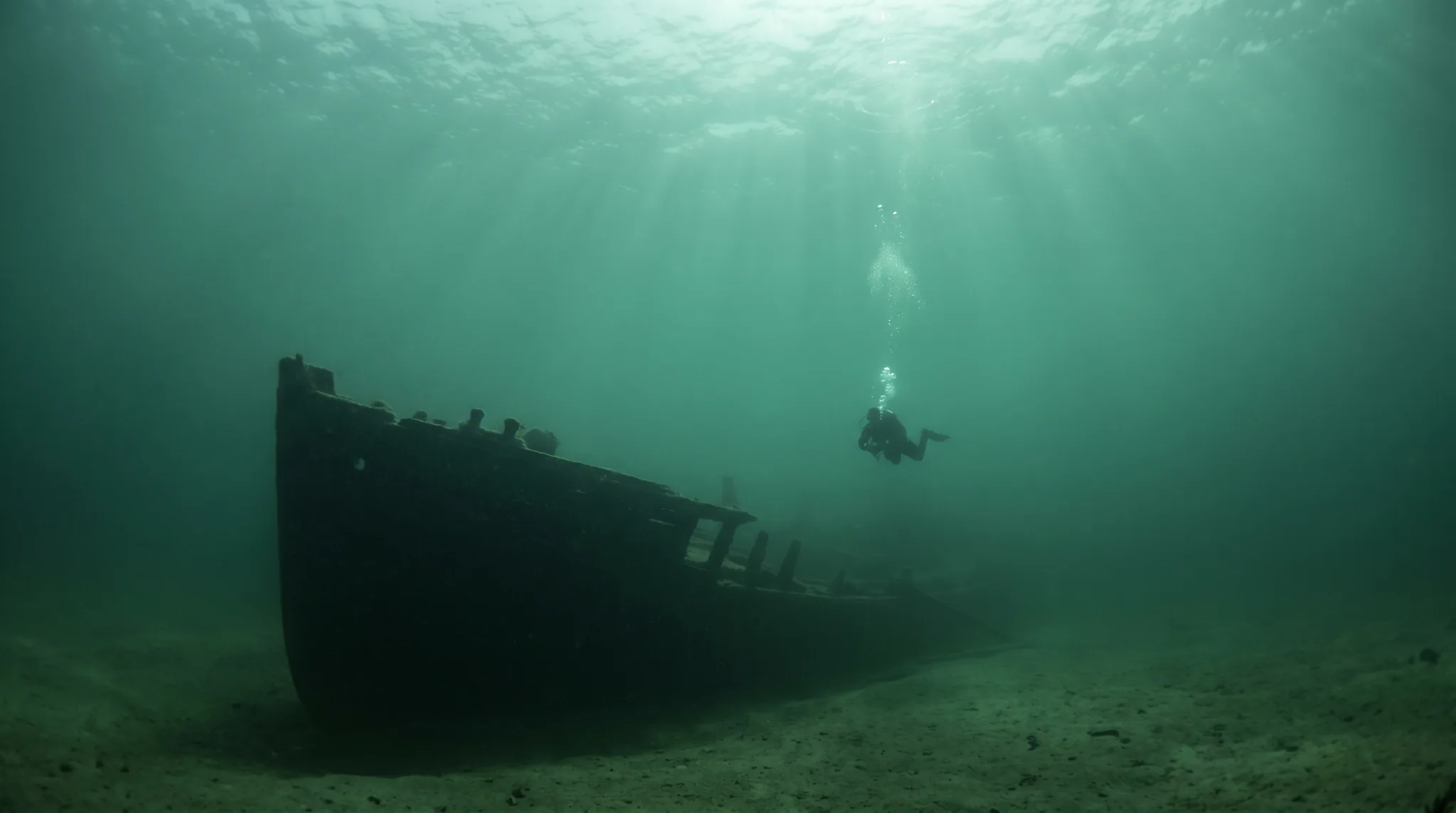 34
34Legendary wartime wrecks in Scapa Flow alongside seals, cuttlefish and kelp reefs across Orkney, Shetland and the Faroe Islands.
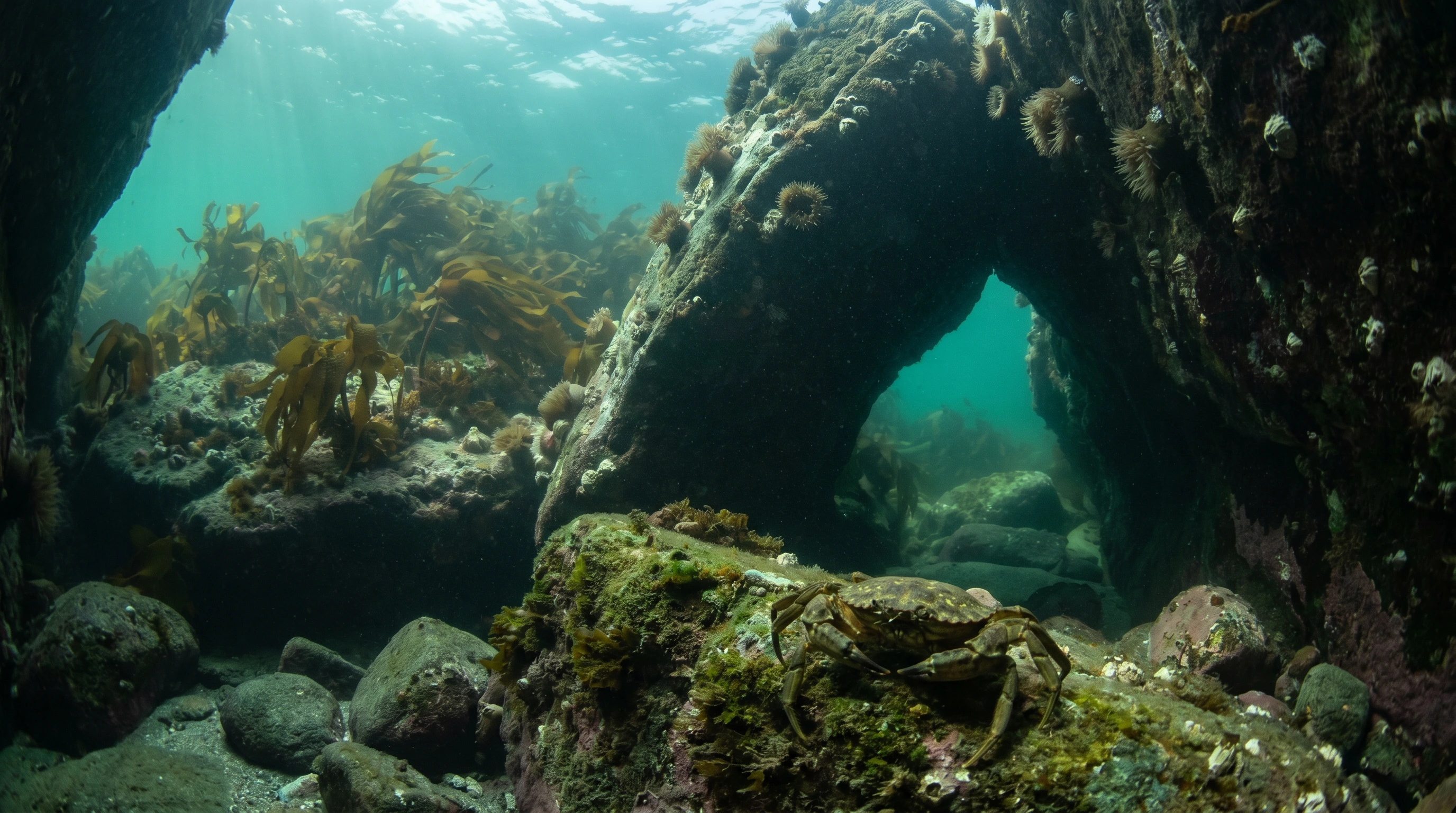 24
24Cold-water reef and wreck diving centred on St Abbs Marine Reserve, with Gray Seal, Atlantic Wolffish and rich invertebrate life.

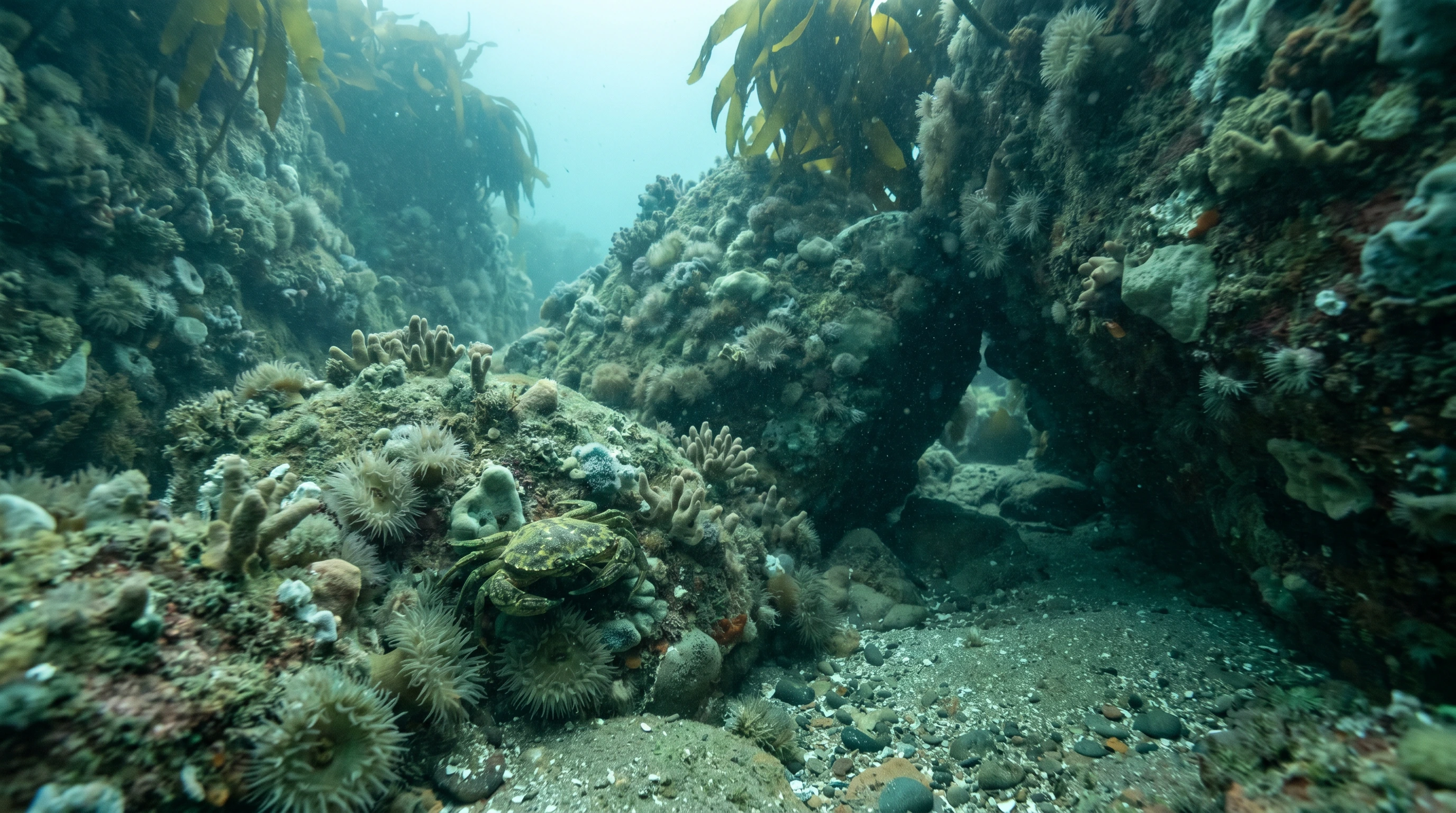
Monthly water temperature across Scotland's sites, from satellite sea-surface data corrected for depth. The band shows the site-to-site spread.
Water is cold year-round, rising to its warmest in late summer and cooling sharply through autumn and winter. The peak season runs from late spring through early autumn, when conditions are most settled and visibility tends to be at its best. Exposed sites in the West Highlands and Outer Islands can carry strong tidal currents, so timing dives to slack water is important, particularly at wall and drift sites.
79 operators
Wrecks, seals and dense cold-water invertebrate life across a compact mix of dive and snorkel sites.
Water temperature around Scotland ranges from about 8°C in February to 14°C in August, based on satellite sea-temperature data for its dive sites.
In the warm season (about 14°C) a 7mm or semi-dry suit is comfortable in Scotland; in the coldest months (about 8°C) step up to a drysuit.
Fin maps 147 sites in Scotland (100 scuba diving sites and 59 snorkelling spots, with some suited to both), organised into 7 areas.
Across Scotland's dive sites, May, June, July, August and September are most often reported as the best months to visit.
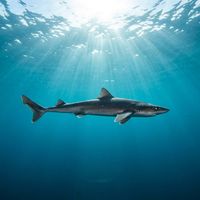
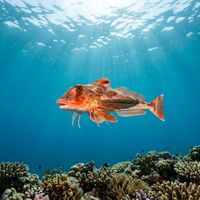
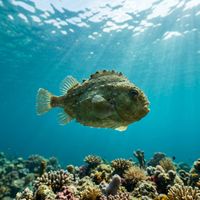
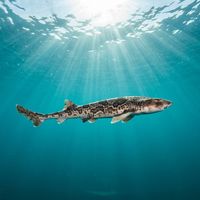
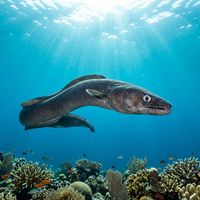
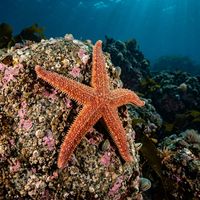
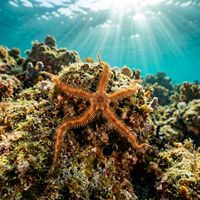
Scotland's waters are home to a distinctive cold-water community. The Squat Lobster, Brittle Star, and Common Sea Star are found across a wide range of sites, while Cod, Catshark, Dogfish, and Monkfish are common on reefs and wrecks. Signature encounters include the Harbor Seal and European Common Cuttlefish, and the Bobtail Squid is regularly observed. Conger Eel and Lumpfish are also frequently reported.
Scotland has sites across the full skill range. Beginner-rated sites include Cathedral Rock and the St Abbs and Eyemouth Voluntary Marine Reserve, both of which offer shallow, varied topography with shore or boat access. More advanced sites such as Scapa Flow and Stallion Rock require experience with depth and current. Operators including Puffin Dive Centre and The Edinburgh Diving Centre are well placed to guide less experienced divers.
Scapa Flow in the Outer Islands is the focus for wreck diving, with large fleet wrecks at depth suited to intermediate and advanced divers. The West Highlands and Sound of Mull offer walls, reefs, and wreck sites with both shore and boat entry, while the Firth of Forth and Borders area centres on the St Abbs reserve with its caves, drift sites, and reef diving. Clyde and Arran adds sheltered loch and coastal diving closer to central Scotland.
Several of Scotland's well-regarded sites are accessible from shore, including Lochaline, which offers wrecks, walls, and reefs from a single shore entry, and Green Ends Gully within the St Abbs reserve. Many of the Scapa Flow wrecks and offshore sites such as Glanmire and SMS Karlsruhe require boat access. A mix of both entry types is available at sites like Cathedral Rock and Stallion Rock, giving flexibility depending on conditions and group logistics.