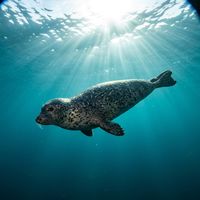
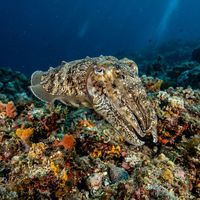
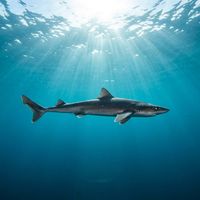
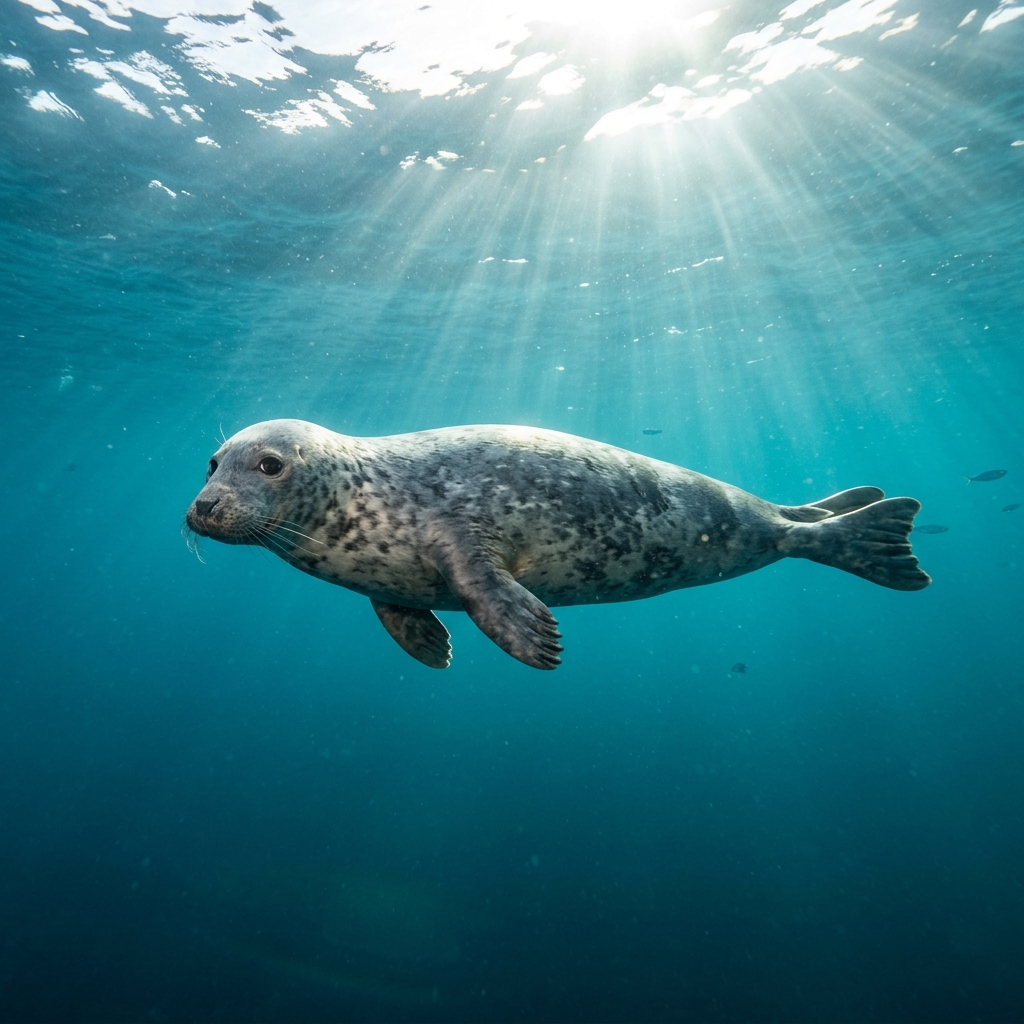
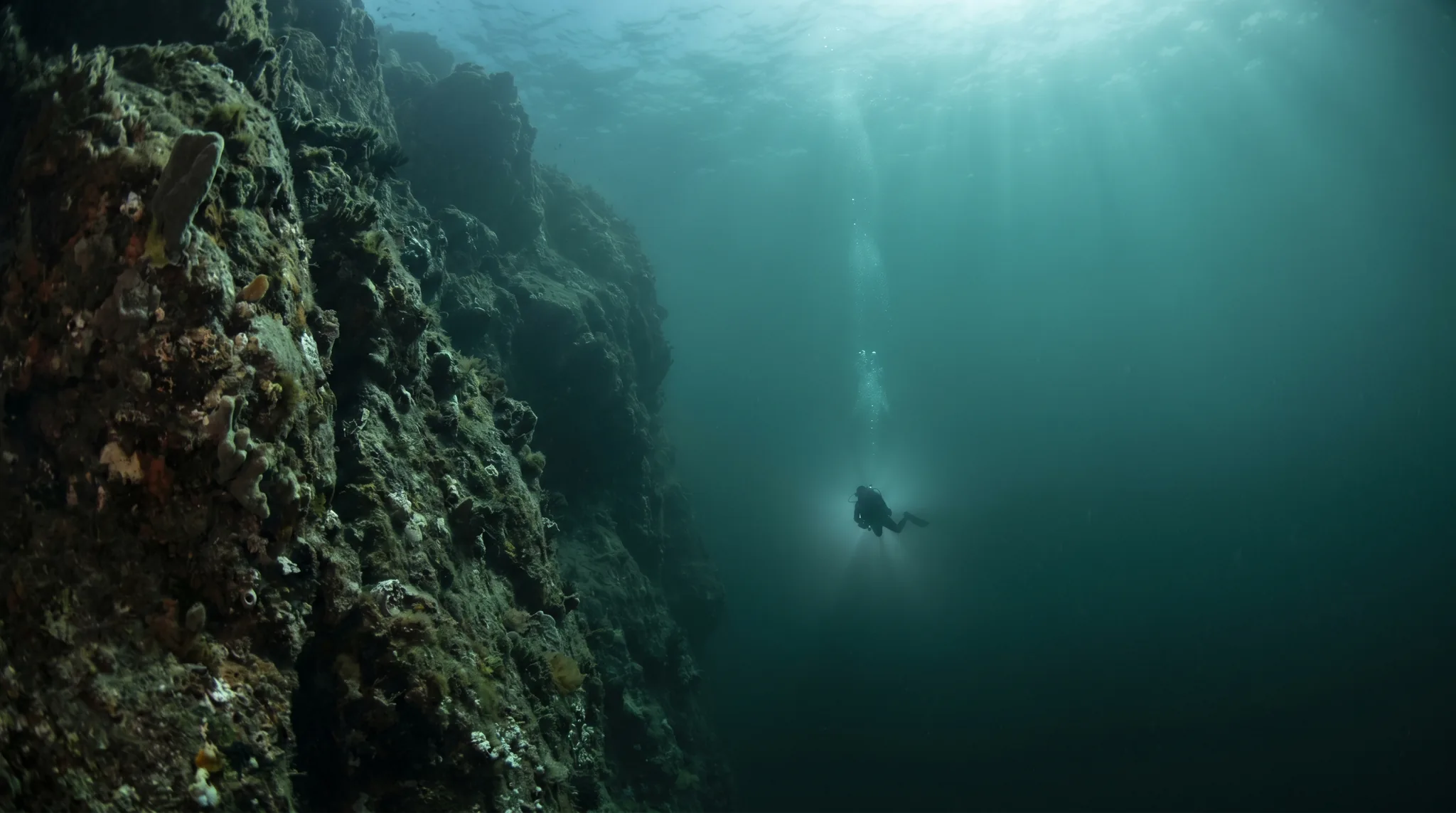
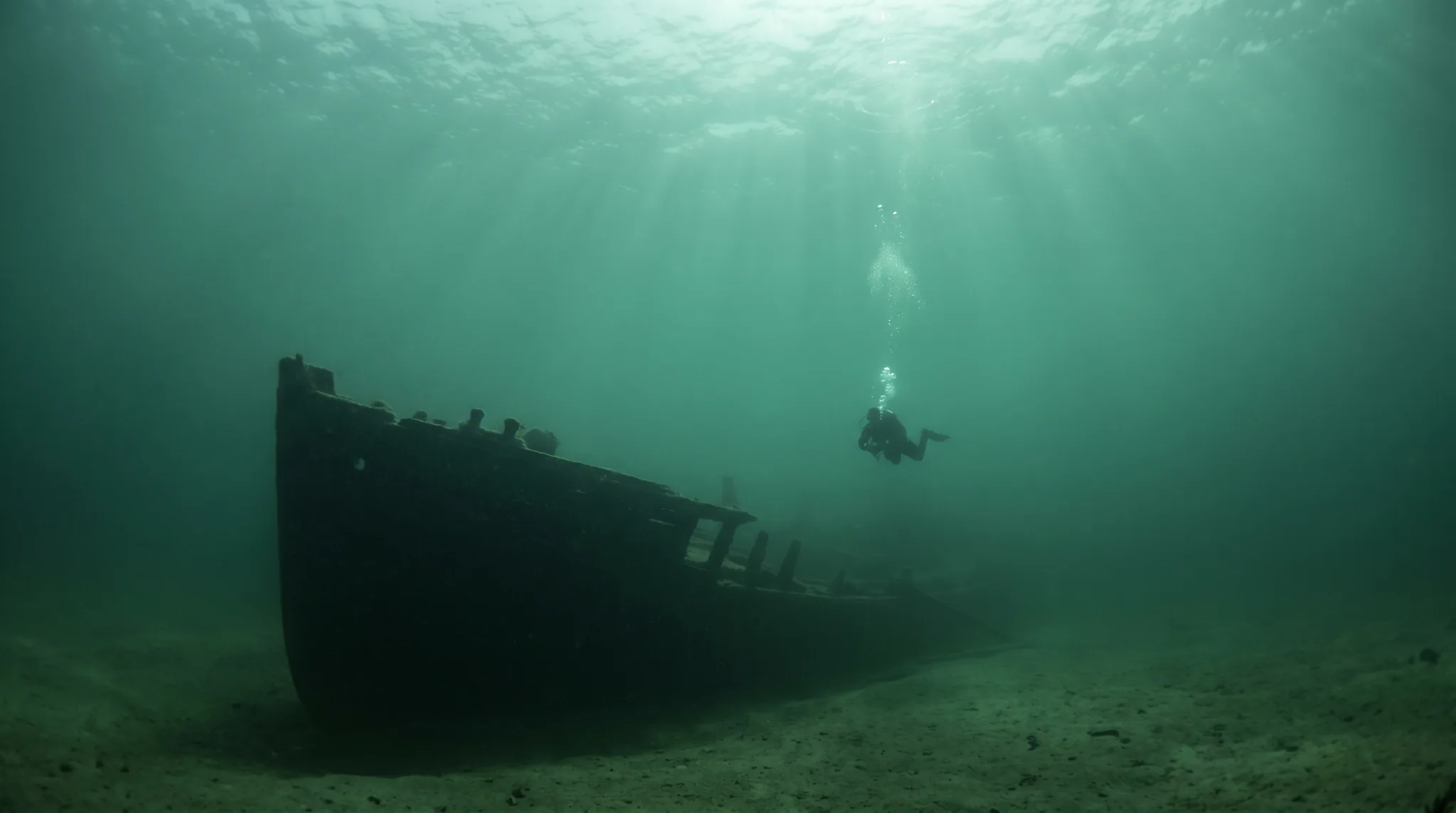
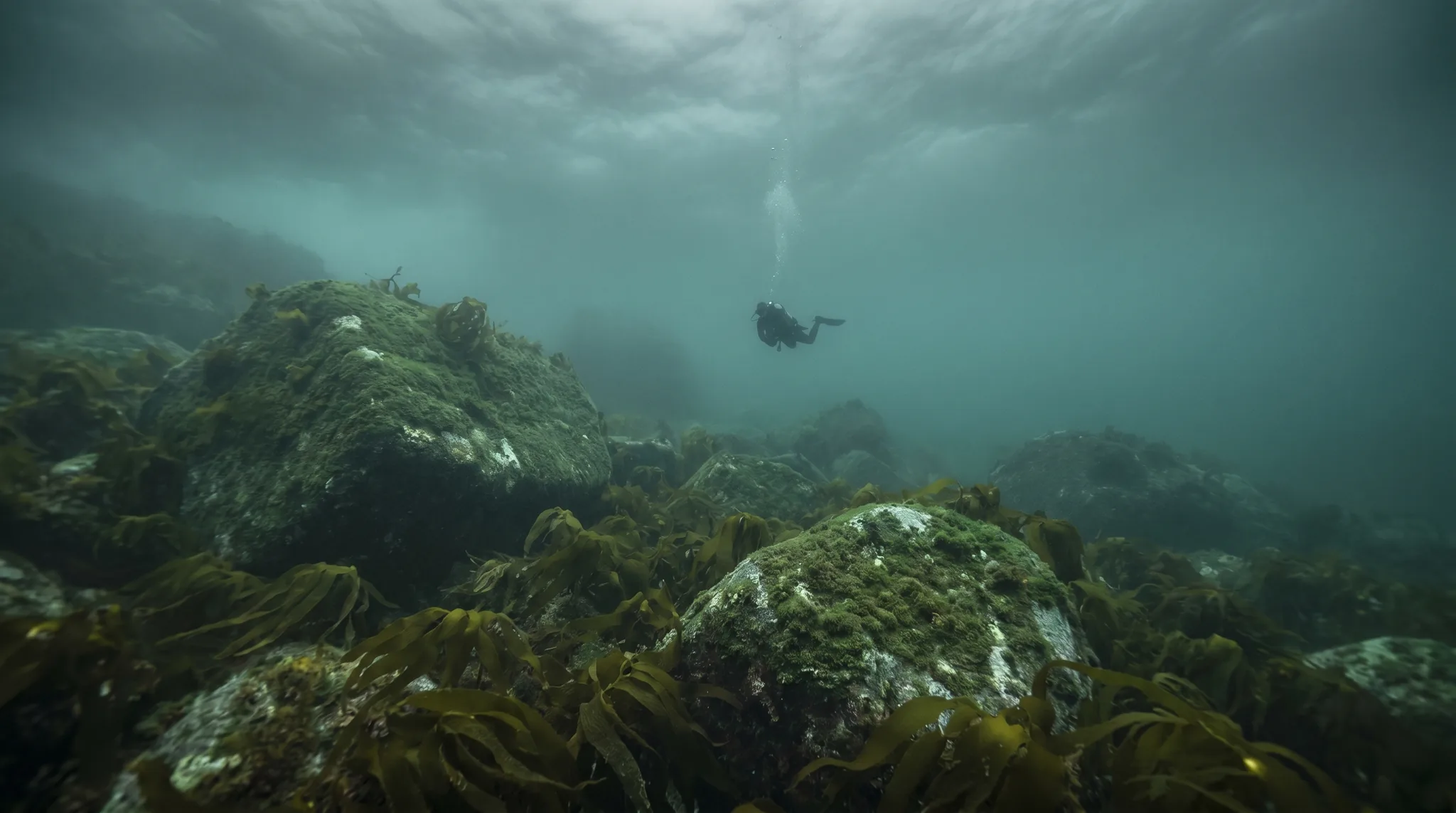
The Outer Islands span Orkney, Shetland, and the Faroe Islands, each with a distinct underwater character. Orkney is dominated by the scuttled German High Seas Fleet in Scapa Flow, offering some of the most significant wreck diving in Scotland. Shetland adds reef and open-water variety, while the Faroe Islands contribute kelp forests, drop-offs, and cave systems. Harbor Seal and Gray Seal are frequently observed across the region, alongside Cod, Dogfish, and European Common Cuttlefish.
3 areas
Monthly water temperature across Outer Islands's sites, from satellite sea-surface data corrected for depth. The band shows the site-to-site spread.
Water stays cold year-round, warming slightly from summer into early autumn when conditions are most settled and visibility tends to be at its best. The best-months data points strongly to late spring through early autumn as the prime window for diving, with Scapa Flow's deep wrecks requiring dry-suit experience at any time of year. Exposed sites in Shetland and the Faroe Islands can carry strong currents, making conditions more variable outside the summer months.
11 operators
Klaksvik, Faroe Islands
United Kingdom
26 more sites to explore
Home to the scuttled German High Seas Fleet, Orkney offers wreck diving of extraordinary scale alongside rich nudibranch and seal encounters.
Water temperature around Outer Islands ranges from about 8°C in February to 13°C in August, based on satellite sea-temperature data for its dive sites.
In the warm season (about 13°C) a 7mm or semi-dry suit is comfortable in Outer Islands; in the coldest months (about 8°C) step up to a drysuit.
Fin maps 34 sites in Outer Islands (21 scuba diving sites and 15 snorkelling spots, with some suited to both), organised into 3 areas.
Across Outer Islands's dive sites, May, June, July, August, September and October are most often reported as the best months to visit.
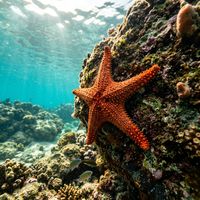
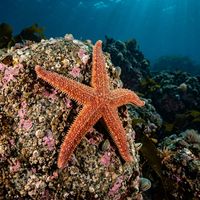
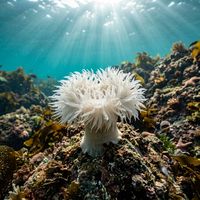
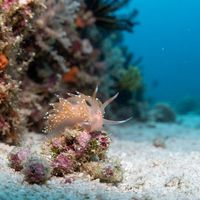
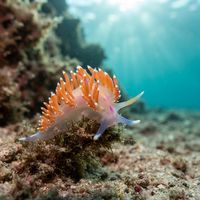
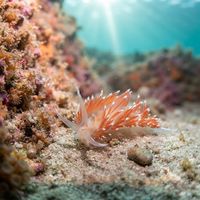
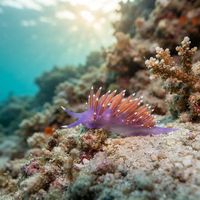
The region has strong observation records for Harbor Seal, Gray Seal, and European Common Cuttlefish, which are considered signature species here. Cod, Dogfish, Brittle Star, Sea Anemone, and Conger Eel are also regularly observed across sites. Less frequent but recorded sightings include Atlantic Wolffish and Orange-clubbed Nudibranch, making the region rewarding for marine life variety beyond the wrecks.
Most of the headline sites, particularly the deeper Scapa Flow battleships such as SMS Markgraf, are rated advanced and require dry-suit experience given the cold water and depth. A number of sites are rated intermediate, and the James Barrie within the Scapa Flow area is noted as suitable for newly certified divers. Beginners should discuss site selection carefully with local operators such as The Diving Cellar or North Atlantic Diving before planning a trip.
Orkney is centred on the Scapa Flow wreck fleet and accounts for the majority of sites in the region, with boat-access wreck and artificial reef diving as the dominant experience. Shetland offers a smaller but varied selection of sites, while the Faroe Islands, covered by operator Faroe Dive Sp/f, feature reef, kelp forest, drop-off, and cave diving alongside the Olavur Gregersen wreck. Each sub-area requires boat access and has its own exposure characteristics.
All of the top-listed sites across the Outer Islands are accessed by boat, and this pattern holds across Orkney, Shetland, and the Faroe Islands. Local dive operators including The Diving Cellar, North Atlantic Diving, Faroe Dive Sp/f, and Aberdeen Sub-Aqua Club organise boat charters to the sites. Planning your dives through an established operator is the most practical approach, particularly for the deeper Scapa Flow wrecks.