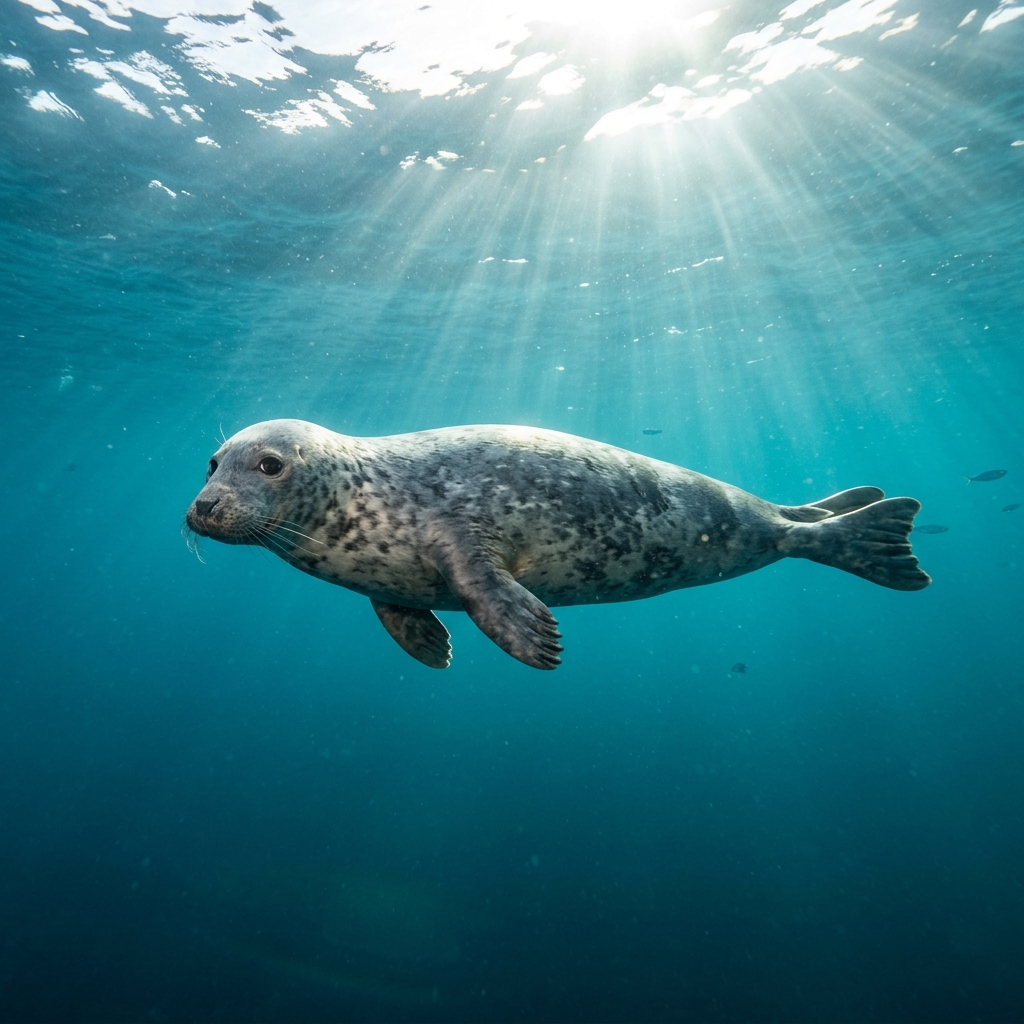
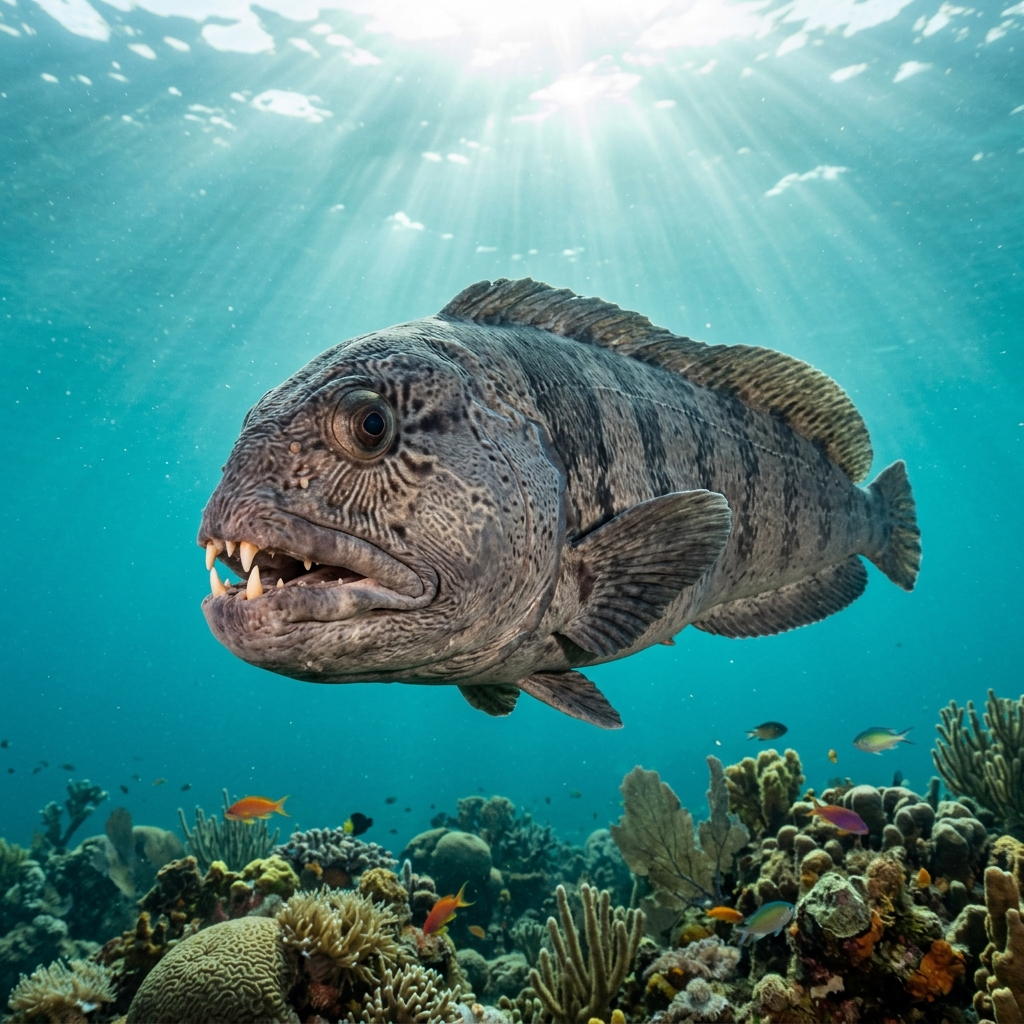
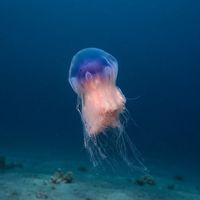
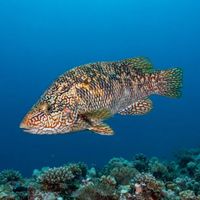
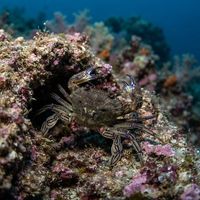
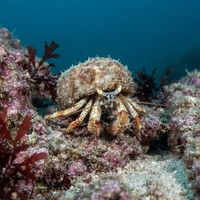
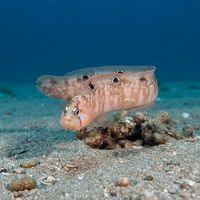
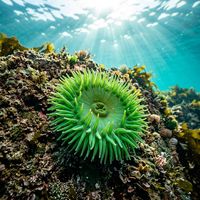
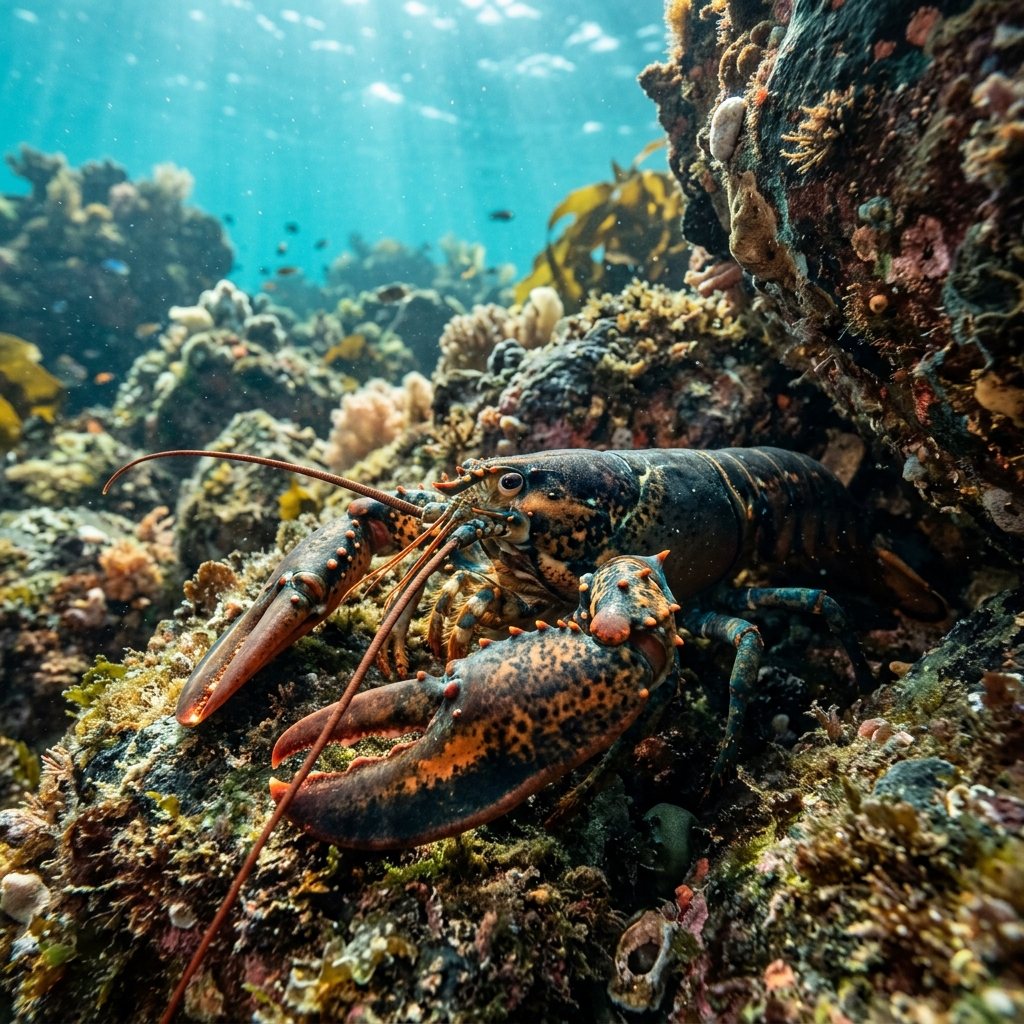
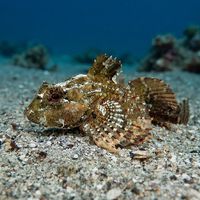
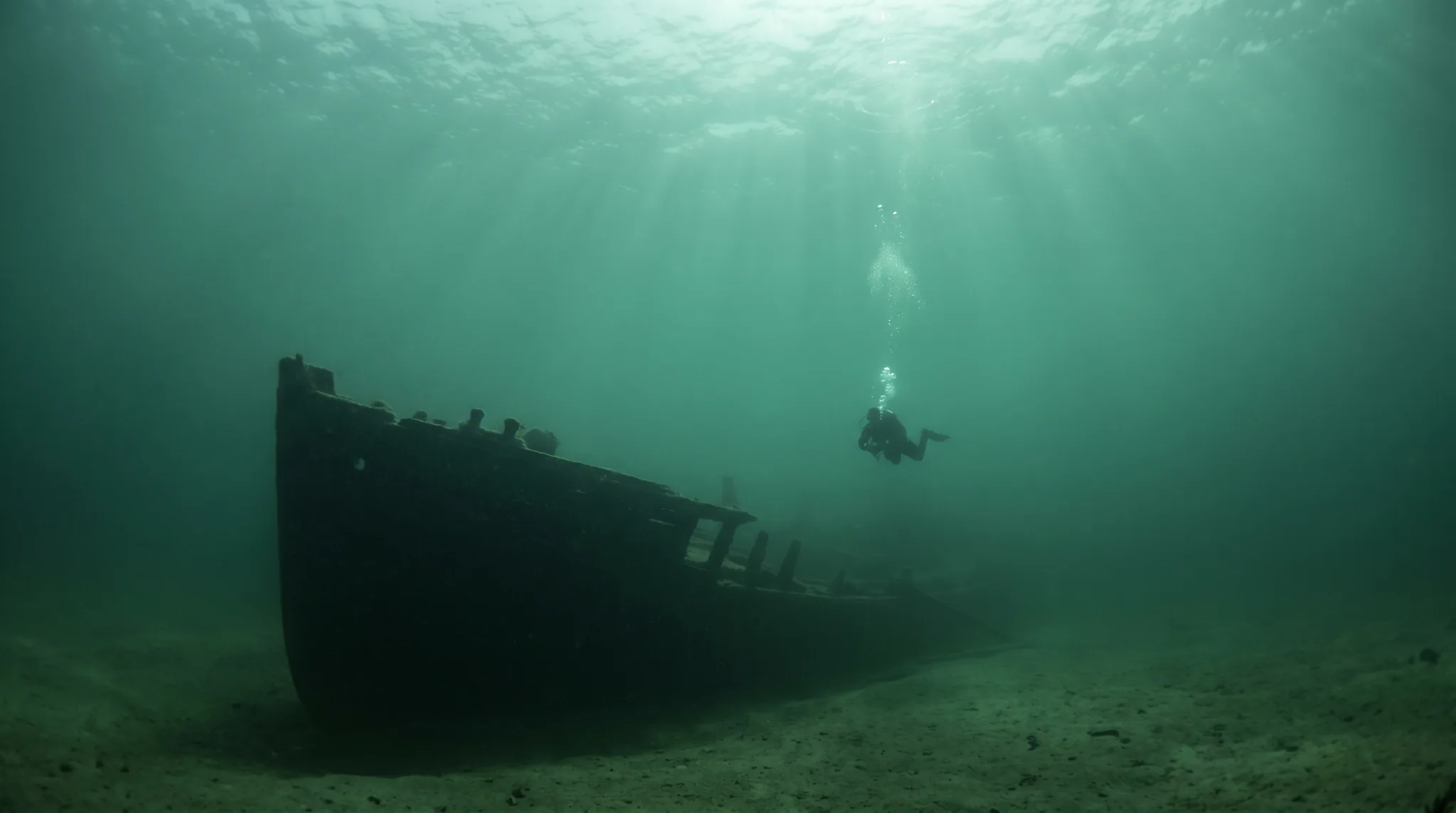
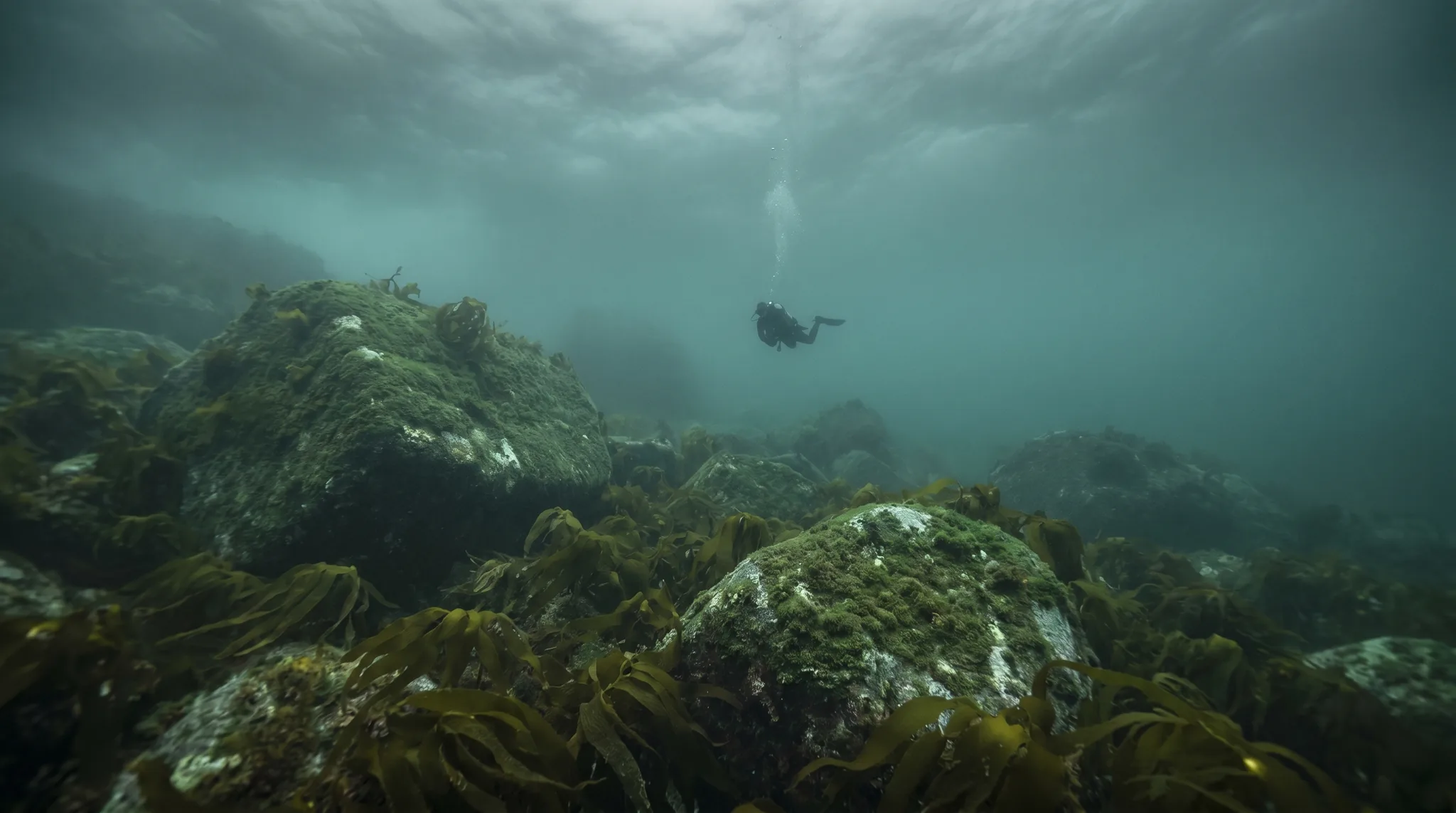
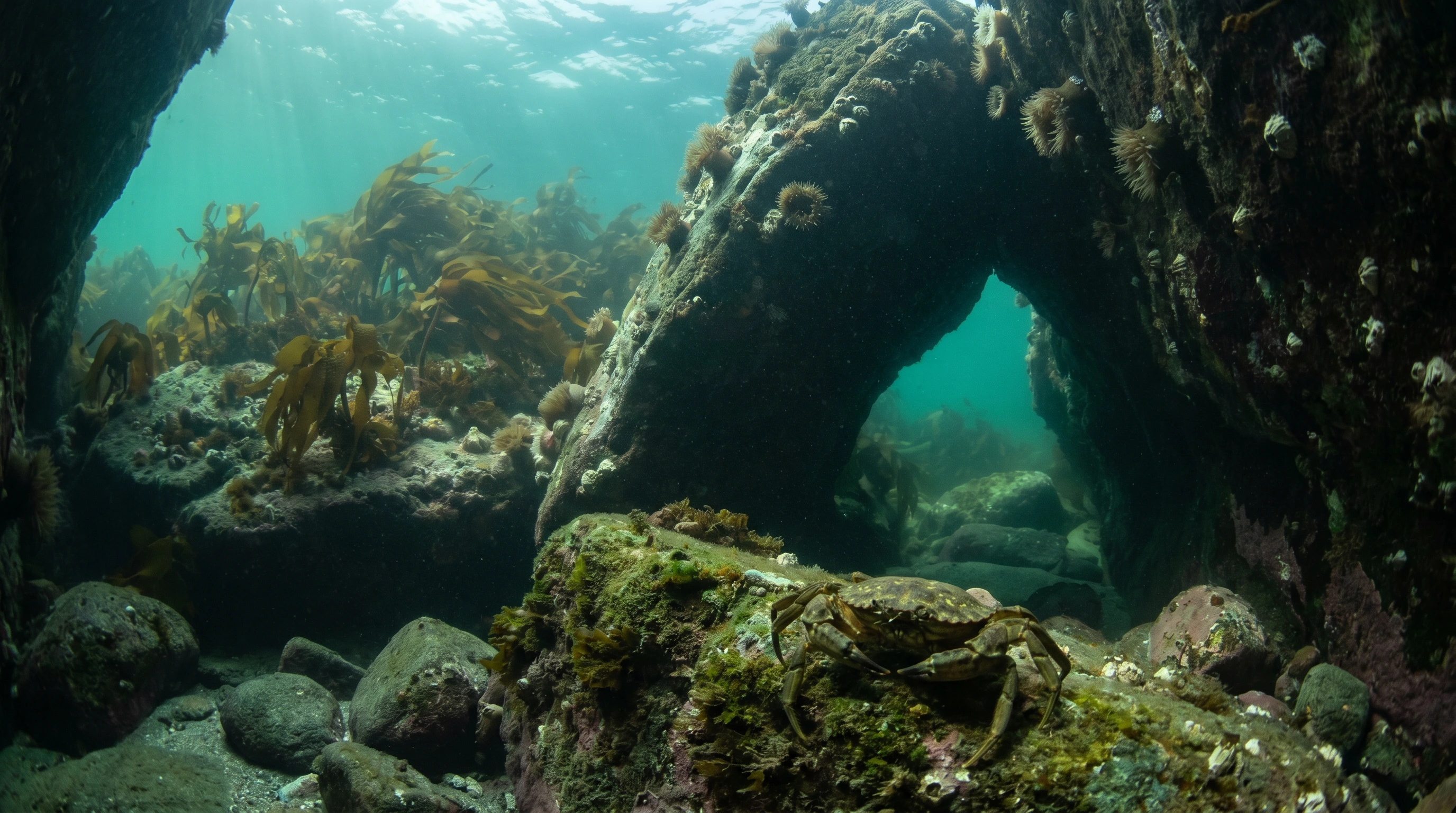
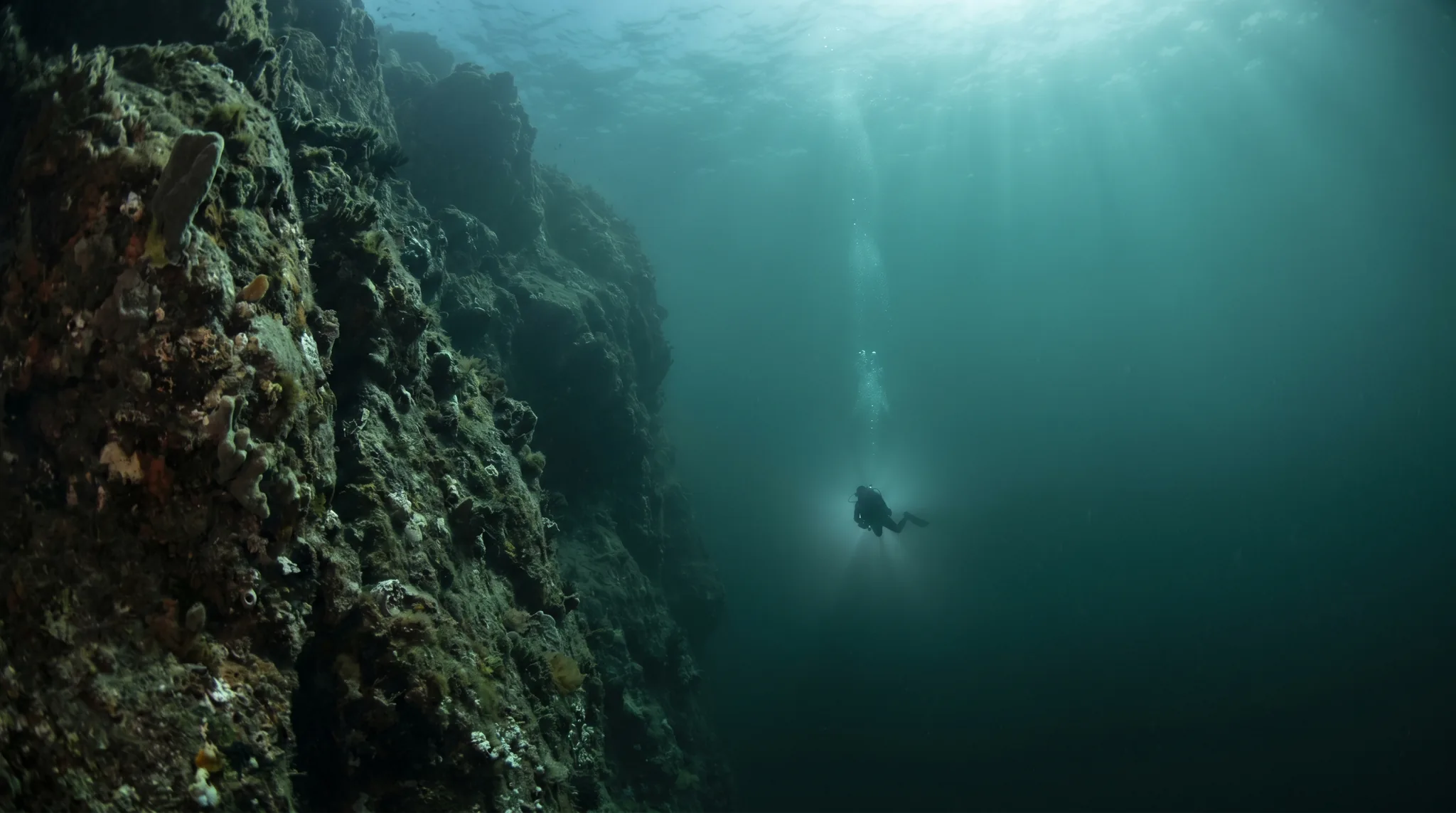
The Firth of Forth and Borders region is defined by its concentration of sites within St Abbs Marine Reserve, where rocky reefs, walls, caves, kelp forests and wrecks sit alongside one another. The water is cold year-round, and the marine life reflects that: Gray Seal, Atlantic Wolffish, Cod and Squat Lobster are regularly encountered. Sites range from sheltered beginner reefs to deeper wreck and drift dives, with both shore and boat access available across the area.
1 areas
Monthly water temperature across Firth of Forth & Borders's sites, from satellite sea-surface data corrected for depth. The band shows the site-to-site spread.
Water temperatures are at their lowest in late winter and climb gradually through spring and summer, reaching their warmest in August and September. The best diving months run from late spring through early autumn, when conditions are most settled and visibility most reliable. Some sites are exposed to swell and current, so checking conditions before committing to a dive is worthwhile.
21 operators
United Kingdom
12 more sites to explore
Water temperature around Firth of Forth & Borders ranges from about 7°C in February to 14°C in August, based on satellite sea-temperature data for its dive sites.
In the warm season (about 14°C) a 7mm or semi-dry suit is comfortable in Firth of Forth & Borders; in the coldest months (about 7°C) step up to a drysuit.
Fin maps 24 sites in Firth of Forth & Borders (20 scuba diving sites and 5 snorkelling spots, with some suited to both).
Across Firth of Forth & Borders's dive sites, May, June, July, August and September are most often reported as the best months to visit.
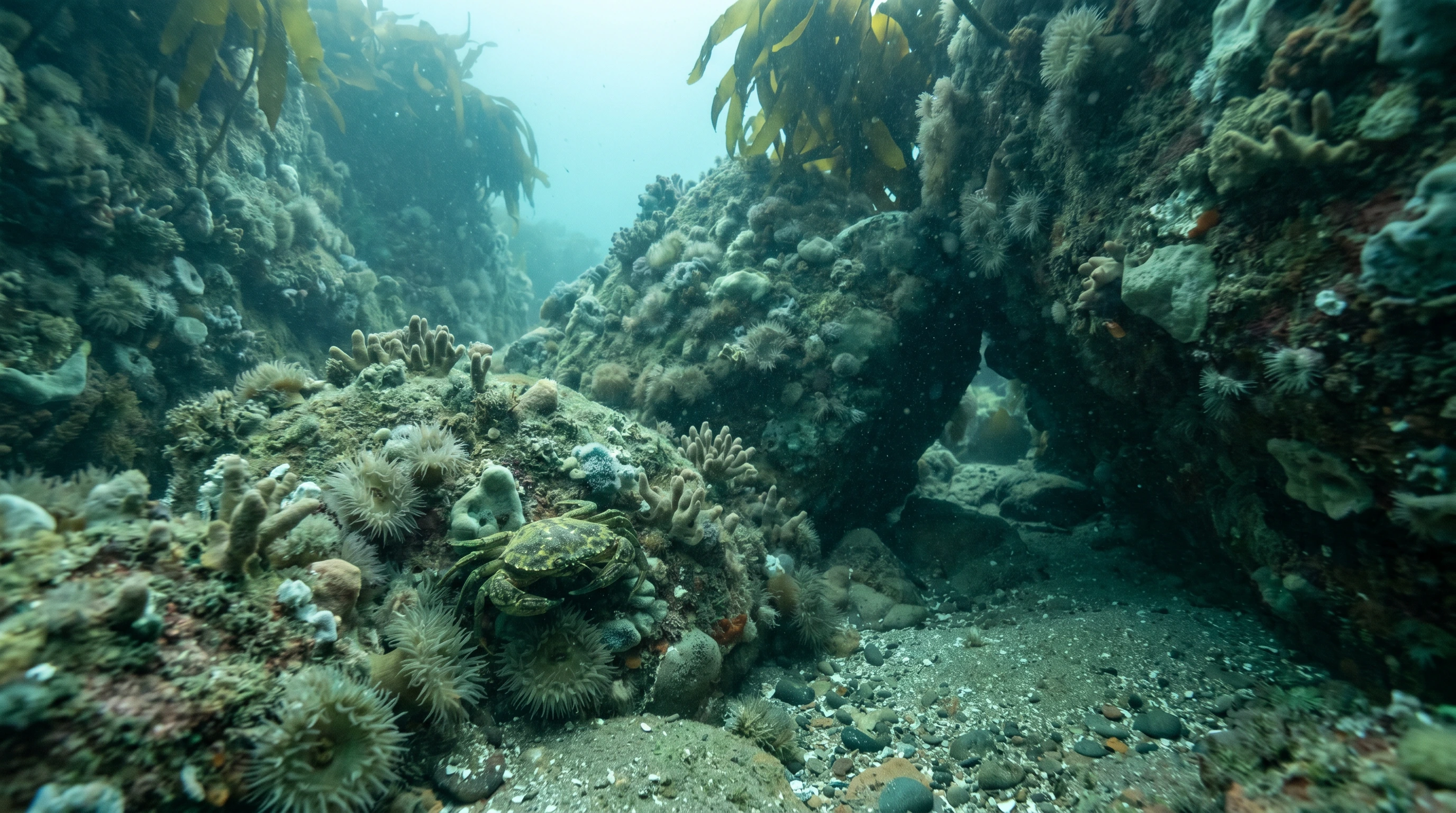
The region is well known for its Gray Seal and Atlantic Wolffish encounters, both of which are regularly observed across the sites. Squat Lobster, Common Lobster, Brittle Star and Cod are among the most frequently seen species. Conger Eel, European Common Cuttlefish, Wrasses and Sea Anemone are also commonly encountered on the reefs and walls.
A good number of sites are rated for beginners, including Cathedral Rock, St. Abbs, Eyemouth, Big Green Carr and St Abbs Harbour. These offer shallower depths and a mix of shore and boat entry. Intermediate divers are well served by deeper wreck and drift sites such as Glanmire and Tye's Tunnel.
Yes, several sites offer shore entry, including St. Abbs, Green Ends Gully, Eyemouth and St Abbs Harbour. Some sites such as Cathedral Rock and Big Green Carr offer both shore and boat access. Deeper and more exposed sites such as Glanmire and Tye's Tunnel are boat-only.
Almost all of the region's sites sit within St Abbs Marine Reserve, which accounts for the vast majority of listed dive sites. Within that area, topography varies considerably: shallow kelp-covered reefs and caverns are found close inshore, while deeper walls, wrecks and drift sites lie further out and require boat access.