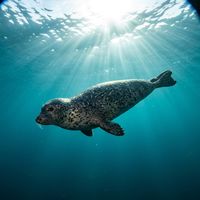
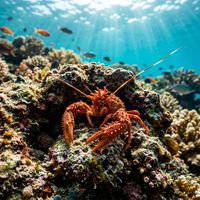
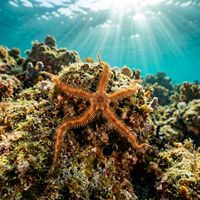
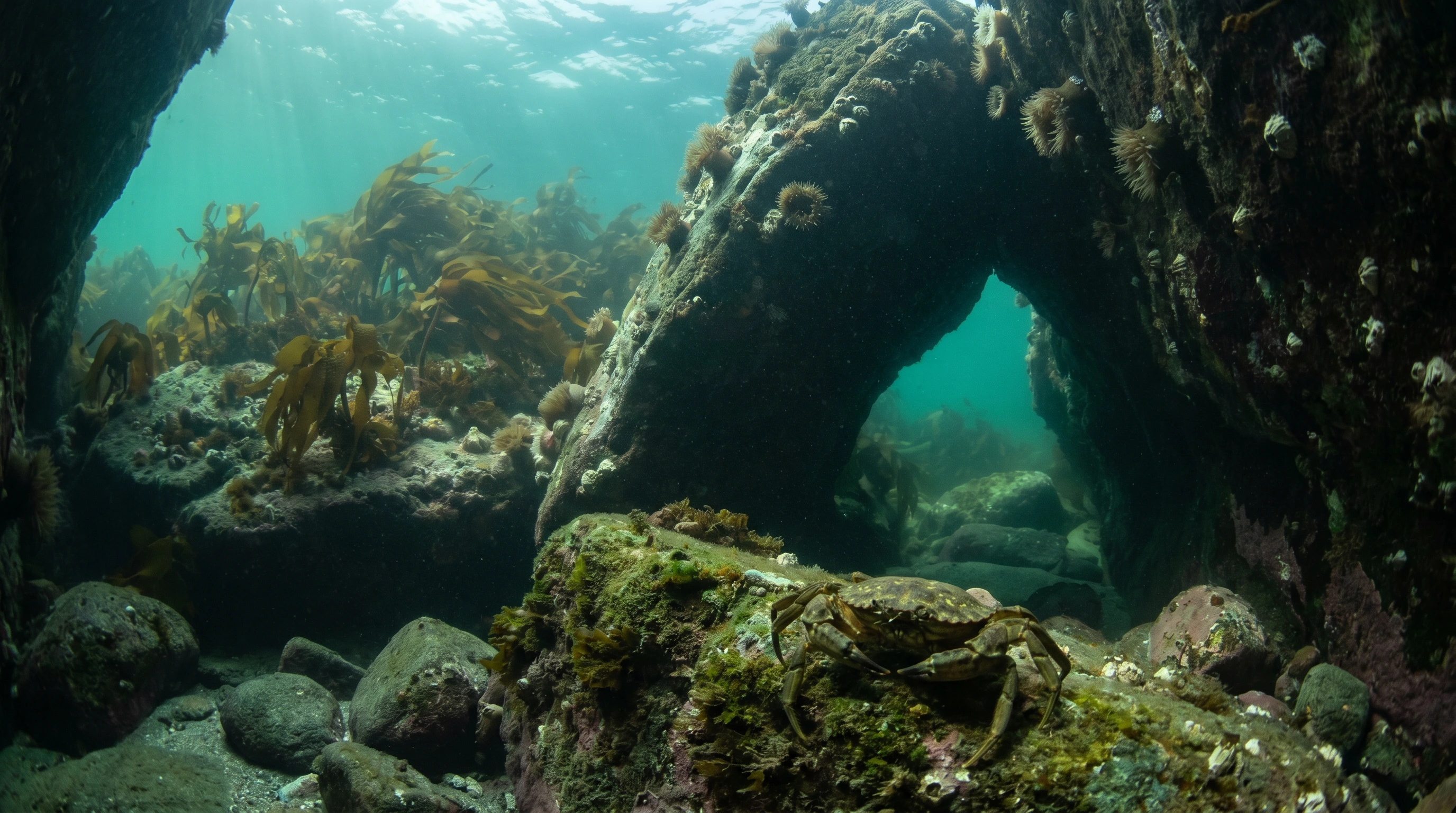
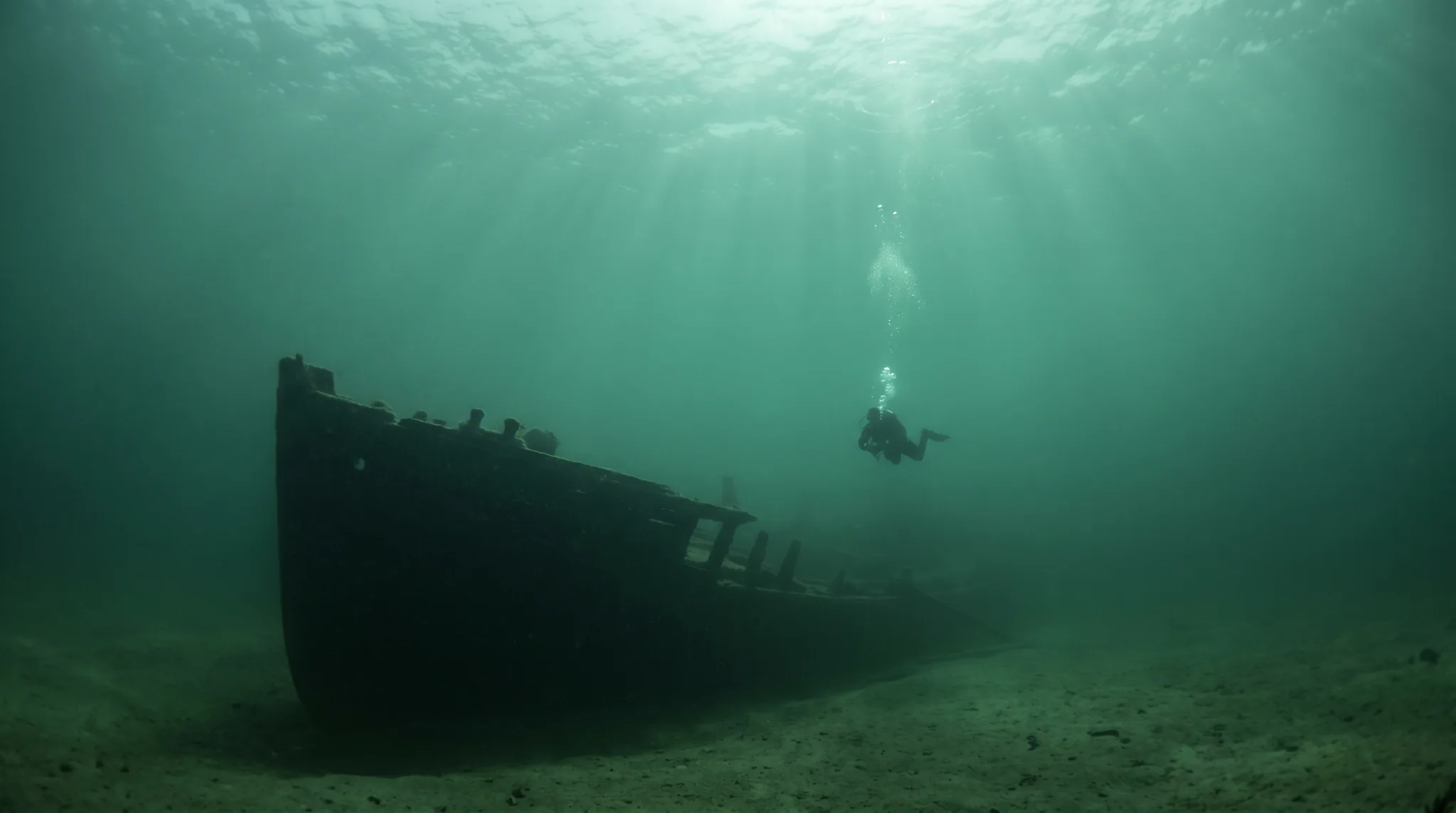
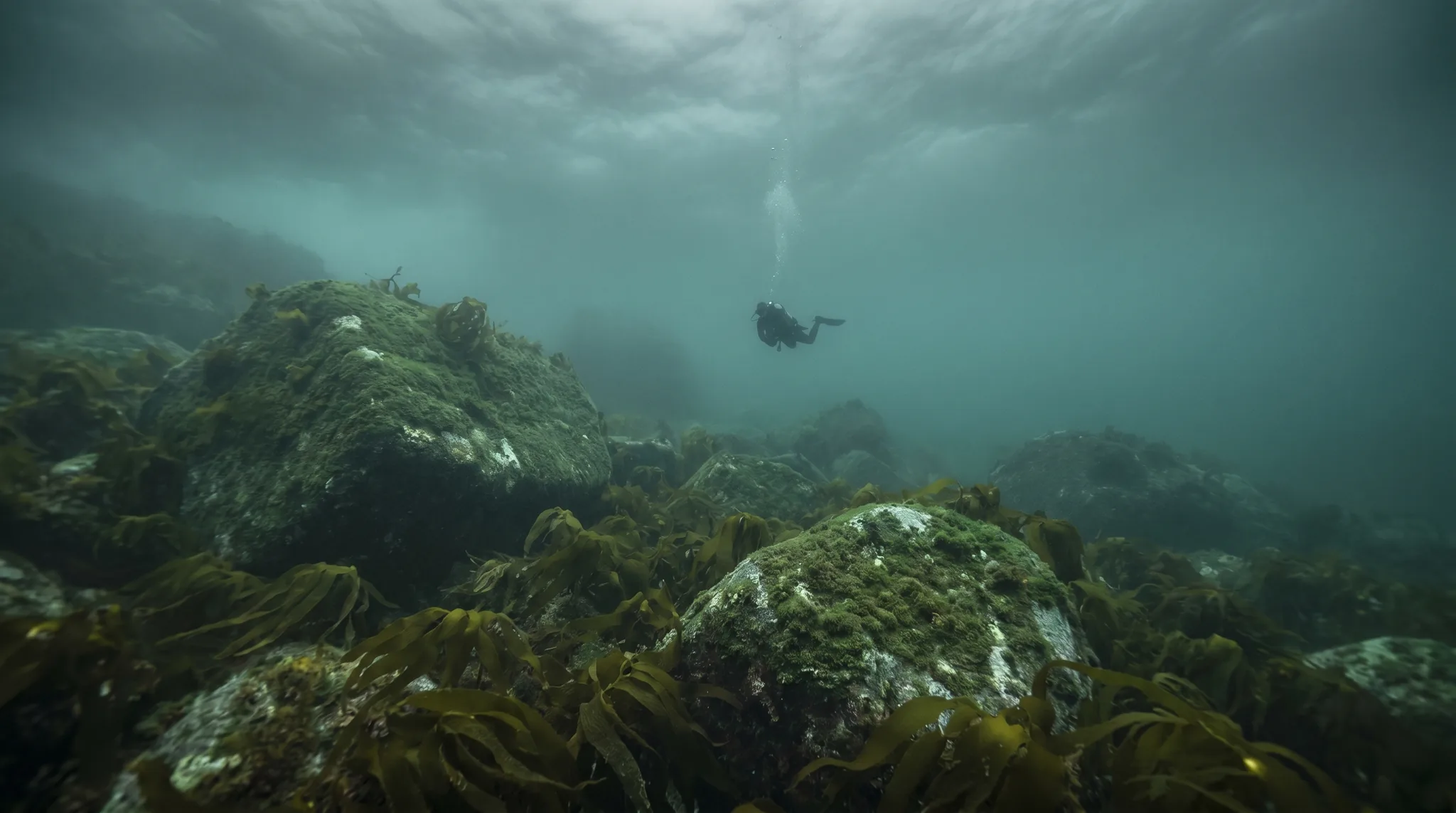
Clyde and Arran blends wreck diving with rich cold-water reef life. The SS Kintyre and Akka Wreck draw advanced divers to depth, while shallower sites open the area to snorkellers. Catshark, Brittle Star, Dead Man's Fingers and Squat Lobster appear across virtually every site, and Harbor Seal encounters are a real highlight. Water is coolest in late winter and warmest from July to August, with visibility suiting patient, layered diving throughout the season.
Monthly water temperature across Clyde & Arran's sites, from satellite sea-surface data corrected for depth. The band shows the site-to-site spread.
Water temperature rises steadily from spring into summer, peaking around August before tapering through autumn. The warmest months offer the most comfortable conditions for longer dives on the wrecks, though a drysuit or thick wetsuit is appropriate across the full year. Visibility is moderate and can vary with tidal state, so timing dives around slack water rewards patience.
11 operators

Fairlie, United Kingdom
14 more sites to explore
Water temperature around Clyde & Arran ranges from about 8°C in February to 16°C in August, based on satellite sea-temperature data for its dive sites.
In the warm season (about 16°C) a 7mm or semi-dry suit is comfortable in Clyde & Arran; in the coldest months (about 8°C) step up to a drysuit.
Fin maps 16 sites in Clyde & Arran (10 scuba diving sites and 9 snorkelling spots, with some suited to both).
Across Clyde & Arran's dive sites, April, May, June, July, August and September are most often reported as the best months to visit.
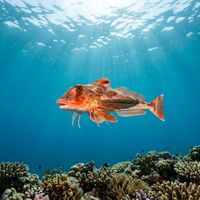
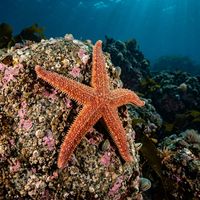
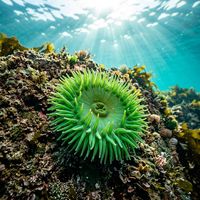
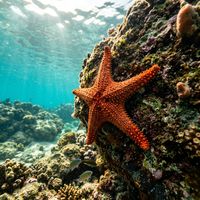
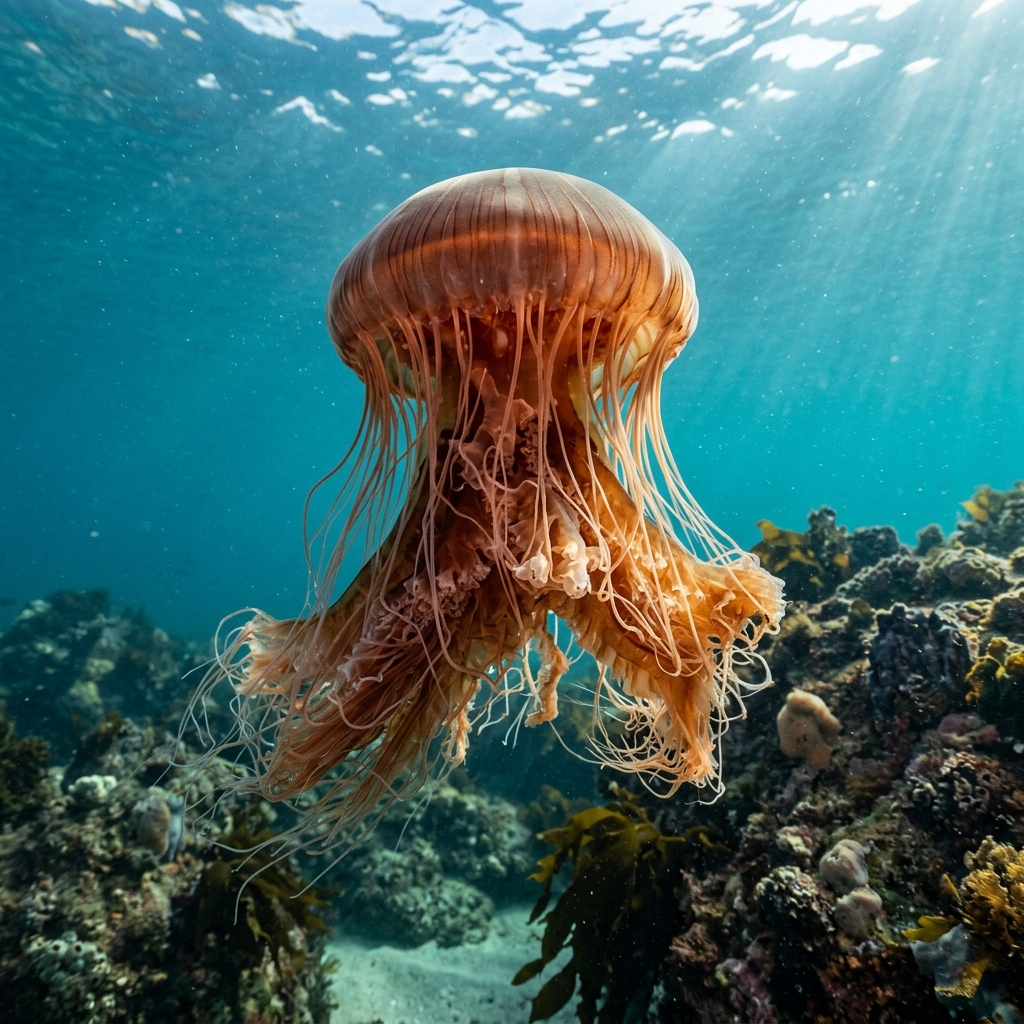
Catshark, Brittle Star, Dead Man's Fingers and Common Sea Star are observed across nearly every site in the region. Squat Lobster, Gurnard, Righteye Flounder and Sea Anemone are also very commonly encountered. Harbor Seal are the signature species here, with Gray Seal seen occasionally. Giant Jellyfish, Barrel Jellyfish and Common Moon Jellyfish appear at a good number of sites too.
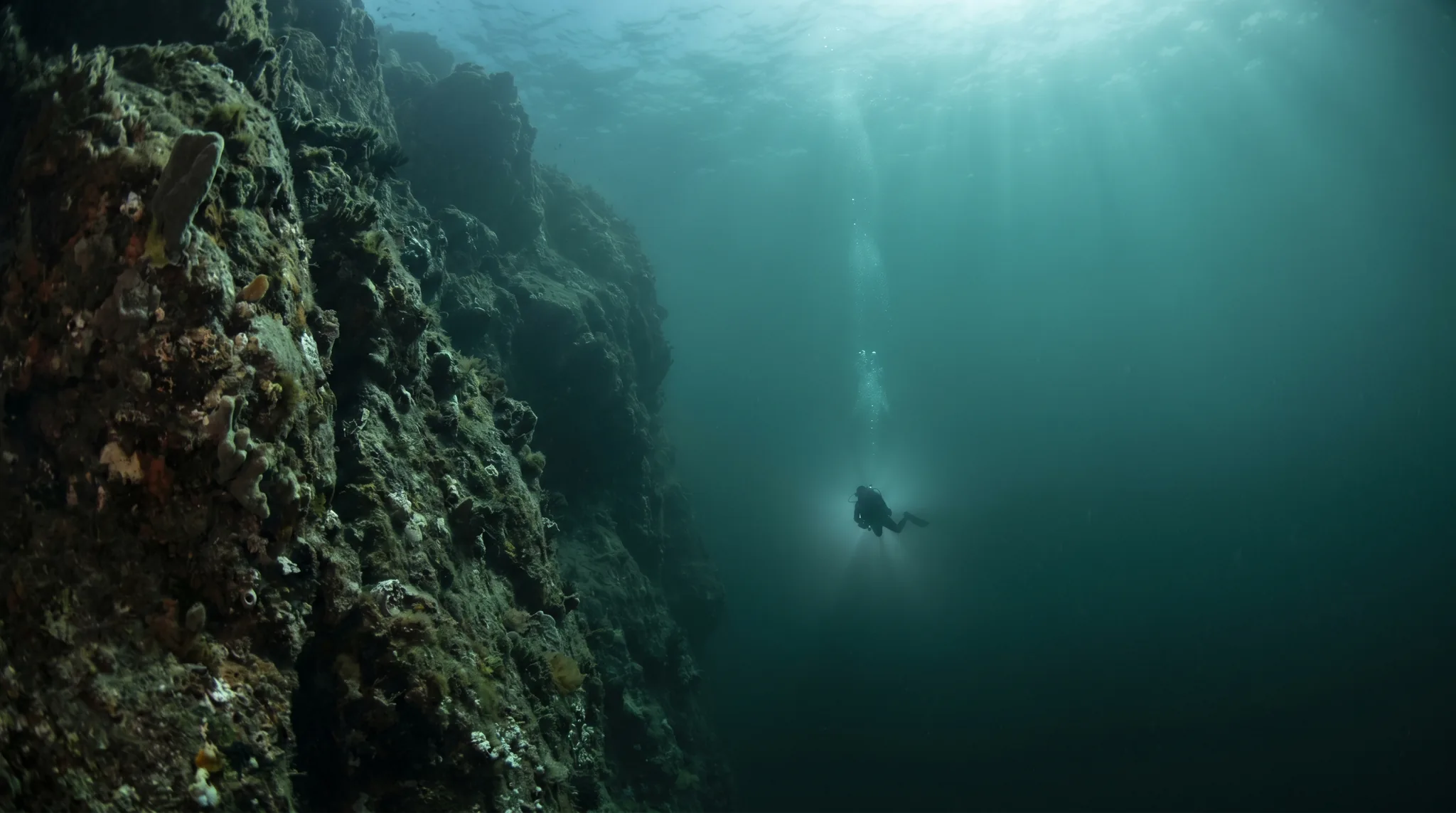
The region leans towards more experienced divers, particularly on the wrecks. The SS Kintyre is listed as an advanced site, and the Akka Wreck sits at depth and is likewise suited to experienced divers. Snorkelling sites offer a gentler entry point for those building confidence in the water.
The SS Kintyre can be reached by boat or from shore. The Akka Wreck is a boat-access site. There are no listed operators currently based in the region, so visiting divers will need to arrange their own boat cover or come as part of an organised trip from elsewhere.
The site mix includes wrecks, with the SS Kintyre also functioning as an artificial reef, alongside natural reef and snorkel sites. Several sites are suitable for both diving and snorkelling, giving the region flexibility for mixed-ability groups. The range of depths means that both shallow explorers and deeper wreck divers can find something suited to them.