Asterias rubens
Spot common sea stars across Brittany, Zeeland & the UK in cold 6-16 °C waters. Sightings concentrate Apr, Dec. Here's where and when to find them.
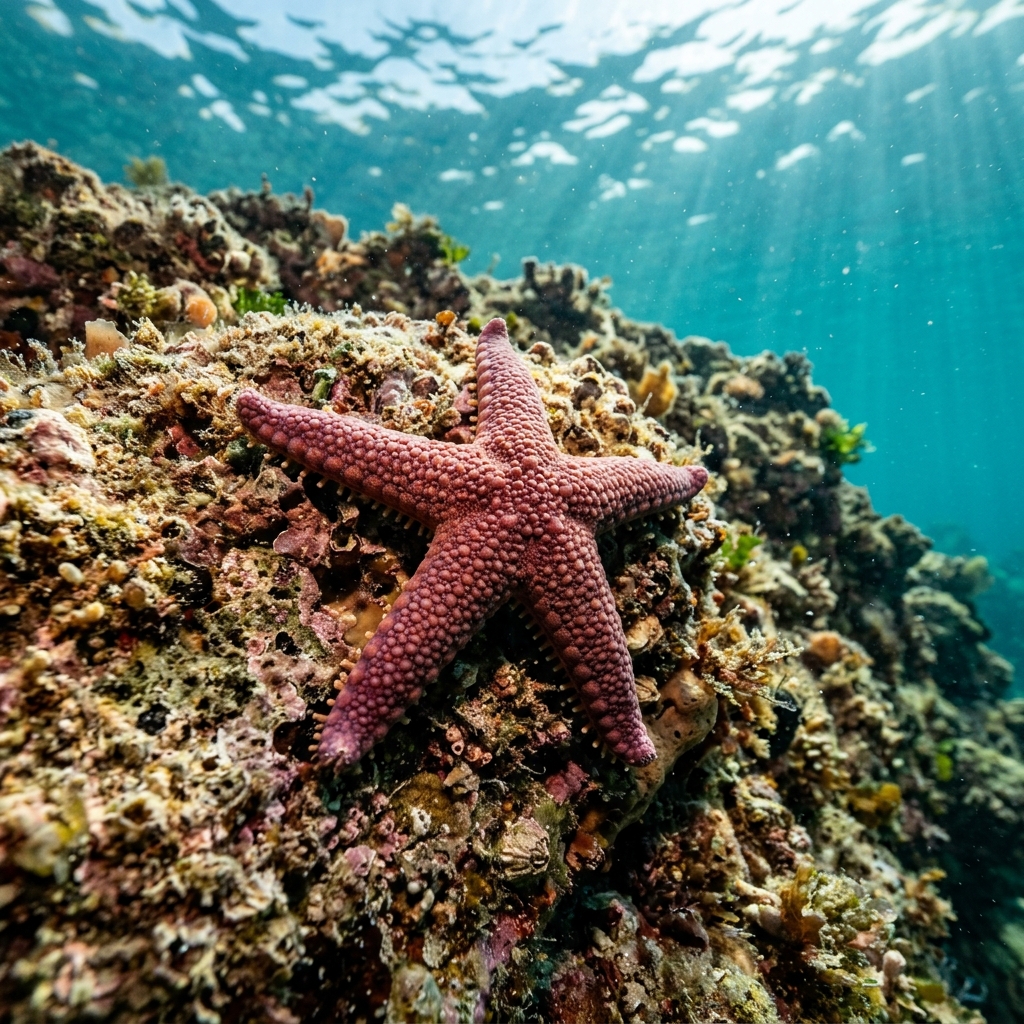
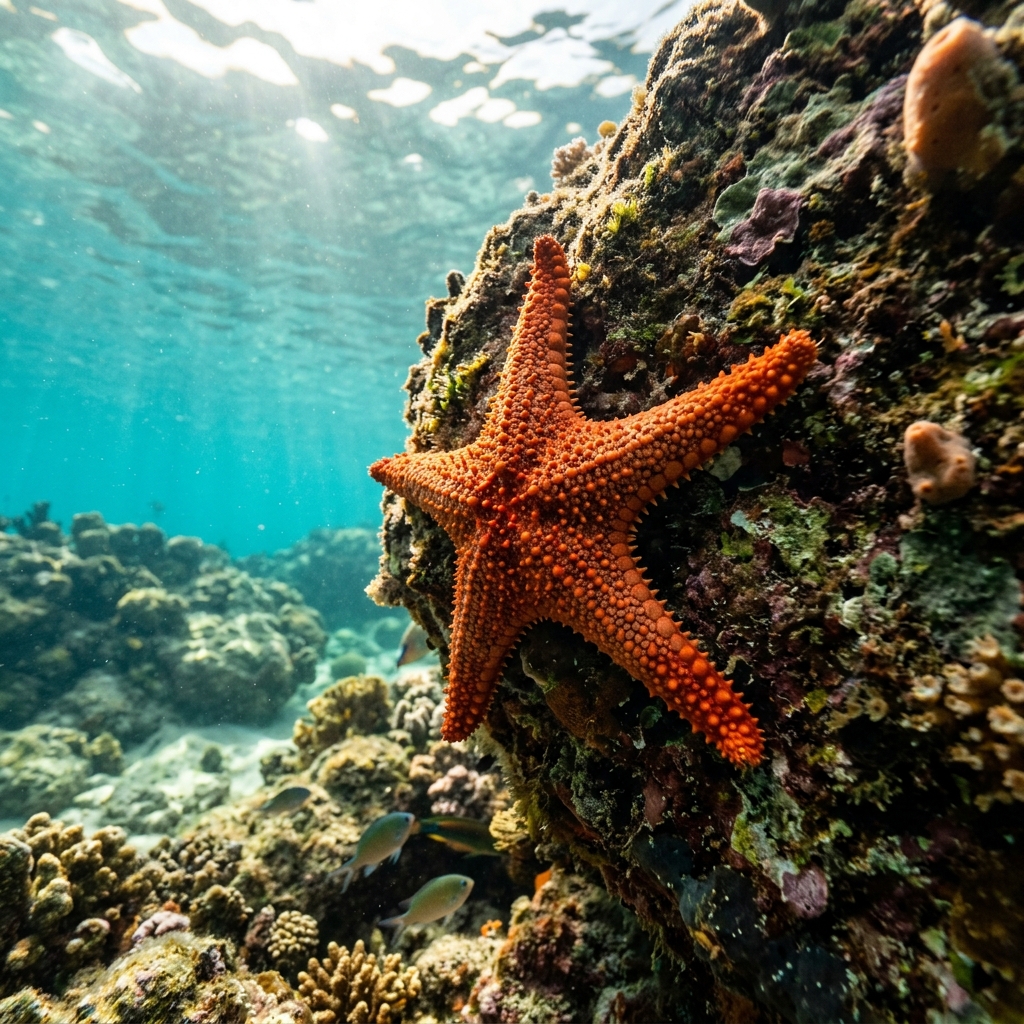
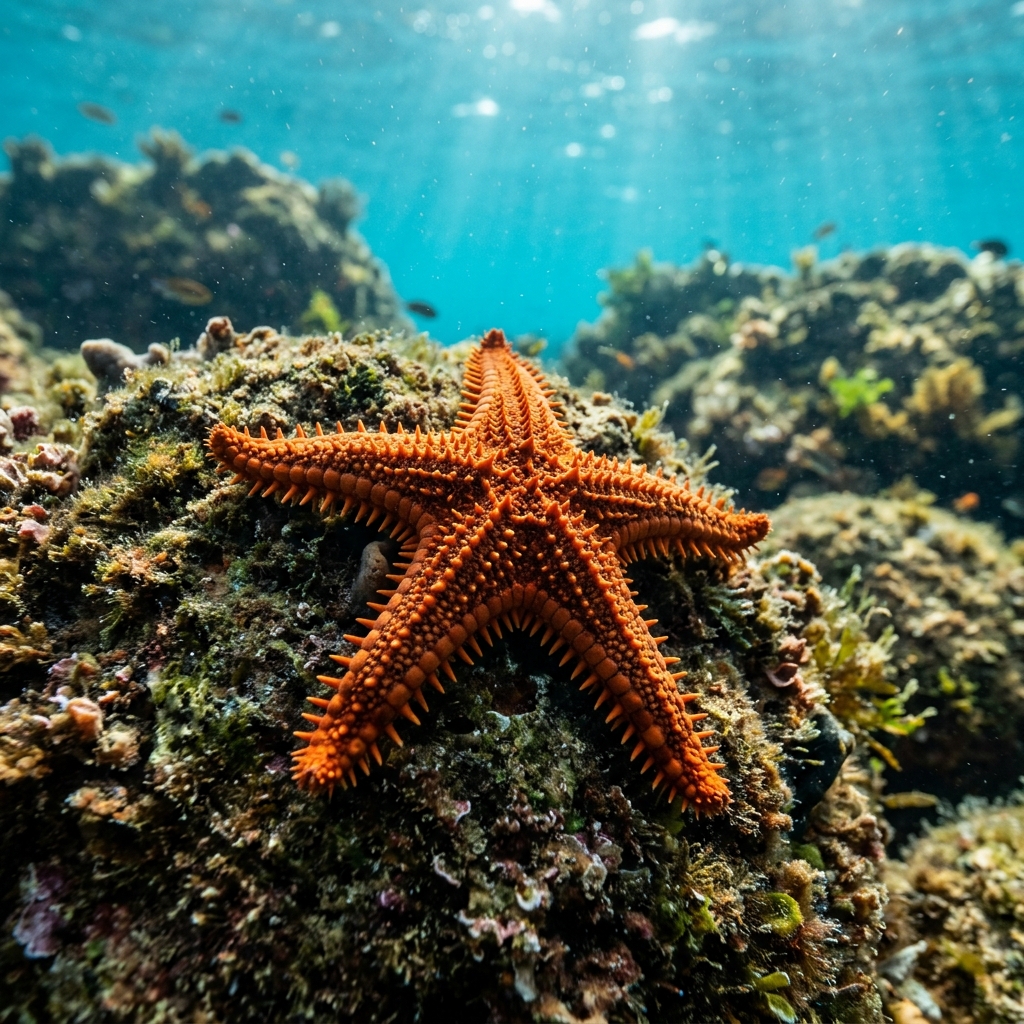
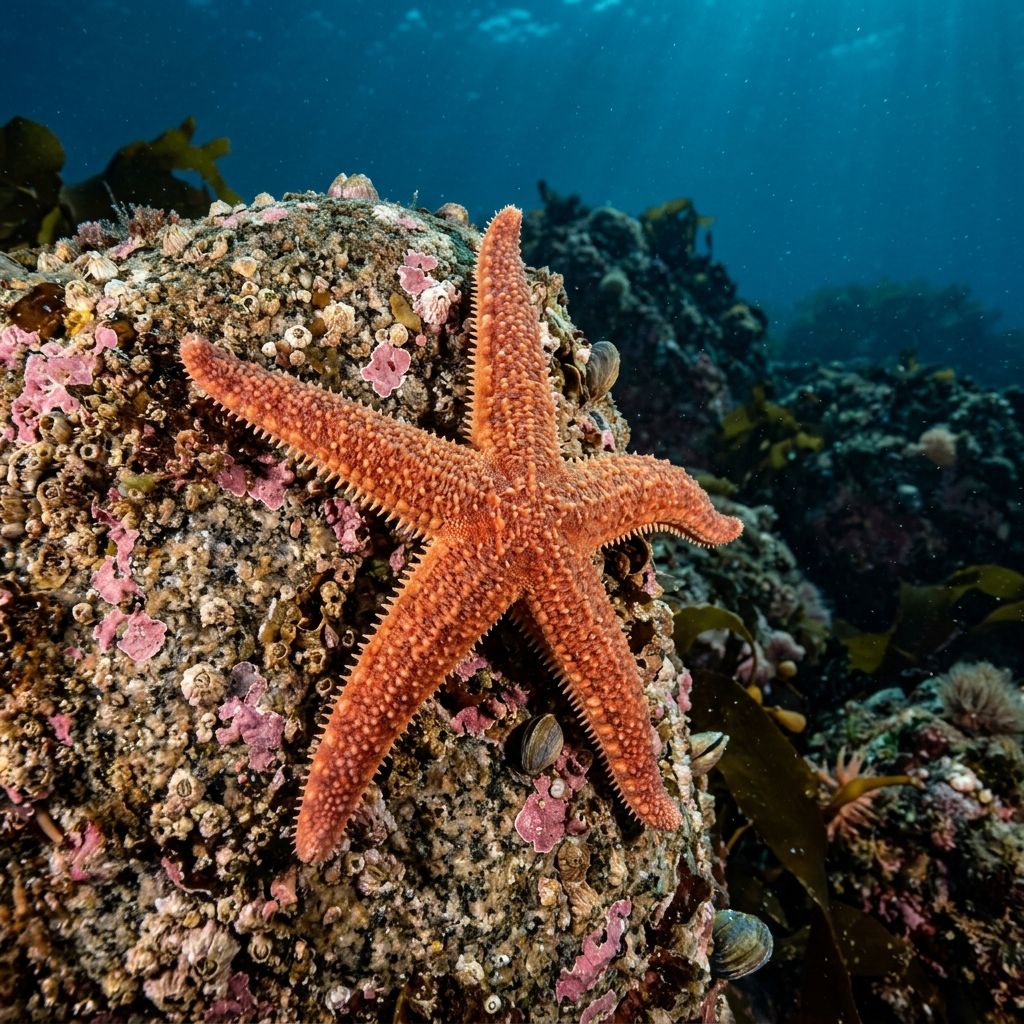
Five arms radiating from a central disc, each tapering to a blunt tip, give this species its immediately recognisable star shape. Colouration runs from pale orange and yellowish-brown to a deeper brick-red, often with a slightly paler underside. The upper surface is covered in small pale tubercles (raised bumps), giving it a rough, warty texture that stands out against smooth rock or shell beds. At up to roughly 35 cm across, it is one of the larger sea stars you are likely to encounter in North Atlantic and North Sea waters.
You will most often find common sea stars slowly moving across rocky or sandy seabed, working their way towards mussel beds, clams, or other shelled invertebrates. If you catch one actively feeding, look closely at its central disc, it can evert (push out) its stomach through its mouth to begin digesting prey externally, which is one of the stranger sights in temperate diving. They pay little attention to divers, so you can hover beside one for as long as your air allows.
When a common sea star loses an arm to a predator or injury, it can regenerate the missing limb entirely. In some cases, a severed arm containing part of the central disc can regenerate a whole new animal.
Sightings in the Northern Hemisphere concentrate between April and December, peaking through the warmer half of the year when divers are most active in these cold-temperate waters. The species tolerates water temperatures from around 6 °C to just over 16 °C, so it remains present year-round but encounters drop off during the coldest winter months.
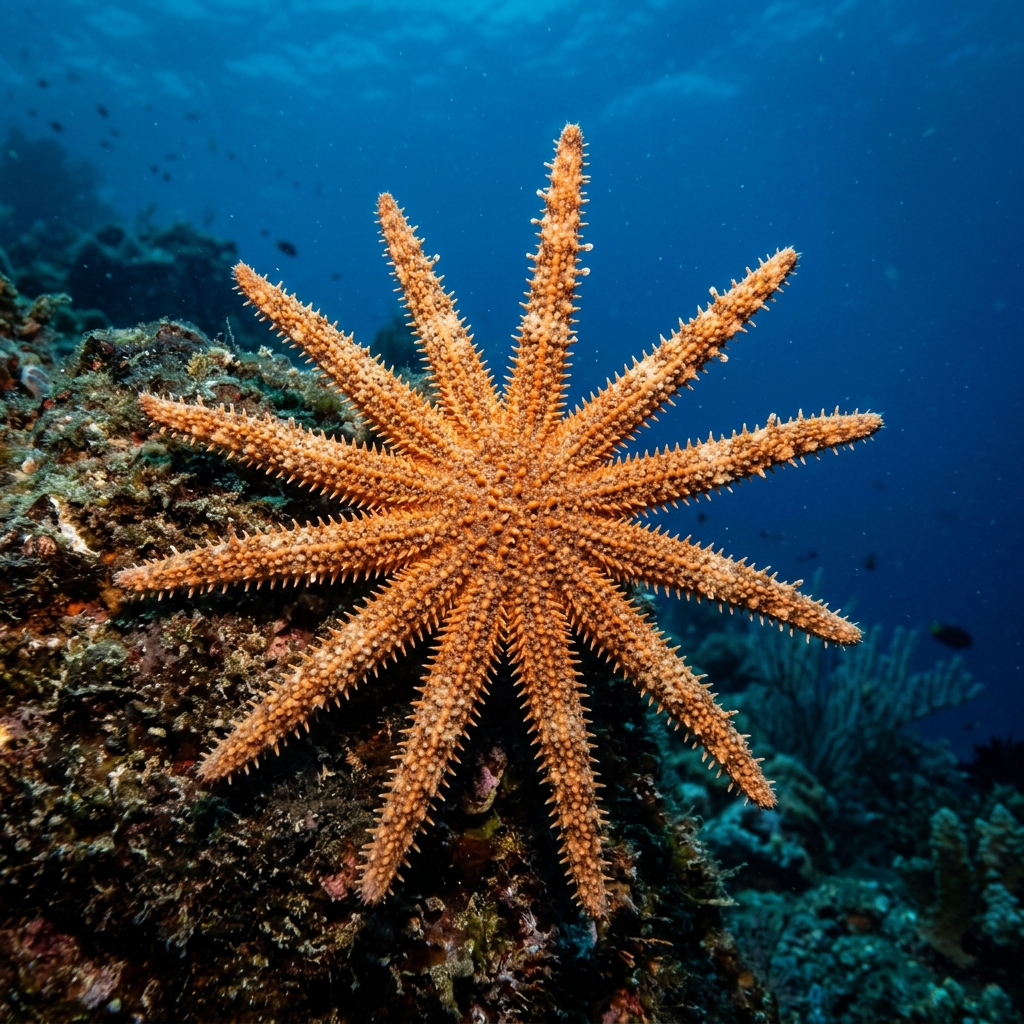
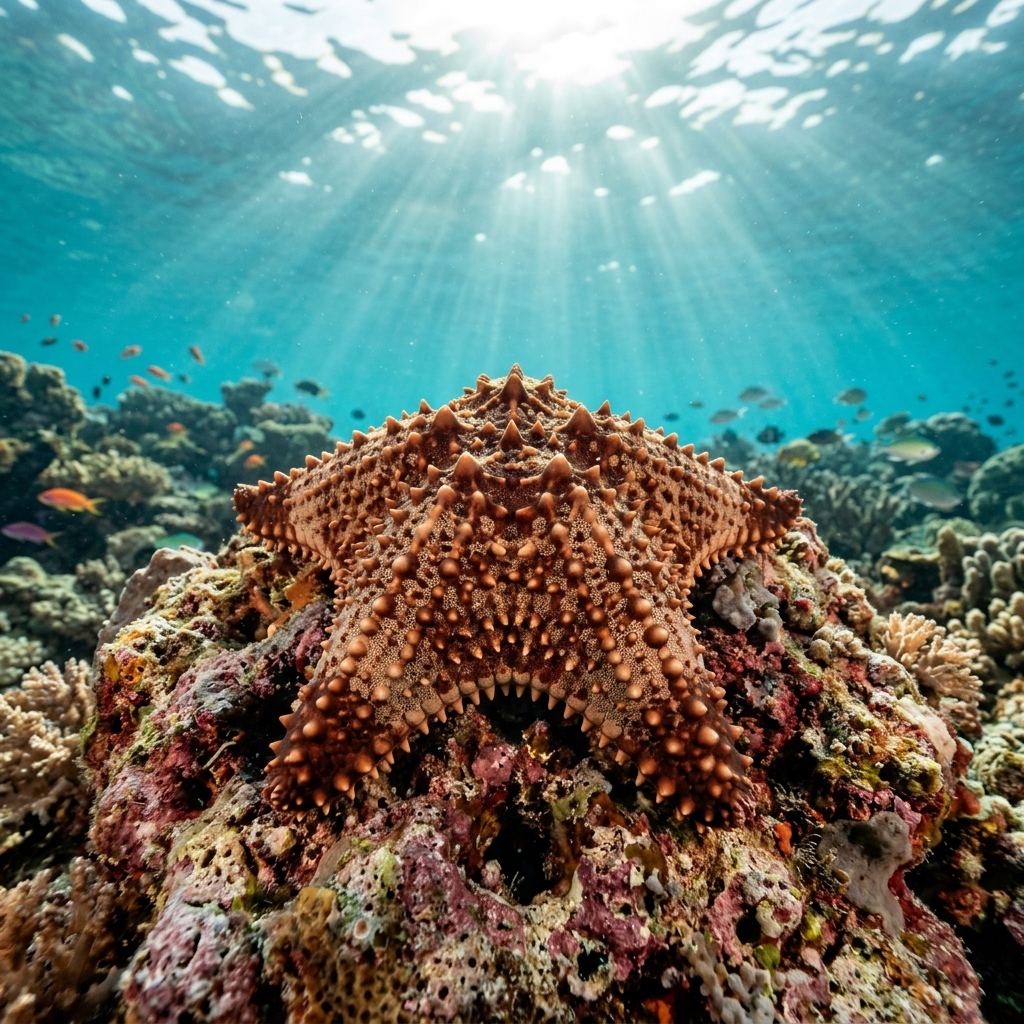
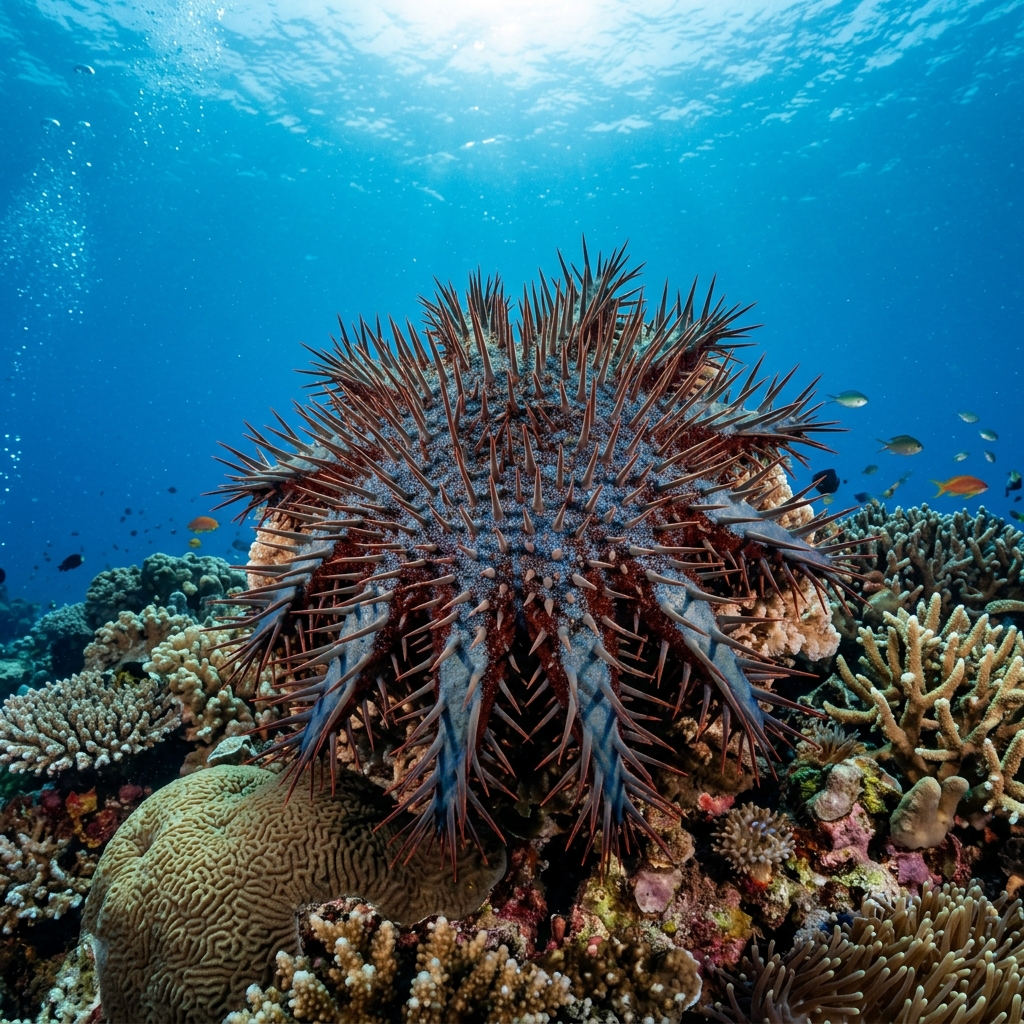
Reef neighbours a diver could mistake it for. Use the identification notes above to tell them apart.
Most commonly logged across the United Kingdom, France, the Netherlands, and Canada, with particularly strong representation in Brittany and Normandy, Zeeland, and Nova Scotia and the Bay of Fundy. Scotland's west coast and Ireland's southwest coast are also reliable spots. Divers in the northeastern United States and along Norway's coastline report regular encounters as well.
Mapping where Common Sea Star is logged…
They are most reliably encountered in the UK, France, the Netherlands, Canada, and Norway. Top regional spots include Brittany and Normandy, Zeeland in the Netherlands, and Nova Scotia and the Bay of Fundy in Canada. Scotland's west coast and Ireland's southwest are also strong bets.
Sightings in Northern Hemisphere waters concentrate from April through December. Winter months see fewer encounters, likely because diver activity drops rather than the animal migrating. Water temperatures of 6-16 °C suit them year-round, so early spring and autumn dives in the UK or France can still turn up sightings.
Look for five blunt-tipped arms, a rough warty upper surface covered in pale tubercles, and orange-to-brick-red colouration. Size helps too, up to around 35 cm across, they are noticeably large. The purple sea star is a potential mix-up, but that species leans strongly violet-purple rather than orange-brown.
They typically reach around 35 cm in arm-tip-to-arm-tip diameter, though size varies with age and food availability. In sheltered, food-rich sites like mussel beds, larger individuals are more common.
Yes. When feeding on a bivalve such as a mussel, it uses its tube feet to prise the shell slightly open, then everts its stomach through its own mouth and into the shell to begin digestion externally. It then retracts the stomach back into its body along with the liquefied meal. Watching this in the field is one of temperate diving's more memorable moments.
No. They are completely harmless to divers and show no interest in humans. Simply avoid handling or standing on them, as this can damage their delicate tube feet and surface structures.
Site and sighting data is aggregated from diver logs, iNaturalist and GBIF. For taxonomy and conservation status:
Crown of Thorns Sea Star
2,168 sites