Scyliorhinidae spp.
Spot catsharks along the coasts of the UK, France, and Ireland in cool 9-17 °C water. Best sightings Oct, Mar and May, Jul in Brittany, South England, and more.
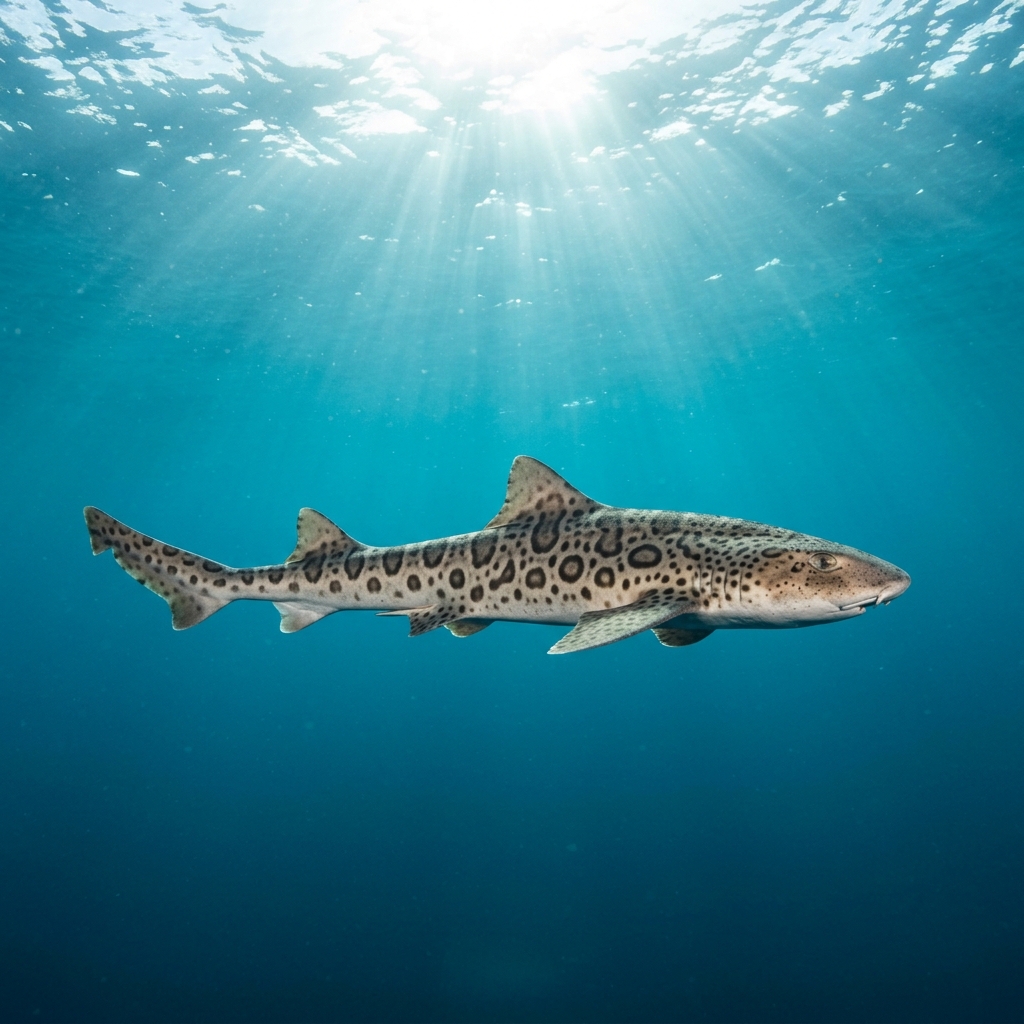
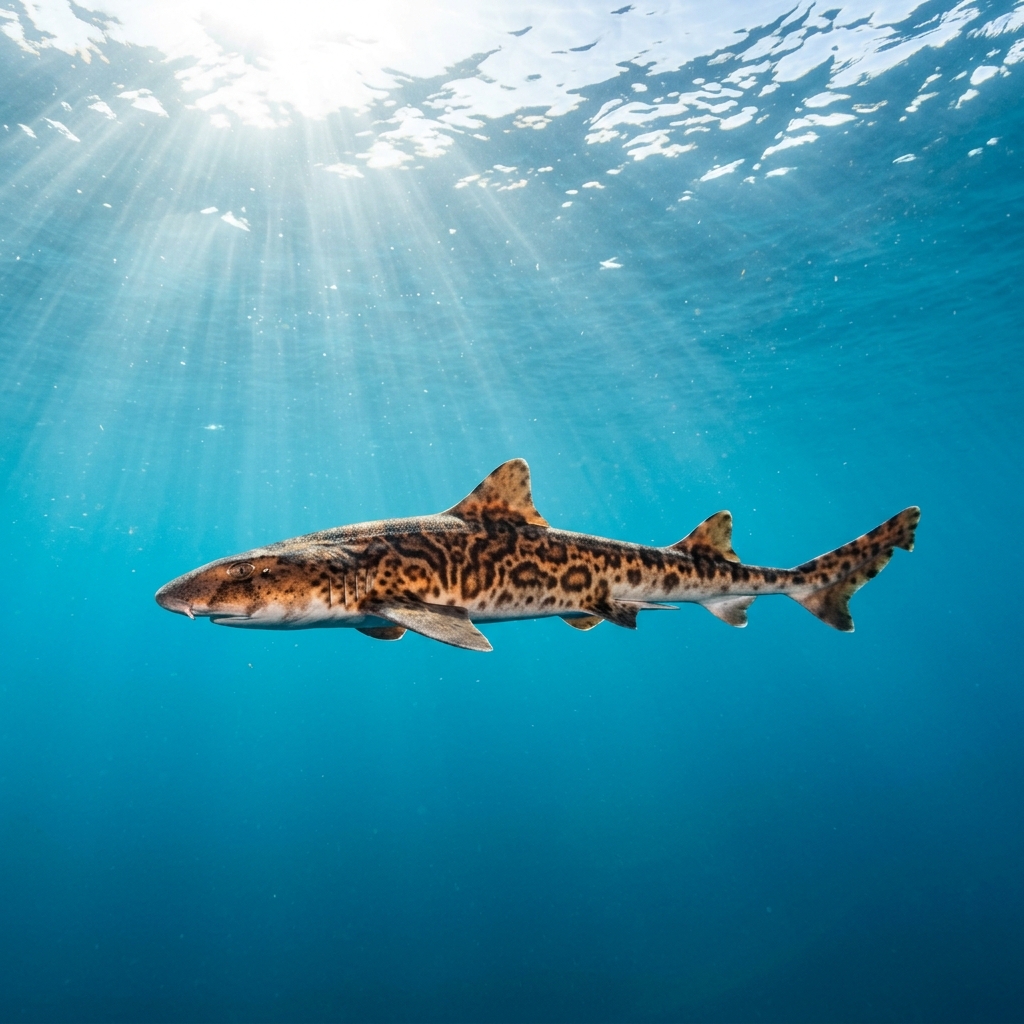
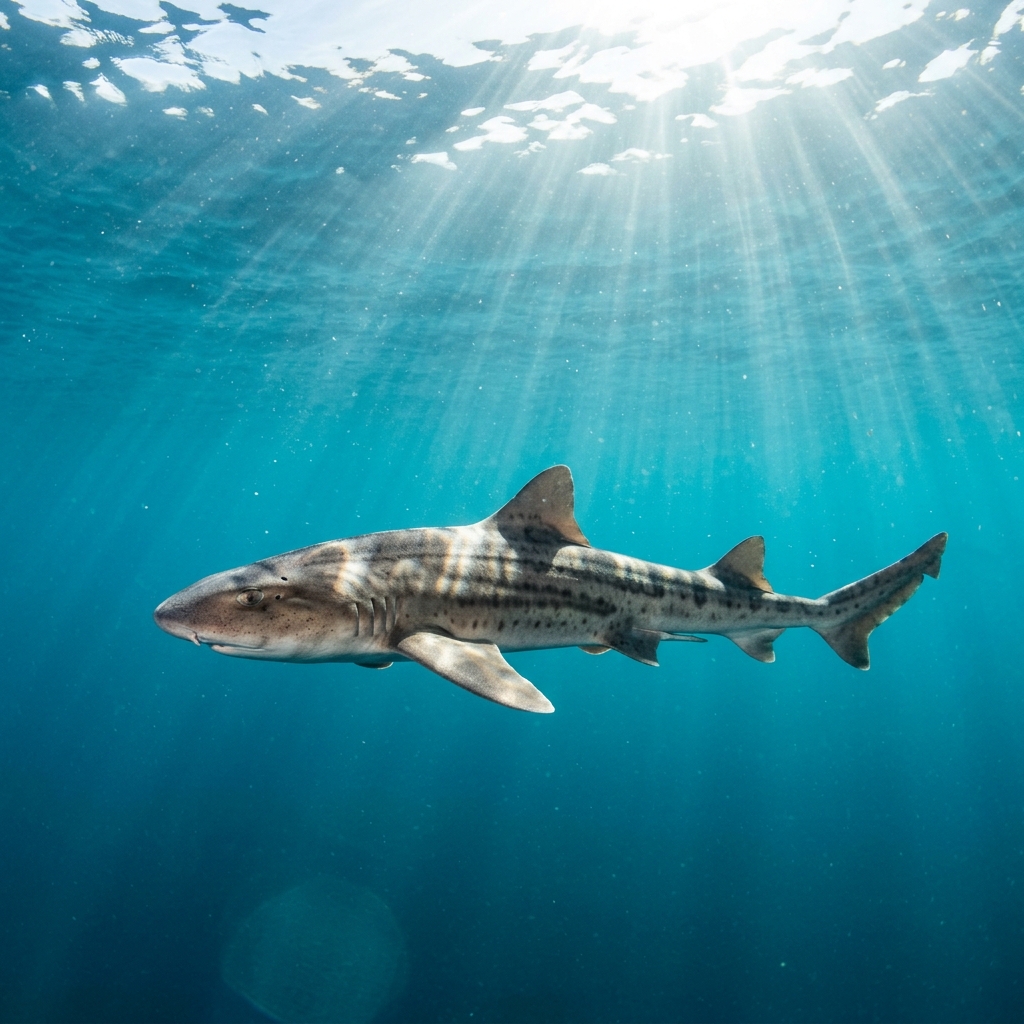
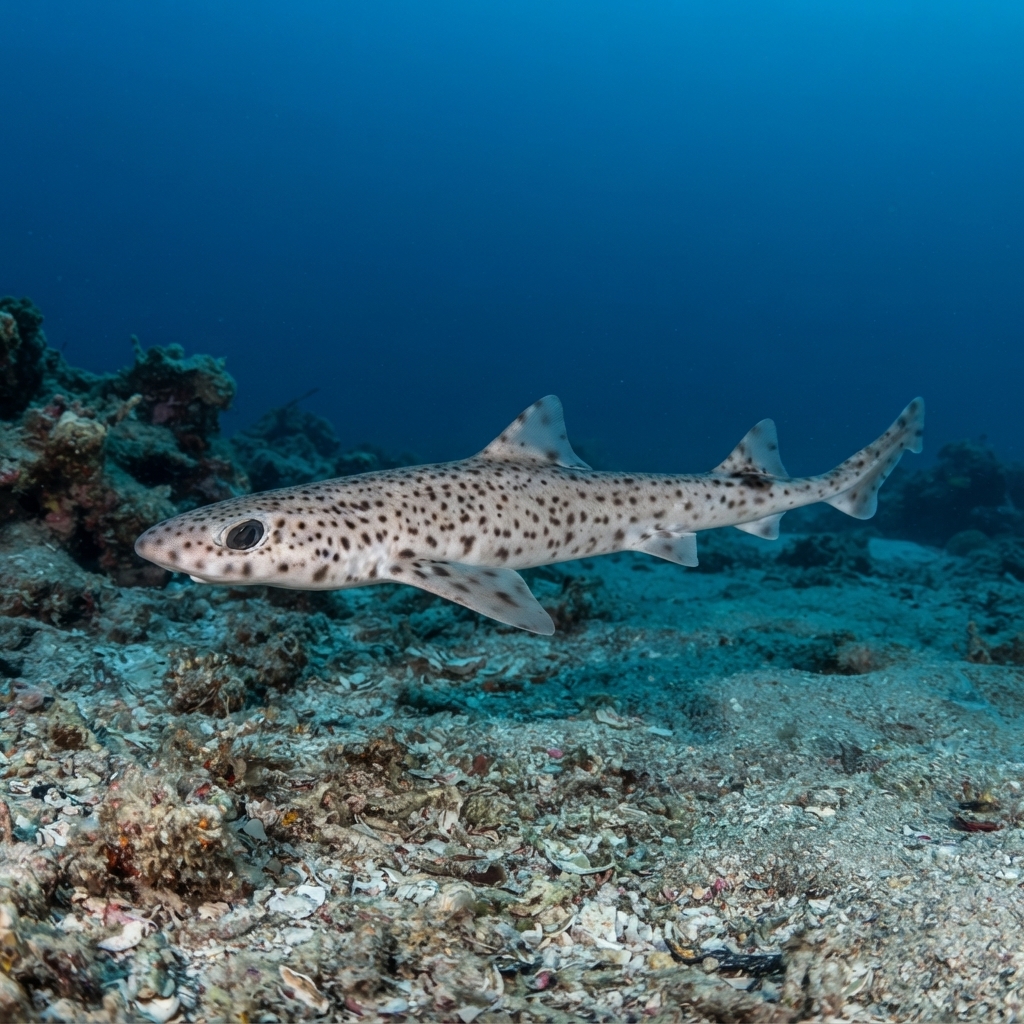
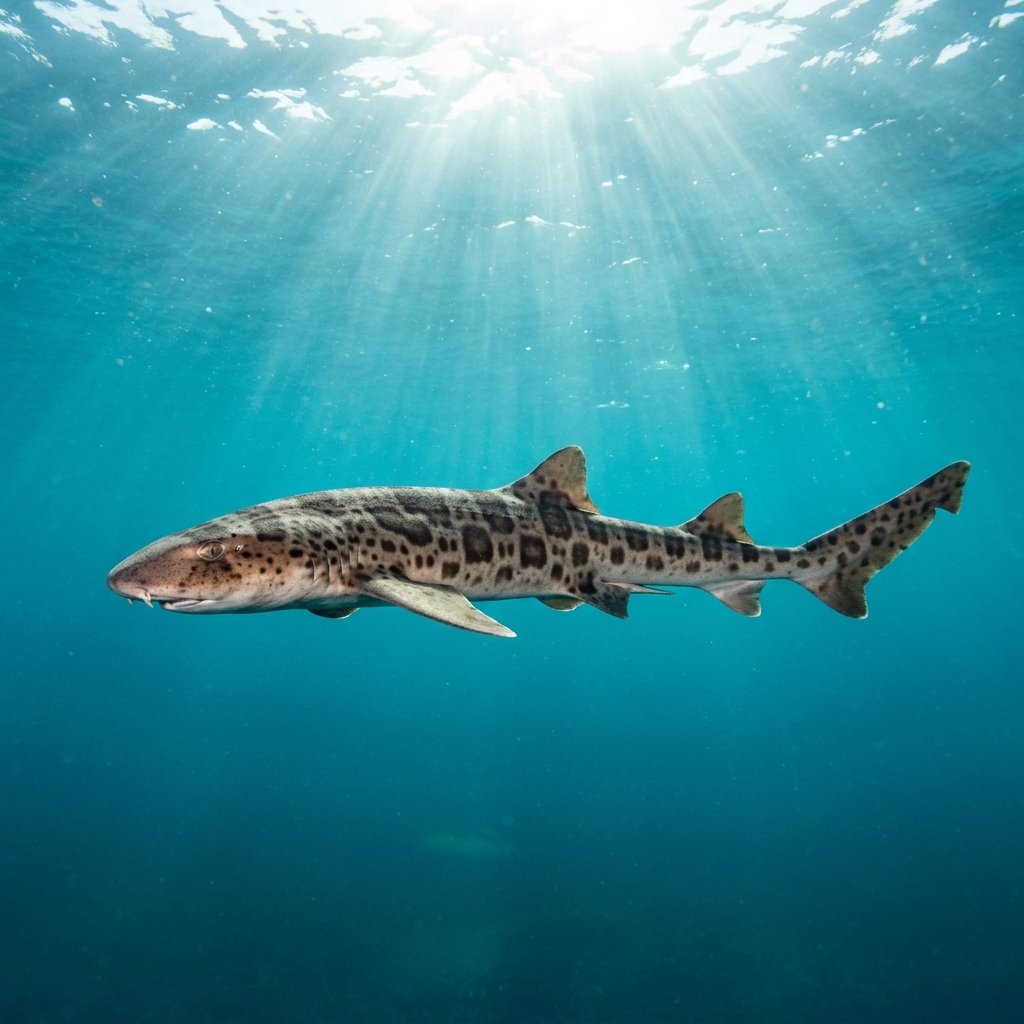
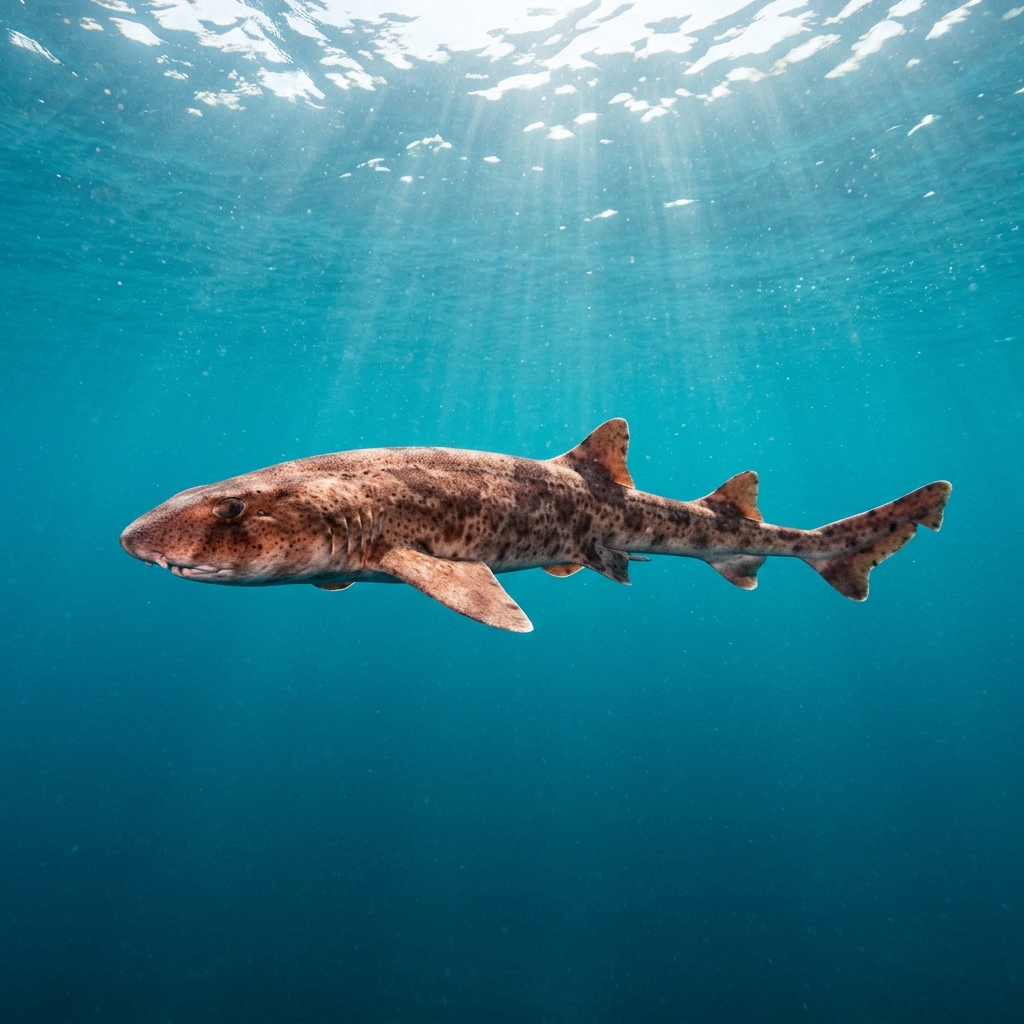
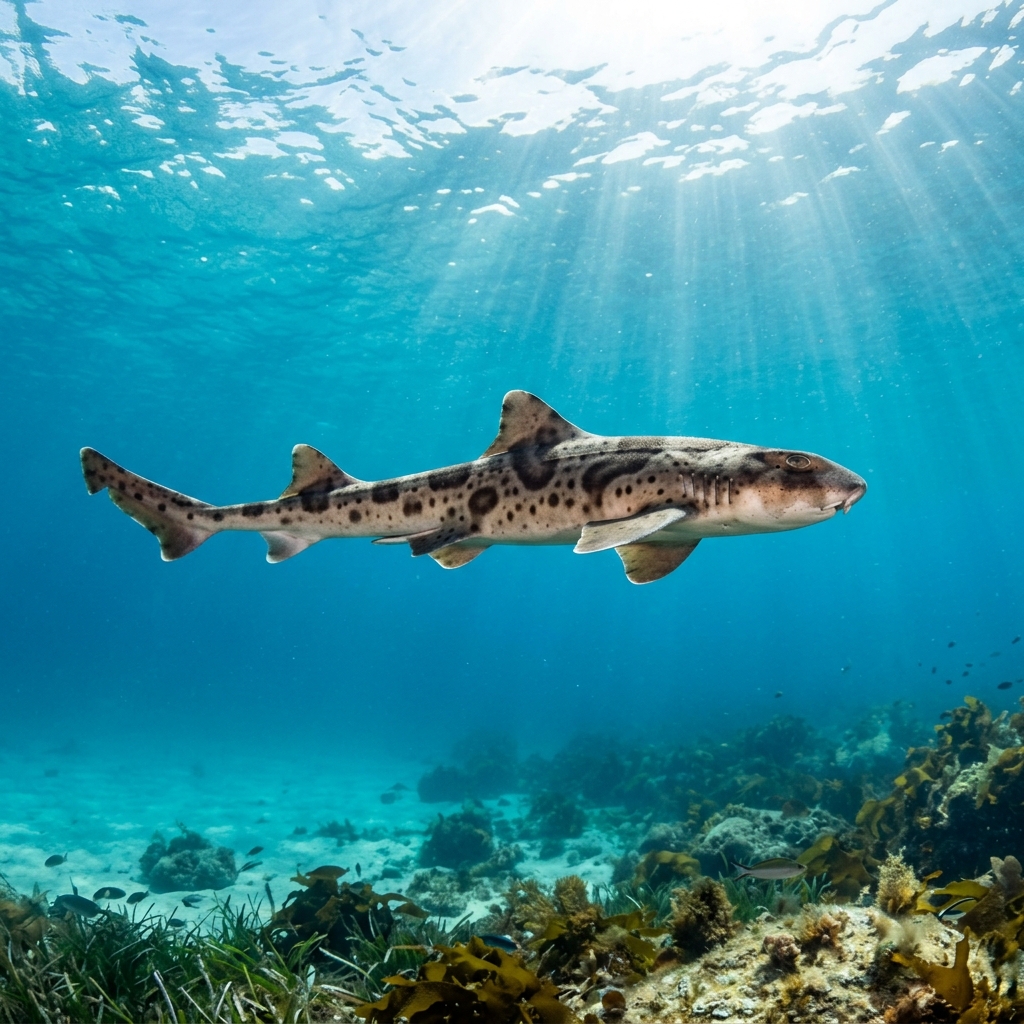
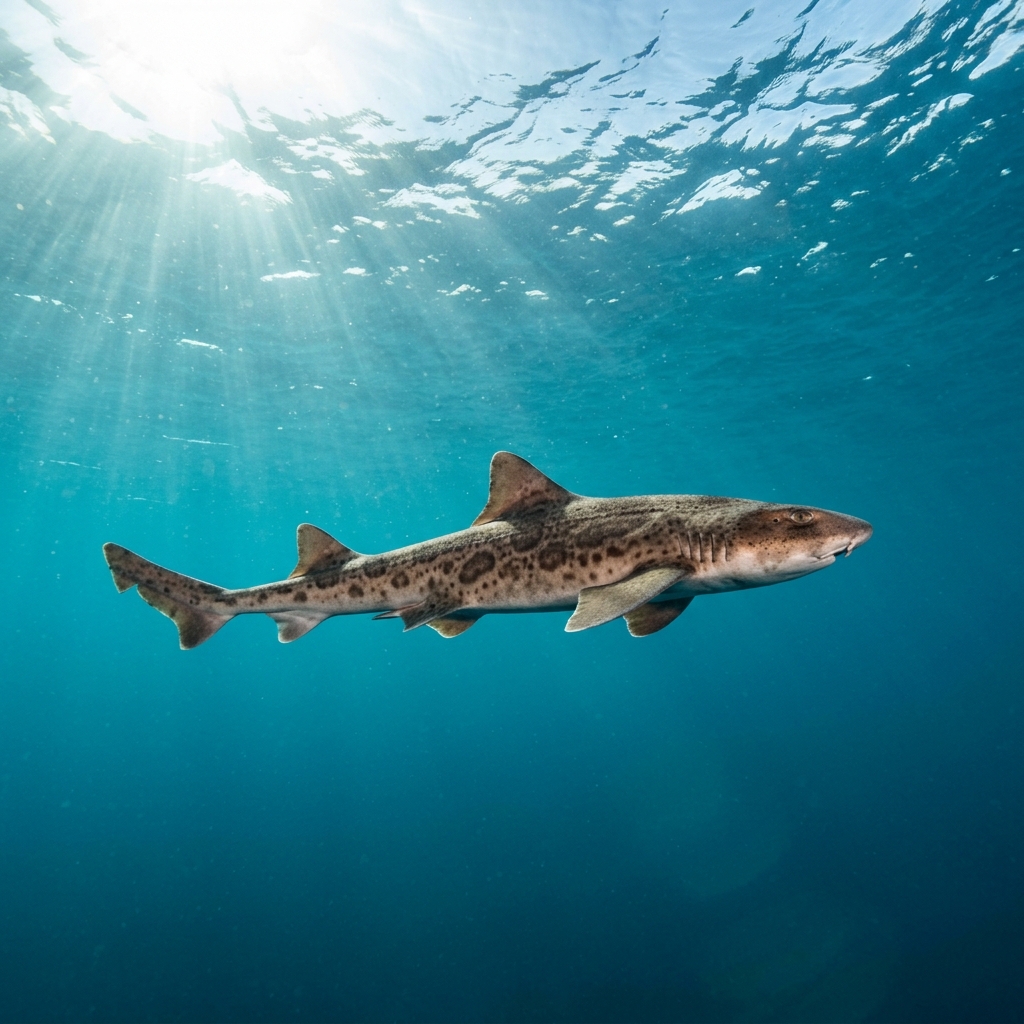
Catsharks are slender, small-bodied sharks with a long tail, a flattened head, and distinctively cat-like oval eyes, which give the family its name. Most species are patterned with spots, blotches, or saddle marks in browns, tans, or greys against a paler background, making them blend readily into rocky or sandy seabeds. In the water they typically appear no longer than a human arm, though size varies between species. Males can be identified by a pair of claspers (external reproductive organs) visible along the inner edges of the pelvic fins.
Catsharks are typically nocturnal hunters that spend daylight hours resting motionless on the bottom, tucked into rocky crevices, kelp holdfasts, or under ledges. When approached by divers they tend to stay put or move away with slow, sinuous swimming rather than bolting, making patient, non-intrusive observation straightforward. Encounters at night are often more active, as individuals patrol sand and reef edges searching for small fish, crustaceans, and molluscs.
Many catsharks lay eggs in tough, leathery cases known as mermaid's purses, which are anchored to kelp or rock with tendrils. Empty cases wash up on beaches across northern Europe and are a good indicator that catsharks are reproducing locally.
In Northern Hemisphere waters, sightings concentrate from October through March and again in May through July, suggesting catsharks are most reliably encountered during the cooler months that match their observed water-temperature range of around 9 to 17 °C.
Reef neighbours a diver could mistake it for. Use the identification notes above to tell them apart.
Catsharks are most commonly logged around the United Kingdom and France, with particularly strong records from South Coast England, South West England and Wales, and Brittany and Normandy. Ireland, Spain, and Denmark also contribute solid sighting records, and the family turns up along the northeastern United States as well. Within Europe, sites along the UK's northern and western coasts, including Scotland and Northern Ireland, are reliable spots to encounter them.
Mapping where Catshark is logged…
Catsharks are most reliably encountered around the United Kingdom and France, particularly along South Coast England, South West England and Wales, and the Brittany and Normandy coastline. Ireland, Spain, Denmark, and the northeastern United States also have solid records. They favour rocky reefs and mixed seabeds in cool temperate waters.
In Northern Hemisphere waters, sightings cluster between October and March and again in May through July. These cooler months align with the water temperatures of roughly 9 to 17 °C that catsharks prefer along European and northeastern Atlantic coastlines.
No. Catsharks pose no meaningful threat to divers. They are small, bottom-dwelling sharks that typically ignore divers or move slowly away when approached. As with any shark, avoiding handling or cornering them is good practice.
Look for a slender, small shark resting on the seabed with a distinctively long tail, an oval cat-like eye, and a body patterned with spots or blotches in brown and tan tones. They rarely exceed about 80 to 100 cm for most European species. The patterning and shape together distinguish them from other small reef sharks.
Size varies across the family, but most species divers encounter in European waters are small, typically in the range of 60 to 100 cm as adults. Their slender build means they appear even smaller when resting on the bottom.
Most catsharks reproduce by laying eggs inside leathery cases called mermaid's purses, which are attached to seaweed or rock and left to develop without parental care. The empty cases frequently wash ashore along northern European beaches, and finding one is a sign that catsharks are breeding in the area.
Site and sighting data is aggregated from diver logs, iNaturalist and GBIF. For taxonomy and conservation status:
Pyjama Shark
91 sites