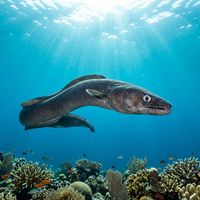
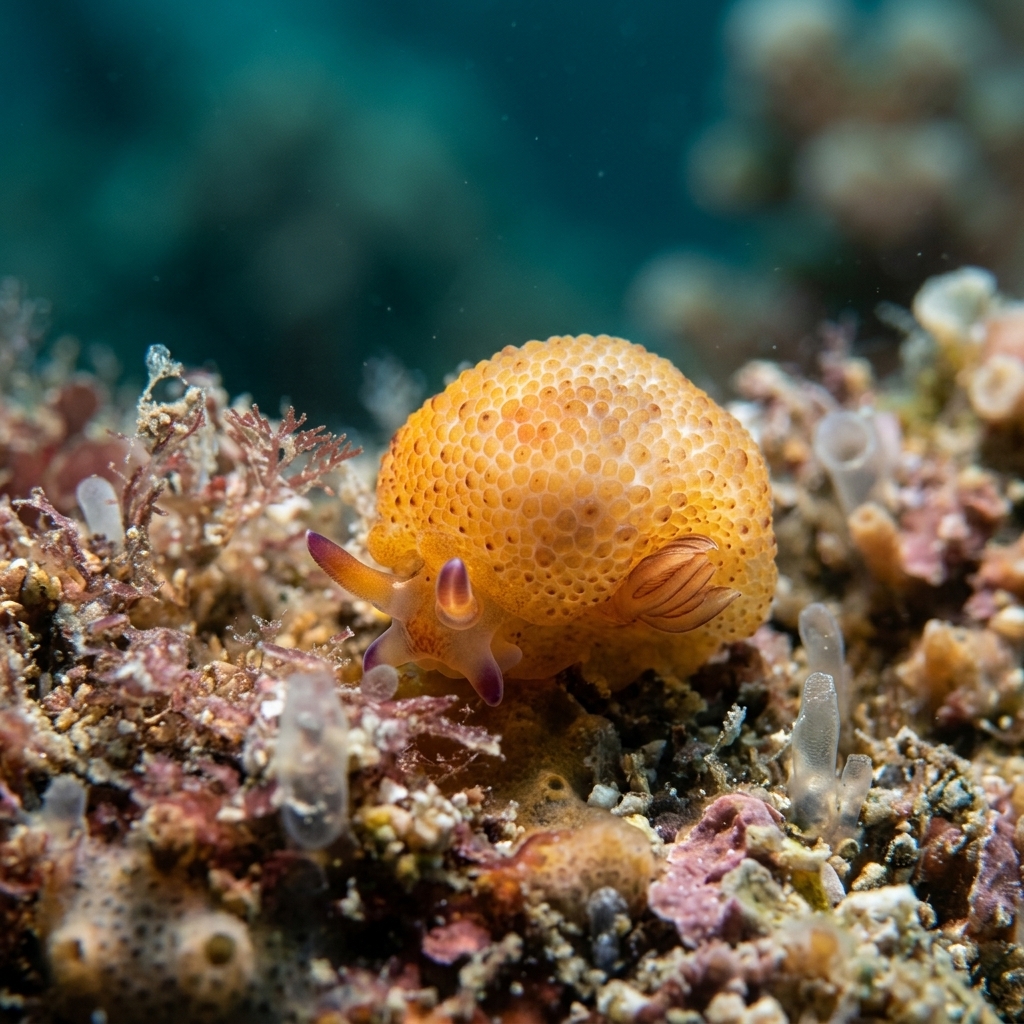
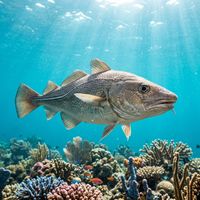
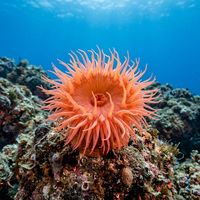
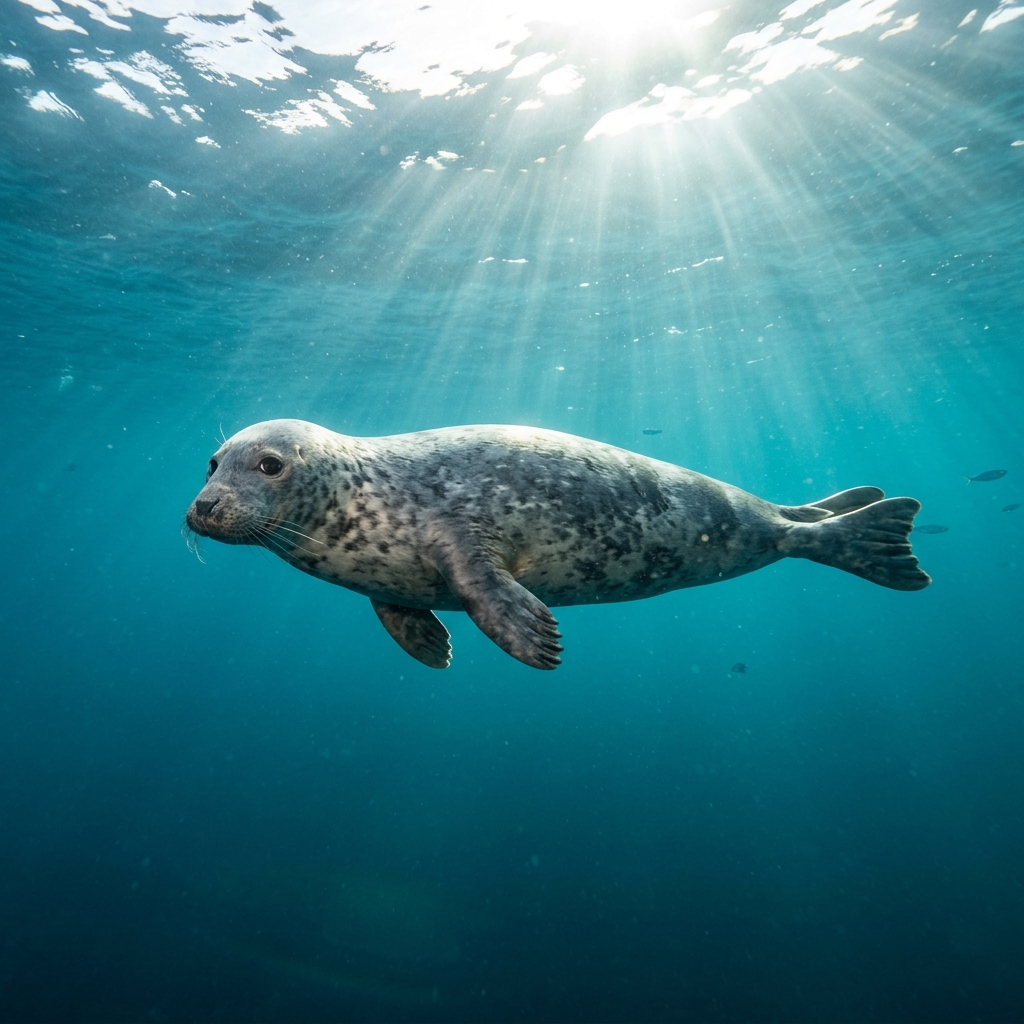
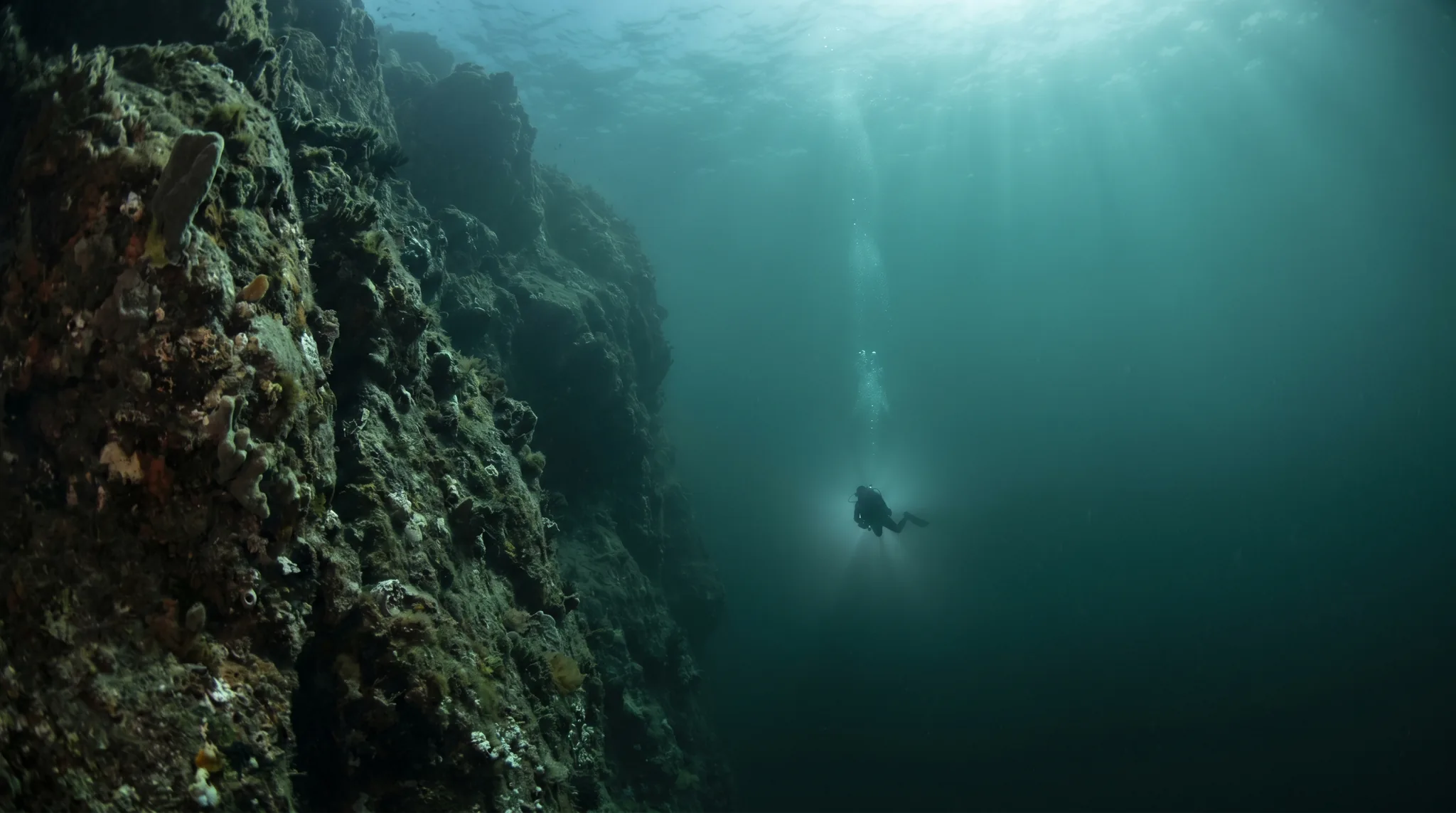
Northern Scotland offers a mix of wreck diving and sheltered snorkelling across two distinct sub-areas: the Wick Coast and the Moray Firth. Cold, clear water supports dense populations of Cod, Sea Anemone, Dead Man's Fingers and Sea Star, with Conger Eel a reliable find on rocky structure. The scuttled minelayer SMS Brummer is the headline dive, suited to advanced divers only. Snorkellers encounter rich intertidal life, and Gray Seal sightings add an element of surprise.
2 areas
Monthly water temperature across Northern Scotland's sites, from satellite sea-surface data corrected for depth. The band shows the site-to-site spread.
Water stays cold through winter and spring before warming slightly from June into August, making summer the most comfortable season for diving. The SMS Brummer is a boat-access, advanced-level wreck, and exposed northern conditions mean currents and surface weather should be checked carefully. Visibility can range from modest to good depending on season and site.
5 operators
United Kingdom
United Kingdom
United Kingdom
United Kingdom
United Kingdom
11 more sites to explore
Water temperature around Northern Scotland ranges from about 8°C in January to 14°C in August, based on satellite sea-temperature data for its dive sites.
In the warm season (about 14°C) a 7mm or semi-dry suit is comfortable in Northern Scotland; in the coldest months (about 8°C) step up to a drysuit.
Fin maps 12 sites in Northern Scotland (5 scuba diving sites and 8 snorkelling spots, with some suited to both), organised into 2 areas.
Across Northern Scotland's dive sites, June, July and August are most often reported as the best months to visit.
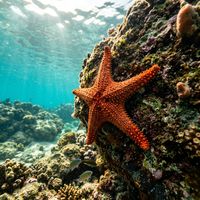
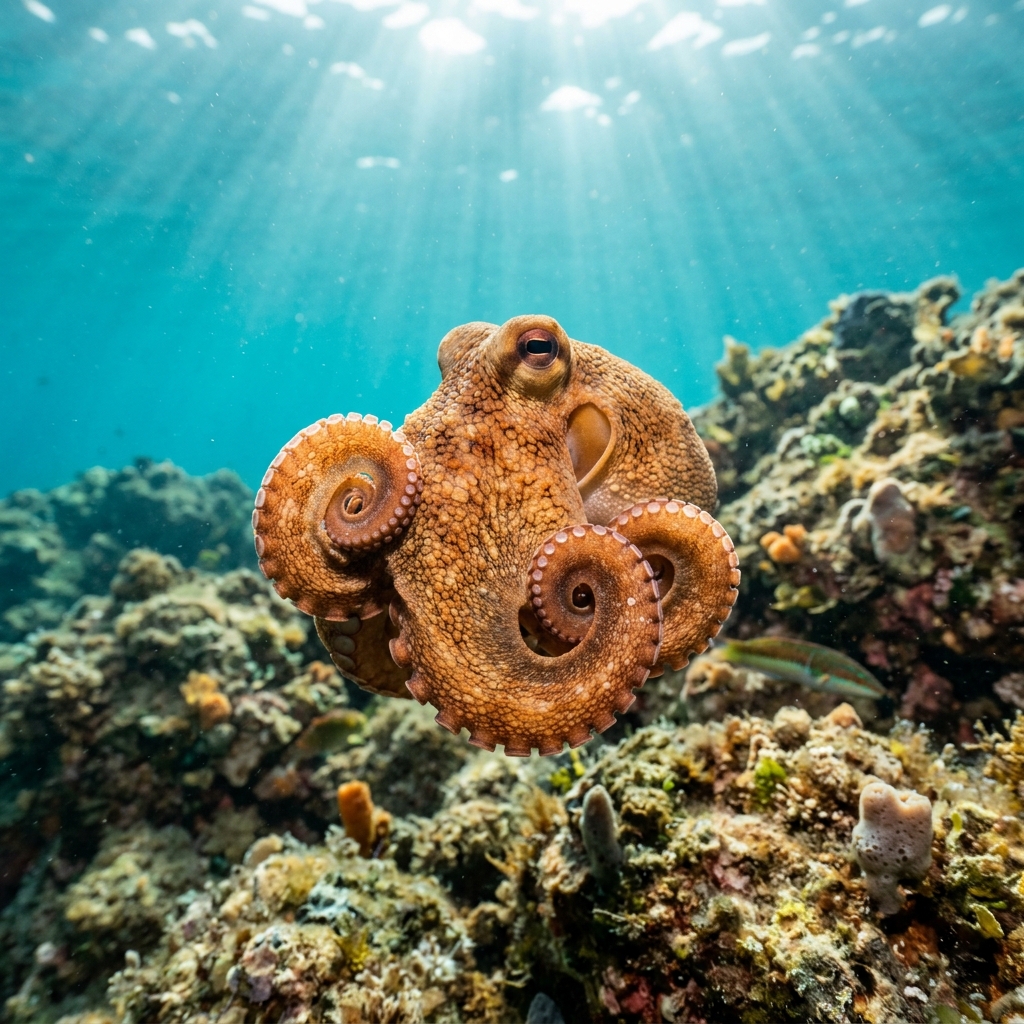
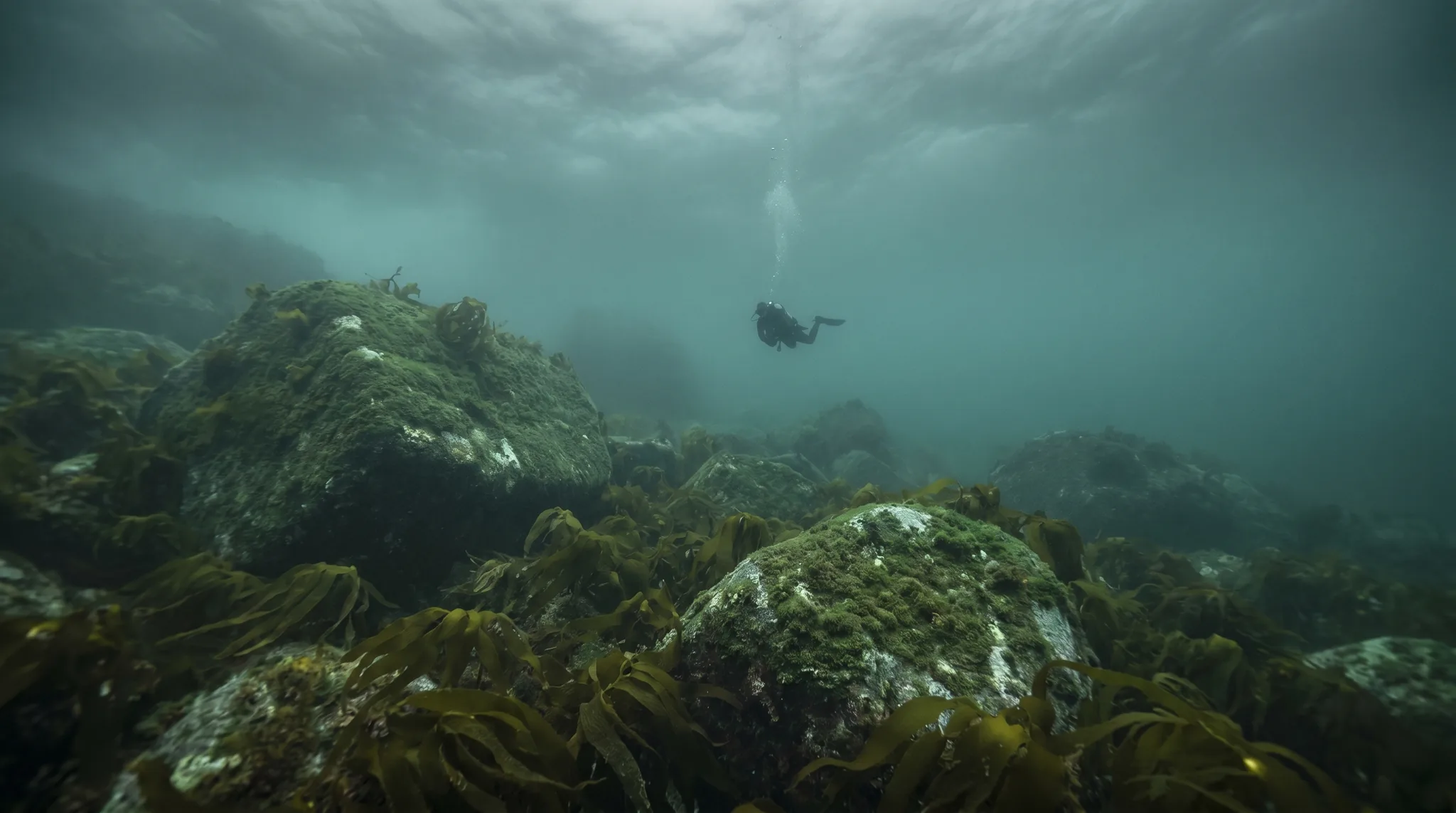
Cod and Sea Anemone are very commonly observed across sites, along with Dead Man's Fingers, Sea Star and European Green Crab. Conger Eel is a frequent find on rocky and wreck structure. Rarer sightings have included Gray Seal, Curled Octopus and even Humpback Whale.
The headline dive, SMS Brummer, is rated advanced due to its depth and boat-only access. Cold water and northern exposure add to the challenge. Beginners may find more suitable conditions at snorkelling sites before progressing to deeper dives.
The Wick Coast has a greater number of sites and likely offers more variety for both divers and snorkellers. The Moray Firth has fewer listed sites but remains a distinct sub-area worth exploring. Both share the cold, species-rich conditions characteristic of Northern Scotland.
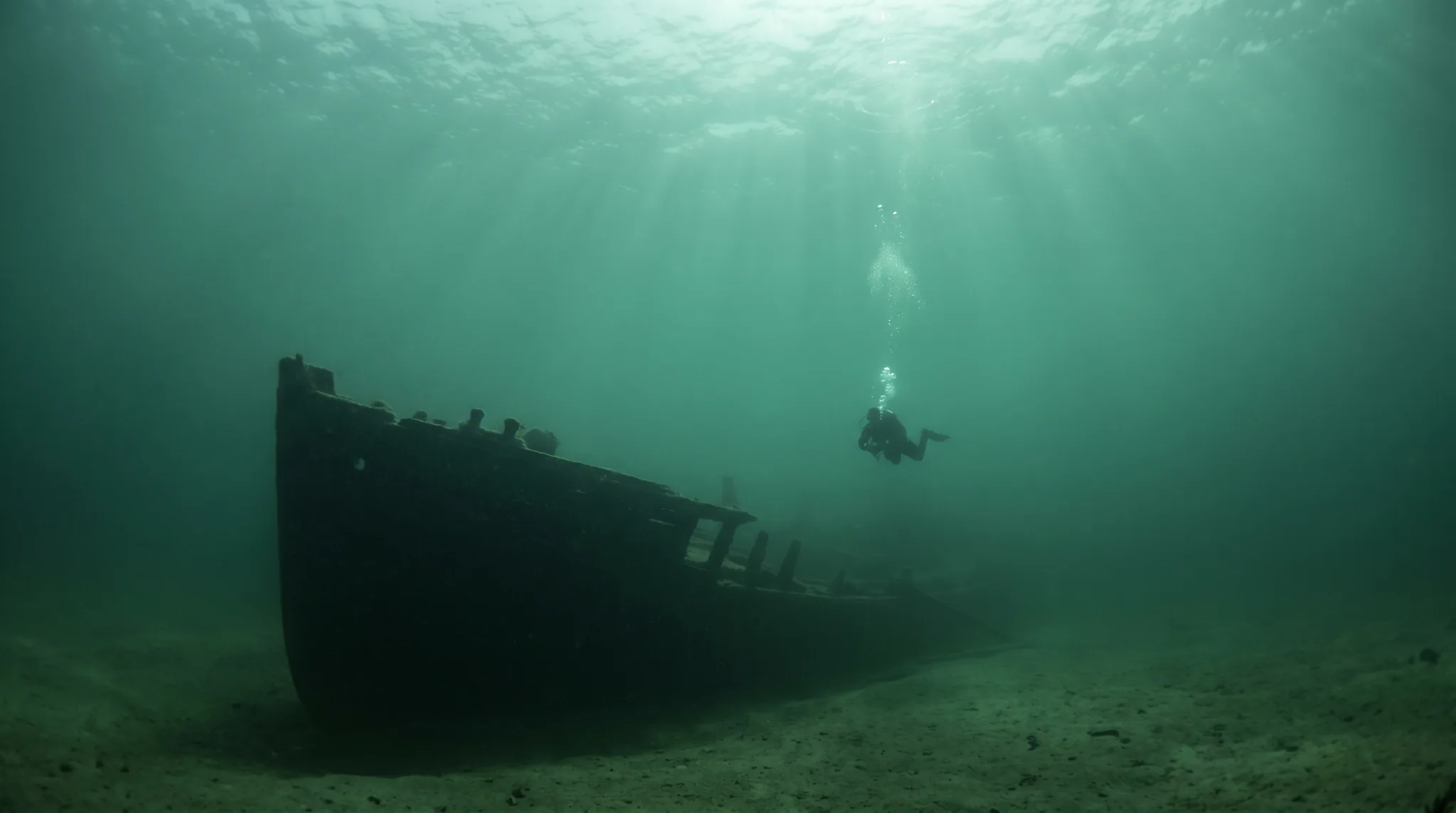
The SMS Brummer, the region's most notable wreck, requires boat access. Divers should plan accordingly and arrange suitable vessel support, particularly given the advanced skill level required for this site.