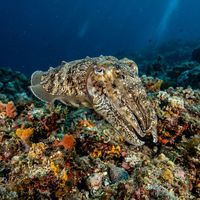
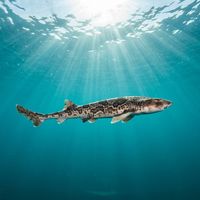
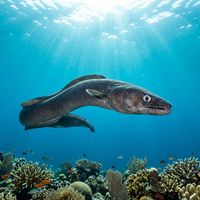
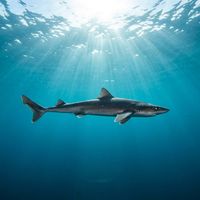
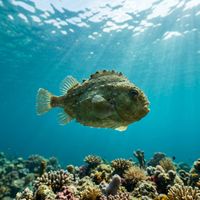
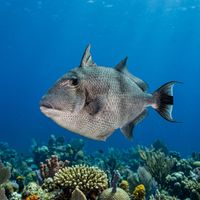
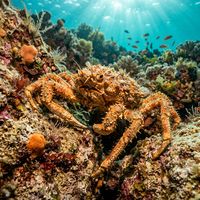
The Sussex Coast is defined by its density of wreck diving, from deliberately scuttled vessels like HMS Scylla to Mulberry Harbour remnants and deeper offshore wrecks such as Oceana and Clodmoor. Shore dives are plentiful around Selsey and Brighton and Eastbourne, with artificial reefs adding structure to otherwise sandy ground. The European Common Cuttlefish is the standout species, appearing across nearly all sites, alongside Spiny Spider Crab, Conger Eel, Catshark, and the occasional Lumpfish or Grey Triggerfish.
2 areas
Monthly water temperature across Sussex Coast's sites, from satellite sea-surface data corrected for depth. The band shows the site-to-site spread.
Water is coldest through winter and early spring, warming noticeably from late spring into summer and peaking in late summer. The warmest and most popular months run from late spring through early autumn, when conditions favour longer bottom times and encounters with cuttlefish. Exposure and currents vary by site, with offshore wrecks demanding more planning than the sheltered shallow shore entries.
25 operators

42 more sites to explore
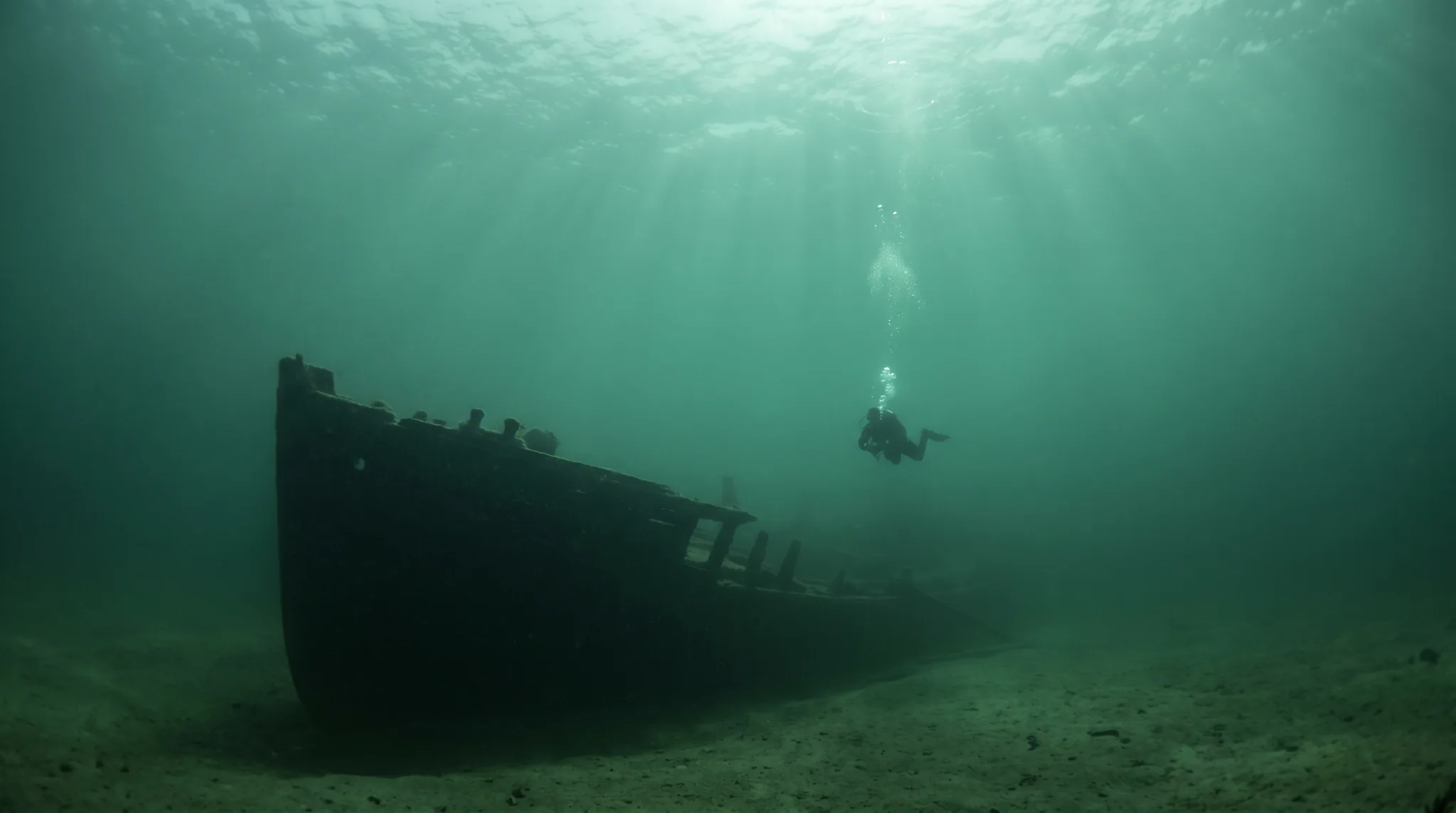
Wreck and artificial reef diving anchored by Mulberry Harbour remains and a deliberately sunk Royal Navy frigate, with cuttlefish as the star encounter.
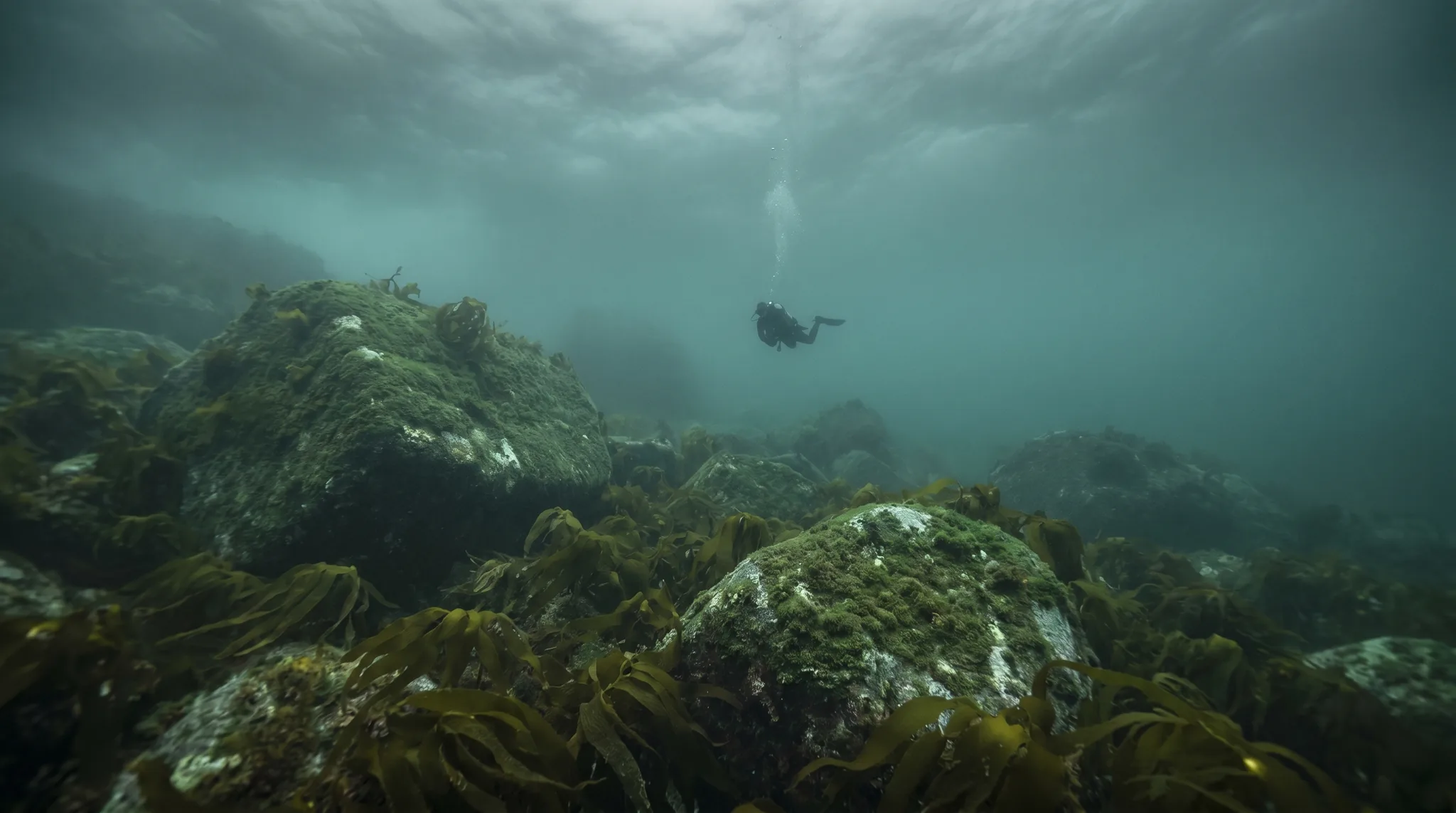
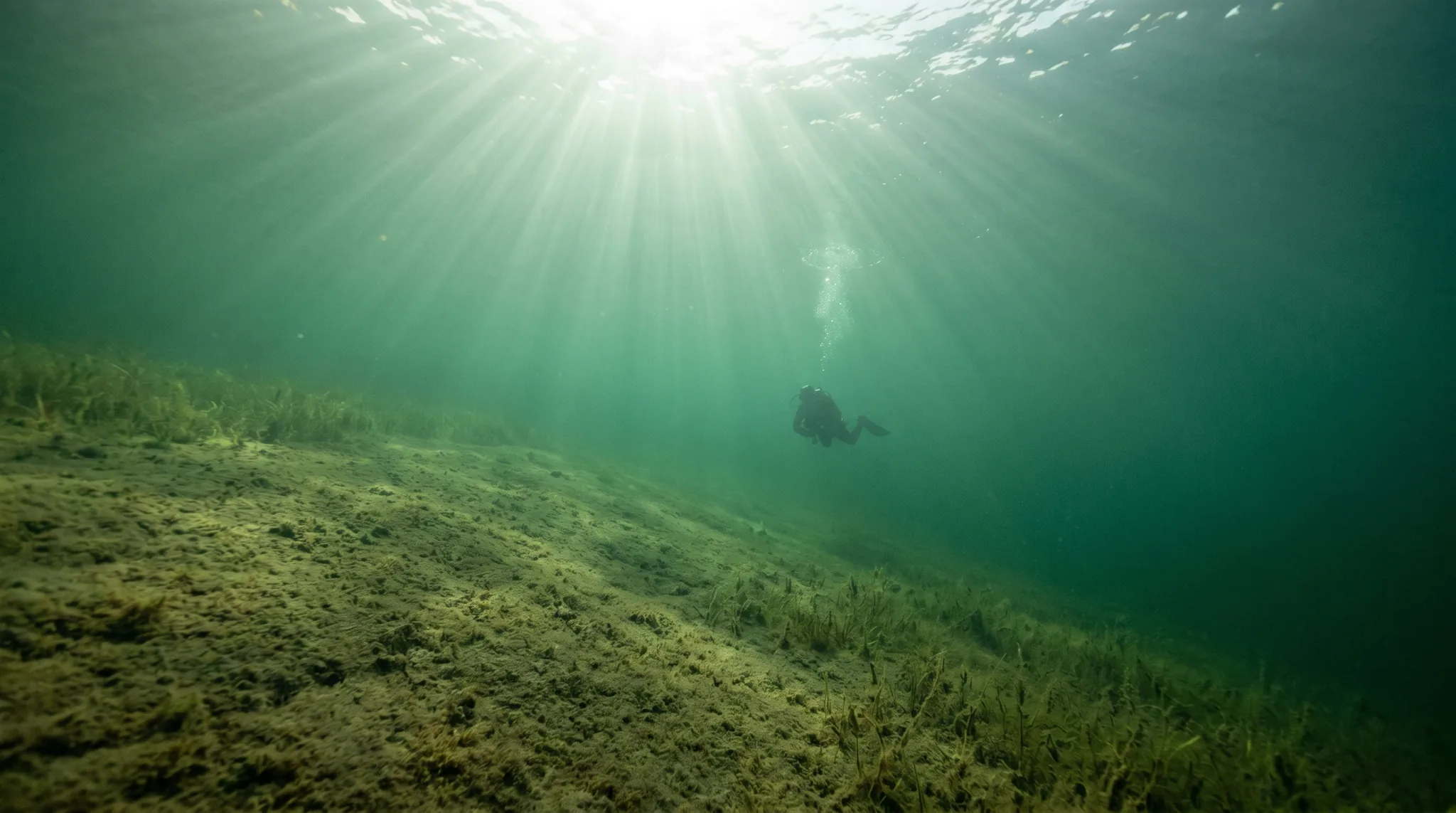
Water temperature around Sussex Coast ranges from about 9°C in February to 18°C in August, based on satellite sea-temperature data for its dive sites.
In the warm season (about 18°C) a 5mm suit is comfortable in Sussex Coast; in the coldest months (about 9°C) step up to a drysuit.
Fin maps 53 sites in Sussex Coast (53 scuba diving sites and 5 snorkelling spots, with some suited to both), organised into 2 areas.
Across Sussex Coast's dive sites, May, June, July, August and September are most often reported as the best months to visit.
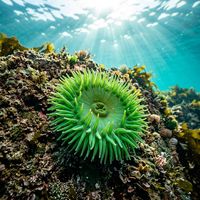
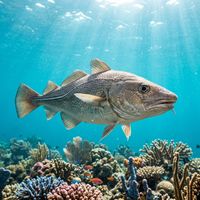
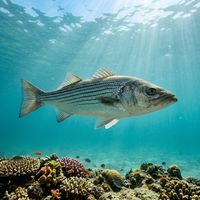
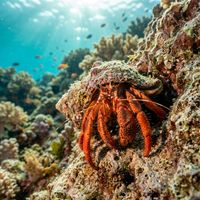
The European Common Cuttlefish is the signature species, observed across virtually all sites in the region. Divers also regularly encounter Spiny Spider Crab, Giant Green Anemone, Conger Eel, Catshark, Dogfish, Cod, Temperate Bass, Tompot Blenny, and Swimming Crab. Less frequent but recorded sightings include Gray Seal and Seahorse.
Yes, a good number of sites are rated beginner level, including Brighton Pier, Inner Mulberry Harbour, Newhaven West Arm, and Bognor Rocks, all of which offer shallow, shore-accessible diving. Intermediate and advanced divers are also well served by deeper offshore wrecks such as HMS Scylla and Clodmoor. The spread of skill levels means divers of most experience can find appropriate sites.
Selsey holds the largest concentration of sites in the region and includes the iconic HMS Scylla wreck as well as the Mulberry Harbour remains, a mix of boat and shore dives. Brighton and Eastbourne offers its own range of shore-accessible reefs and artificial structures alongside deeper offshore wrecks. Both sub-areas cater to a range of experience levels.
Many sites on the Sussex Coast are accessible directly from shore, including Selsey Beach, Brighton Pier, Wide Water Beach, and Newhaven West Arm. Some sites, particularly the deeper offshore wrecks like HMS Scylla and Oceana, require boat access. Operators such as In2 Diving Ltd, Sussex Diving Ltd, and Newhaven Scuba can arrange boat charters for those sites.