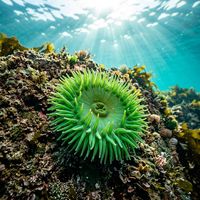
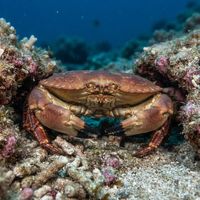
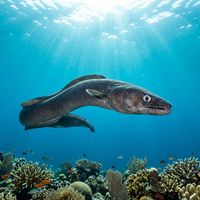
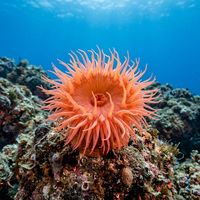
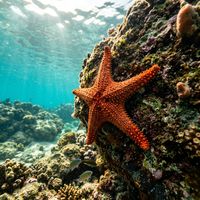
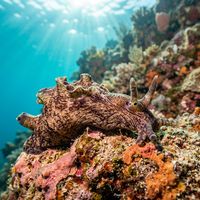
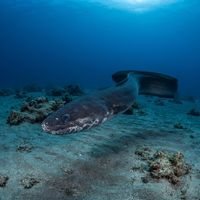
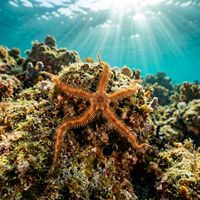
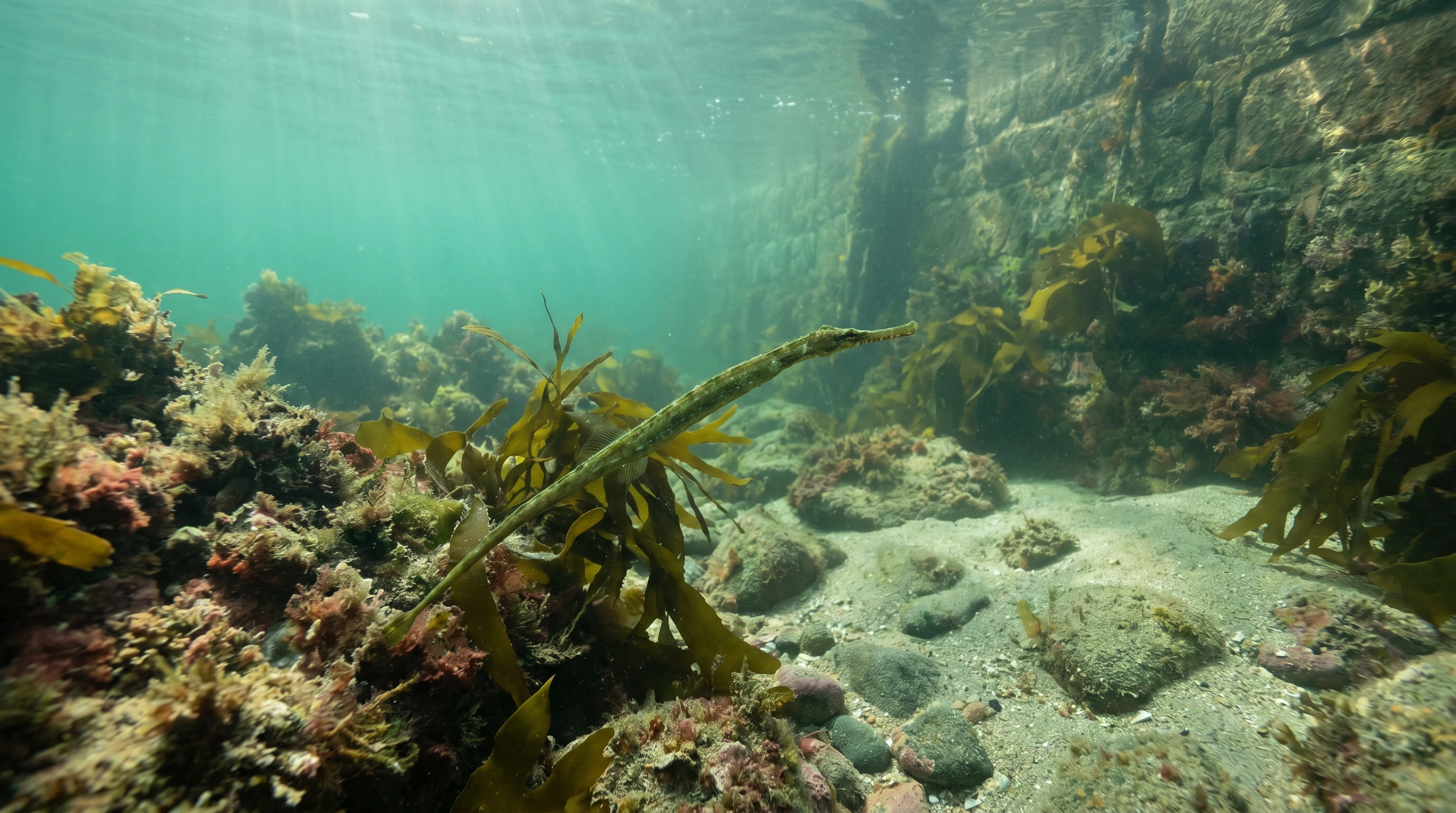
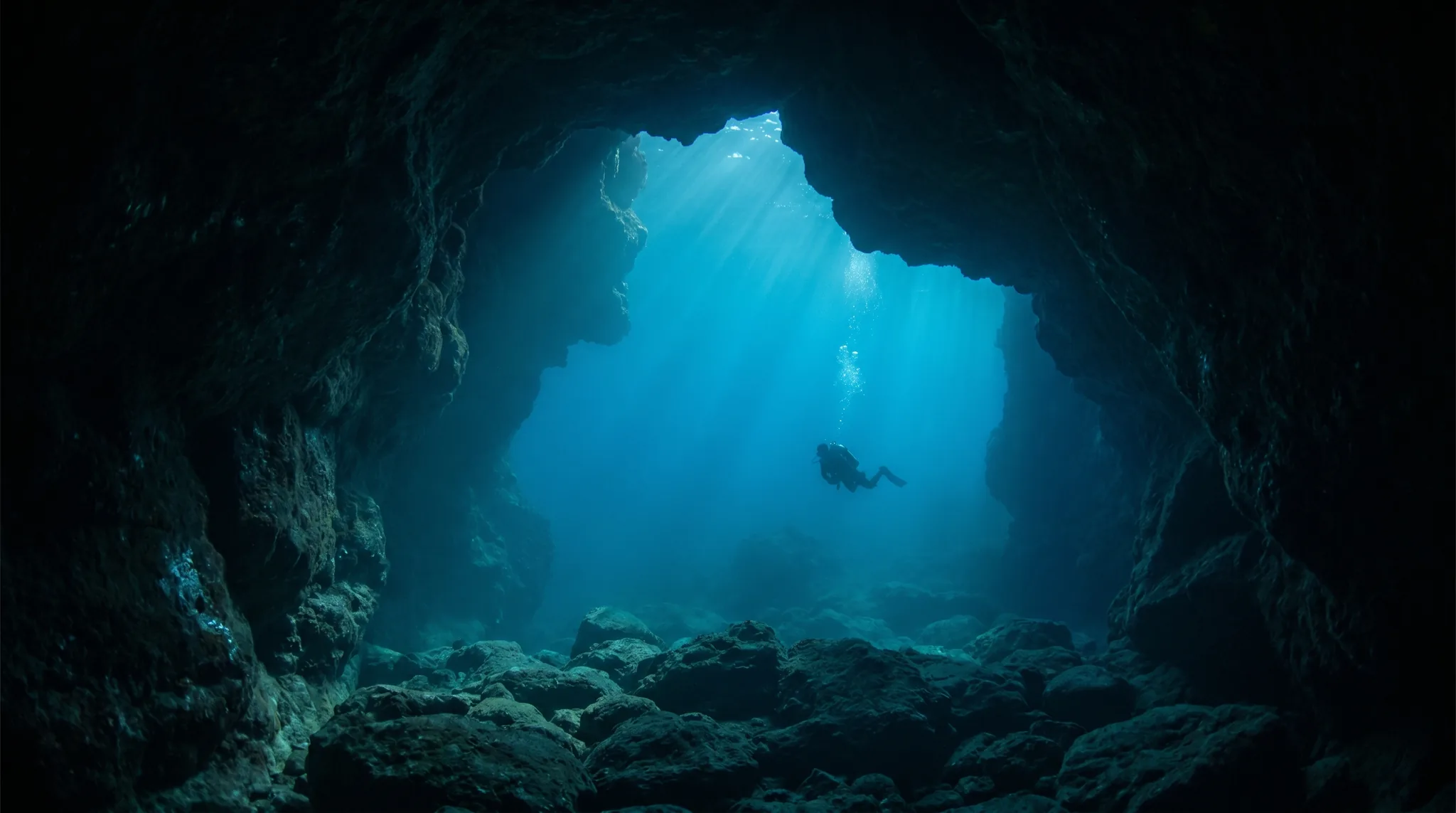
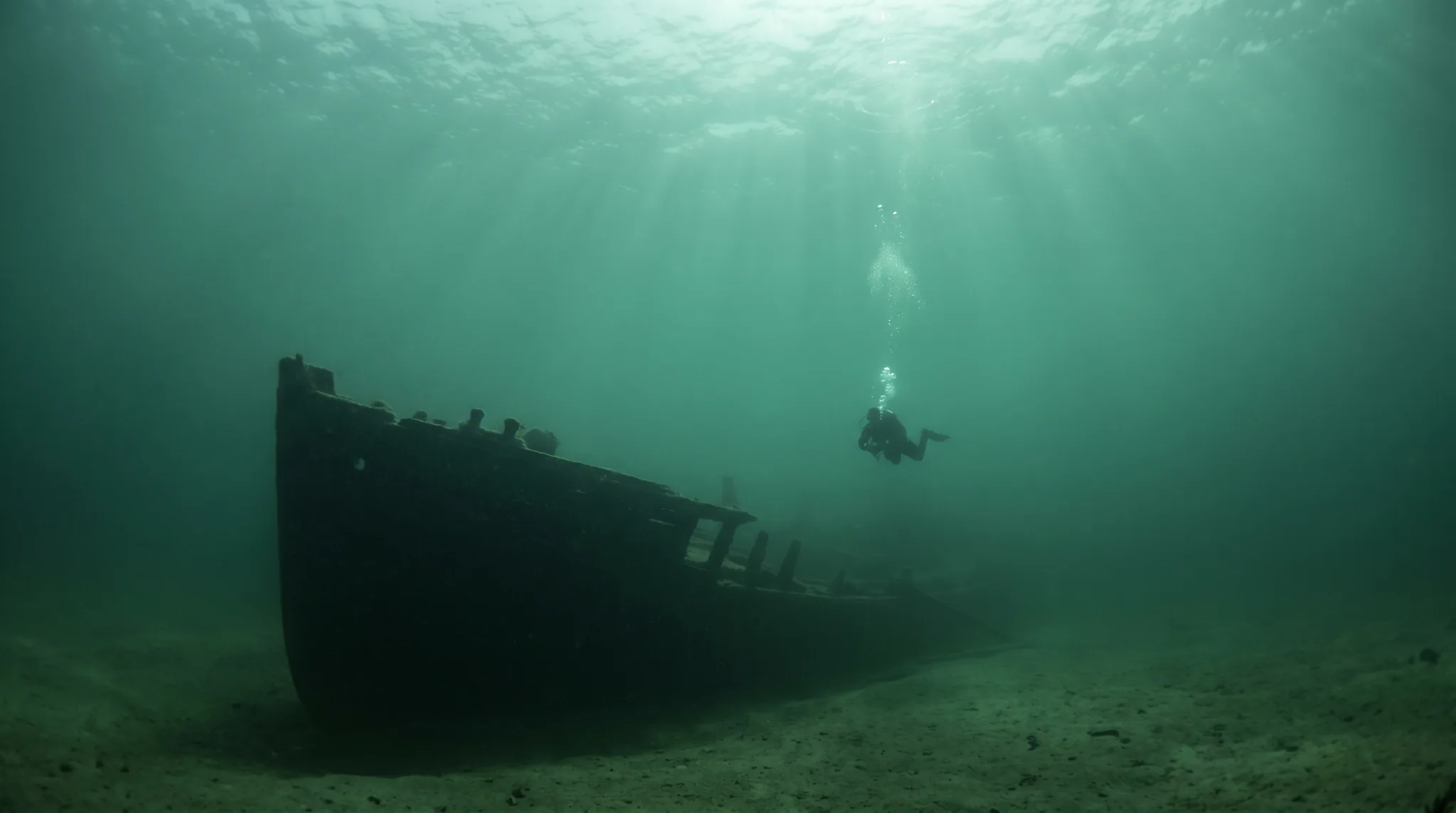
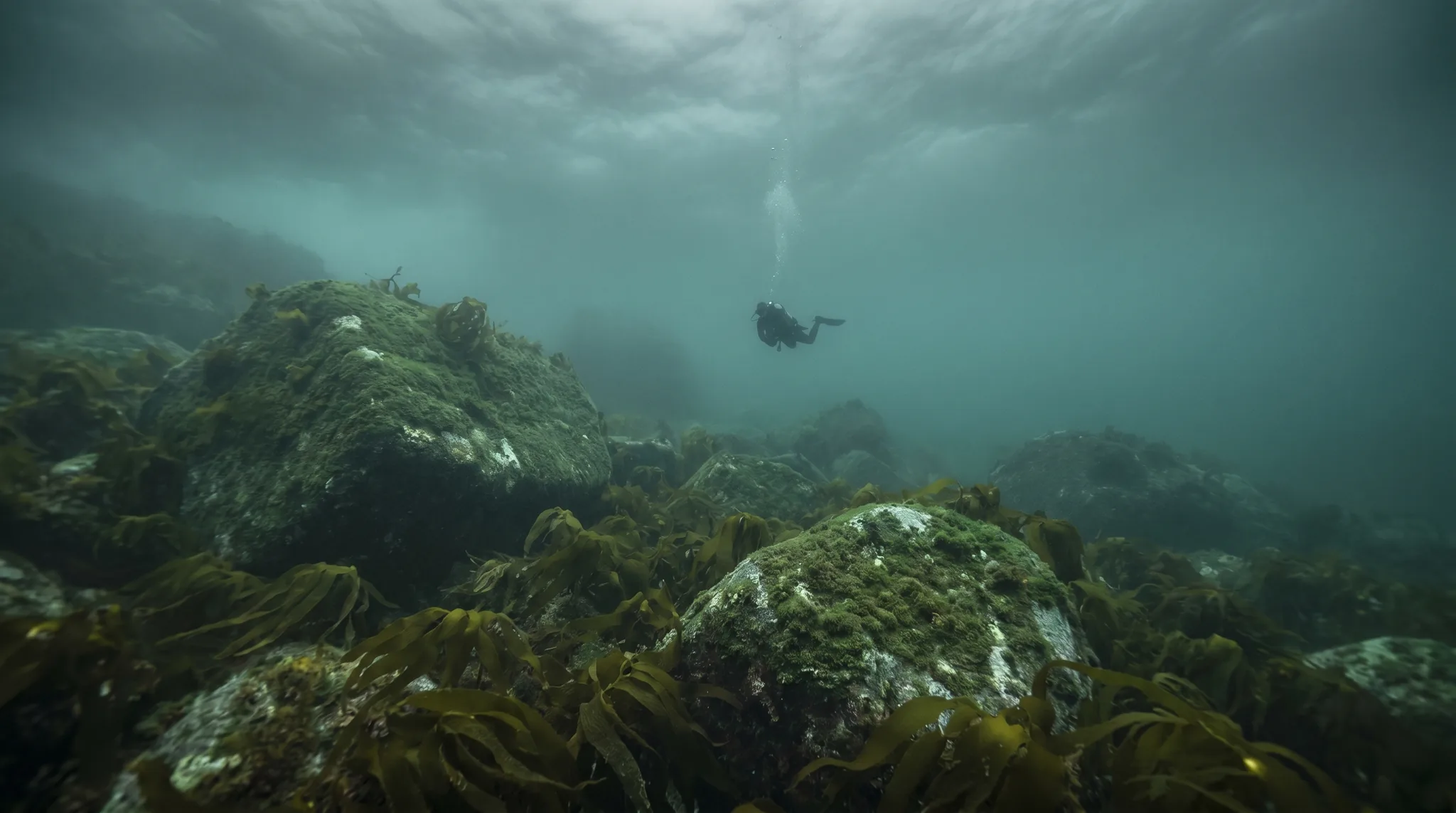
Cherbourg's underwater character is shaped by temperate, tidal conditions and a mix of wreck diving and rocky coastal snorkelling. The standout dive site is the Leopoldville Wreck, a deep technical wreck strictly for advanced divers with boat access. Across the sites, invertebrate life dominates: Sea Anemone, Sea Star, Sea Hare, Brittle Star, Brown Crab, Spiny Spider Crab, and Conger Eel are all consistently observed. Water is coolest in late winter and warmest through late summer.
Monthly water temperature across Cherbourg's sites, from satellite sea-surface data corrected for depth. The band shows the site-to-site spread.
Water temperatures are at their lowest through winter and early spring, then climb steadily from late spring into summer and peak in late summer before easing back through autumn. The warmest and most settled window runs from early summer through to mid-autumn, making those months most comfortable for extended dives. The Leopoldville Wreck demands advanced certification and boat access, reflecting the exposed, tidal nature of diving in this area.
3 operators
10 more sites to explore
Water temperature around Cherbourg ranges from about 10°C in February to 18°C in August, based on satellite sea-temperature data for its dive sites.
In the warm season (about 18°C) a 5mm suit is comfortable in Cherbourg; in the coldest months (about 10°C) step up to a drysuit.
Fin maps 11 sites in Cherbourg (6 scuba diving sites and 5 snorkelling spots).
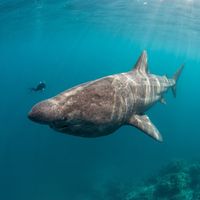
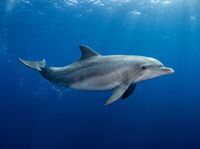
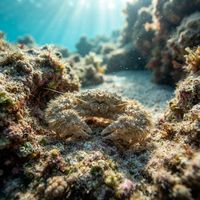
The most consistently observed species are Sea Anemone, Sea Star, Sea Hare, Brittle Star, Brown Crab, Spiny Spider Crab, Conger Eel and European Conger. Broad-clawed Porcelain Crab and Sea Urchin are also commonly recorded. Rarer observations include Basking Shark and Bottlenose Dolphin, though these are infrequent rather than reliable sightings.
The Leopoldville Wreck, the headline dive site in Cherbourg, is classified as advanced and is accessible by boat only, placing it firmly outside beginner territory. The tidal and exposed nature of the area means divers should be comfortable in cooler, more dynamic conditions. Beginners would be better served by diving with one of the local operators such as Neptune Plongée or CIP Normandie, who can advise on appropriate sites.
The Leopoldville Wreck requires boat access, and the area has several active dive operators including Tatihou III, Neptune Plongée, CIP Normandie and ASAM Plongée. Booking with a local operator is strongly advisable given the tidal conditions and the technical nature of the main wreck site. They will also be best placed to advise on current conditions and site selection.
The Leopoldville is a large wreck sitting across a significant depth range, from moderately deep to well into technical territory. It is reserved exclusively for advanced divers and reached only by boat. No shore entry is possible, and the depth profile means divers need appropriate training and gas planning before attempting it.