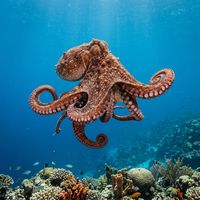
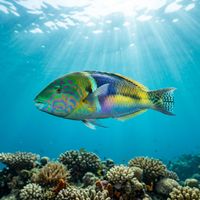
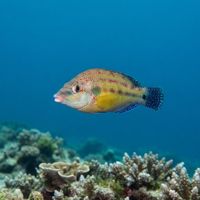
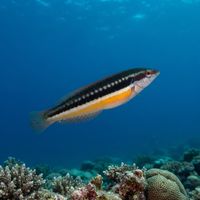
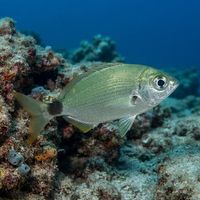
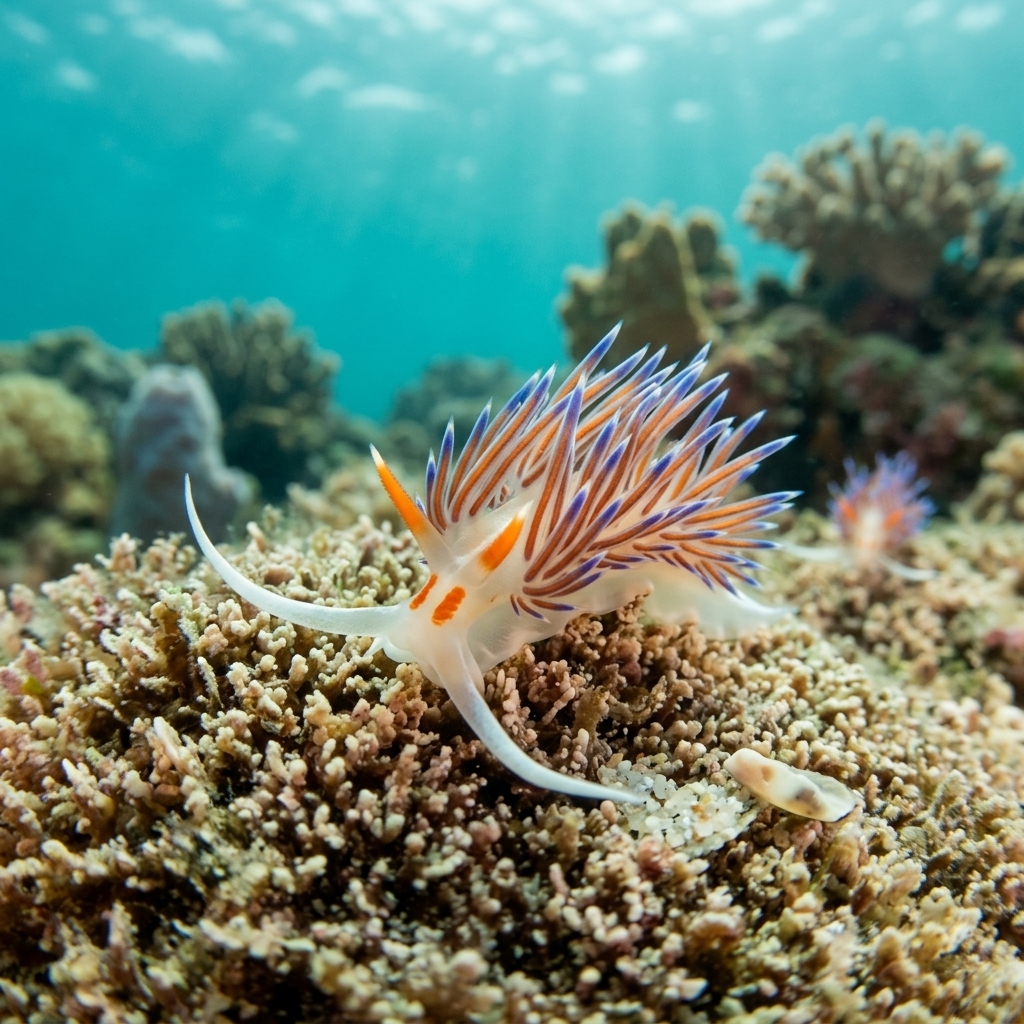
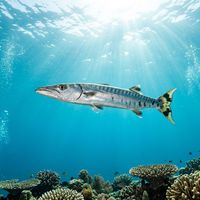
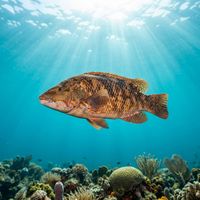
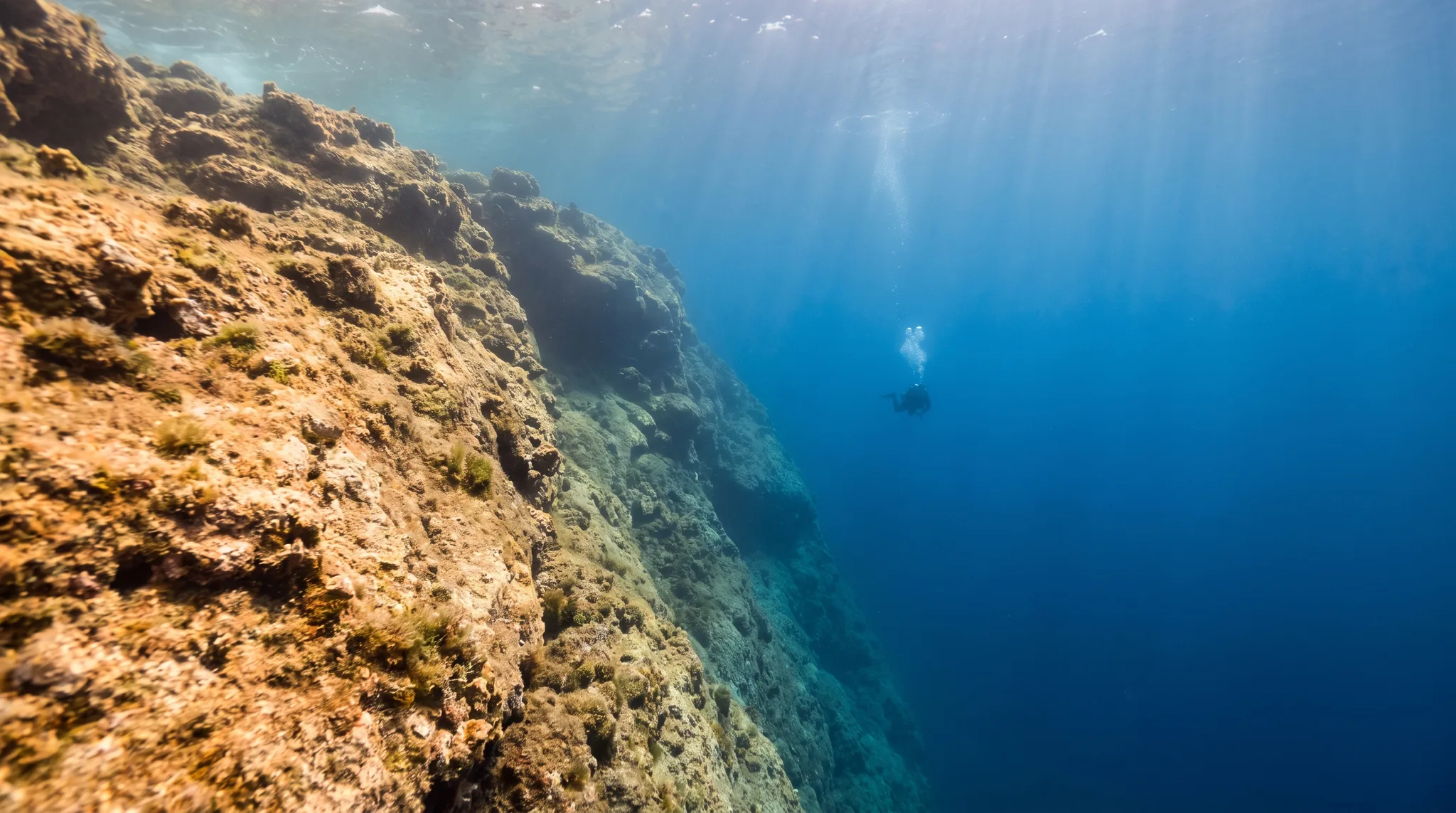
Menorca's underwater character is defined by an exceptional density of caves and canyon systems, particularly around Ciutadella and the west, which holds the largest share of sites. Walls, reefs, seagrass beds and an artificial reef round out a varied site mix that suits beginners through to advanced divers. The Common Octopus and Great Barracuda are the island's signature species, while Turkish Wrasse, Painted Comber and Cratena Slug appear across almost every site. Fornells and the north offer a distinct flavour from the south's quieter coastal fringe.
3 areas
Monthly water temperature across Menorca's sites, from satellite sea-surface data corrected for depth. The band shows the site-to-site spread.
Water temperatures rise steadily from spring into late summer, when conditions are warmest and visibility at its best. The peak window runs from late spring through autumn, with May, June, September and October drawing the most activity. Exposed sites such as Cap d'Artrutx can produce drift conditions, while sheltered cave and canyon systems in the west dive comfortably across a long season.
23 operators

88 more sites to explore
Cave-heavy diving off western Menorca, from beginner shore reefs to a deep wreck and dramatic canyon systems.
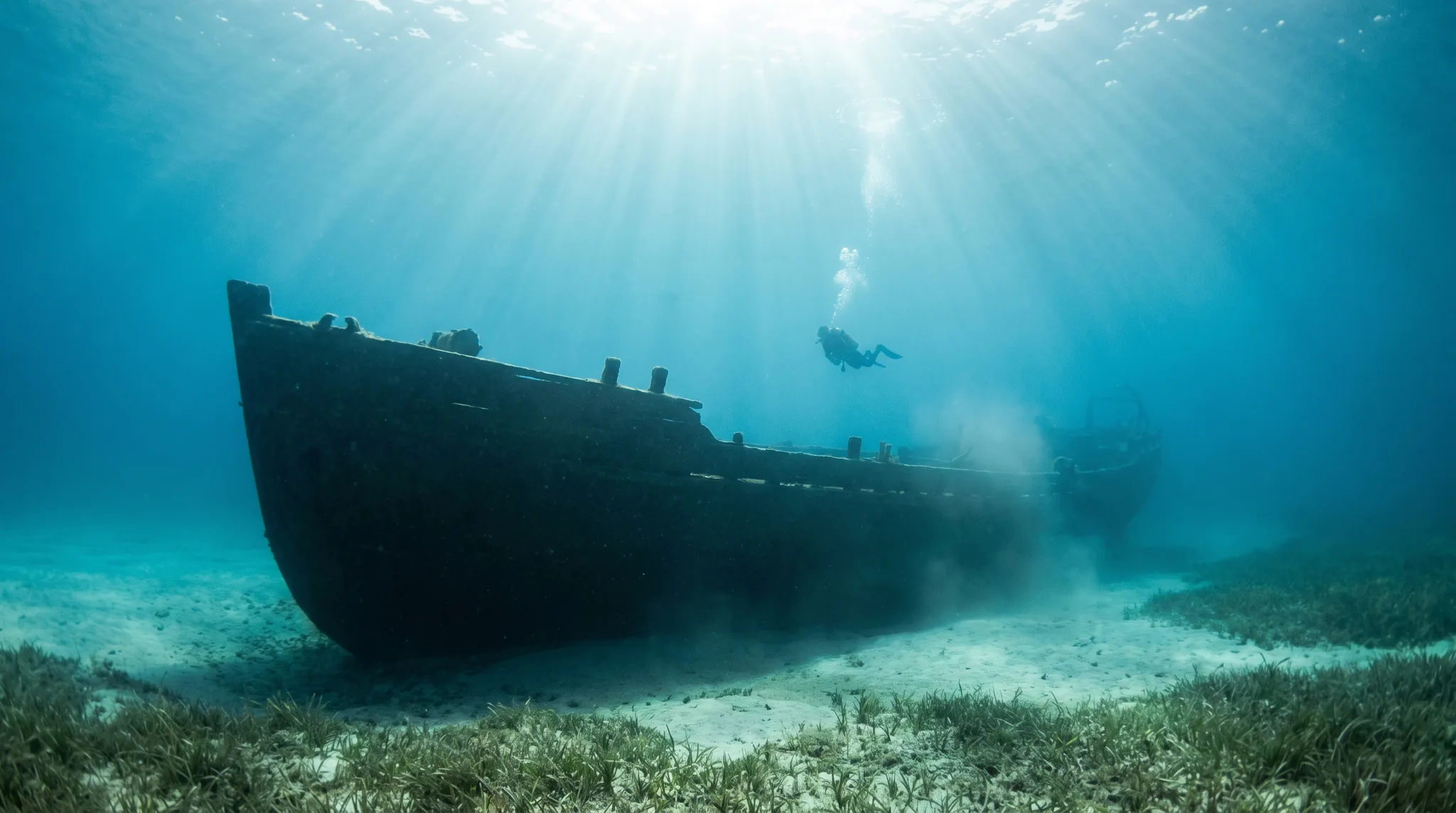
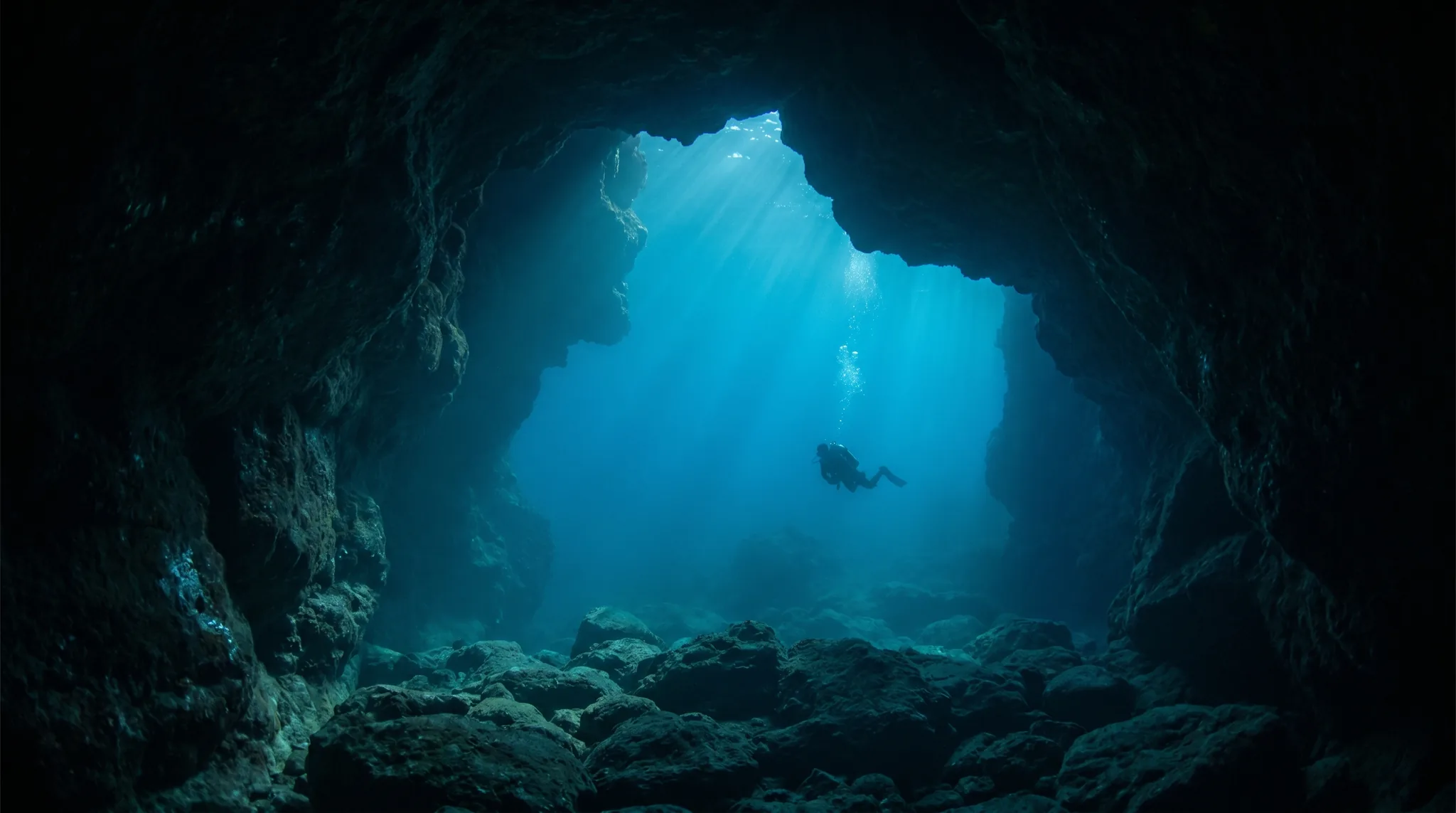
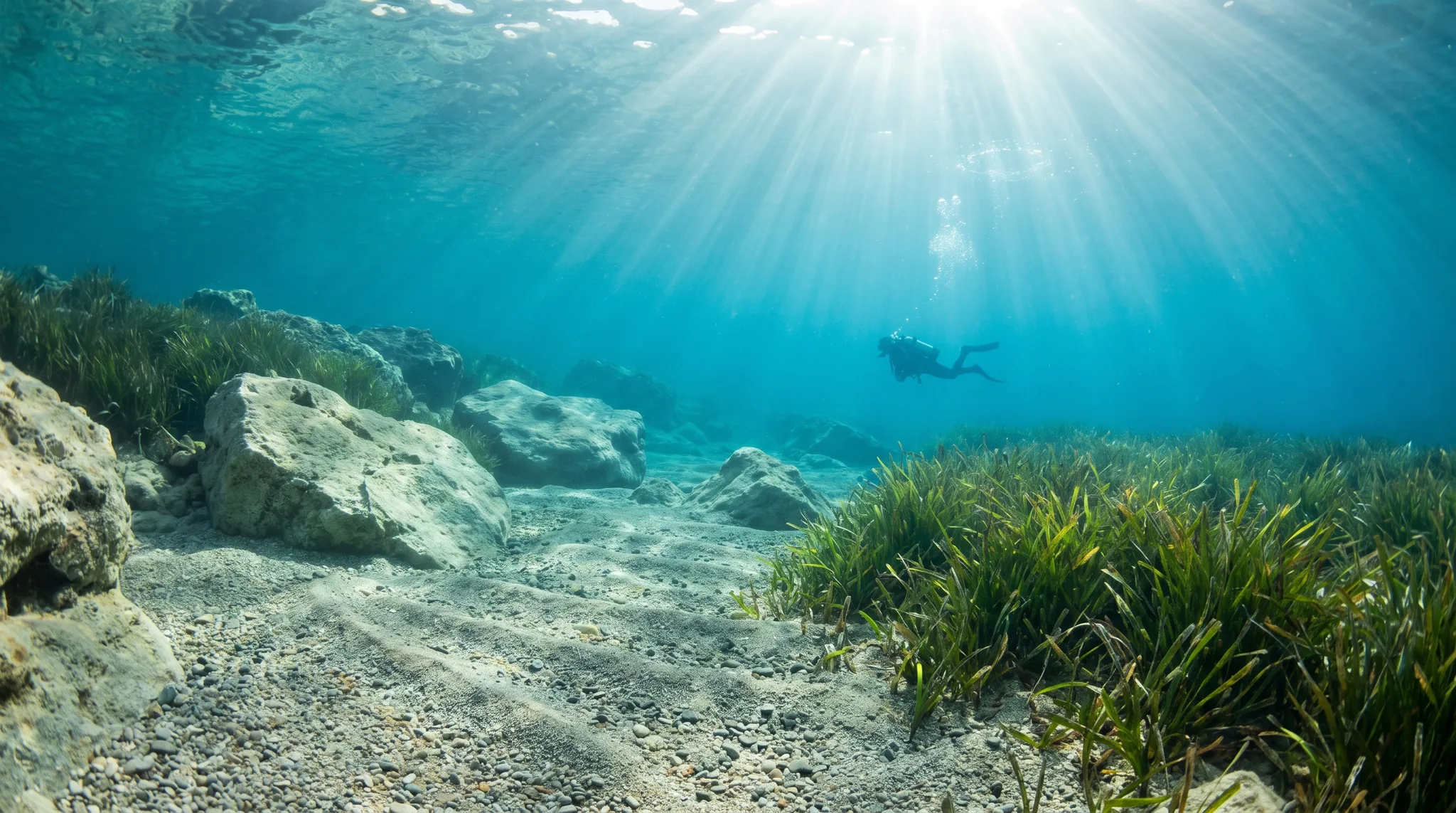
Water temperature around Menorca ranges from about 14°C in February to 25°C in August, based on satellite sea-temperature data for its dive sites.
In the warm season (about 25°C) a 3mm full suit is comfortable in Menorca; in the coldest months (about 14°C) step up to a 7mm or semi-dry suit.
Fin maps 100 sites in Menorca (92 scuba diving sites and 19 snorkelling spots, with some suited to both), organised into 3 areas.
Across Menorca's dive sites, May, June, July, September and October are most often reported as the best months to visit.
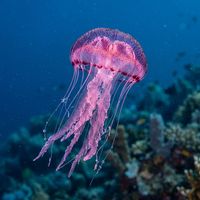
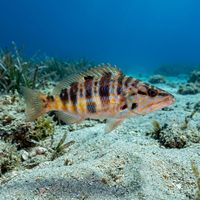
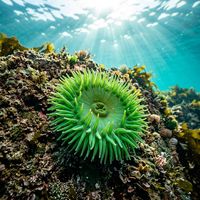
The Common Octopus and Great Barracuda are the island's most celebrated sightings and are observed across a wide range of sites. Turkish Wrasse, White Seabream, Two-banded Seabream and Painted Comber are present almost everywhere, while the caves and crevices shelter Mediterranean Moray, Scorpionfish and Dusky Grouper. Nudibranch enthusiasts will find the Cratena Slug and Splendid Elysia reliably encountered.
A good portion of Menorca's sites are rated for beginners, including shore-entry options such as Es Clot de sa Cera, Cala Morell and Son Xoriguer. The artificial reef at Torre del Sumidero and the wreck and reef combo at Escull del Gobernador are also accessible at beginner level via boat. Intermediate and advanced divers have plenty of deeper caves, canyon systems and the deep-water Francisquita wreck to progress towards.
Ciutadella and the west is the most site-dense area and is home to the island's main concentration of cave and canyon diving, including Los Corredores, Cueva de la Luz and Cueva Anklis. Fornells and the north offers a distinct character with its own operator, Diving Center Fornells, and a more open coastal profile. South Menorca has fewer sites but provides a quieter alternative with operators such as Binibeca Diving and S'Algar Diving serving that coastline.
Both options exist. Shore-entry sites include Es Clot de sa Cera, Cala Morell, Son Xoriguer and Punta del Contrabandista, all of which are rated for beginner or intermediate divers. Many of the cave and canyon sites, including Los Corredores and the Francisquita wreck, require boat access. Cap d'Artrutx and Cueva Anklis can be reached either way, depending on conditions and the operator you dive with.