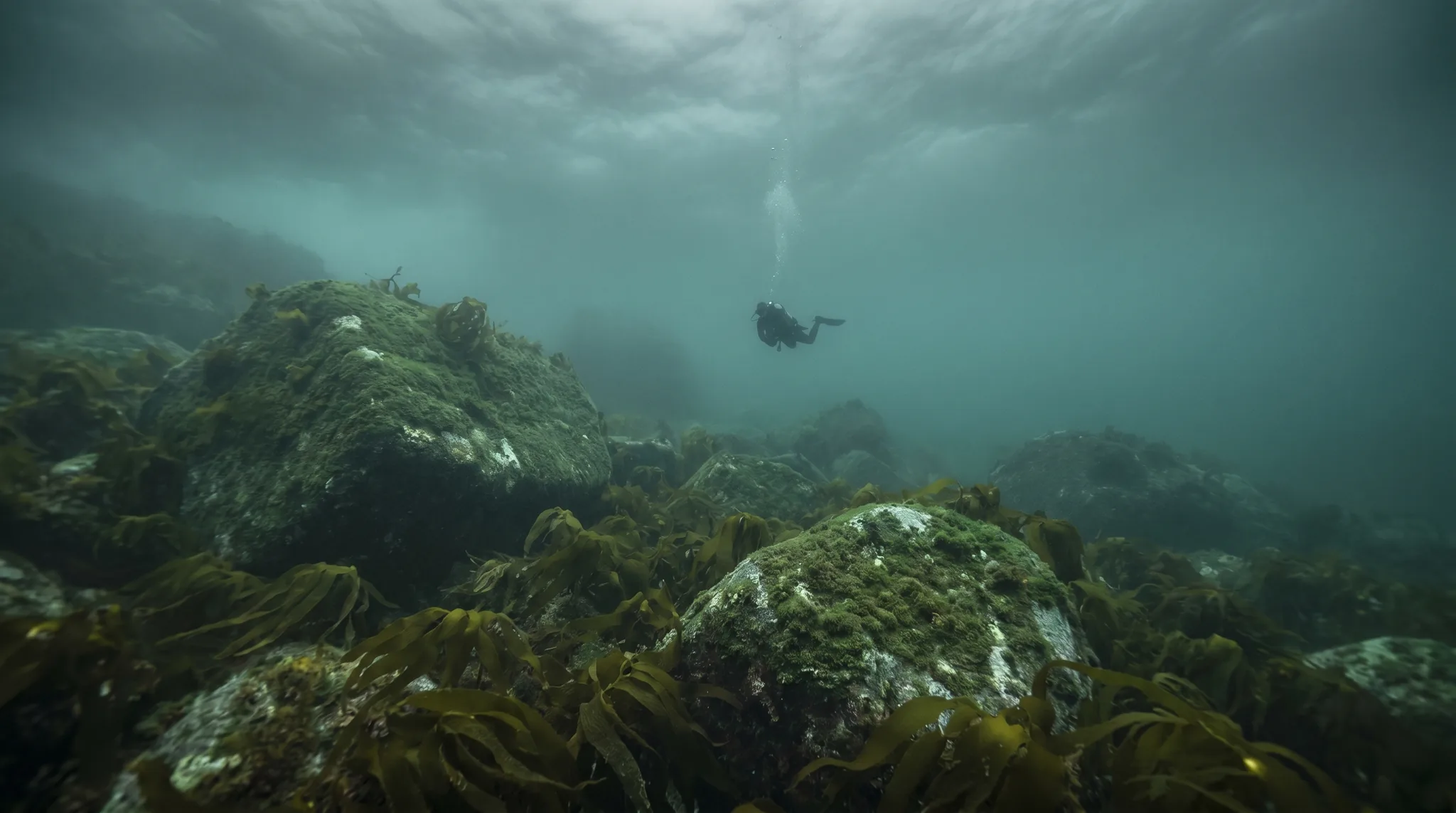
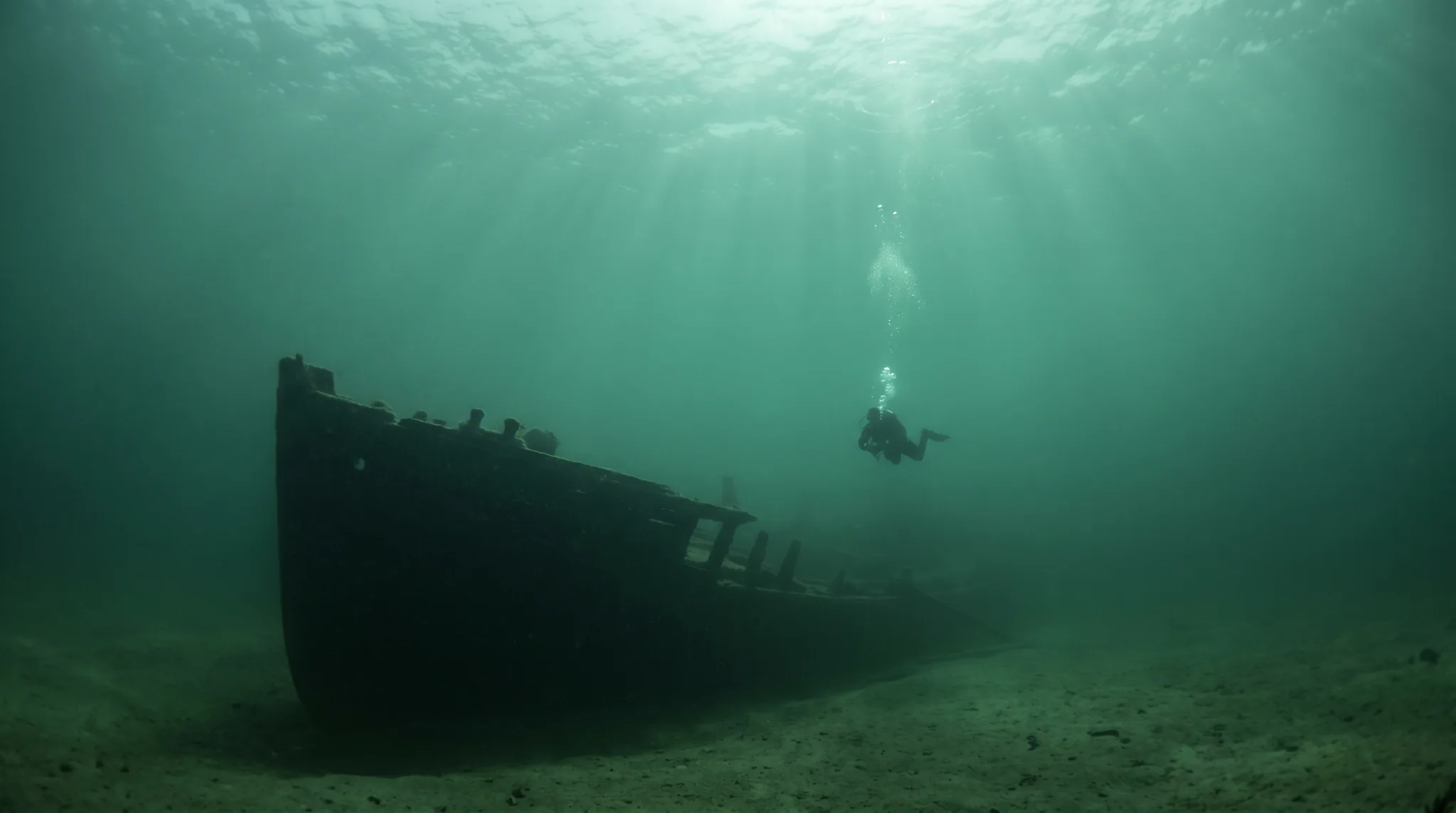
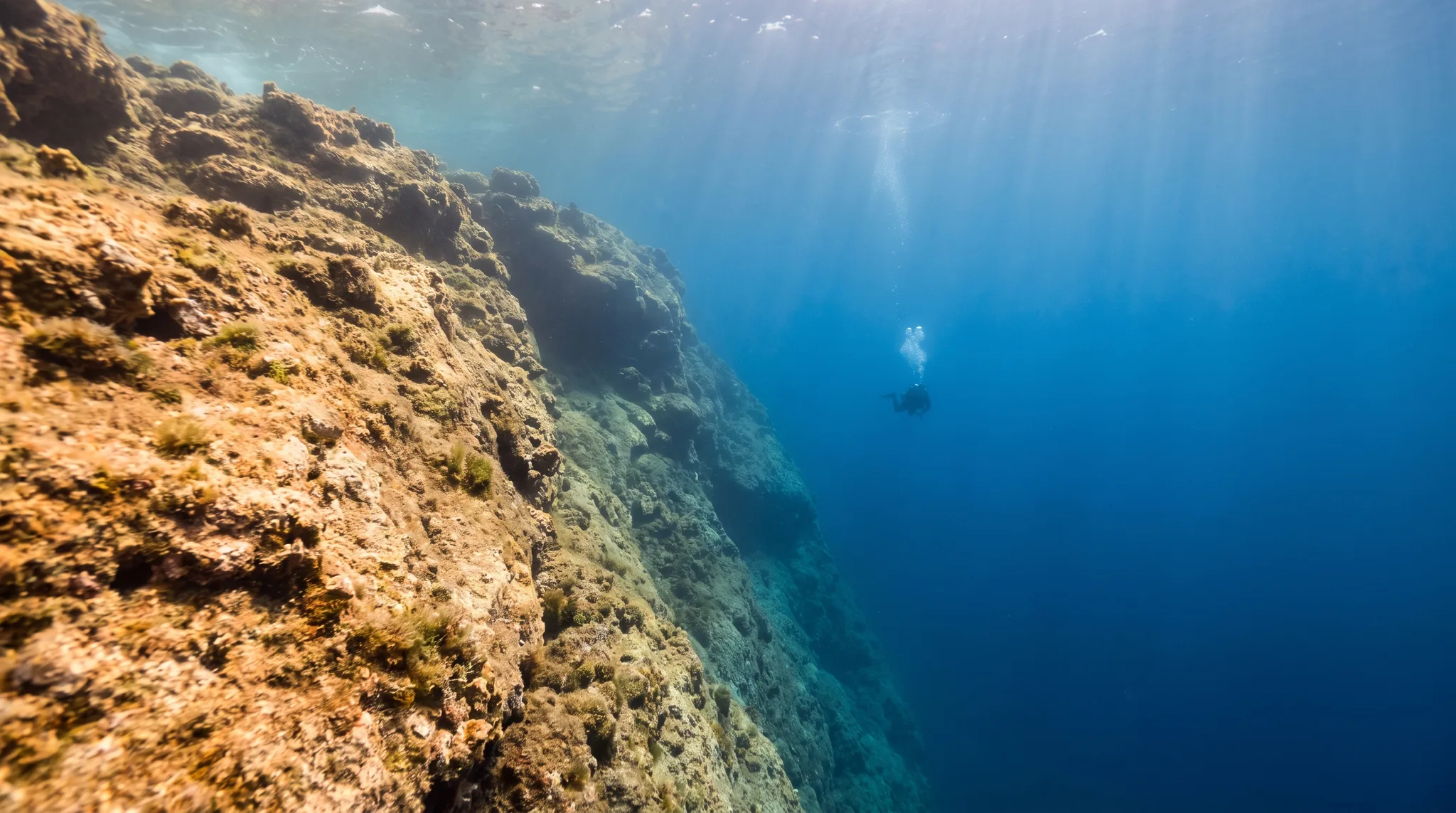
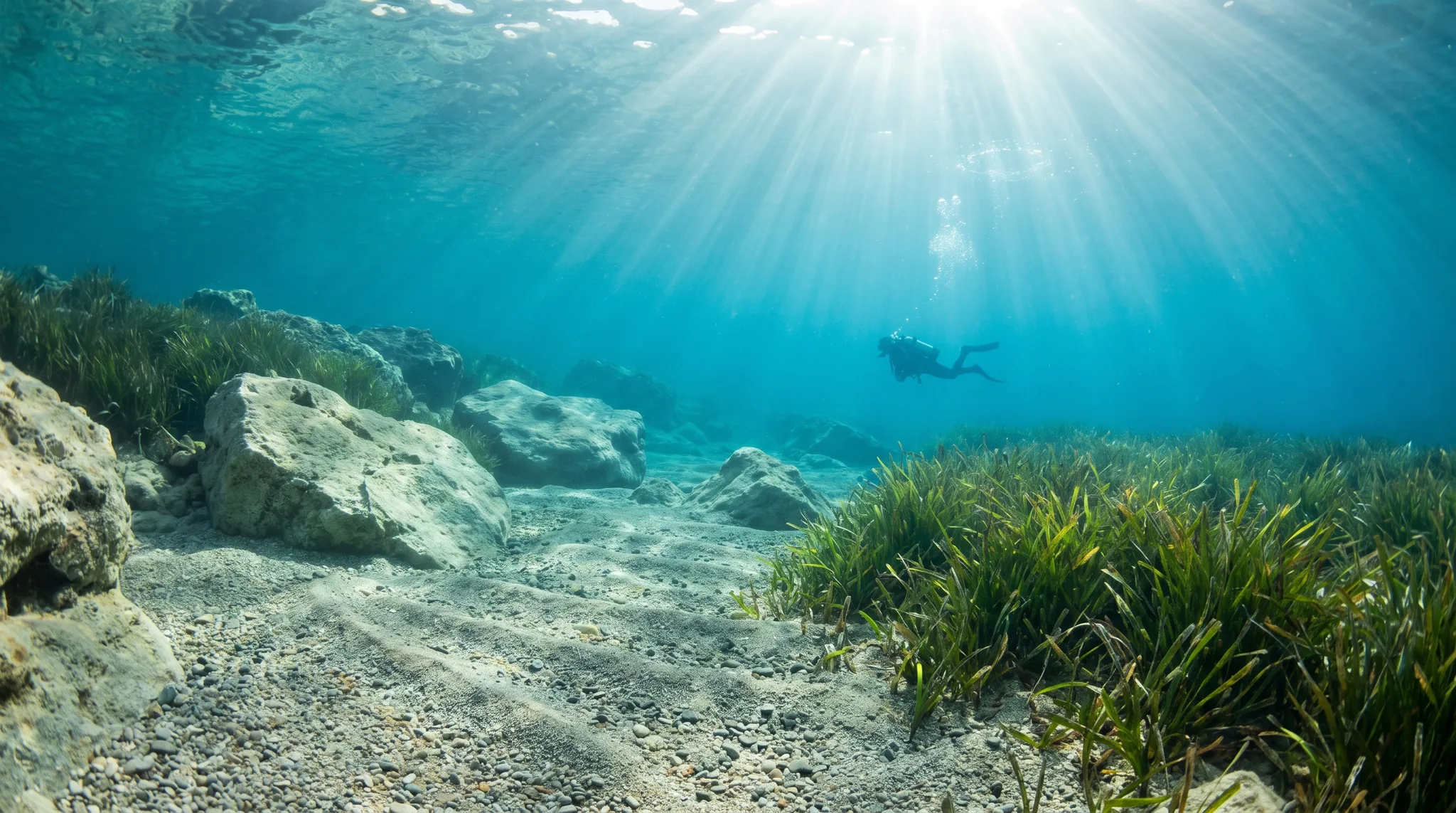
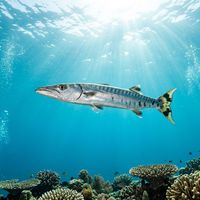
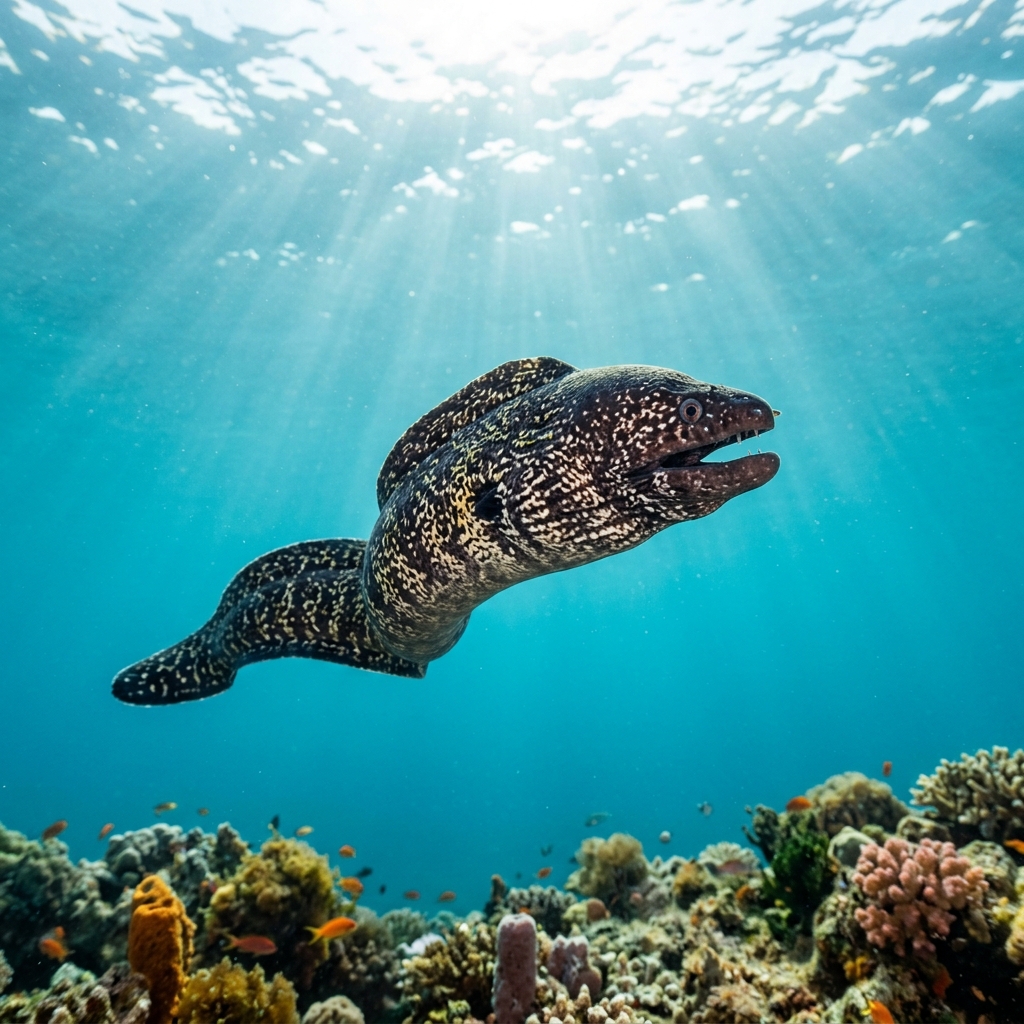
The Balearic Islands offer one of the most varied dive landscapes in Spain, with Majorca, Menorca and Ibiza each bringing a distinct underwater character. Caves and canyon systems dominate the site mix, from shallow beginner-friendly entries to complex overhead environments suited to experienced divers. Wrecks, artificial reefs and seagrass beds add further variety. The water warms through summer and remains reasonable well into autumn, with the strongest diver activity from late spring through October. Signature encounters include the Common Octopus, Great Barracuda, Mediterranean Moray and the occasionally seen Dusky Grouper and Flying Gurnard.
3 areas
 124
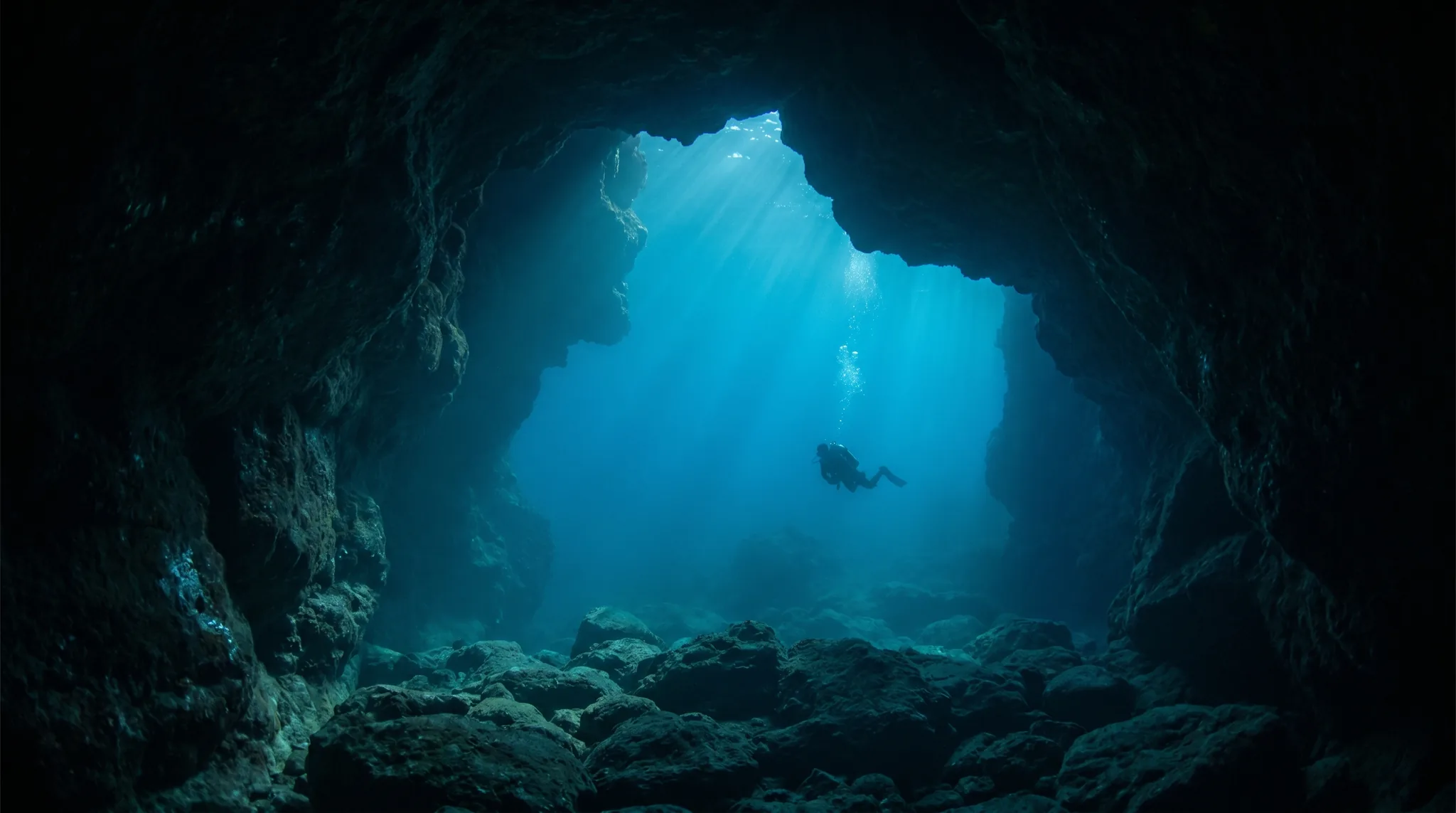
124Cave-heavy diving along dramatic coastal walls, with the Common Octopus and Mediterranean Moray among the most reliably seen species.
 100
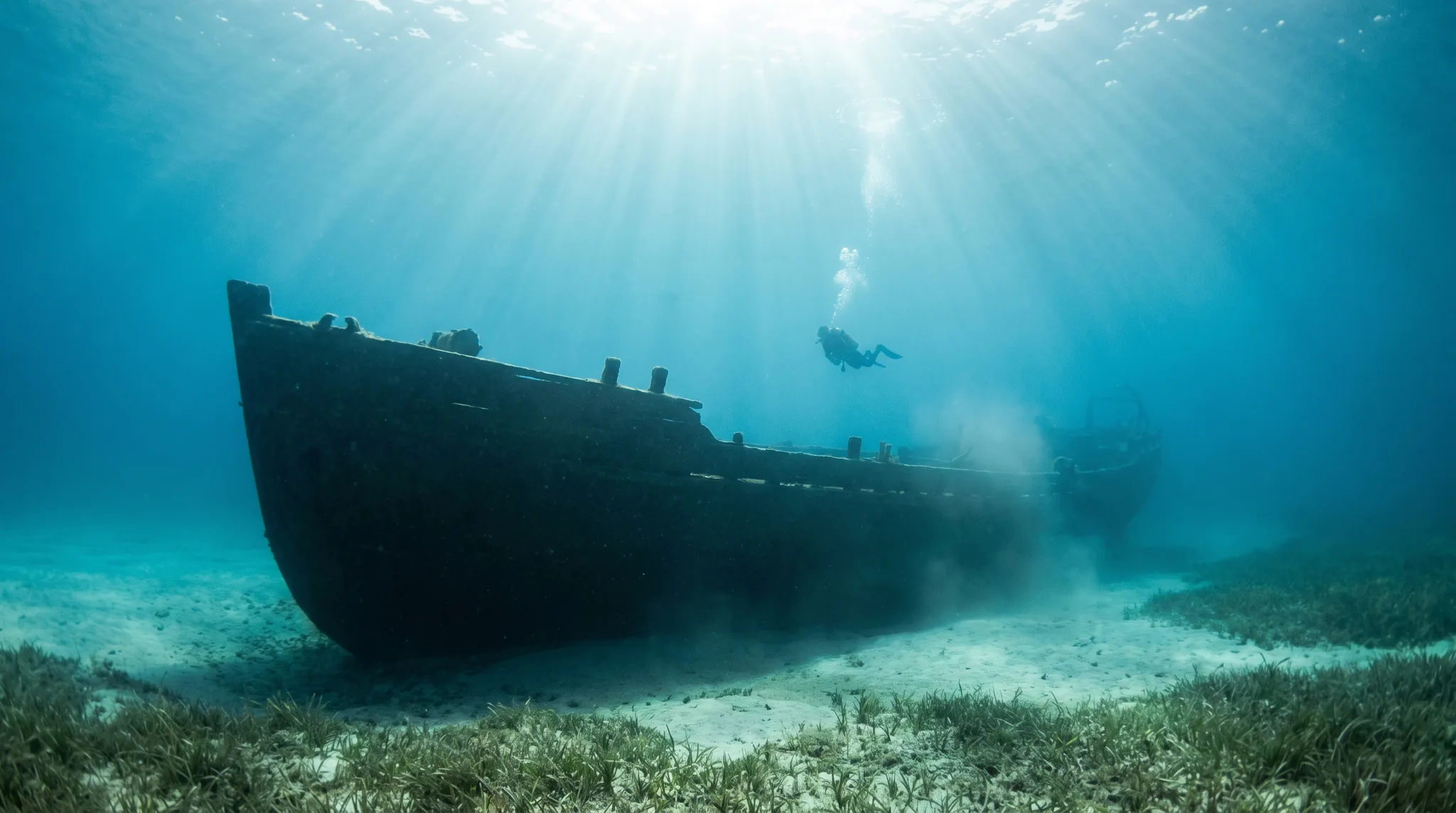
100Cave-heavy dive destination in the Balearics, with walls, wrecks and the Common Octopus and Great Barracuda among its signature species.
78Caves, walls and a vast Mediterranean wreck, with octopus, grouper and occasional Loggerhead Sea Turtle across six distinct sub-areas.
Monthly water temperature across Balearic Islands's sites, from satellite sea-surface data corrected for depth. The band shows the site-to-site spread.
Water temperature climbs steadily from spring into summer, peaking in August and September before easing through autumn. This warm period from late spring to October draws the highest diver activity and generally brings the best visibility conditions. Winter months are cooler and quieter, though sites remain accessible for those prepared for the drop.
86 operators

Water temperature around Balearic Islands ranges from about 15°C in January to 25°C in August, based on satellite sea-temperature data for its dive sites.
In the warm season (about 25°C) a 3mm full suit is comfortable in Balearic Islands; in the coldest months (about 15°C) step up to a 7mm or semi-dry suit.
Fin maps 302 sites in Balearic Islands (277 scuba diving sites and 54 snorkelling spots, with some suited to both), organised into 3 areas.
Across Balearic Islands's dive sites, May, June, July, August, September and October are most often reported as the best months to visit.
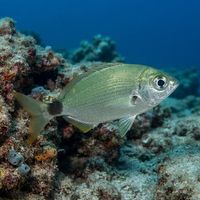
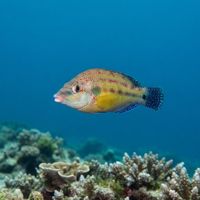
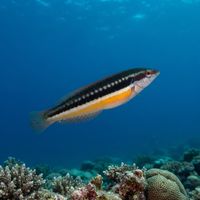
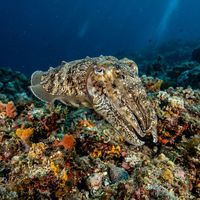
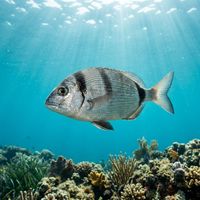
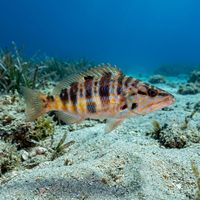
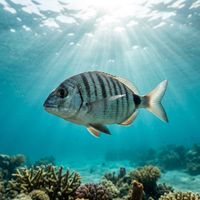
The Balearic Islands host an impressive range of observed species. Common encounters include the Turkish Wrasse, Two-banded Seabream, Painted Comber, Castagnole and the Common Octopus. More occasional sightings include the Mediterranean Moray, European Common Cuttlefish, Dusky Grouper and the distinctive Flying Gurnard. The Mauve Stinger is also frequently present, so divers should stay aware.
A good portion of sites across the islands are rated for beginners, including shore-entry spots such as Es Clot de sa Cera, Cala Morell and Son Xoriguer. These offer shallow reefs, seagrass and cave introductions without demanding conditions. Intermediate and advanced options, including deep wrecks like the Francisquita and canyon systems such as Los Corredores, are available for more experienced divers looking to progress.
Each island has its own site count and character within the archipelago. Menorca features a particularly dense cluster of cave and canyon sites around Cala en Forcat, with several accessible by shore. Majorca has the largest number of sites overall, while Ibiza contributes a significant share of the total. Operators are spread across all three islands, so planning around a specific area is straightforward.
The site mix includes both shore and boat entries, with boat access required for many of the cave, canyon and wreck sites. Shore entries do exist, particularly in Menorca at sites like Cala Morell, Es Clot de sa Cera and Punta del Contrabandista. Some sites such as Cap d'Artrutx and Cueva Anklis offer the flexibility of either entry type. Operators such as Bluewater Menorca, Scuba Mallorca and Skualo can arrange boat trips across the main areas.