
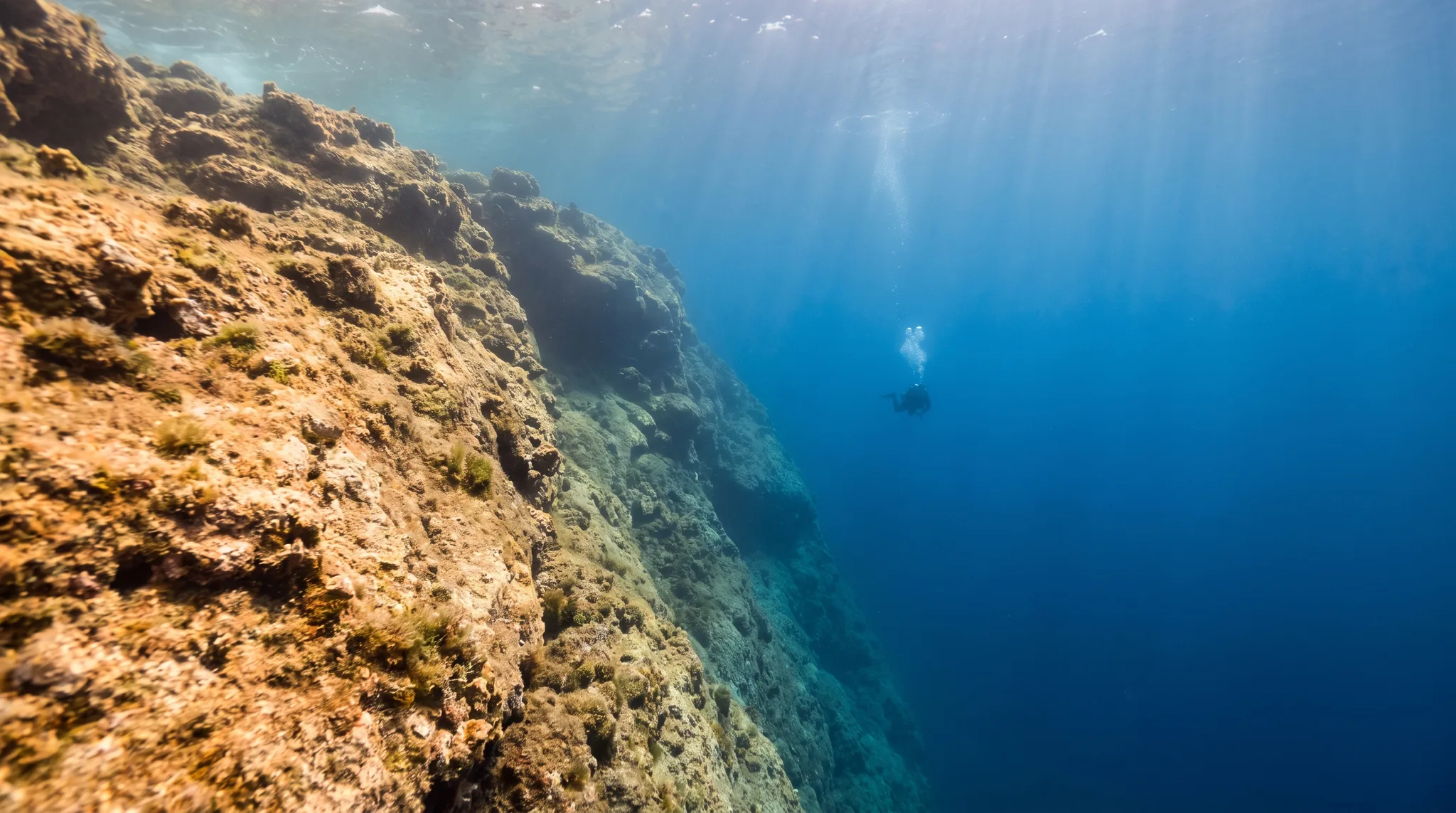
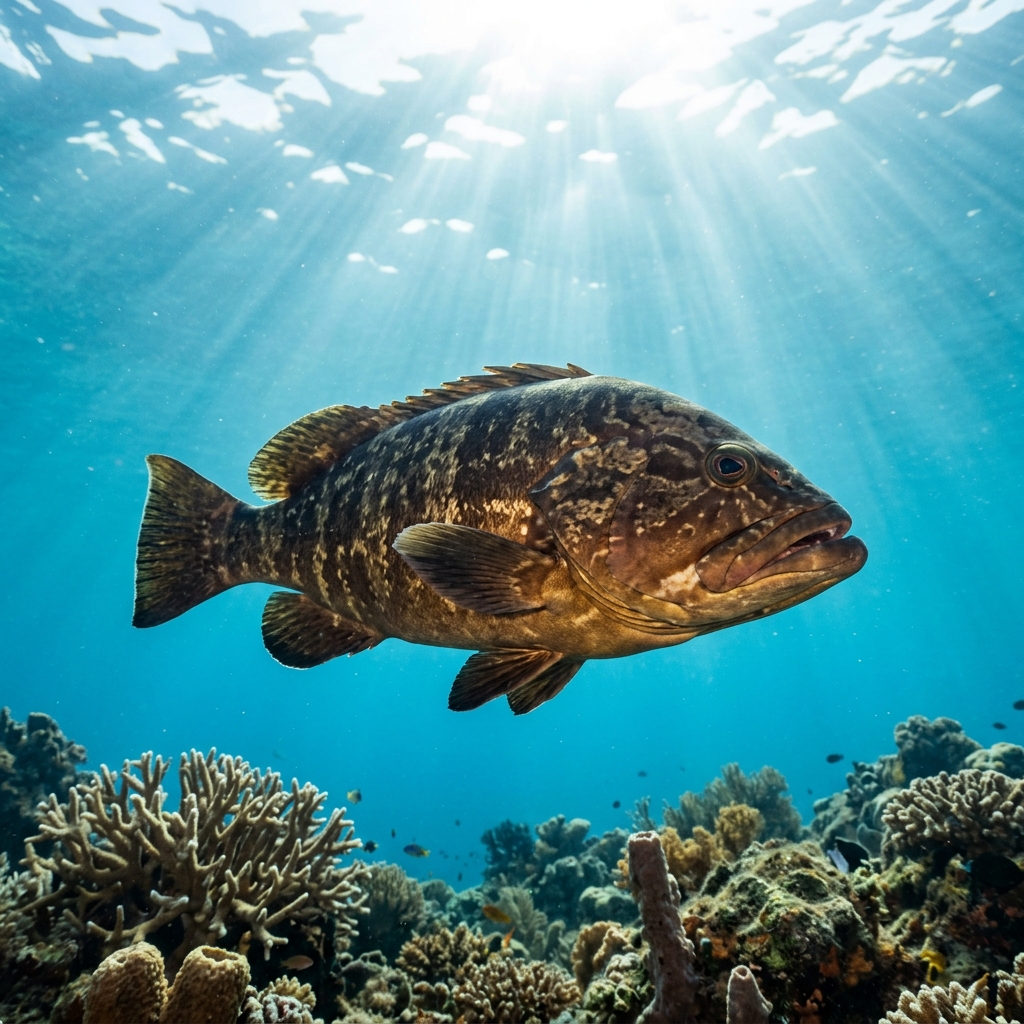
Fornells and the north of Menorca is cave and wall country. Most sites cluster around Cala Fornells and Cape Cavallería, and the topography runs from shallow reef terraces to deep pinnacles and labyrinthine cave systems. Boat access is standard across the area. The site mix spans beginner-friendly reefs through to serious overhead environments such as La Cueva Grande and Coves De Addaia. Resident Great Barracuda, Mediterranean Moray, Comb Grouper, and Dusky Grouper are observed consistently across the sites.
Monthly water temperature across Fornells & North's sites, from satellite sea-surface data corrected for depth. The band shows the site-to-site spread.
Water is at its coolest through the winter and early spring months, warming steadily from May onward and peaking in September. The warmest conditions coincide with the peak diving season from late spring through October, when calmer weather also tends to reduce surface chop on the exposed northern headlands. Outside these months, stronger swells and cooler water favour divers with more experience and appropriate exposure protection.
5 operators
15 more sites to explore
Water temperature around Fornells & North ranges from about 14°C in February to 25°C in September, based on satellite sea-temperature data for its dive sites.
In the warm season (about 25°C) a 3mm full suit is comfortable in Fornells & North; in the coldest months (about 14°C) step up to a 7mm or semi-dry suit.
Fin maps 27 sites in Fornells & North (25 scuba diving sites and 5 snorkelling spots, with some suited to both).
Across Fornells & North's dive sites, May, June, September and October are most often reported as the best months to visit.
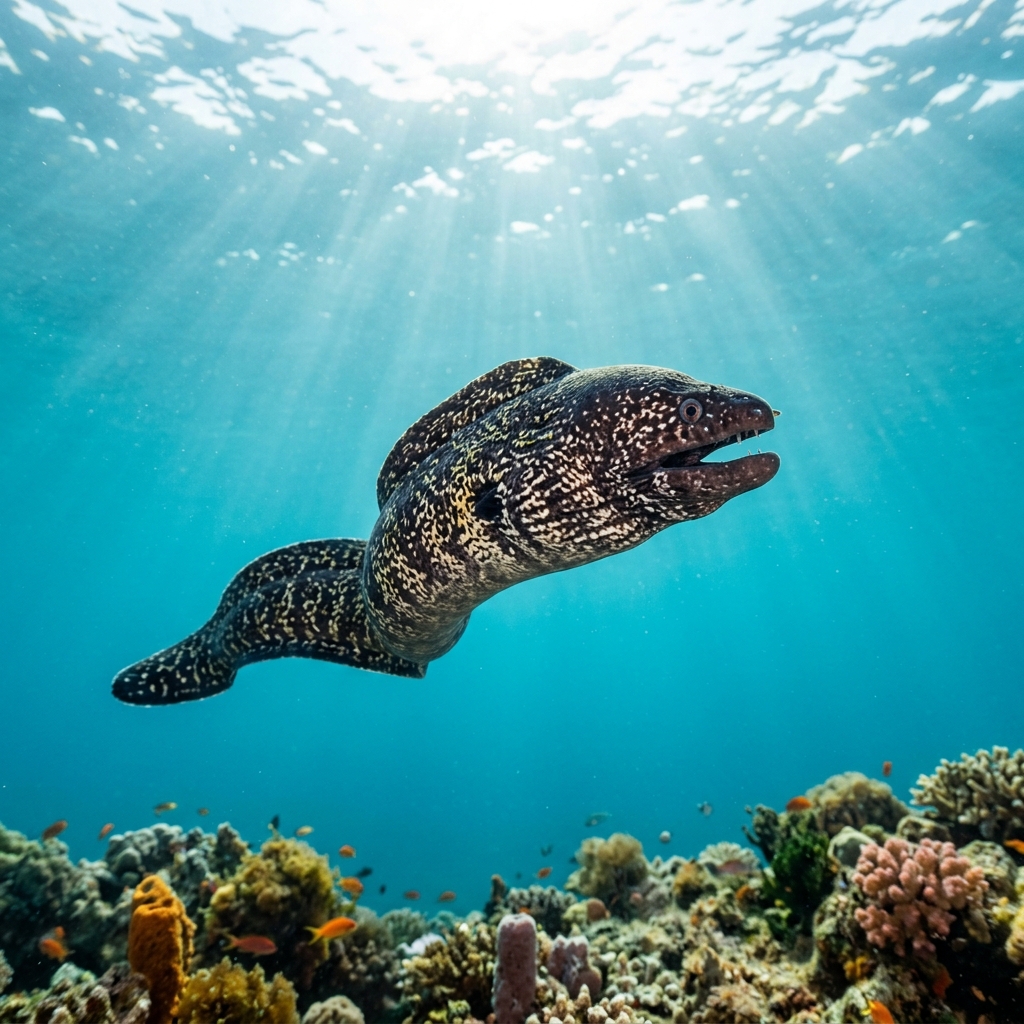
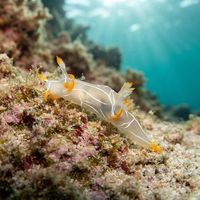
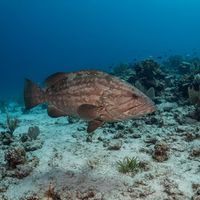
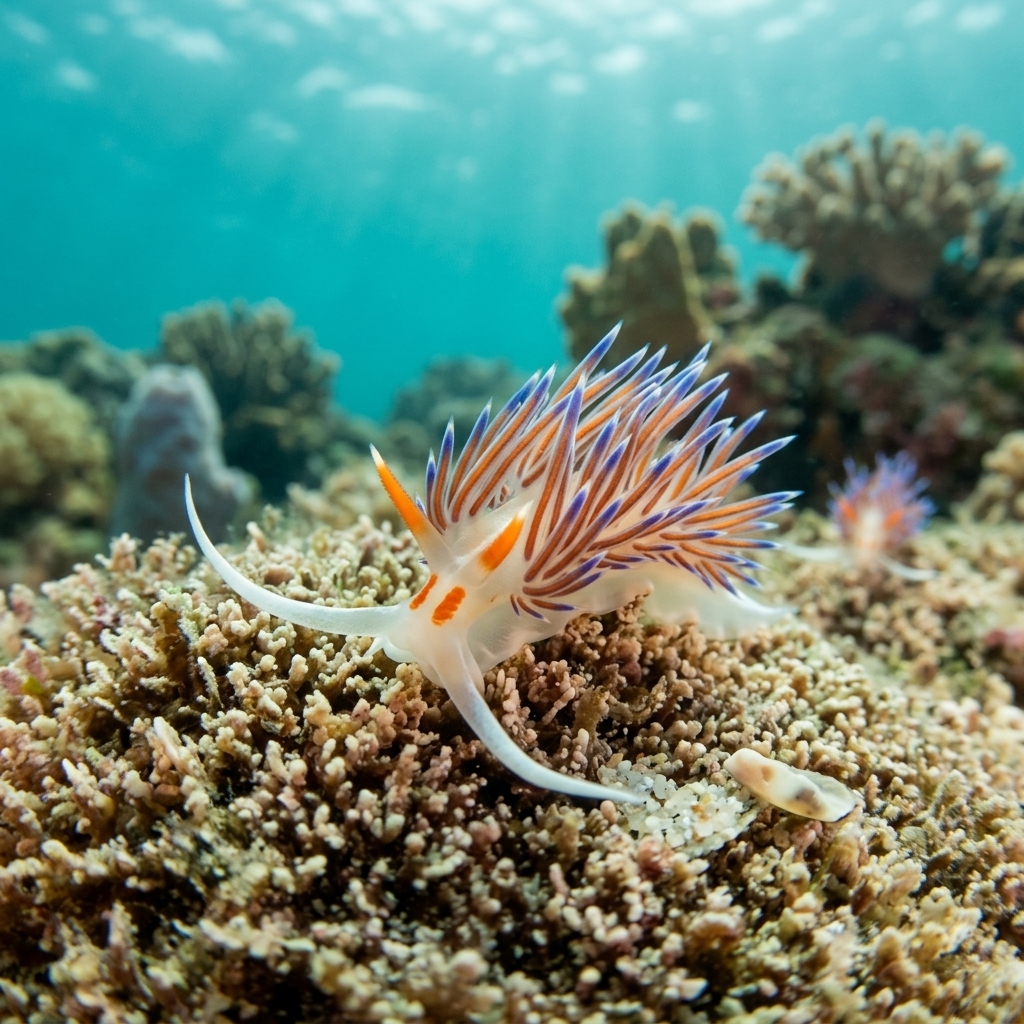
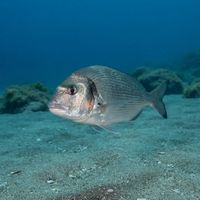
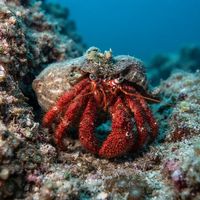
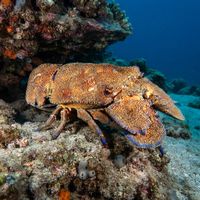
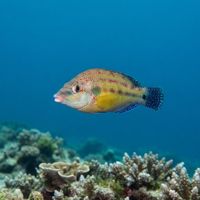
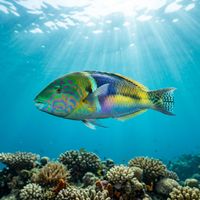
The area has strong populations of Great Barracuda, Mediterranean Moray, and Comb Grouper observed across nearly all sites. Dusky Grouper, Peacock Wrasse, Turkish Wrasse, and Mediterranean Slipper Lobster are also consistently recorded. Nudibranch enthusiasts will find Cratena Slug, Elysia Timida, and Stripete Tritonia present throughout the area.
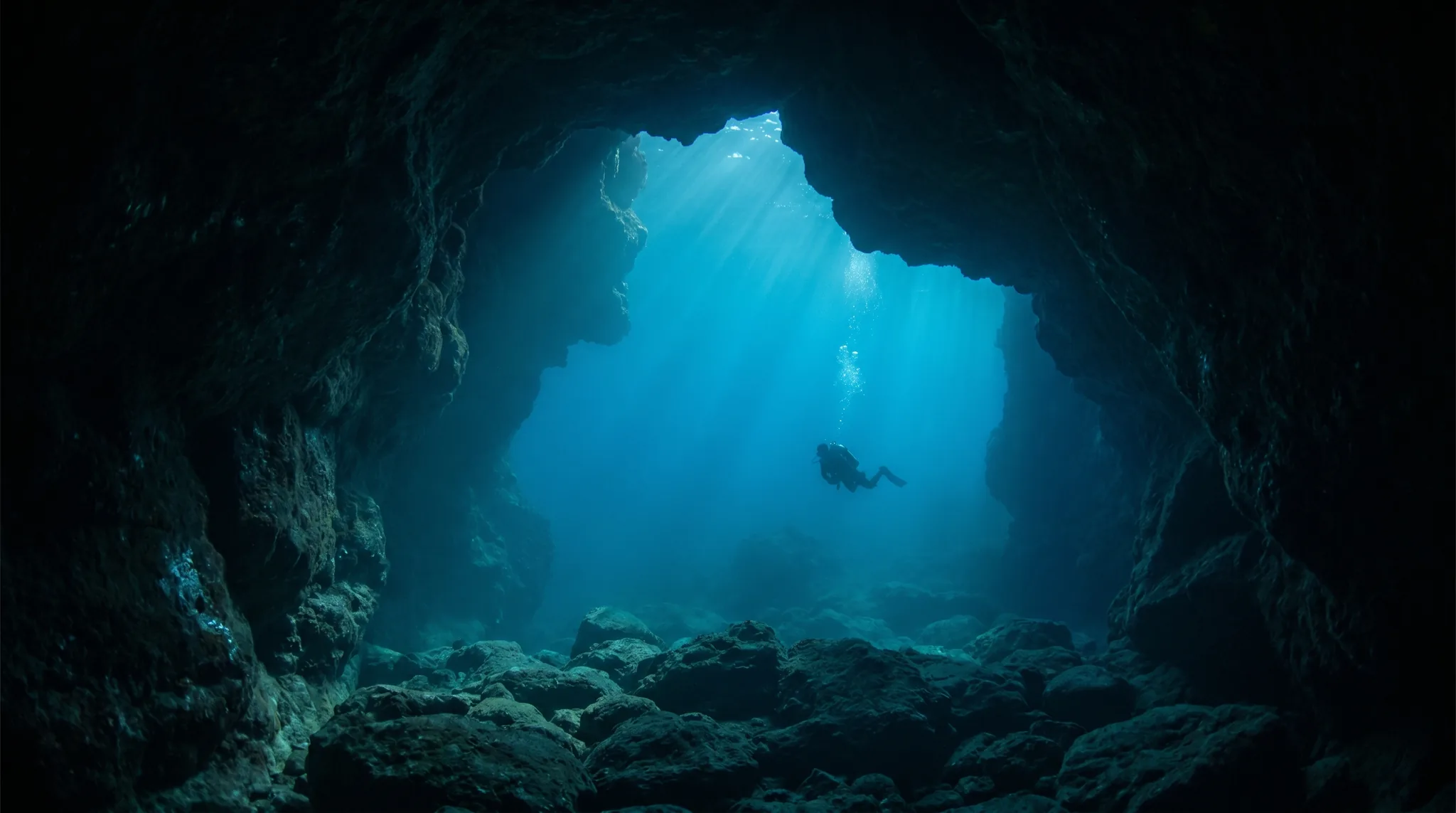
Several sites are graded for beginners, including Illa de ses Àguiles, Ad Jatia, El Cormorán, Punta Grossa, and Cala Viola, all offering reef and wall diving at manageable depths. Intermediate sites make up the bulk of the area, while La Cueva Grande and Coves De Addaia are reserved for advanced divers due to overhead environments and deeper penetration. Beginners should discuss site selection with one of the local operators such as Diving Center Fornells or Blue Dive Menorca.
The vast majority of sites in Fornells and the North are boat-access only. A small number of sites, including Sa Nitja, El Queso Suizo, and Cala Viola, offer the option of shore entry as well. Operators including Diving Menorca, Dune Baleares Fornells, and Grassi sub run regular boat departures to the offshore sites.
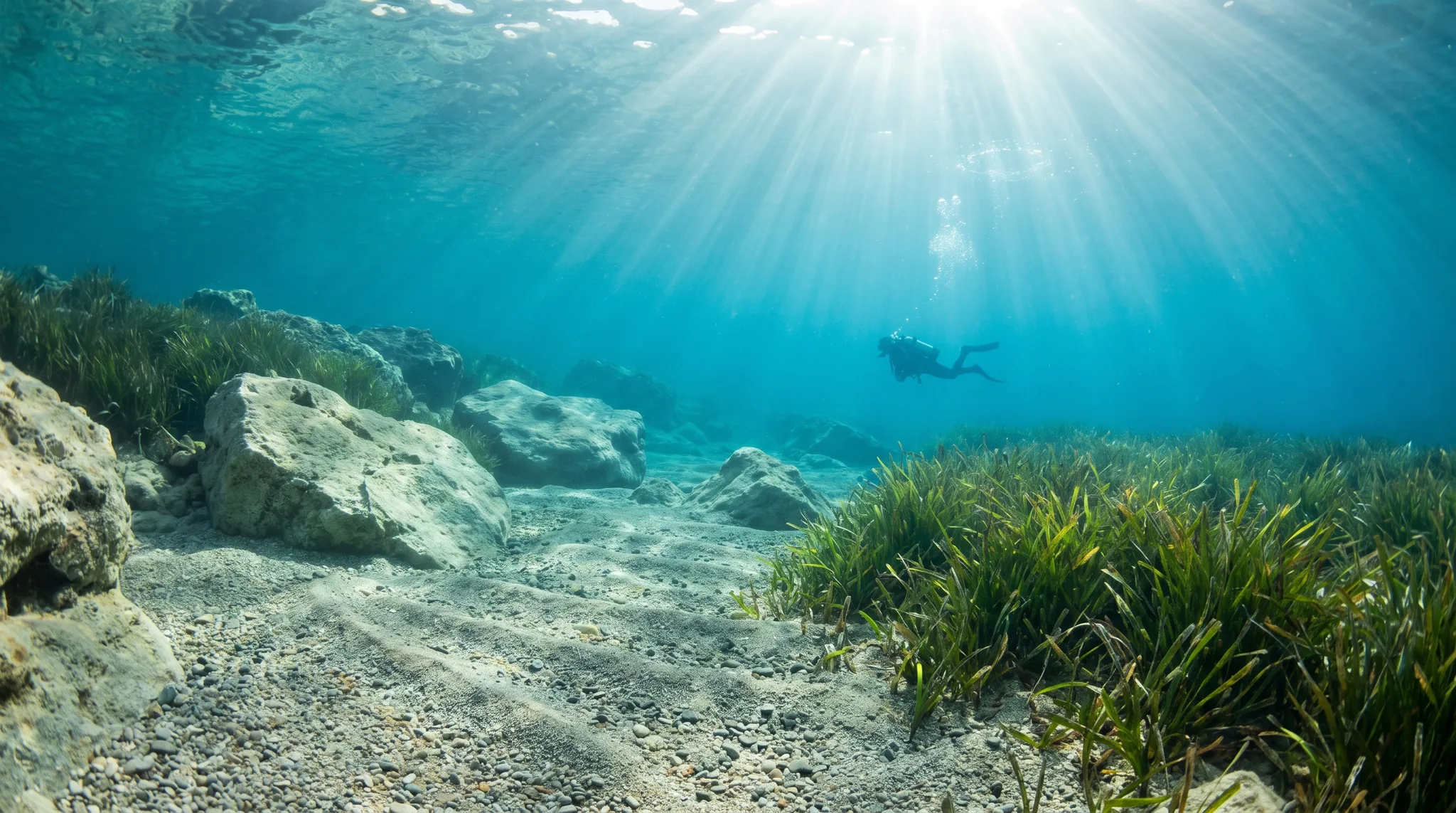
Caves and caverns are a defining feature of the area, appearing at sites ranging from the beginner-friendly Illa de ses Àguiles to the advanced La Cueva Grande. Walls and reef structures accompany most cave systems, and two pinnacle sites, Llosa del Patró Pere and El Cormorán, add variety. Cala Viola also includes a wreck element alongside its reef.