Best for beginner divers, 3-22m, shore & boat entry, mild current.
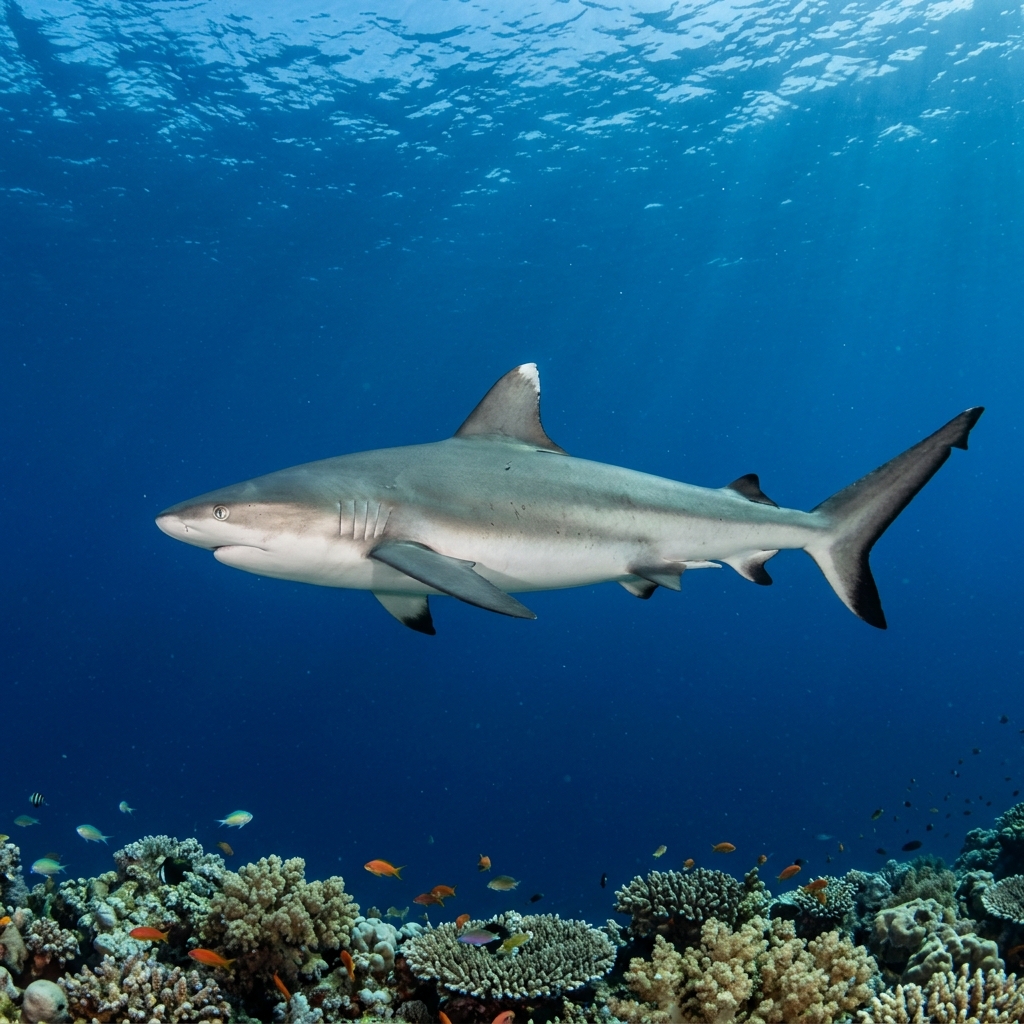
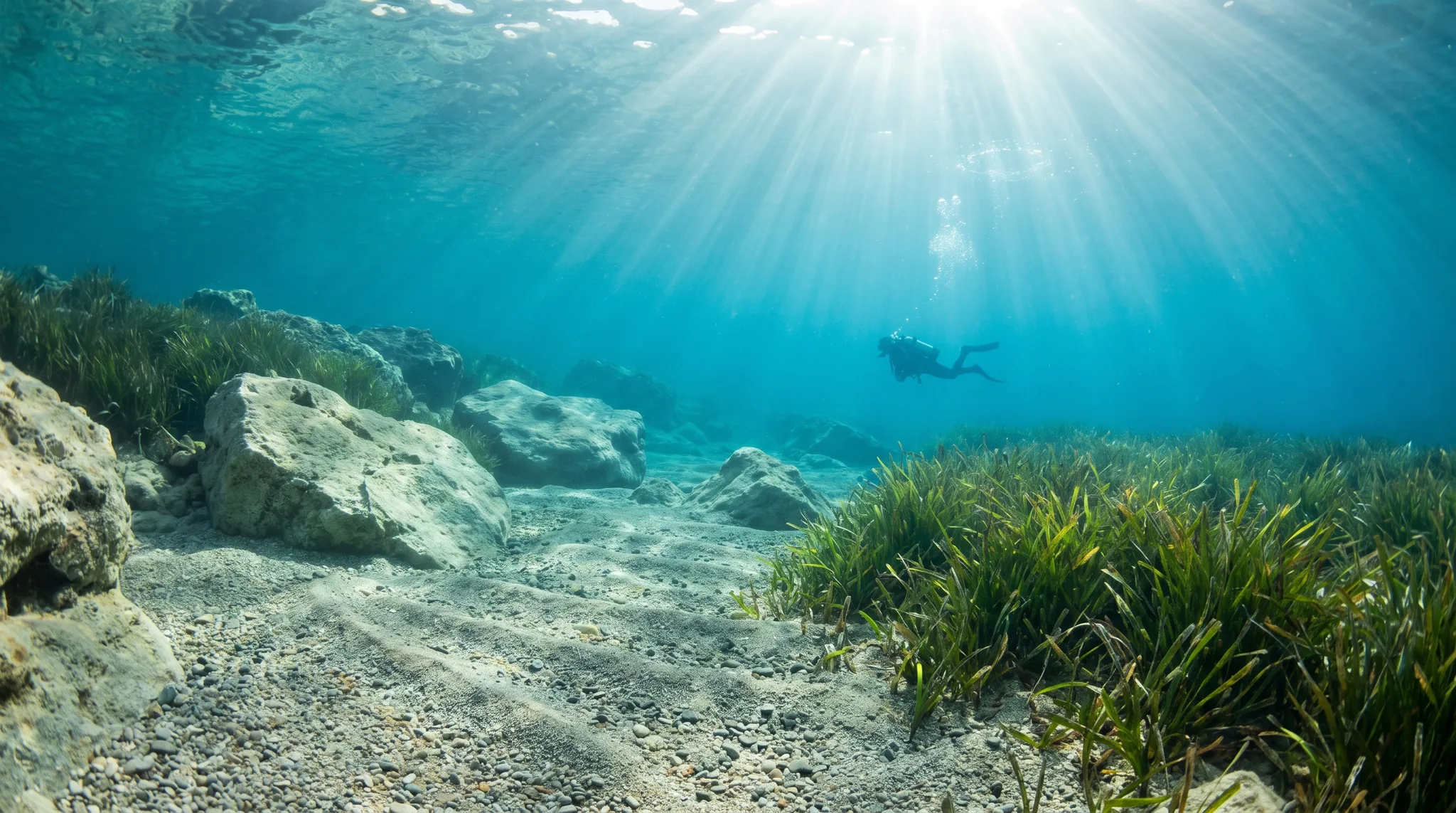
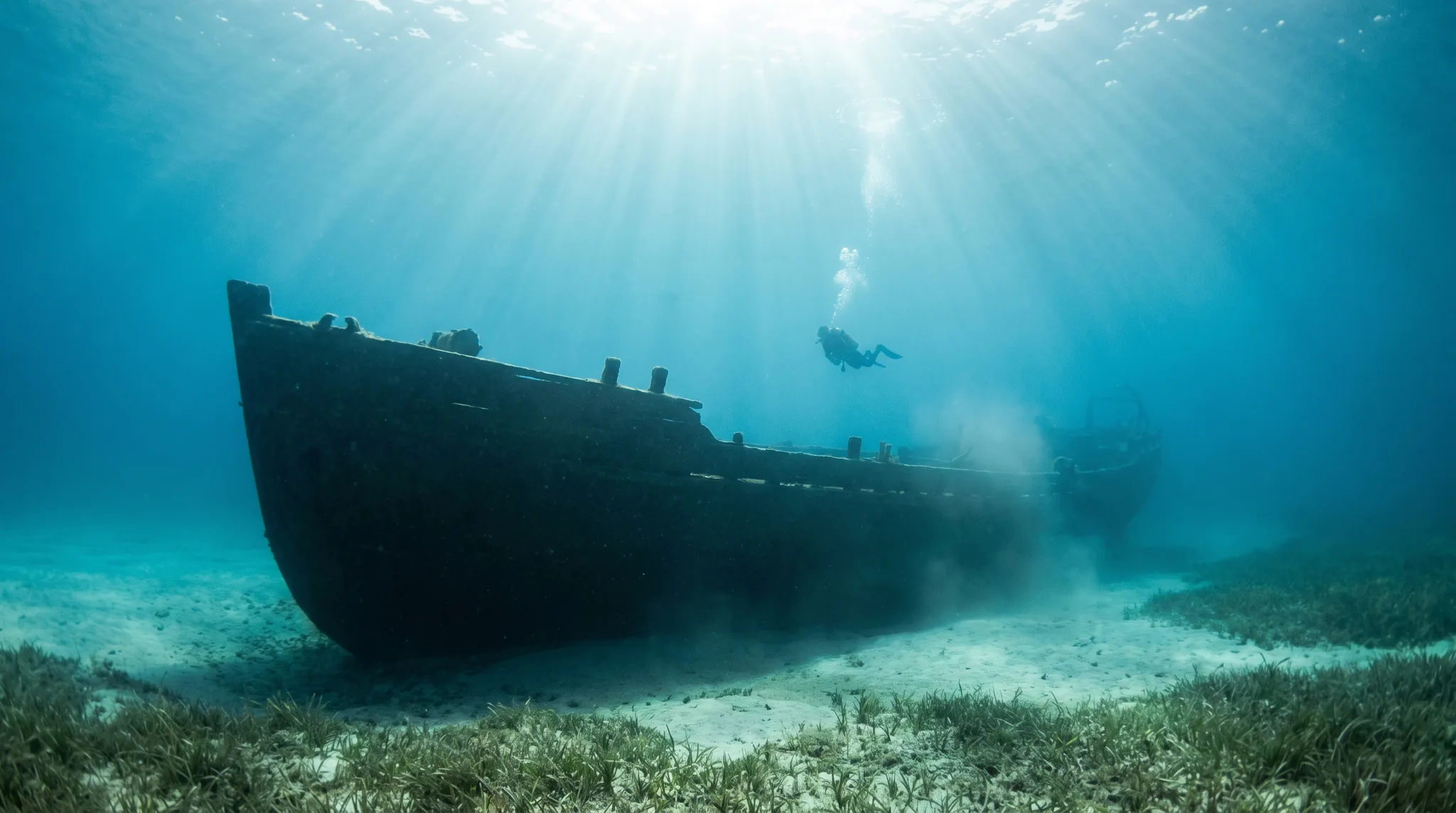
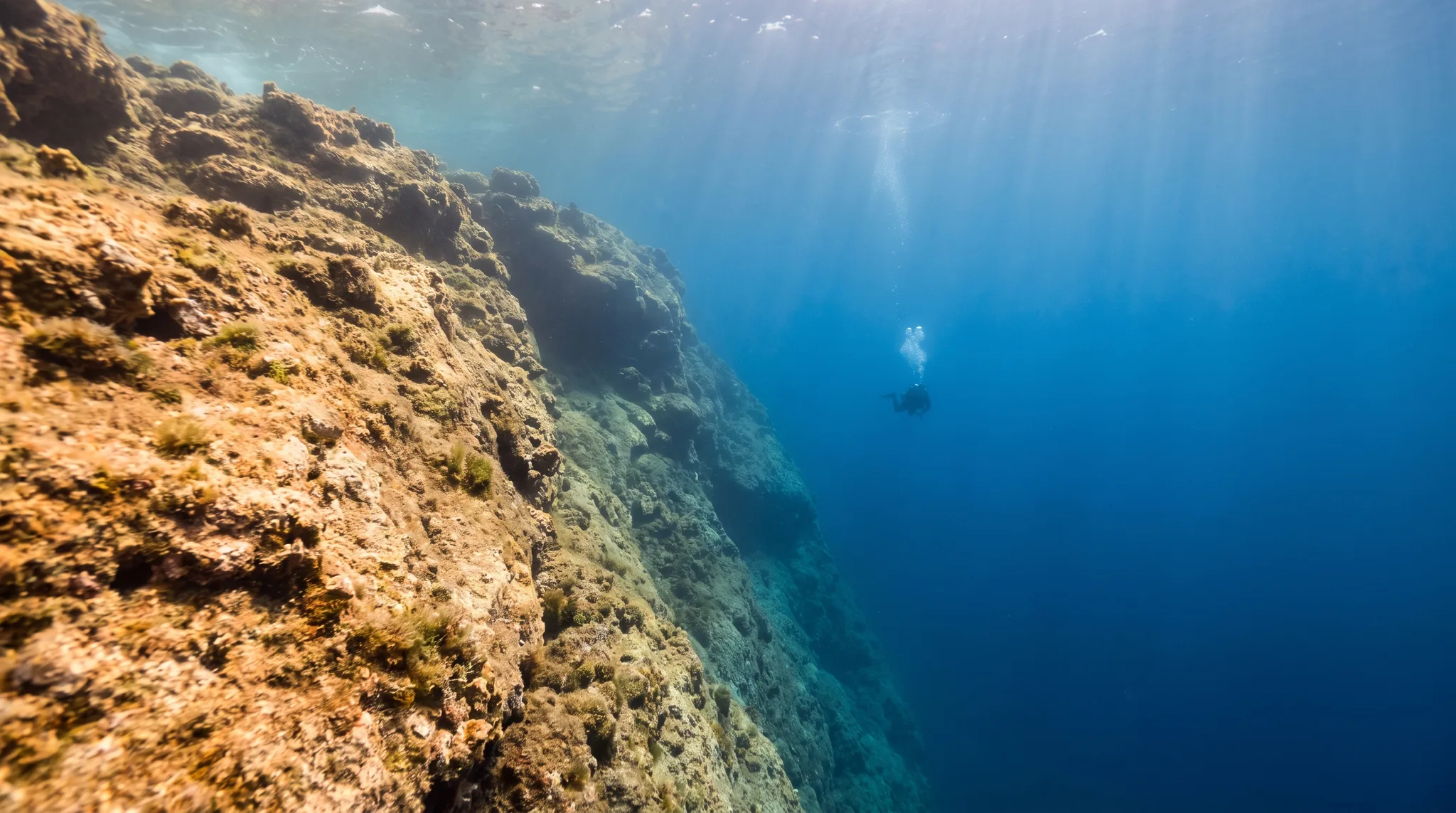
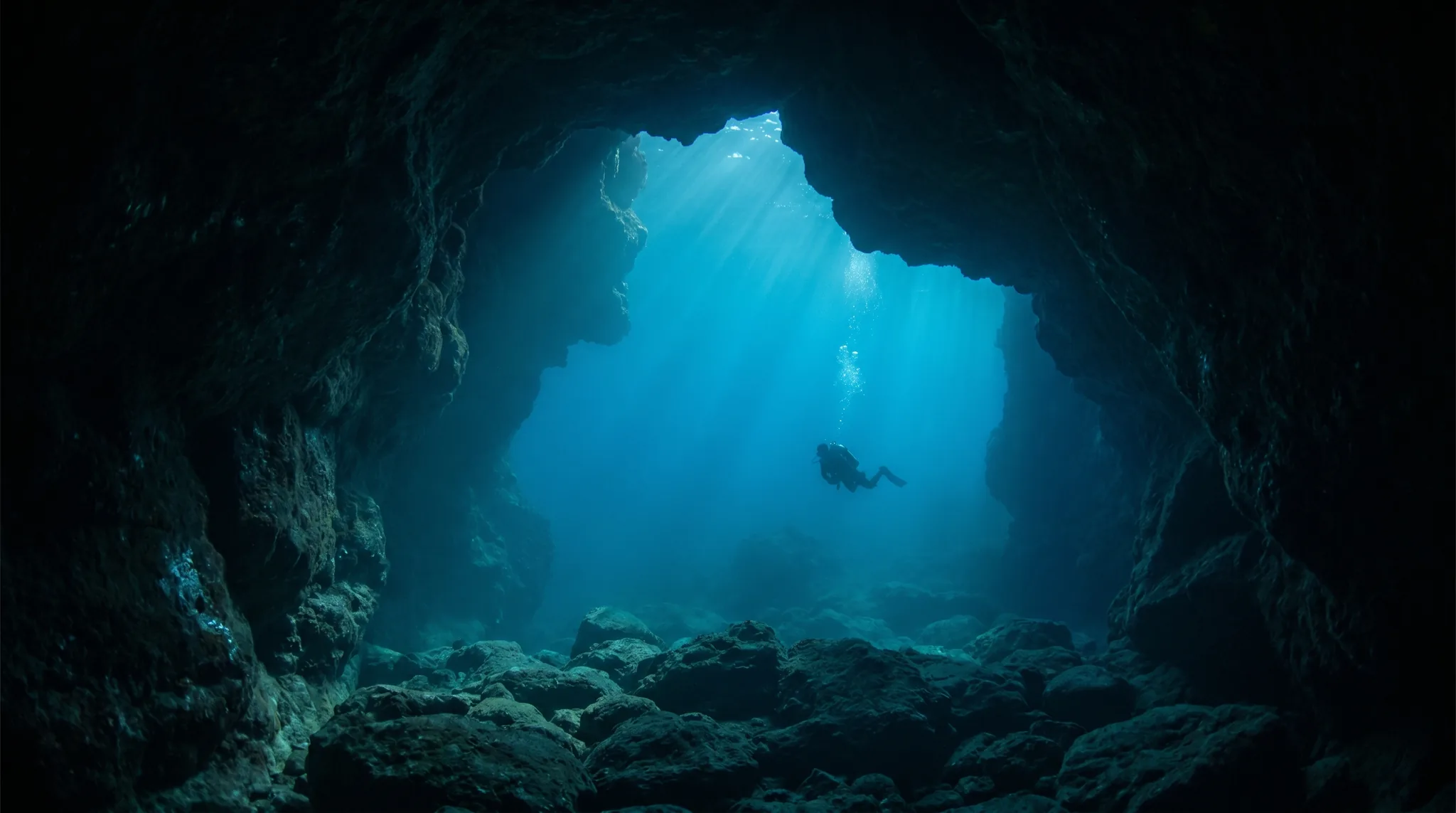
San Nicolás in Cala en Forcat offers a diverse underwater environment combining natural reef, cave sections, and an artificial reef. With depths ranging from 3 to 22 metres and an average of 14 metres, the site is suitable for beginners. Divers can access the area from both shore and boat. Visibility reaches up to 30 metres, and the site experiences mild currents. Night diving is permitted, providing a different perspective on the reef structures. Divers should exercise caution regarding entanglement risks when navigating the cave and artificial features. On-site showers are available for post-dive rinsing.
39.99560, 3.82520
Take care around the cave sections, as entanglement is a real risk for divers who are still working on buoyancy control. Showers are available on site, so there is no need to rush the rinse-down after your dive.
Access info coming soon
Recorded at this site
Depth
3-22m
Visibility
Up to 30m
Skill Level
Beginner
Entry
Shore & Boat
Water Temp
14-25°C
Current
Mild
Typical Dive
50 min
Yes, the site is considered a solid choice for newly certified divers to build confidence, with a manageable depth range and mild currents.
The site ranges from 3 to 22 metres in depth, with an average depth of 14 metres.
Yes, San Nicolás is accessible from both shore and boat.
The main hazard is an entanglement risk when exploring the cave and artificial structures. Divers should maintain awareness of their gear and surroundings.
Yes, night diving is supported at San Nicolás, where the reef behaviour shifts after dark.
Diving at San Nicolás in Cala en Blanes requires the following certifications: Open Water. Always dive within your training limits.
A 7mm wetsuit or semi-dry is recommended for diving at San Nicolás in Cala en Blanes. Water temperatures range from 14°C to 25°C.
San Nicolás in Cala en Blanes typically has mild currents that most divers can handle comfortably.
Visibility at San Nicolás in Cala en Blanes can reach up to 30 metres. Conditions vary with weather, tides, and seasons.