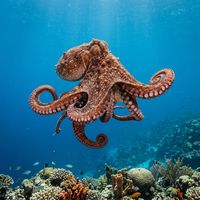
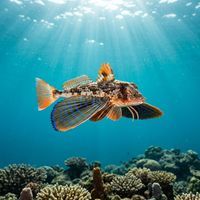
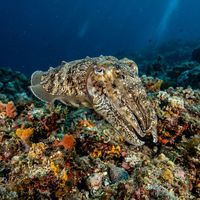
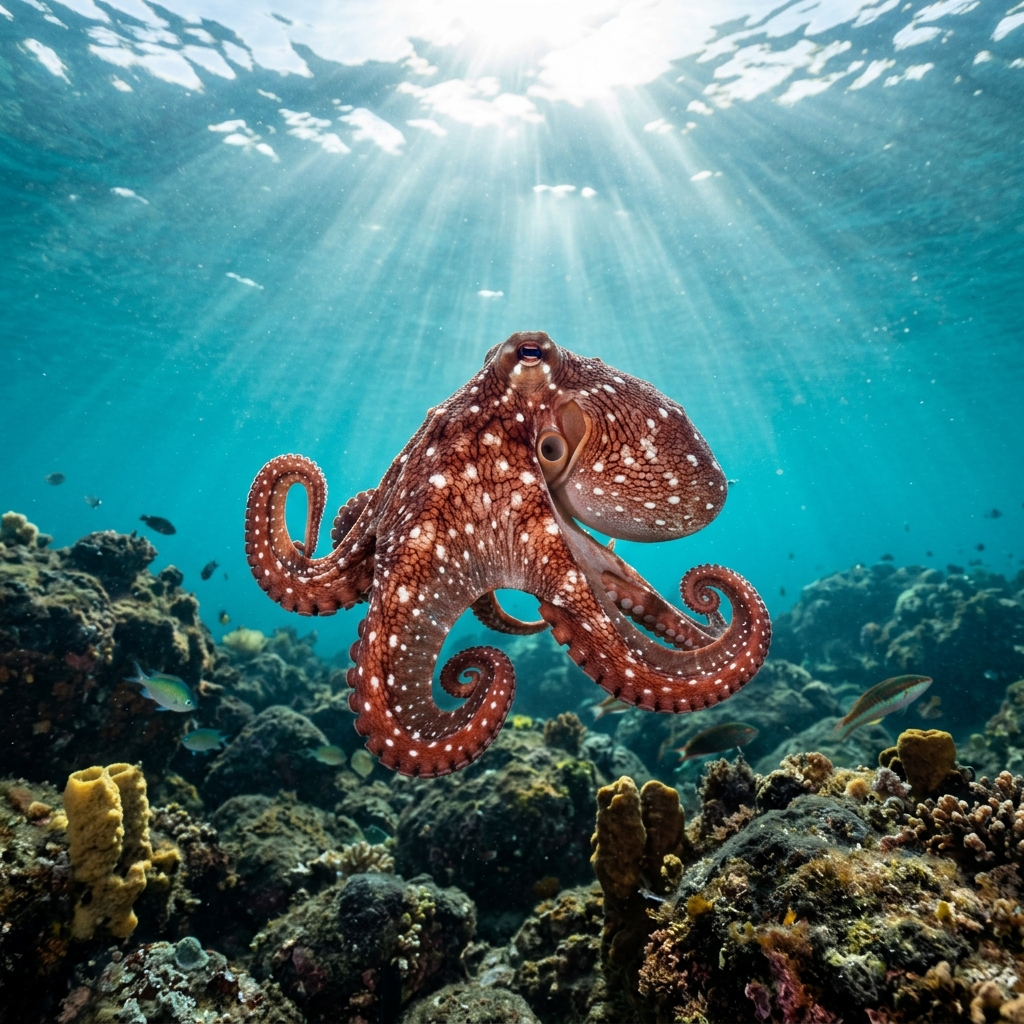
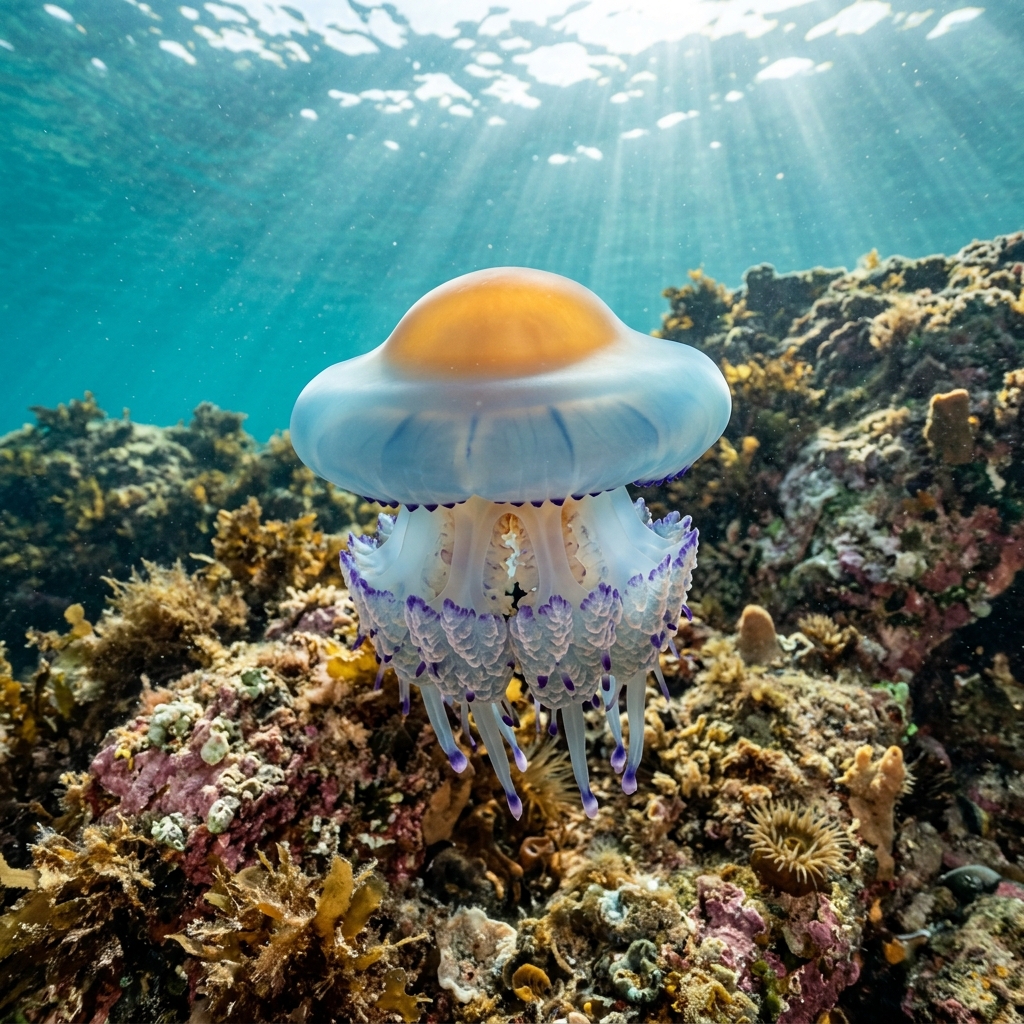
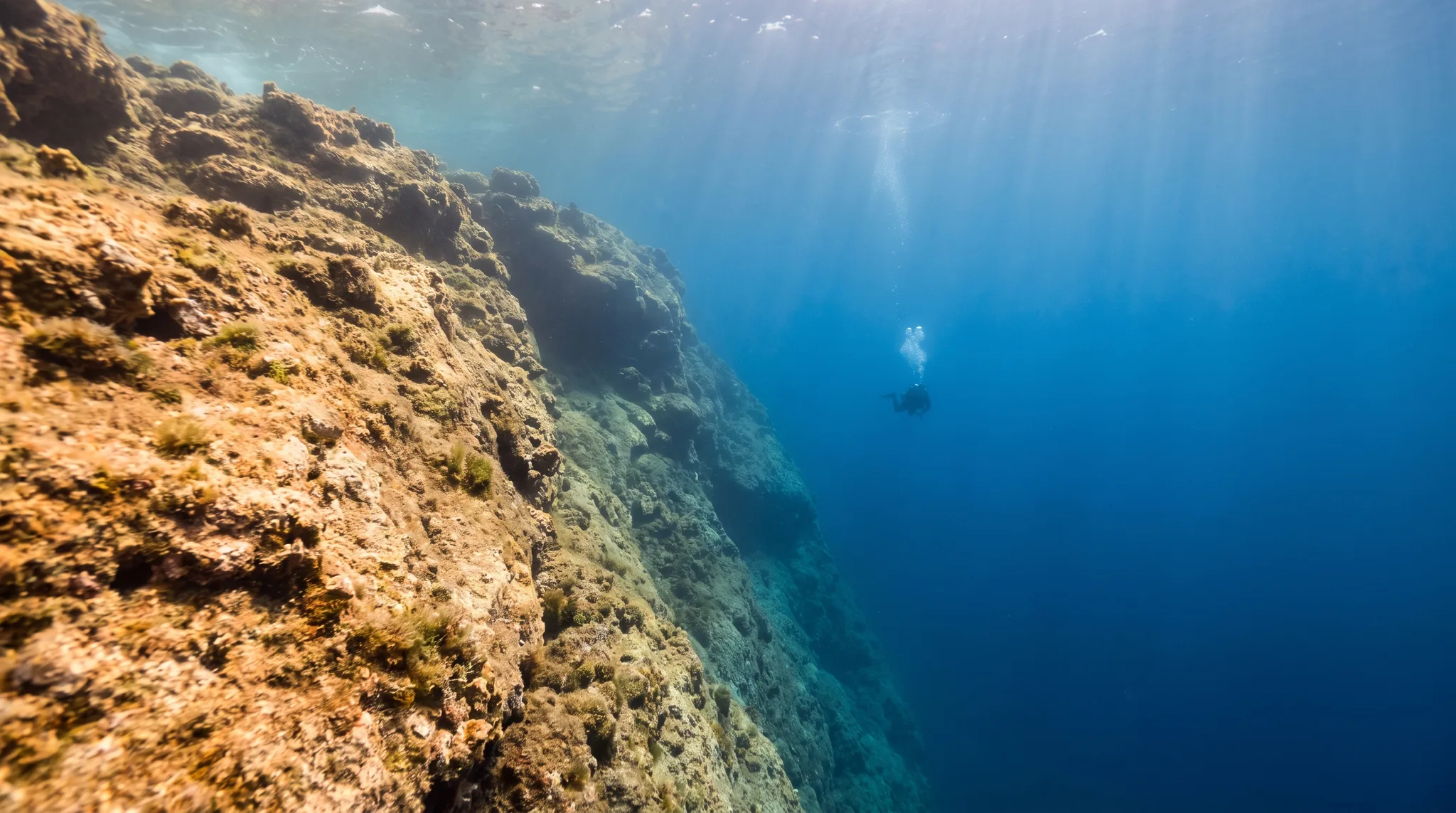
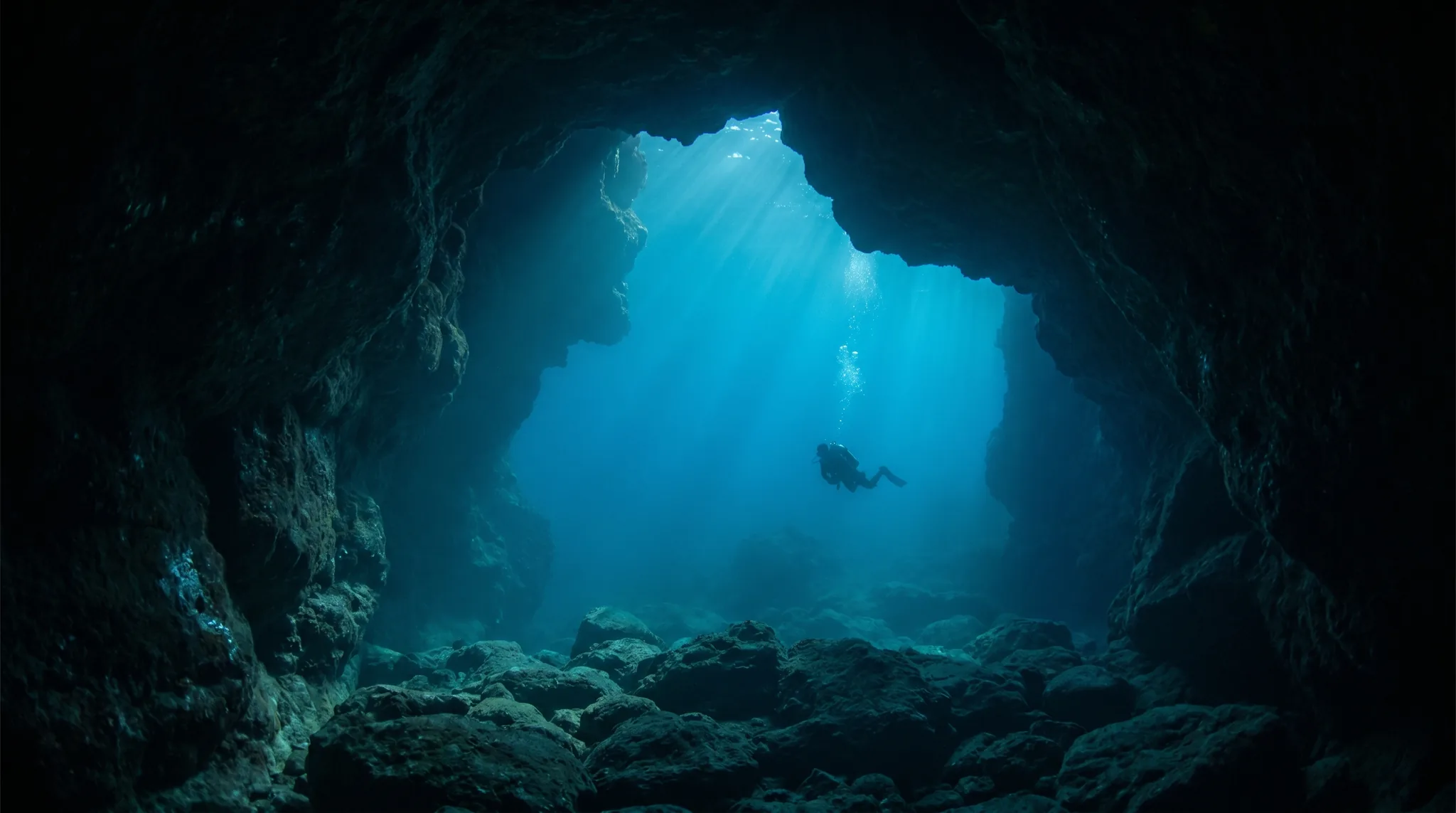
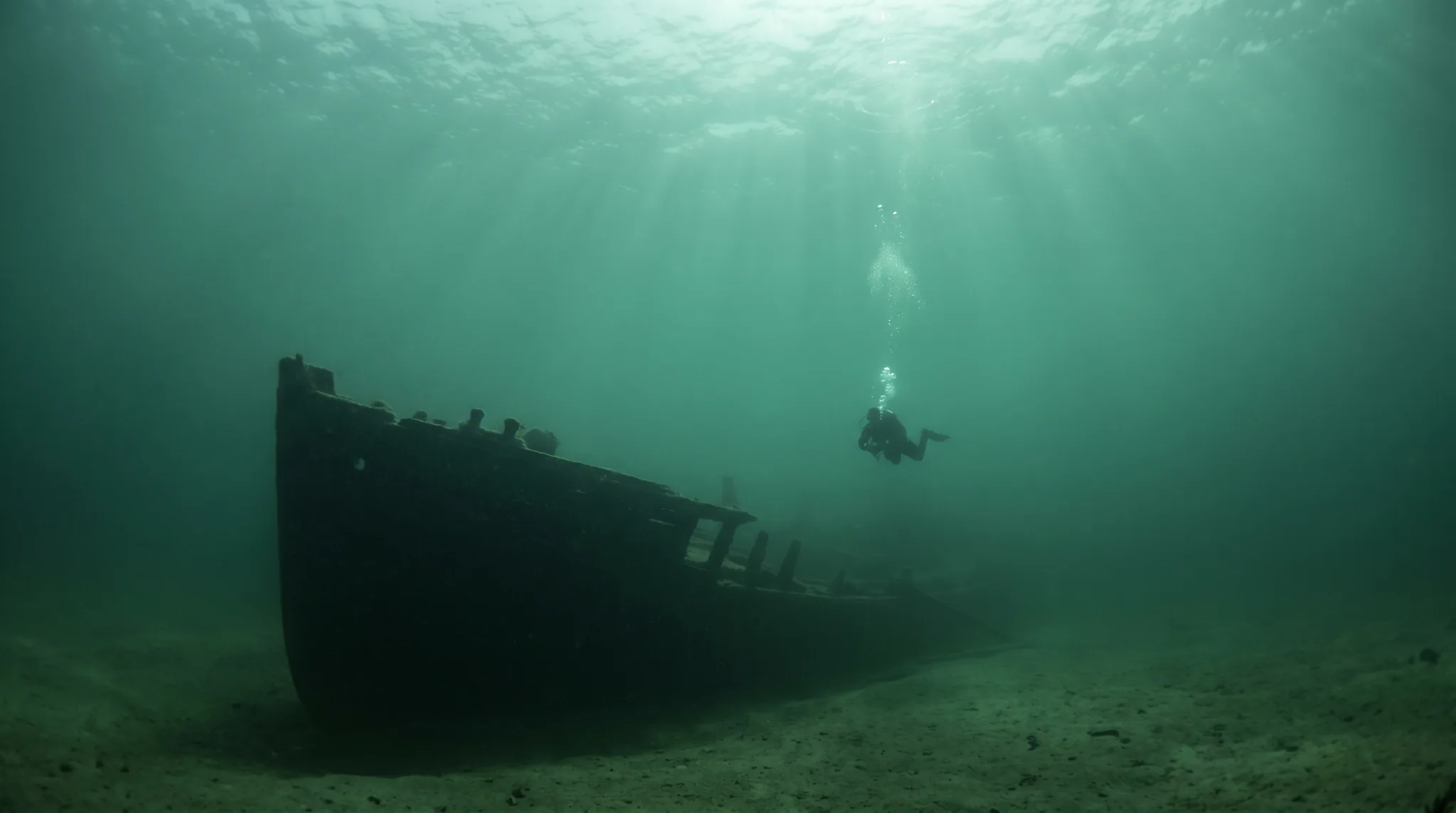
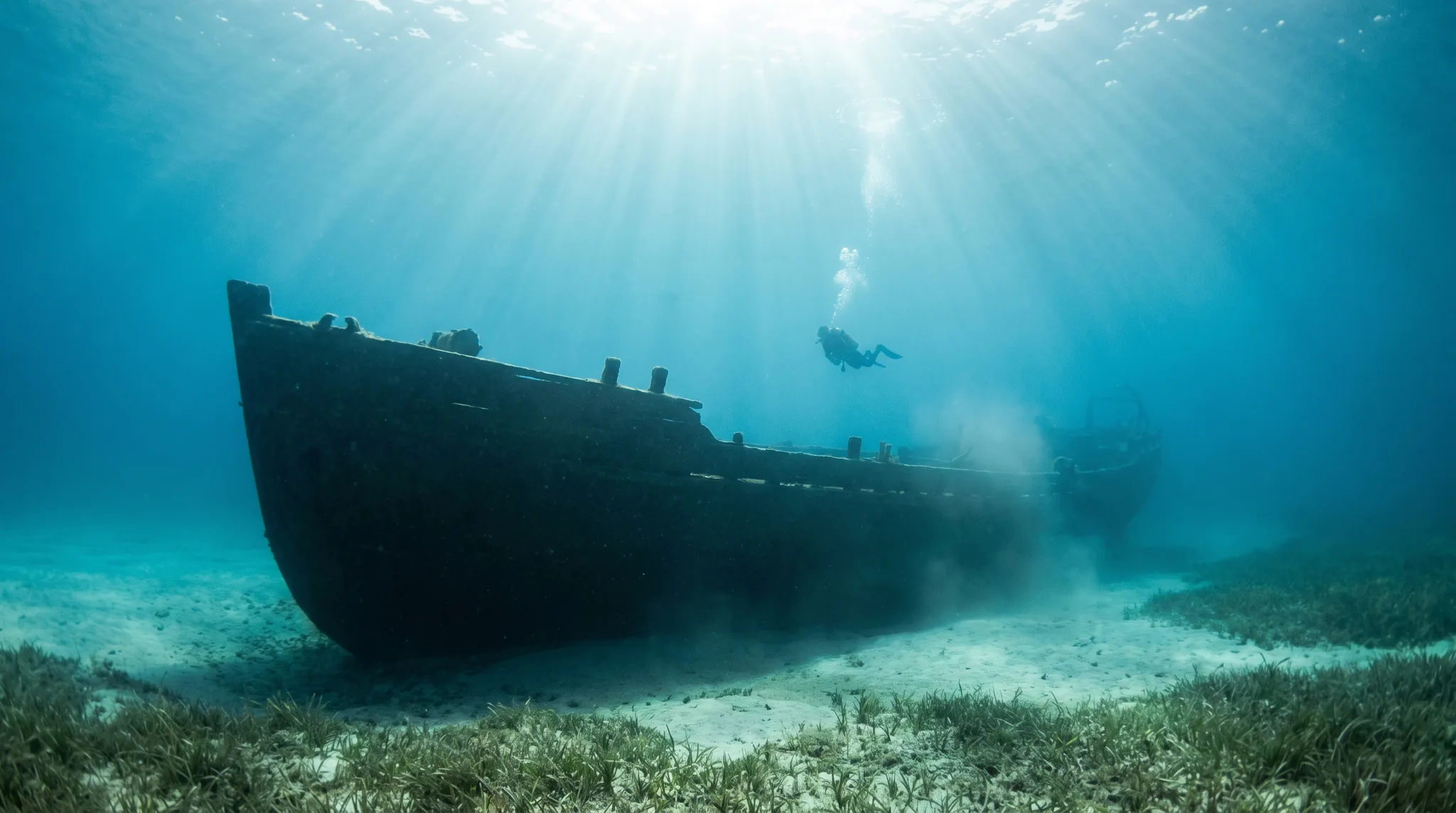
Cabo de Palos is defined by its remarkable spread of wrecks and rocky reef systems, ranging from shallow beginner-friendly shore dives to deep technical wreck penetrations requiring trimix. Sites like Bajo de Fuera and Bajo de Dentro offer complex topography combining walls, pinnacles, caves and drop-offs in a single dive. The wreck roster is equally varied, from accessible artificial reefs to the deep SS Stanfield. Cephalopods are a signature of the area, with Common Octopus, White-spotted Octopus and European Common Cuttlefish all observed consistently across sites.
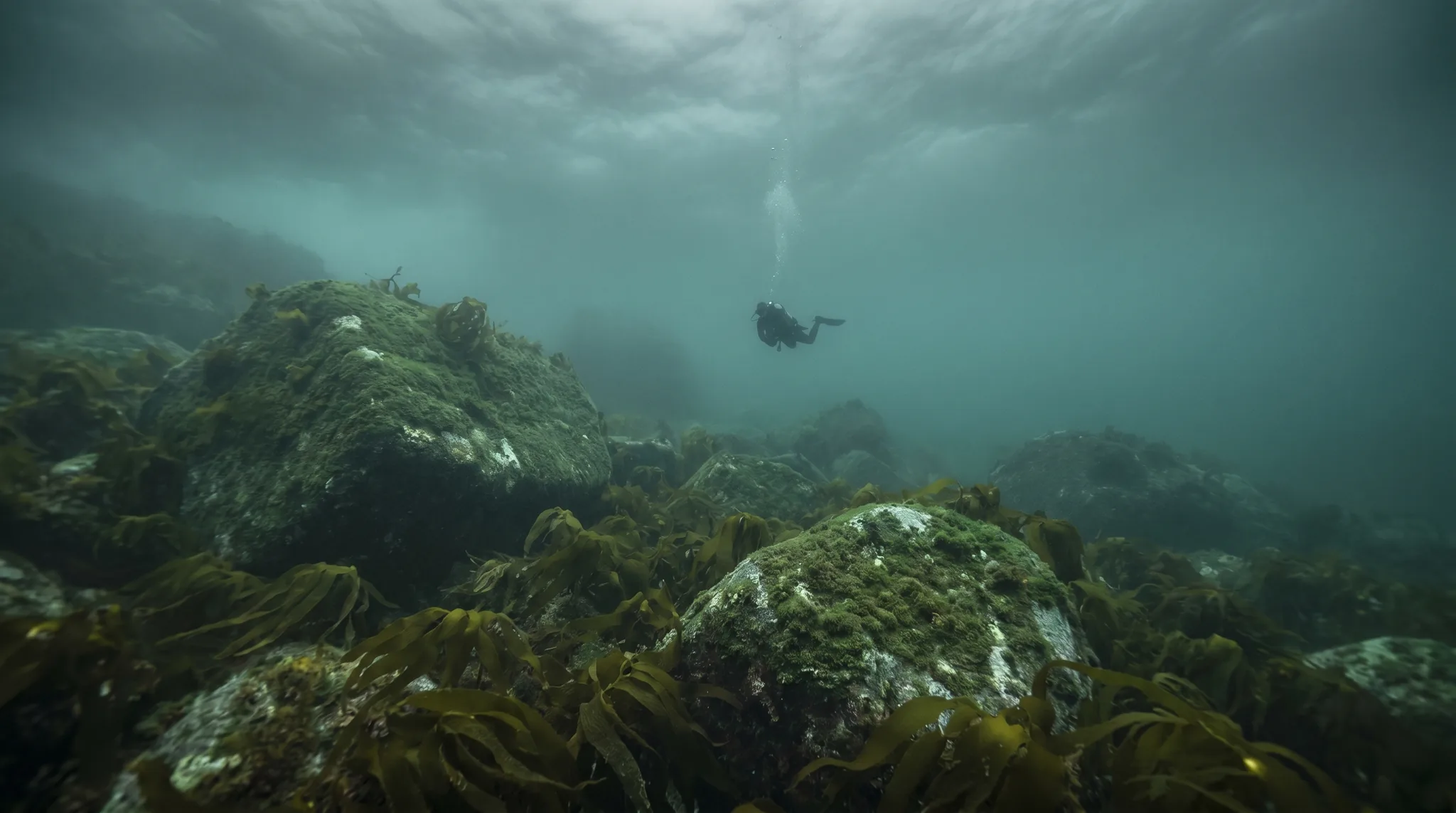
Monthly water temperature across Cabo de Palos's sites, from satellite sea-surface data corrected for depth. The band shows the site-to-site spread.
Water temperatures sit at their coolest from winter through early spring, warming steadily from May onward and peaking in late summer. September and October draw the strongest diver interest, combining warm water with typically good visibility. Winter diving is possible but calls for a thicker suit, while the summer months reward those seeking more comfortable conditions on the reef.
17 operators

La Manga del Mar Menor, Spain
27 more sites to explore
Water temperature around Cabo de Palos ranges from about 15°C in January to 23°C in August, based on satellite sea-temperature data for its dive sites.
In the warm season (about 23°C) a 3mm full suit is comfortable in Cabo de Palos; in the coldest months (about 15°C) step up to a 7mm or semi-dry suit.
Fin maps 39 sites in Cabo de Palos (35 scuba diving sites and 7 snorkelling spots, with some suited to both).
Across Cabo de Palos's dive sites, May, June, July, August, September and October are most often reported as the best months to visit.
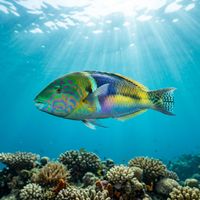
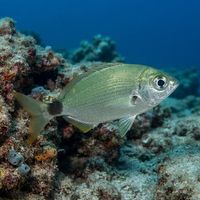
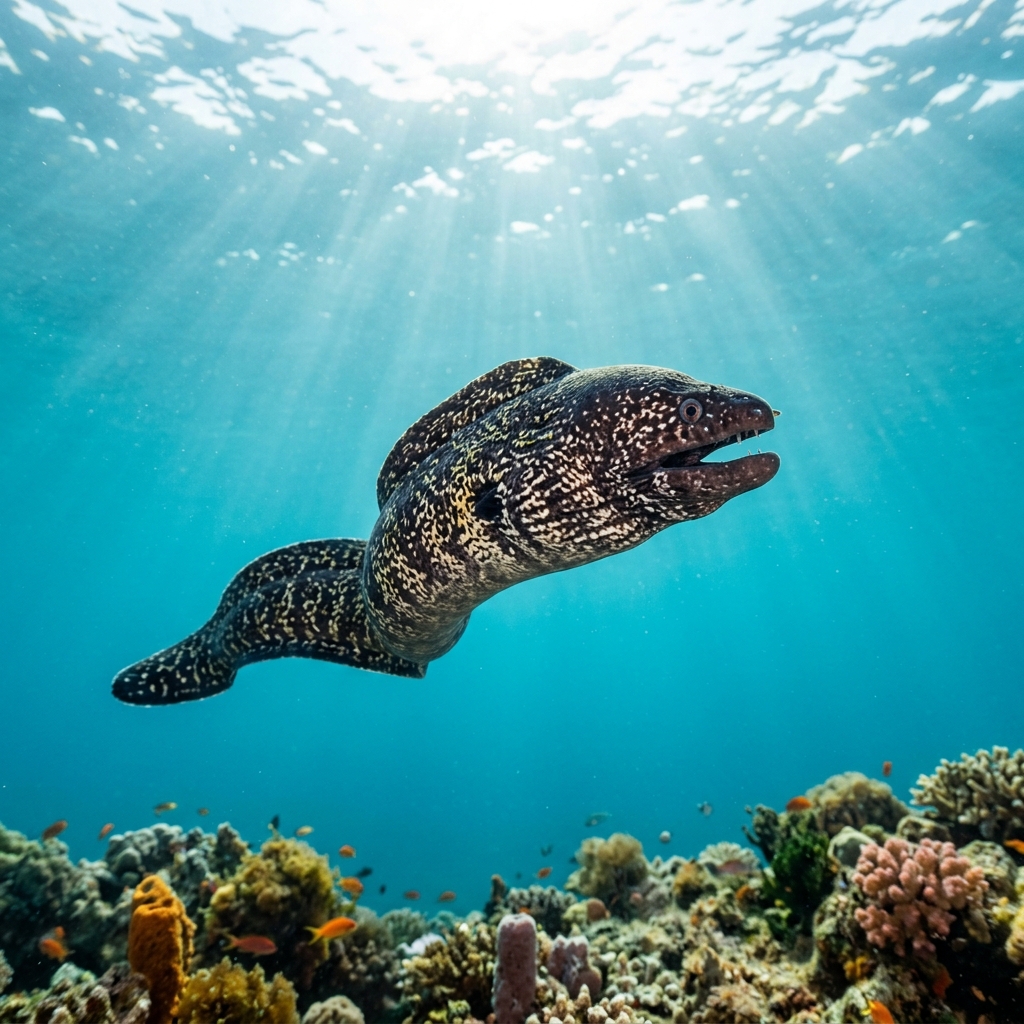
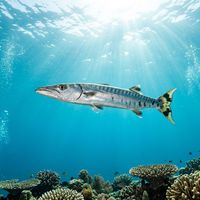
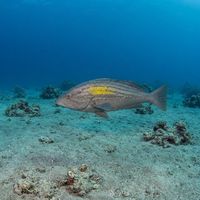
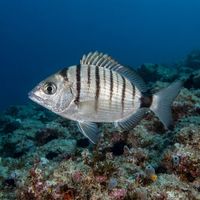
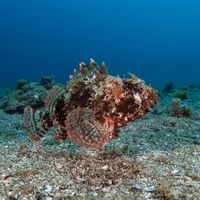
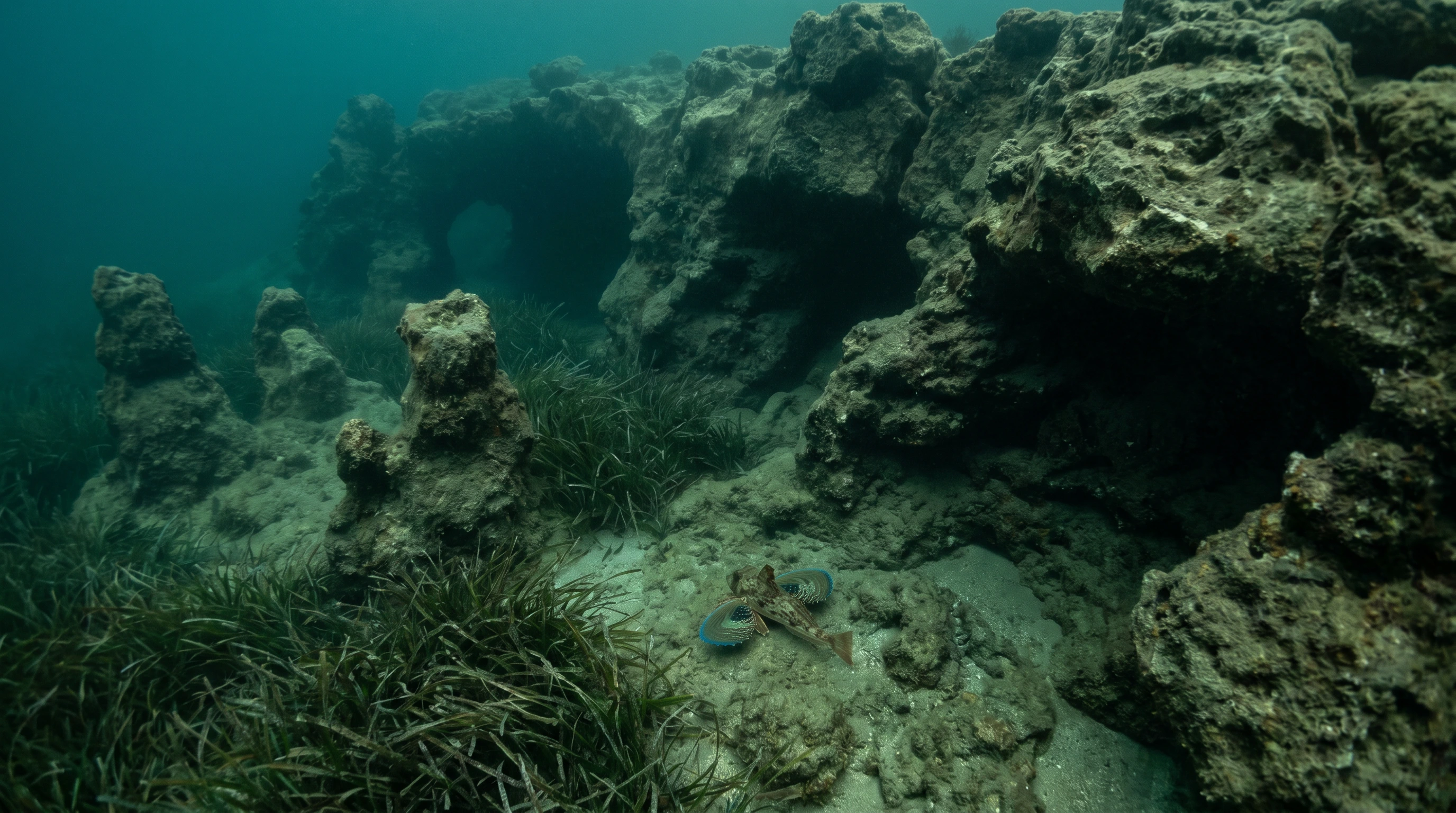
Cabo de Palos is particularly strong for cephalopods: Common Octopus, White-spotted Octopus and European Common Cuttlefish are observed consistently across the sites. Mediterranean Moray, Conger Eel and Great Barracuda are also regularly encountered, along with Scorpionfish, Dusky Grouper and the distinctive Flying Gurnard. Butterfly Ray and Common Stingray make occasional appearances on sandier ground.
Yes, there are sites here suited to divers still building experience. Zeneta and Islotes Del Descargador are both shore-entry sites with shallow, calm conditions, while El Morrito offers a gentle reef and cave environment reachable by boat. That said, the majority of sites skew intermediate to advanced, and the deep wreck dives such as the SS Stanfield require technical certification.
Most sites require a boat, and there are many operators in the area running regular trips, including Divers Cabo de Palos, Mangamar Dive Center and Islas Hormigas Diving Club, among others. Shore entry is available at a small number of sites, including Zeneta and Islotes Del Descargador, making those practical for independent divers.
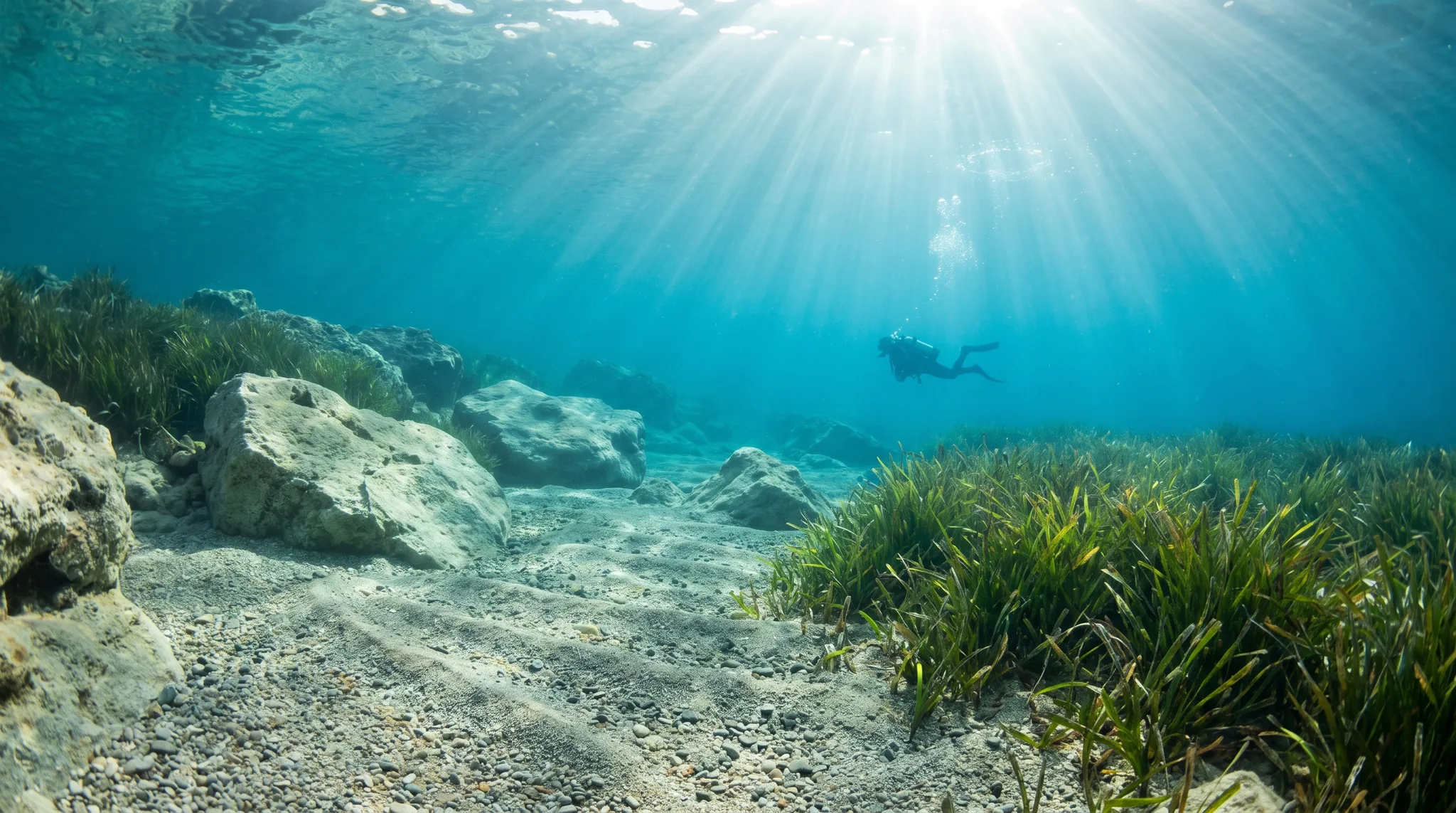
The area offers a real mix of reef systems, wrecks and mixed topography. Rocky reefs with caves, pinnacles and drop-offs feature across several sites, while the wreck count is notably high, spanning shallow artificial reefs through to deep historical wrecks. Seagrass meadows border some of the shallower reef sites, adding habitat variety.