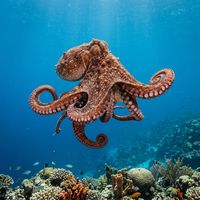
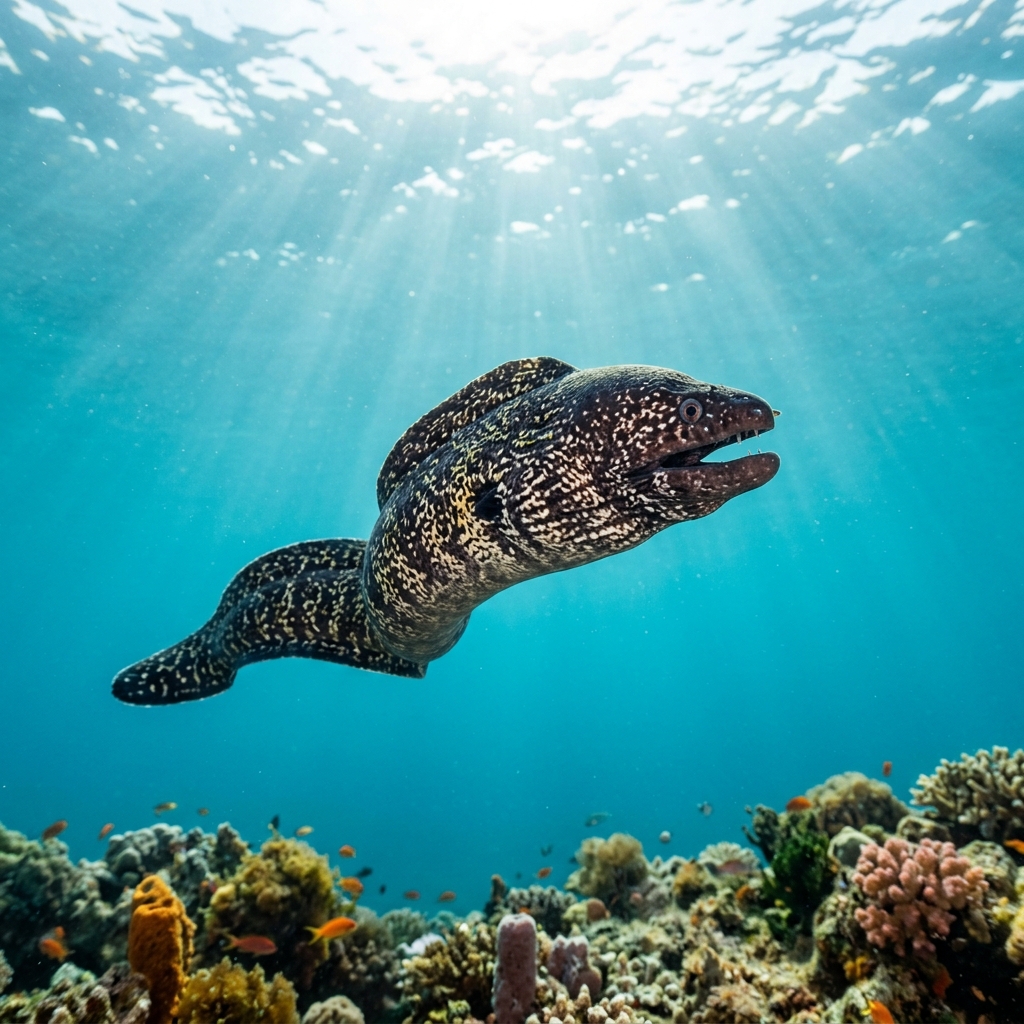
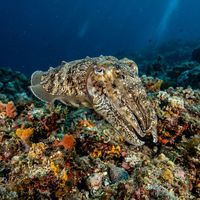
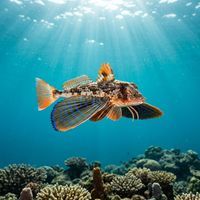
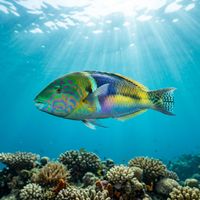
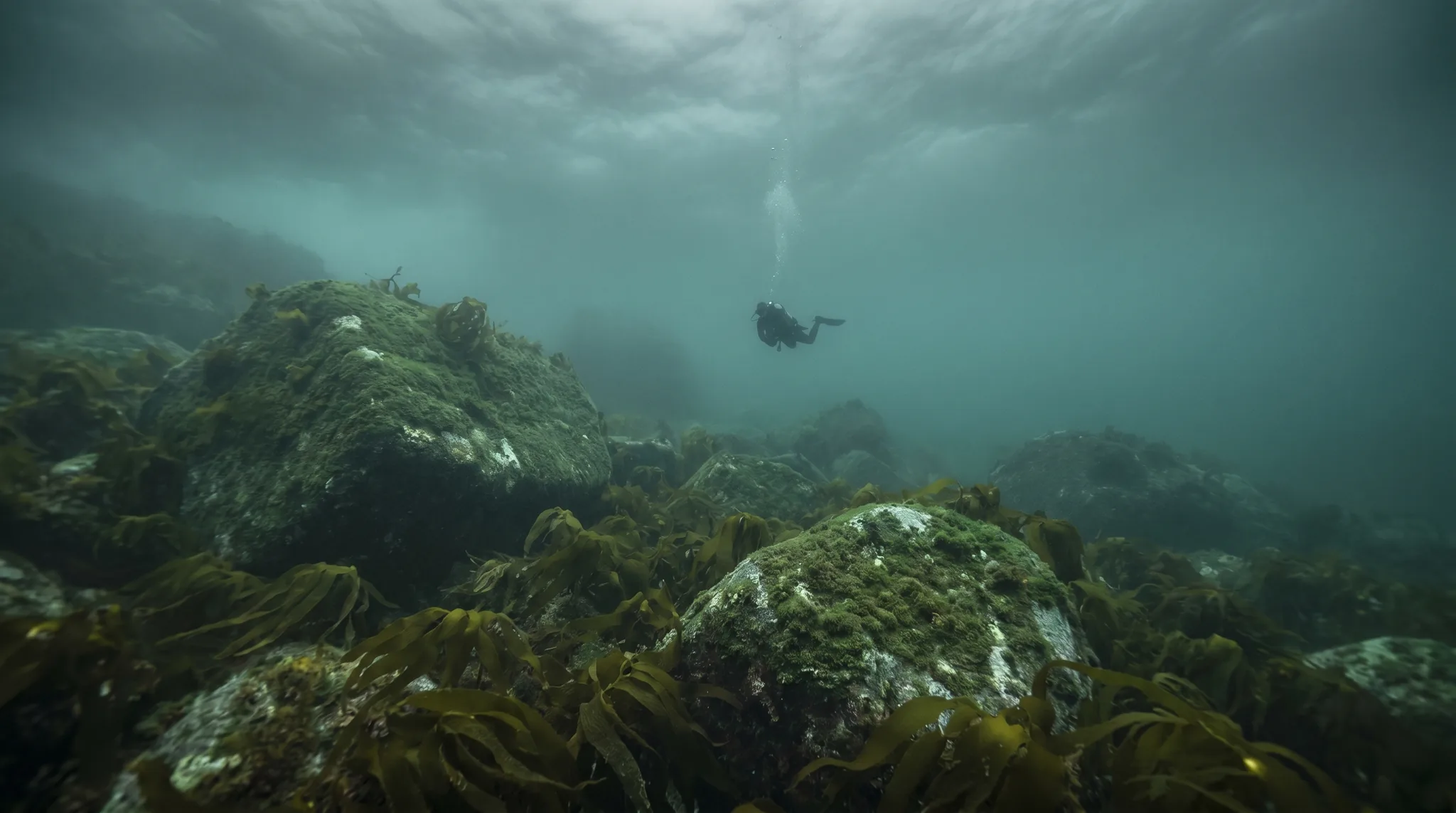
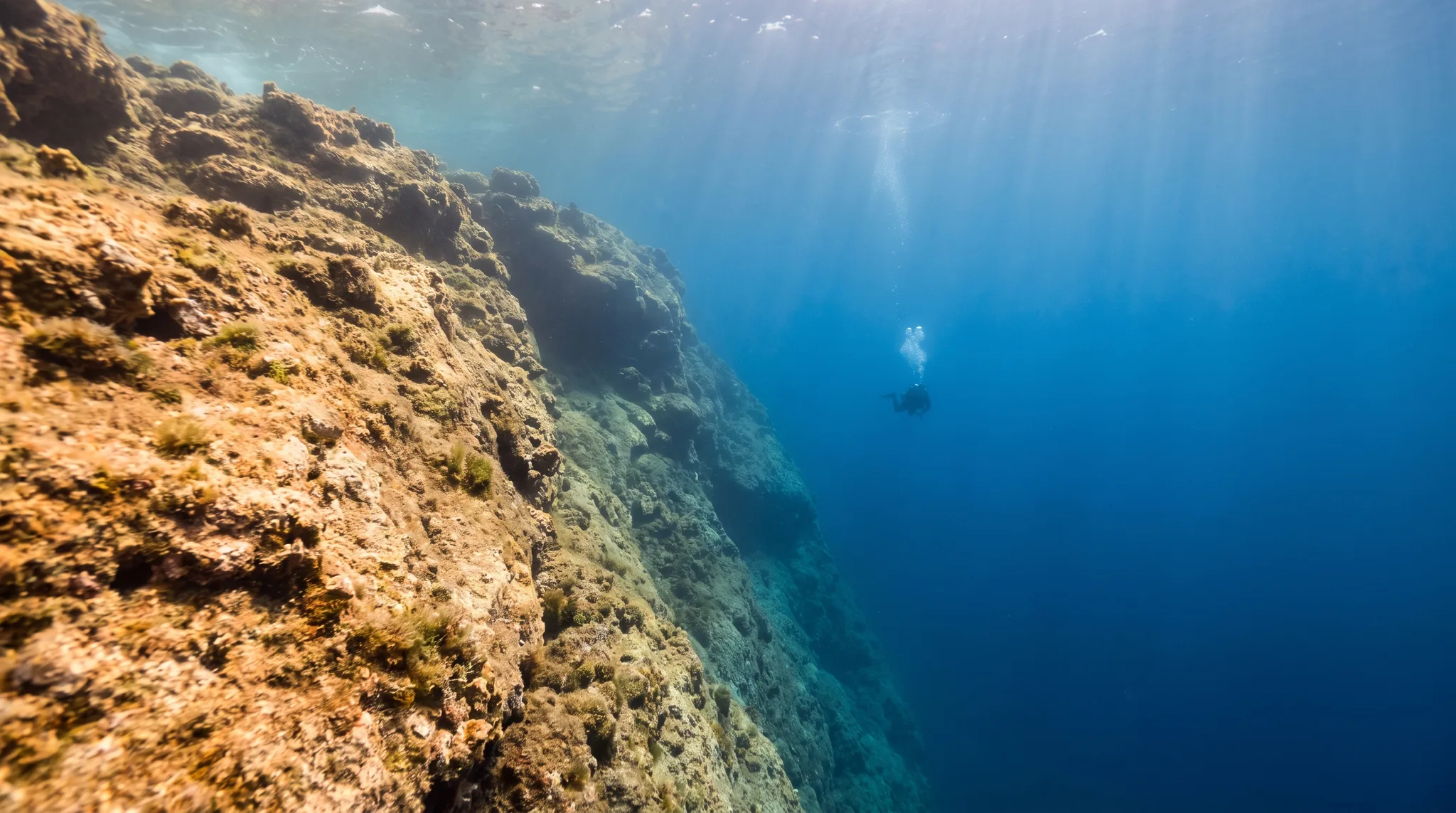
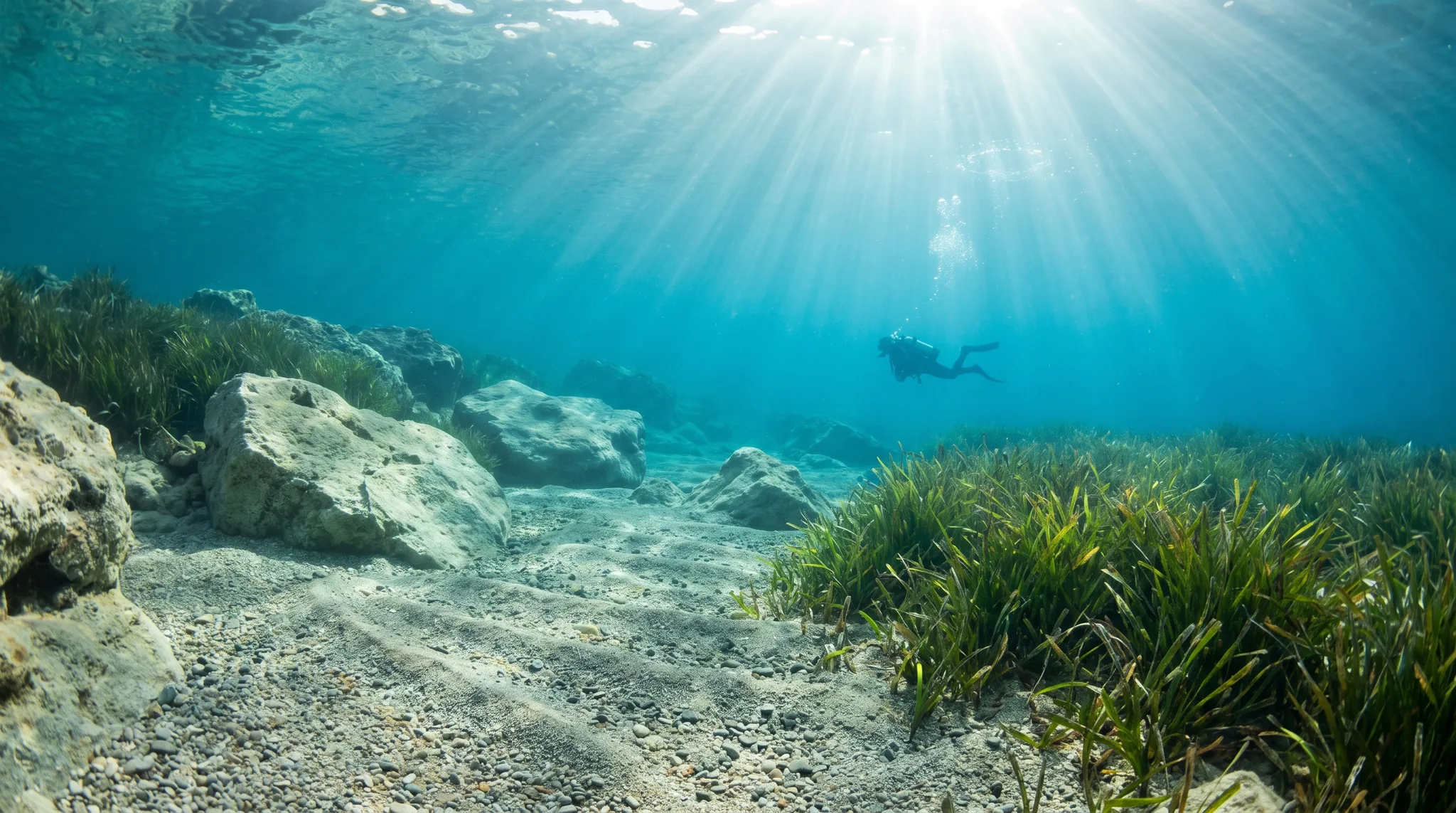
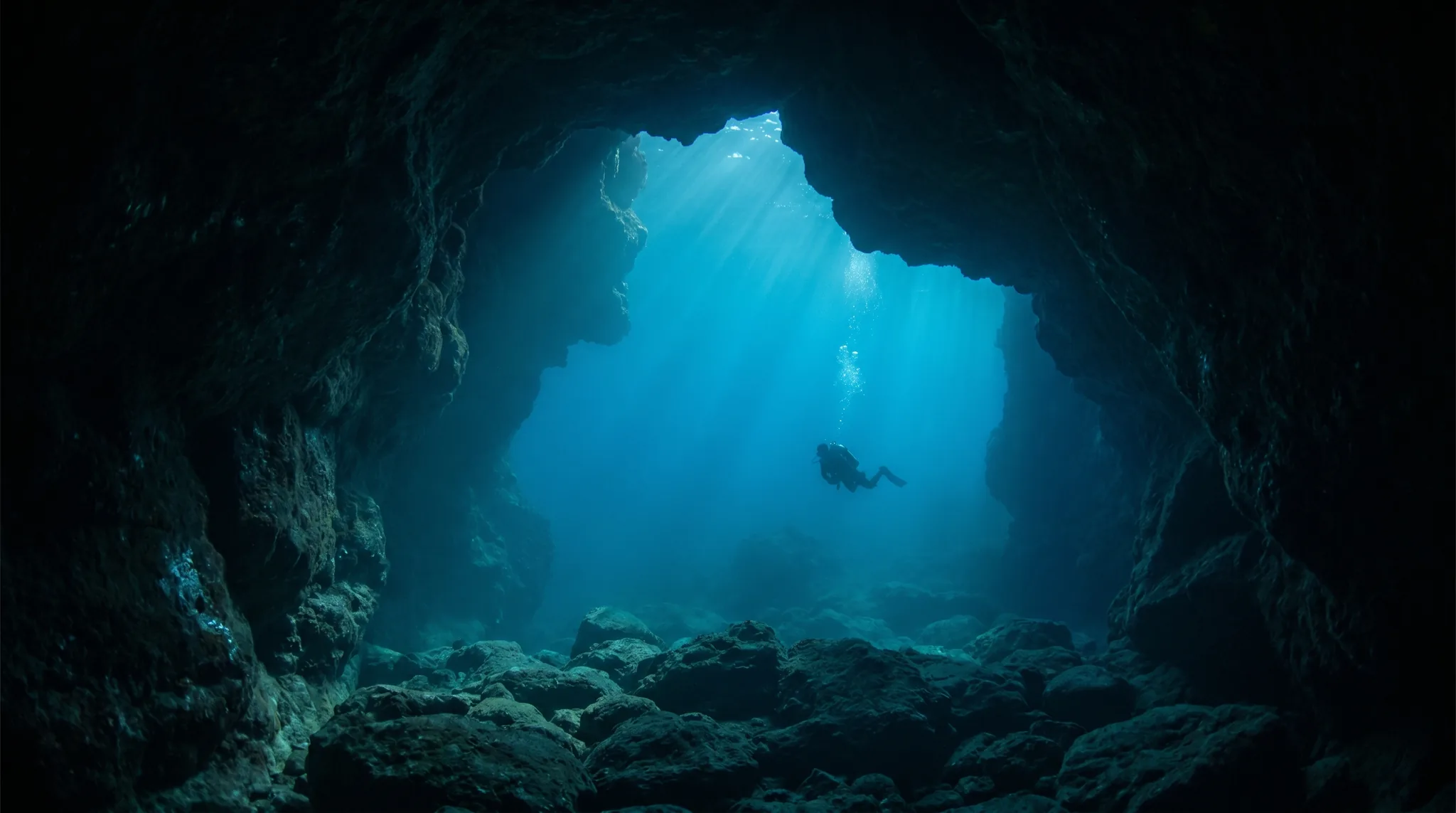
Costa Blanca divides neatly between Jávea, which holds the larger share of sites, and Calpe. The underwater terrain ranges from shallow seagrass beds and beginner-friendly reef to caves, walls and deep drop-offs for advanced divers. The Turkish Wrasse and Two-banded Seabream are ever-present, while the Common Octopus, Mediterranean Moray and European Common Cuttlefish define the region's character. Nudibranch diversity is a quiet highlight, and the Marbled Electric Ray appears occasionally across rocky ground.
2 areas
Monthly water temperature across Costa Blanca's sites, from satellite sea-surface data corrected for depth. The band shows the site-to-site spread.
Water stays cool through winter and early spring, warming steadily from May onward and peaking in late summer. The warmest and most popular window runs from late spring through October, when visibility tends to be at its best. Outside this period, diving continues but a thicker exposure suit is advisable.
43 operators


102 more sites to explore
Shore and boat diving across reefs, caves and walls, with exceptional nudibranch diversity and reliable sightings of Common Octopus and Great Barracuda.
Water temperature around Costa Blanca ranges from about 15°C in January to 25°C in September, based on satellite sea-temperature data for its dive sites.
In the warm season (about 25°C) a 3mm full suit is comfortable in Costa Blanca; in the coldest months (about 15°C) step up to a 7mm or semi-dry suit.
Fin maps 114 sites in Costa Blanca (100 scuba diving sites and 26 snorkelling spots, with some suited to both), organised into 2 areas.
Across Costa Blanca's dive sites, May, June, July, August, September and October are most often reported as the best months to visit.
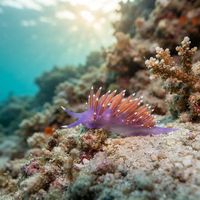
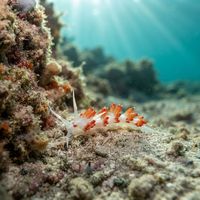
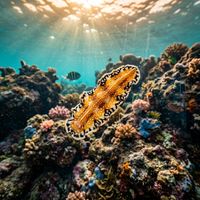
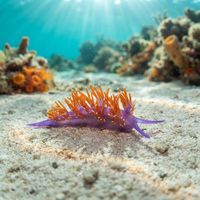
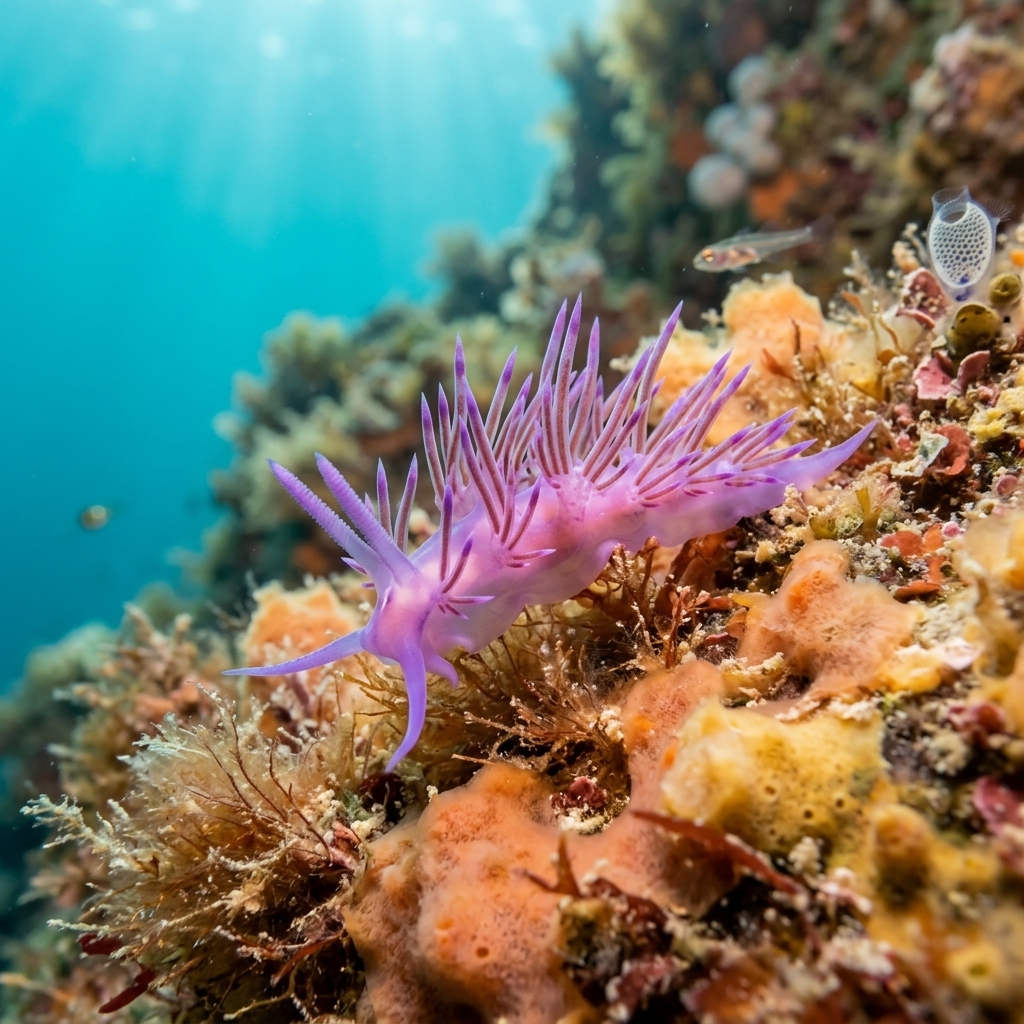
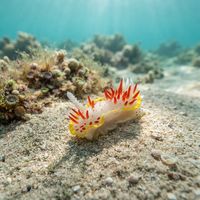
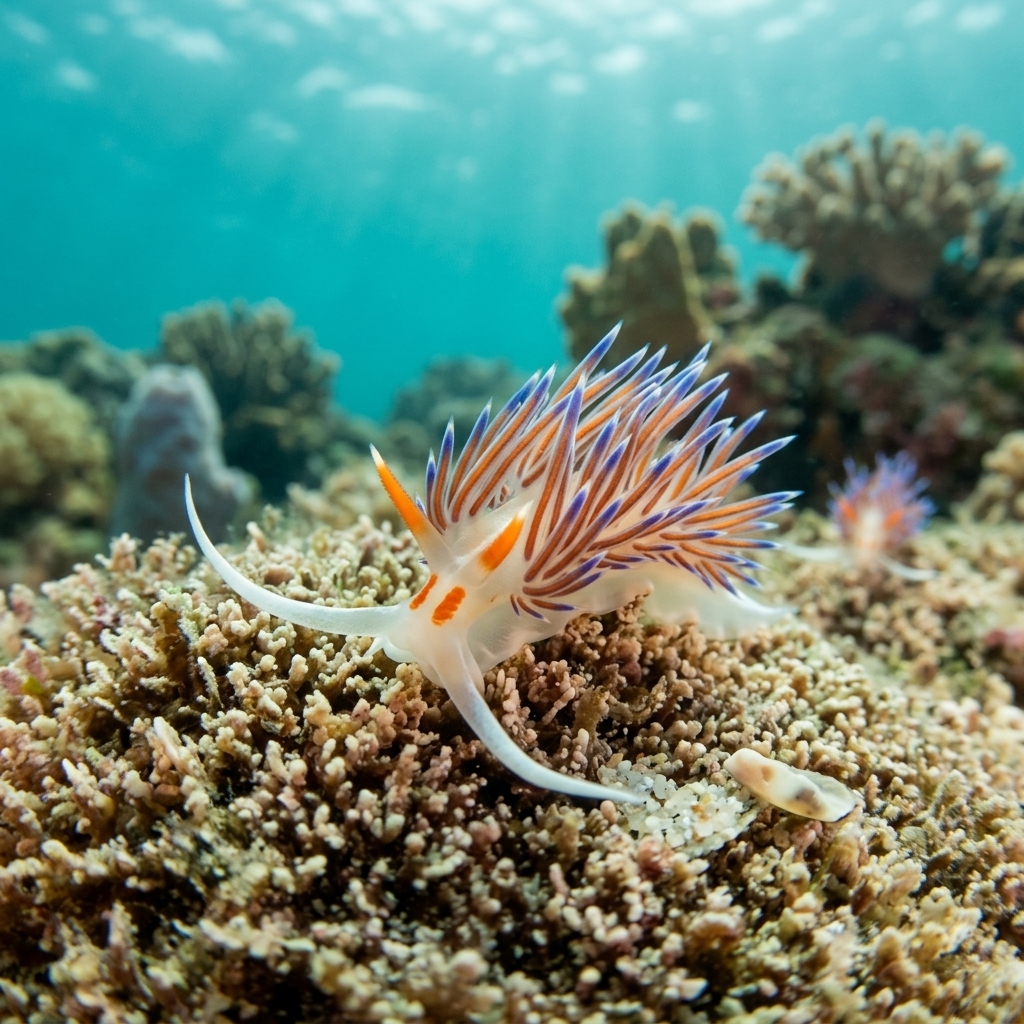
The Common Octopus and Mediterranean Moray are encountered at the vast majority of sites. The European Common Cuttlefish, Great Barracuda and Flying Gurnard are also regularly observed. Nudibranch enthusiasts will find the Mediterranean Violet Aeolid, Cratena Slug and Tricolor Doris across many dives, and the Marbled Electric Ray appears occasionally on rocky ground.
A good proportion of the sites are rated for beginners, including several shore-entry reef dives in Jávea such as Sillón rockero, El Pesebre and Playetes Beach. The shallow artificial reef at BCLN Confined Waters is specifically designed for new divers building experience. Intermediate and advanced sites, including deeper walls and drop-offs, are also well represented for those looking to progress.
Jávea holds the greater number of sites and offers the widest variety of topography, from beginner reef dives to boat-access caves and advanced drop-offs such as Rock Lobster. Calpe has a smaller selection but includes accessible shore-entry sites like El Tazón that suit those looking for relaxed, shallow conditions. Both areas are served by local dive operators.
Shore entry is available at many of the most popular sites, particularly across Jávea. More technical sites such as Cova del Camel and Rock Lobster require boat access. Some sites, including Isla Del Descubridor and Escull de Sant Pere, offer both options. Several operators across the region run boat trips to sites that cannot be reached from shore.