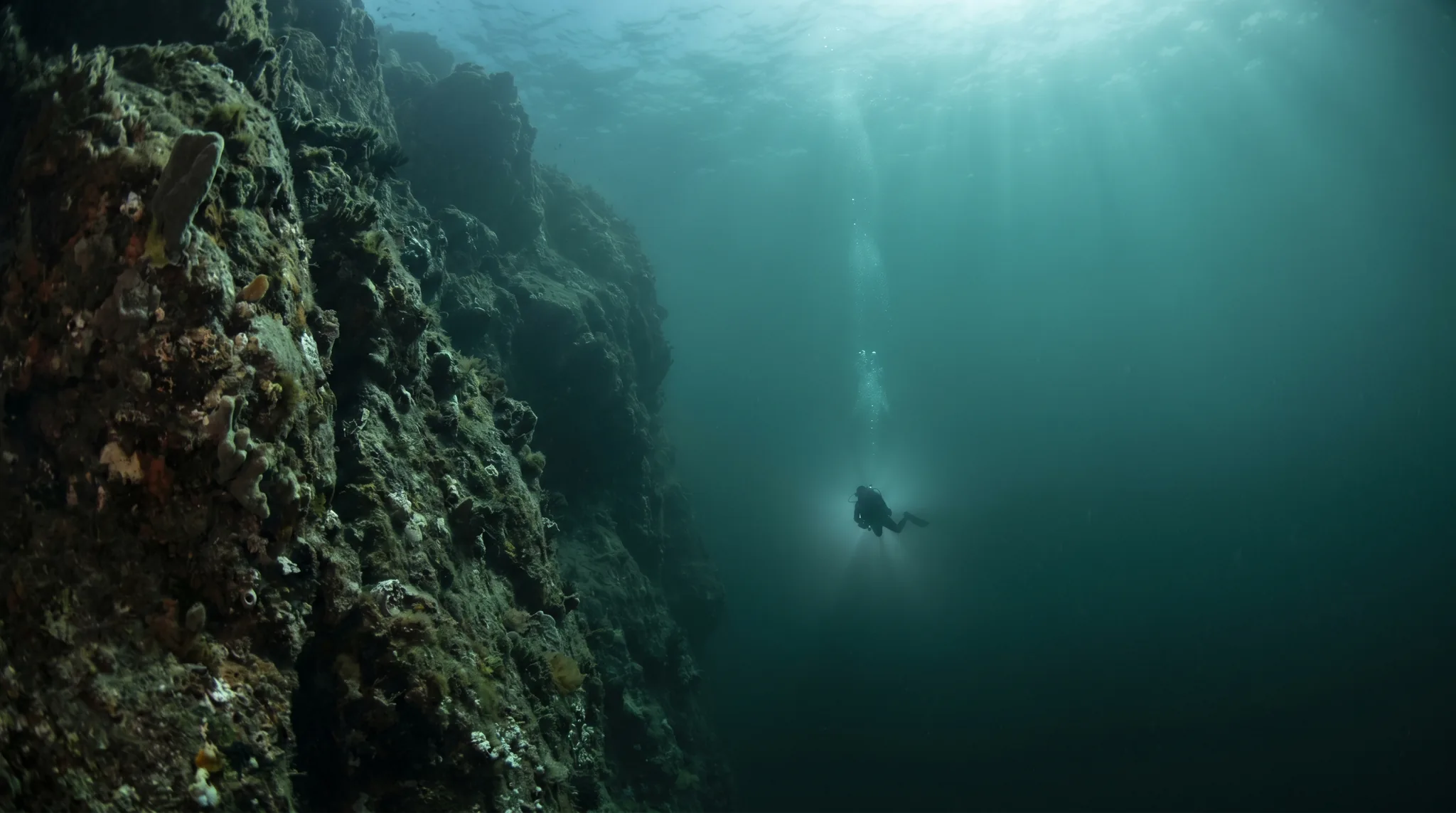
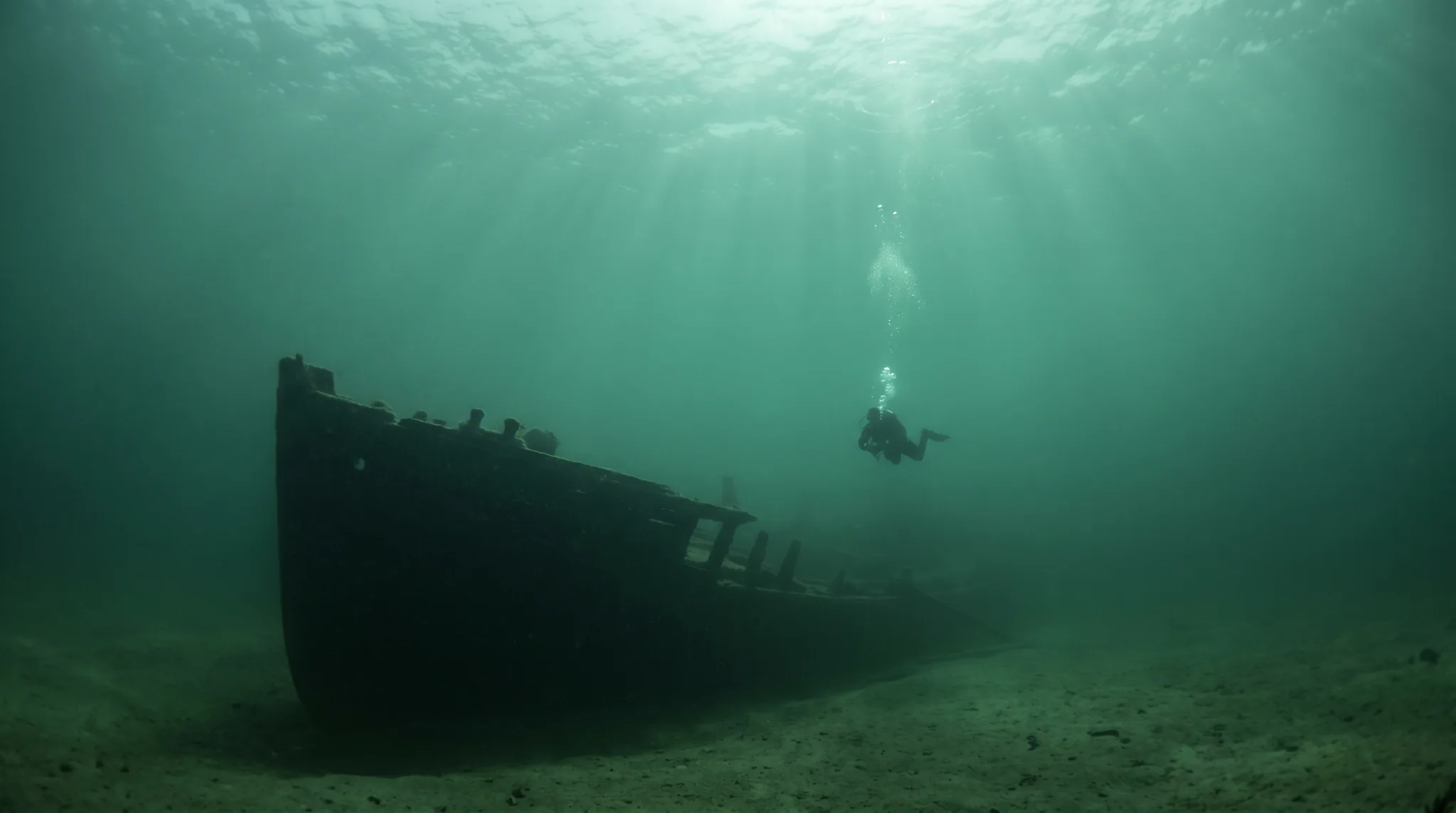
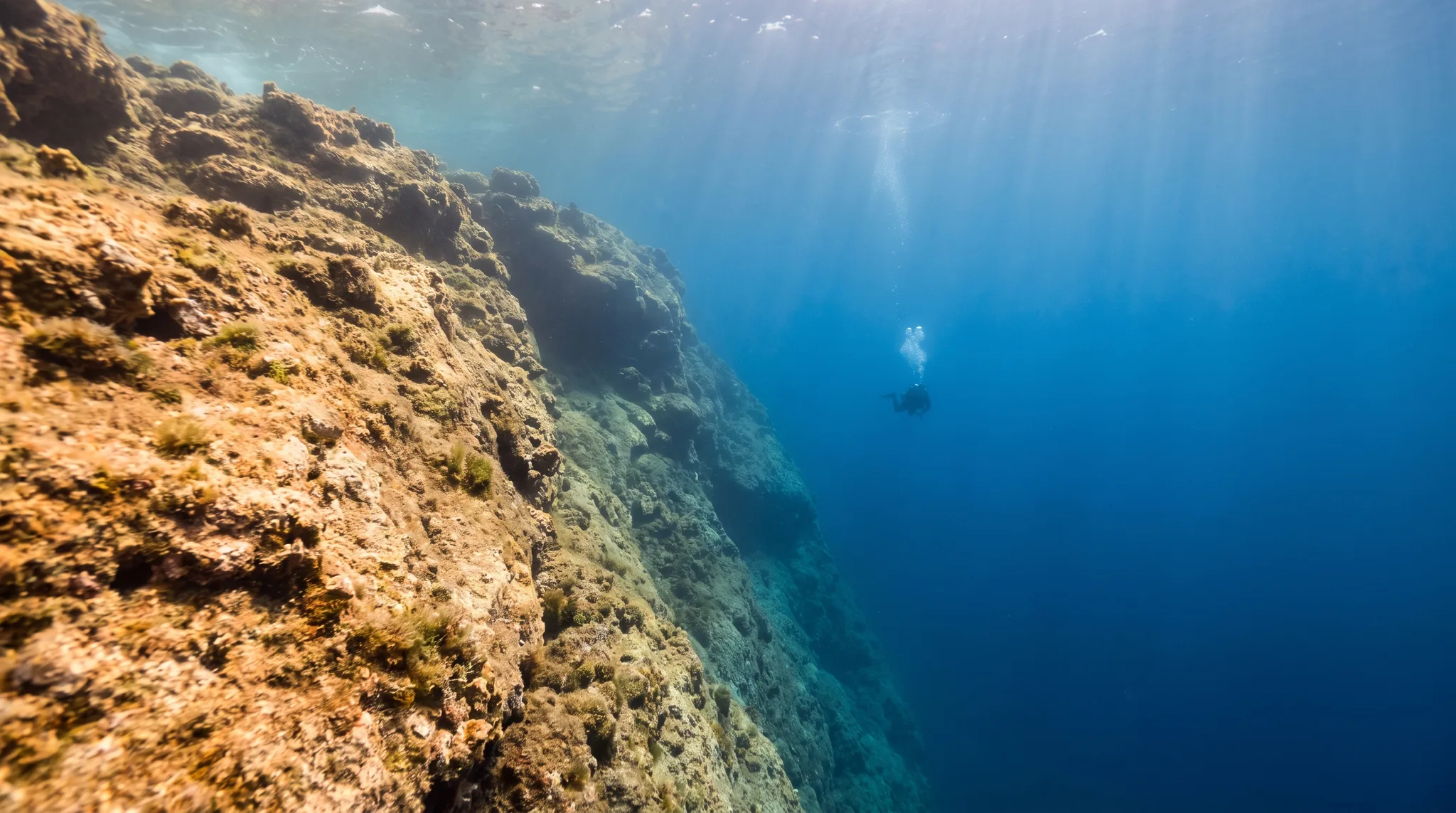
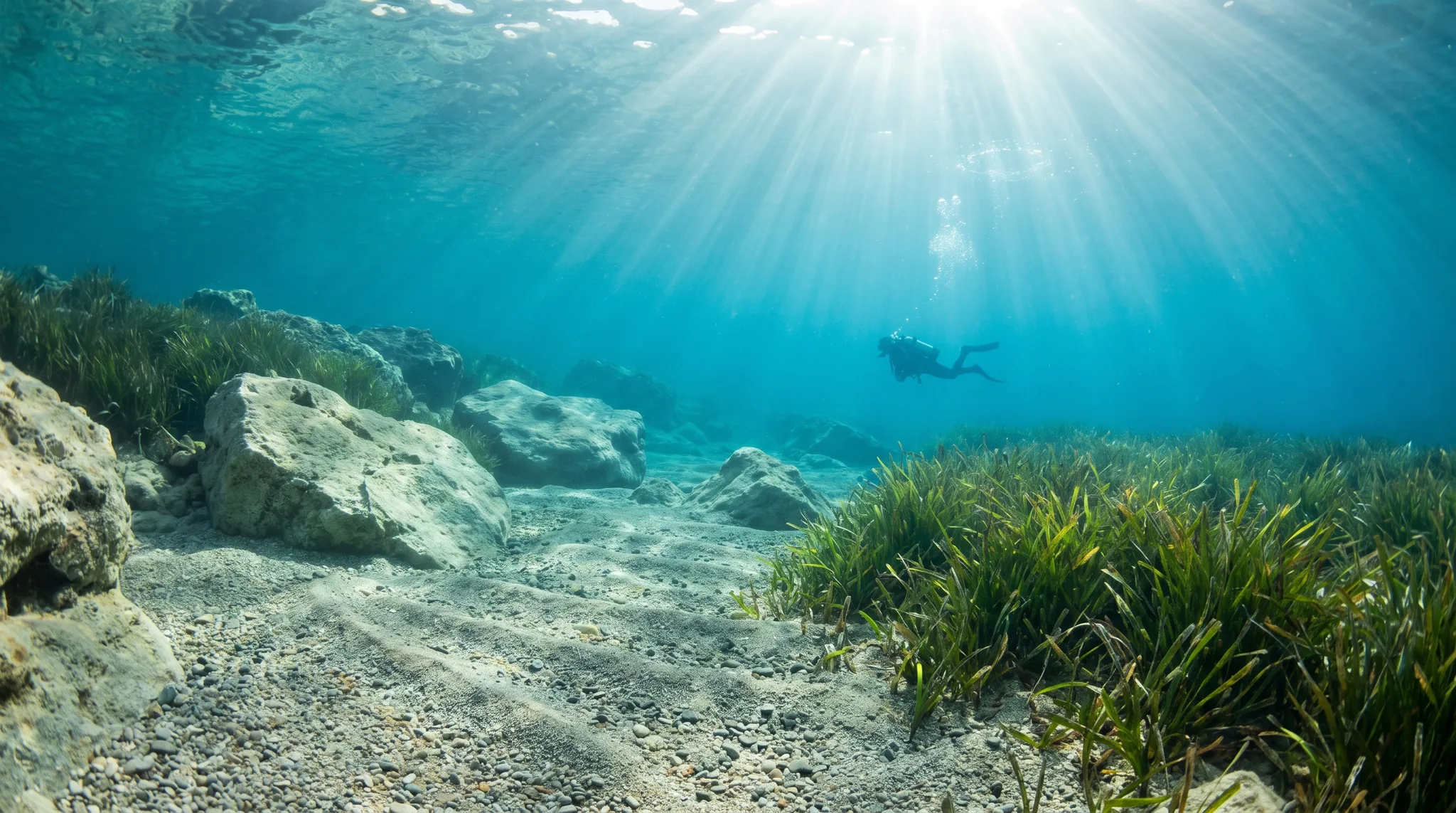
Formentera's diving centres on wrecks and artificial reefs, walls, and drop-offs, with sites ranging from shallow reef gardens to deeper structures that suit a range of skill levels. The signature draw is cephalopod and reef-fish life: Common Octopus, European Common Cuttlefish, Great Barracuda, and a wealth of wrasse species turn up reliably across the sites. Water warms considerably from late spring through autumn, making that window the most rewarding period to visit.
Monthly water temperature across Formentera's sites, from satellite sea-surface data corrected for depth. The band shows the site-to-site spread.
Water temperatures rise from their winter low in early spring, reaching their warmest in late summer before easing off through autumn. The peak months for diving, according to local operator data, fall in late spring and early summer, with a secondary uptick in autumn as summer crowds thin. Exposed boat-access sites mean conditions can vary, so checking sea state before heading out is advisable.
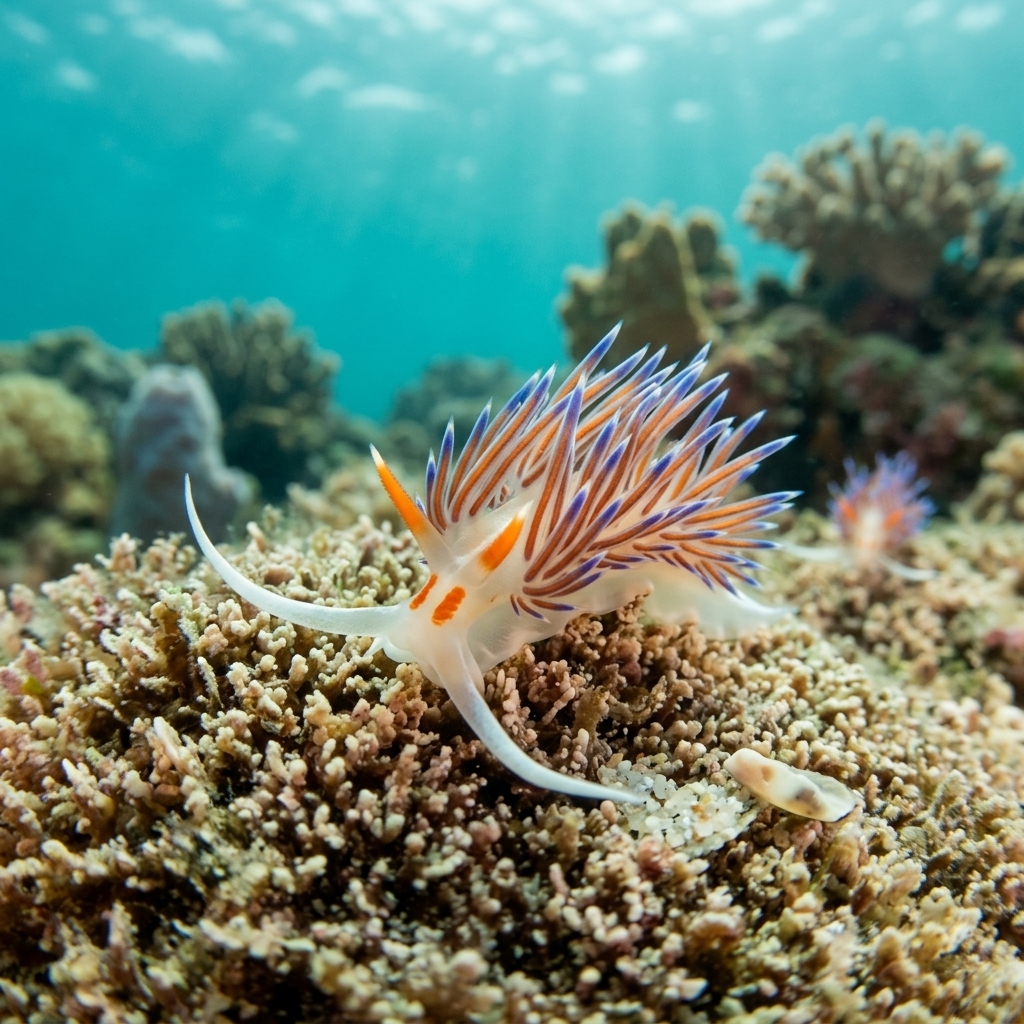
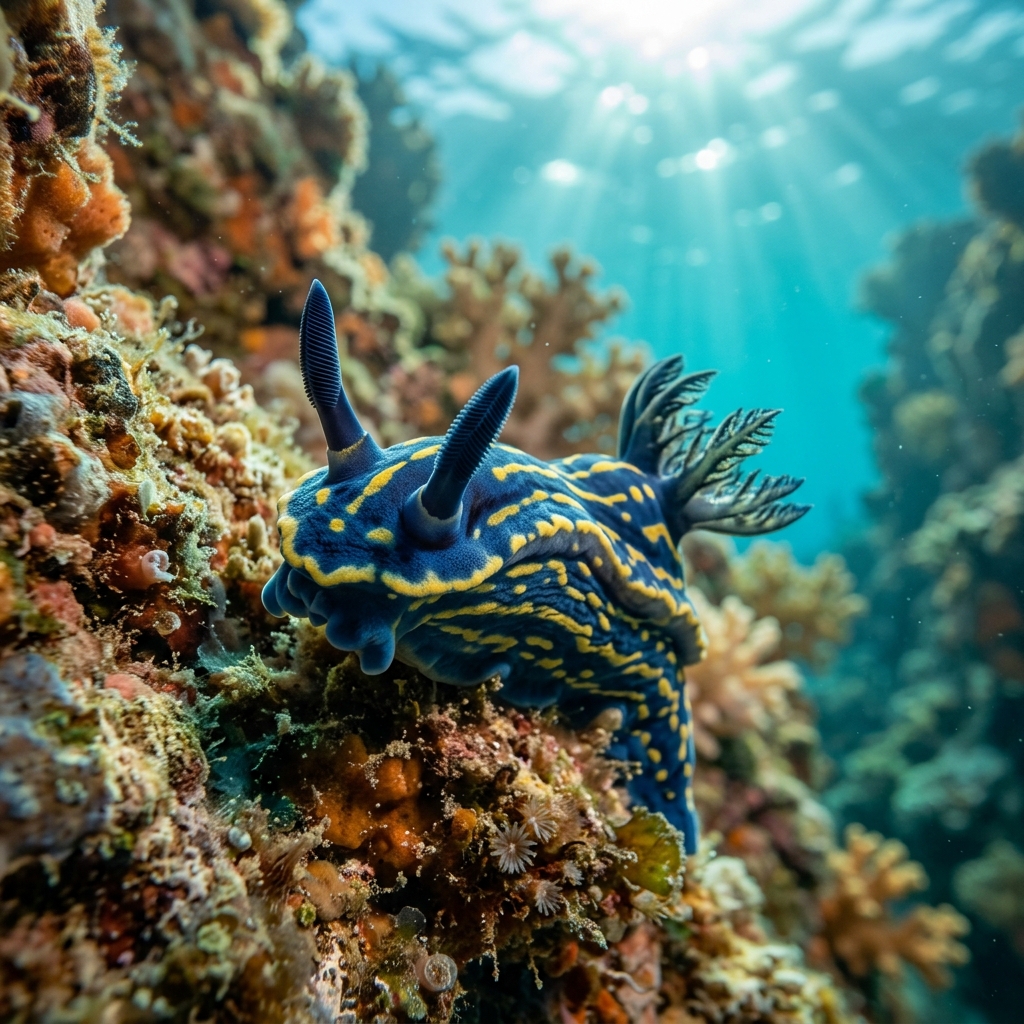
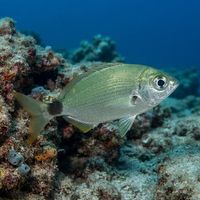
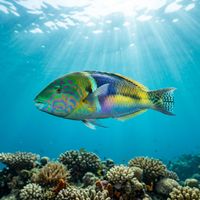
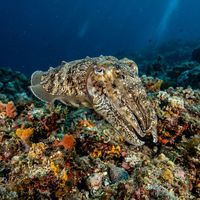
7 operators
11 more sites to explore
Water temperature around Formentera ranges from about 15°C in February to 25°C in August, based on satellite sea-temperature data for its dive sites.
In the warm season (about 25°C) a 3mm full suit is comfortable in Formentera; in the coldest months (about 15°C) step up to a 7mm or semi-dry suit.
Fin maps 15 sites in Formentera (13 scuba diving sites and 6 snorkelling spots, with some suited to both).
Across Formentera's dive sites, May, June and October are most often reported as the best months to visit.
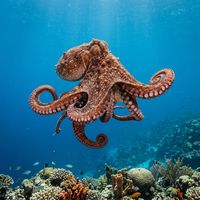
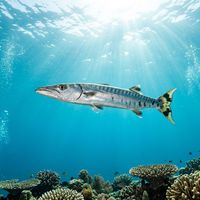
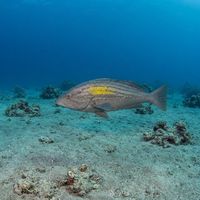
Formentera's sites consistently produce sightings of Common Octopus, Great Barracuda, and European Common Cuttlefish. Wrasse species are particularly well represented, with Mediterranean Rainbow Wrasse, Peacock Wrasse, and Turkish Wrasse all observed across the reef sites. Mediterranean Moray is spotted occasionally, and Goldblotch Grouper is a regular presence on the deeper structures.
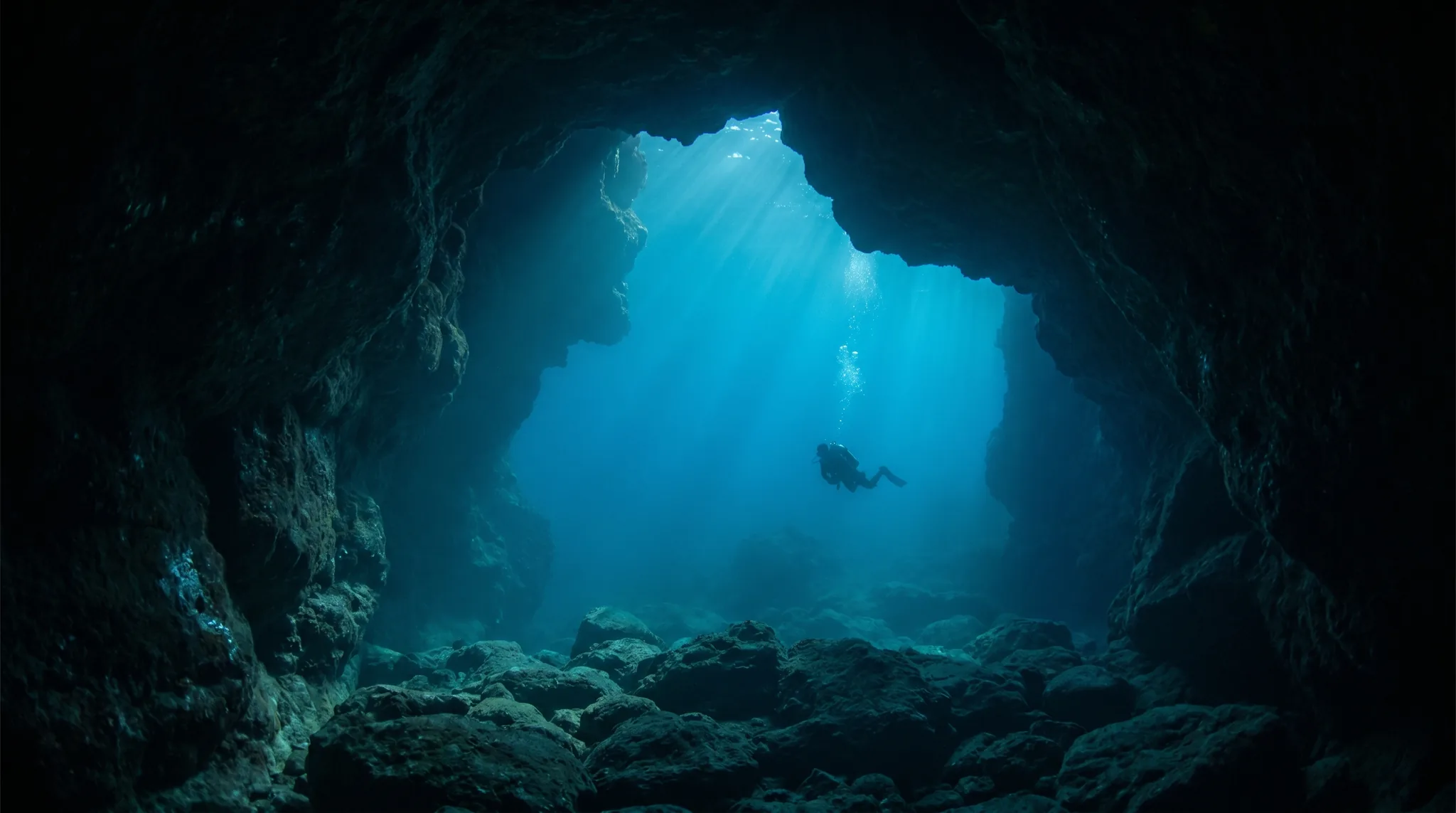
The mix of sites in Formentera spans beginner through to advanced skill levels, so there is something for newer divers as well as those with more experience. Espardel, a wreck serving as an artificial reef, is rated for beginner divers. Sites such as Punta Prima and Es Banc are pitched at intermediate level, while Plataforma Mariana, a large decommissioned structure, is reserved for advanced divers.
All of the listed top sites in Formentera are boat-access dives. Several local operators serve the area, including Diving Center La Mola, Vellmari Formentera, and Albatros Diving, among others. Booking with one of the resident operators is the most straightforward way to reach the sites.
Formentera's site mix includes wrecks used as artificial reefs, natural reef and wall formations, and drop-offs. Plataforma Mariana is a distinctive artificial reef built around a large decommissioned fish factory structure, while Punta Prima combines reef, wall, and drop-off topography. This variety means divers can experience quite different environments within a single trip.