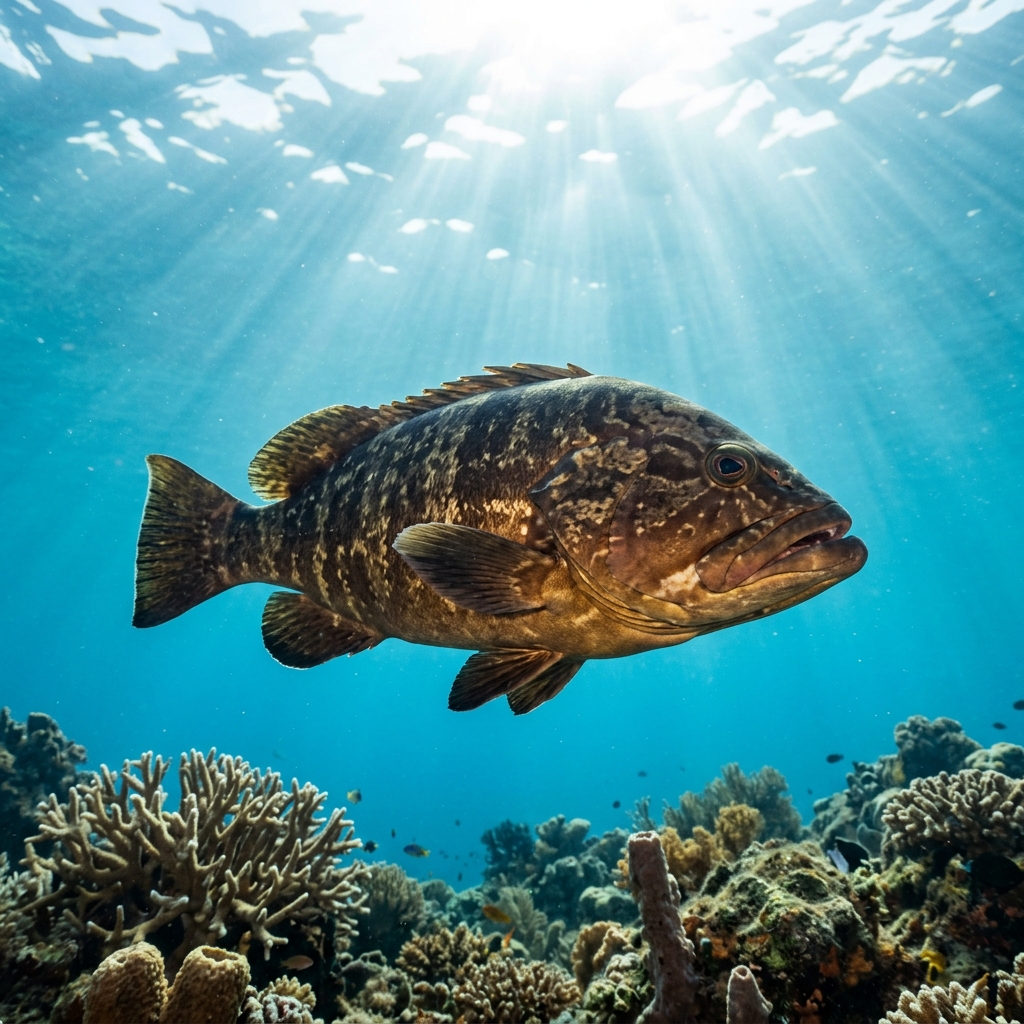
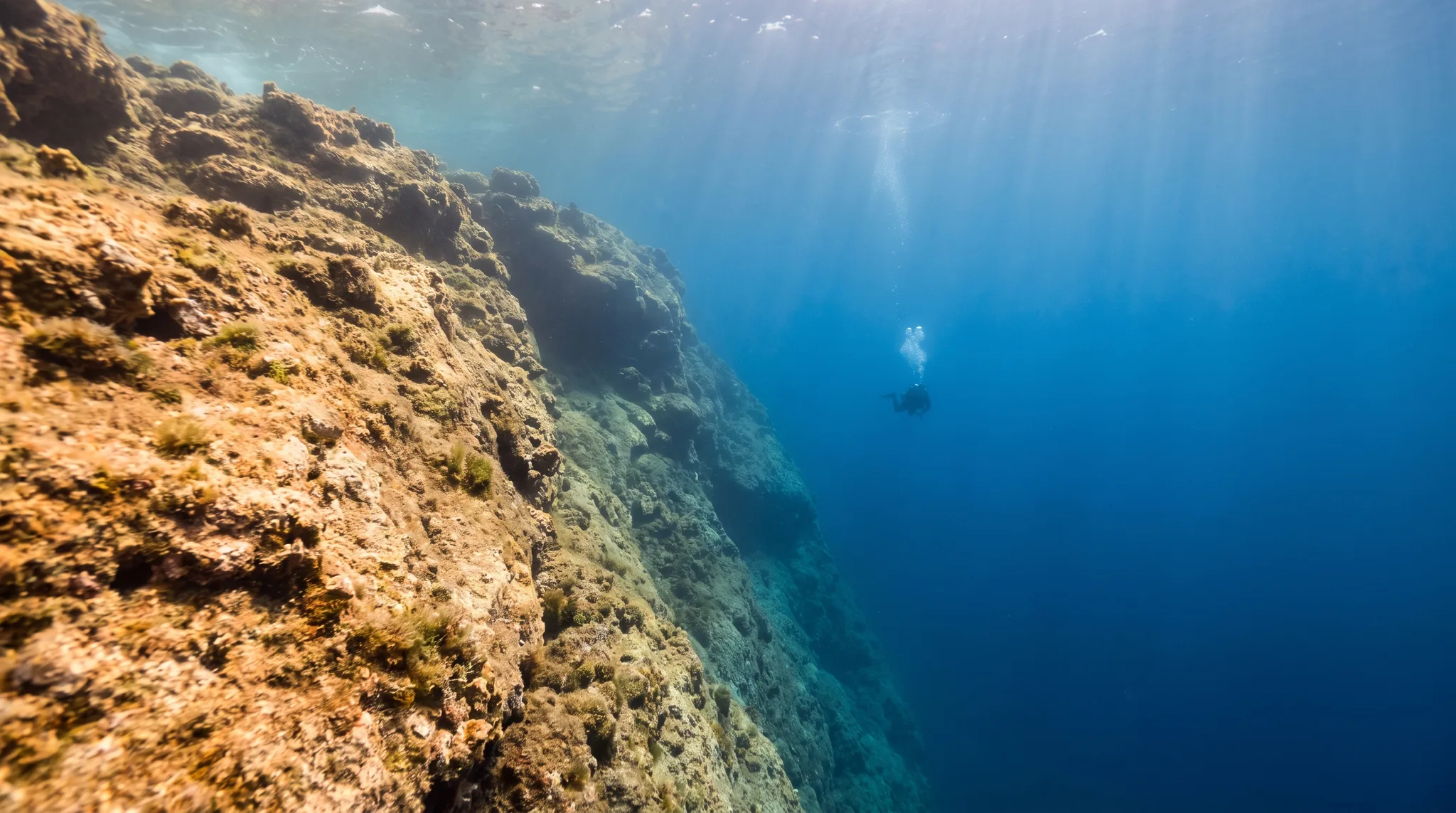
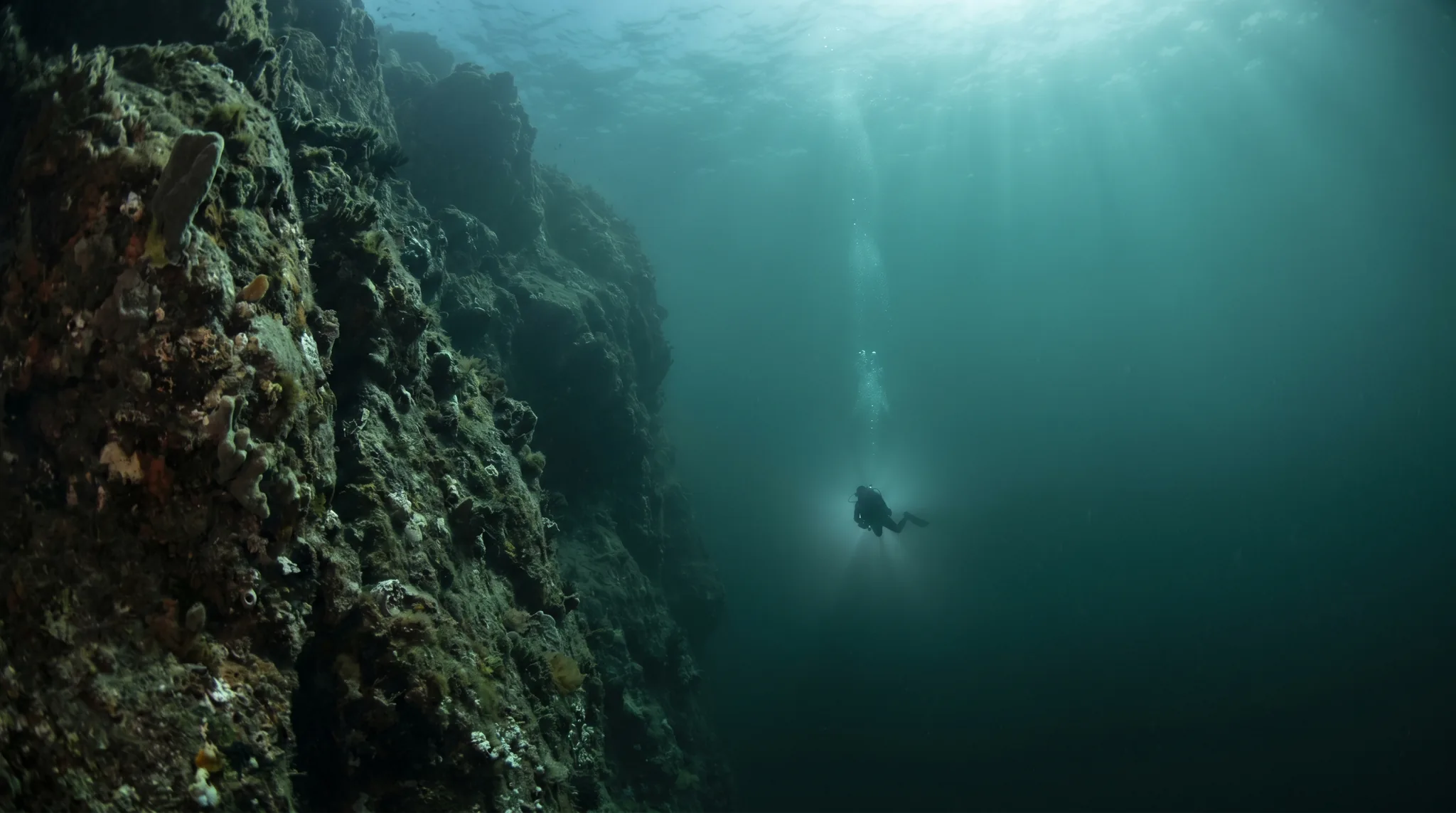
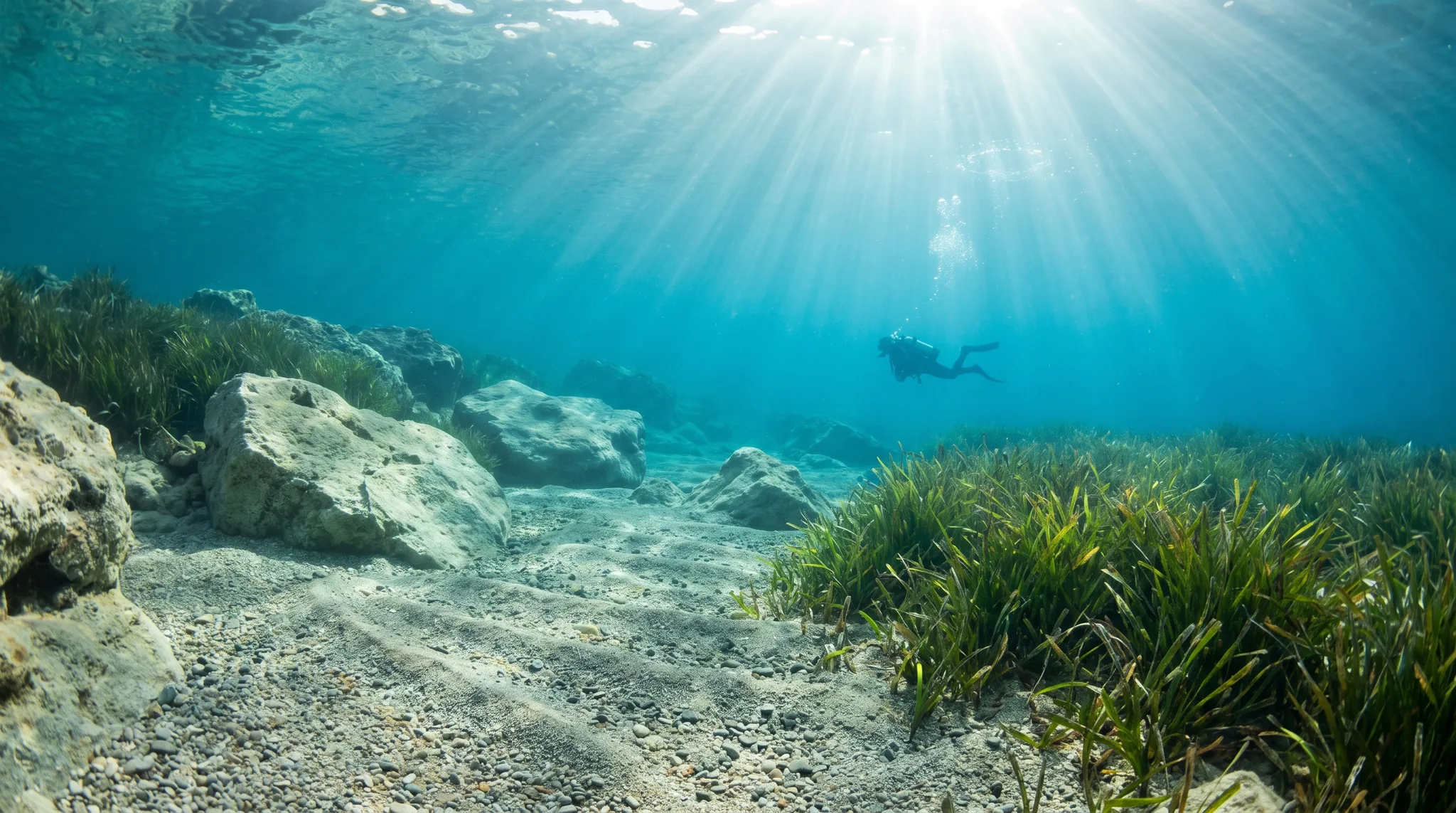
Santa Eulària & East offers a compact but varied diving scene built around reefs, walls, caves and artificial reef structures. Sites range from shallow rock platforms accessible to beginners through to deeper walls and cave systems suited to intermediate divers. The Dusky Grouper and European Common Cuttlefish define the underwater character here, alongside Spiny Lobster, Conger Eel and Red Coral tucked into crevices at most sites. Boat access dominates across the area.
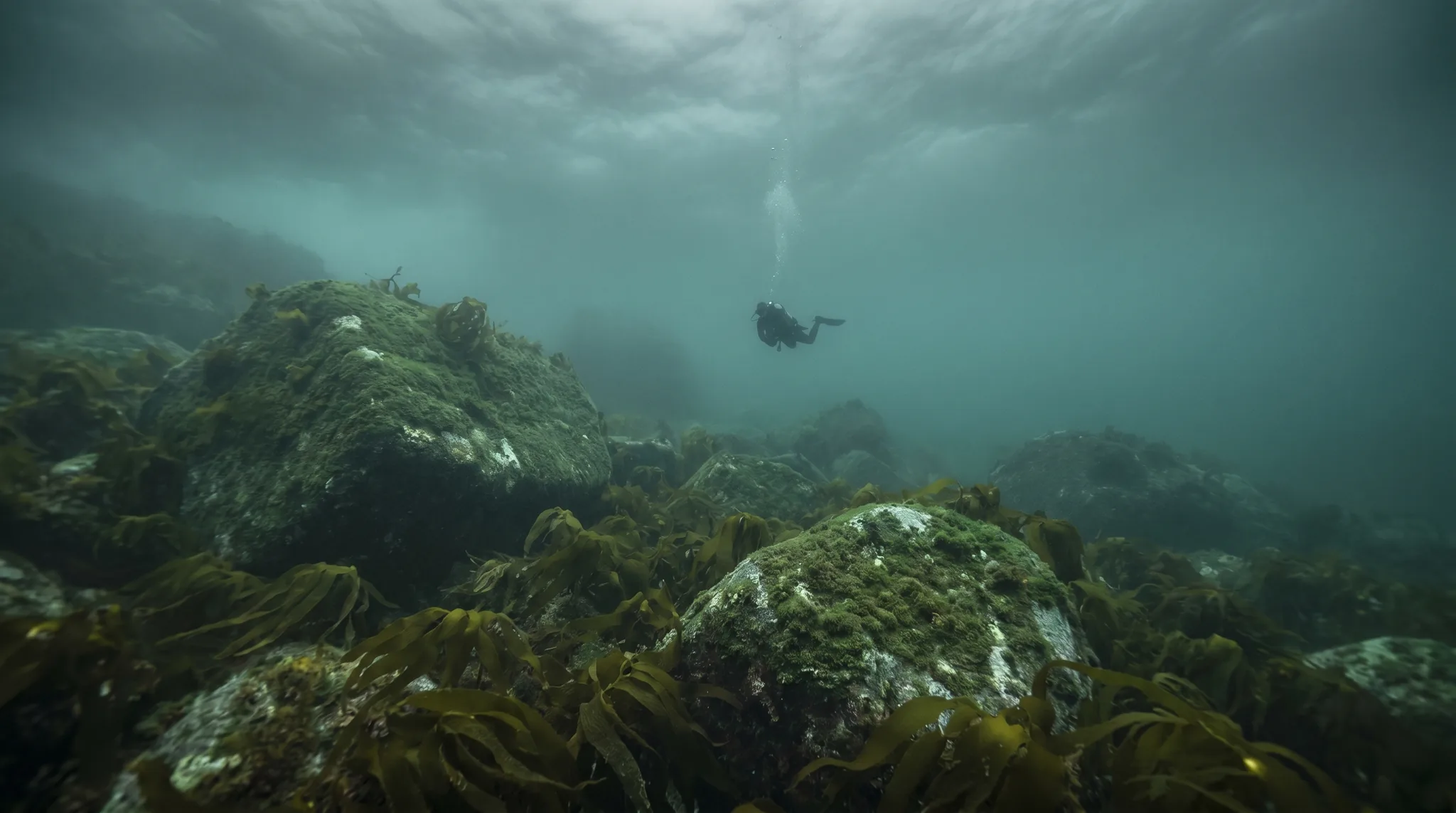
Monthly water temperature across Santa Eulària & East's sites, from satellite sea-surface data corrected for depth. The band shows the site-to-site spread.
Water temperatures climb steadily from spring into a warm summer and early autumn peak, making that period the most comfortable for diving with lighter exposure protection. Winter months bring cooler conditions and lighter boat traffic. The strongest site activity is recorded from May through October, when visibility also tends to be at its best.
3 operators

Santa Eularia des Riu, Spain
9 more sites to explore
Water temperature around Santa Eulària & East ranges from about 15°C in February to 23°C in August, based on satellite sea-temperature data for its dive sites.
In the warm season (about 23°C) a 3mm full suit is comfortable in Santa Eulària & East; in the coldest months (about 15°C) step up to a 7mm or semi-dry suit.
Fin maps 14 sites in Santa Eulària & East (14 scuba diving sites and 2 snorkelling spots, with some suited to both).
Across Santa Eulària & East's dive sites, May, June, July, August, September and October are most often reported as the best months to visit.
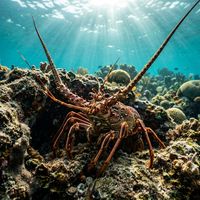
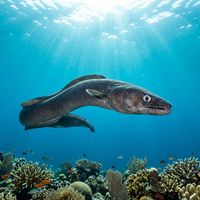
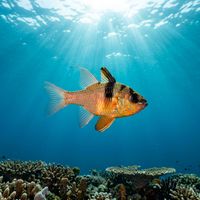
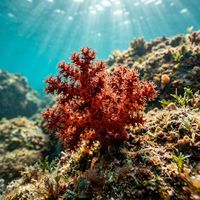
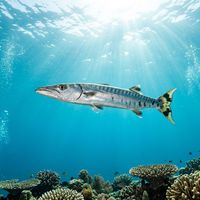
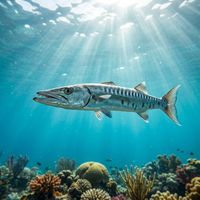
The Dusky Grouper and European Common Cuttlefish are the signature sightings and have been observed across virtually every site in the area. Scorpionfish, Spiny Lobster, Conger Eel and Cardinalfish are also very commonly encountered. Barracuda and Sea Pike appear at a good number of sites, and Red Coral is a consistent feature on the deeper reef structures.
Several sites are rated for beginners, including Llosa de Santa Eulària and Lladó Sur, both of which offer shallow starting depths and varied topography that rewards less experienced divers. Intermediate sites such as Lladó Norte and Cala LLonga Cave add cave systems and deeper walls for those looking to progress. The mix means divers of different levels can dive together and find suitable sections at the same location.
Boat access is the norm across this area, and the three local operators, Diving Center Cala Pada, Divestar Ibiza and Aqua Diving Center, all run guided boat dives to the main sites. The Arches of Cala Olivera is one exception, where shore entry is also possible alongside boat access. Divers without their own boat will find the operators the most practical route to the majority of sites.
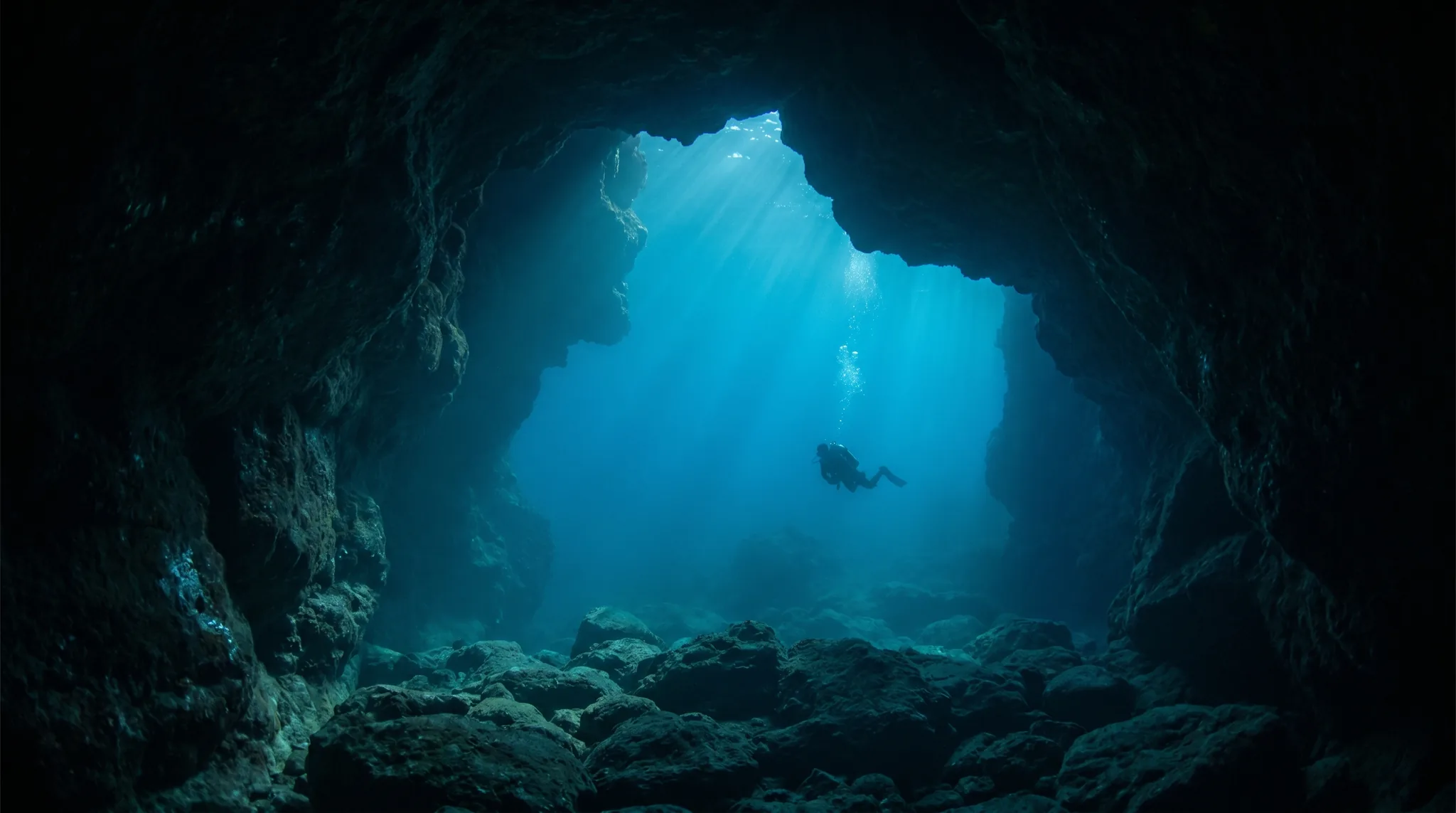
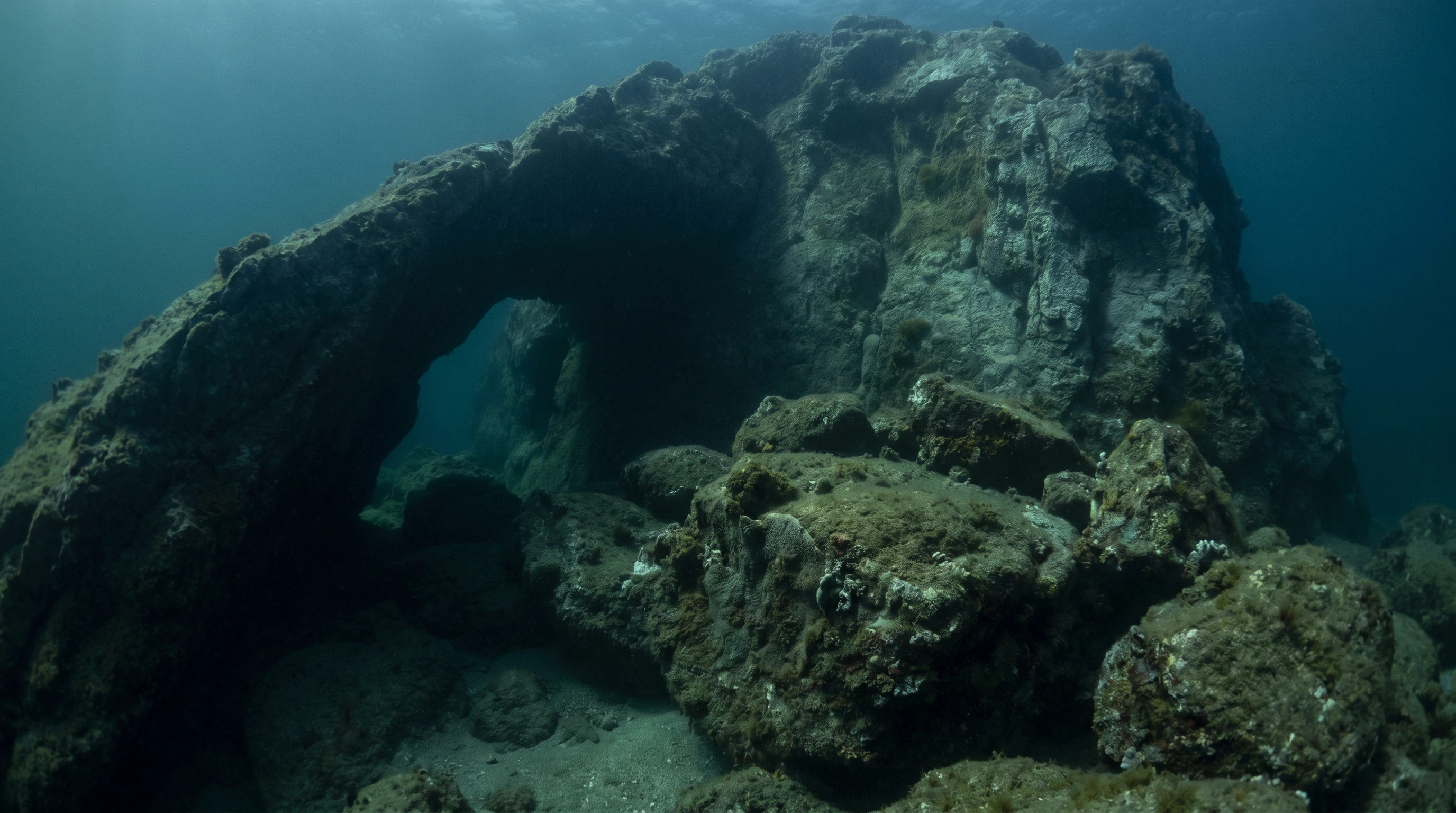
Reefs form the backbone of the area, but most sites combine reef with at least one other feature: walls, cave systems, tunnels or artificial reef structures. Lladó Sur includes a tunnel that passes through an island, while Cala LLonga Cave offers a dedicated cave system at a range of depths. This variety of topography in a relatively small area is what gives Santa Eulària & East its appeal for repeat dives.