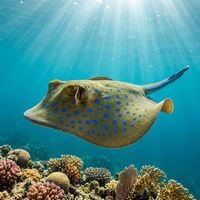
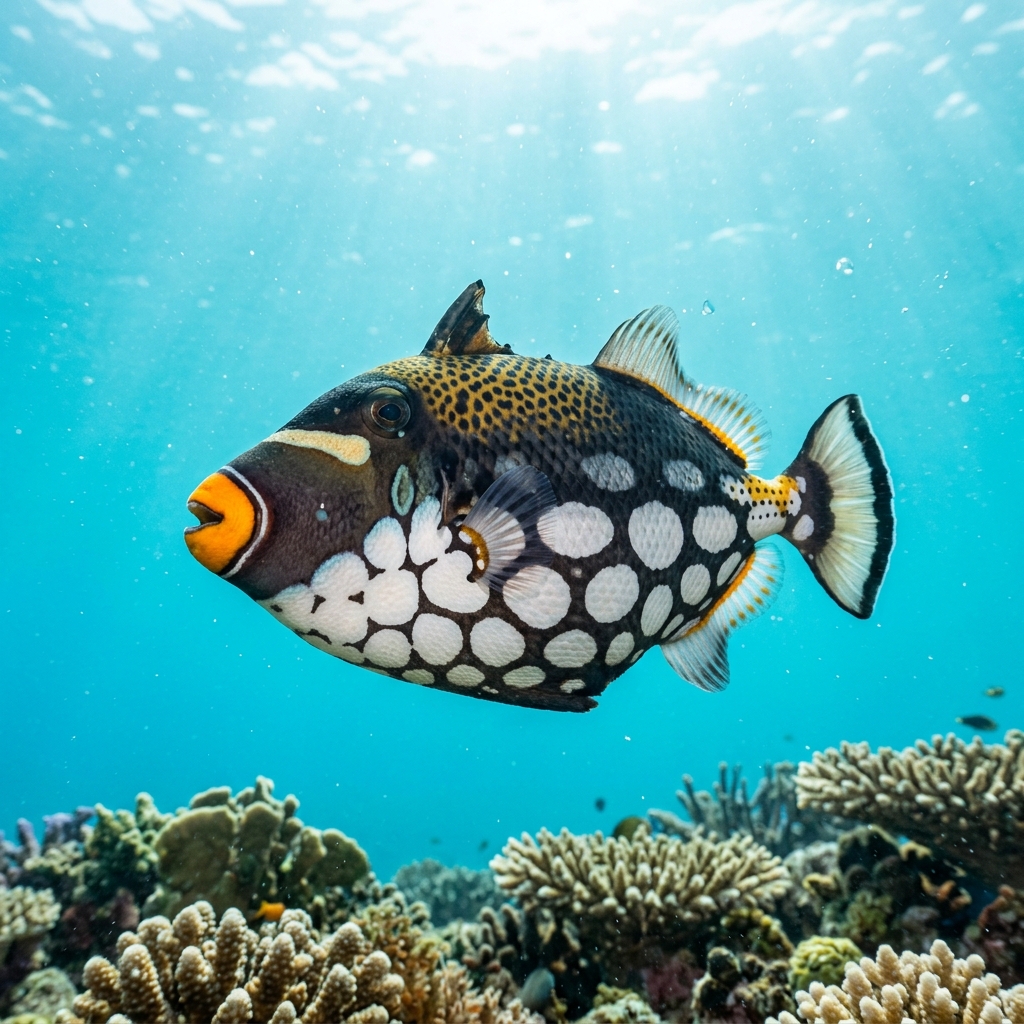
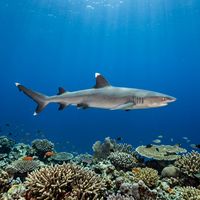
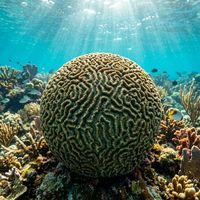
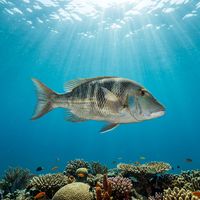
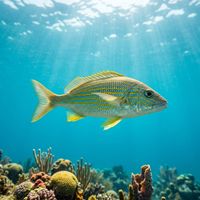
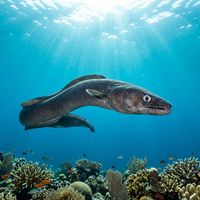
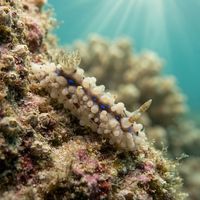
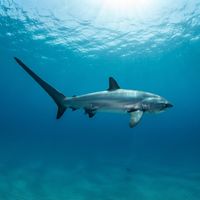
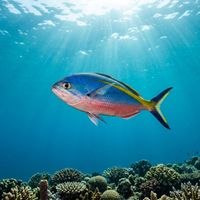
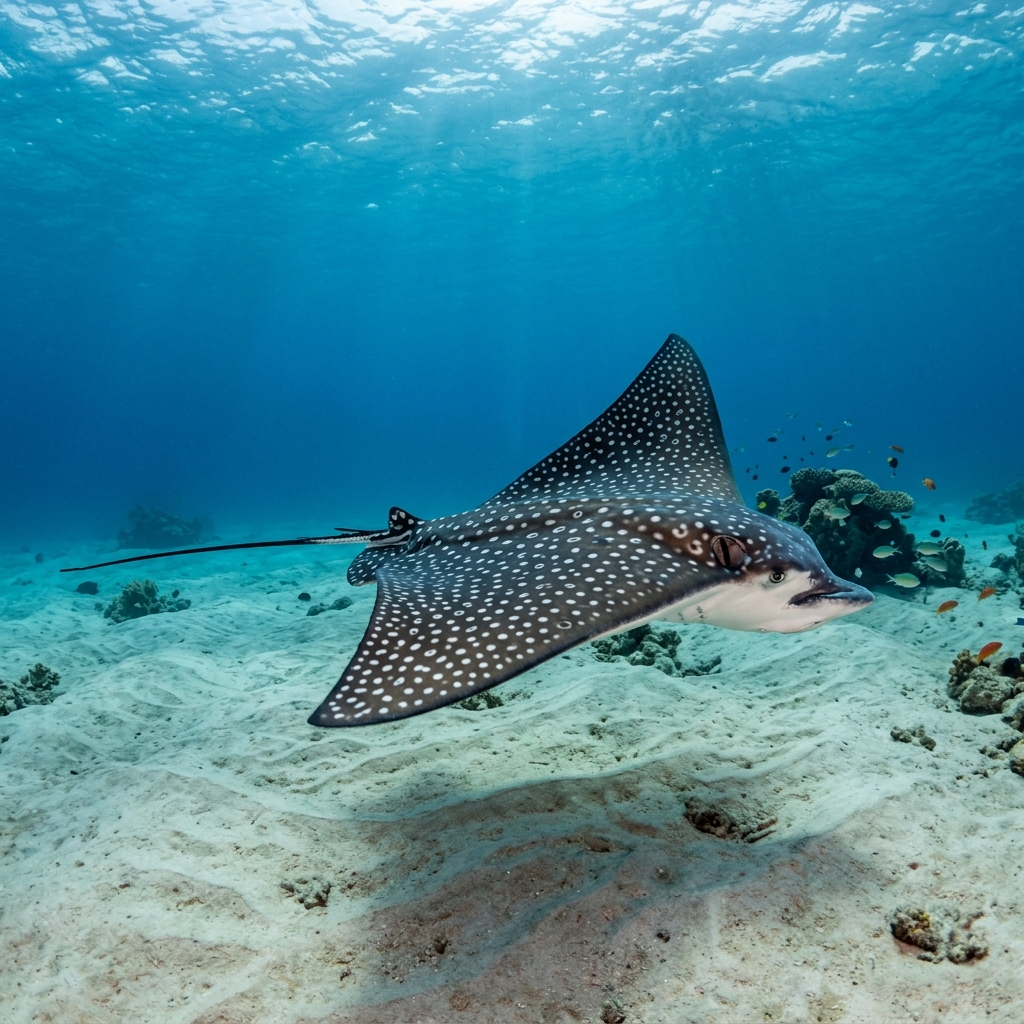
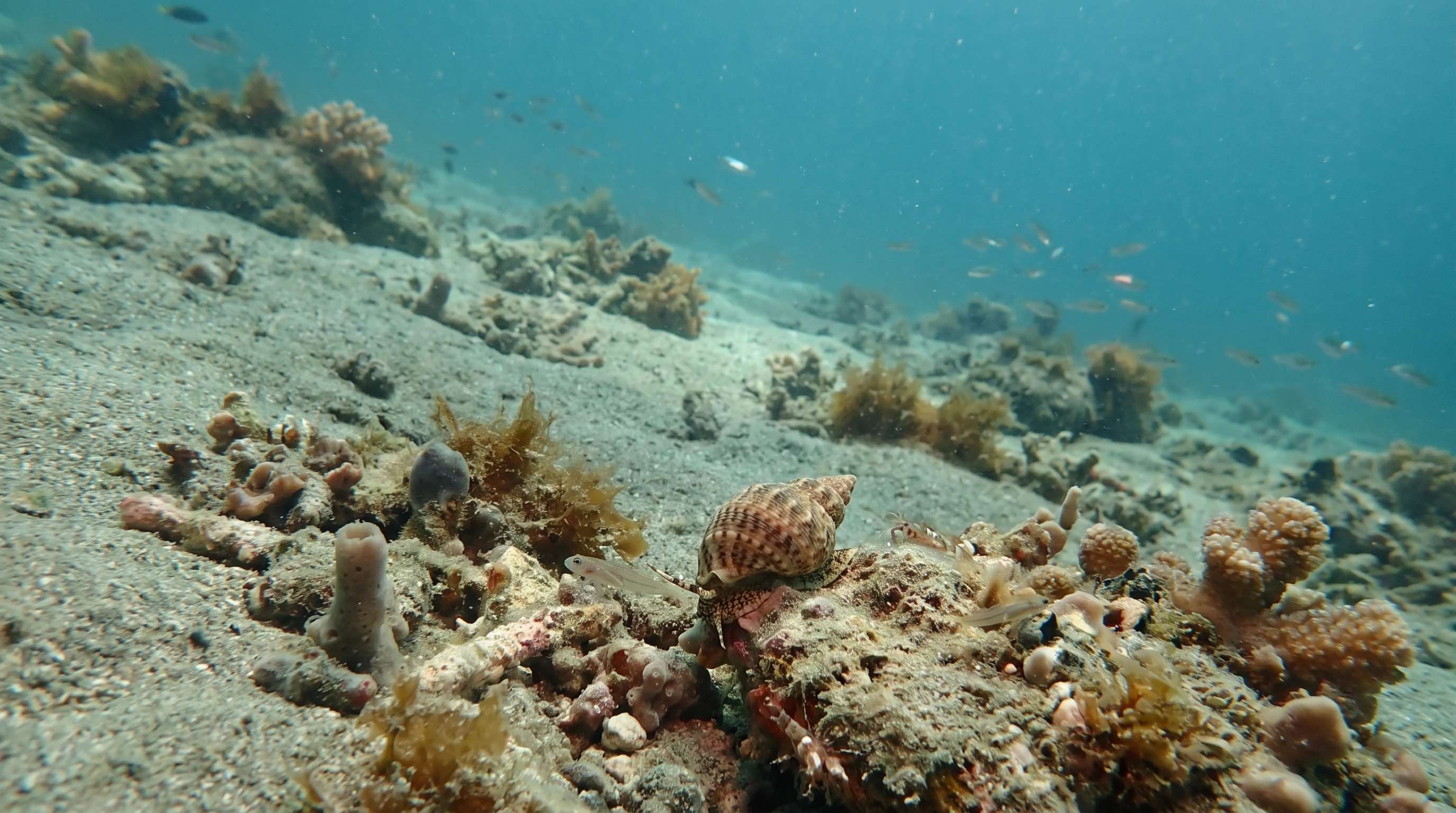
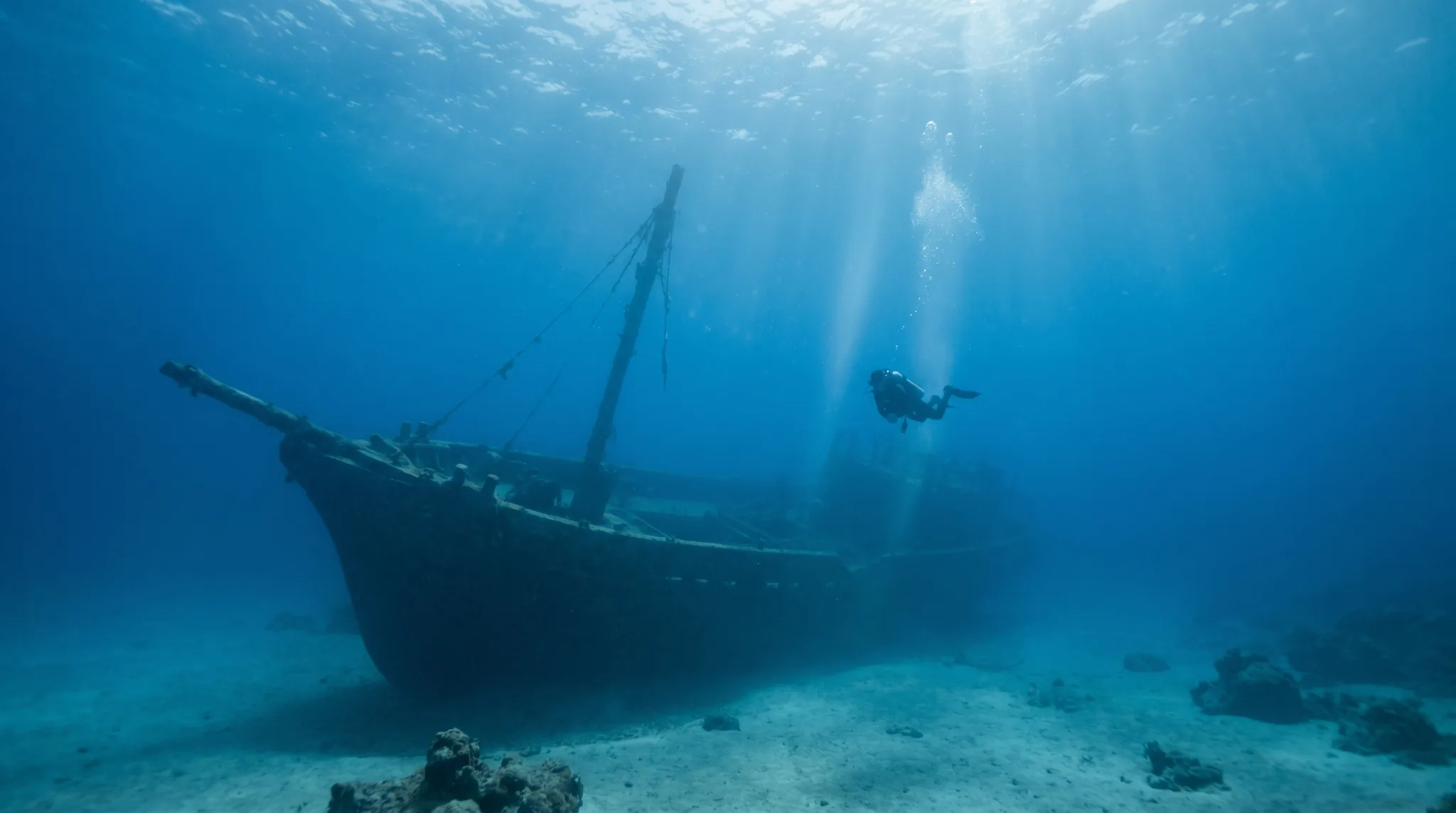
Subic Bay is defined by its wrecks. Nearly all sites are sunken vessels, from shallow intermediate dives like the USS New York to deeper advanced sites such as the LST and Oryoku Maru. The hulls have become thriving artificial reefs, consistently hosting Bluespotted Fantail Ray, Clown Triggerfish, and Whitetip Reef Shark alongside Brain Coral and Plate Coral. Conditions favour the dry season months, when visibility improves markedly across the bay.
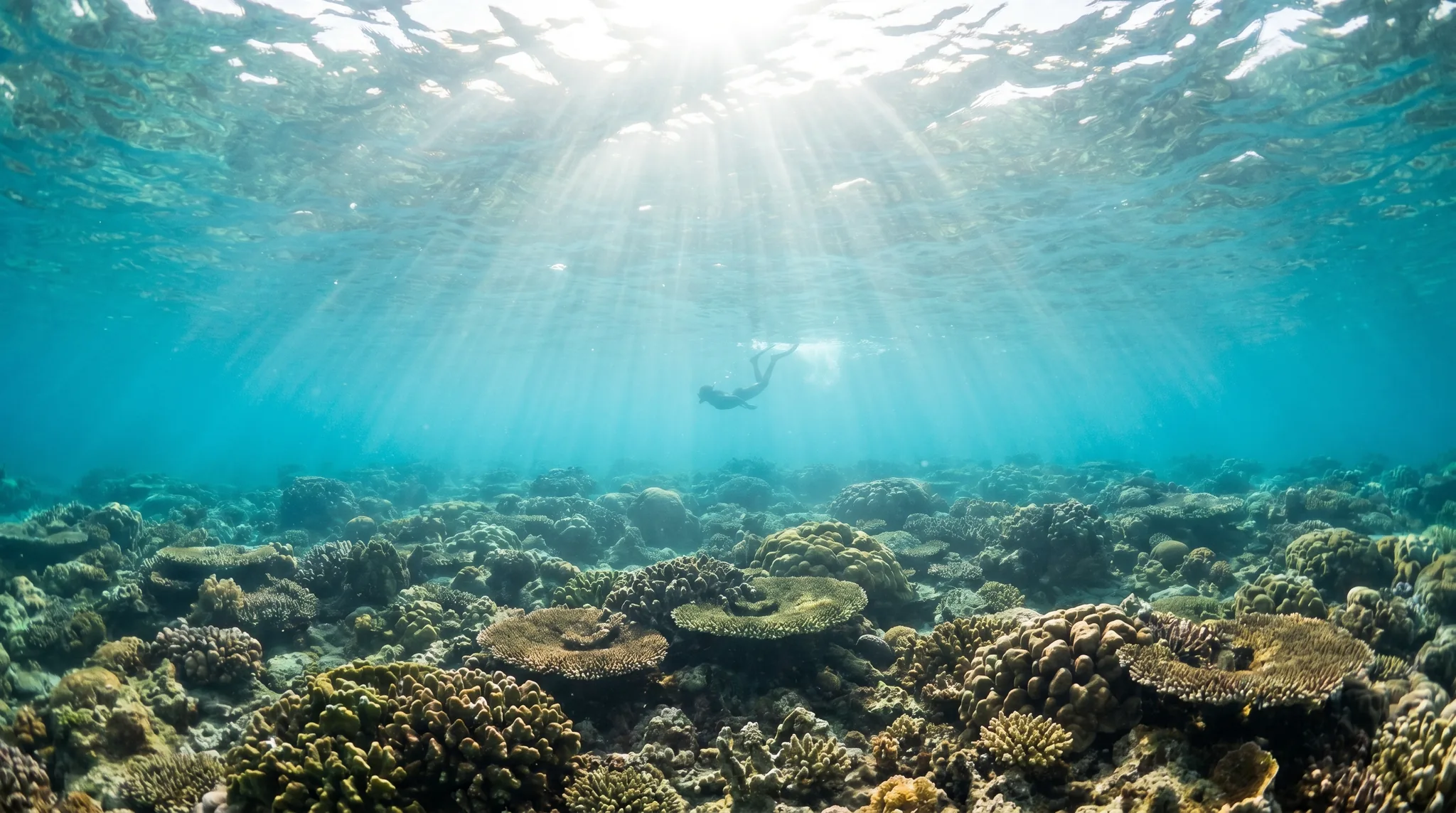
Monthly water temperature across Subic Bay's sites, from satellite sea-surface data corrected for depth. The band shows the site-to-site spread.
Water stays warm throughout the year, peaking in the middle months of the year and easing slightly toward the cooler early months. The best-rated diving clusters from March through May and again from November through January, aligning with the dry season when visibility tends to be at its clearest. The wet season brings reduced scores, likely due to run-off affecting visibility across the bay.
11 operators
Philippines
Water temperature around Subic Bay ranges from about 27°C in March to 31°C in June, based on satellite sea-temperature data for its dive sites.
11 more sites to explore
With water around 27–31°C, a rash guard or 3mm shorty works in Subic Bay year-round.
Fin maps 15 sites in Subic Bay (14 scuba diving sites and 3 snorkelling spots, with some suited to both).
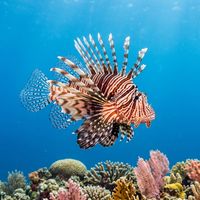
Bluespotted Fantail Ray, Clown Triggerfish, and Whitetip Reef Shark are the most consistently observed species across the bay's sites. Brain Coral and Plate Coral colonise the wreck hulls, while Conger Eel, Fusilier, Emperor, and Grunt are regularly seen during dives. Less frequent but recorded sightings include Eagle Ray, Lionfish, Barracuda, and Pipefish.
Most sites in Subic Bay are rated intermediate or advanced, reflecting the depth and penetration requirements of wreck diving. North of Sampolac Point is the main exception, listed as a beginner-friendly wreck dive. Divers new to wrecks would do well to progress gradually before attempting deeper sites like the LST.
All of the top sites, including the USS New York, LST, and Oryoku Maru, are boat-access only. Several operators based in the bay run regular dive trips, among them Camayan Divers, Arizona Dive Shop, Siltless Deep Sea Dive Center, Sidemount Technical Wreck Diving, and DA'KUDOS Beach Resort.
Subic Bay is almost entirely a wreck destination. The majority of sites are sunken vessels that now function as artificial reefs, covered in coral growth and populated by reef fish. Depths vary across sites, so the bay accommodates a range from intermediate to advanced wreck divers rather than a single skill level.