Phyllidia varicosa
Spot the Varicose Wart Slug on Indo-Pacific reefs from the Maldives to the Philippines. Tips on ID, behaviour, and the best regions to find one.
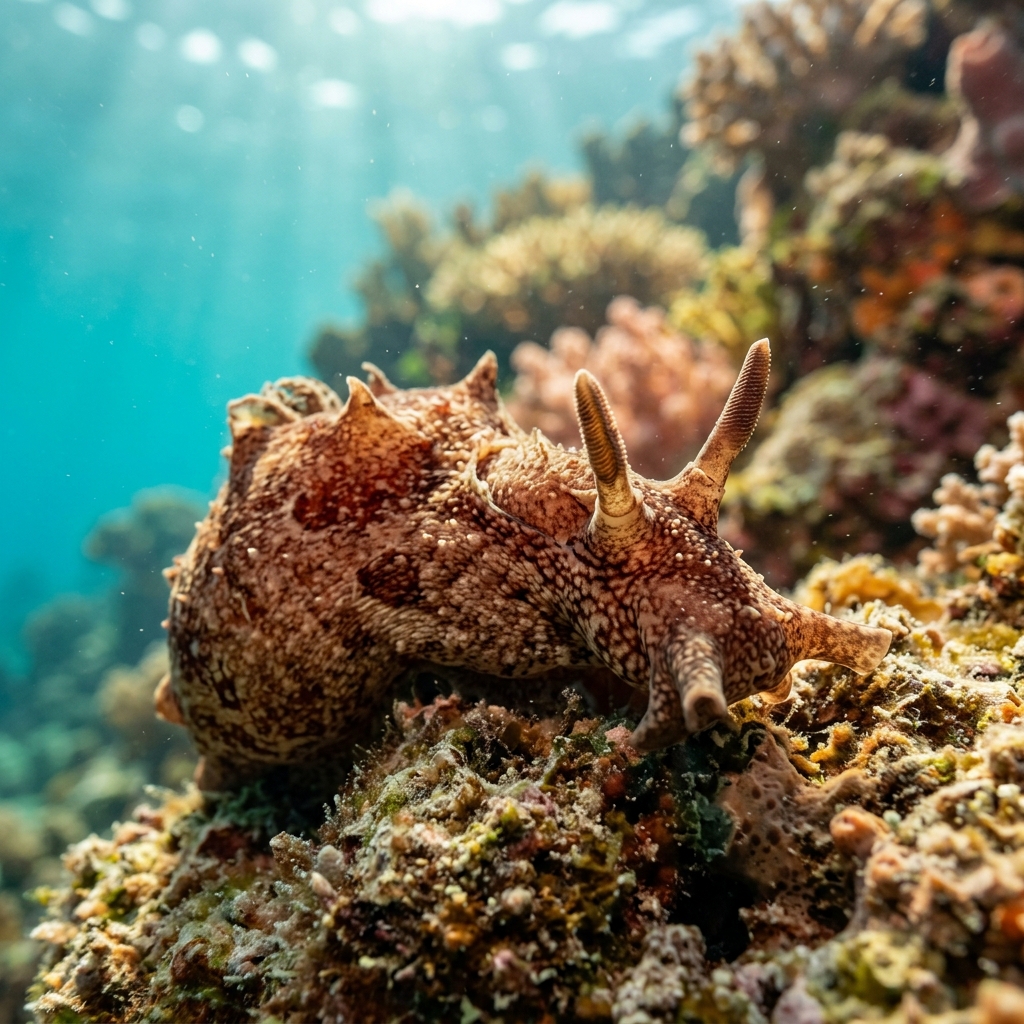
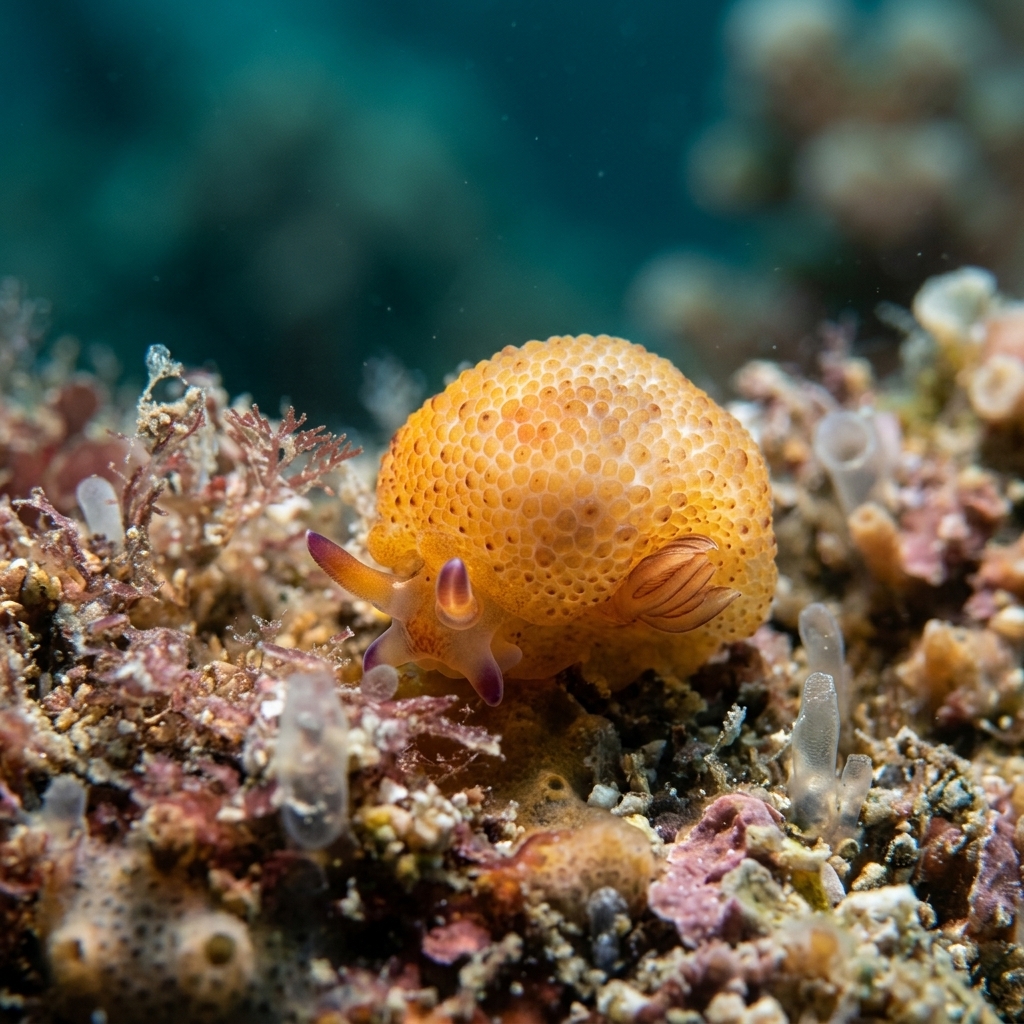
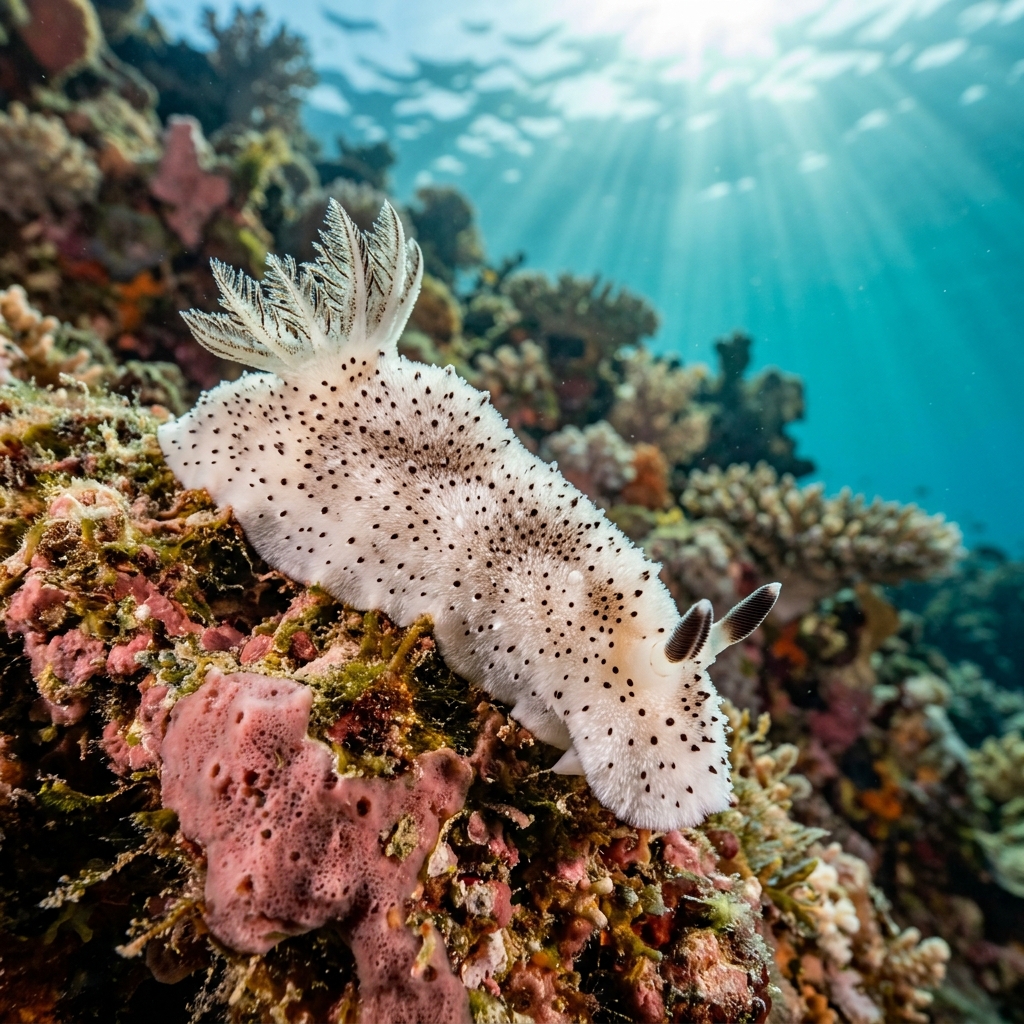
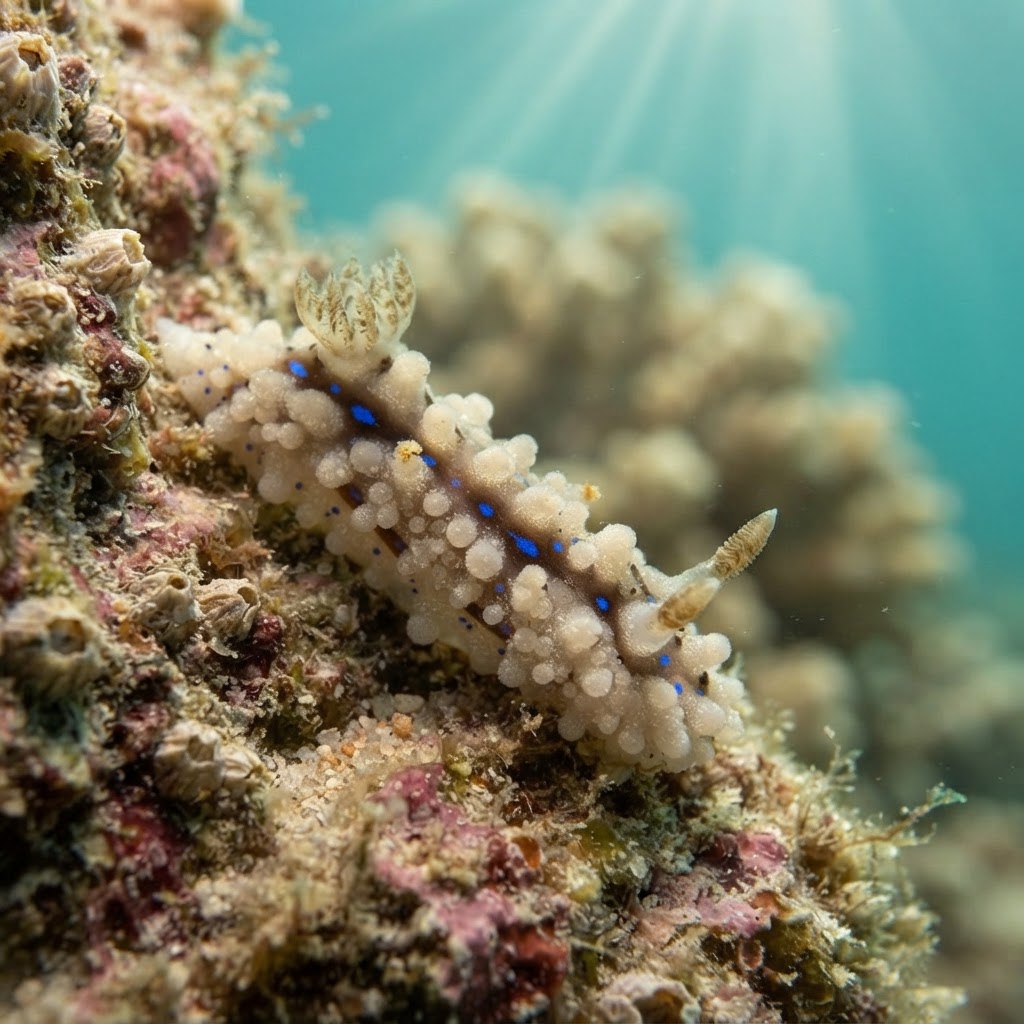
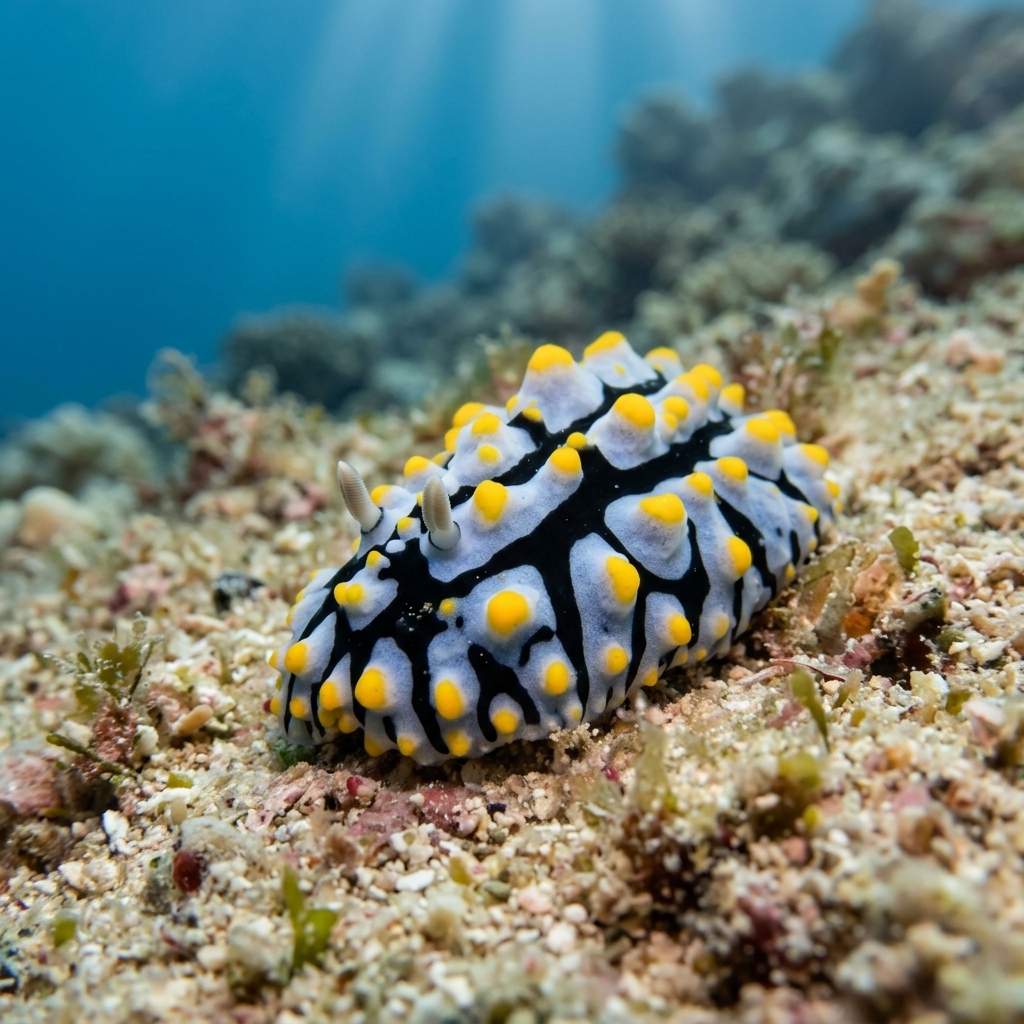
A bold patchwork of black, yellow, and white makes this one of the more recognisable phyllidiid nudibranchs (a family whose members lack external gill plumes and instead respire under the mantle edge). The body is roughly oval and flattened, typically around 4 cm long, covered in raised tubercles (wart-like bumps) arranged in irregular ridges that run lengthwise. The central ridge is usually yellow, flanked by black fields dotted with bright white or pale pink knobs. That high-contrast pattern is the quickest underwater key.
You will most often find one moving slowly across the reef substrate, grazing on sponges rather than algae, so scanning sponge-encrusted walls and rubble patches pays off. It shows little reaction to divers, it will not flee and it will not approach; it simply carries on browsing at its own unhurried pace. There is no particular time of day when sightings spike, so it is worth keeping an eye low on the reef throughout any dive.
Like other phyllidiids, Varicose Wart Slugs sequester toxic compounds from the sponges they eat and can release those chemicals into the water when stressed, making them unpalatable to most predators. That chemical defence is likely why the species wears such conspicuous colours, a warning to fish rather than camouflage.
In Northern Hemisphere destinations like the Philippines, Indonesia, and the Maldives it turns up year-round with no concentrated season. In Southern Hemisphere sites such as Queensland, sightings are most frequent from October through August, thinning only around September.
Most commonly logged across the Philippines and Indonesia, with the Visayas, Luzon, and Bali/Lombok among the standout regions. The Maldives' Male and Ari Atolls and North and Central Atolls together account for a strong share of sightings, making the Maldives one of the most reliable places to encounter this species. Malaysia (particularly Pulau Tioman), Queensland in Australia, and Sulawesi round out the best hunting grounds.
Mapping where Varicose Wart Slug is logged…
The best odds are in the Philippines (especially the Visayas), Indonesia (Bali, Lombok, and Sulawesi), and the Maldives' Male and Ari Atolls. Malaysia's Pulau Tioman and Queensland, Australia are also solid options. It is a wide-ranging Indo-Pacific species logged across a large number of sites.
In the Northern Hemisphere, covering most of its core range in the Philippines, Indonesia, and the Maldives, it is present year-round with no peak season. In the Southern Hemisphere, including Australia's Queensland, sightings are most concentrated from October through August.
Look for a flattened oval nudibranch about 4 cm long with a distinctive black body, a yellow central ridge, and rows of raised white or pale pink tubercles running lengthways. No external gill plumes are visible, the mantle covers the gills, a hallmark of the Phyllidiidae family. The high-contrast yellow-black-white pattern is difficult to mistake on a tropical reef.
Adults typically reach around 4 cm in length. That is a comfortable size for spotting on a reef dive, though their habit of moving slowly across sponge-covered substrate means they can still be easy to overlook if you are not scanning close to the bottom.
No. They pose no threat to divers. They do sequester toxins from the sponges they eat, but those chemicals are a defence against fish predators, not something that affects humans through normal dive contact. Simply look without touching.
They graze on sponges on the reef floor rather than algae. Knowing this is a practical sighting tip: focus your search on sponge-encrusted walls, rocky rubble, and coral bases where sponge growth is dense, and you are far more likely to come across one.
Site and sighting data is aggregated from diver logs, iNaturalist and GBIF. For taxonomy and conservation status:
Light-spotted Aegires
3,168 sites