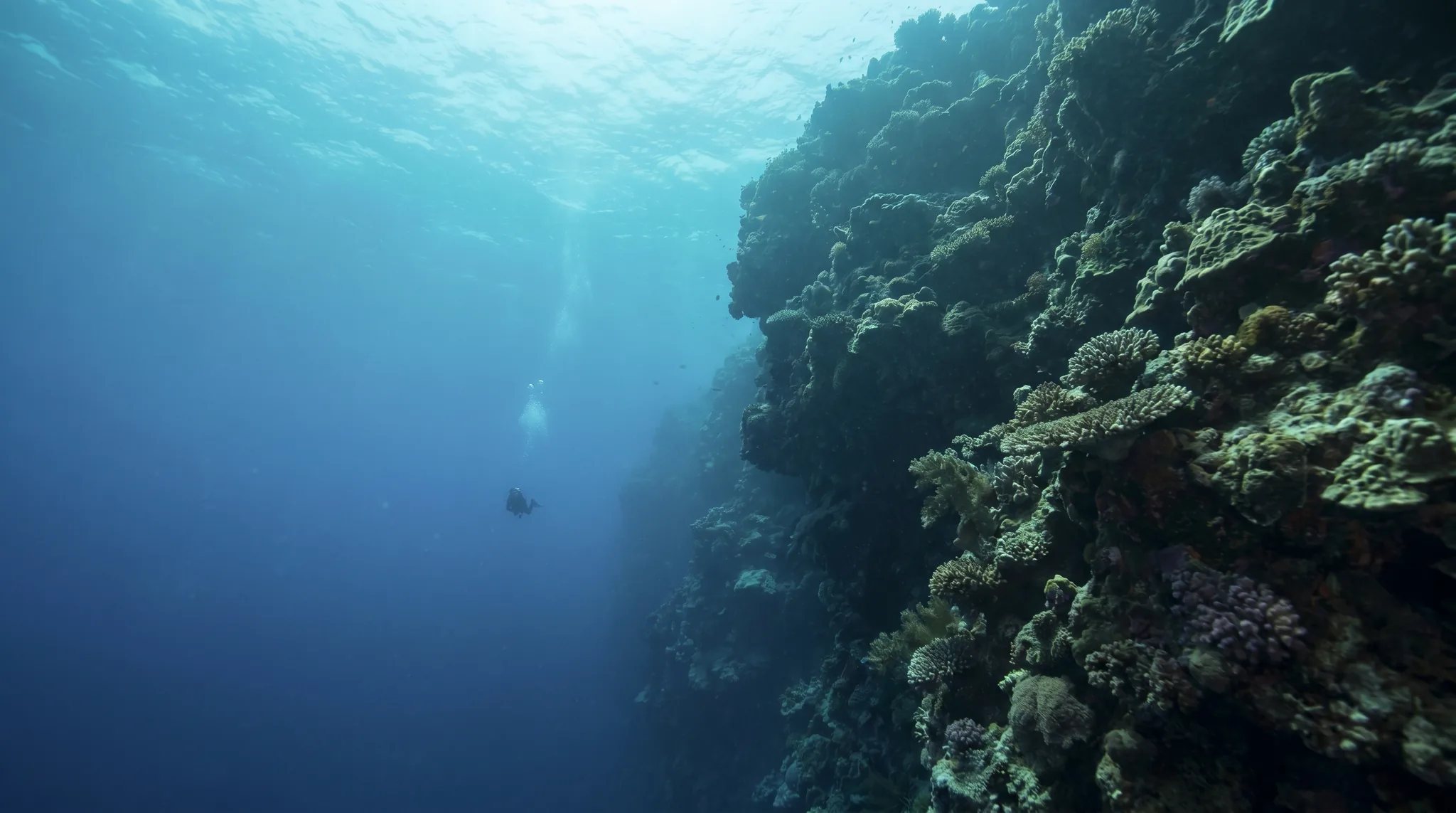
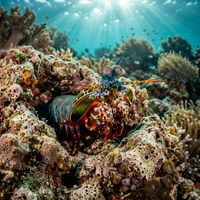
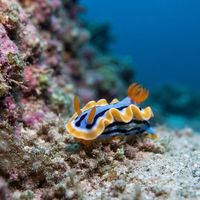
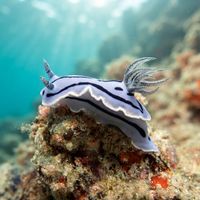
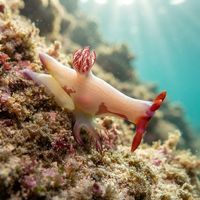
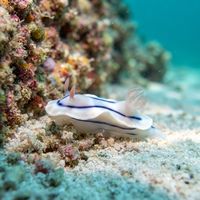
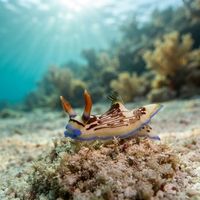
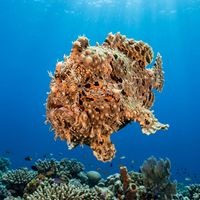
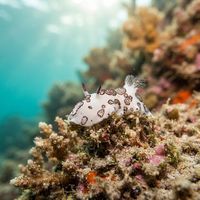
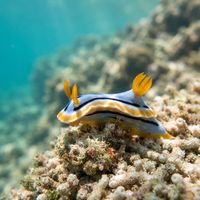
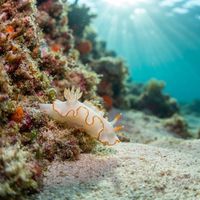
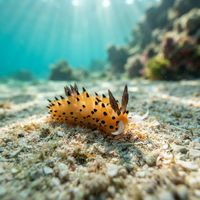
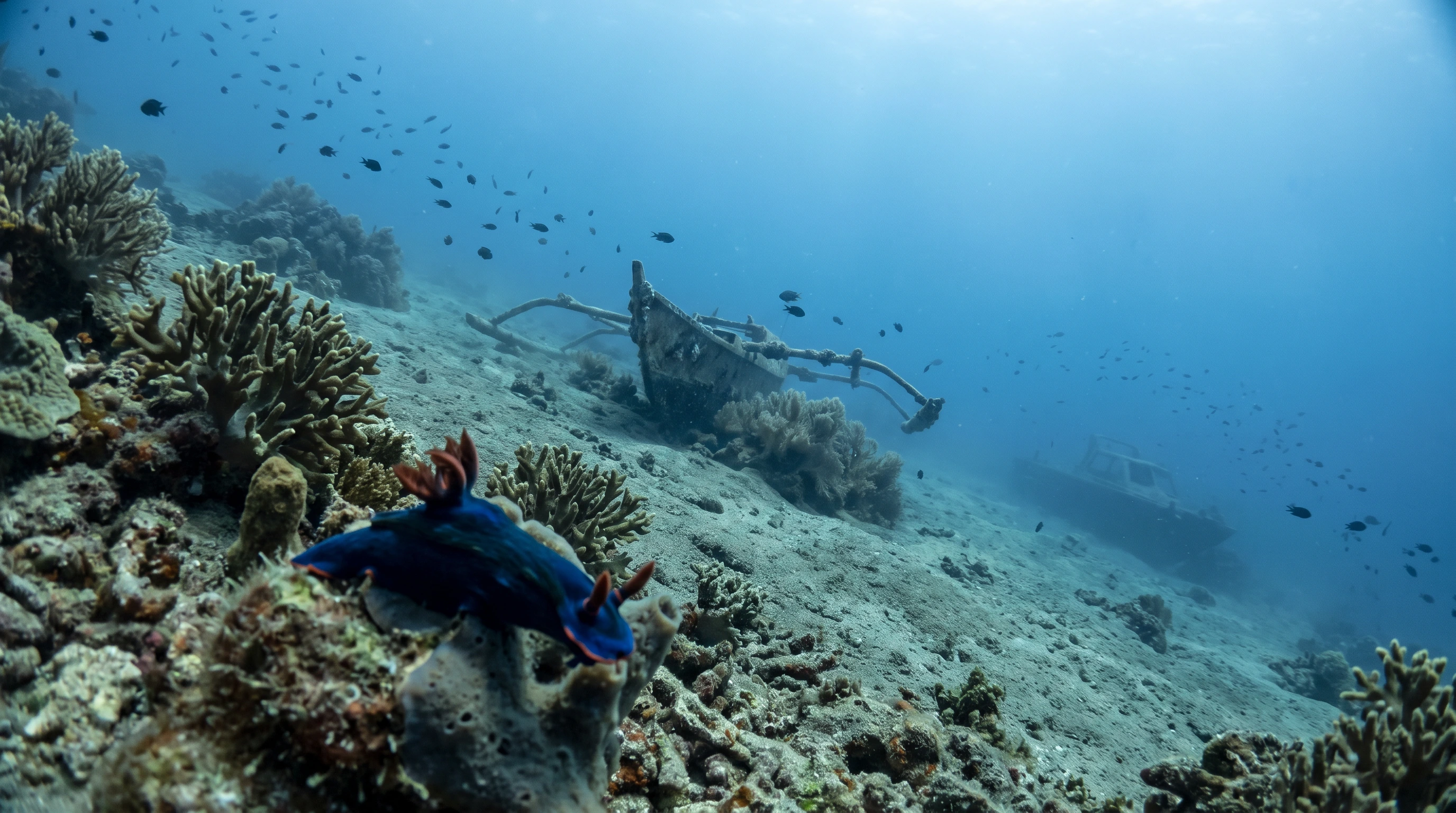
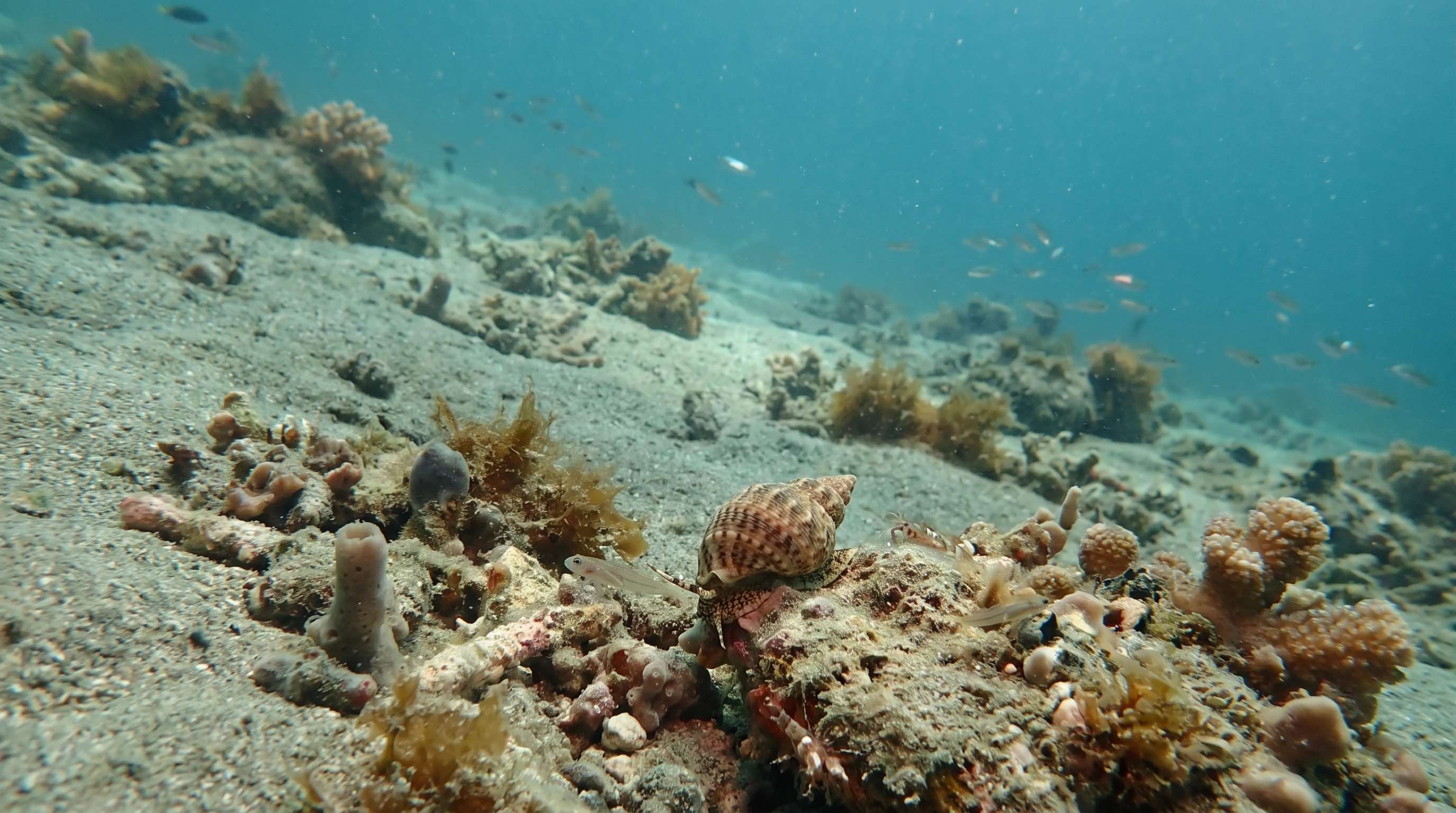
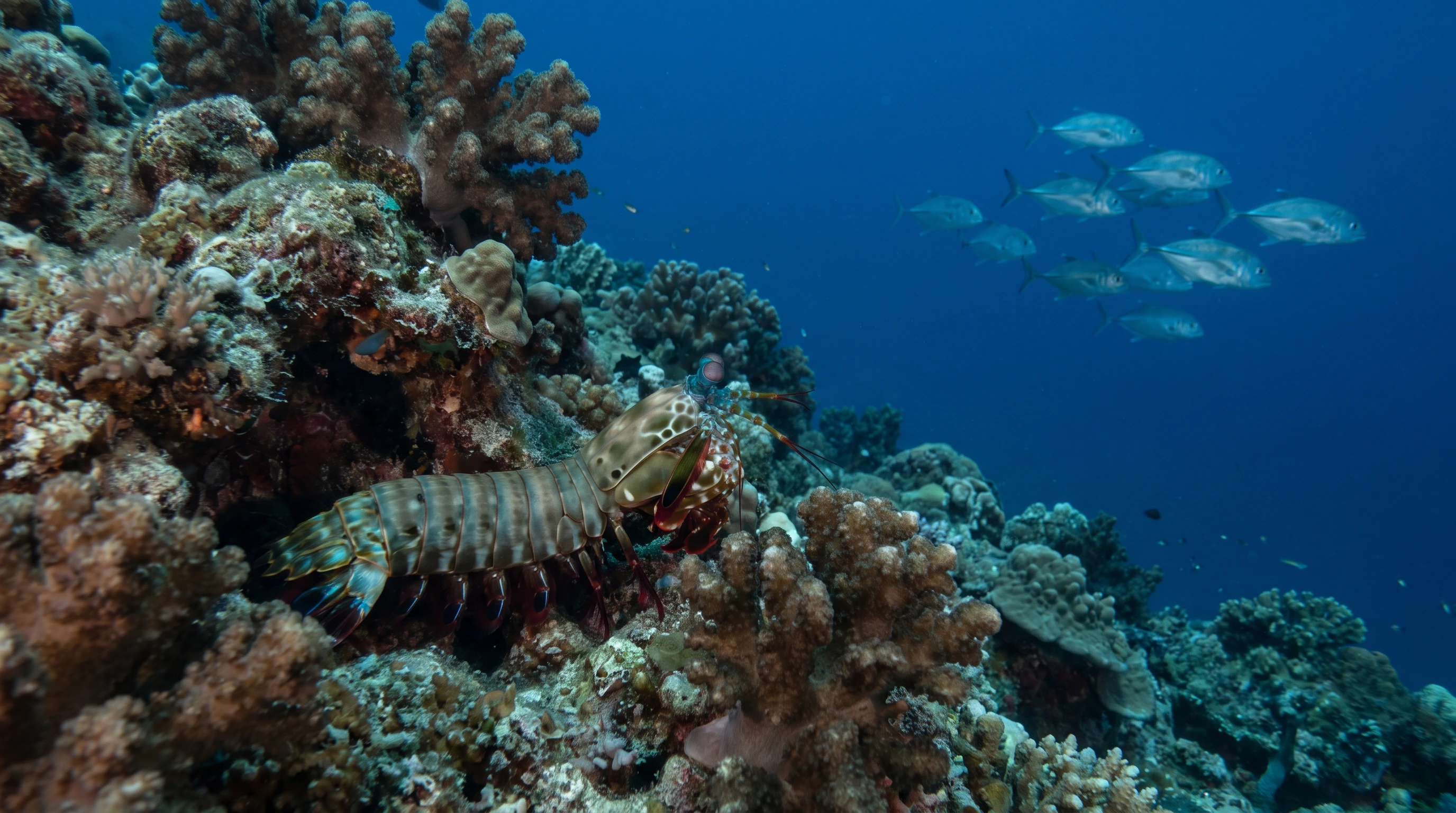
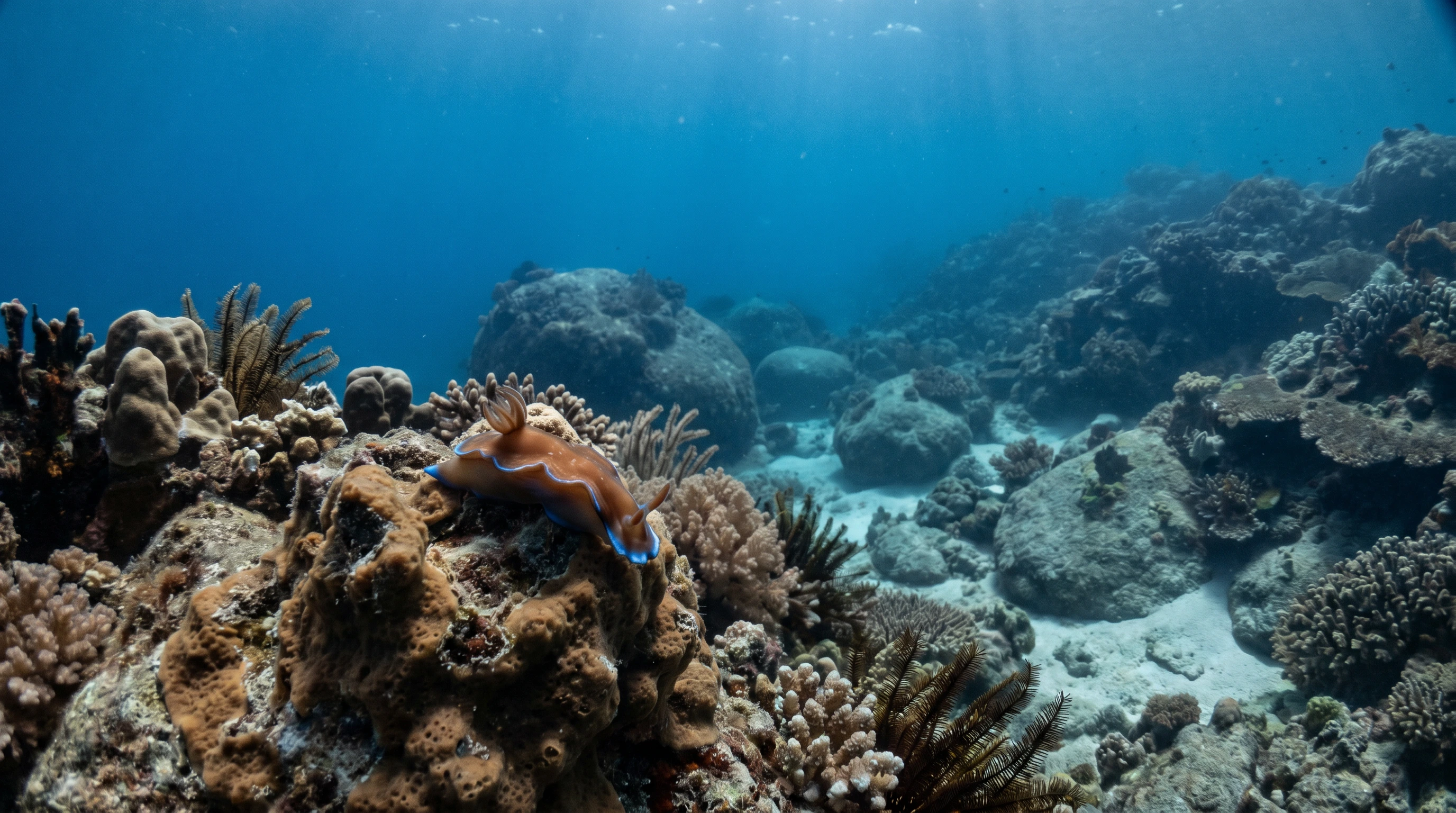
Anilao is defined by exceptional muck diving alongside sloping reefs, walls, and drop-offs. The site mix ranges from shallow beginner-friendly house reefs to deeper boat dives requiring intermediate or advanced skills. Nudibranchs are the signature draw, with Chromodoris Nudibranch, Nembrotha Nudibranch, and Tryon's Hypselodoris observed across the vast majority of sites. Giant Frogfish, Ornate Ghostpipefish, and Peacock Mantis Shrimp round out a macro-focused profile. Maricaban Island and Ligpo Island extend the range beyond the main shore.
2 areas
Monthly water temperature across Anilao's sites, from satellite sea-surface data corrected for depth. The band shows the site-to-site spread.
Water stays warm throughout the year, peaking in the middle months and sitting at its coolest in February and March. The best-months data points strongly toward November through May, with a quieter window in the warmer mid-year period. Sites like Bahura Reef and Sombrero Island carry strong currents, so conditions are not uniformly calm and divers should plan site selection around experience level.
102 operators
39 more sites to explore
Wall and drop-off diving with exceptional nudibranch diversity and strong currents around a compact island near Anilao.
Water temperature around Anilao ranges from about 26°C in February to 30°C in June, based on satellite sea-temperature data for its dive sites.
In the warm season (about 30°C) a rash guard or 3mm shorty is comfortable in Anilao; in the coldest months (about 26°C) step up to a 3mm full suit.
Fin maps 51 sites in Anilao (49 scuba diving sites and 5 snorkelling spots, with some suited to both), organised into 2 areas.
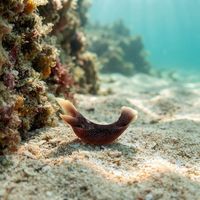
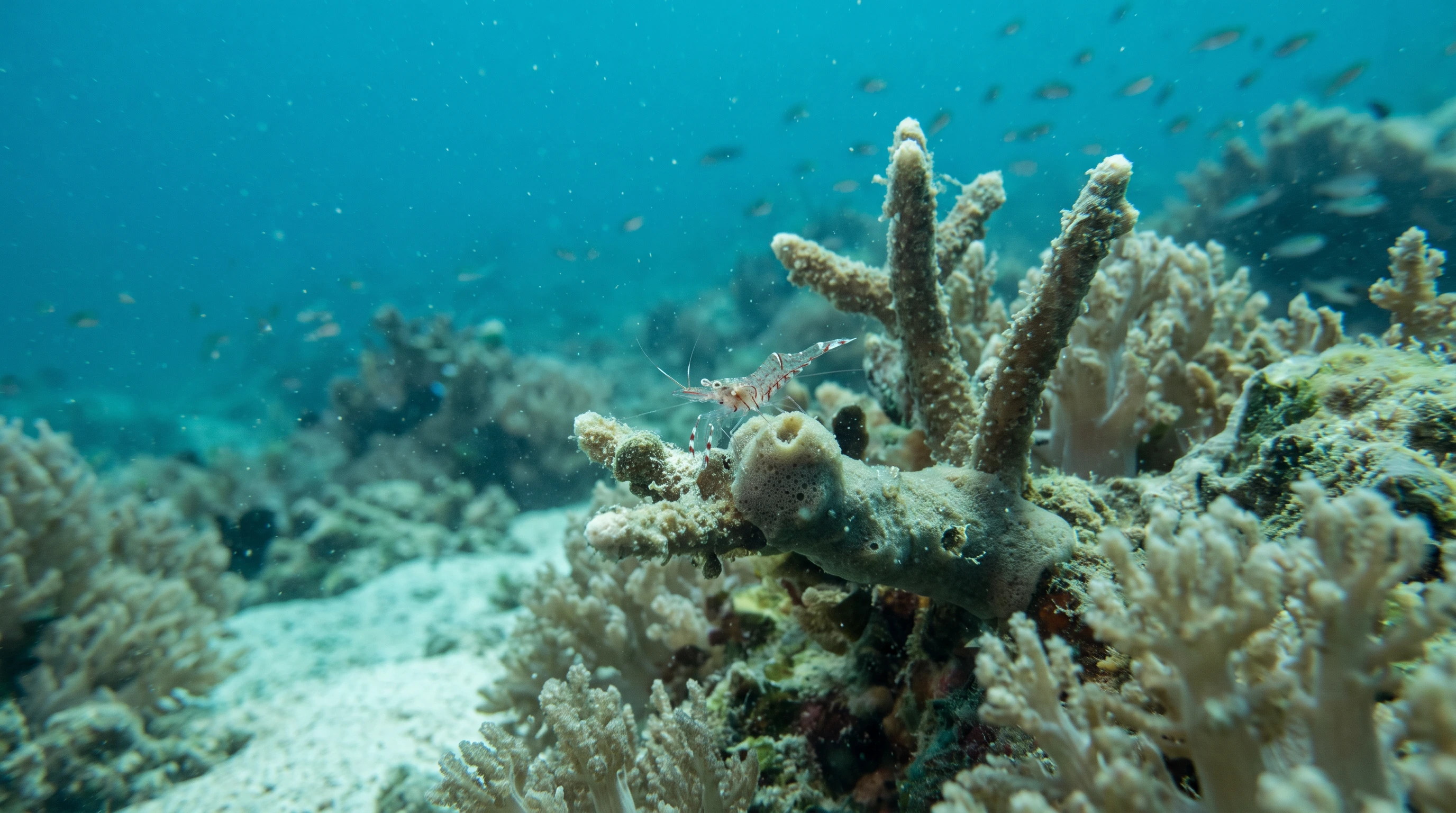
Anilao is particularly strong for nudibranch diversity, with Chromodoris Nudibranch, Nembrotha Nudibranch, Jorunna Nudibranch, Tryon's Hypselodoris, and Geometric Rainbow Dorid all observed regularly across sites. Alongside nudibranchs, divers frequently encounter Peacock Mantis Shrimp, Giant Frogfish, Ornate Ghostpipefish, Coleman Shrimp, and Ribbon Eel. Flatworm and Yellowtail Clownfish are also very common throughout the area.
A good portion of Anilao's sites are rated beginner level, including Anilao House Reef, Koala Reef, Red Rock, Arthur's Rock, and several others accessible by shore or boat. Intermediate sites such as Bahura Reef and Sombrero Island involve stronger currents and deeper walls, so less experienced divers should start on the calmer house reefs. The presence of multiple operators, including Manila Dive Academy and Dive and Trek Resort and Marine Sanctuary, means guided tuition and supervision are well catered for.
Maricaban Island accounts for a large share of Anilao's total sites and offers its own distinct set of dive locations spread around the island. Ligpo Island contributes a smaller cluster of sites. Both sub-areas are reached by boat and extend the overall range of diving well beyond the shore-accessible house reefs closer to the main strip.
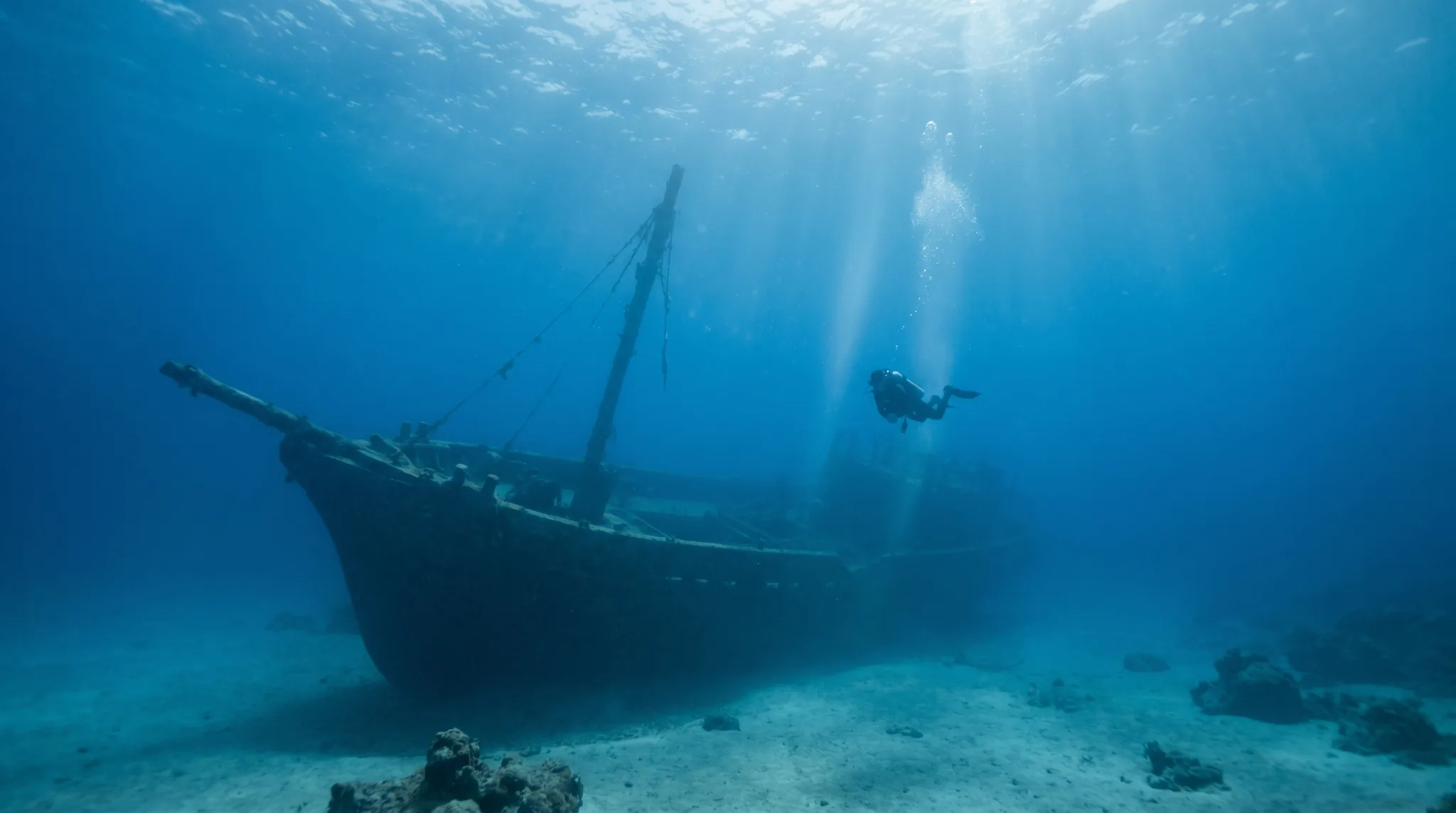
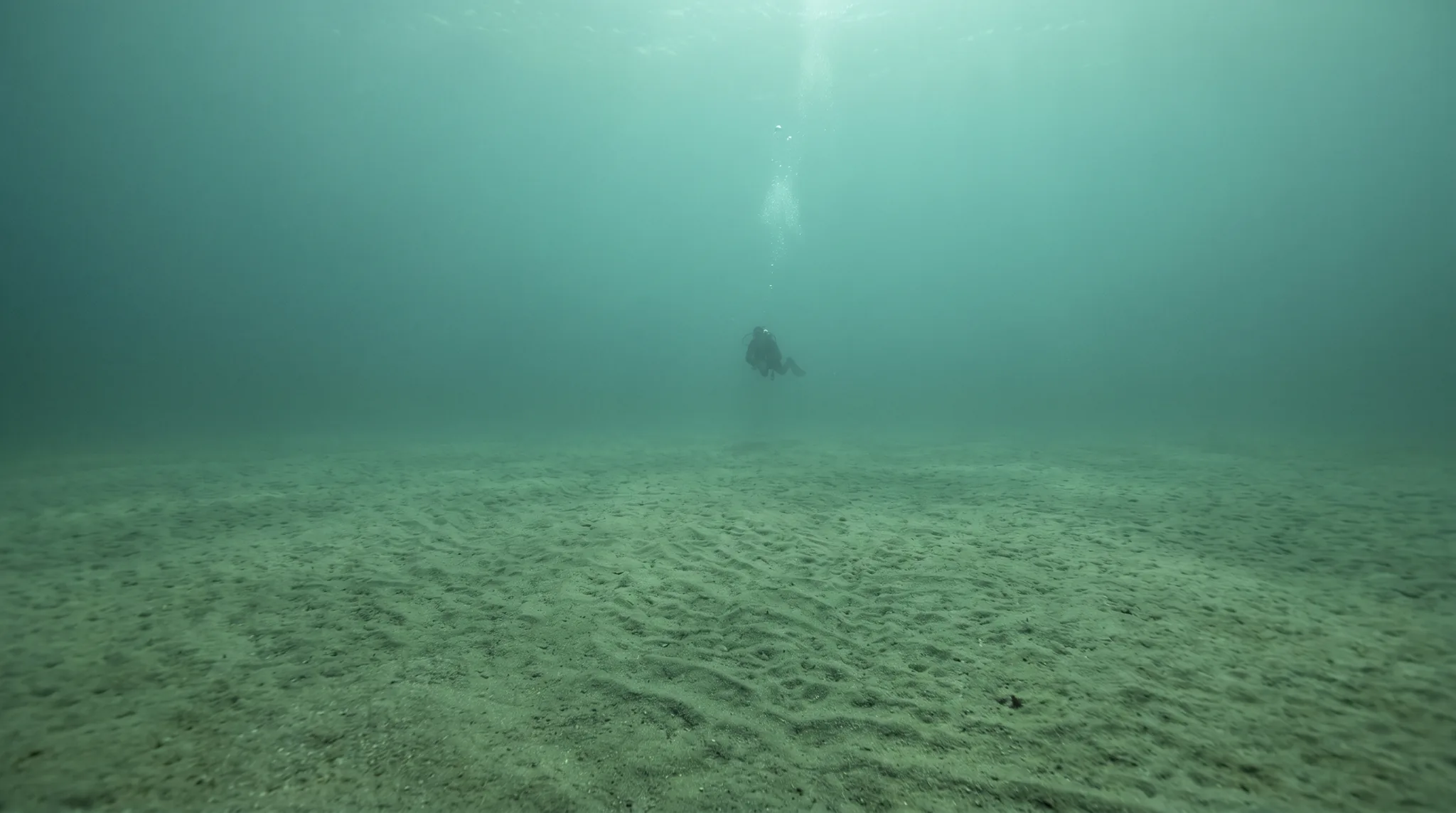
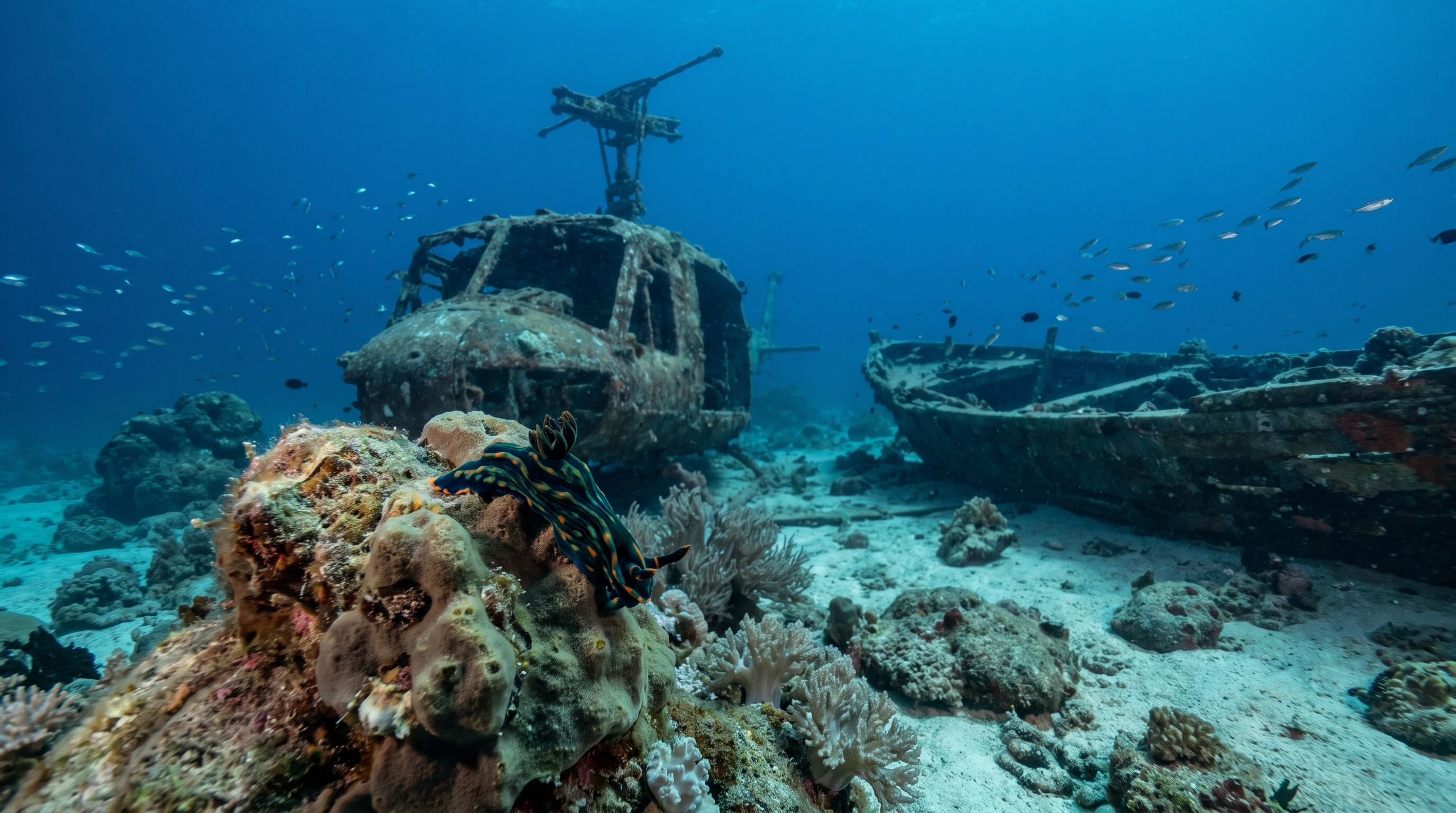
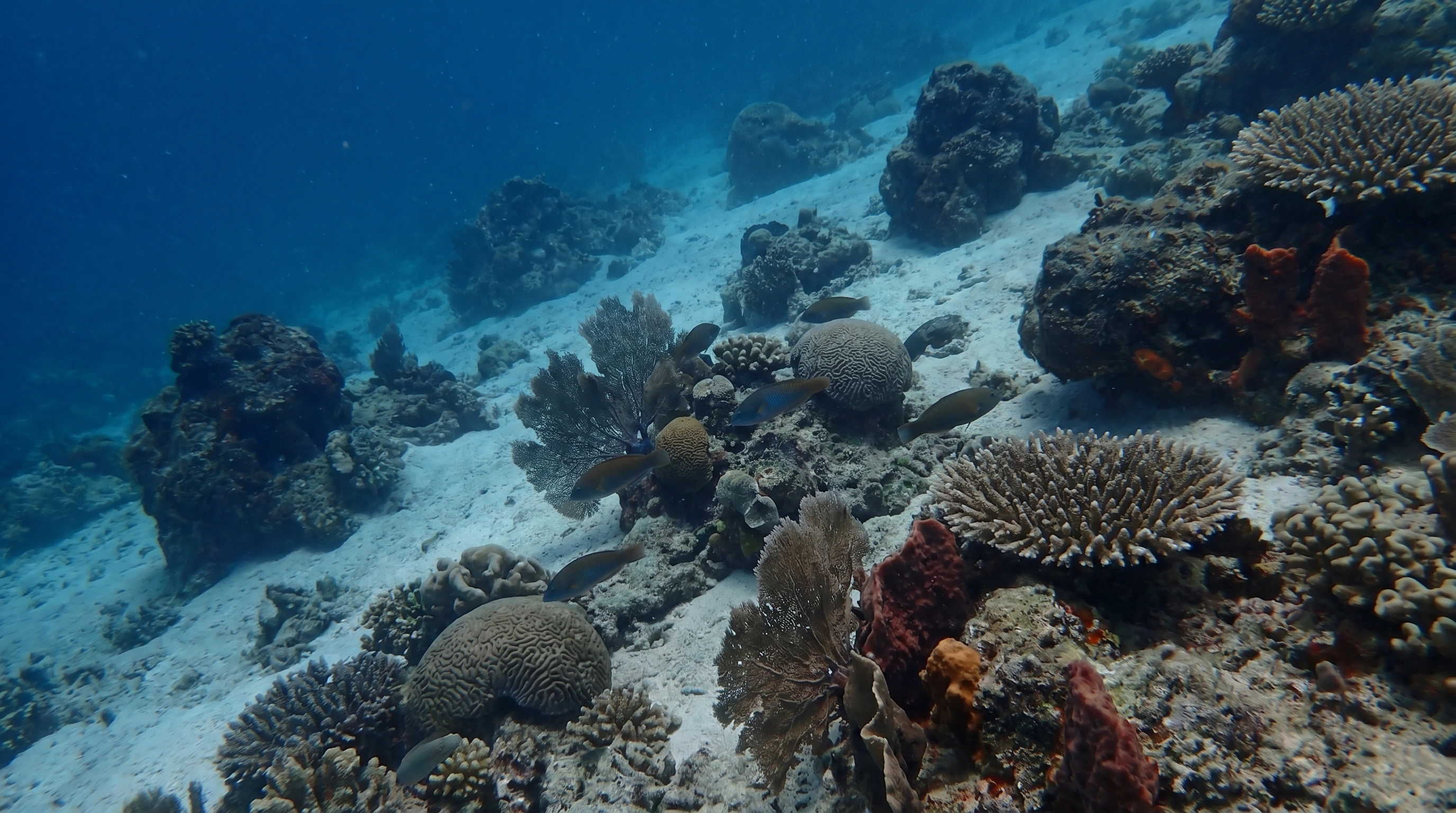
Muck diving is a defining feature of Anilao, with many sites combining soft sediment substrate with adjacent coral reef. Walls and drop-offs appear at boat sites such as Bahura Reef and Sombrero Island, while wrecks including the helicopter and boat at Aquaventure Helicopter and Boat Wreck add an artificial reef element. Seagrass and pinnacle topography also feature at select sites, giving the area a varied underwater landscape across a wide depth range.