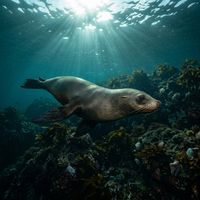
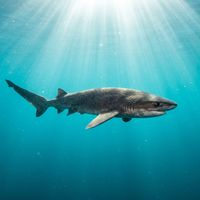
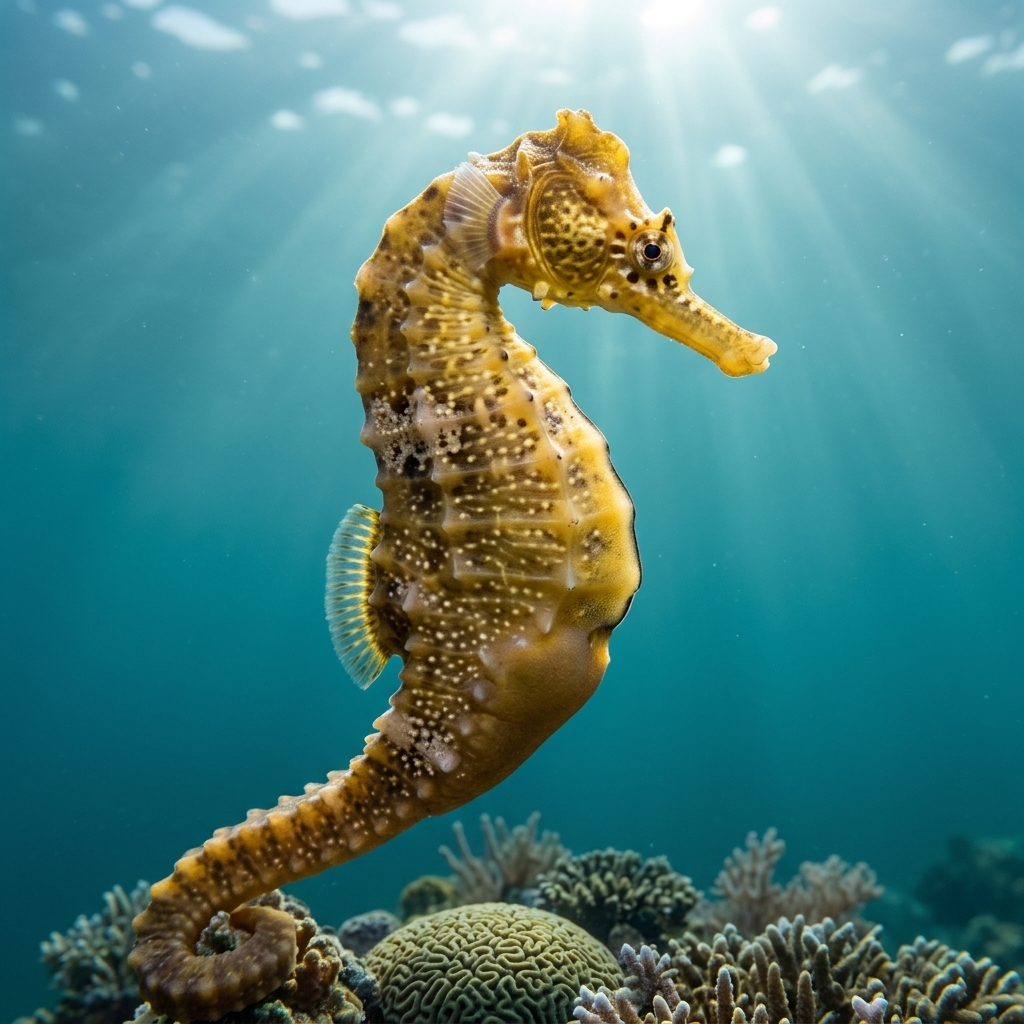
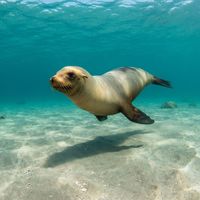
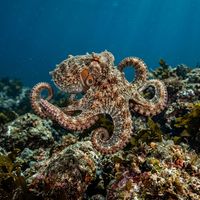
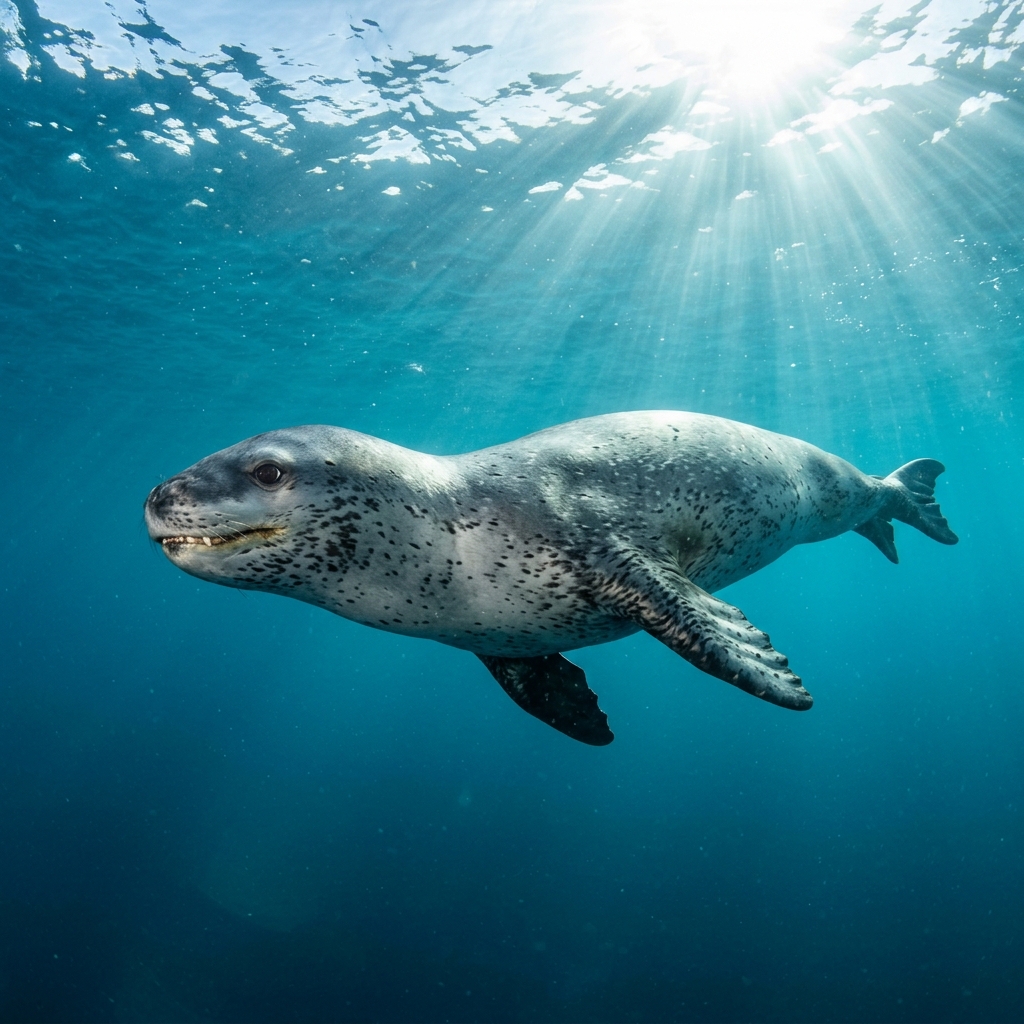
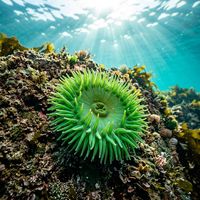
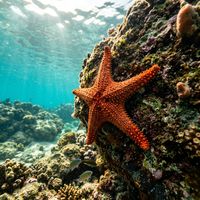
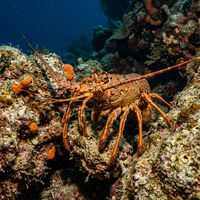
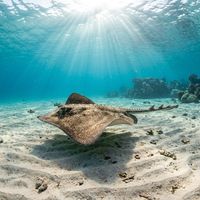
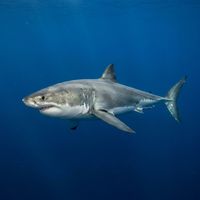
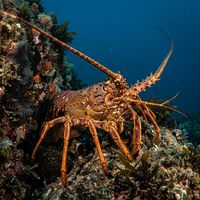
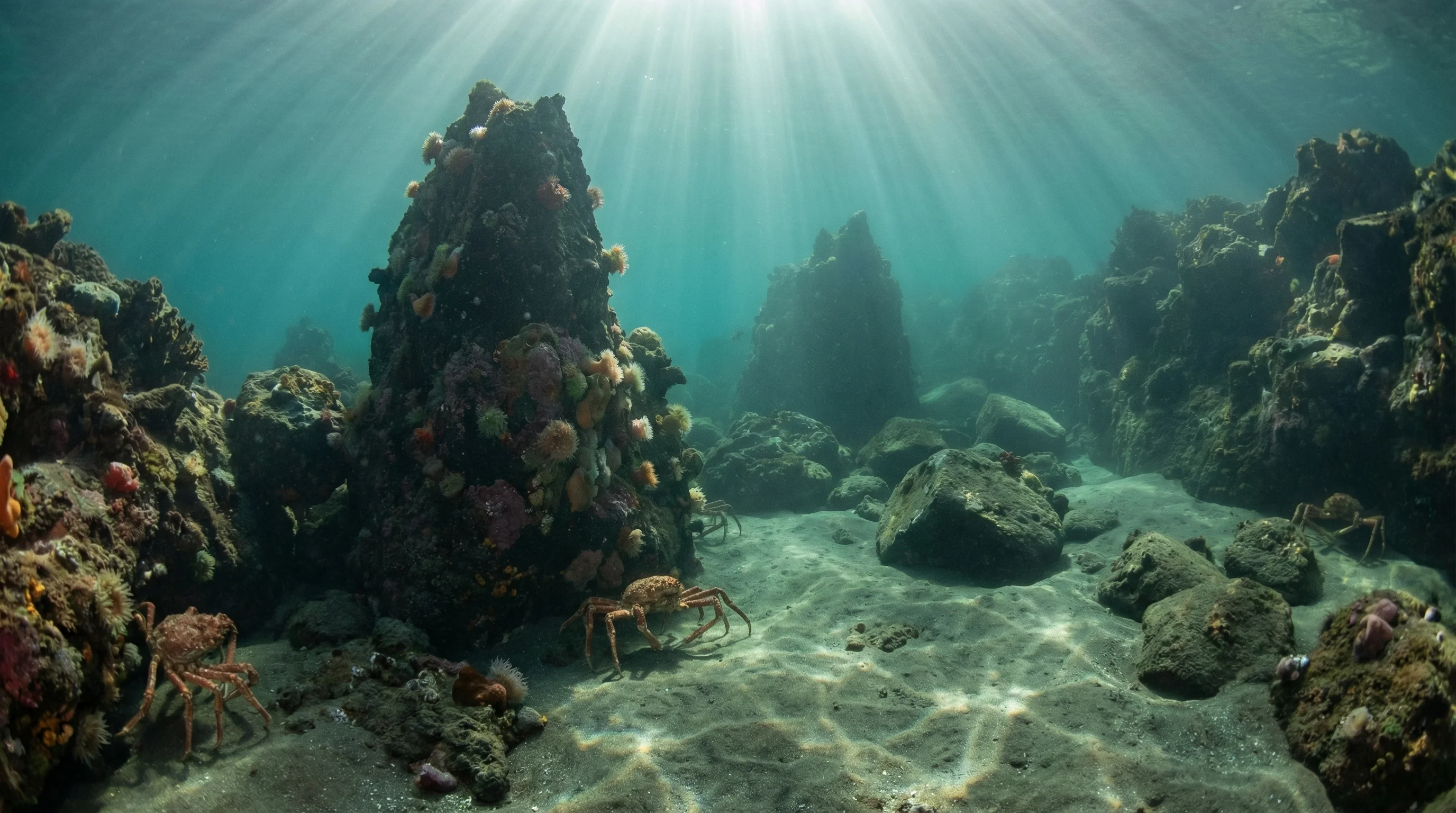
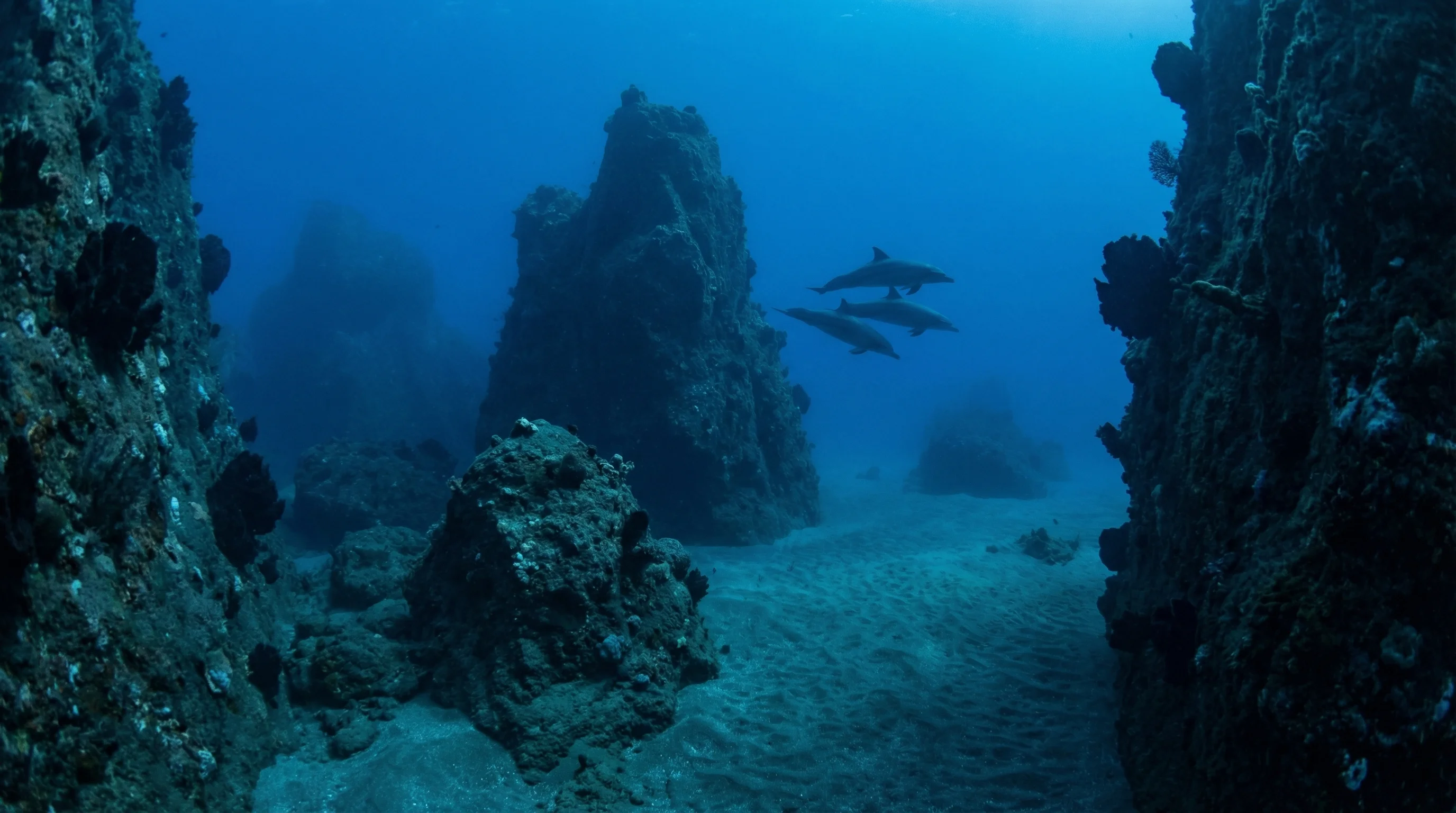
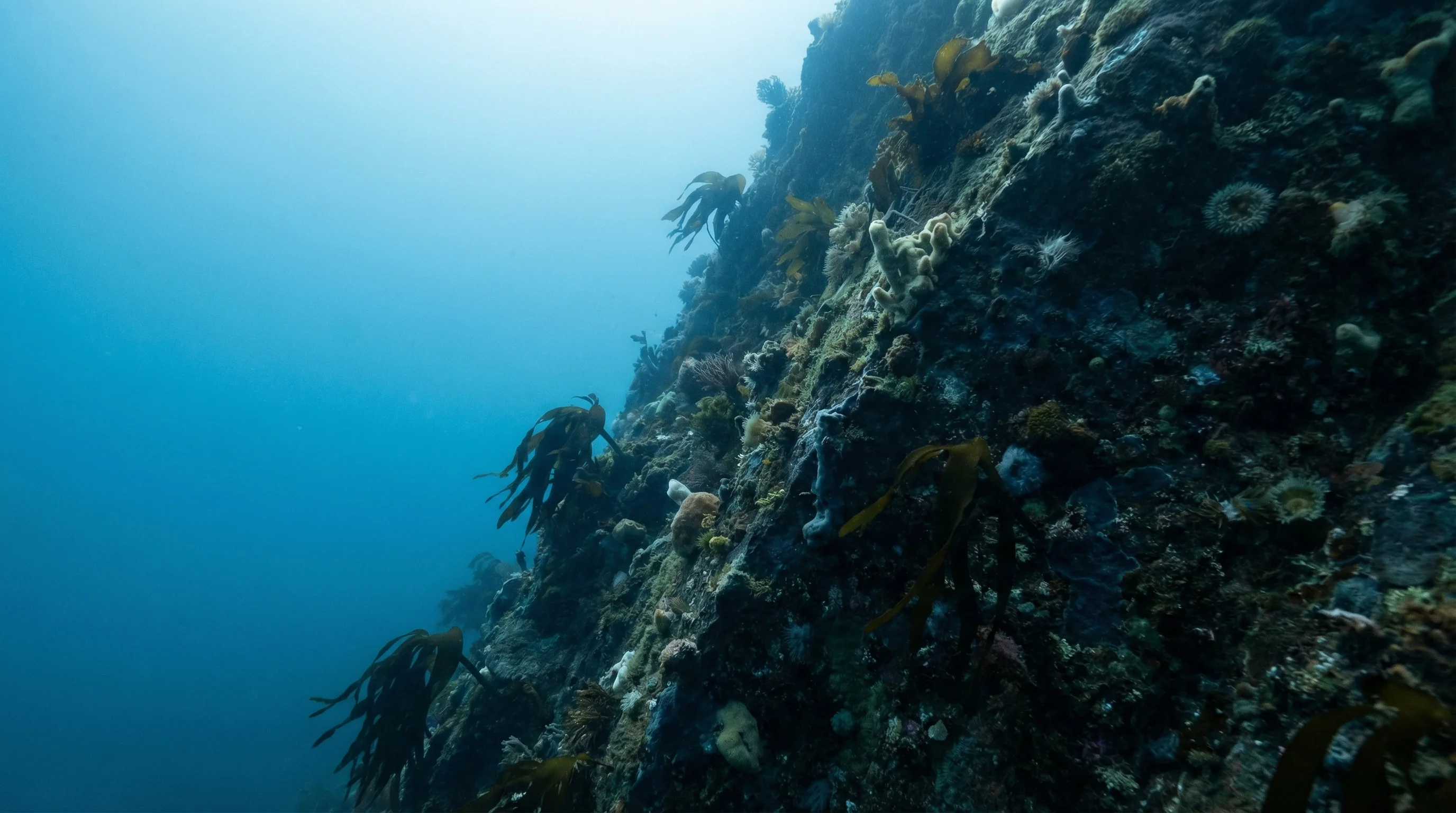
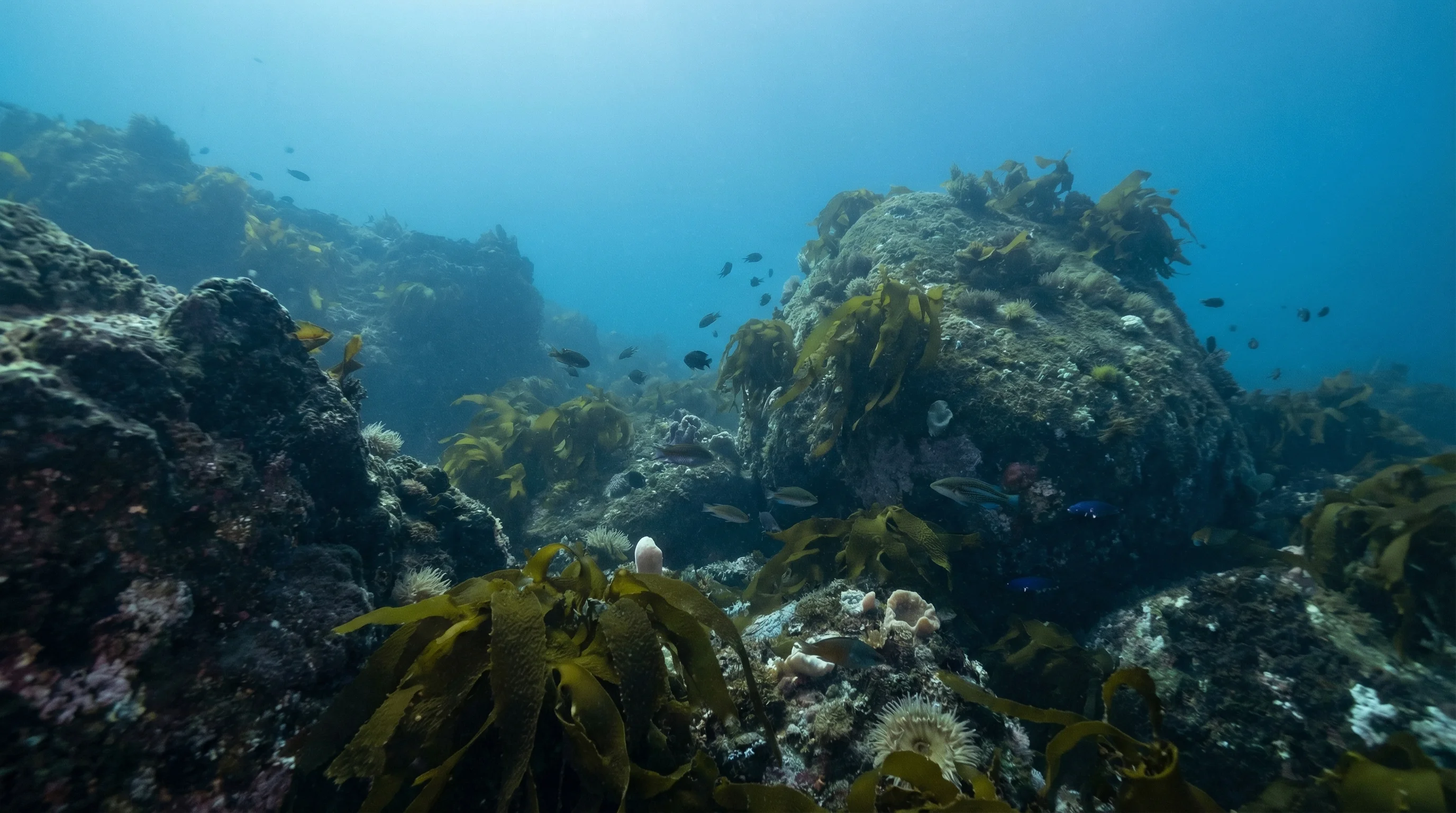
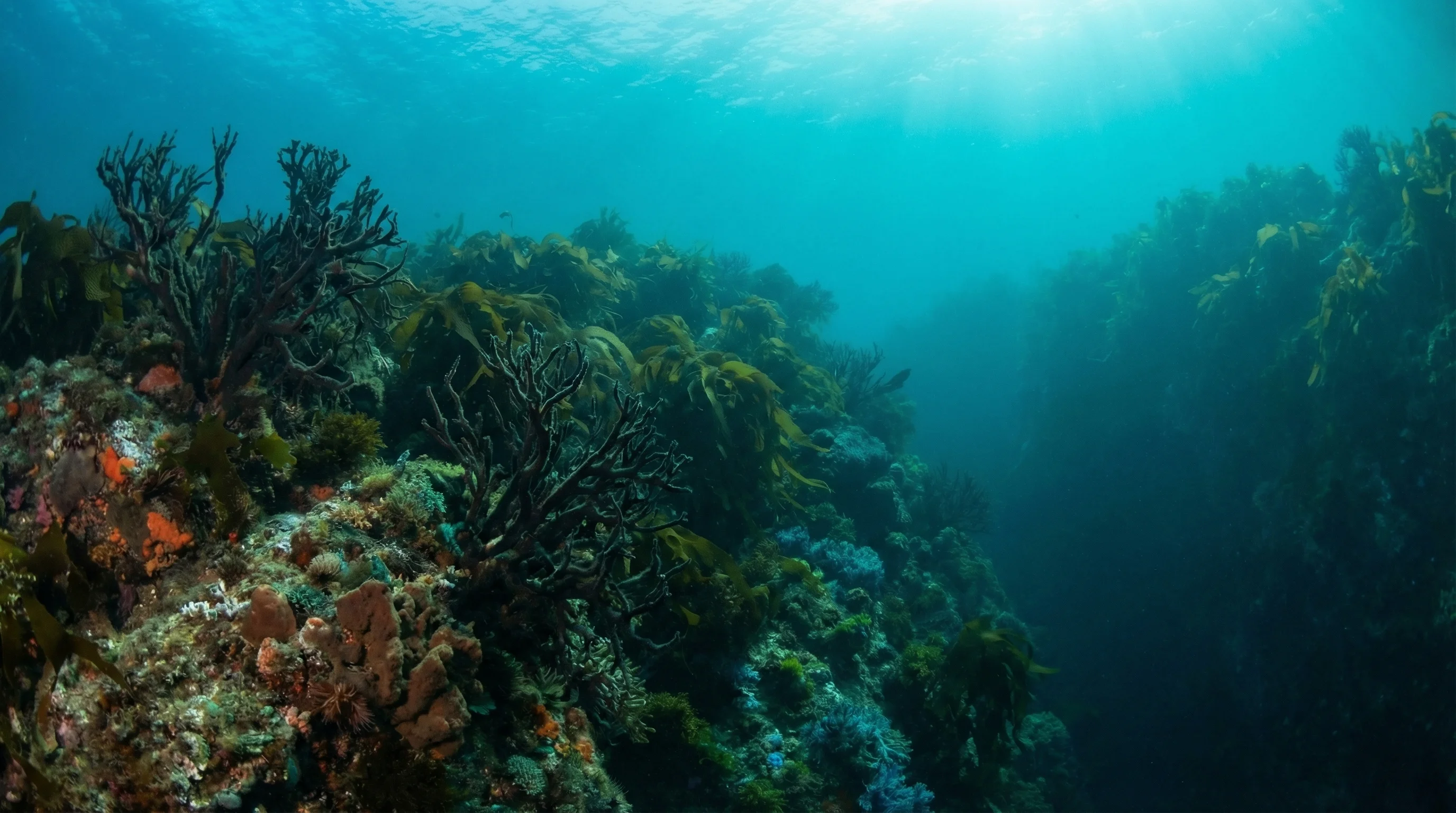
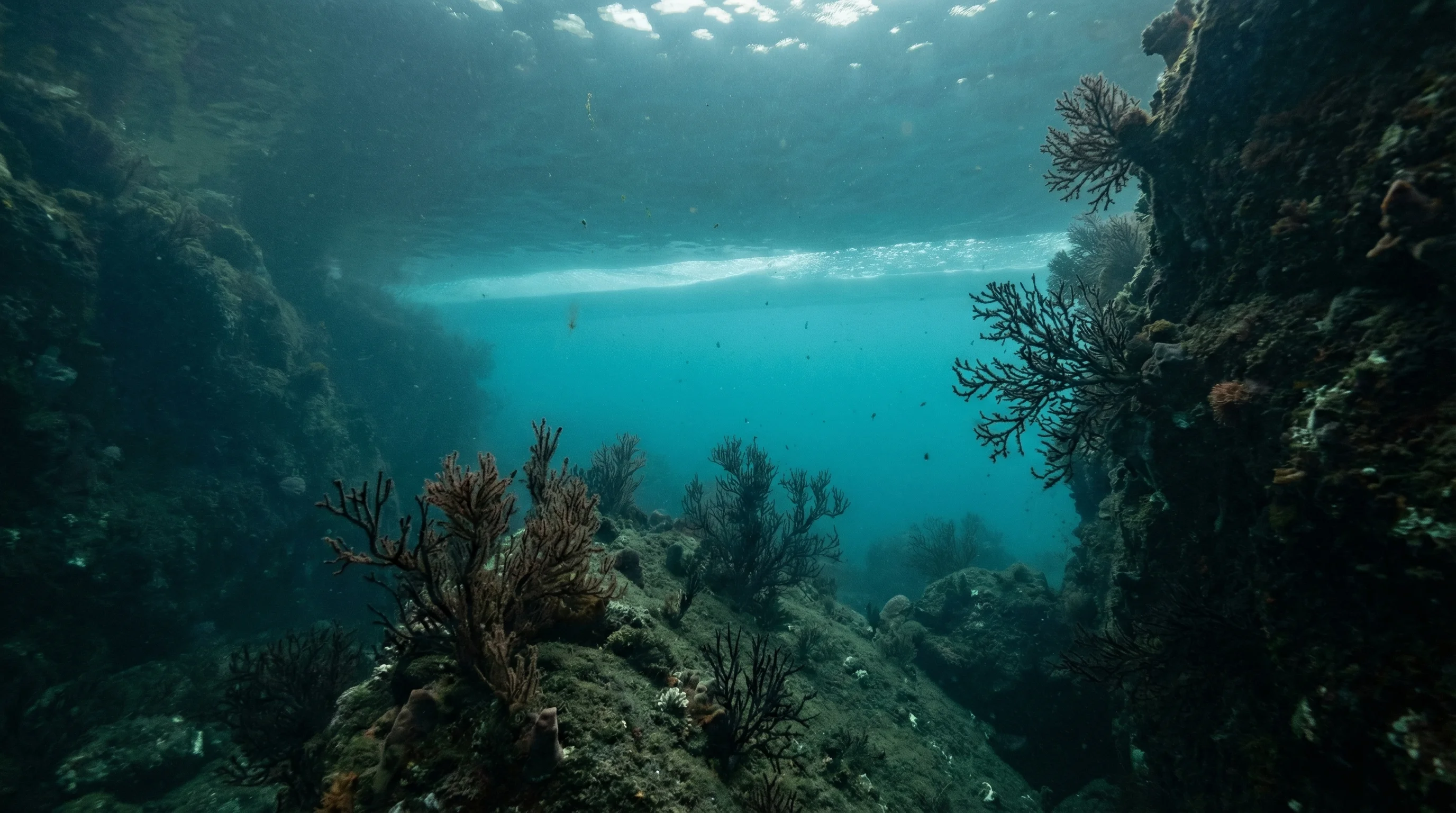
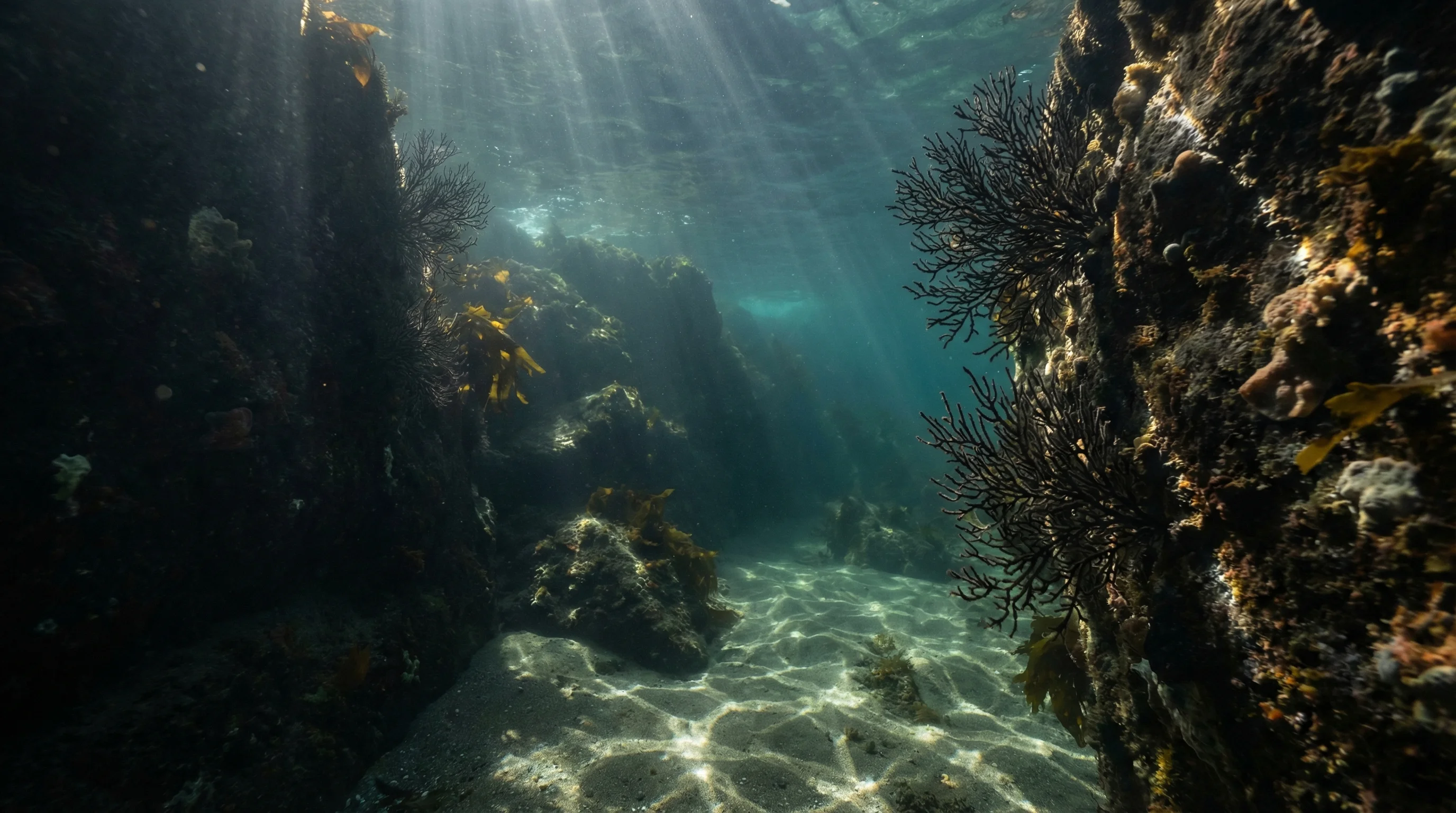
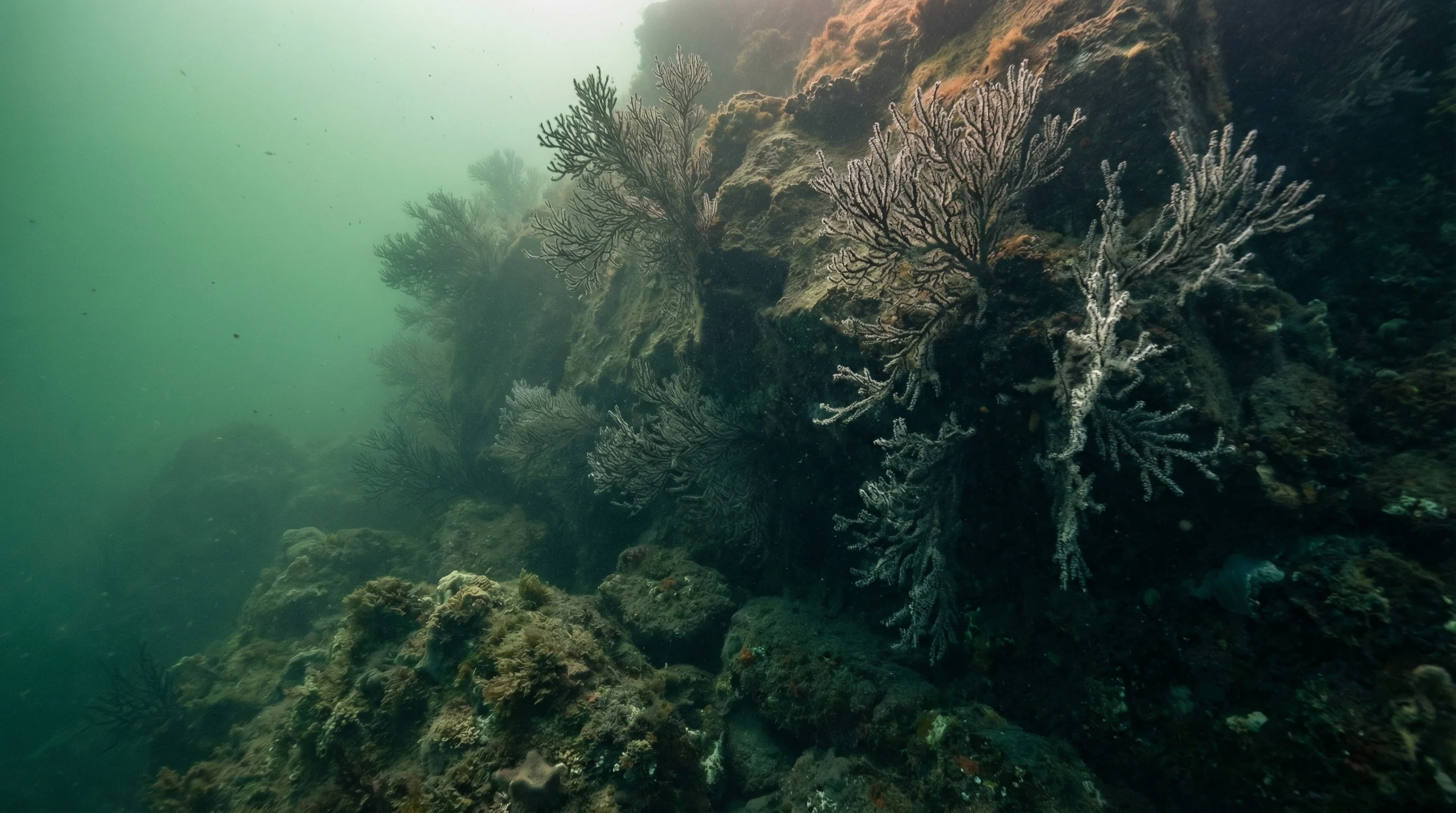
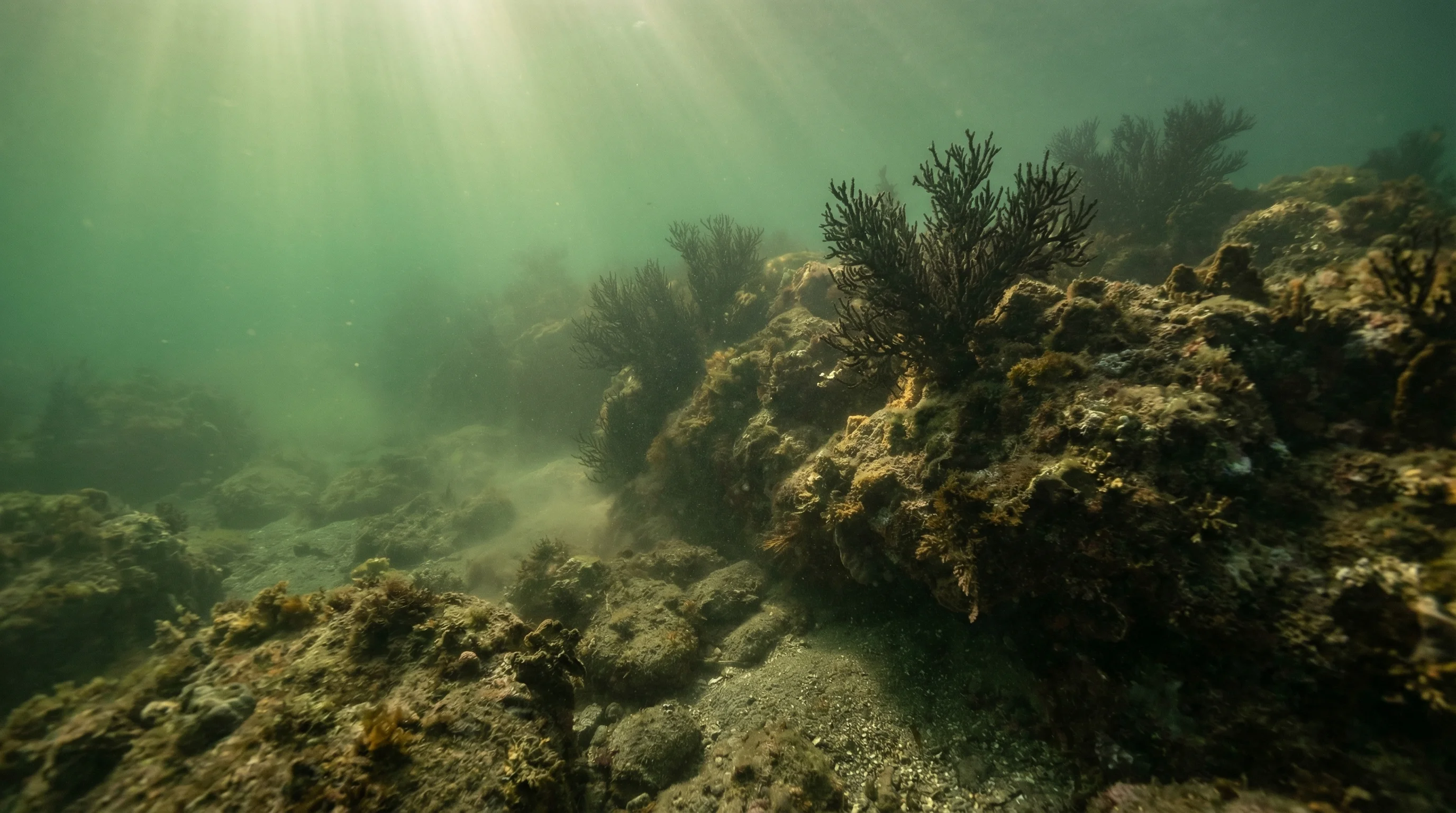
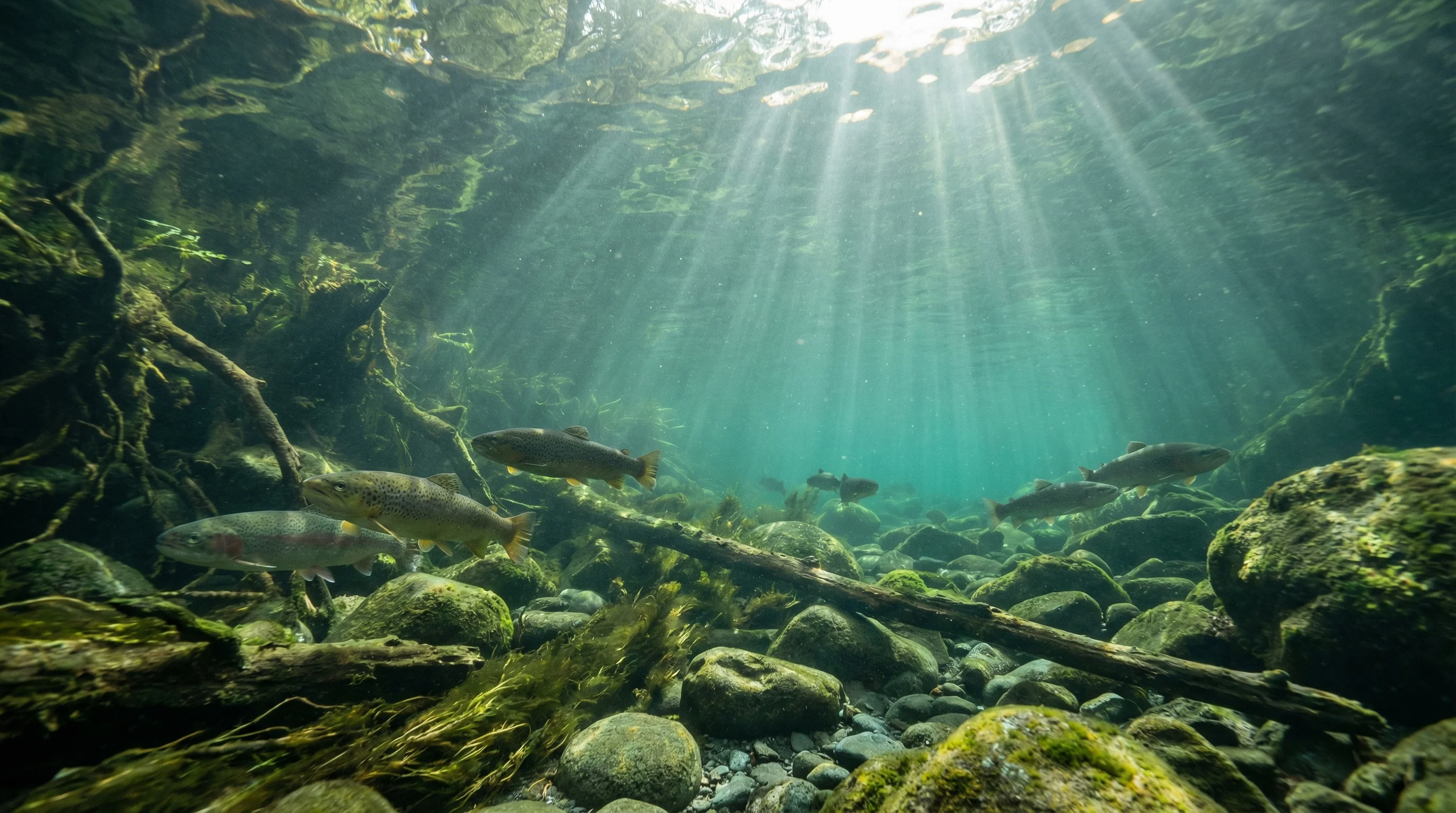
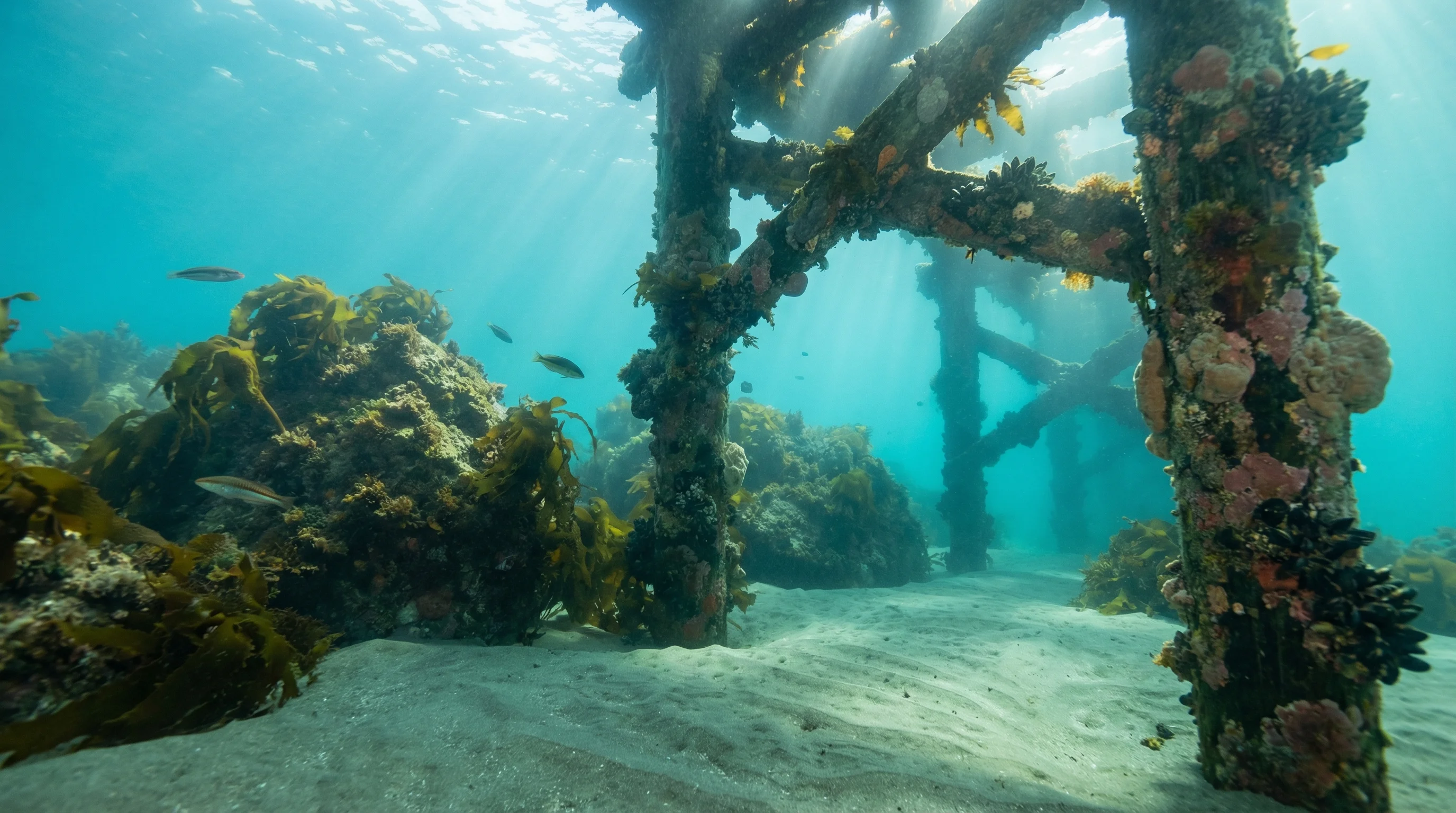
South Island diving is defined by cold, temperate water and a marine life community unlike anywhere else in New Zealand. The Broadnose Sevengill Shark and Long-nosed Fur Seal are signature encounters, while Sea Star and Tube Worm carpet the reefs across all four sub-areas. Fiordland and Stewart Island / Rakiura offer exposed, wild conditions for experienced divers, while Abel Tasman and Otago provide calmer, more accessible sites including walls, wrecks, and artificial reefs. Visibility varies with season and location. The Pot-bellied Seahorse and New Zealand Octopus reward patient, observant divers throughout the region.
4 areas
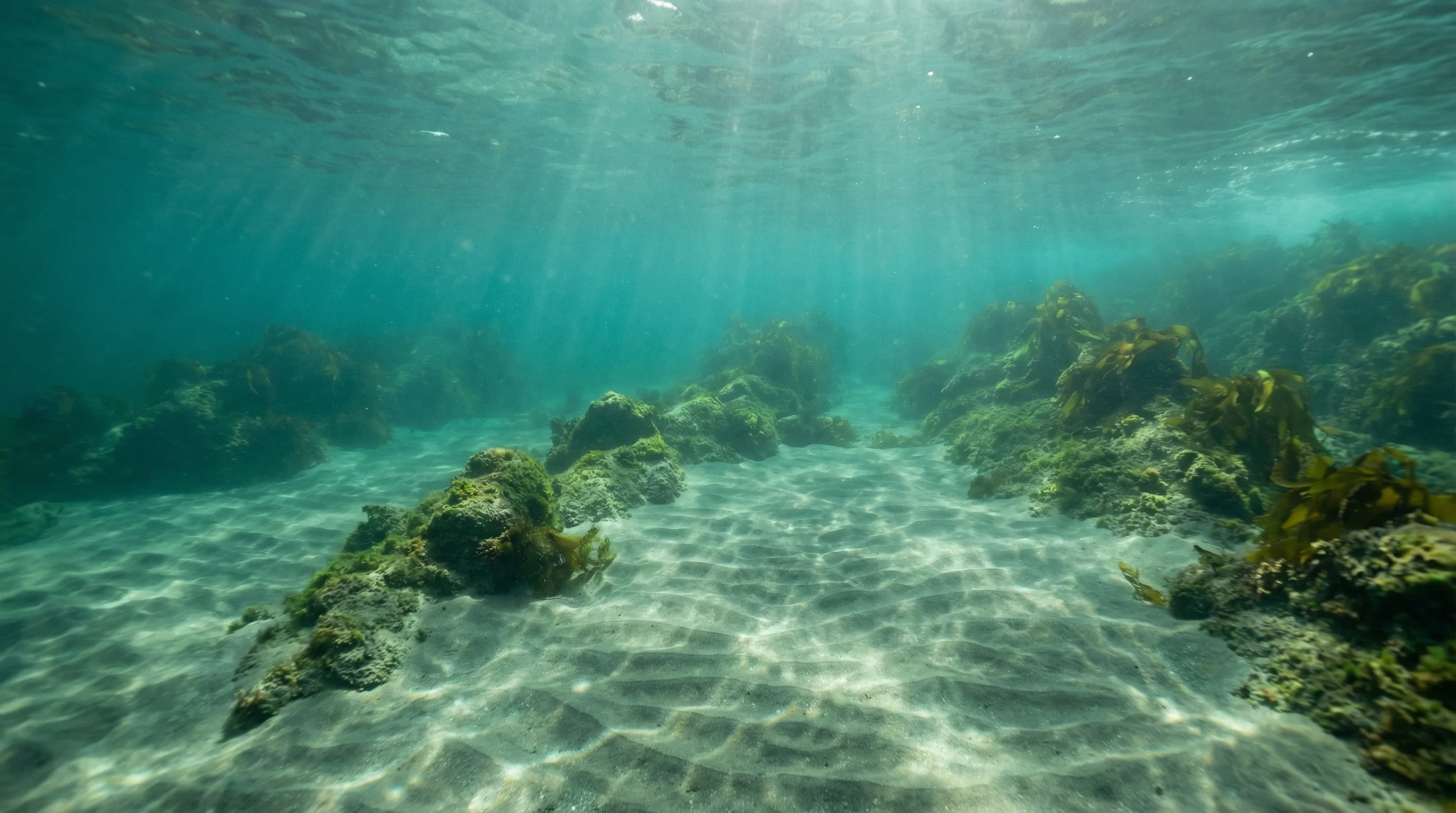 16
16Rocky reefs and sheltered coves where Long-nosed Fur Seal, Pot-bellied Seahorse and New Zealand Octopus are regularly observed.
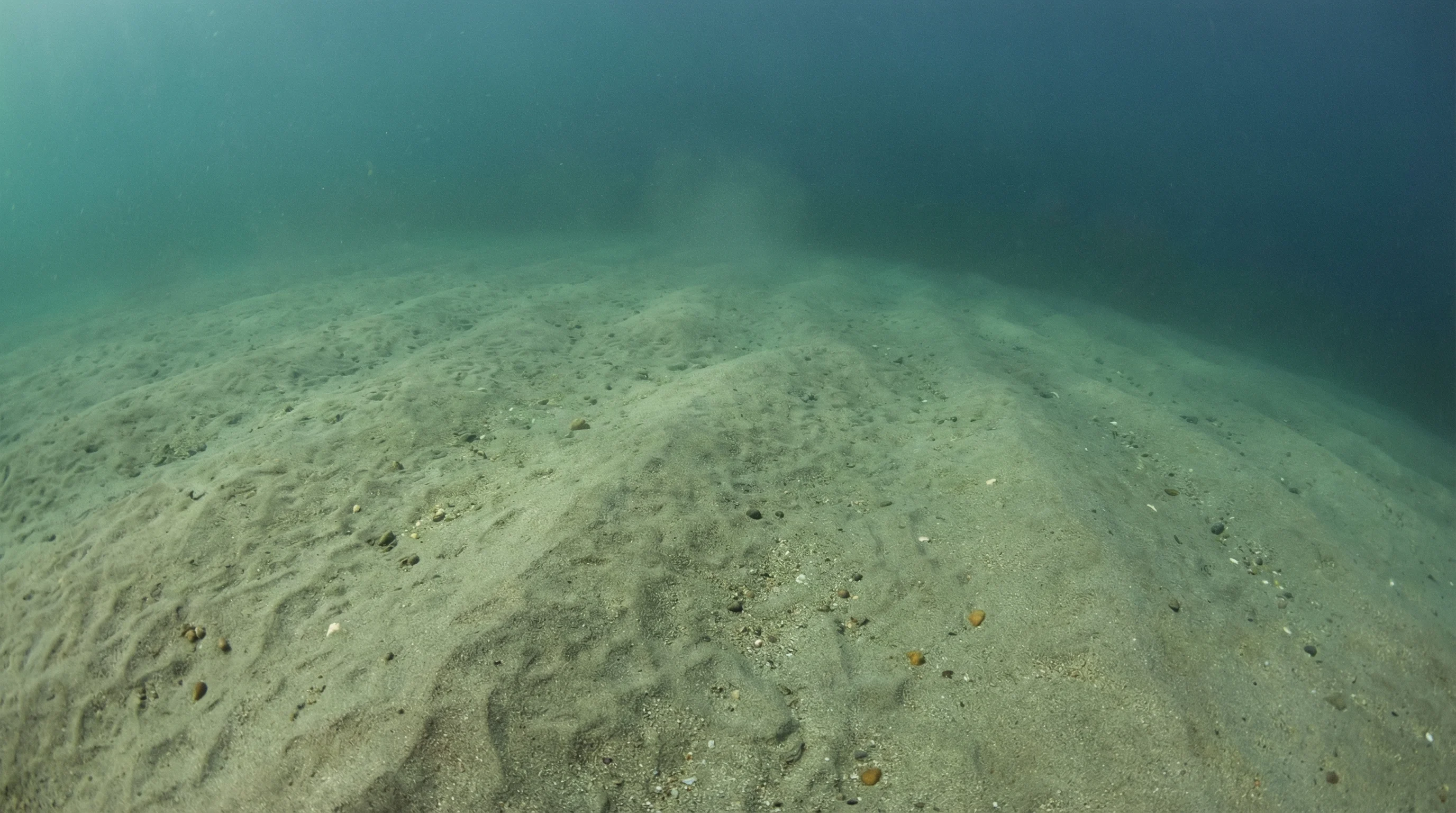 15
15Cold fiord diving with Broadnose Sevengill Shark, fur seals and shallow Black Coral growing in the dark, tannin-stained water.
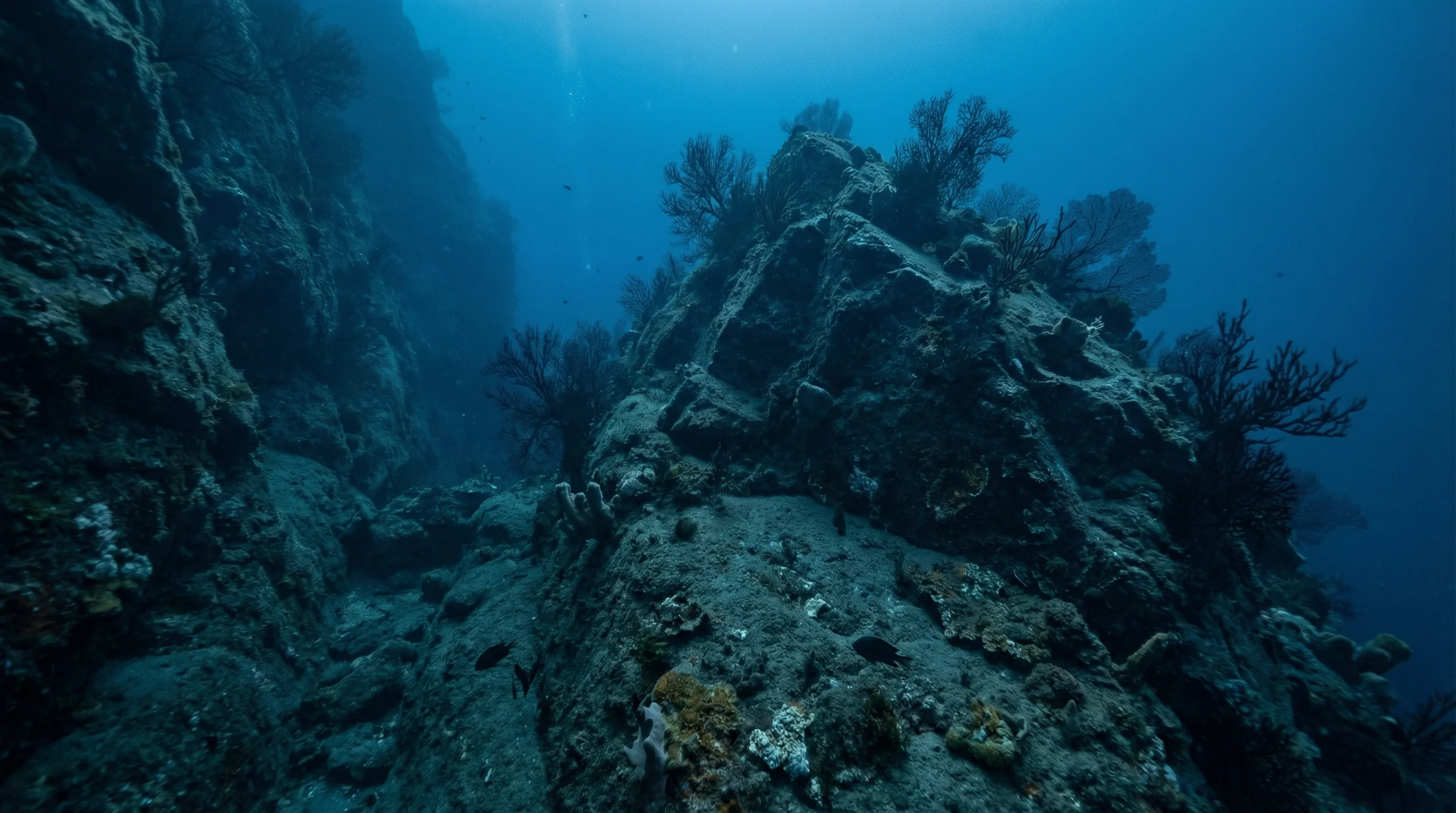 14
14Cold southern diving where Broadnose Sevengill Shark, Leopard Seal and a dense invertebrate seafloor define the experience.
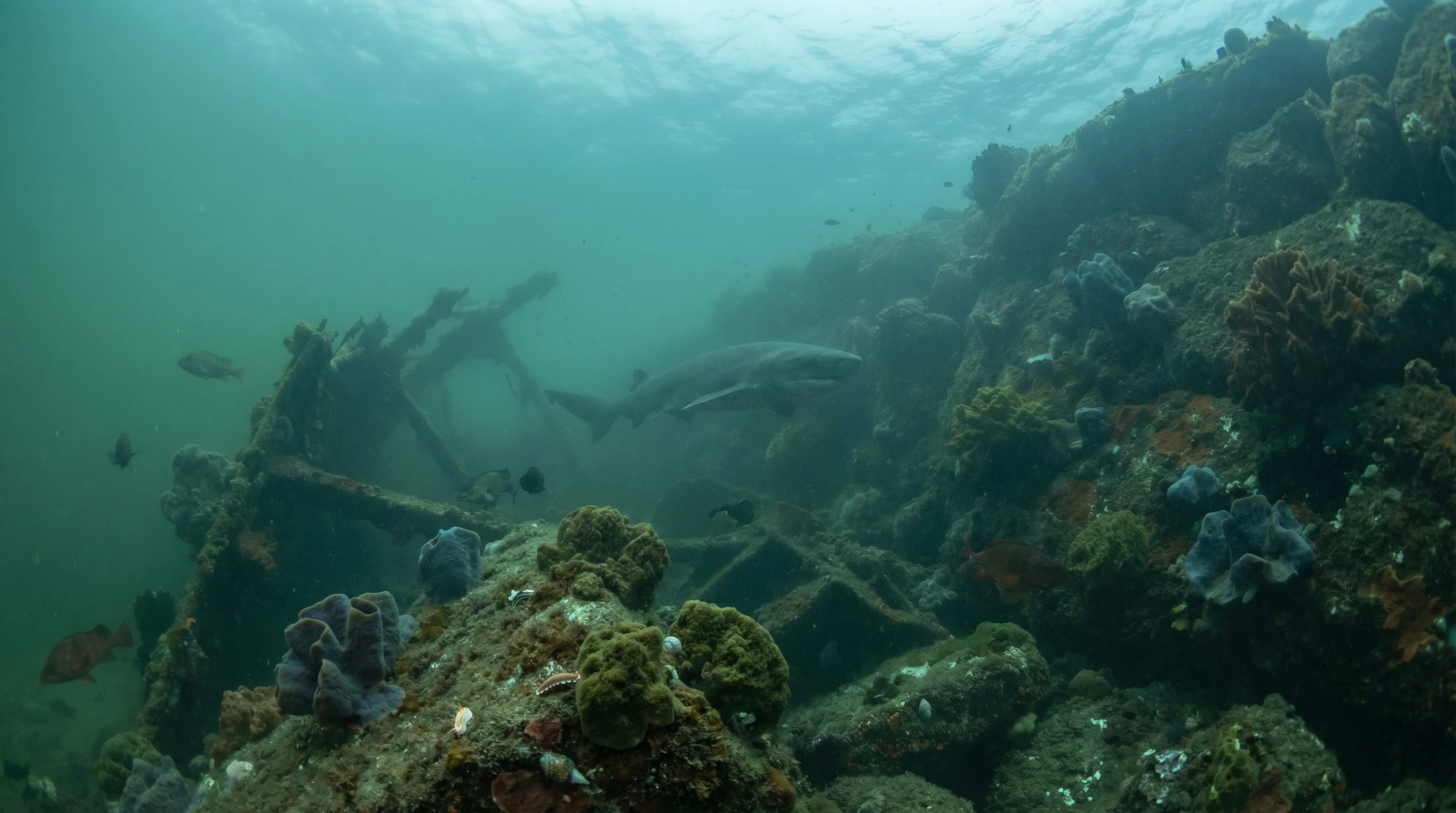
Monthly water temperature across South Island's sites, from satellite sea-surface data corrected for depth. The band shows the site-to-site spread.
Water temperatures peak around late summer, from January through March, then fall steadily to their coolest between July and September. The warmer months also draw the most favourable diving conditions according to the best-months data, with December and January standing out. Winter diving remains possible but demands adequate exposure protection and suits experienced divers better given the colder water and more challenging conditions at exposed sites such as those in Fiordland and Stewart Island / Rakiura.
21 operators
Cold-water diving off South Island, New Zealand, with resident fur seals, occasional Leopard Seal, and a mix of wall, wreck and artificial reef.
Water temperature around South Island ranges from about 12°C in August to 16°C in January, based on satellite sea-temperature data for its dive sites.
With water around 12–16°C, a 7mm or semi-dry suit works in South Island year-round.
Fin maps 55 sites in South Island (41 scuba diving sites and 21 snorkelling spots, with some suited to both), organised into 4 areas.
Across South Island's dive sites, January, February, March, April, May and December are most often reported as the best months to visit.
South Island has a strong record of Broadnose Sevengill Shark sightings, which are commonly observed across many sites in the region. Long-nosed Fur Seal is another frequently encountered species, and both Leopard Seal and Smooth Ray have been observed, though less reliably. Great White Shark sightings are rare but have been recorded.
The region offers a range of skill levels. Aramoana Mole in Otago, for example, is rated as a beginner site with shore and boat entry options, covering wall, wreck, and artificial reef terrain in relatively accessible conditions. More exposed sub-areas such as Fiordland and Stewart Island / Rakiura are better suited to divers with more experience, given the wilder conditions.
Stewart Island / Rakiura and Fiordland have the most sites and tend to offer more remote, exposed diving with a wilder character. Abel Tasman is well suited to calmer dives and snorkelling, while Otago includes structured sites like Aramoana Mole with walls and wrecks. Each sub-area has its own operators and site types, so the experience varies considerably depending on where you base yourself.
Several operators are active across the region, including Dive HQ Christchurch, NZDiver Dive Shop, Deep Blue Diving, Sound Diving NZ, and Big Blue Dive and Fish. Between them they cover the main sub-areas, so it is worth checking which operators service the specific area you plan to visit, as some focus on particular parts of South Island.