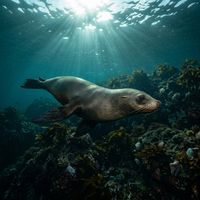
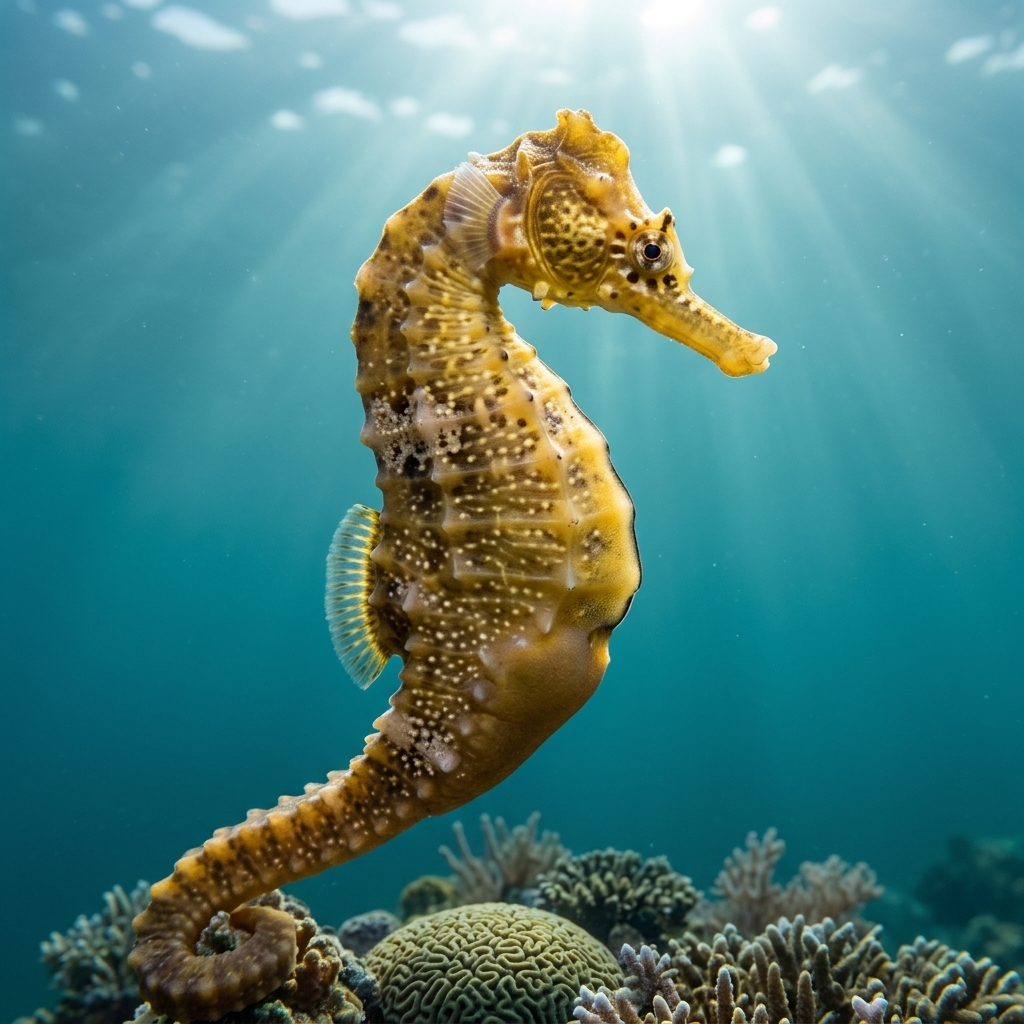
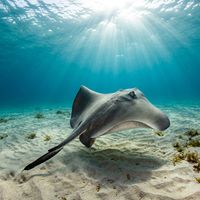
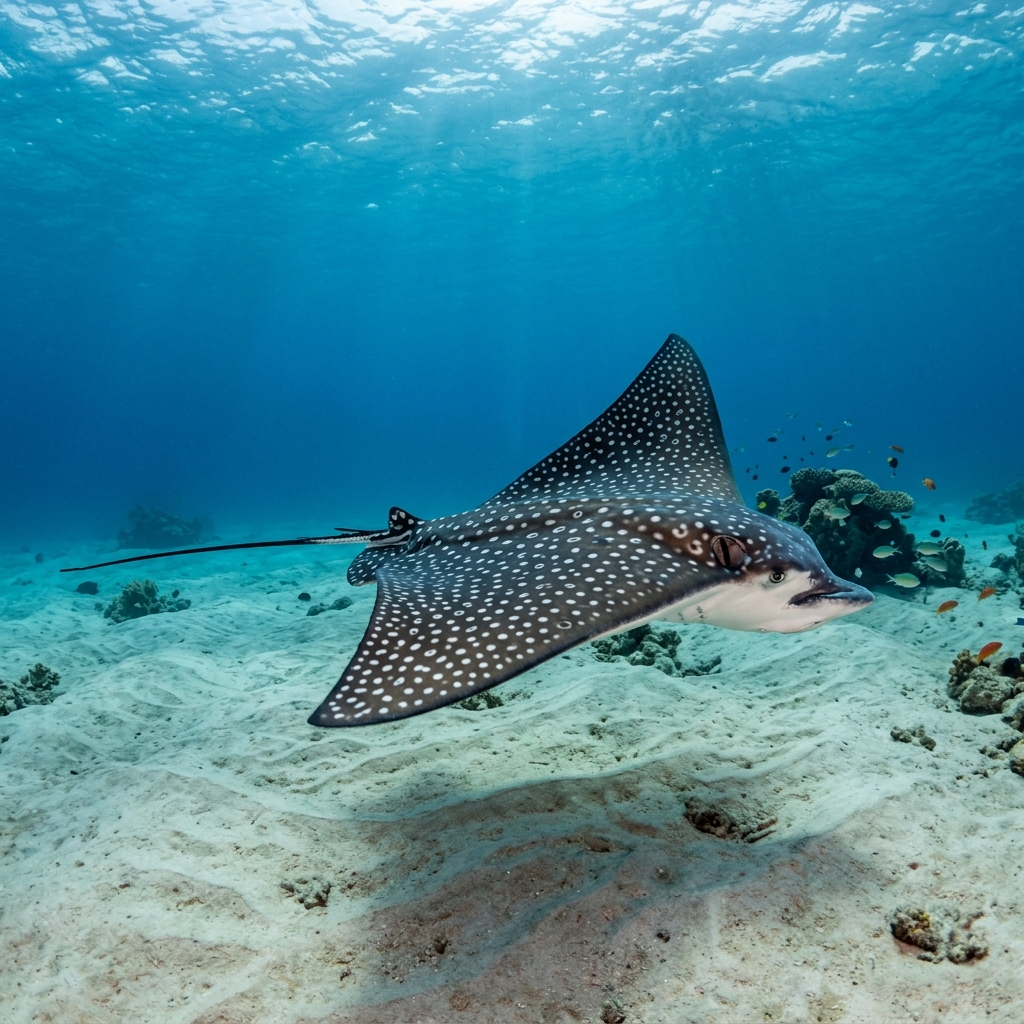
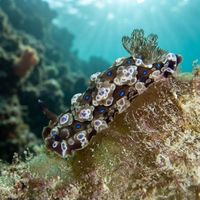
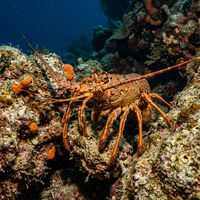
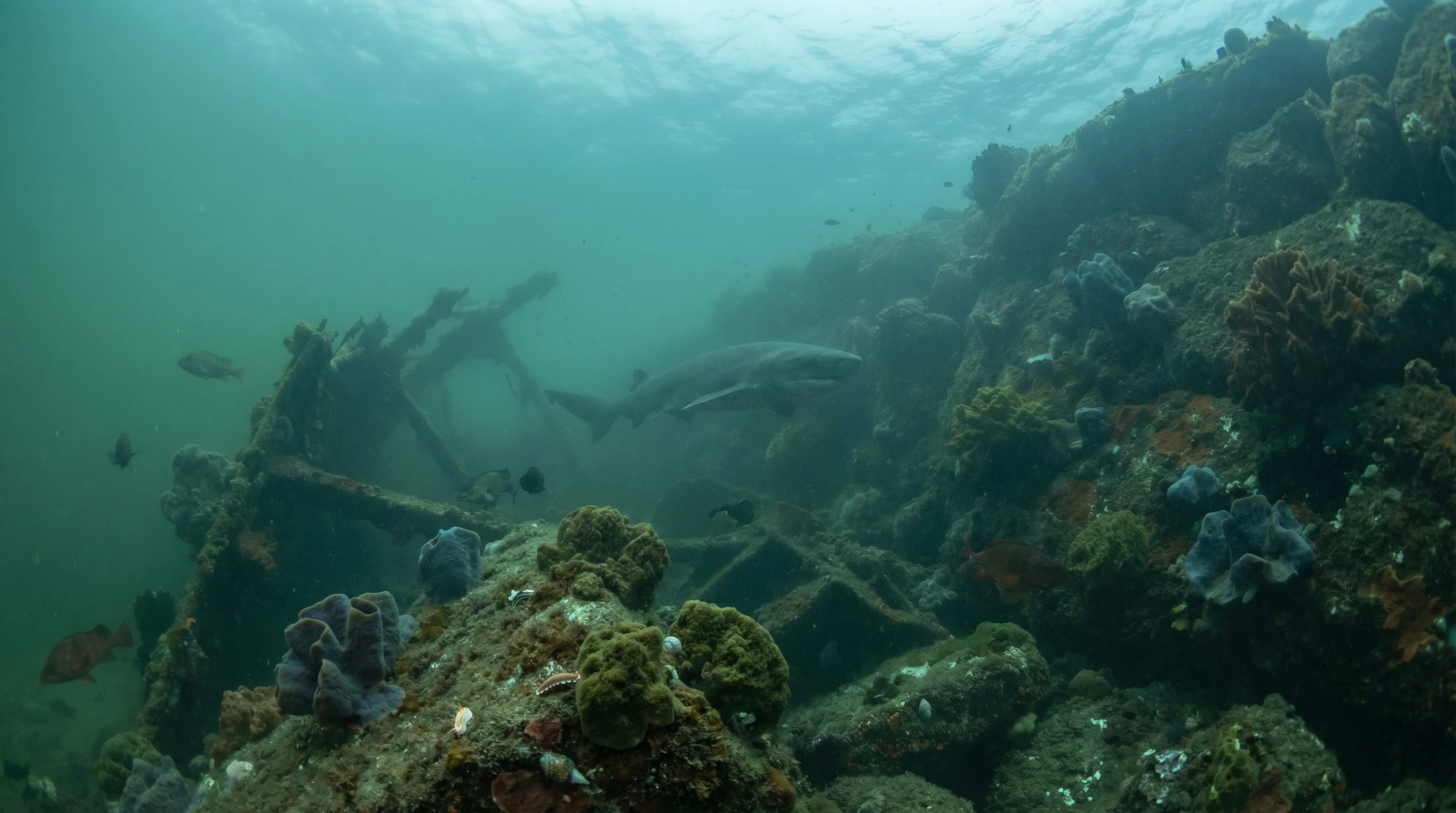
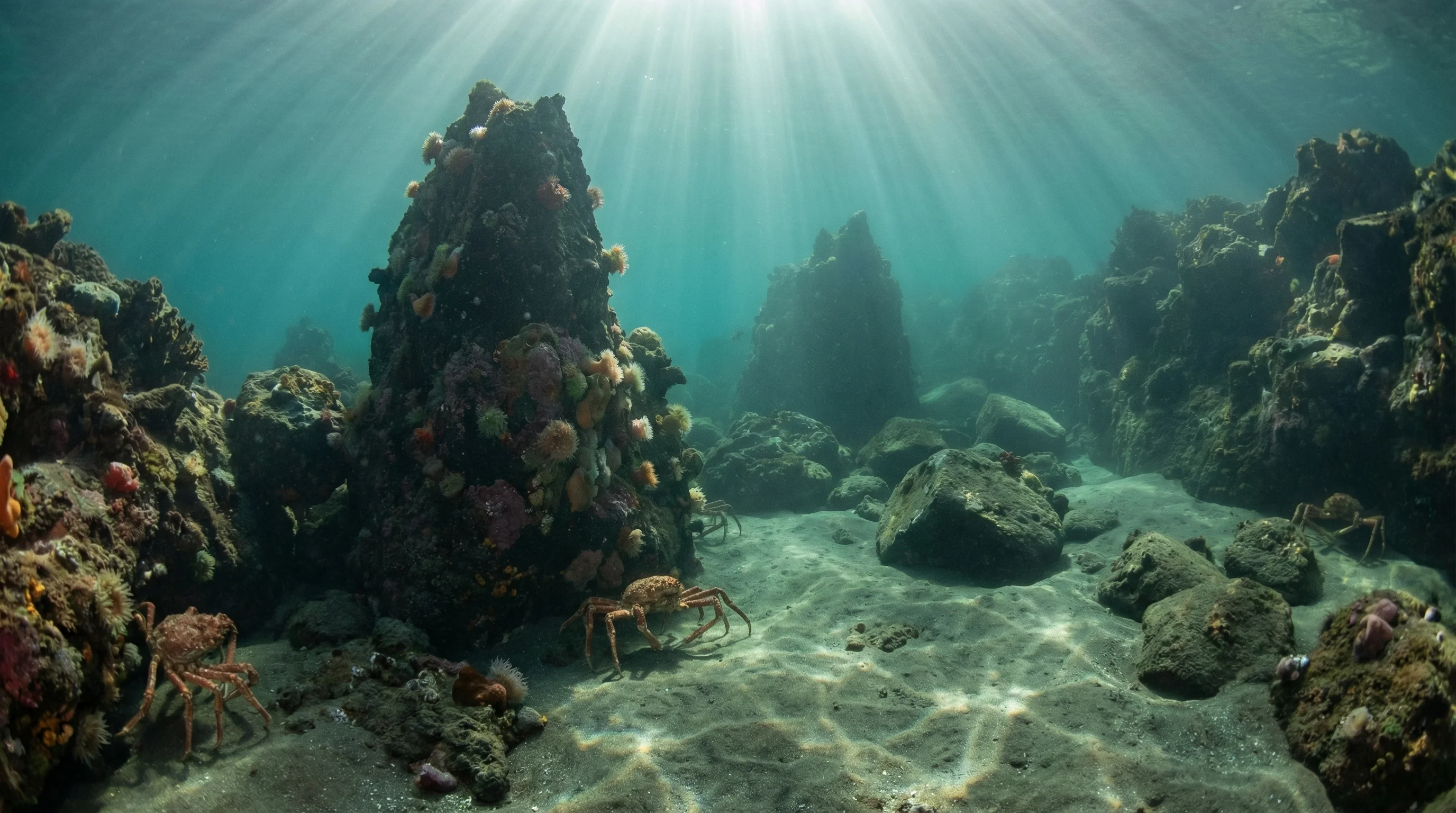
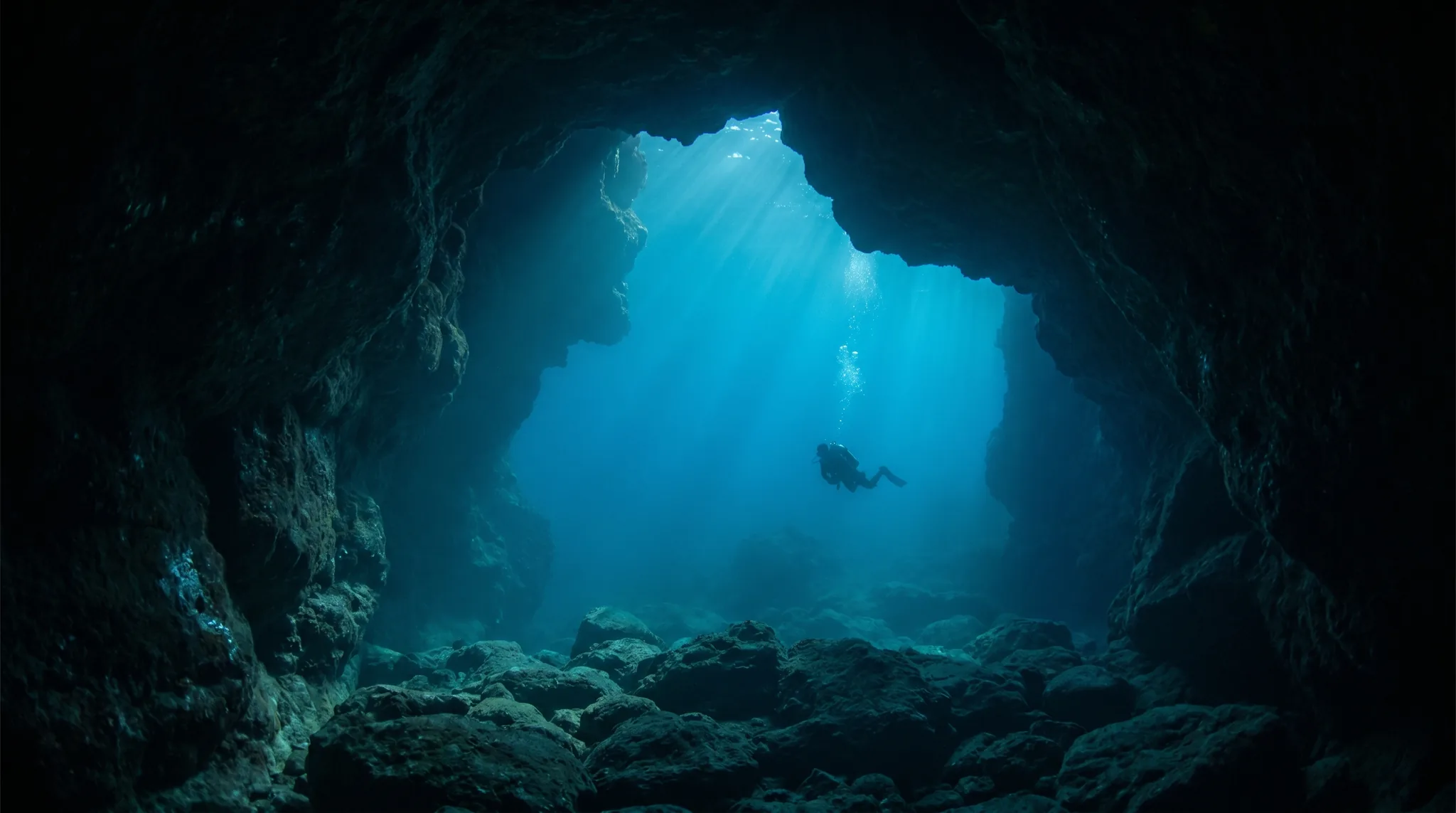
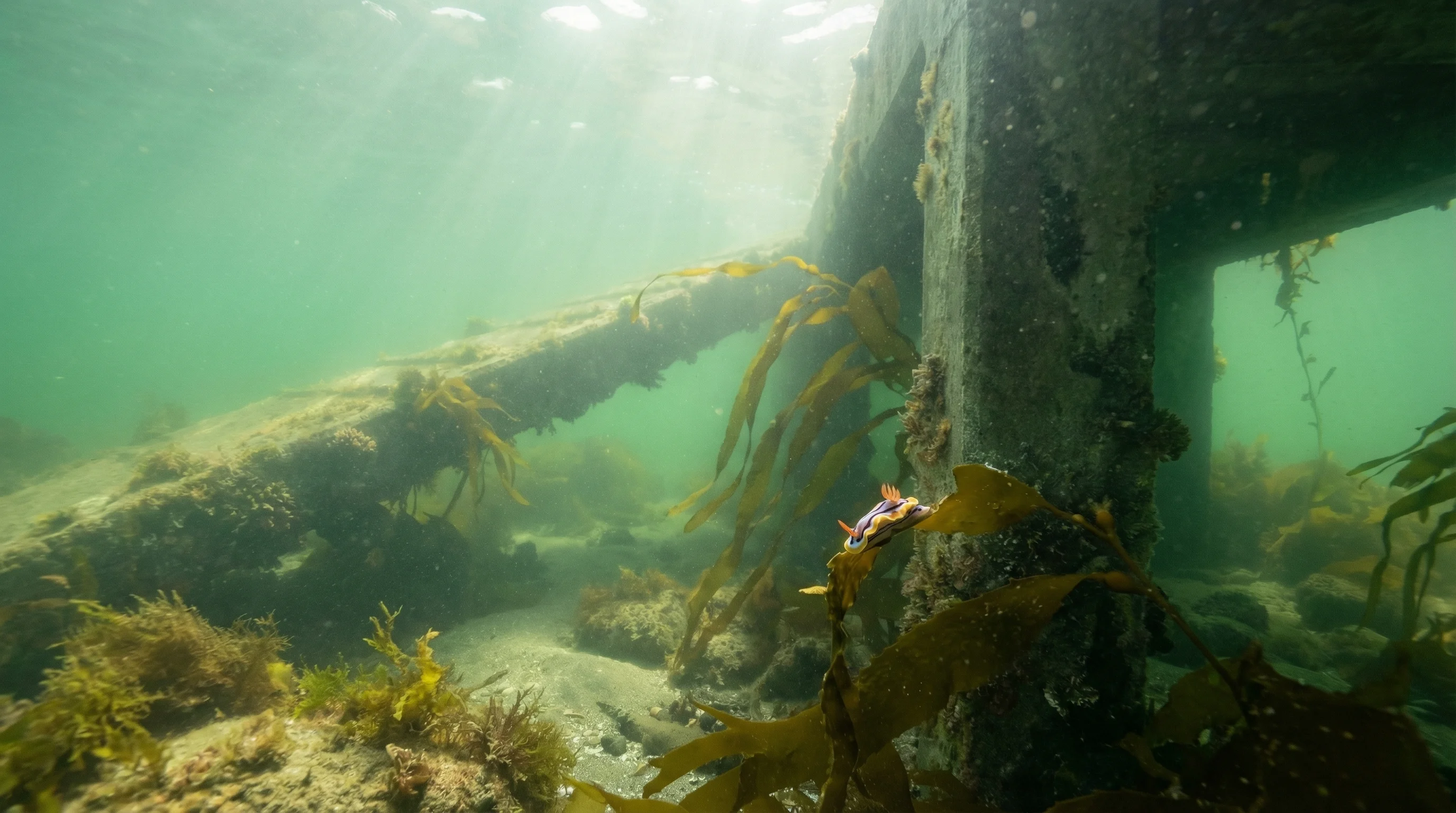
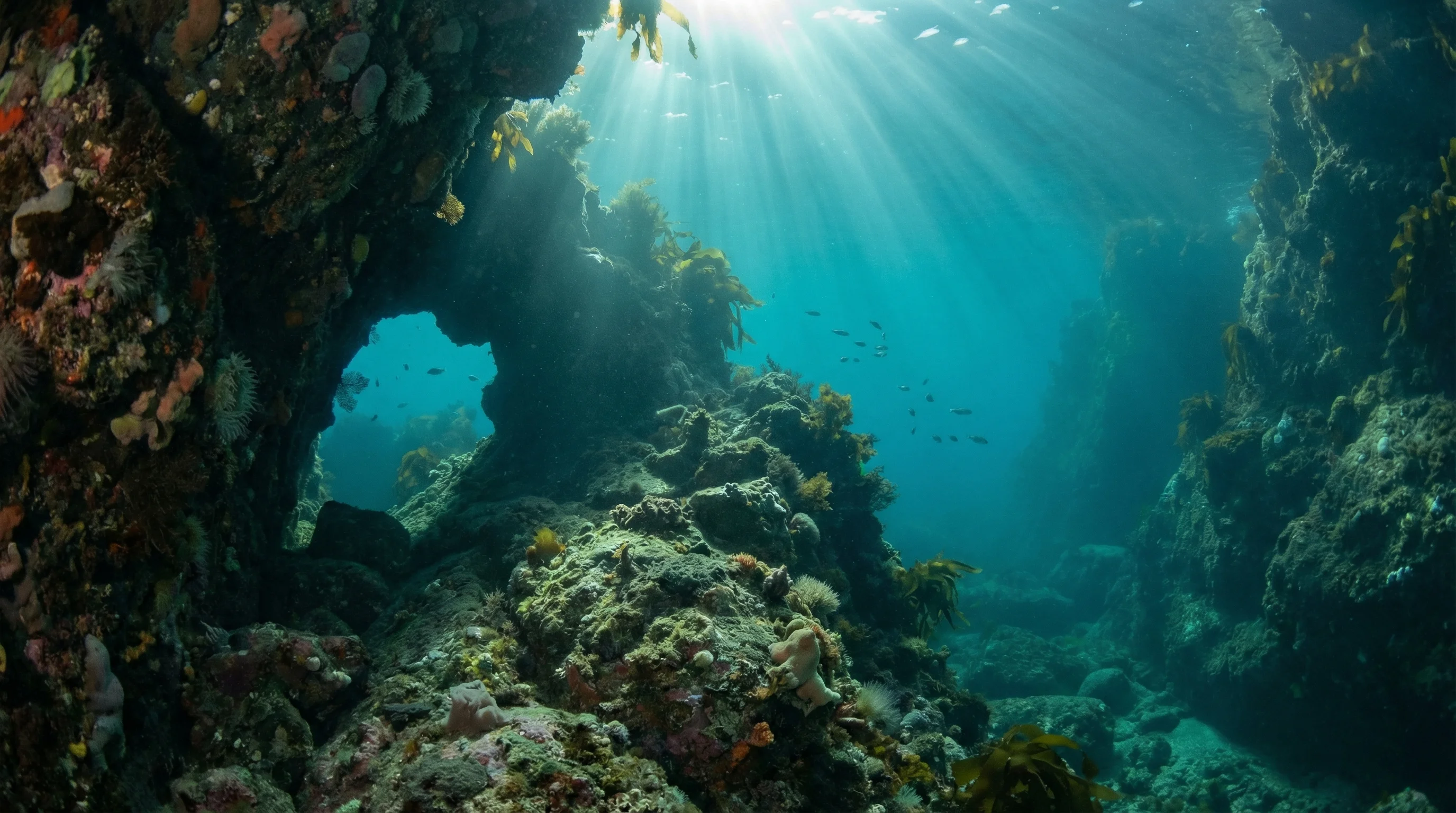
North Island diving spans reef systems, wrecks, arches, caves, pinnacles and kelp forests across six distinct sub-areas, from the subtropical reefs of Northland down to the current-swept waters off Wellington. Northland hosts the Poor Knights Islands sites, including the dramatic arches and walls at RikoRiko Cave, while Coromandel and Bay of Plenty deliver diverse multi-level dives around the Aldermen Islands and Cathedral Cove. Wellington anchors the south with the HMNZS Wellington wreck. Signature encounters include the Pot-bellied Seahorse, Long-nosed Fur Seal, Green Moray, Smooth Ray and Eagle Ray, making the region a strong draw for marine life enthusiasts.
6 areas
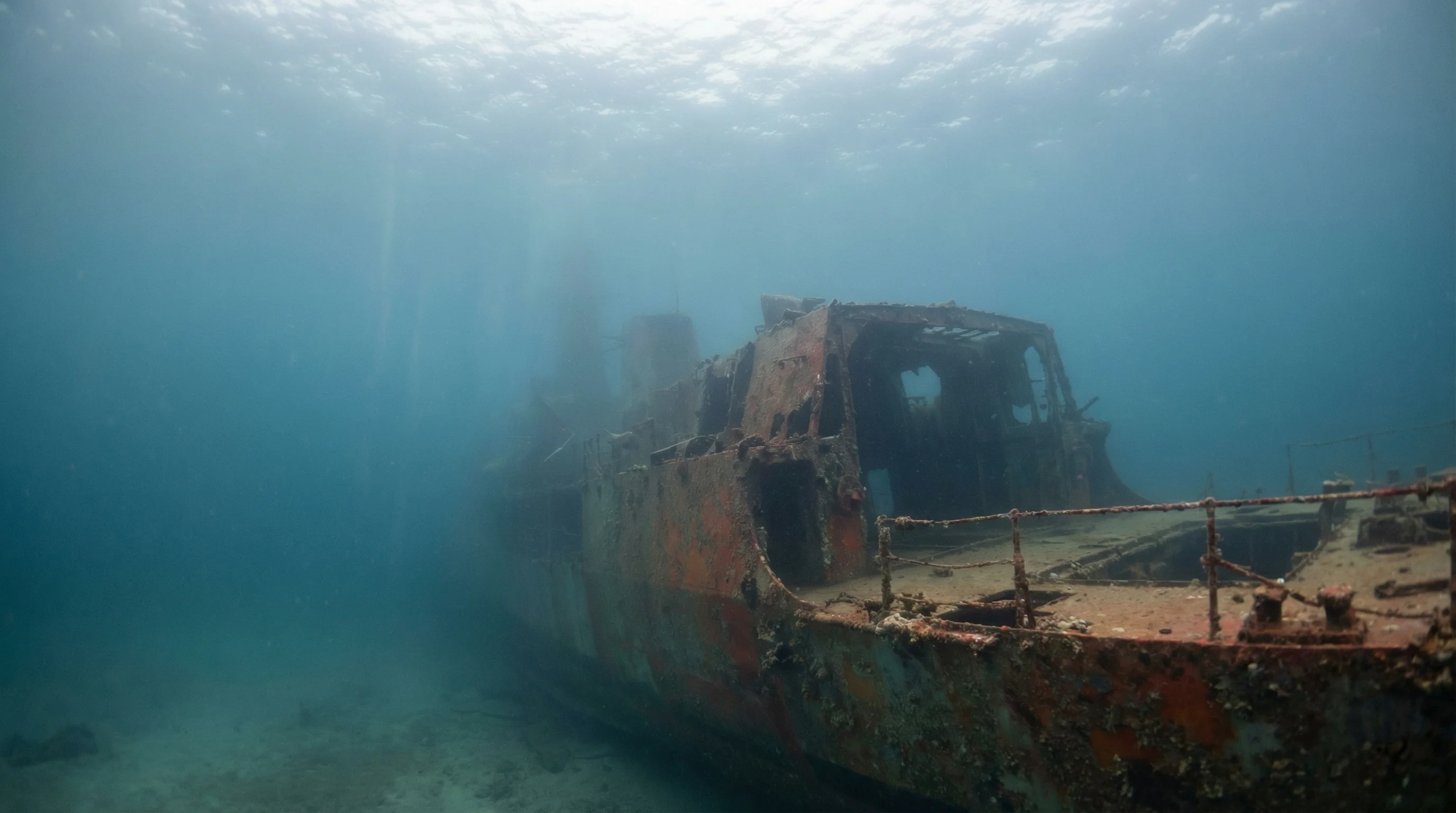 41
41A decommissioned Navy frigate, resident fur seals, and kelp-draped reefs make Wellington one of North Island's most varied dive destinations.
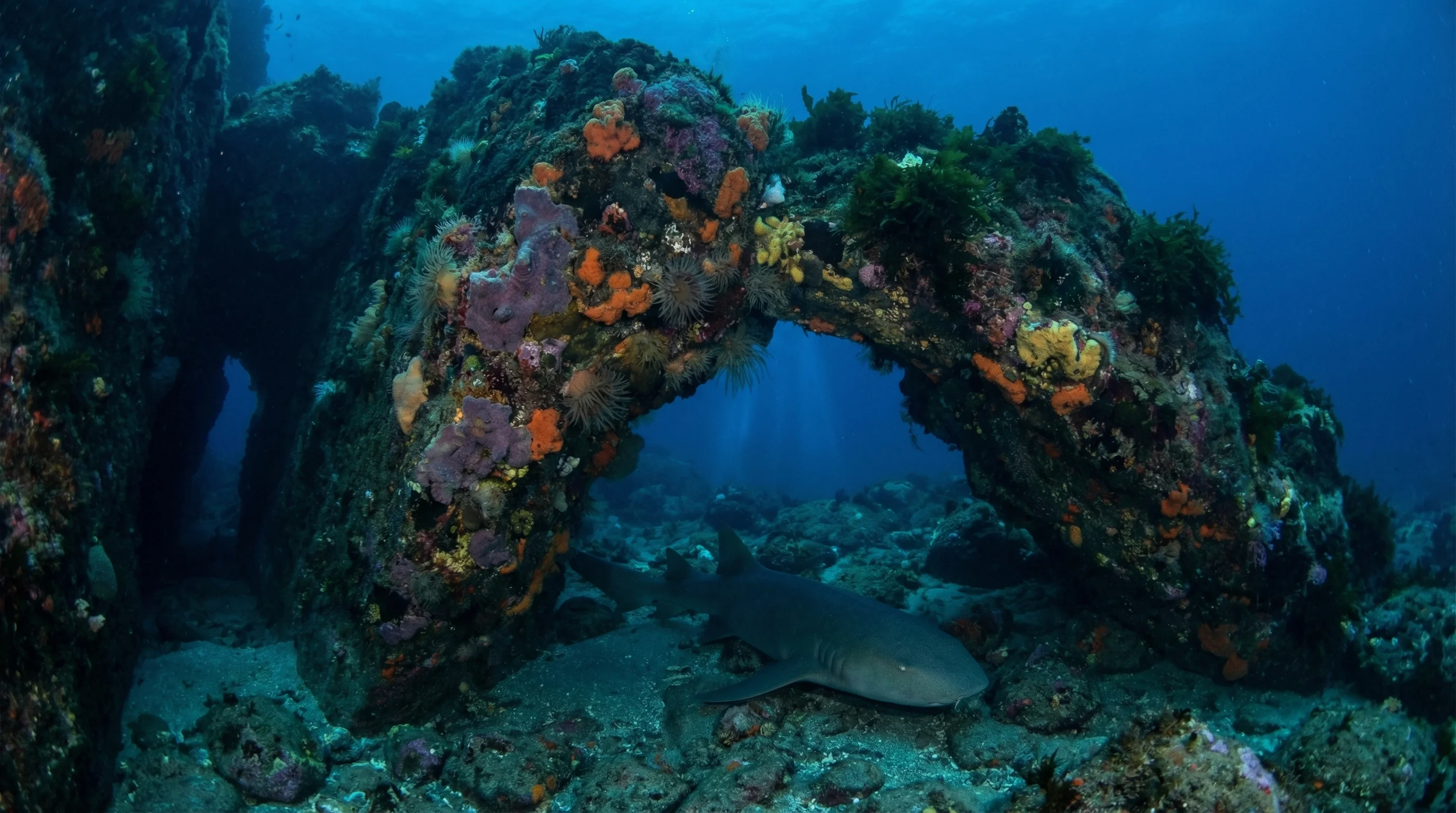 40
40Caves, arches and wrecks define Northland's diving, with moray eels, rays and schooling fish observed across three distinct sub-areas.
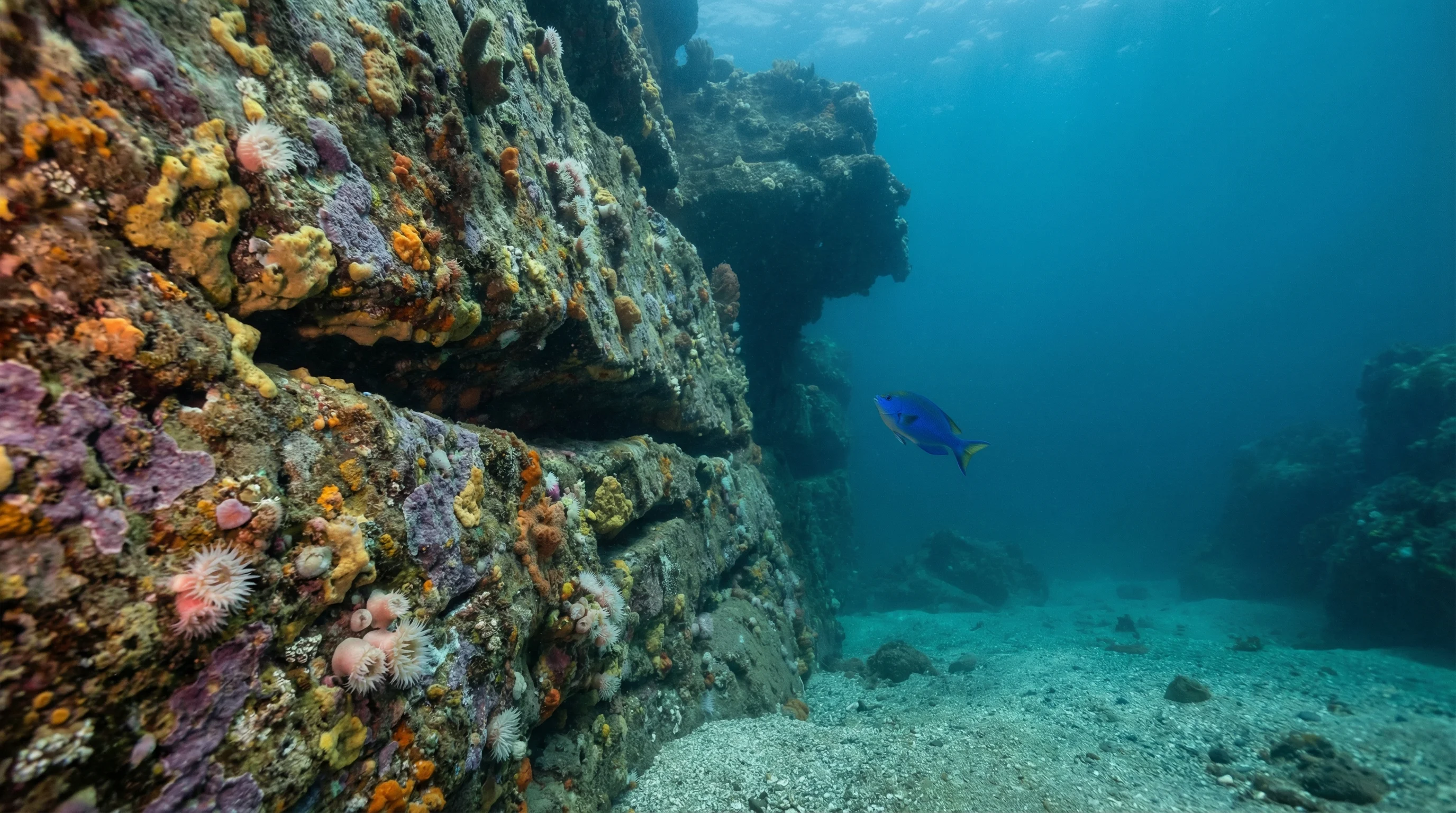 29
29Rocky reefs, pinnacles and kelp forests with Eagle Ray, Green Moray and Long-nosed Fur Seal observed across both sub-areas.
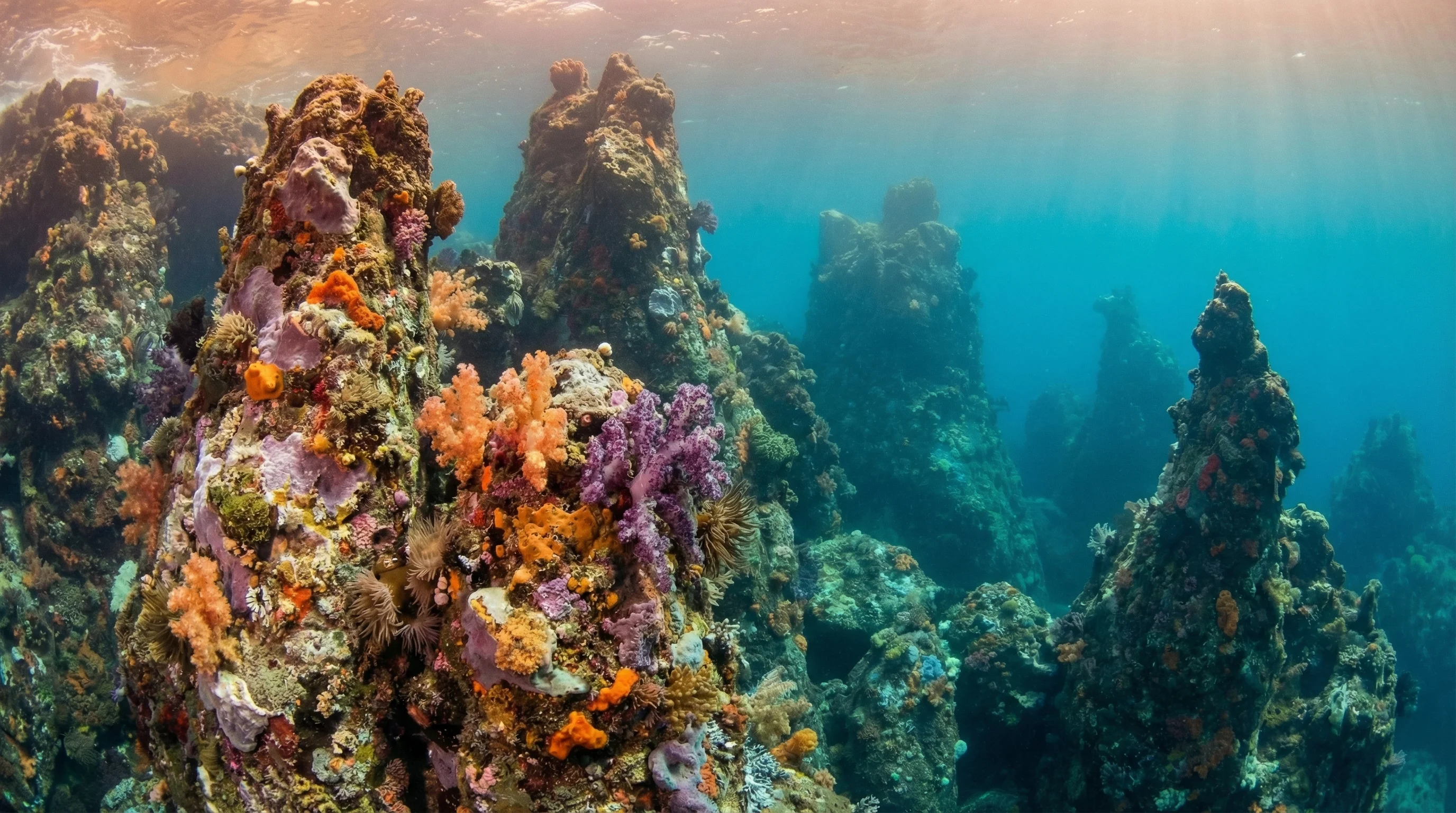
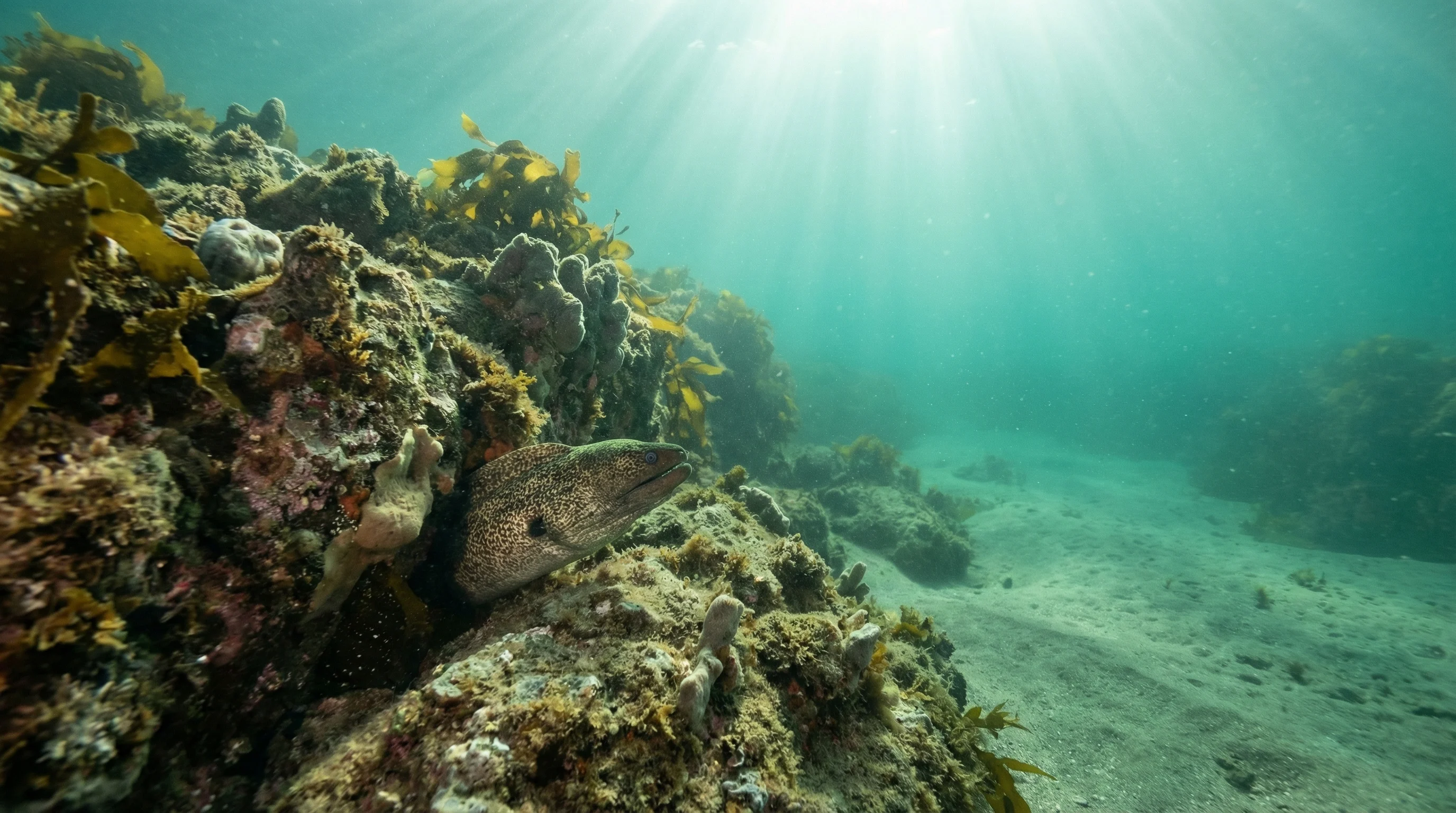
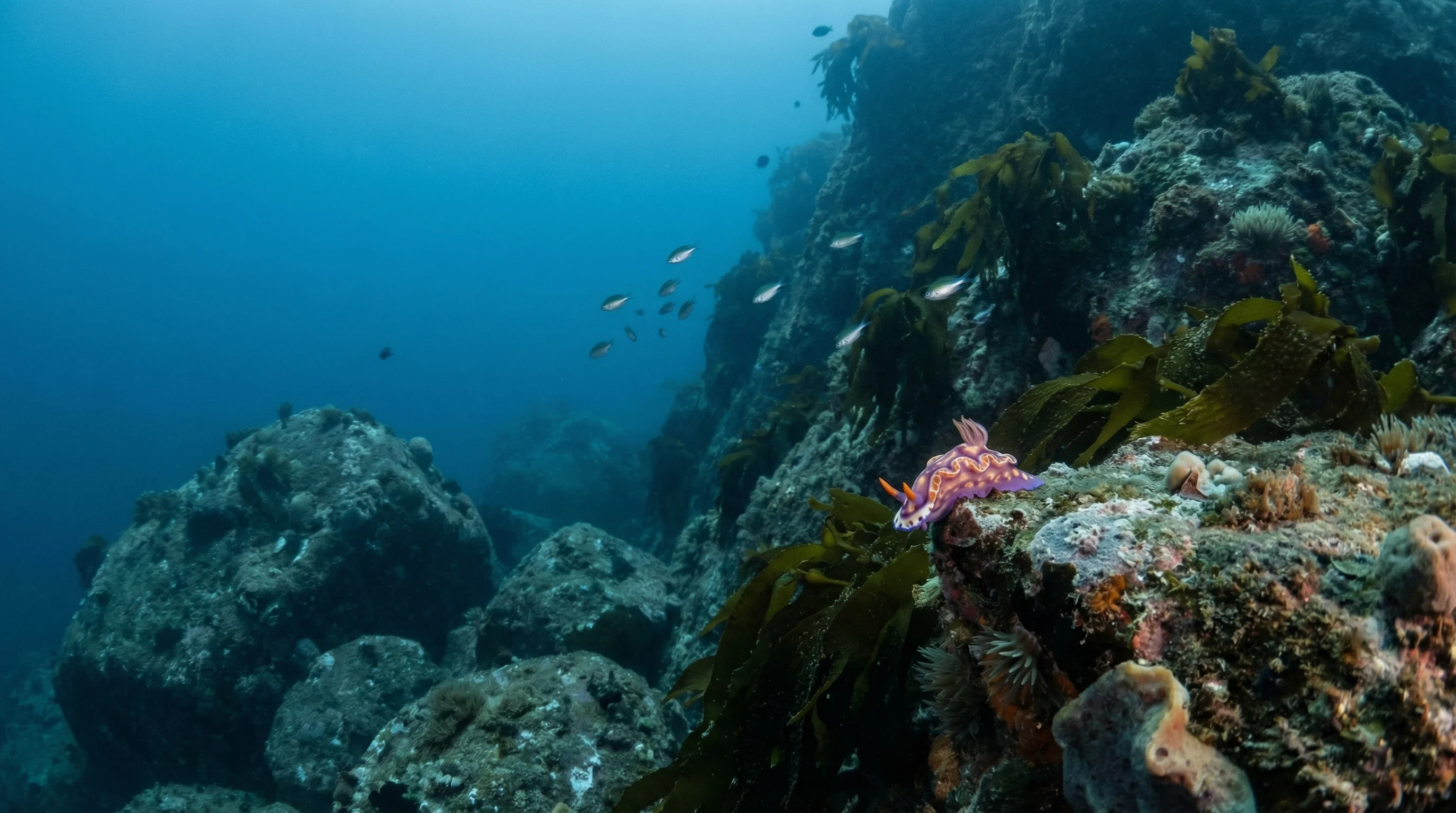
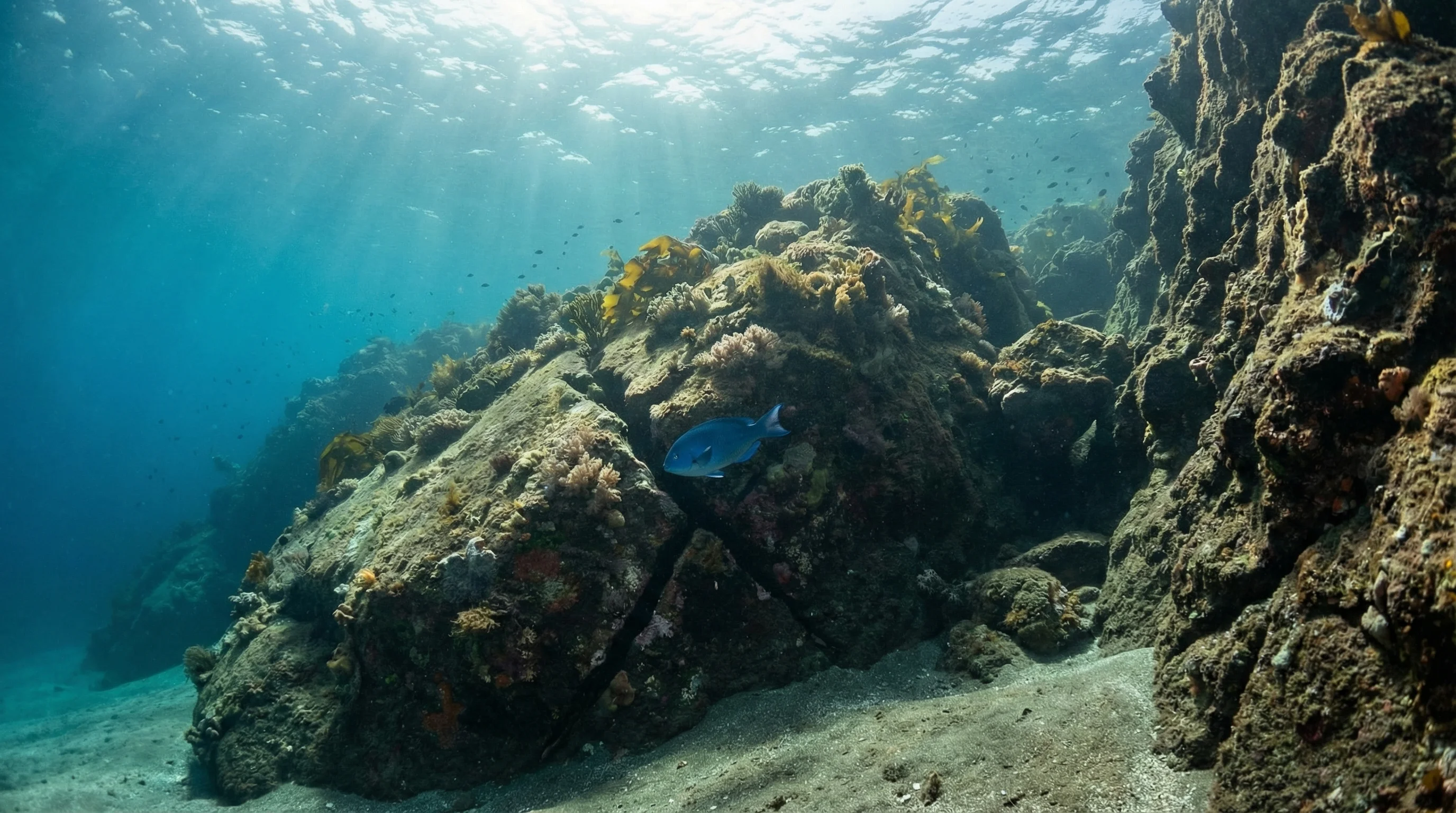
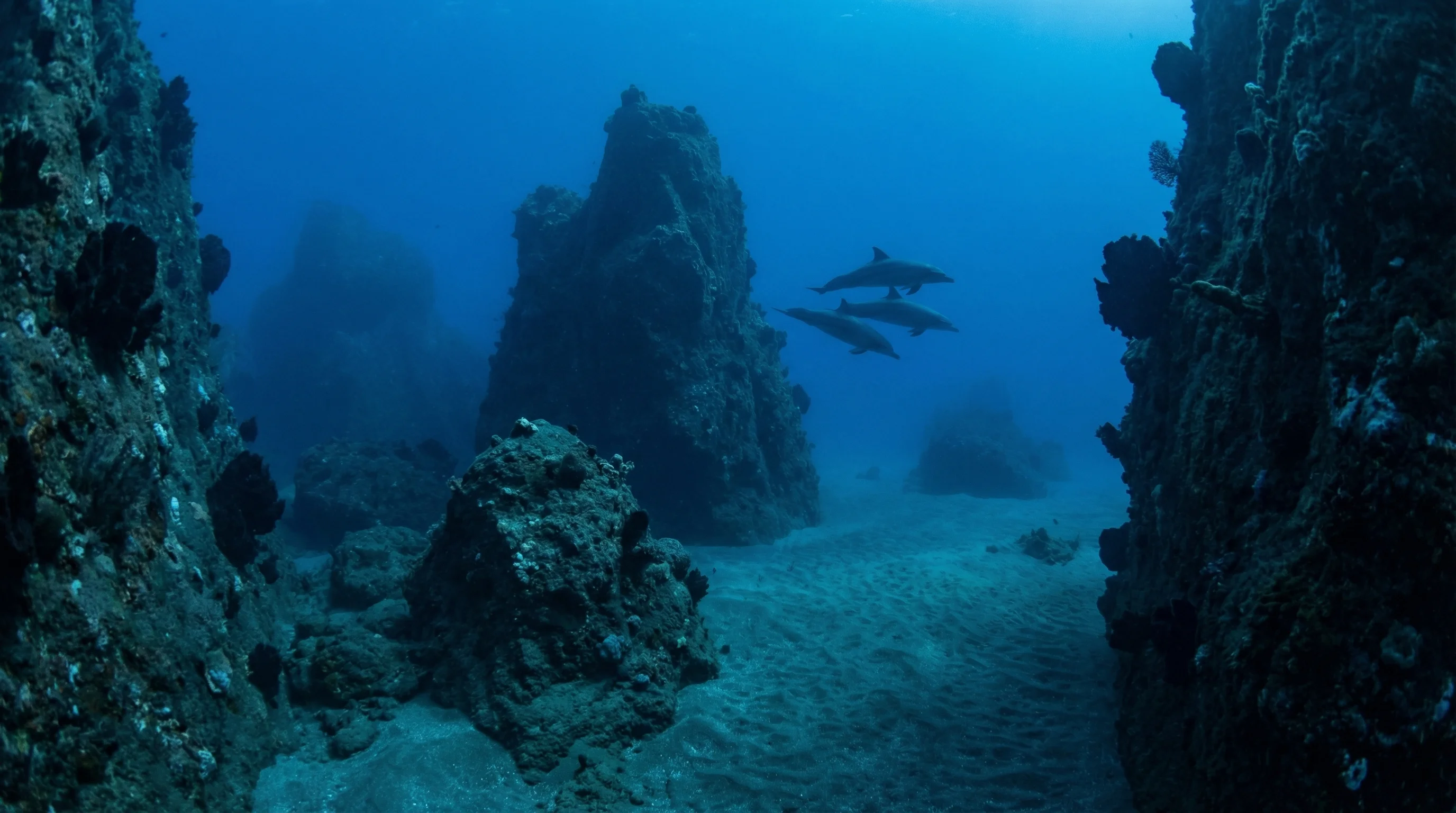
Monthly water temperature across North Island's sites, from satellite sea-surface data corrected for depth. The band shows the site-to-site spread.
Water temperatures peak through summer, from December into March, when conditions are warmest and diver activity is highest according to the best-months data. Winter months bring cooler water and reduced visibility at some exposed sites, and several sites such as Whale Rock and Northern Arch carry notable swell and current exposure year-round. Spring sees conditions begin to improve from September onward, with November marking a clear uptick in favourable diving.
58 operators


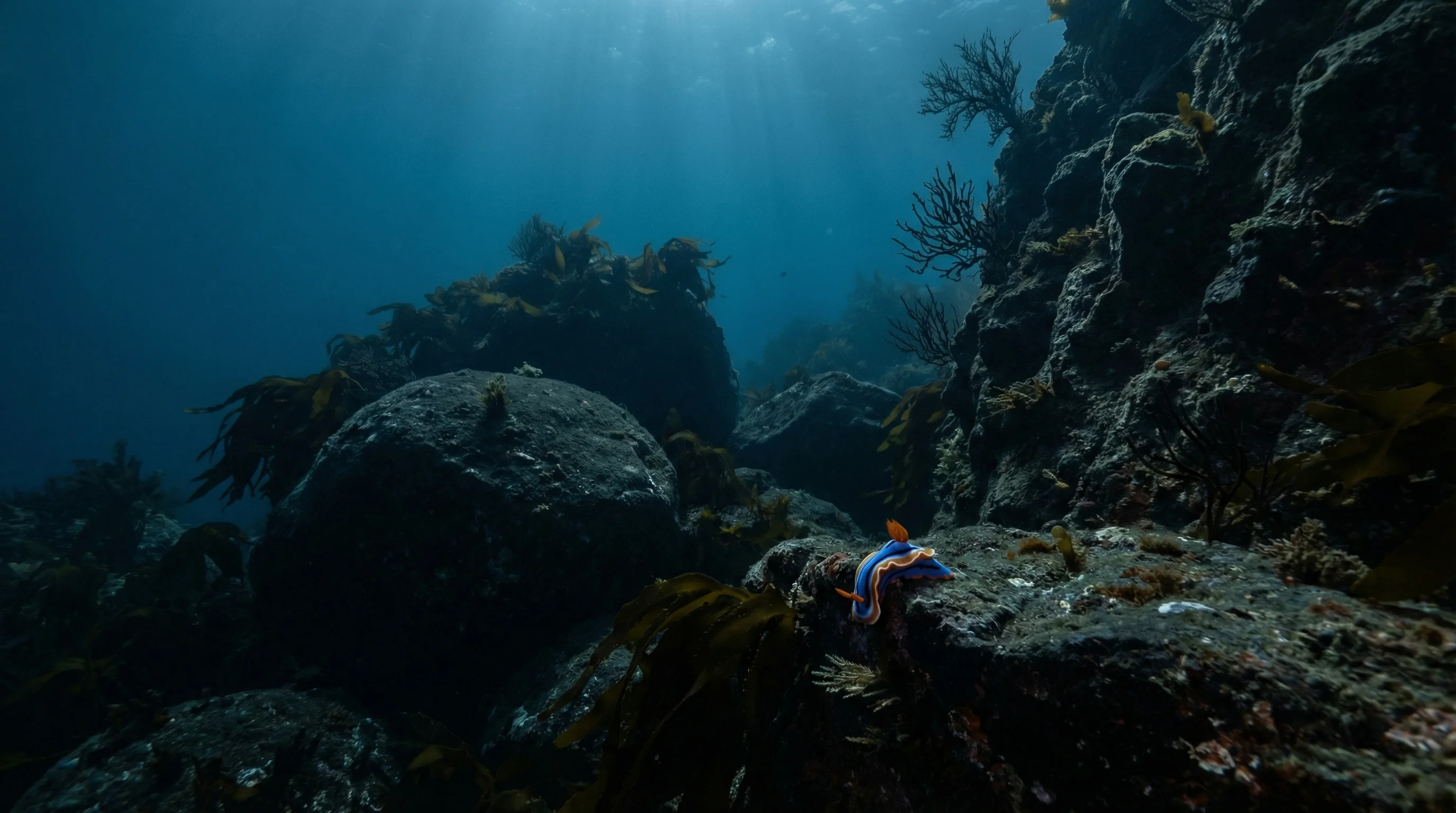
Volcanic island pinnacles, wrecks and fur seal encounters across two contrasting sub-areas off North Island.
Water temperature around North Island ranges from about 15°C in July to 21°C in February, based on satellite sea-temperature data for its dive sites.
In the warm season (about 21°C) a 5mm suit is comfortable in North Island; in the coldest months (about 15°C) step up to a 7mm or semi-dry suit.
Fin maps 175 sites in North Island (156 scuba diving sites and 54 snorkelling spots, with some suited to both), organised into 6 areas.
Across North Island's dive sites, February, March and December are most often reported as the best months to visit.
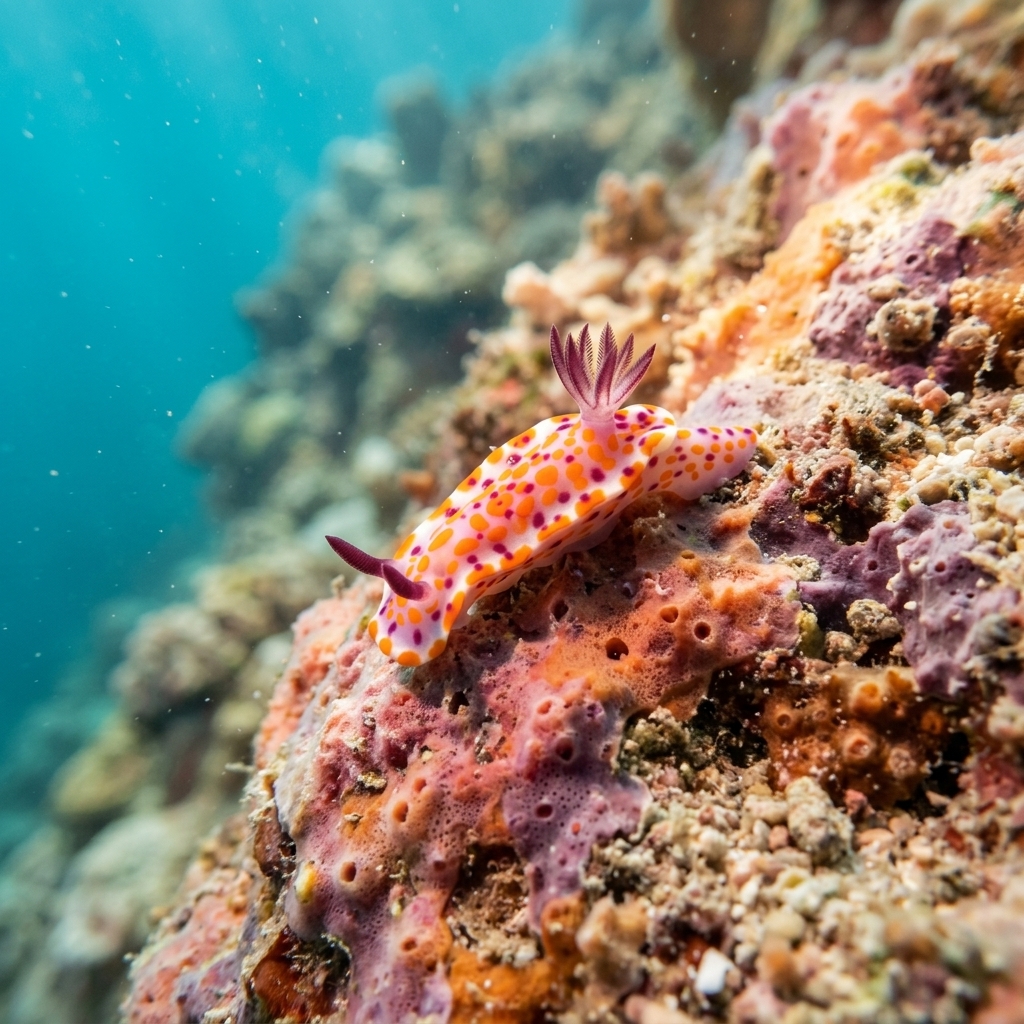
North Island has an impressive range of confirmed sightings. The Long-nosed Fur Seal and Green Moray are commonly encountered, and the Pot-bellied Seahorse is a regional signature species. Smooth Ray, Eagle Ray, New Zealand Octopus, Southern Rock Lobster, Scorpionfish and Kingfish all appear regularly across the site network.
Yes, several sites are rated for beginner divers. Mahurangi Island offers shore entry over shallow reefs and kelp forest, while Mao Mao Arch and Mooring Bay are boat-access reef dives with straightforward profiles. The HMNZS Wellington wreck in Wellington's Outer Harbour is also beginner-friendly, sitting upright at moderate depth.
Northland is home to the Poor Knights Islands sites, characterised by deep arches, walls and caves requiring intermediate to advanced skills. Coromandel and Bay of Plenty offer a broad mix from beginner reefs to complex multi-level dives. Auckland provides accessible urban diving, while Wellington stands apart with a well-known wreck site and reef dives influenced by stronger southern currents.
The majority of top sites across North Island are accessed by boat, including the Aldermen Islands, Poor Knights Islands arches and Kapiti Island. Shore entry is available at selected sites such as Whale Rock and Mahurangi Island. A range of operators, including Dive Tutukaka, Goat Island Dive and Snorkel, and Dive Zone Tauranga, run regular boat charters to the more remote locations.