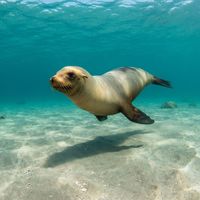
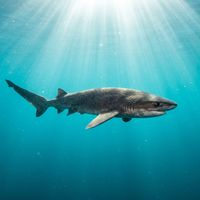
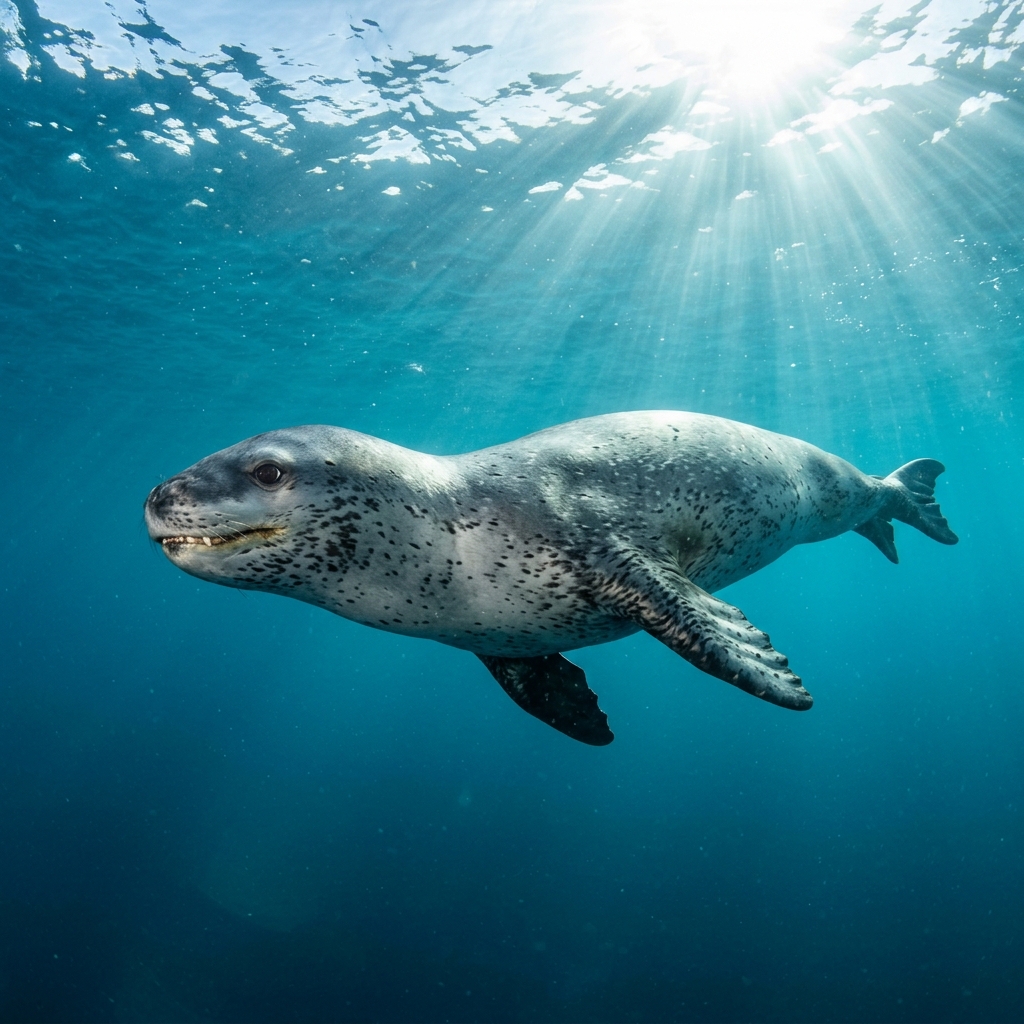
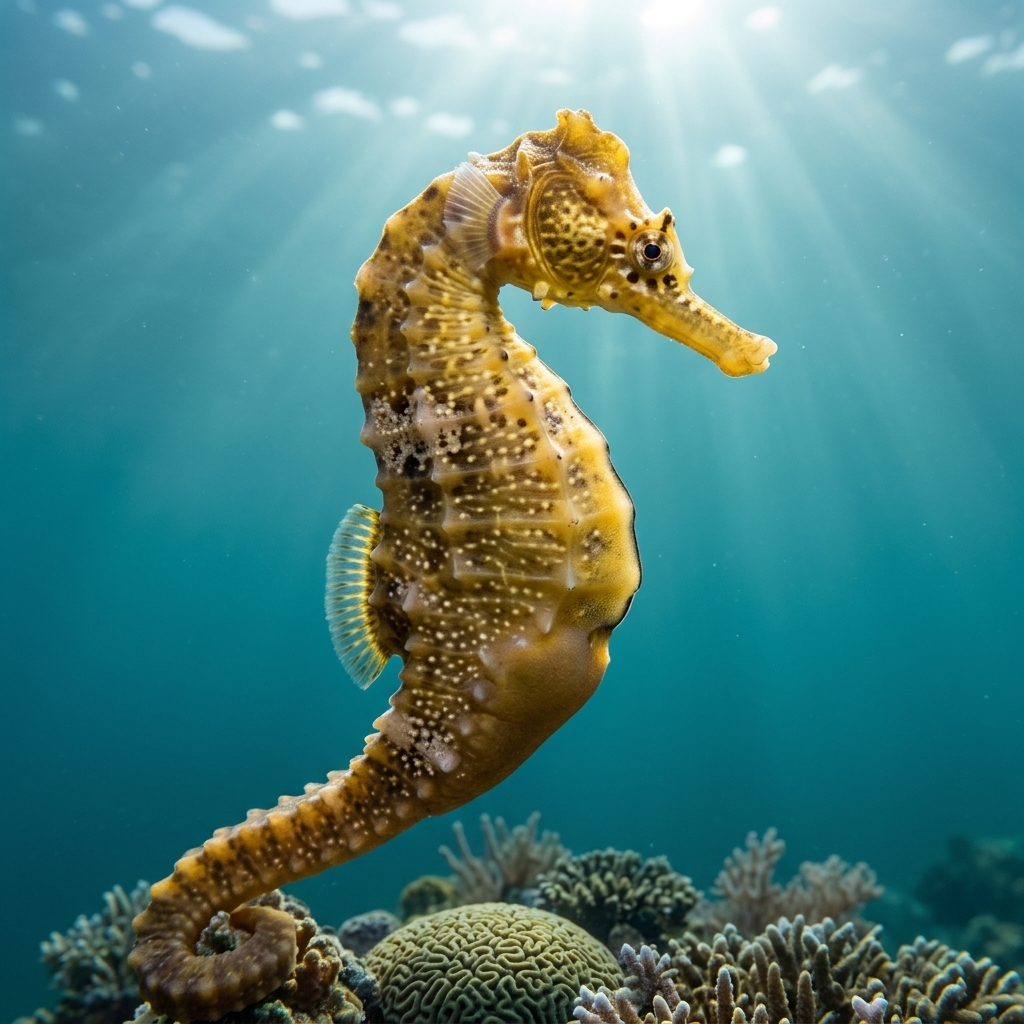
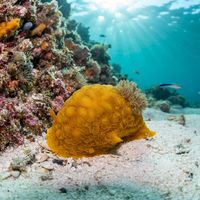
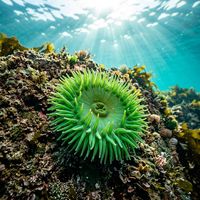
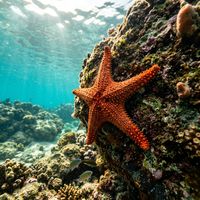
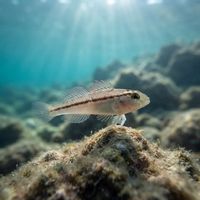
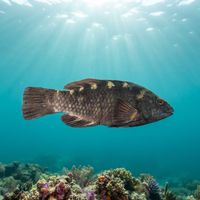
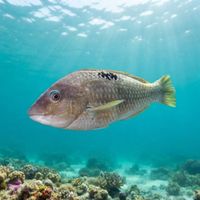
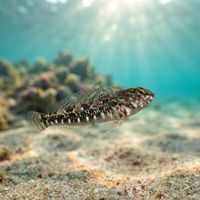
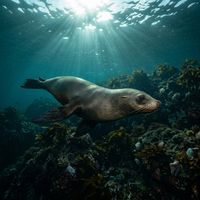
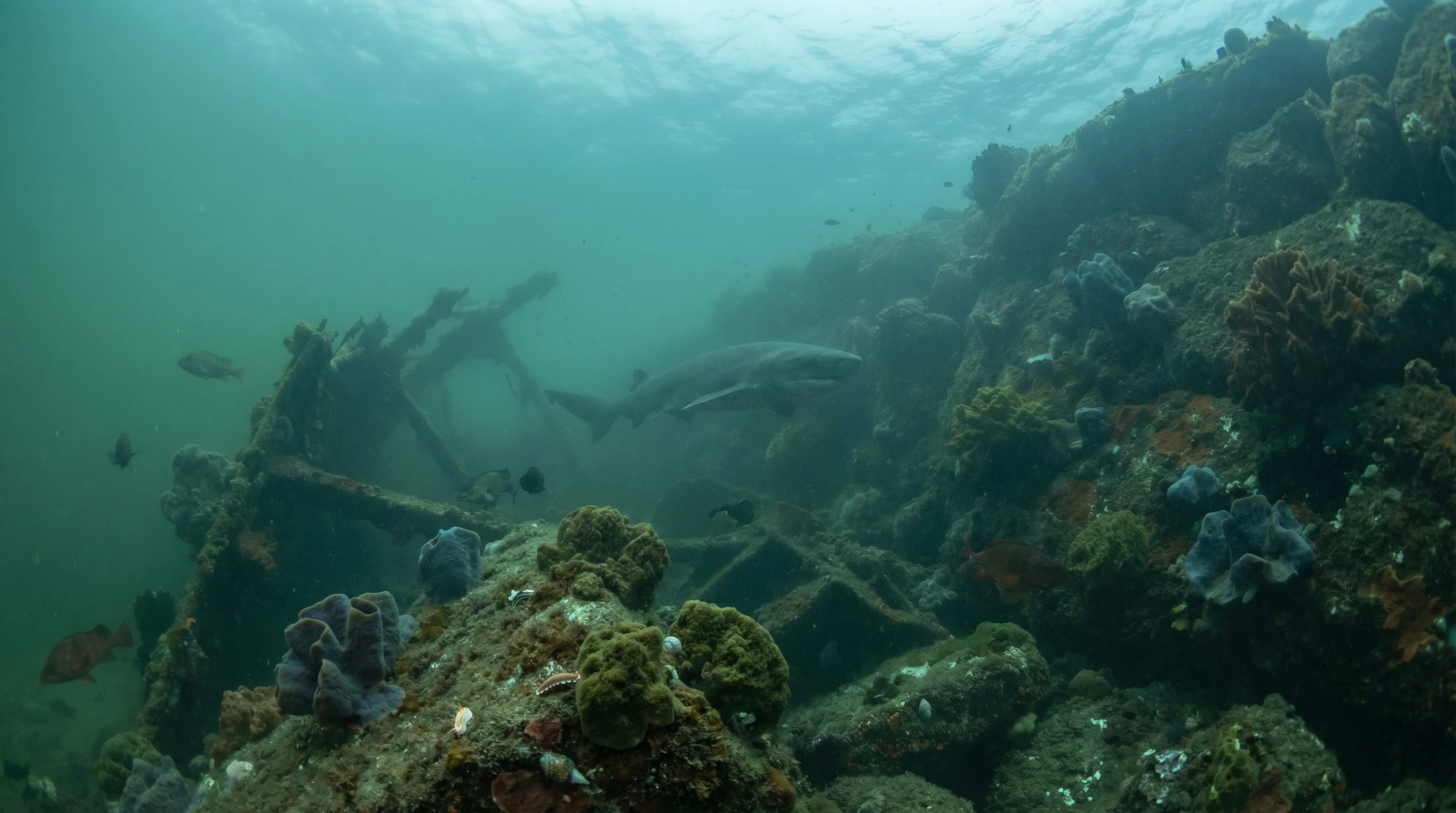
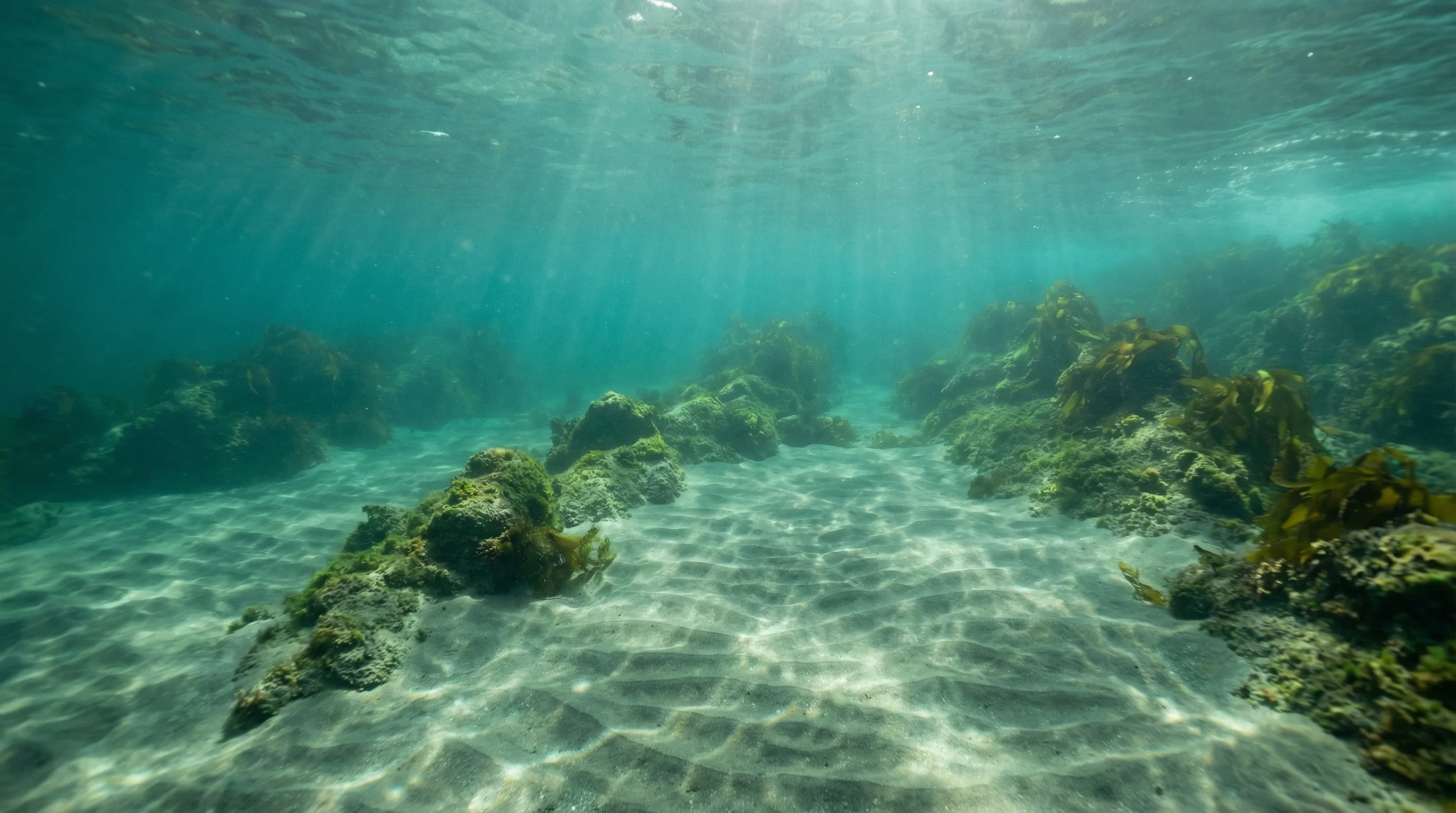
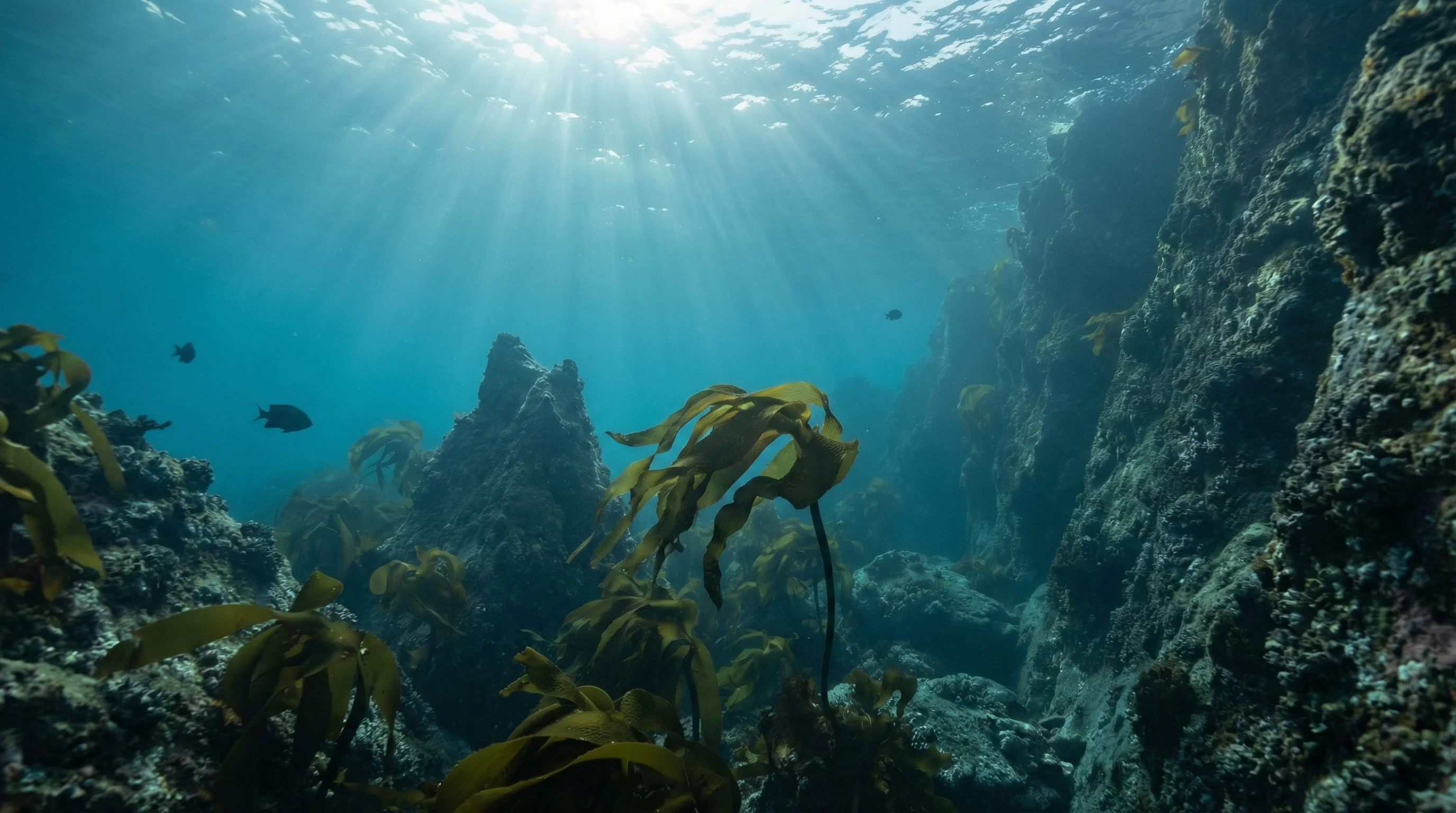
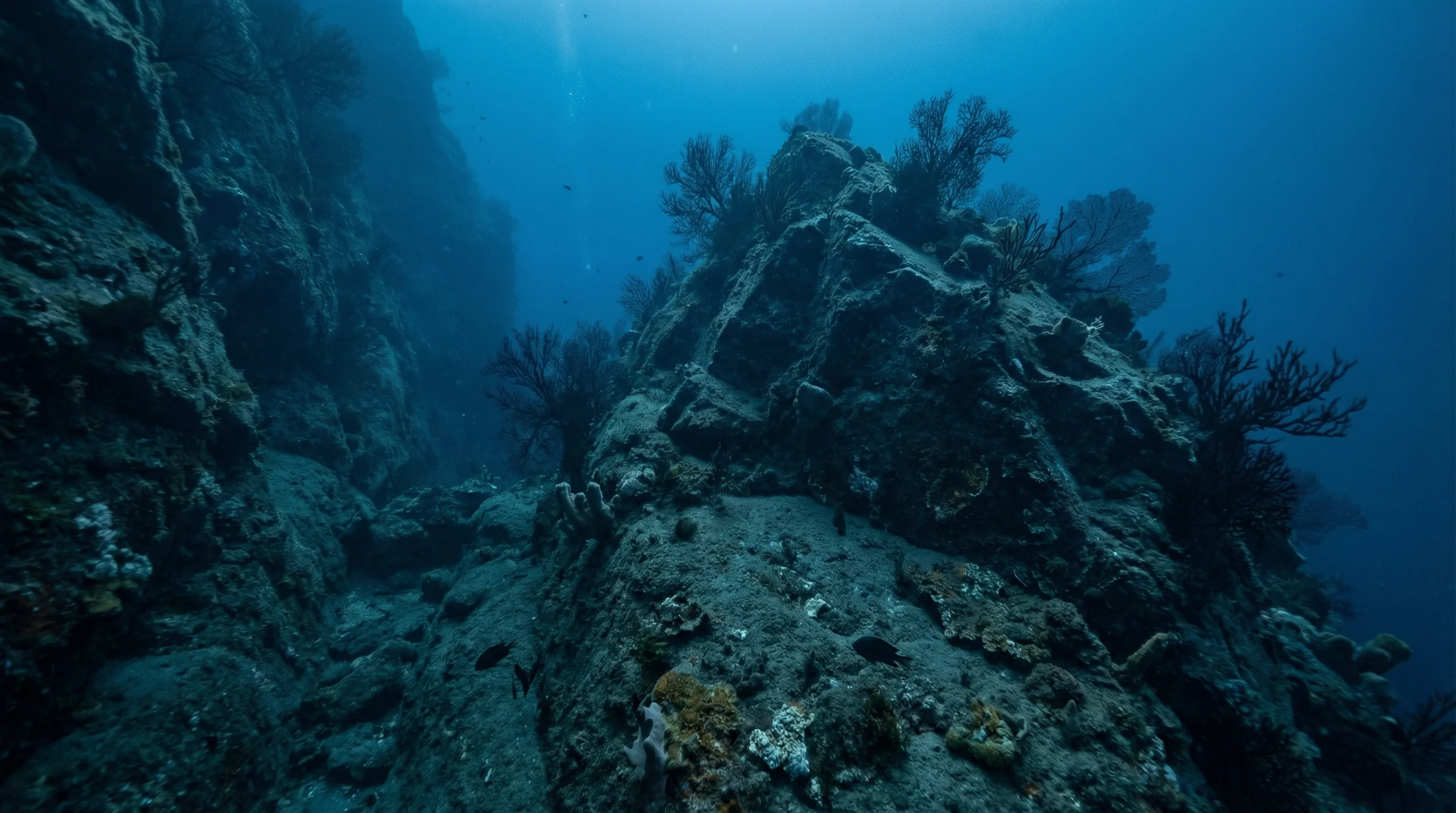
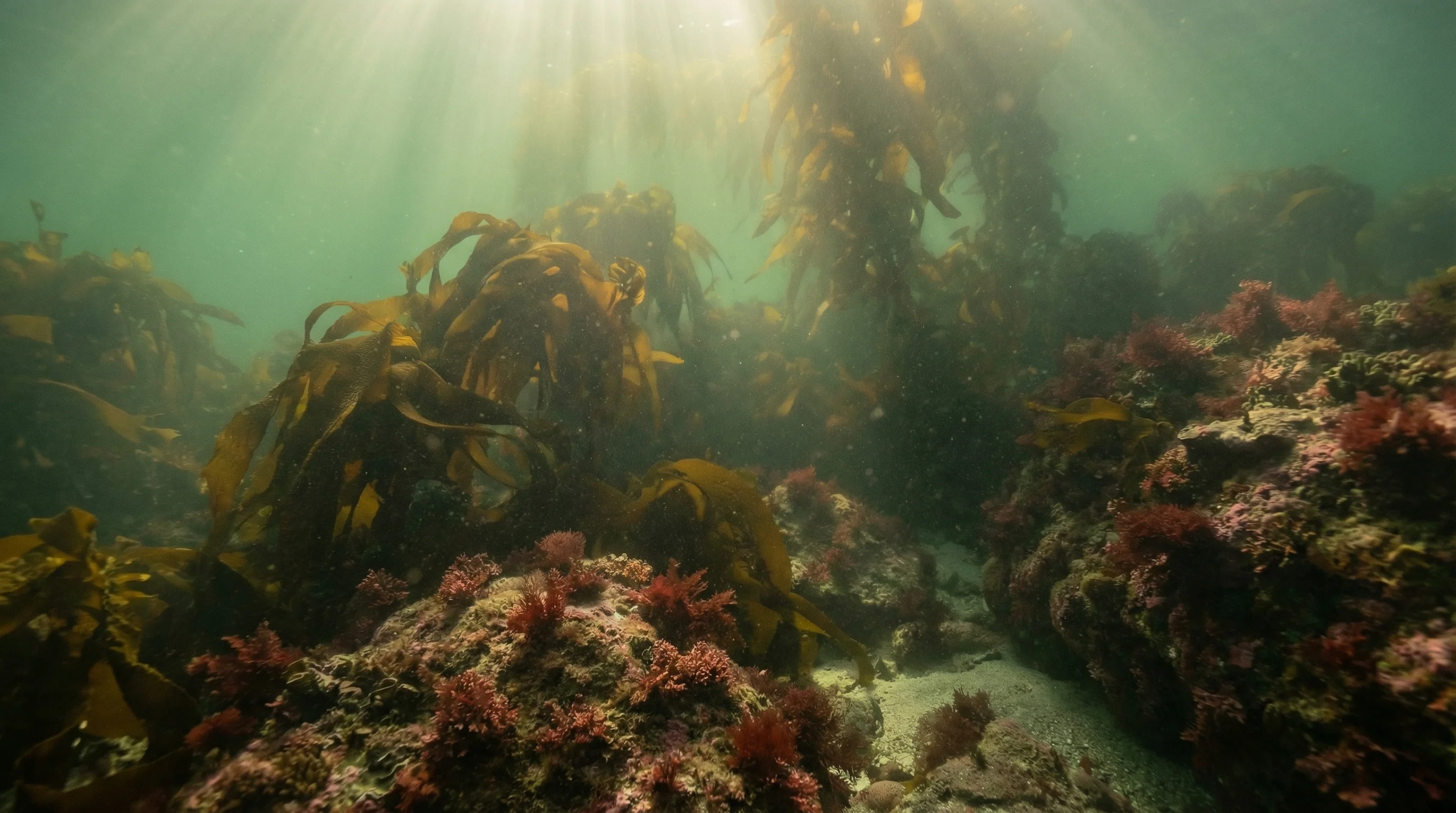
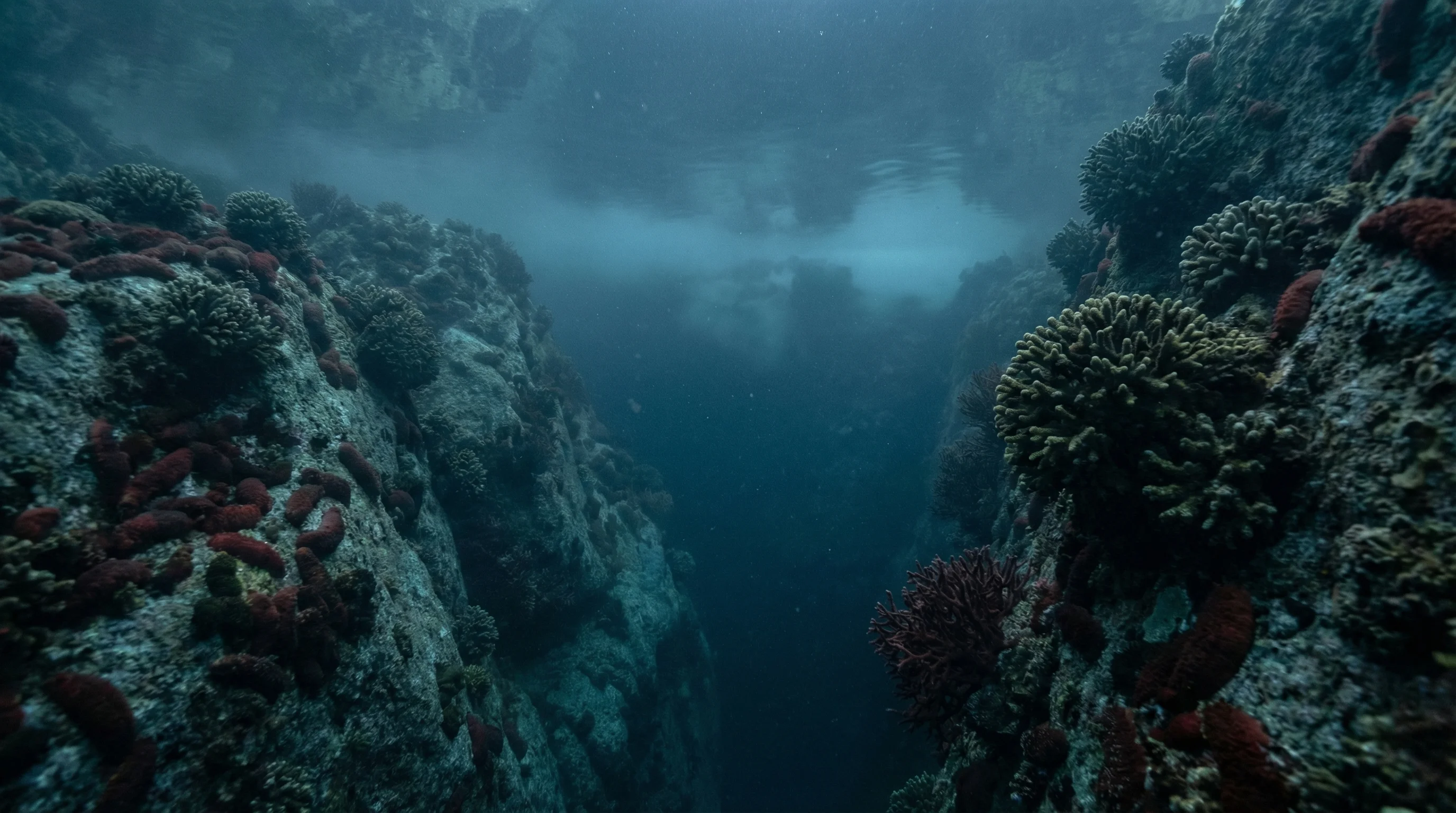
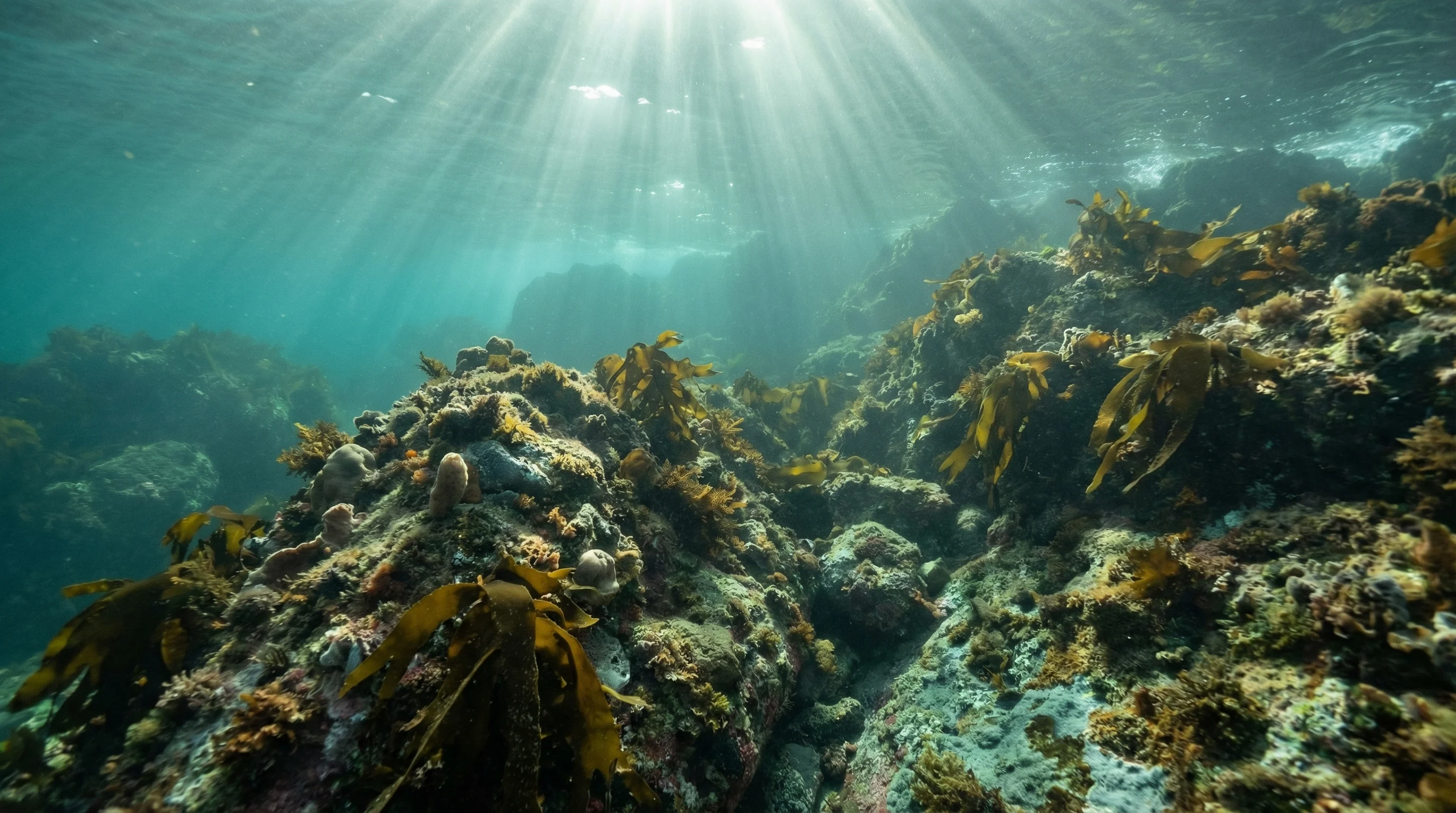
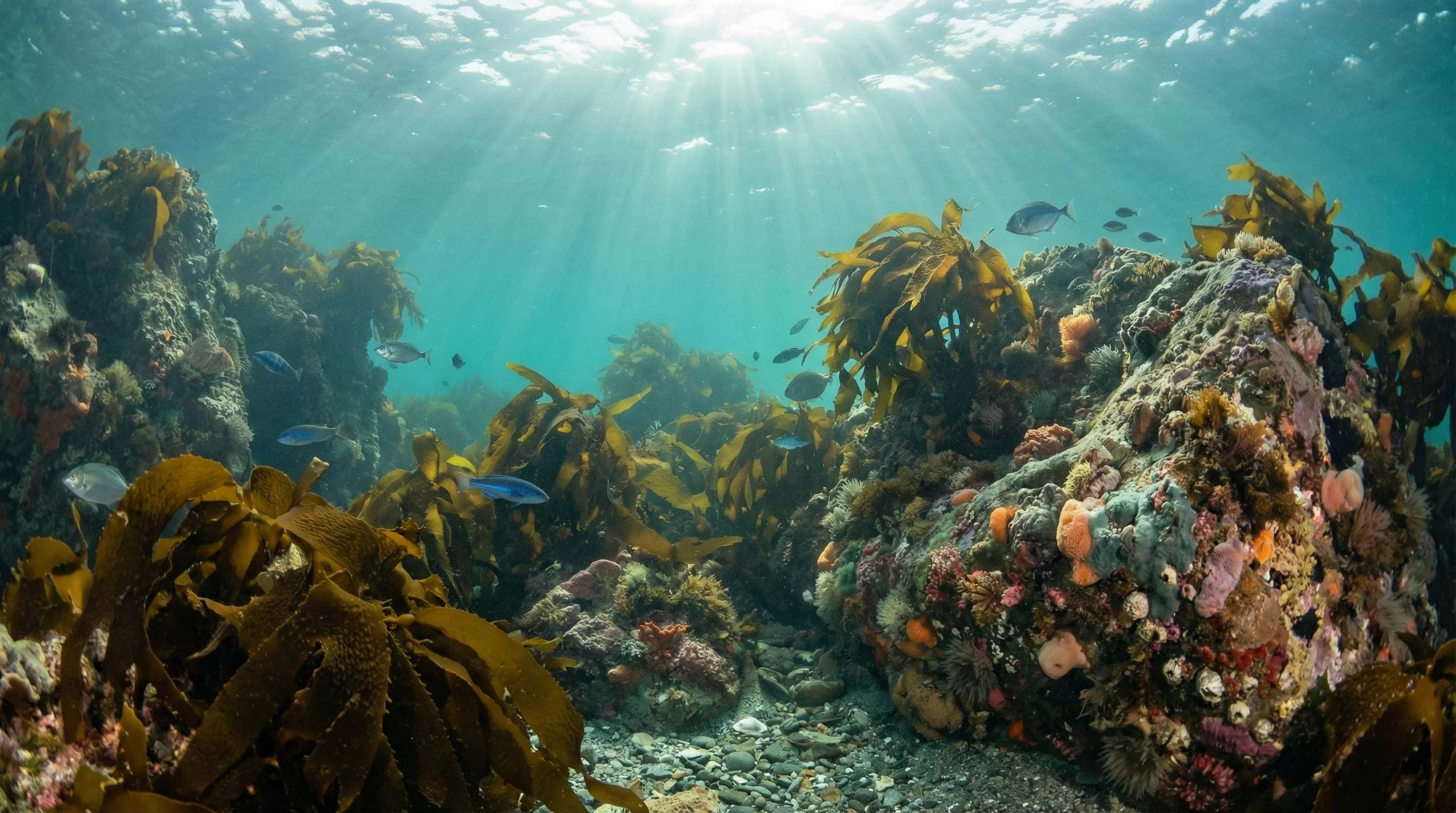
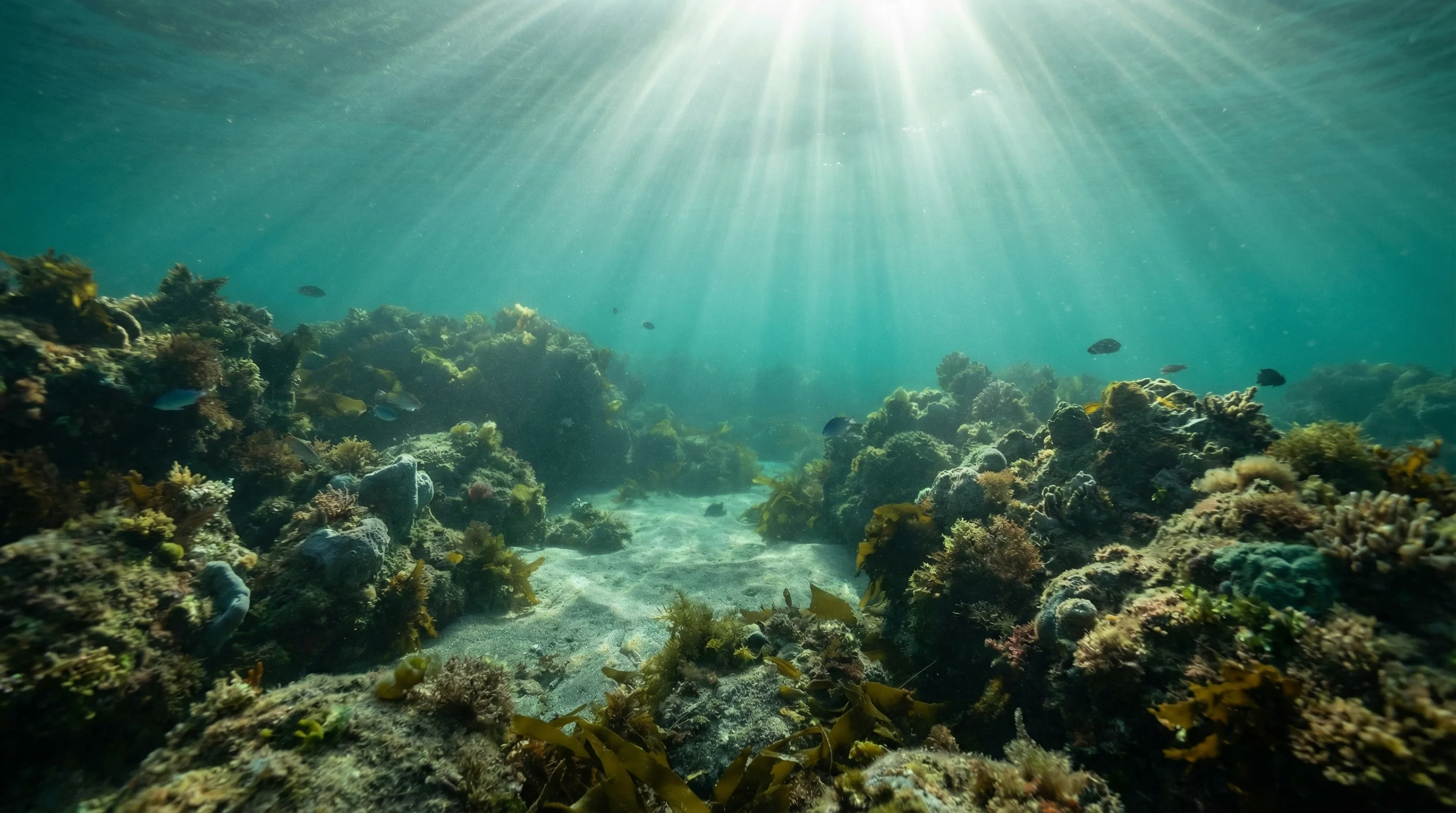
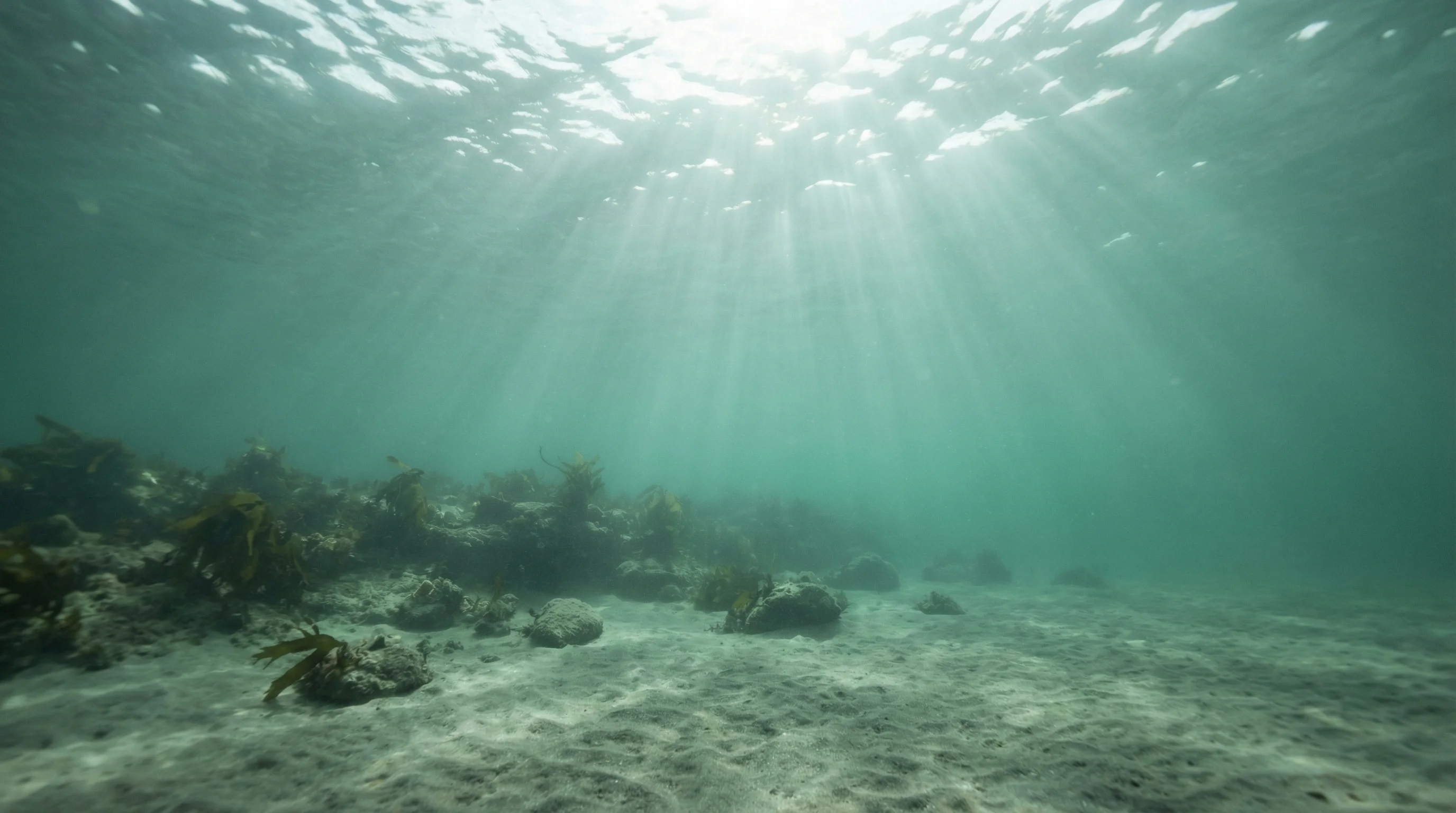
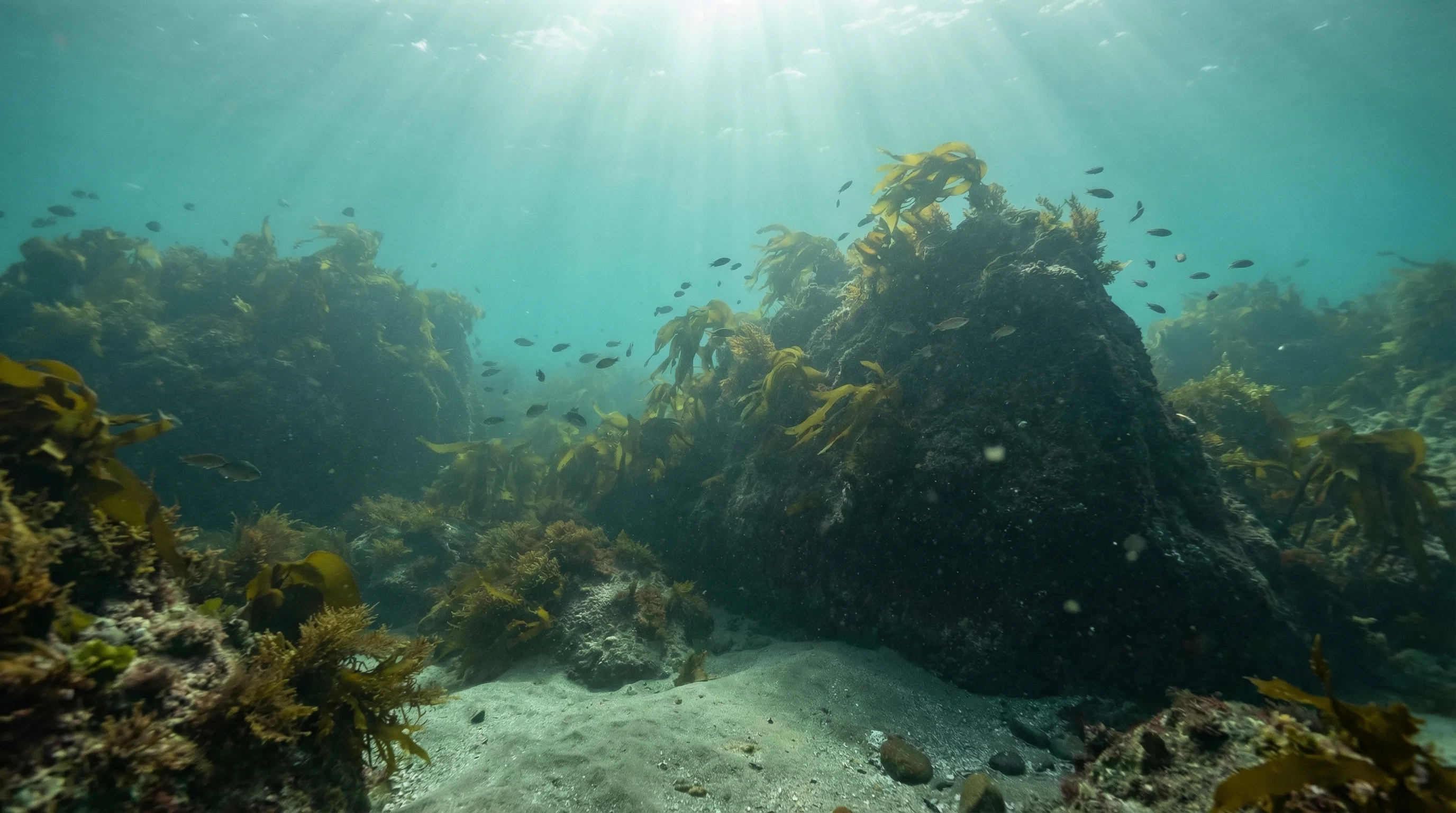
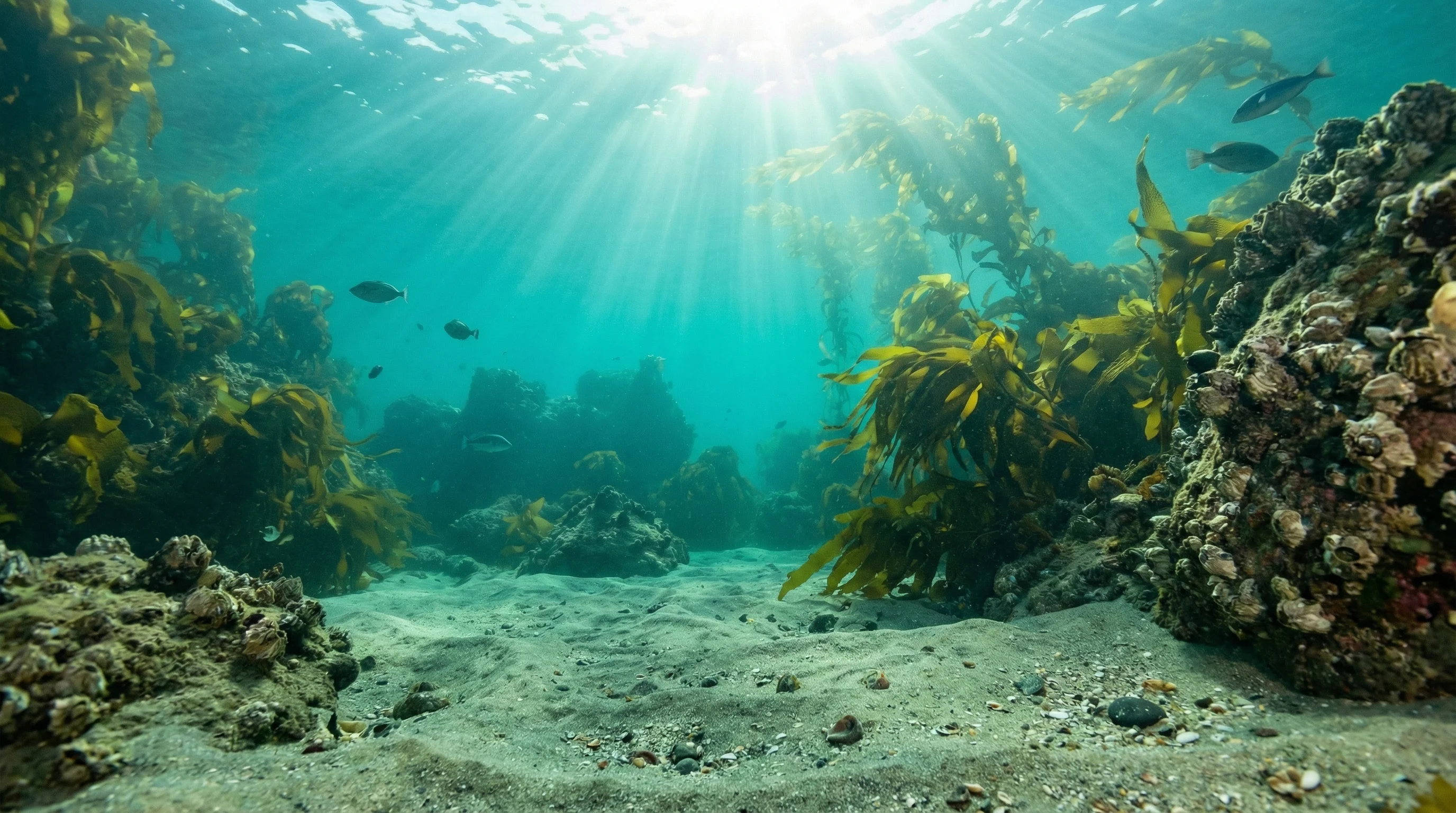
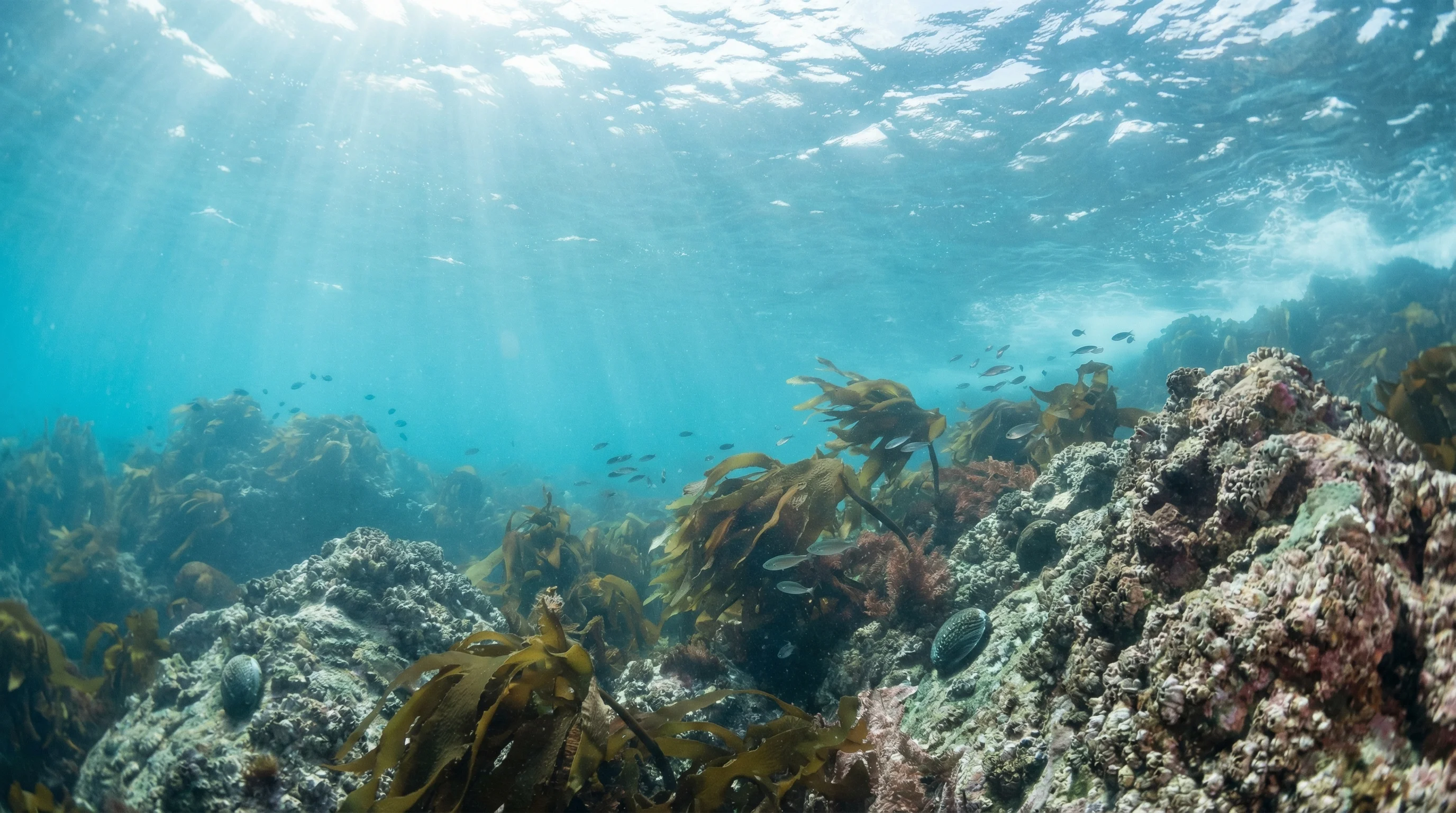
Stewart Island / Rakiura offers cold-water diving shaped by exposed southern coasts and a rich, invertebrate-dominated seafloor. Sea Star and Brittle Star carpet the bottom across nearly every site, while Blue Cod and Tube Worm are constant companions. The signature draw is large fauna: Broadnose Sevengill Shark is commonly encountered, and Leopard Seal appearances make this one of the few places divers cross paths with that species. Pot-bellied Seahorse and Long-nosed Fur Seal round out an unexpectedly varied cast.
Monthly water temperature across Stewart Island / Rakiura's sites, from satellite sea-surface data corrected for depth. The band shows the site-to-site spread.
Water stays cold year-round, warming slightly through late summer before dropping to its coolest in late winter and early spring. The best-months data spreads fairly evenly across the calendar, with a slight lean toward summer and autumn months, suggesting conditions are workable in most seasons for well-equipped divers. Exposure to southern swells means surface conditions can change quickly, so checking local weather before each dive is essential.
3 operators
New Zealand
New Zealand
New Zealand
14 more sites to explore
Water temperature around Stewart Island / Rakiura ranges from about 11°C in July to 15°C in January, based on satellite sea-temperature data for its dive sites.
In the warm season (about 15°C) a 7mm or semi-dry suit is comfortable in Stewart Island / Rakiura; in the coldest months (about 11°C) step up to a drysuit.
Fin maps 14 sites in Stewart Island / Rakiura (9 scuba diving sites and 5 snorkelling spots).
The Broadnose Sevengill Shark is the most reliably encountered large species, recorded as common across the majority of sites. Leopard Seal sightings are occasional but observed, making Stewart Island / Rakiura one of the rare places divers may meet this animal underwater. Long-nosed Fur Seal also appears from time to time.
The cold water, potential for swell exposure and the presence of large sharks suggest this region suits experienced divers rather than beginners. Water temperatures remain cold throughout the year, demanding proper thermal protection and familiarity with diving in challenging conditions. Those new to diving should gain experience in more sheltered, warmer waters first.
The benthos is dominated by invertebrates: Sea Star and Brittle Star are observed across virtually every site, and Sea Squirt and Tube Worm are extremely widespread. Sea Anemone and Abalone are common, and the Eleven-armed Sea Star appears at many sites. Blue Cod is the most prominent fish species encountered regularly on the reef.
The current data does not list any operators with a permanent base in the region. Divers planning a trip should research liveaboard or day-trip options departing from nearby areas, and confirm availability well in advance given the remote nature of Stewart Island / Rakiura.