Hippocampus abdominalis
Find pot-bellied seahorses in Victoria, Tasmania and New Zealand's cooler waters. Commonly logged Nov, Aug across southern Australia and NZ dive sites.
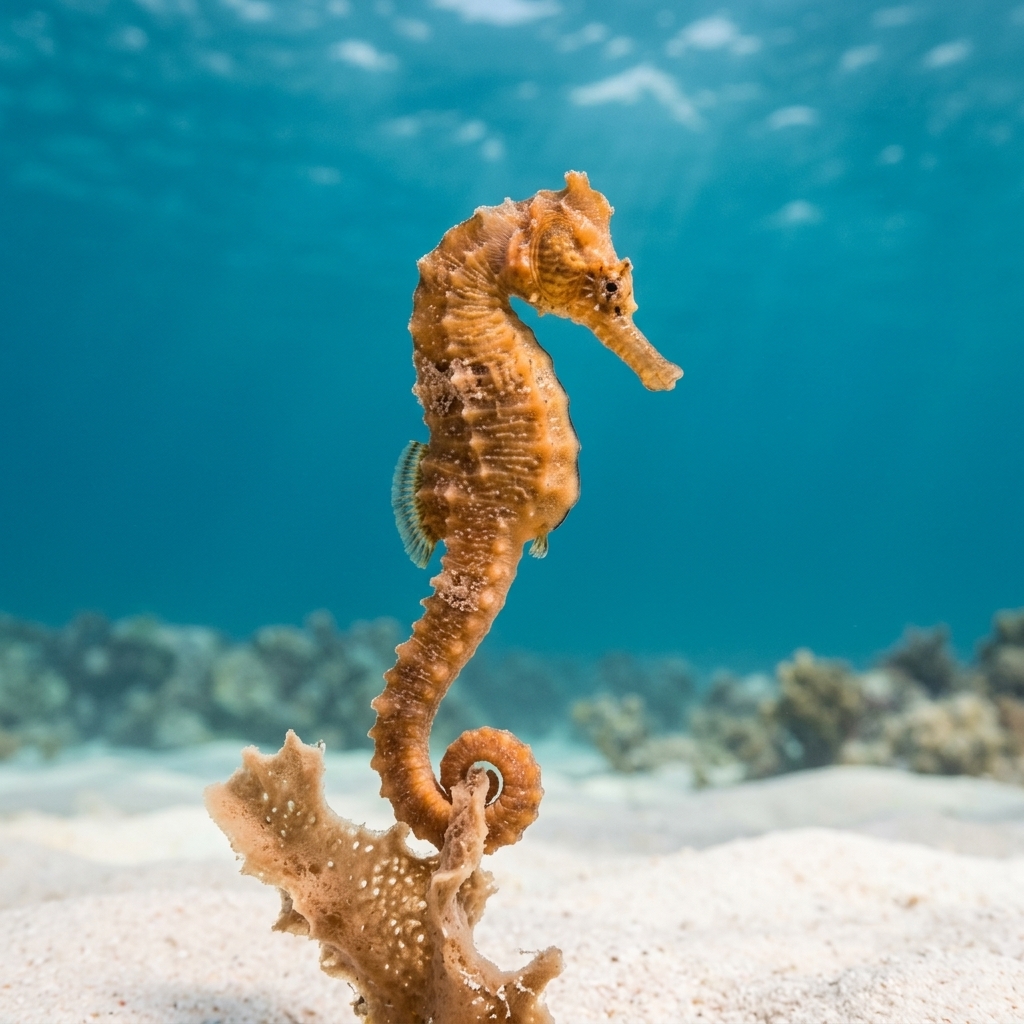
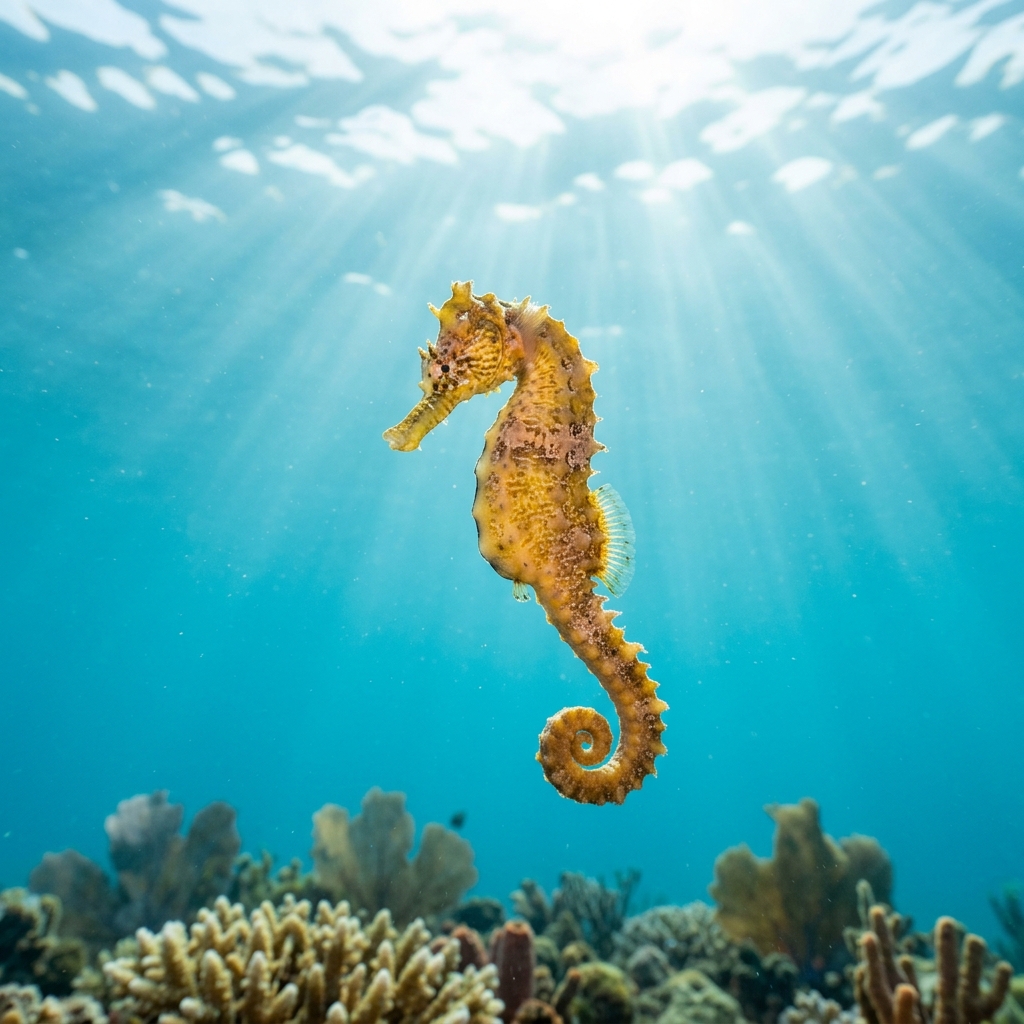
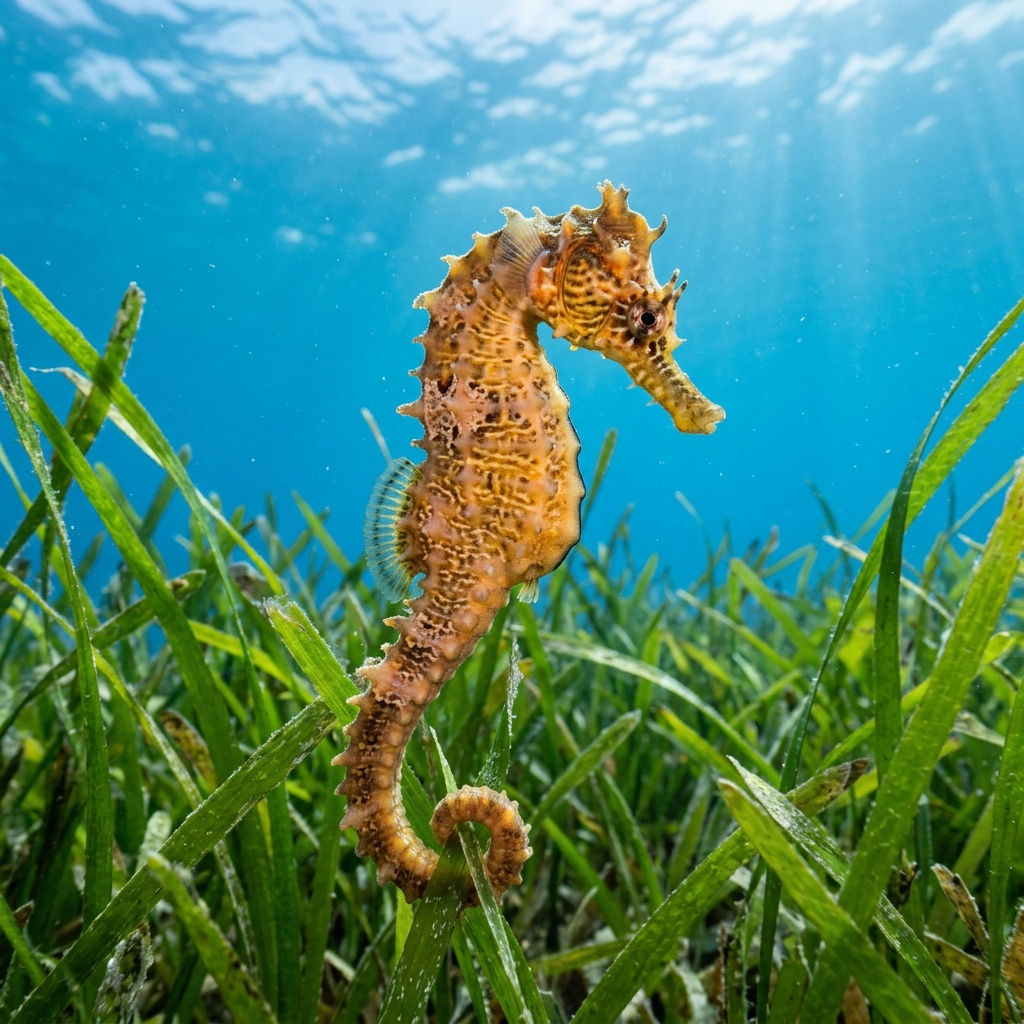
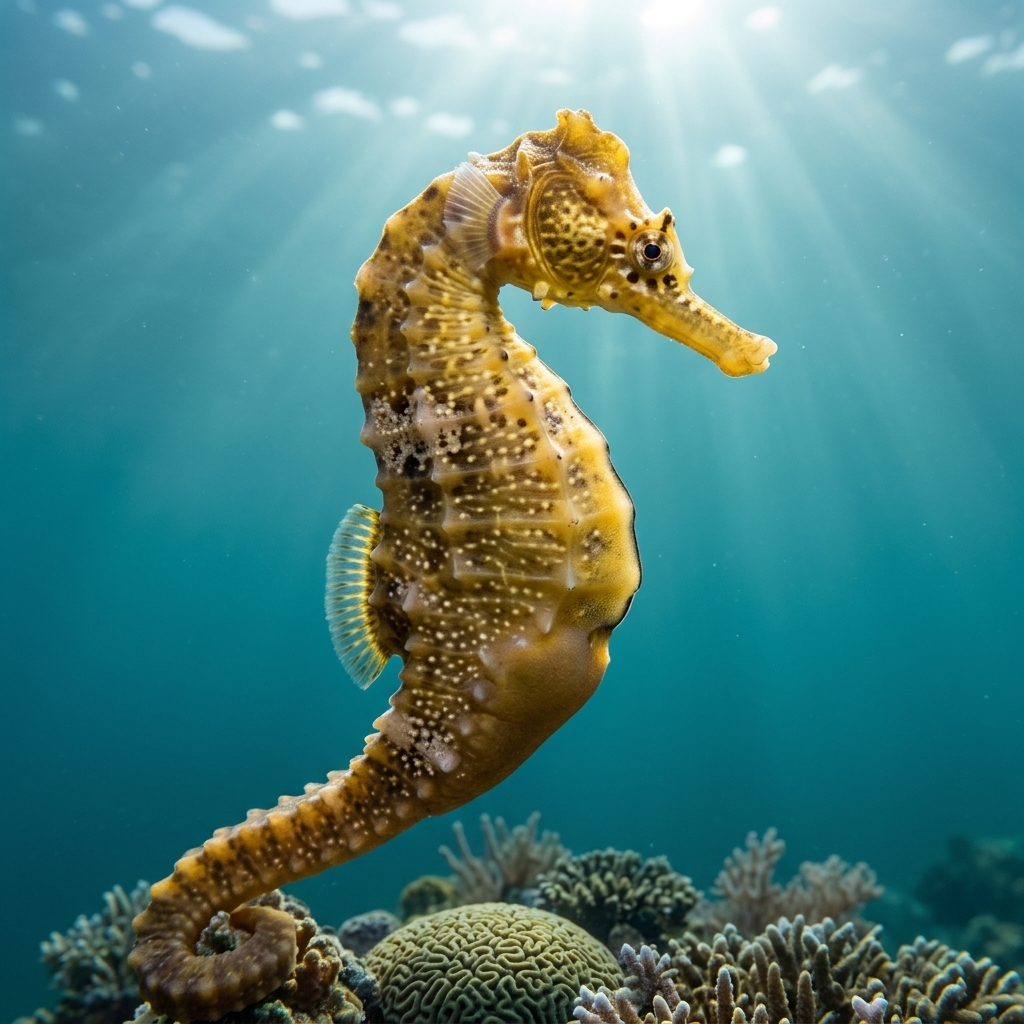
The rounded, protruding belly is the single easiest feature to lock onto underwater, it gives this species a noticeably pot-bellied silhouette that stands out even among other seahorses. Colouration is highly variable, ranging from pale yellow and grey to dark brown with mottled or blotchy patterning, so focus on body shape rather than colour. This is one of the largest seahorse species in the world, and that bulk is obvious in the water. Males carry the brood in a pouch on the front of the trunk, making the belly appear even more swollen during pregnancy.
Pot-bellied seahorses anchor themselves to seagrass, kelp, and sponges using their prehensile tail, and they are typically found sitting very still, easy to miss against a weedy or rocky background. When approached by a diver they tend to tighten their grip and turn slightly away rather than flee, which makes careful, slow approaches rewarding. Look for them at depths accessible to recreational divers in sheltered bays, estuaries, and weedy reef edges.
Like all seahorses, it is the male that becomes pregnant: the female deposits eggs into the male's brood pouch, where he fertilises and carries them until birth. Males of this species can give birth to several hundred young in a single brood.
Sightings concentrate from November through to August across its Southern Hemisphere range, suggesting a slight dip in records only during the late southern-winter to early-spring months. Water temperatures at observed sites run from roughly 14 to 20 °C, so the cool temperate conditions of southern Australia and New Zealand are suitable for much of the year.
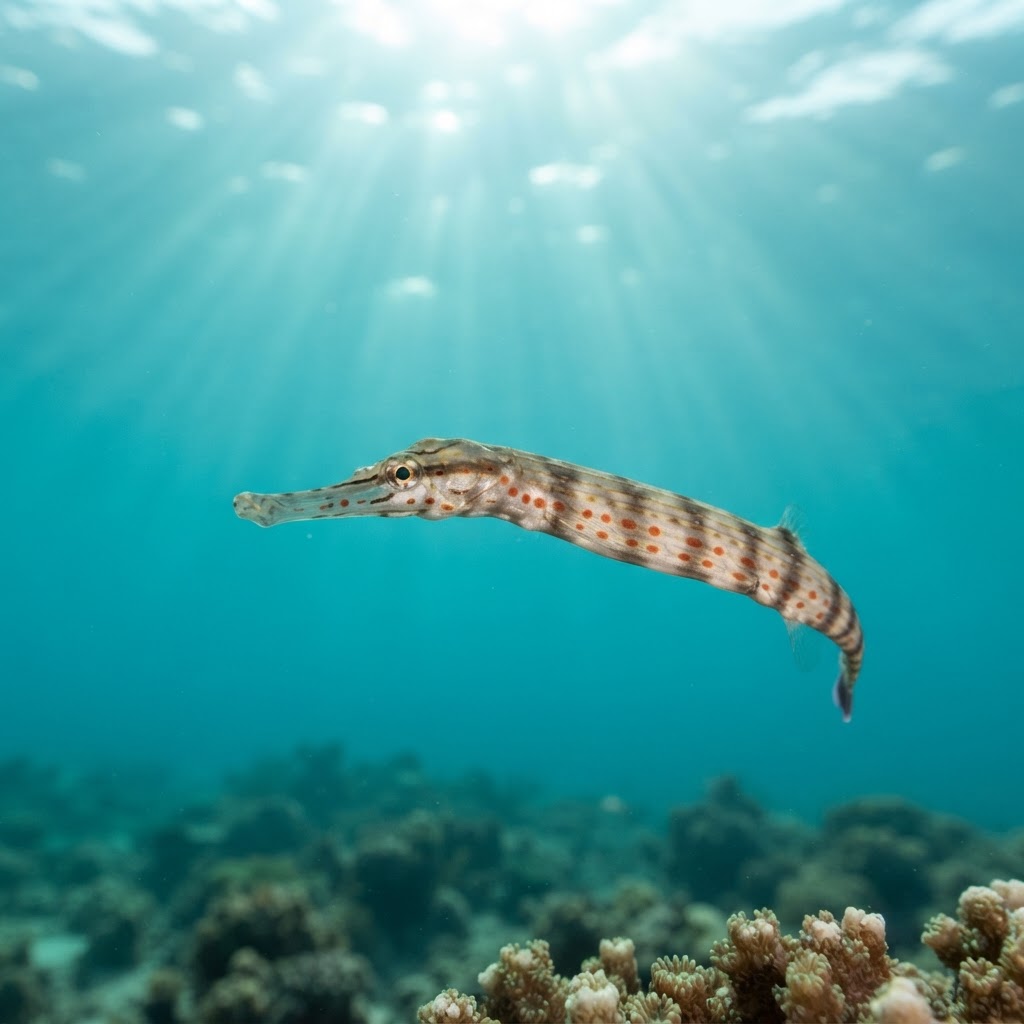
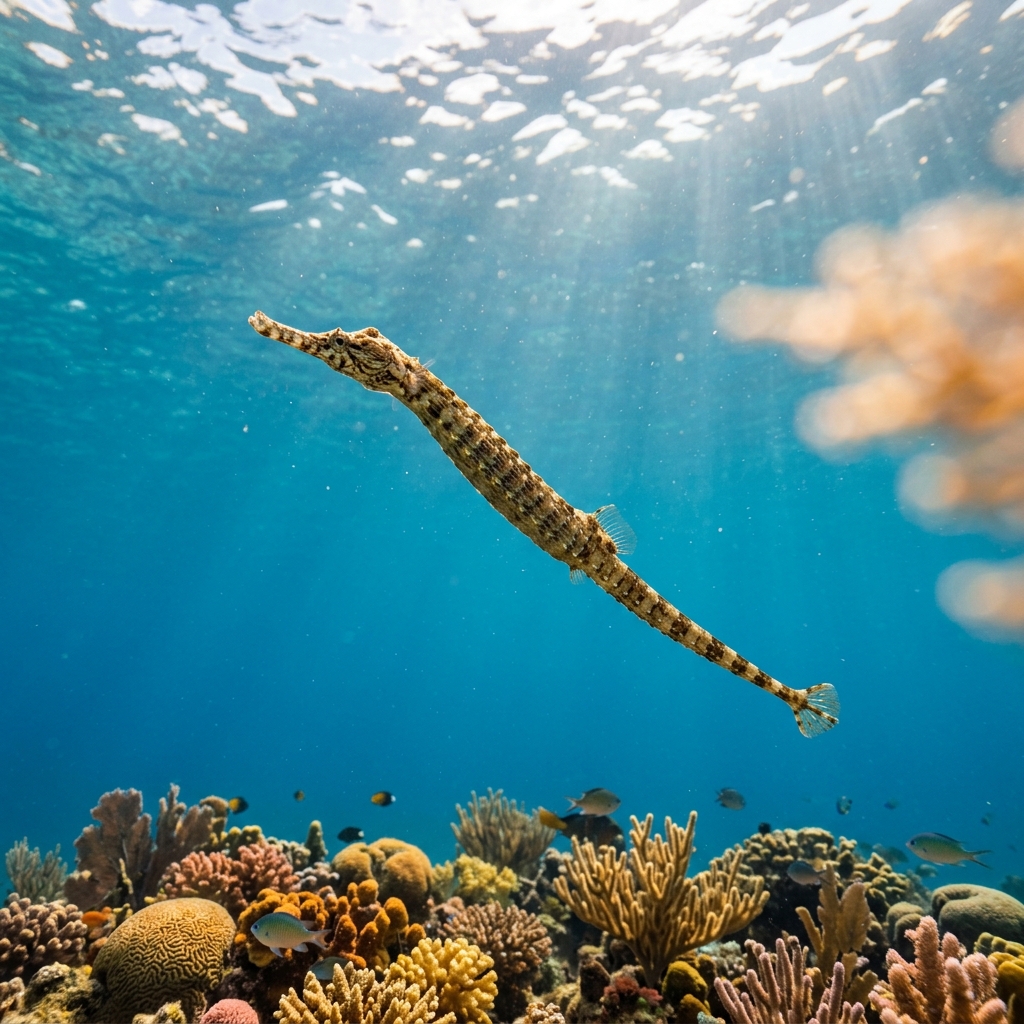
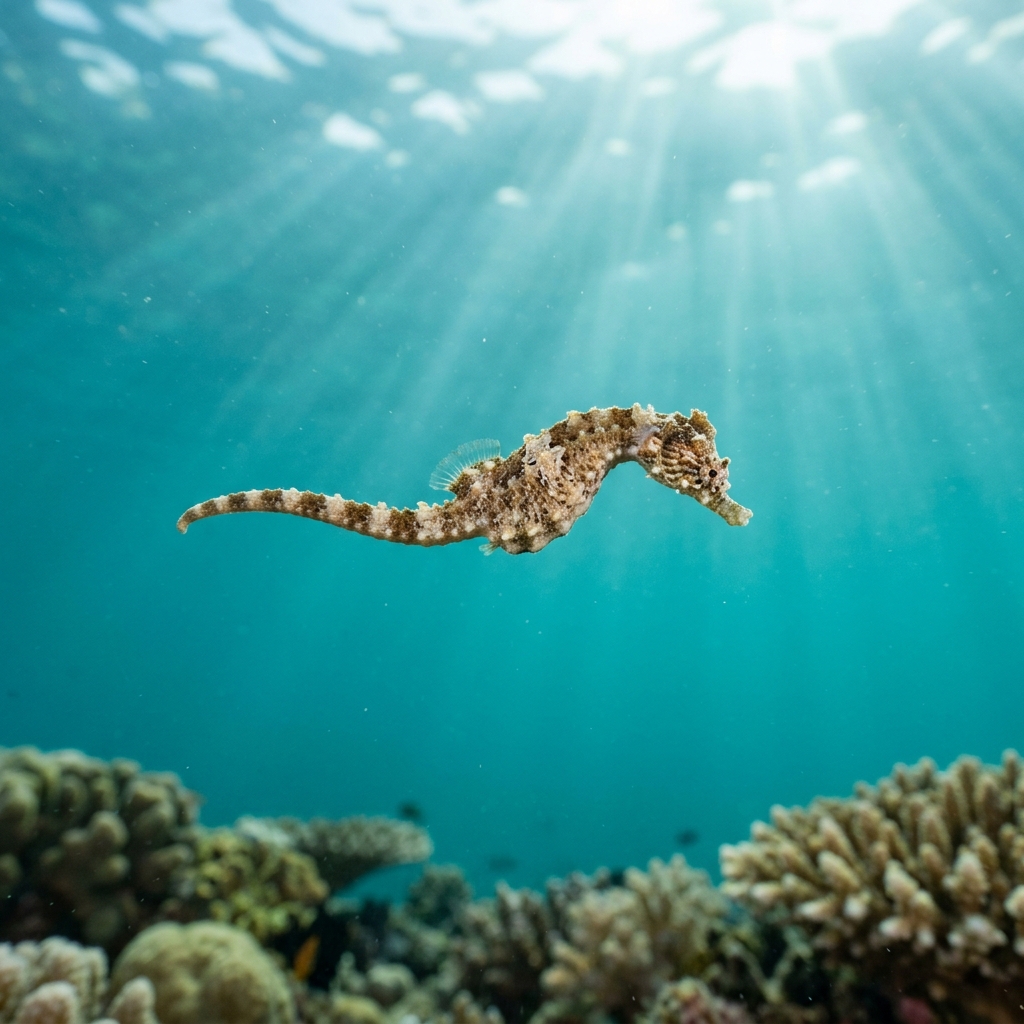
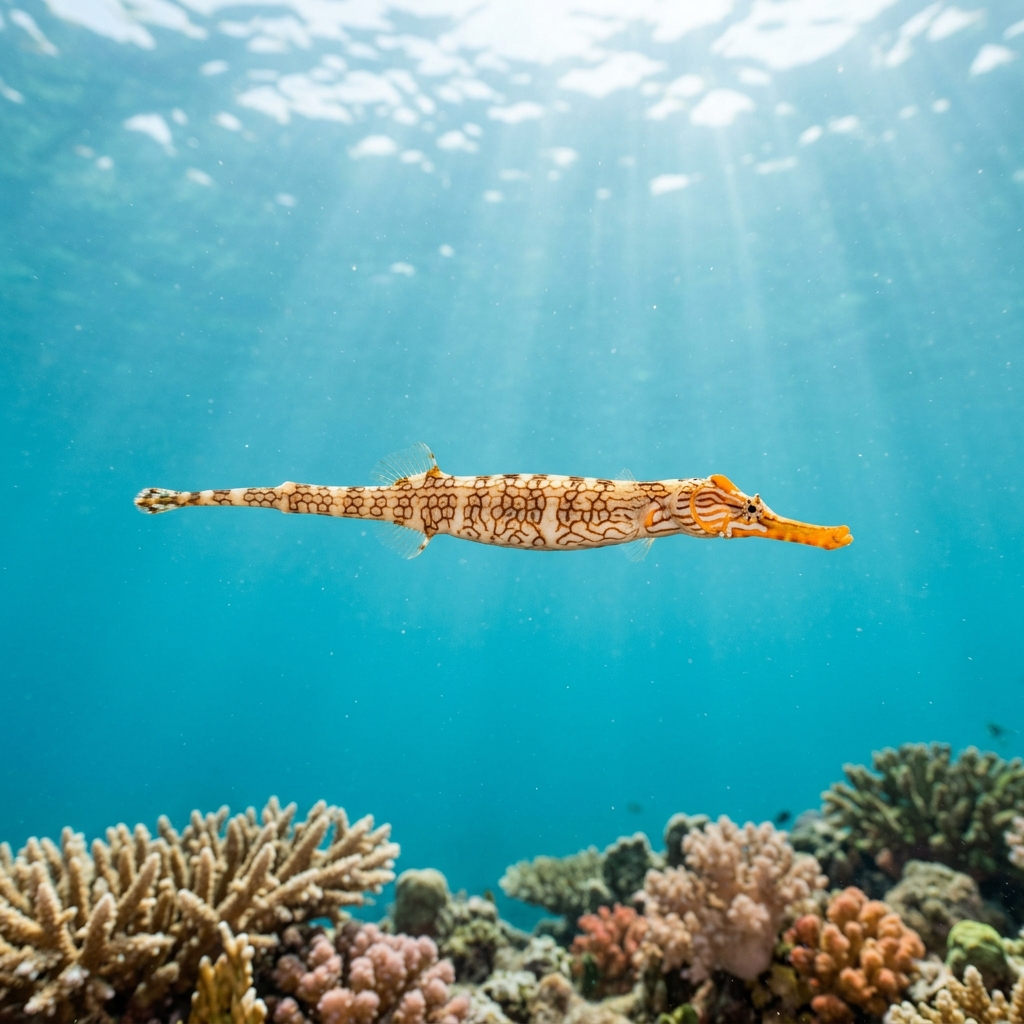
Reef neighbours a diver could mistake it for. Use the identification notes above to tell them apart.
Most sightings come from southern Australia, with Victoria, South Australia, New South Wales, and Tasmania all producing strong records across a large number of sites. New Zealand adds a significant second range, with Central New Zealand and the Coromandel and Bay of Plenty being the standout regions. Australia accounts for the majority of known sites, but New Zealand waters host reliable populations too.
Mapping where Pot-bellied Seahorse is logged…
They are most reliably found across southern Australia, particularly Victoria, South Australia, Tasmania, and New South Wales, and in New Zealand, especially around Central New Zealand and the Coromandel and Bay of Plenty. Sheltered bays and weedy reefs in cooler temperate waters are the best hunting grounds.
Diver sightings concentrate between November and August in the Southern Hemisphere, covering most of the year. Records are thinnest in the September to October window, so November through to late winter is your safest bet.
Look for the distinctly rounded, protruding abdomen, that belly profile is the key feature and sets it apart from most other seahorses. It is also one of the largest seahorse species, so sheer bulk helps. Colouration varies widely from pale yellow to dark brown with mottling, so rely on shape rather than colour.
This is one of the largest seahorse species in the world, capable of reaching around 35 cm in length, though most individuals seen by divers are somewhat smaller. Their size and robust build make them far more visible than smaller seahorse species.
Yes. The female deposits her eggs into a specialised pouch on the male's trunk, where he fertilises and incubates them. He gives birth to live young, and a single brood can number several hundred juveniles. A gravid male's pouch is visibly swollen and rounded.
Site and sighting data is aggregated from diver logs, iNaturalist and GBIF. For taxonomy and conservation status:
Seahorse
1,346 sites