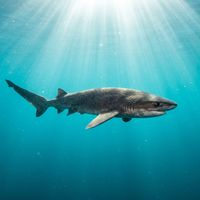
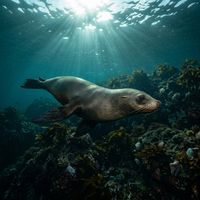
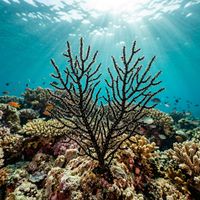
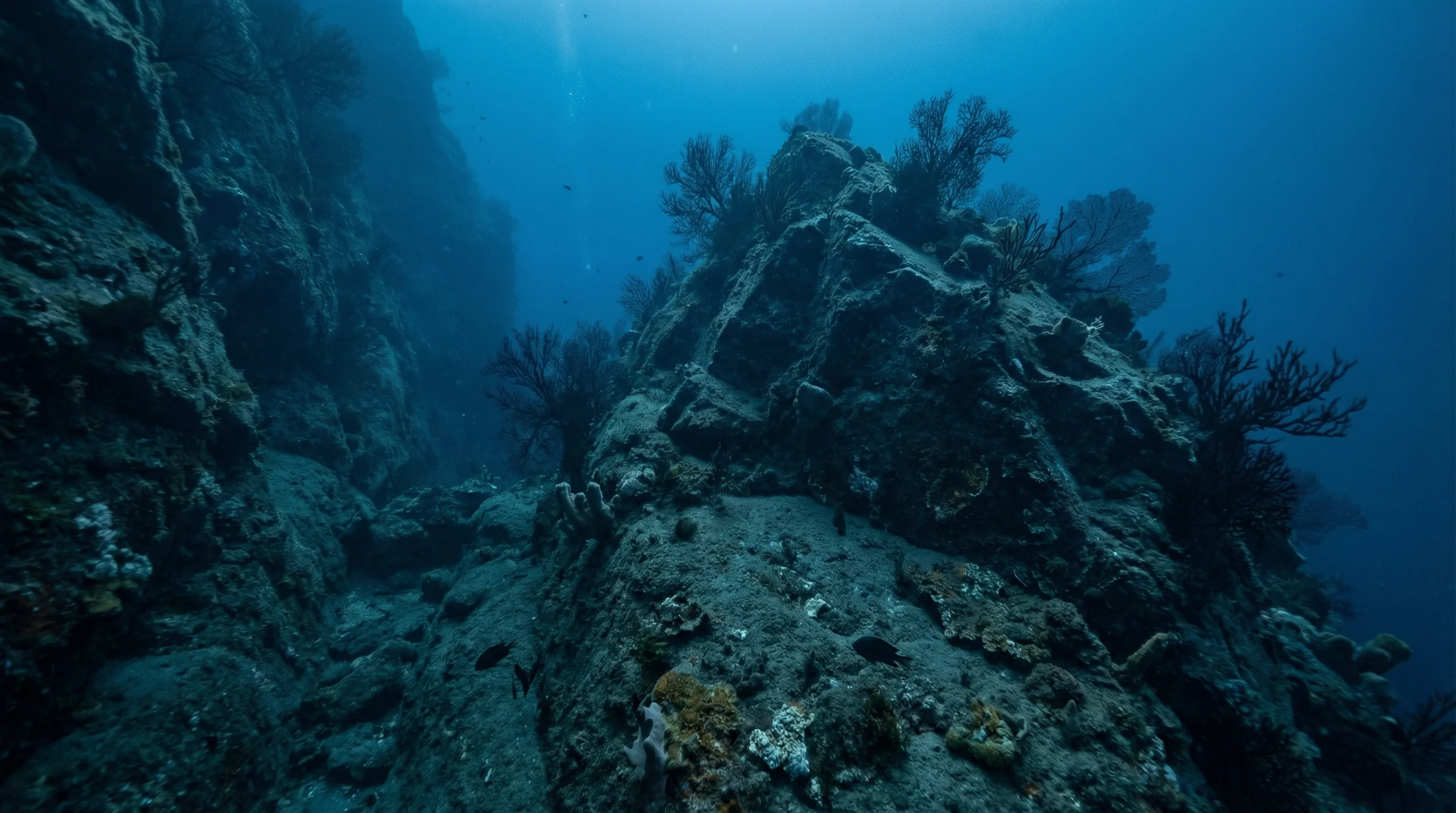
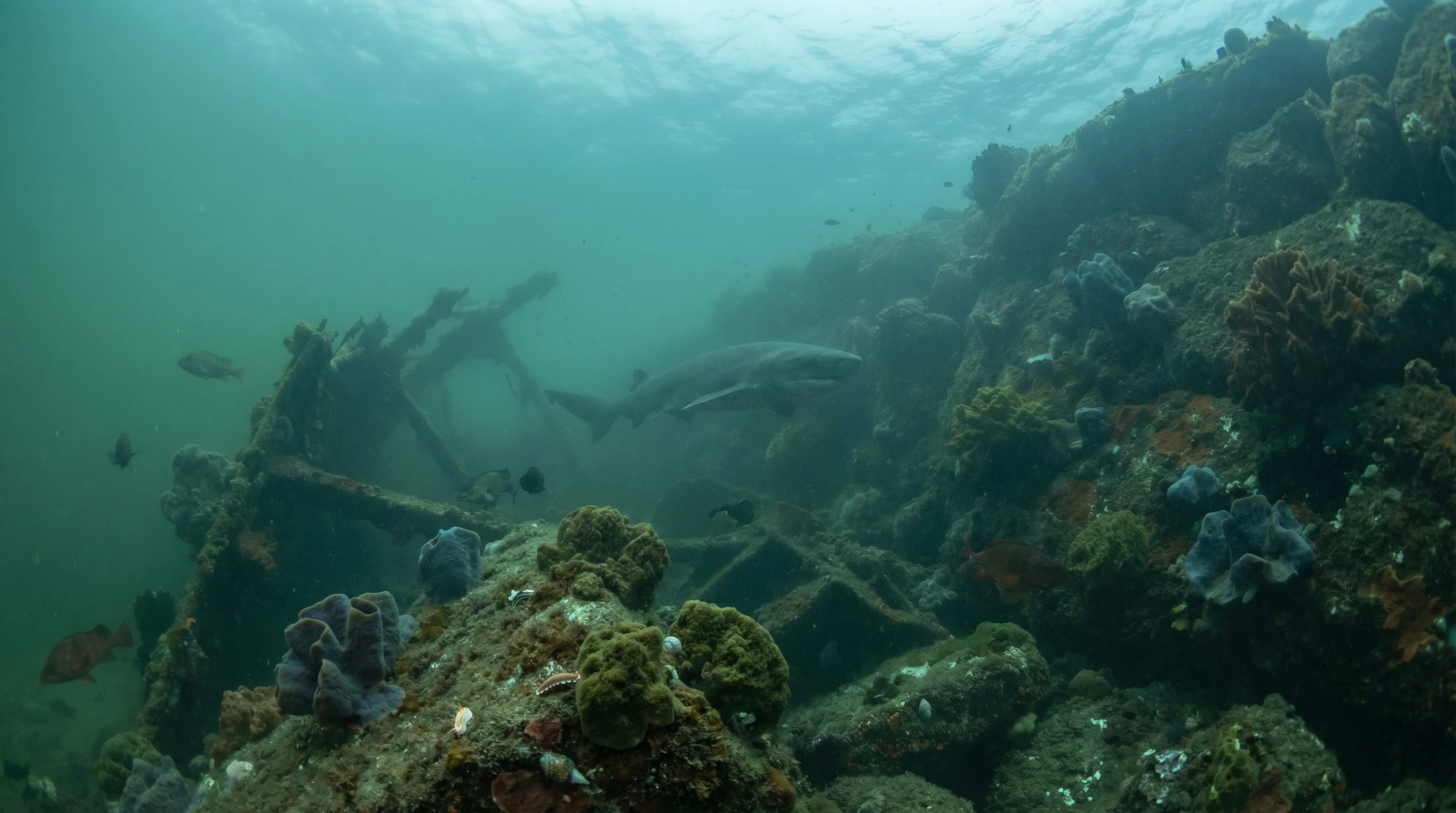
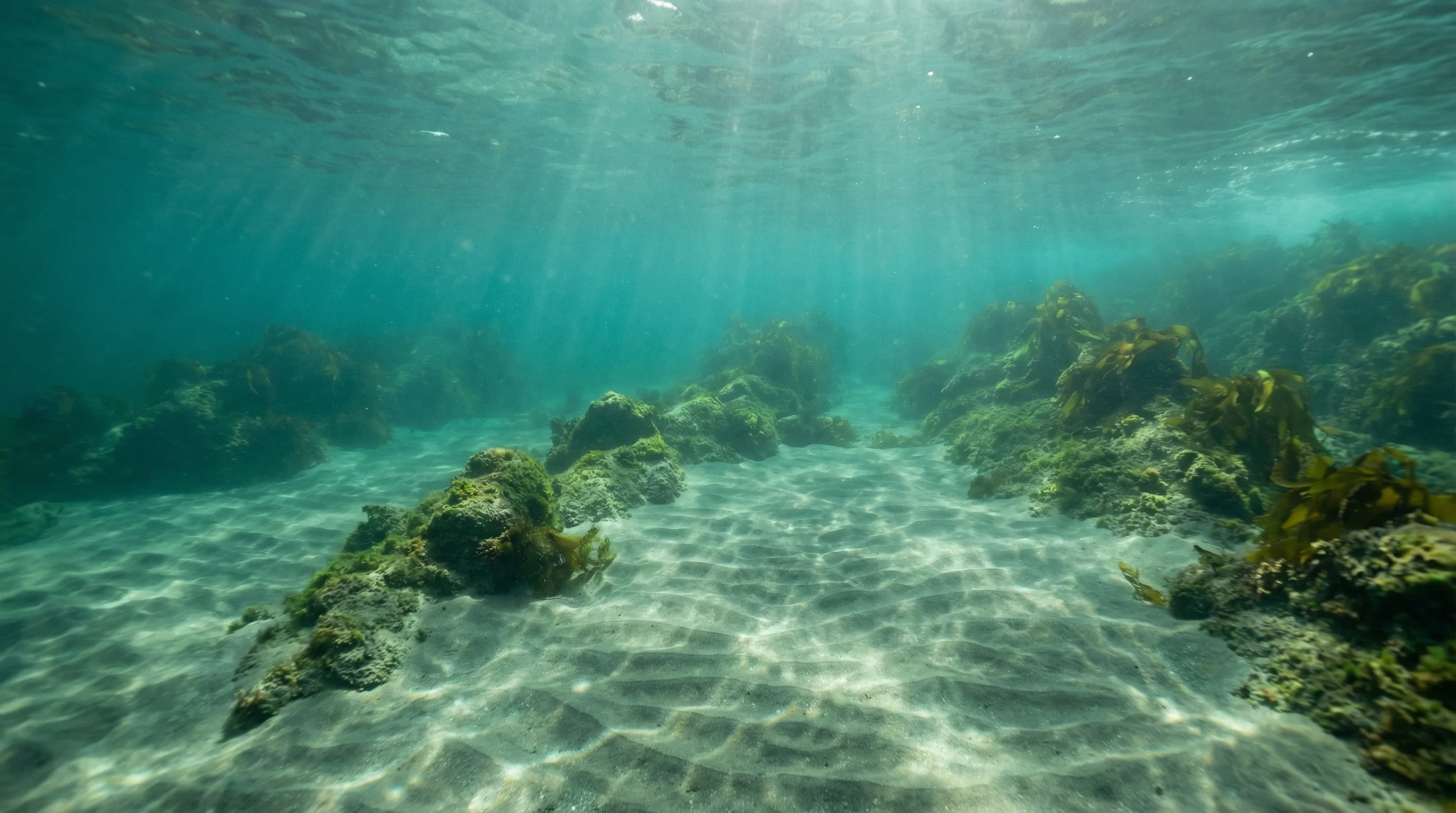
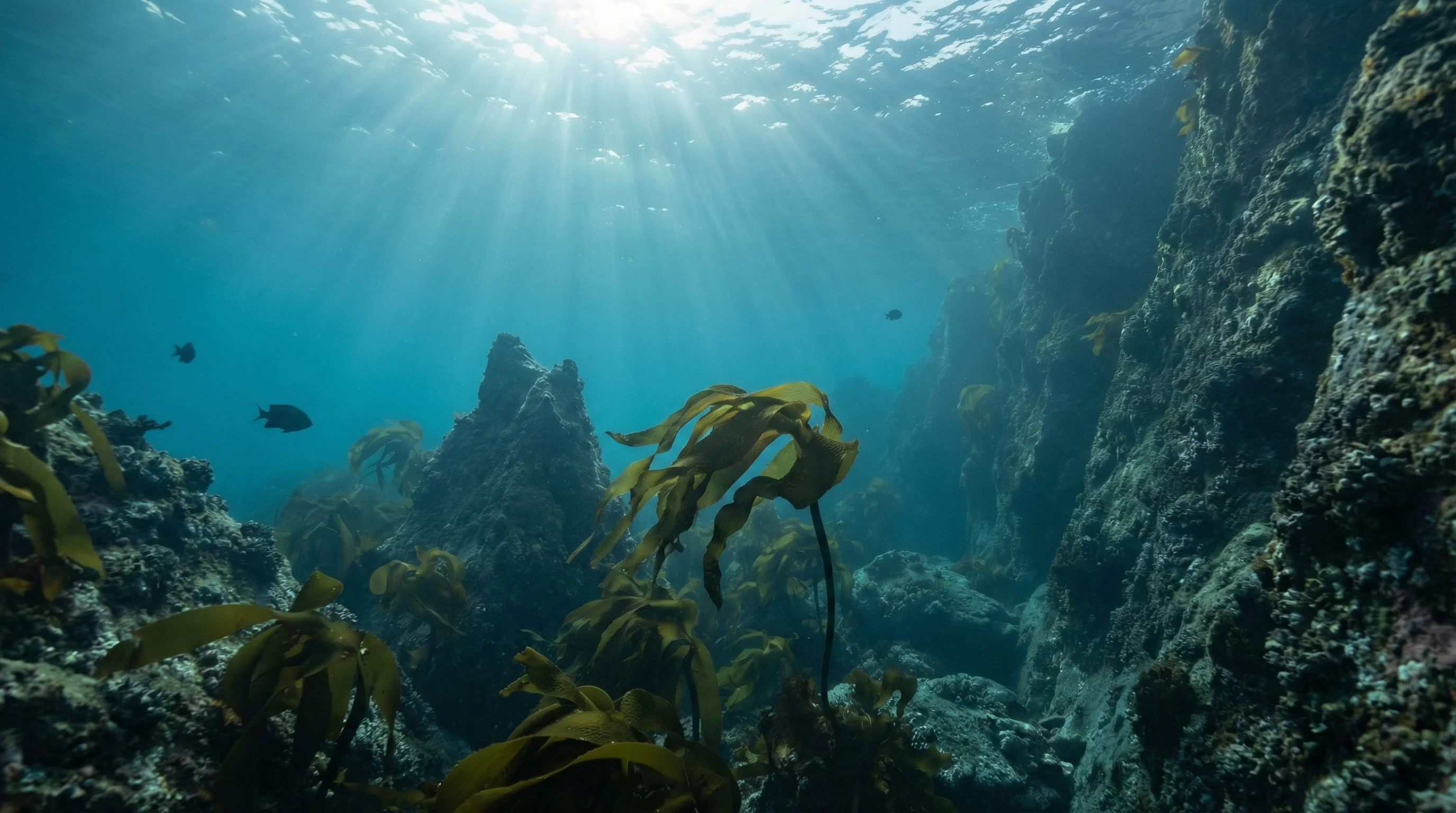
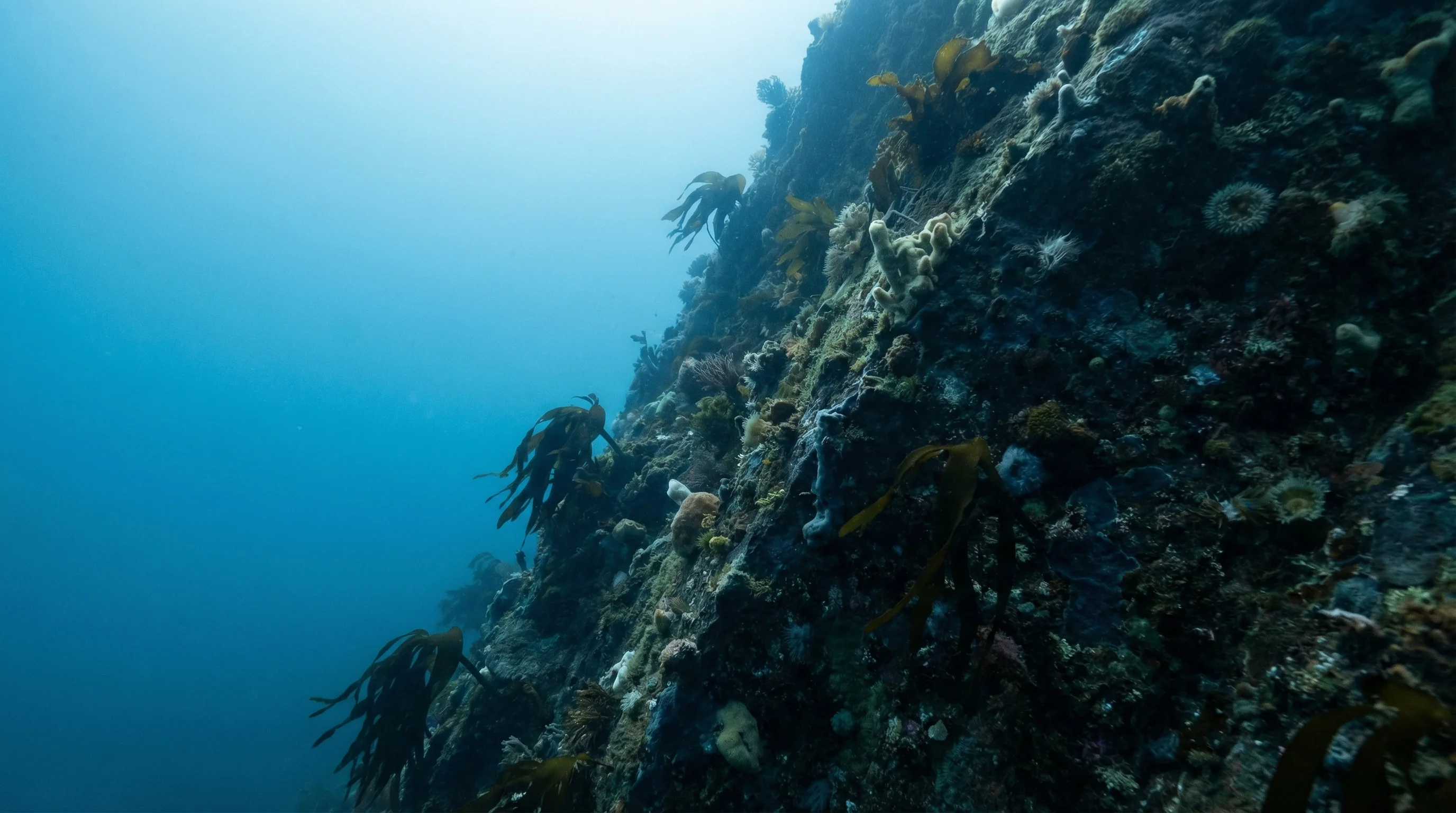
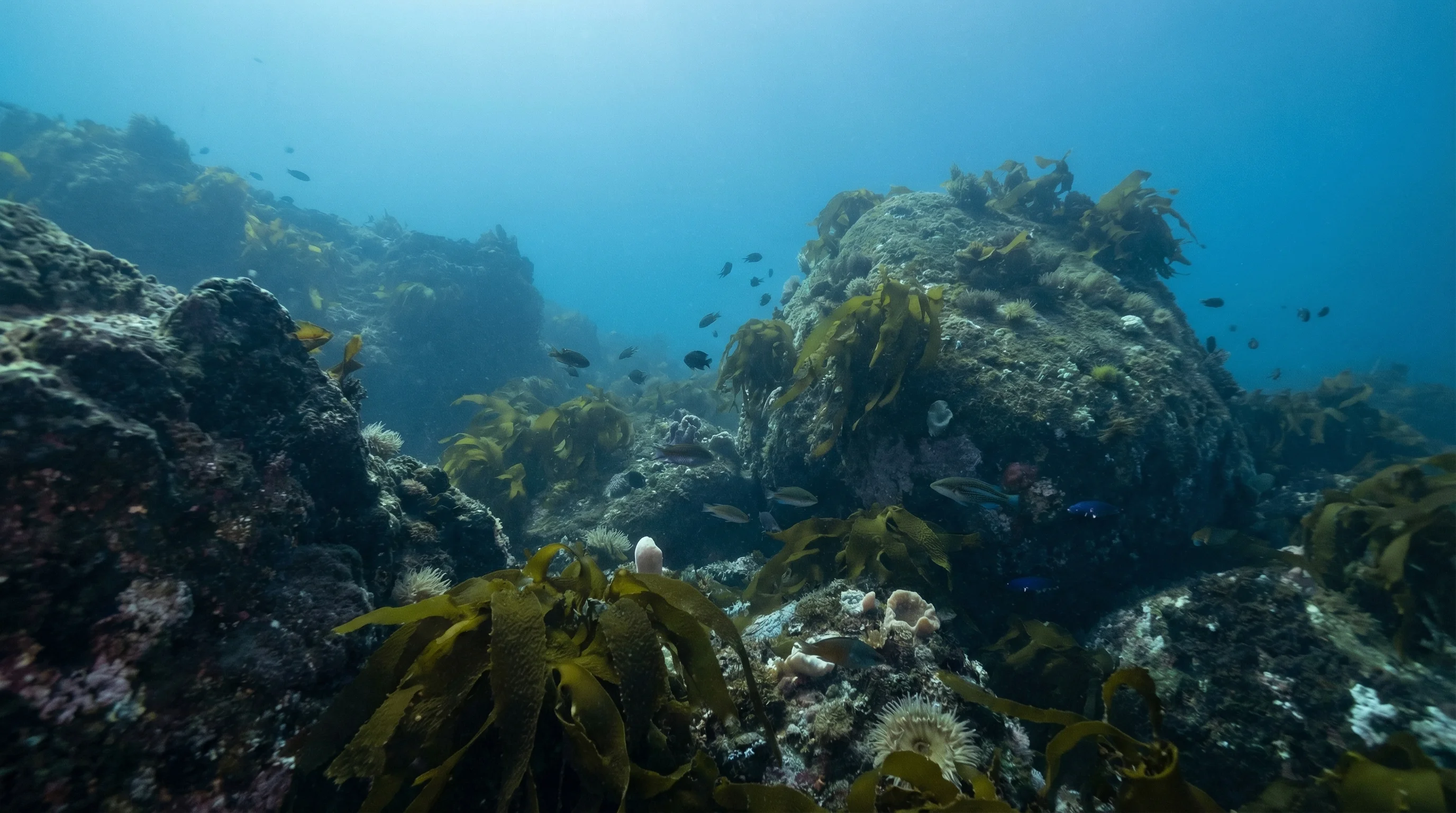
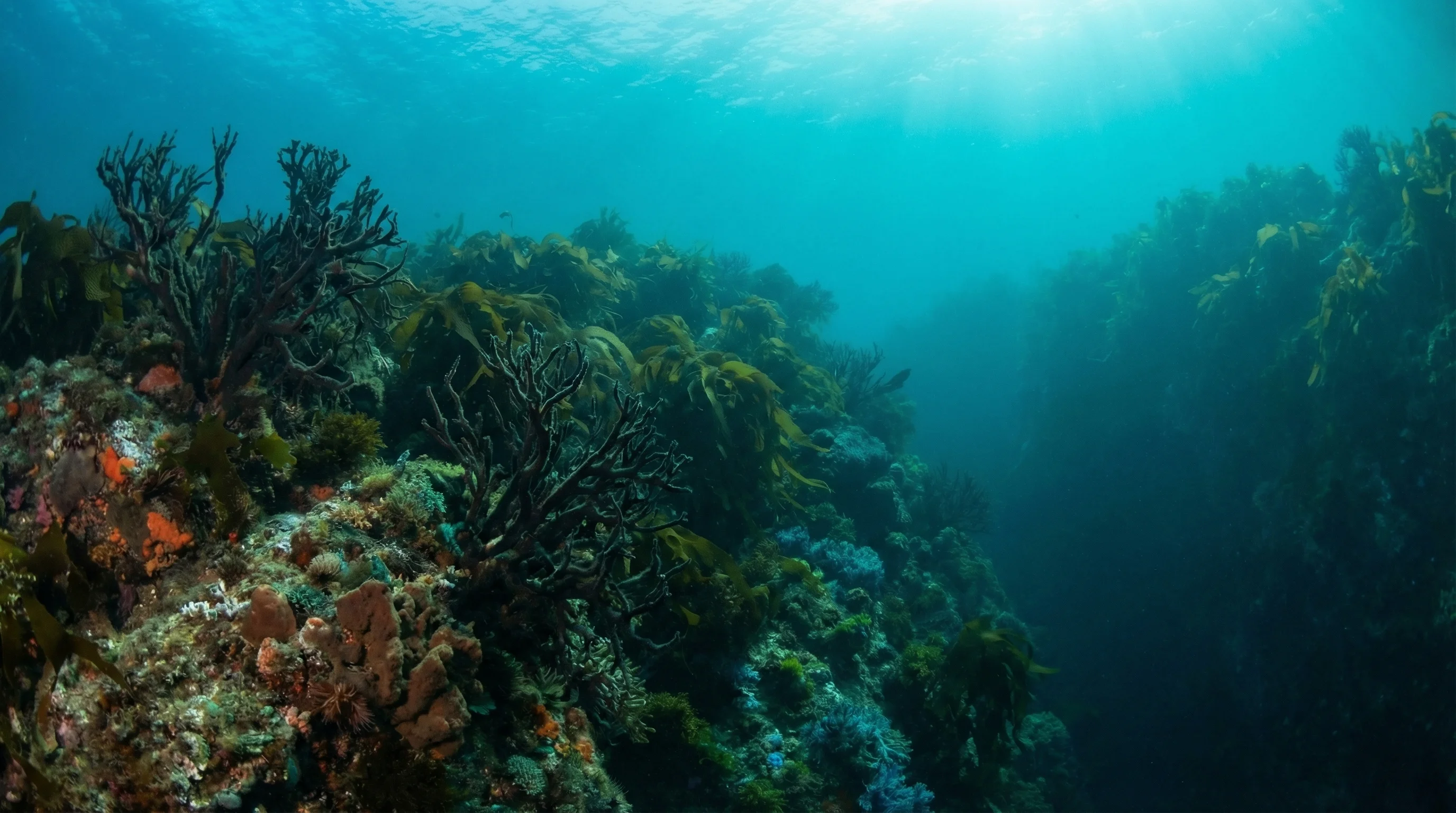
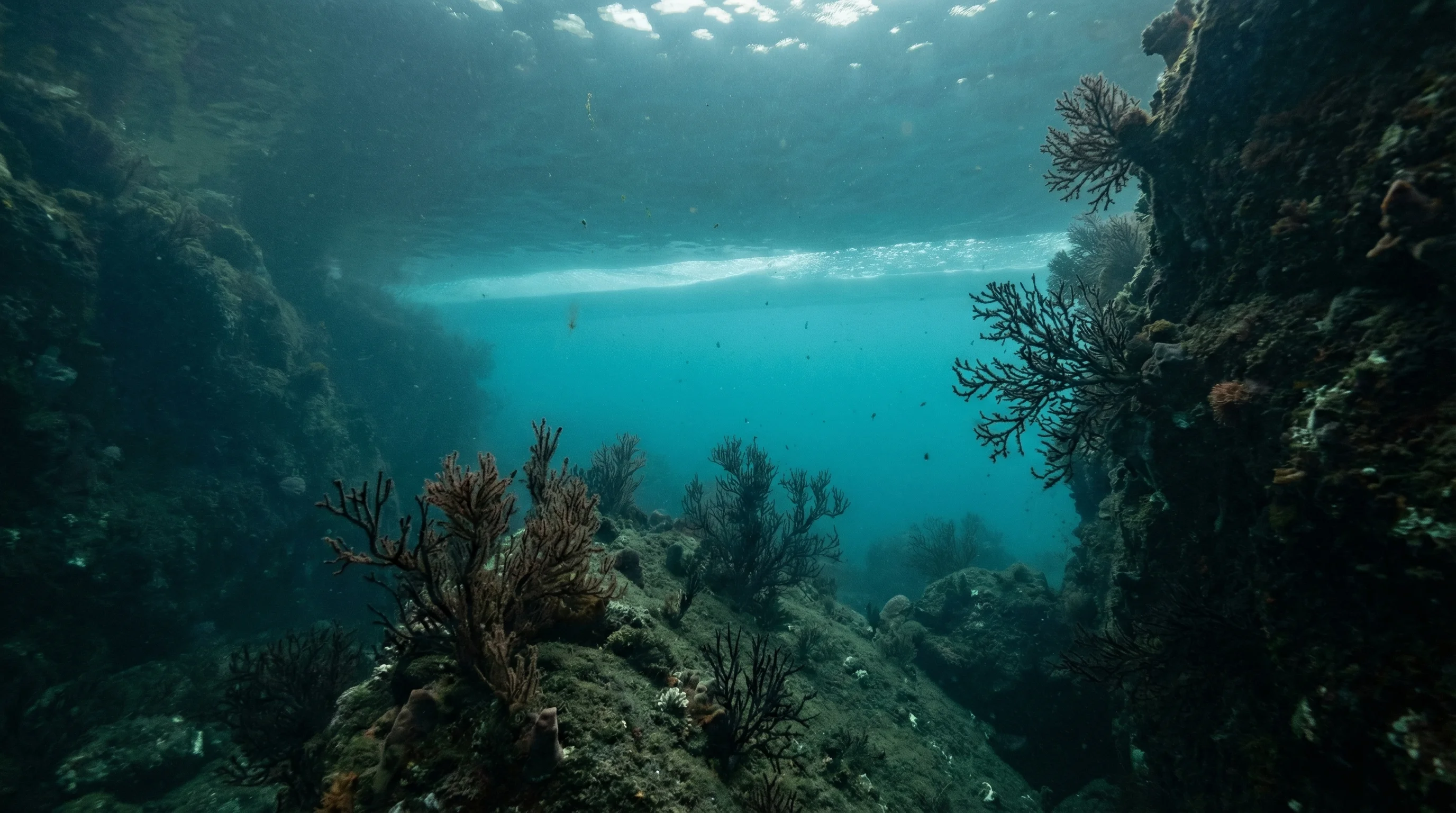
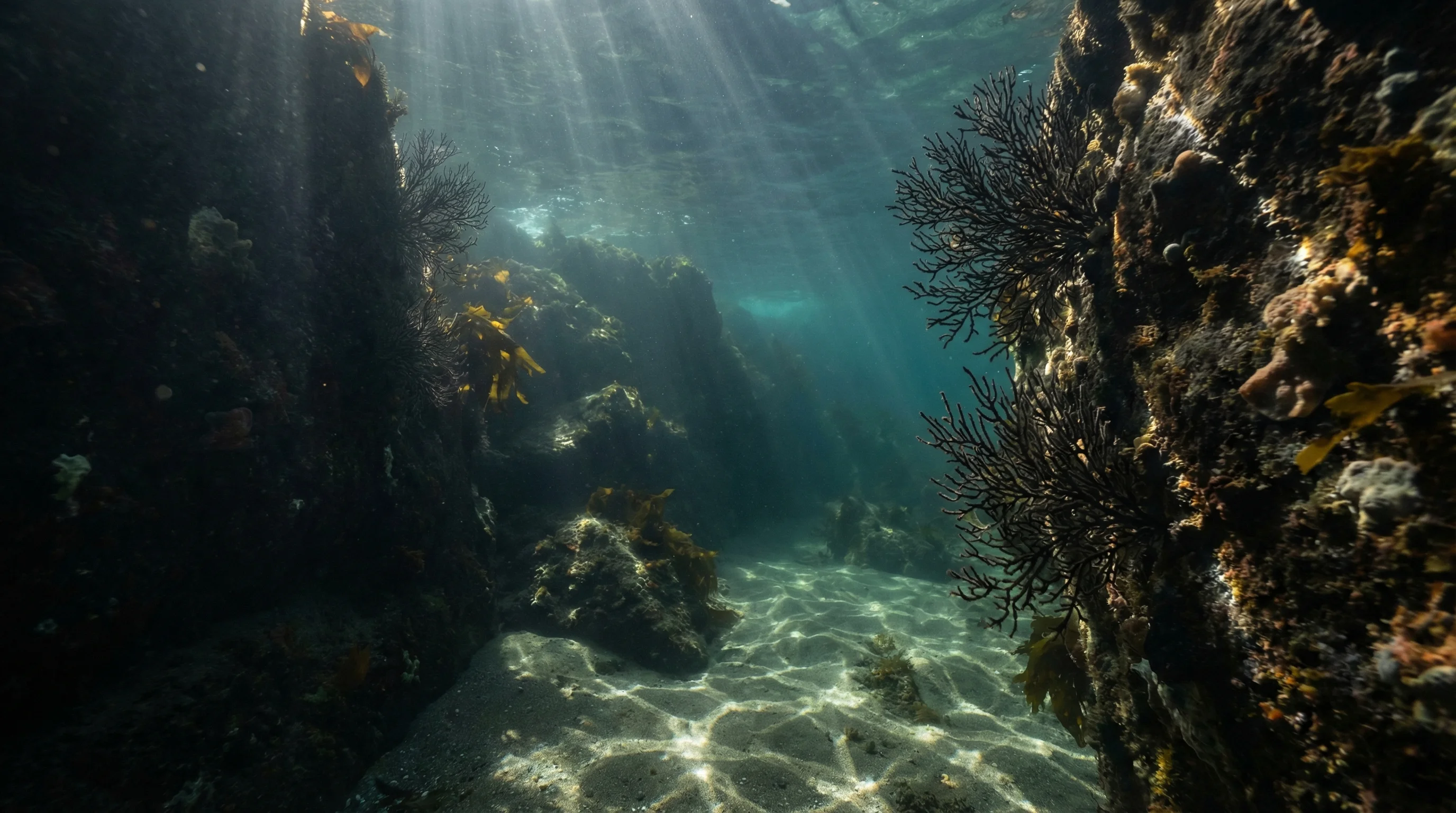
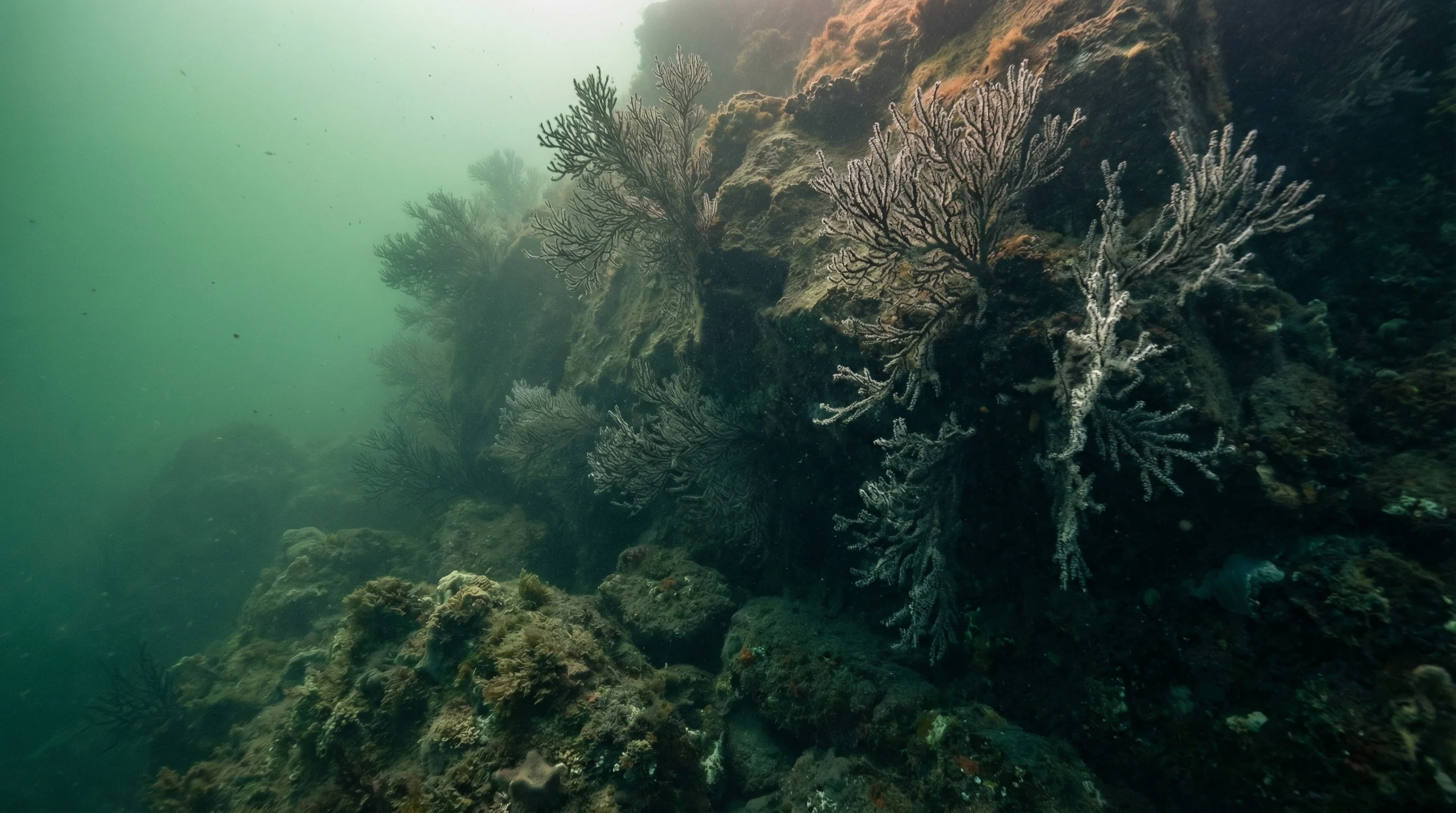
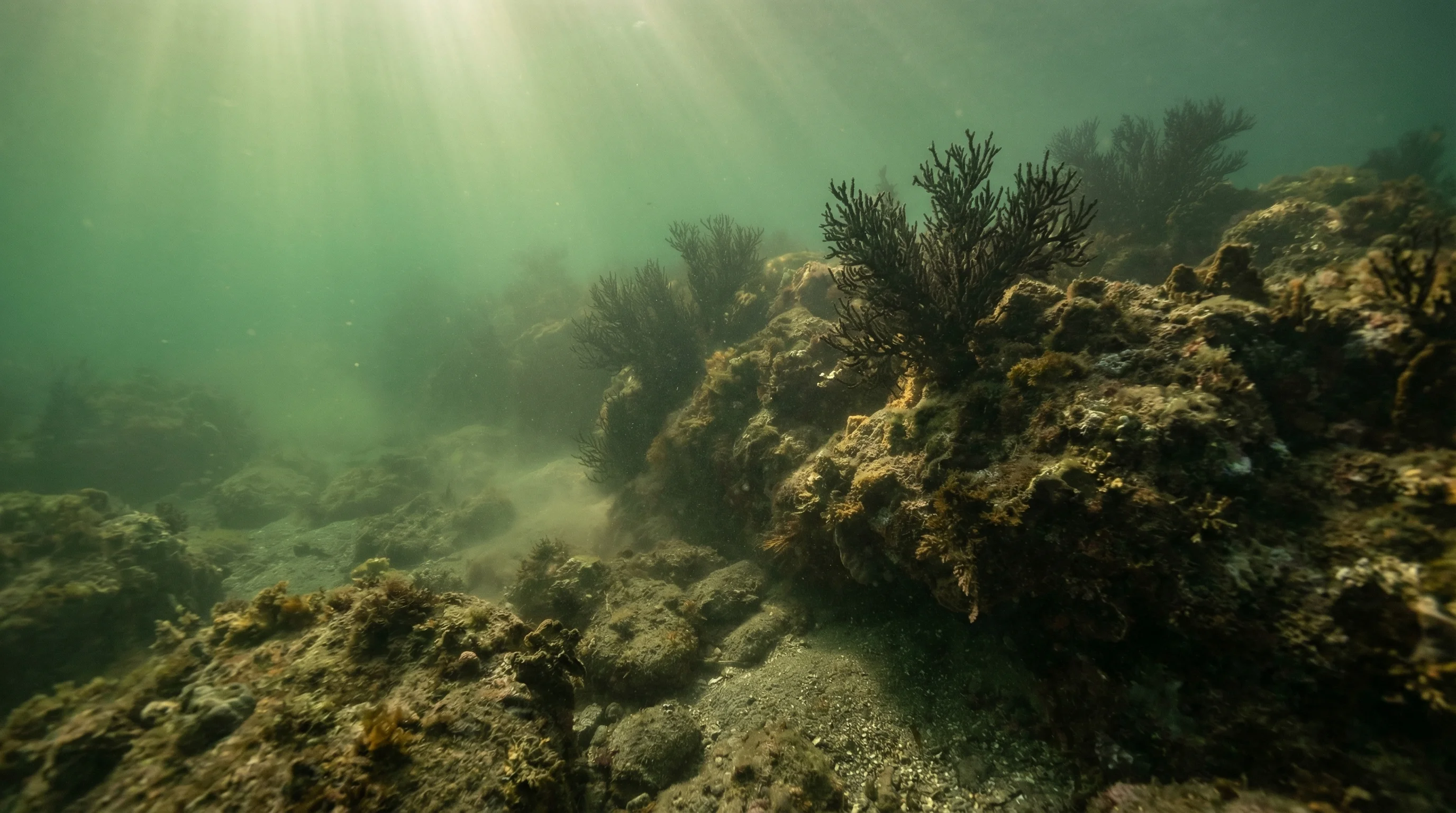
Fiordland's underwater character is defined by its fiord topography and the unusual light conditions that result from freshwater runoff. This dark, tannin-stained surface layer suppresses light, allowing Black Coral and Red Coral to grow at shallower depths than almost anywhere else. Broadnose Sevengill Shark and Long-nosed Fur Seal are encountered across nearly every site. Milford Sound offers the greatest concentration of sites, while Doubtful Sound provides a quieter alternative. Water stays cold year-round, rewarding divers who come prepared.
2 areas
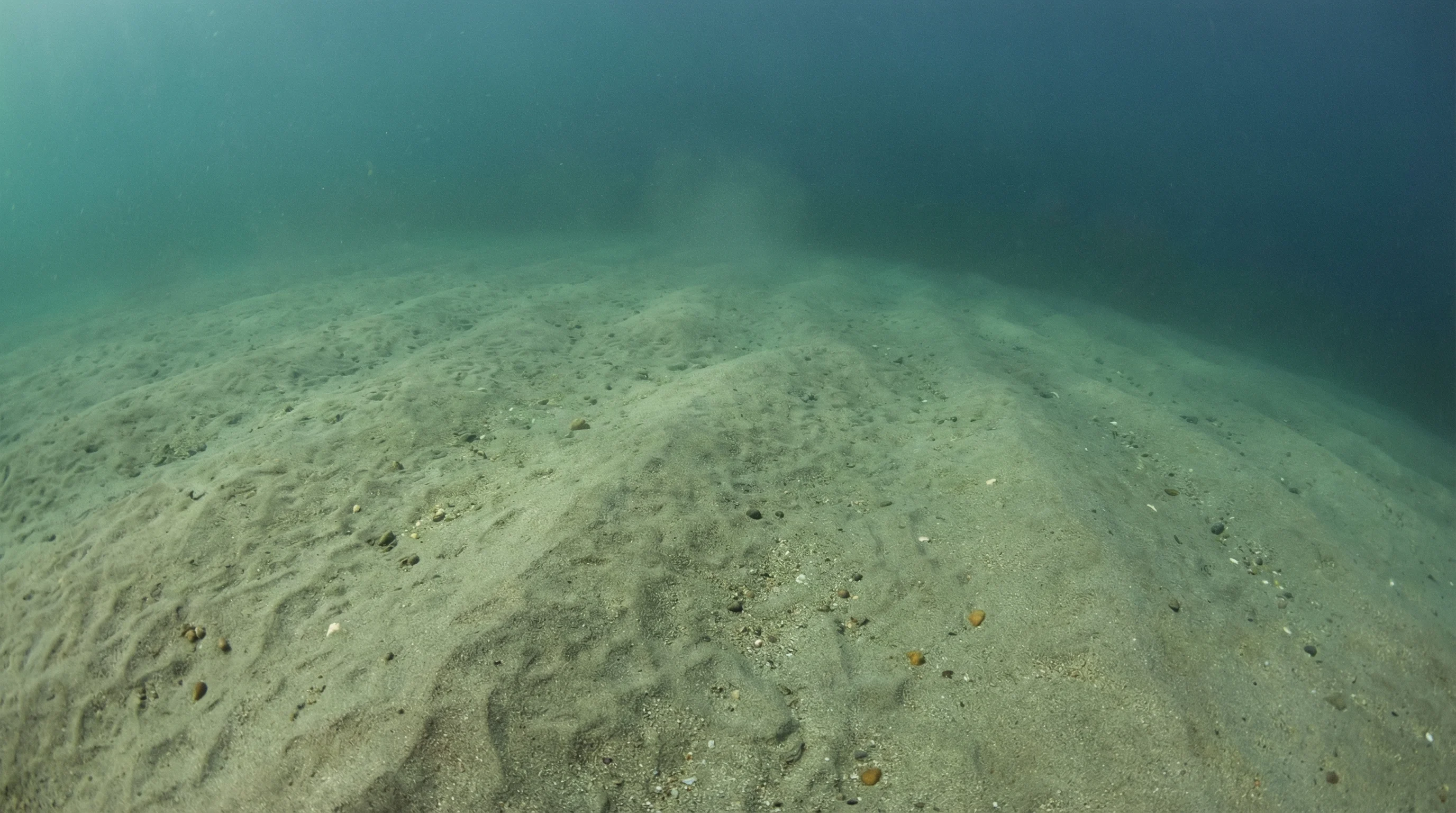 7
7Fiordland diving where a light-blocking freshwater layer brings deep-water species like black coral within shallow reach of recreational divers.
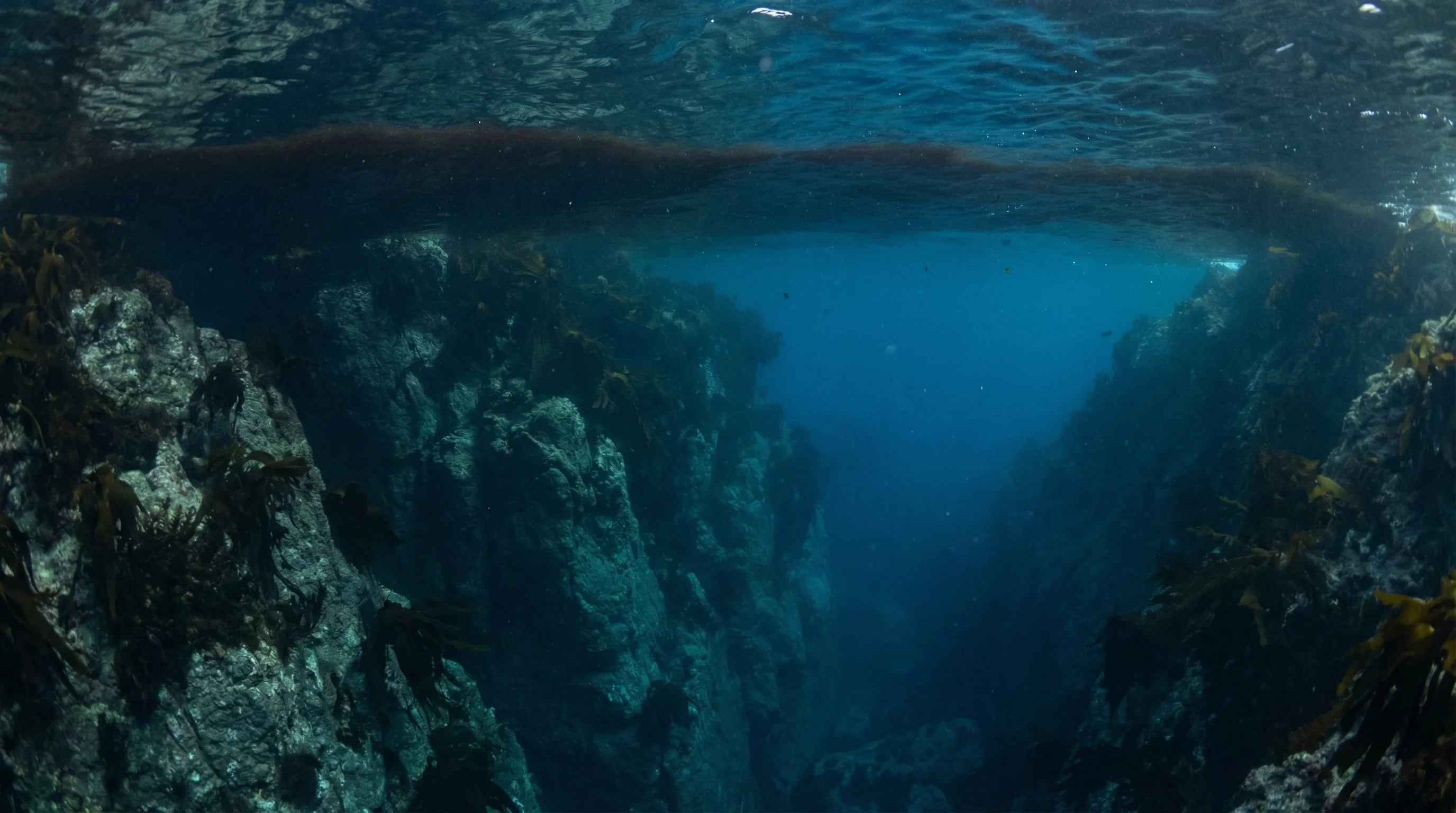 3
3Remote Fiordland fiord diving with cold stratified water, vertical walls, high-current drift sites, and deep-water species in shallow conditions.
Monthly water temperature across Fiordland's sites, from satellite sea-surface data corrected for depth. The band shows the site-to-site spread.
Water temperatures follow a gentle arc, peaking in late summer and dropping to their coldest through late winter and spring. The best-months data shows fairly even activity across the year, with slight preference for summer and mid-winter visits. Visibility varies considerably depending on rainfall and runoff, so conditions after heavy rain differ markedly from dry spells.
8 operators
New Zealand
New Zealand
New Zealand
Water temperature around Fiordland ranges from about 13°C in July to 17°C in February, based on satellite sea-temperature data for its dive sites.
15 more sites to explore
With water around 13–17°C, a 7mm or semi-dry suit works in Fiordland year-round.
Fin maps 15 sites in Fiordland (13 scuba diving sites and 3 snorkelling spots, with some suited to both), organised into 2 areas.
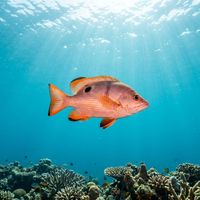
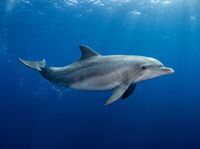
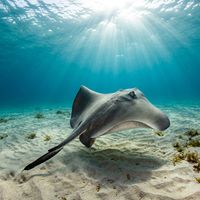
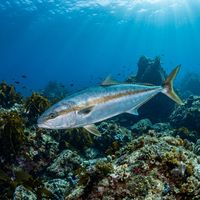
Broadnose Sevengill Shark and Long-nosed Fur Seal are observed across the vast majority of sites and are considered signature species for the region. Smooth Ray is also listed as a signature species, though sightings are less frequent. Bottlenose Dolphin has been recorded here too, and Kingfish appears occasionally.
The cold water and variable visibility mean Fiordland rewards divers who are comfortable in temperate, low-light conditions. The presence of Broadnose Sevengill Shark is well established, though these animals are not considered dangerous in this context. Divers new to cold-water environments should be aware that conditions can change with rainfall.
Milford Sound holds significantly more dive sites than Doubtful Sound, making it the primary hub for diving activity in the region. Doubtful Sound offers a smaller, quieter set of sites for those seeking a different experience. Both fiords share the same characteristic dark water and coral communities.
Sound Diving NZ is the operator listed for the region and is the main route to accessing sites across both Milford Sound and Doubtful Sound. Given the remote fiord setting, boat access is the practical means of reaching most sites. Independent access is limited by the geography.